Franchising is one of the most powerful business models in the United States. It combines the support of an established brand with the independence of business ownership. But launching or expanding a franchise comes with one unavoidable challenge: equipment costs. From commercial kitchen appliances to point-of-sale systems, fitness machines, and delivery vehicles, the capital required can be substantial. For franchise owners who want to preserve working capital while still getting the equipment they need, equipment leasing for franchises offers a smart, flexible path forward.
In This Article
- What Is Equipment Leasing for Franchises?
- Key Benefits for Franchise Owners
- How Equipment Leasing Works
- Types of Equipment Leases for Franchises
- What Equipment Can Franchises Lease?
- Leasing vs. Buying: The Franchise Comparison
- Who Qualifies for Franchise Equipment Leasing?
- How Crestmont Capital Helps Franchises
- Real-World Franchise Leasing Scenarios
- Frequently Asked Questions
- How to Get Started
What Is Equipment Leasing for Franchises?
Equipment leasing for franchises is a financing arrangement in which a franchise owner rents the equipment needed to operate their business for a set term, rather than purchasing it outright. The lessee (franchise owner) makes regular monthly payments to use the equipment, and at the end of the term, they may have options to buy the equipment, renew the lease, or return it and upgrade to newer models.
For franchisees, leasing is particularly appealing because it allows them to open their doors or expand their operations without tying up hundreds of thousands of dollars in equipment that depreciates over time. Instead, that capital can be deployed to hire staff, build out the location, fund marketing, or simply maintain a healthy cash reserve.
Equipment leasing is distinct from a business loan in that you are not taking on debt for the full purchase price. Instead, you are paying for the use of the equipment over time. This structure can have a significant positive impact on your balance sheet and cash flow.
Industry Insight: According to the Equipment Leasing and Finance Association (ELFA), approximately 80% of U.S. businesses use some form of equipment financing or leasing. Franchises are among the highest adopters, given their standardized equipment needs and replicable operating models.
Key Benefits for Franchise Owners
The case for equipment leasing in the franchise world is strong. Franchise owners who choose leasing gain a competitive advantage through better cash flow management, access to cutting-edge equipment, and greater operational flexibility.
Preserve Working Capital: Every dollar you commit to a piece of equipment is a dollar you cannot use for payroll, marketing, or unexpected expenses. Leasing lets you spread equipment costs over manageable monthly payments, keeping your capital available for the activities that drive revenue.
Access to Brand-Approved Equipment: Many franchisors require franchisees to use specific equipment models that meet brand standards. Leasing allows you to acquire that exact equipment without the sticker shock of full purchase prices, which is especially important during the early months when revenue is still ramping up.
Tax Efficiency: Lease payments are typically treated as operating expenses, which may be fully deductible in the year they occur. This is different from equipment ownership, where you must depreciate the asset over several years. Consult with your tax advisor for guidance specific to your situation.
Technology Upgrades: Equipment gets outdated quickly. A POS system that was cutting-edge three years ago may now be outpaced by faster, more integrated solutions. Leasing allows you to upgrade at the end of each term, keeping your franchise operating with modern, efficient tools.
Faster Approval and Funding: Equipment lease applications are often processed faster than traditional business loans. Many lease approvals can occur within 24 to 48 hours, which is critical for franchisees with tight buildout timelines or grand opening deadlines.
Ready to Lease Equipment for Your Franchise?
Crestmont Capital connects franchise owners with flexible leasing solutions that preserve capital and accelerate growth. Apply in minutes.
Apply Now →How Equipment Leasing Works
The process of leasing equipment for a franchise is straightforward, though understanding the key steps helps franchise owners make informed decisions and avoid common pitfalls.
1. Identify Your Equipment Needs: Work with your franchisor's onboarding team to compile a complete list of required and recommended equipment. This list will serve as the basis for your lease application.
2. Choose a Lessor: You can work with an equipment leasing company directly or through a financing partner like Crestmont Capital, which specializes in matching franchise owners with the right leasing terms based on their business profile and goals.
3. Apply for the Lease: Submit a lease application that typically includes basic business information, credit history, and financial documentation. For new franchisees, your franchisor's brand recognition often helps strengthen the application.
4. Review and Sign the Lease Agreement: Once approved, review the lease carefully. Pay attention to the lease term (typically 24 to 60 months), monthly payment amount, buyout options, maintenance responsibilities, and end-of-term provisions.
5. Equipment Delivery and Installation: Once the lease is signed, the equipment is delivered and installed at your franchise location. You can begin operating immediately without having depleted your cash reserves.
6. Make Monthly Payments: During the lease term, you make fixed monthly payments. These predictable expenses make it easier to budget and forecast cash flow.
7. Exercise Your End-of-Term Option: At the end of the lease, you typically have three choices - purchase the equipment at fair market value or a predetermined price, renew the lease, or return the equipment and upgrade.
Quick Guide
Equipment Leasing for Franchises - At a Glance
Compile your full equipment list based on franchisor requirements and operational needs.
Submit your lease application - often approved within 24-48 hours for franchised businesses.
Review lease terms carefully, sign the agreement, and have equipment delivered and installed.
Run your franchise with predictable monthly payments and preserved working capital.
Types of Equipment Leases for Franchises
Not all equipment leases are structured the same way. Franchise owners should understand the primary lease structures to choose the one that best aligns with their financial goals.
Operating Lease (True Lease): In an operating lease, you rent the equipment for a set period without any obligation or expectation of ownership at the end. This structure is ideal for equipment that becomes obsolete quickly, such as technology, POS systems, and certain kitchen appliances. At the end of the term, you return the equipment or upgrade. Monthly payments for operating leases are typically lower than capital leases because the lessor retains the residual value of the equipment.
Capital Lease (Finance Lease): A capital lease is structured more like a loan. You make payments over the lease term and at the end, you typically own the equipment outright or purchase it for a nominal amount. Capital leases are better suited for long-lived equipment that retains value and where eventual ownership is desired, such as commercial refrigeration units, heavy machinery, or custom-built counters and cabinetry.
Fair Market Value (FMV) Lease: This is a popular option for franchise owners who want the lowest possible monthly payments and the flexibility to upgrade at the end of the term. At lease-end, you can purchase the equipment at its current fair market value, renew the lease, or return the equipment. FMV leases are common for technology-intensive franchises where keeping current with the latest systems is a competitive priority.
$1 Buyout Lease: At the end of the lease term, you purchase the equipment for $1. This option results in higher monthly payments than an FMV lease but ensures you will own the equipment free and clear. It is well-suited for essential equipment with long useful lives, such as commercial HVAC systems, grease traps, or heavy restaurant equipment.
By the Numbers
Franchise Equipment Leasing - Key Statistics
80%
of U.S. businesses use equipment financing or leasing
$1.1T
in equipment and software financed annually in the U.S.
24-48h
typical lease approval timeline for franchised businesses
800K+
franchise establishments operating across the United States
What Equipment Can Franchises Lease?
The range of equipment that can be leased for franchise operations is remarkably broad. Virtually any tangible piece of equipment used in the operation of your franchise business is eligible for leasing.
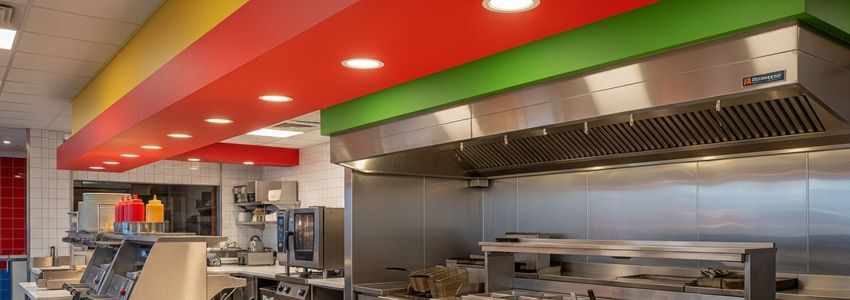
Restaurant and Food Service Franchises: Commercial ovens, deep fryers, griddles, refrigerators, freezers, ice machines, dishwashers, food prep tables, exhaust hoods, POS systems, drive-through equipment, and display cases. Fast food and quick-service franchises often have large equipment packages that make leasing particularly cost-effective.
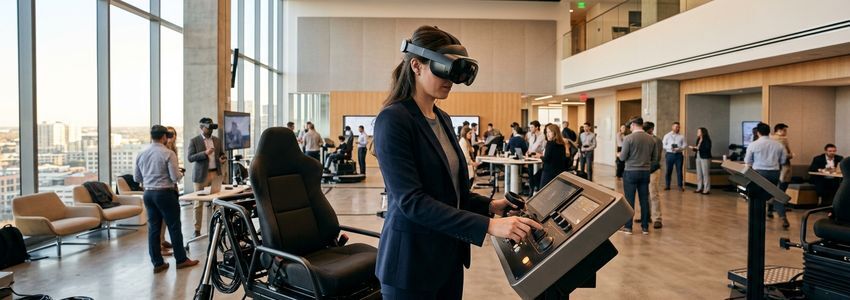
Fitness and Wellness Franchises: Treadmills, ellipticals, rowing machines, stationary bikes, strength training systems, yoga props, lockers, check-in kiosks, and facility management software systems. For fitness franchises with many expensive machines, leasing often makes the difference between a viable and unviable startup model.
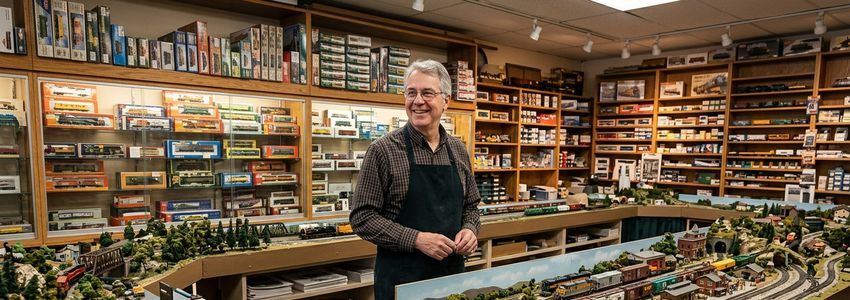
Retail and Service Franchises: Display fixtures, shelving, checkout systems, inventory management technology, security cameras, digital signage, and customer service kiosks.
Healthcare and Medical Franchises: Diagnostic equipment, examination tables, imaging systems, sterilization units, and patient management software. Medical franchises often deal with rapidly evolving technology, making leasing a particularly sound choice.
Auto Service Franchises: Vehicle lifts, tire changers, alignment equipment, diagnostic computers, air compressors, and specialized tools. These assets are expensive and benefit greatly from leasing structures that spread costs over their useful lives.
Office and Administrative Equipment: Computers, printers, copiers, phone systems, and network infrastructure are common across nearly all franchise types and are highly suitable for leasing given their technology obsolescence cycle.
| Feature | Equipment Leasing | Equipment Purchase |
|---|---|---|
| Upfront Cost | Low (first payment only) | High (full purchase price) |
| Cash Flow Impact | Minimal - preserves capital | Significant cash outlay |
| Upgrade Flexibility | Easy - upgrade at term end | Complex - must sell and rebuy |
| Balance Sheet | Operating lease = off-balance sheet | Asset recorded on balance sheet |
| Ownership | Optional at end of term | Immediate ownership |
| Approval Speed | 24-48 hours typically | Varies by loan type |
| Best For | Growth-focused franchisees | Stable, cash-rich operators |
Leasing vs. Buying: The Franchise Comparison
One of the most common questions franchise owners face when building out or expanding their locations is whether to lease or buy their equipment. The answer depends heavily on the individual franchise's financial position, growth goals, and the nature of the equipment itself.
For franchisees in the early stages of their business, leasing is almost always the superior choice. The upfront capital savings are significant, approval is faster, and the predictable payment structure supports accurate financial planning. A new franchise owner who buys $150,000 worth of equipment outright is starting their business with a substantially depleted cash reserve. The same owner who leases that equipment may have monthly payments of $2,500 to $4,000, leaving their working capital intact for hiring, marketing, and the inevitable unexpected expenses that come with a new business.
For established multi-unit franchisees with strong cash flows, buying certain core assets outright may make financial sense over the long term. However, even experienced operators often prefer to lease technology-intensive equipment to maintain the flexibility to upgrade as systems evolve.
Pro Tip: Many franchisors have preferred equipment vendors and leasing partners they work with regularly. Before signing any lease, check with your franchisor to see if there are preferred vendors that offer better terms, pre-negotiated pricing, or installation support specifically for franchisees in their network.
Who Qualifies for Franchise Equipment Leasing?
Equipment leasing is generally more accessible than traditional business loans. The equipment itself serves as collateral, which reduces the lender's risk and makes approval more attainable for a wider range of applicants.
Credit Score: Most equipment lessors prefer applicants with a personal credit score of 620 or above, though some lenders can work with scores as low as 580 for established franchise brands. For new franchisees, personal credit is often the primary underwriting factor.
Time in Business: For existing franchise locations, lenders typically prefer at least 6 to 12 months of operating history. For new franchise buildouts, the franchise brand name itself provides a level of underwriting comfort that can offset the lack of operating history.
Annual Revenue: Established franchisees with demonstrable revenue are viewed more favorably, but new franchisees can often qualify based on the strength of the franchise system, projected revenue based on franchised system averages, and the applicant's personal financial profile.
Down Payment: Equipment leases often require little to no down payment. Some transactions require the first and last month's payment upfront, but even this is a small fraction of what an equipment purchase would require.
Franchise Brand Strength: Lenders are more comfortable approving larger lease packages for franchisees of well-established national brands. A franchisee opening a location of a top-100 franchise system will generally find more favorable terms than an operator with a less recognized brand.
Unsure If You Qualify? Find Out Now.
Crestmont Capital works with franchise owners across all credit profiles. Submit your application in minutes and get an answer fast.
Check Your Options →How Crestmont Capital Helps Franchises
Crestmont Capital has built a reputation as one of the leading business financing partners for franchise owners across the United States. As the #1 rated business lender in the country, Crestmont offers a range of franchise equipment leasing and financing solutions tailored to the unique needs of franchisees at every stage of their journey.
For new franchisees building out their first location, Crestmont provides fast equipment lease approvals and competitive terms that make it possible to launch on schedule without draining personal or business reserves. For multi-unit operators expanding their footprint, Crestmont offers larger facility lease packages and working capital support that let operators move quickly when opportunities arise.
Our team understands the franchise model - the standard equipment requirements, the royalty structures, the operating margins, and the capital cycles. This expertise allows us to structure financing solutions that work with your franchise system, not against it. We work with franchisees across industries including food service, fitness, retail, healthcare, automotive, and more.
In addition to equipment leasing, Crestmont Capital provides comprehensive financing solutions including working capital loans, business lines of credit, and SBA loans for franchise owners who need additional capital for buildouts, expansions, or operational needs. Whether you are opening your first franchise or your fifteenth, Crestmont has a financing pathway for you.
Real-World Franchise Leasing Scenarios
Scenario 1 - New Quick-Service Restaurant Franchise: Maria is opening her first quick-service restaurant franchise in suburban Ohio. Her franchisor requires specific commercial kitchen equipment totaling $185,000. Rather than depleting her liquid assets, she works with Crestmont Capital to secure a 48-month FMV equipment lease at $4,200 per month. She opens on time with $120,000 still in her business bank account, ready for staffing, marketing, and early operating expenses. By the end of her second year, her location is profitable and she exercises the purchase option on the equipment at fair market value.
Scenario 2 - Fitness Franchise Multi-Unit Expansion: David owns two successful fitness franchise locations and is ready to open a third. His equipment package for a full build-out - including cardio machines, strength equipment, lockers, and management software - totals $220,000. Using a $1 buyout lease through Crestmont, David structures 60-month payments of $4,100. This preserves his capital for franchise fees, tenant improvements, and initial staffing while ensuring he owns the equipment outright at the end of the term.
Scenario 3 - Automotive Service Franchise Upgrade: Thomas owns a muffler and brake franchise and needs to upgrade his shop equipment. His existing lifts and diagnostic tools are aging and are costing him in productivity and maintenance. He leases a new equipment package on a 36-month operating lease, which gives him lower monthly payments and the ability to upgrade to even newer technology when the term ends. His new equipment reduces repair cycle times by 30%, directly boosting his revenue per service bay.
Scenario 4 - Healthcare Services Franchise: Jennifer is opening her first urgent care franchise location. Medical equipment - examination tables, diagnostic devices, a digital X-ray unit, and a practice management system - totals over $300,000. Leasing allows her to open her doors without a massive capital drain, and the predictable payments make her pro forma financials look much cleaner to her bank when she later seeks a line of credit for expansion.
Scenario 5 - Retail Franchise Seasonal Expansion: A specialty retail franchisee operates three locations and wants to open a fourth location just before the holiday season. The tight 90-day timeline makes traditional purchase financing impractical. Equipment leasing through Crestmont allows the franchisee to get approved and receive equipment within two weeks, making the grand opening deadline easily achievable.
Scenario 6 - Technology-Dependent Education Franchise: An education services franchise is rolling out a new digital learning platform across all its locations. The platform requires updated tablets, interactive displays, and software subscriptions. Rather than a one-time capital outlay, the franchisee structures an equipment lease for the hardware, maintaining flexibility to upgrade when the next generation of technology is required in 36 months.
Franchisee Advantage: A franchise system's proven operating model, brand recognition, and standardized equipment requirements often result in better lease terms than independent businesses can secure. Lenders view established franchise brands as lower-risk borrowers, which can translate to lower interest factors and more favorable lease structures for franchisees.
Frequently Asked Questions
How to Get Started
Complete our quick application at offers.crestmontcapital.com/apply-now - takes just a few minutes. Have your franchise agreement and basic financial information ready.
A Crestmont Capital advisor who understands the franchise model will review your equipment needs and match you with the right leasing structure.
Receive your lease approval - often within 24 to 48 hours - and get your equipment delivered so you can open or expand on time, without depleting your capital reserves.
Launch or Expand Your Franchise Today
Equipment leasing through Crestmont Capital keeps your capital working where it matters most. Fast approvals, flexible terms, franchise expertise.
Apply Now →Conclusion
Equipment leasing for franchises is one of the most powerful tools available to franchise owners who want to grow without sacrificing the working capital that keeps their business stable and agile. Whether you are opening your first franchise location or expanding to your tenth, the right leasing structure can help you meet brand standards, access the latest technology, and preserve the financial flexibility to seize new opportunities as they arise.
Crestmont Capital understands the franchise world and the unique financing challenges that franchisees face. Our team is ready to help you structure an equipment leasing solution that fits your timeline, your budget, and your growth vision. Explore our full range of equipment financing and small business financing options today and take the next step toward building the franchise business you have always envisioned.
Disclaimer: The information provided in this article is for general educational purposes only and is not financial, legal, or tax advice. Funding terms, qualifications, and product availability may vary and are subject to change without notice. Crestmont Capital does not guarantee approval, rates, or specific outcomes. For personalized information about your business funding options, contact our team directly.