
 (800) 949-0401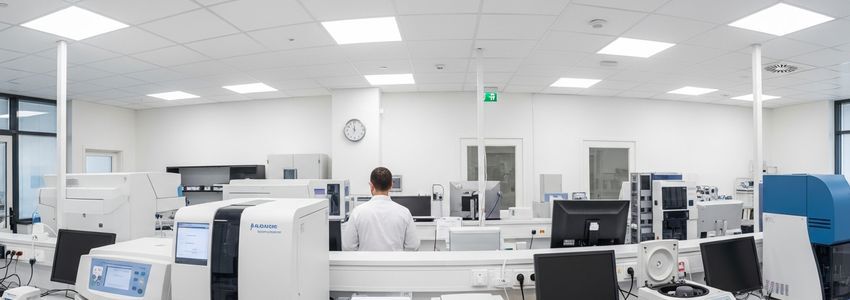
Equipment Financing for Medical Labs: The Complete Guide for Laboratory Business Owners
Medical laboratories serve as the critical foundation of the modern healthcare system. From routine blood work and toxicology screenings to complex genetic sequencing and molecular diagnostics, the accuracy, speed, and reliability of a laboratory directly dictate patient outcomes and clinical success. However, the advanced technology required to operate a state-of-the-art diagnostic facility comes with an astronomical price tag. For laboratory owners, directors, and healthcare entrepreneurs, balancing the constant demand for cutting-edge technology with the strict realities of business cash flow management is an ongoing, daily challenge. This is precisely where medical lab equipment financing becomes an indispensable financial strategy.
Acquiring new analytical instruments, automated liquid handlers, or sophisticated laboratory information management systems (LIMS) outright can severely deplete a facility's working capital. Tying up hundreds of thousands - or even millions - of dollars in depreciating assets limits a laboratory's ability to hire top-tier talent, expand into new testing markets, or weather unexpected economic downturns. Medical lab equipment financing provides a strategic alternative, allowing laboratory owners to acquire the exact technology they need immediately while spreading the cost over the useful life of the equipment. This approach preserves liquid cash, optimizes tax liabilities, and ensures the laboratory remains competitive in a rapidly evolving healthcare landscape.
Whether you are launching a brand-new independent reference laboratory, upgrading the legacy systems in a hospital-based pathology department, or expanding a successful toxicology clinic into multiple locations, understanding your capital options is paramount. This comprehensive guide will explore every facet of medical lab equipment financing, from the types of instruments you can finance to the intricate details of the underwriting process, ensuring you have the knowledge necessary to make the most informed financial decisions for your healthcare business.
In This Article
- What Is Medical Lab Equipment Financing?
- Types of Lab Equipment You Can Finance
- Key Benefits of Financing Lab Equipment
- How Medical Lab Equipment Financing Works
- Financing Options for Medical Labs
- Who Qualifies?
- Understanding Rates and Terms
- Financing vs. Purchasing Outright
- How Crestmont Capital Helps Medical Labs
- Real-World Financing Scenarios
- The Application Process
- How to Get Started
- Frequently Asked Questions
What Is Medical Lab Equipment Financing?
At its core, medical lab equipment financing is a specialized financial product designed specifically to help healthcare businesses acquire the machinery, instruments, and software necessary to conduct their operations without paying the full purchase price upfront. Unlike general working capital loans, which are typically unsecured and based entirely on the cash flow and creditworthiness of the business, equipment financing uses the newly acquired laboratory equipment itself as collateral for the loan or lease.
Because the equipment serves as collateral, the risk to the lender is inherently lower. If a laboratory defaults on the payments, the lender has the legal right to repossess the equipment to recoup their losses. This collateralized structure translates into several distinct advantages for the laboratory owner, most notably higher approval rates, lower interest rates, and more flexible terms compared to unsecured business lending. The financing can be structured in several ways, including traditional equipment loans where the laboratory owns the asset from day one, or various types of equipment leases where the laboratory essentially rents the equipment for a set period with an option to purchase it at the end of the term.
Furthermore, medical lab equipment financing is not limited strictly to the physical hardware. Modern laboratory operations require extensive "soft costs" to become fully functional. These soft costs include shipping, specialized installation, calibration, staff training, and the implementation of Laboratory Information Management Systems (LIMS). Comprehensive financing programs can often bundle these soft costs - up to 20% or 30% of the total project cost - into the overall financing package, providing a true turnkey solution for the laboratory owner.
The flexibility of this financing mechanism allows laboratories to align their equipment expenses with the revenue that the equipment generates. Instead of suffering a massive cash deficit in month one, the laboratory pays a predictable, fixed monthly payment while the new chemistry analyzer or mass spectrometer simultaneously generates testing revenue, effectively allowing the equipment to pay for itself over time.
Types of Lab Equipment You Can Finance
The scope of what can be financed in a modern medical laboratory is vast. Almost any tangible asset required to conduct diagnostic testing, analyze samples, or manage laboratory data is eligible for financing. Lenders who specialize in medical equipment financing understand the high intrinsic value of these specialized instruments. Below is a detailed breakdown of the various categories of laboratory equipment that are commonly financed.
Clinical Chemistry and Immunoassay Analyzers
Clinical chemistry analyzers are the workhorses of most diagnostic laboratories. These highly automated machines test blood serum, plasma, and urine for various chemical components, including glucose, cholesterol, enzymes, and electrolytes. High-throughput immunoassay analyzers, which detect proteins, hormones, and infectious disease markers, are equally critical. These systems can easily range from $50,000 to well over $250,000. Financing allows labs to acquire the latest automated systems, which drastically reduce human error, increase testing volume capacity, and improve turnaround times for patients.
Molecular Diagnostics and PCR Systems
The demand for molecular diagnostics has skyrocketed over the past decade, driven heavily by advancements in genetic testing, personalized medicine, and the need for rapid infectious disease screening. Polymerase Chain Reaction (PCR) machines, thermal cyclers, and Next-Generation Sequencing (NGS) platforms represent some of the most sophisticated and expensive equipment in the medical field. An advanced NGS system can cost upwards of $500,000 to $1 million. Because this technology evolves rapidly, many laboratories choose to lease this equipment on a 36-month term, allowing them to upgrade to the newest generation of sequencers without being stuck with obsolete technology.
Mass Spectrometry and Chromatography
Toxicology, pharmacology, and specialized reference laboratories rely heavily on Liquid Chromatography-Mass Spectrometry (LC-MS) and Gas Chromatography-Mass Spectrometry (GC-MS) systems. These instruments provide unparalleled sensitivity and specificity for detecting drugs, hormones, and environmental toxins. A high-end LC-MS/MS system requires a massive capital investment, often exceeding $300,000. Financing these instruments is standard practice, as the revenue generated from high-complexity toxicology testing can easily cover the monthly financing payments.
Hematology and Coagulation Analyzers
Routine complete blood counts (CBCs) and coagulation testing are fundamental to patient care. Modern hematology analyzers use flow cytometry and fluorescent measuring techniques to provide incredibly detailed cellular analysis. Whether a lab needs a compact benchtop analyzer for a small clinic or a fully automated, track-based hematology line for a high-volume hospital lab, financing provides the pathway to acquisition without disrupting cash reserves.
Microbiology and Pathology Equipment
Microbiology labs require automated blood culture systems, microbial identification platforms, and antimicrobial susceptibility testing units. Pathology labs require tissue processors, microtomes, cryostats, and advanced slide staining systems. Additionally, the shift toward digital pathology requires high-resolution whole-slide scanners and massive data storage servers. All of these physical assets, along with the specialized IT infrastructure required to support them, can be bundled into a single equipment financing agreement.
General Laboratory Infrastructure
Beyond the high-tech analytical instruments, a laboratory cannot function without basic infrastructure. This includes biological safety cabinets, fume hoods, ultra-low temperature (ULT) freezers, centrifuges, autoclaves, water purification systems, and specialized laboratory casework and workbenches. While individual items might not break the bank, outfitting an entire lab with these essentials can easily cost hundreds of thousands of dollars. Financing allows a lab to bundle all these essential items into one cohesive monthly payment.
Laboratory Information Management Systems (LIMS)
In today's digital age, hardware is only half the equation. A robust LIMS is required to track samples, integrate with electronic health records (EHR), manage billing, and ensure compliance with CLIA and HIPAA regulations. Enterprise-level LIMS software, along with the necessary servers, workstations, and implementation fees, can be a major expense. Many equipment financing programs allow for the inclusion of software and IT infrastructure, recognizing that these tools are just as essential as the physical testing machines.
Key Benefits of Financing Lab Equipment
Choosing to finance medical laboratory equipment is rarely just about a lack of upfront capital; it is usually a highly strategic financial decision made by savvy business owners and Chief Financial Officers. The benefits of financing extend far beyond simple acquisition, impacting the laboratory's tax strategy, operational efficiency, and long-term growth potential.
1. Preservation of Working Capital and Cash Flow
The most immediate and obvious benefit of equipment financing is the preservation of liquid cash. Cash is the lifeblood of any business, but it is especially critical in the healthcare sector, where reimbursement delays from Medicare, Medicaid, and private insurance companies are common. By financing a $200,000 chemistry analyzer with a $4,500 monthly payment instead of paying cash upfront, the laboratory retains $195,500 in working capital. This retained cash can be used for payroll, marketing, hiring specialized pathologists or lab technicians, purchasing testing reagents, or serving as a safety net against unforeseen operational challenges.
2. Significant Tax Advantages (Section 179)
The United States tax code provides massive incentives for businesses that invest in themselves. Under Section 179 of the IRS tax code, businesses can deduct the full purchase price of qualifying equipment financed or leased during the tax year, up to a specified limit (which frequently exceeds $1 million). This means that if a laboratory finances $500,000 worth of equipment, they may be able to deduct that entire $500,000 from their gross income in the very first year, rather than depreciating it slowly over five to seven years. This deduction can drastically lower the laboratory's tax liability, effectively subsidizing the cost of the equipment. It is highly recommended that laboratory owners consult with their CPA to maximize these benefits.
3. Mitigation of Technological Obsolescence
Medical technology advances at a staggering pace. A state-of-the-art diagnostic machine today may become obsolete in five years as new methodologies are developed that offer faster turnaround times and higher accuracy. Purchasing equipment outright locks the laboratory into that specific technology. If a competitor upgrades to a faster machine, your lab may lose clients. Certain types of equipment financing, specifically Fair Market Value (FMV) leases, allow the laboratory to use the equipment for a set term (e.g., 36 or 48 months) and then return it to the lender to upgrade to the newest model. This ensures the lab always operates with cutting-edge technology without the burden of trying to sell outdated used equipment.
4. 100% Financing Including Soft Costs
Traditional bank loans often require a significant down payment, sometimes 20% or more, and they rarely cover non-tangible costs. Specialized medical equipment financing can often cover 100% of the equipment cost with zero down payment required. Furthermore, as mentioned earlier, lenders can roll "soft costs" into the loan. Freight, installation, software integration, and staff training can all be financed alongside the hard asset, ensuring the laboratory does not have to come out of pocket to get the new machine up and running.
5. Easier and Faster Approval Process
Because the equipment itself secures the loan, the underwriting process for equipment financing is generally much faster and less stringent than applying for a traditional commercial term loan or a line of credit. Traditional bank loans can take weeks or months to process, requiring exhaustive business plans and financial projections. In contrast, equipment financing applications can often be approved in 24 to 48 hours, with funding occurring shortly after. This speed is critical when a vital piece of lab equipment breaks down and needs immediate replacement to prevent a halt in testing operations.
Ready to Upgrade Your Laboratory's Capabilities?
Secure fast, flexible financing for your medical lab equipment with no upfront costs and terms tailored to your cash flow.
Apply Now →How Medical Lab Equipment Financing Works
The process of securing medical lab equipment financing is designed to be streamlined and efficient, minimizing the administrative burden on the laboratory owner. While the exact steps may vary slightly depending on the lender and the complexity of the transaction, the general process follows a predictable, straightforward path.
Step 1: Identify the Equipment and Secure a Quote
The process begins with the laboratory identifying the specific equipment they need. The lab director or procurement manager will work directly with equipment manufacturers (such as Siemens, Roche, Beckman Coulter, or Thermo Fisher Scientific) or authorized distributors to determine the exact specifications, configurations, and required software. Once the details are finalized, the vendor will provide a formal invoice or equipment quote. This quote is the foundational document required for the financing application.
Step 2: Submit the Financing Application
With the vendor quote in hand, the laboratory owner submits a financing application to a specialized lender. For transactions under $250,000, this is often an "application-only" process, meaning the lender only requires a one-page application and perhaps three to six months of business bank statements. For larger transactions - such as outfitting an entire multi-million dollar laboratory - the lender will require a more comprehensive financial package, including business tax returns, personal tax returns of the owners, a balance sheet, and a profit and loss (P&L) statement. To understand more about the mechanics of this process, you can review our guide on equipment financing 101.
Step 3: Underwriting and Approval
Once the application is submitted, the lender's underwriting team evaluates the risk. They will look at the business's credit history, the personal credit scores of the owners, the time the business has been operating, and the laboratory's Debt Service Coverage Ratio (DSCR), which measures the business's ability to cover its debt obligations from its operational cash flow. Because the equipment is collateral, the underwriter also evaluates the resale value and useful life of the specific lab equipment being purchased.
Step 4: Document Signing and Vendor Funding
Upon approval, the lender will present the financing terms, including the interest rate, monthly payment, and term length. Once the laboratory owner reviews and signs the financing agreement (often done electronically for speed), the lender coordinates directly with the equipment vendor. The lender pays the vendor directly for the equipment - often sending a deposit to initiate manufacturing or shipping, and the balance upon delivery.
Step 5: Delivery, Installation, and Repayment
The vendor delivers and installs the equipment at the laboratory facility. Once the laboratory owner confirms that the equipment is installed and functioning correctly (a process known as verbal verification of delivery), the financing term officially begins. The laboratory then makes its regular, fixed monthly payments to the lender for the duration of the agreed-upon term.
By the Numbers
Medical Lab Equipment Financing - Key Statistics
80%
Of U.S. businesses utilize financing or leasing to acquire equipment.
$1.22M
Section 179 tax deduction limit for qualifying equipment in 2024.
24-48
Hours to secure approval and funding for transactions under $250k.
100%
Financing available, including soft costs like shipping and training.

Financing Options for Medical Labs
When seeking capital to acquire new technology, medical laboratories are not limited to a single rigid product. The financial market offers several distinct structures, each designed to meet different accounting, tax, and operational goals. Understanding the nuances between these options is critical for optimizing your laboratory's financial health.
Traditional Equipment Loans
An equipment loan functions much like a traditional auto loan. The lender provides the capital to purchase the equipment, and the laboratory takes immediate ownership of the asset. The equipment appears on the laboratory's balance sheet as an asset, and the loan appears as a liability. The laboratory pays back the principal plus interest over a fixed term, typically ranging from 24 to 72 months. Because the laboratory owns the equipment from day one, they are fully eligible to claim depreciation and Section 179 tax deductions. Once the loan is paid in full, the lender removes their UCC lien, and the laboratory owns the equipment free and clear. This is the ideal option for equipment with a long useful life, such as basic laboratory furniture, centrifuges, or microscopes, where technological obsolescence is not a primary concern.
Equipment Leasing: $1 Buyout Lease (Capital Lease)
A $1 Buyout Lease, also known as a Capital Lease, is structurally very similar to an equipment loan. The laboratory makes fixed monthly payments for the duration of the term. The key difference lies at the end of the term. When the lease matures, the laboratory has the guaranteed right to purchase the equipment for exactly one dollar. From an accounting perspective, capital leases are treated as if the business owns the equipment, meaning the laboratory can still take advantage of depreciation and tax benefits. This structure is highly popular because it offers the benefits of ownership combined with the flexible underwriting and 100% financing characteristics of a lease.
Equipment Leasing: Fair Market Value (FMV) Lease (Operating Lease)
An FMV lease, or Operating Lease, is designed for laboratories that want to utilize the equipment without taking on the long-term burden of ownership. Under an FMV lease, the laboratory makes lower monthly payments than they would with a loan or a $1 Buyout Lease. At the end of the term (typically 36 to 48 months), the laboratory has three choices: they can return the equipment to the lender and upgrade to a newer model, they can renew the lease on a month-to-month basis, or they can purchase the equipment at its current Fair Market Value. Because the lender retains ownership of the equipment during the lease, the monthly payments are often treated as a fully deductible operating expense (though tax laws vary, so consulting a CPA is advised). This is the premier option for high-tech equipment like PCR machines or NGS sequencers that evolve rapidly and lose value quickly.
SBA Loans for Equipment and Expansion
For large-scale laboratory expansions, acquisitions, or ground-up buildouts, loans backed by the Small Business Administration (SBA) offer an incredibly powerful tool. Specifically, the SBA 7(a) loan program and the SBA 504 loan program can be used to purchase heavy medical equipment. SBA loans are known for offering the longest repayment terms in the industry (up to 10 years for equipment and 25 years for real estate) and highly competitive single-digit interest rates. However, the application process is notoriously rigorous, requiring extensive documentation, a flawless credit history, and a timeline that can stretch from 45 to 90 days. For more detailed information on how SBA loans can be leveraged for your healthcare business, explore our guide to SBA loans or visit the official SBA funding programs portal.
Business Lines of Credit
While not strictly an equipment financing product, a revolving business line of credit is an excellent supplemental tool for a medical laboratory. A line of credit provides a pool of funds that the lab can draw from at any time, paying interest only on the funds actively used. While a line of credit is generally not the best tool for a massive $300,000 analyzer purchase (as it ties up the credit line and often has variable interest rates), it is perfect for purchasing smaller benchtop equipment, covering unexpected repair costs, or bridging cash flow gaps while waiting for insurance reimbursements.
Who Qualifies?
One of the most appealing aspects of medical lab equipment financing is its accessibility. Because the physical equipment mitigates the lender's risk, the qualification requirements are generally more forgiving than those of unsecured business loans. However, lenders still conduct thorough due diligence to ensure the laboratory has the financial stability to meet its monthly obligations. The primary factors evaluated during the underwriting process include:
Personal and Business Credit Scores: The personal credit history of the laboratory owners or guarantors plays a significant role, especially for newer businesses or smaller transaction sizes. A FICO score of 650 or higher is typically required to access the most competitive interest rates. The business's commercial credit profile (such as its Paydex score) is also reviewed to ensure a history of prompt payment to vendors and other creditors.
Time in Business: Established laboratories with a proven track record of consistent revenue have the easiest time securing financing. Lenders typically prefer to see at least two years of operational history. However, the medical sector is viewed favorably by lenders due to its essential nature and high revenue potential. As a result, there are specific financing programs available for startup medical laboratories, provided the owners have strong personal credit, relevant industry experience, and a solid business plan.
Cash Flow and Revenue: The underwriter will analyze the laboratory's business bank statements and tax returns to assess its cash flow. They calculate the Debt Service Coverage Ratio (DSCR) to ensure the business generates enough net operating income to comfortably cover the new equipment payment alongside existing debts. Consistent, positive cash flow is the strongest indicator of a healthy business.
Equipment Type and Value: The nature of the equipment being financed matters. Lenders are more willing to finance "hard assets" from reputable manufacturers (like a Beckman Coulter analyzer) because these items hold their resale value well in the secondary market. Highly specialized, custom-built equipment or obscure software systems may require a larger down payment because they are difficult for the lender to liquidate in the event of a default.
Key Fact: Because the medical equipment itself serves as collateral, the barrier to entry is significantly lower compared to unsecured business loans. This allows laboratories to preserve their existing bank lines of credit for operational emergencies rather than tying them up in capital expenditures.
Understanding Rates and Terms
The cost of financing medical lab equipment is determined by a combination of the borrower's risk profile, the current macroeconomic interest rate environment, and the specific terms of the financing agreement. It is essential for laboratory owners to understand how these factors interact to determine their ultimate monthly payment.
Interest Rates and Factor Rates: Equipment financing is typically structured with a fixed interest rate, meaning the monthly payment remains exactly the same for the entire duration of the term. This predictability is vital for laboratory budgeting. Rates for well-qualified, established medical laboratories with excellent credit can range from 5% to 10% Annual Percentage Rate (APR). For startup laboratories, or businesses with challenged credit profiles, rates may be higher, reflecting the increased risk to the lender. Some short-term financing products use a factor rate instead of an APR, which calculates the total payback amount upfront as a simple multiplier of the principal.
Term Lengths: The length of the financing agreement is usually tied directly to the expected useful life of the equipment. Standard terms range from 24 months to 72 months (2 to 6 years). Shorter terms result in higher monthly payments but lower total interest paid over the life of the loan. Longer terms stretch the cost out, providing the lowest possible monthly payment to maximize immediate cash flow, though the total interest paid will be higher. A 60-month term is the industry standard for major clinical analyzers.
Down Payments: Many medical equipment financing programs offer 100% financing, requiring zero down payment. In some cases, the lender may require the first and last month's payment upfront. If the laboratory's credit profile is borderline, or if the equipment is highly specialized and difficult to resell, the lender may request a down payment of 10% to 20% to reduce their risk exposure.
Financing vs. Purchasing Outright
When a medical laboratory has substantial cash reserves, the owners often debate whether to purchase the equipment outright with cash or to utilize financing. While paying cash eliminates interest expenses, it is rarely the optimal strategy for a growing healthcare business. The decision ultimately comes down to understanding the concept of opportunity cost.
Opportunity cost is the potential benefit lost when you choose one alternative over another. If a laboratory spends $250,000 in cash to buy a new mass spectrometer, that $250,000 is gone. It is trapped in a piece of metal and plastic that will immediately begin to depreciate in value. That cash can no longer be used to hire a new sales representative to bring in more testing contracts, it cannot be used to launch a new marketing campaign, and it cannot be held in reserve to cover payroll if Medicare reimbursements are delayed by 60 days.
By financing the $250,000 mass spectrometer, the laboratory might pay $5,000 a month. The machine is installed and immediately begins generating $30,000 a month in testing revenue. The equipment has effectively paid for its own monthly financing cost while generating a $25,000 monthly profit, all while the laboratory's initial $250,000 cash reserve remains safely in the bank, earning interest or ready to be deployed for strategic growth initiatives.
Furthermore, inflation plays a role. When you finance equipment with a fixed-rate loan, you are paying back the lender over time with dollars that are worth slightly less each year due to inflation. This makes the real cost of the debt cheaper over a five-year term.
| Feature | Purchasing Outright (Cash) | Equipment Financing / Leasing |
|---|---|---|
| Upfront Cost | 100% of the purchase price plus taxes, shipping, and installation. | Minimal to zero down payment. Soft costs can be rolled into the loan. |
| Cash Flow Impact | Severe initial drain on liquid capital reserves. | Predictable, manageable monthly payments over 2 to 6 years. |
| Equipment Ownership | Immediate full ownership. | Ownership depends on structure (Loan/$1 Buyout vs. FMV Lease). |
| Upgrade Flexibility | Low. You must sell the old equipment to recoup value before upgrading. | High. FMV leases allow you to easily return and upgrade to newer tech. |
| Balance Sheet Impact | Cash decreases, fixed assets increase. | Maintains cash liquidity; liabilities increase alongside assets. |
| Approval Speed | Instant (if funds are available). | Extremely fast, often within 24 to 48 hours for standard applications. |
How Crestmont Capital Helps Medical Labs
Securing the right financing is about more than just finding the lowest interest rate; it is about partnering with a lender who fundamentally understands the unique operational challenges and regulatory environment of the healthcare industry. As the premier business lender in the United States, Crestmont Capital brings unparalleled expertise to healthcare equipment financing.
Unlike traditional banks that apply a rigid, one-size-fits-all underwriting model to every business, Crestmont Capital utilizes a specialized approach for medical laboratories. We understand that a medical lab's value is derived from its testing volume, payer mix, and technological capabilities. Our dedicated healthcare lending advisors work closely with laboratory directors to structure financing agreements that align with the facility's specific revenue cycles and growth objectives.
Crestmont Capital offers lightning-fast approvals, allowing laboratories to secure funding up to $250,000 with a simple one-page application and no tax returns required. For multi-million dollar laboratory buildouts, our capital markets team can structure complex, syndicated leasing arrangements that cover everything from the physical diagnostic machines to the LIMS software and the specialized laboratory casework. We pride ourselves on transparency, speed of execution, and building long-term relationships that support the ongoing expansion of our healthcare clients.
Partner with the Nation's Leading Healthcare Lender
Experience the Crestmont Capital difference with tailored medical lab equipment financing, dedicated advisors, and rapid funding.
Apply Now →Real-World Financing Scenarios
To truly grasp the power and versatility of medical lab equipment financing, it is helpful to examine how different types of laboratories utilize these financial tools to solve specific operational challenges and drive business growth. The following scenarios illustrate the practical application of equipment financing in the real world.
Scenario 1: The Startup Toxicology Laboratory
Dr. Smith, an experienced clinical pathologist, decides to open an independent toxicology laboratory specializing in pain management and substance abuse screening. To be competitive, she needs two high-end LC-MS/MS systems, a LIMS software package, and basic lab infrastructure, totaling $850,000. As a startup, Dr. Smith has $200,000 in liquid capital, which she desperately needs to cover leasehold improvements on the building, initial payroll, and marketing to local pain clinics.
Instead of draining her cash reserves, Dr. Smith works with a specialized lender to secure a 60-month equipment loan. Because she has excellent personal credit and a strong business plan, she is approved with a 10% down payment ($85,000). The remaining $765,000 is financed. Her monthly payment is roughly $16,000. Within three months, the lab is processing enough samples that the revenue easily covers the monthly debt service, and Dr. Smith still has a healthy cash buffer in her business bank account to handle any delayed insurance reimbursements.
Scenario 2: The Established Pathology Lab Upgrading Technology
A mid-sized, established pathology laboratory has been using the same tissue processors and slide stainers for seven years. The equipment is fully depreciated and starting to experience frequent breakdowns, causing unacceptable delays in turnaround times for biopsies. The lab director wants to upgrade to fully automated, high-throughput digital pathology systems, which cost $400,000.
The laboratory is highly profitable but wants to minimize its tax liability for the current fiscal year. They opt for a $1 Buyout Lease. The new equipment is installed in November. Because the lease is structured as a capital lease, the laboratory utilizes Section 179 to deduct the entire $400,000 purchase price from their gross income for that tax year, resulting in massive tax savings that effectively offset a significant portion of the equipment's cost. The lab enjoys faster processing times, happier clients, and a lower tax bill.
Scenario 3: The Multi-Location Expansion
A successful regional clinical laboratory network is expanding by acquiring three smaller, independent labs in neighboring states. According to business strategy insights from Forbes, standardizing technology across acquired locations is critical for operational efficiency and post-merger integration. The parent company needs to replace the outdated chemistry analyzers in all three newly acquired labs with their standard, preferred brand, requiring a capital injection of $1.2 million.
Rather than using their corporate cash reserves, which are earmarked for further acquisitions, the company secures a master lease agreement. A master lease acts like a pre-approved line of credit specifically for equipment. The company can draw down funds to purchase the analyzers for the first location, and then draw down more funds a month later for the second location, all under a single, streamlined financing structure with a blended monthly payment.
The Application Process
Applying for medical lab equipment financing is designed to be a frictionless experience, allowing laboratory directors to focus on patient care and operations rather than endless paperwork. Being prepared with the right documentation can expedite the process even further.
For most transactions under $250,000, the process is incredibly simple. You will need to provide a completed one-page credit application, which details basic information about the business entity and the personal information of the owners or guarantors. Additionally, lenders will typically request the last three to six months of business bank statements to verify cash flow, along with the official vendor quote or invoice detailing the exact equipment to be purchased.
For larger, more complex transactions exceeding $250,000, the underwriting process is more thorough. In addition to the application and bank statements, the laboratory should be prepared to provide the last two years of business tax returns, the most recent year-to-date Profit and Loss (P&L) statement, a current balance sheet, and a personal financial statement (PFS) from the primary owners. If the laboratory is a startup, a comprehensive business plan and financial projections will also be required.
Once the documentation is submitted, the underwriting team reviews the file. In many cases, an approval decision is rendered within 24 hours. Upon approval, digital contracts are generated and sent for signature. Once signed, the lender wires the funds directly to the equipment vendor, and the shipping and installation process begins.
Don't Let Capital Constraints Limit Your Lab's Potential
Get pre-approved today and acquire the cutting-edge diagnostic technology your facility needs to thrive.
Apply Now →How to Get Started
Complete our quick application at offers.crestmontcapital.com/apply-now - takes just a few minutes.
A Crestmont Capital advisor will review your needs and match you with the right financing option.
Receive your funds and put them to work - often within days of approval.
Frequently Asked Questions
What is the minimum credit score required?
While requirements vary, most lenders look for a personal FICO score of 650 or higher for the best rates. However, specialized programs exist for scores in the lower 600s, provided the business has strong cash flow and industry experience.
Can startup medical labs qualify?
Yes, startup medical laboratories can qualify for financing. Lenders will heavily weigh the personal credit of the founders, their previous experience in the healthcare industry, and the viability of their business plan and financial projections.
Are soft costs like installation and training included?
Absolutely. Most medical equipment financing programs allow you to bundle soft costs, such as shipping, specialized installation, software integration, and staff training, up to 20% to 30% of the total loan amount.
How long does the approval process take?
For equipment purchases under $250,000, approvals are typically granted within 24 to 48 hours. Larger, multi-million dollar transactions requiring full financial underwriting may take several days to a week to fully process.
Do I need a down payment?
Many programs offer 100% financing with zero down payment required for well-qualified applicants. In some cases, lenders may simply request the first and last month's payment upfront to initiate the financing agreement.
What is the difference between an FMV lease and a $1 buyout?
A $1 buyout lease guarantees you own the equipment for one dollar at the end of the term. An FMV (Fair Market Value) lease offers lower payments, but you must either return the equipment or buy it at its current market value when the term ends.
Can I finance used or refurbished medical lab equipment?
Yes, financing is available for used and refurbished equipment, provided it is purchased from a reputable, authorized dealer. Lenders will verify the age and condition of the equipment to ensure it retains sufficient collateral value.
How does Section 179 apply to my equipment?
Section 179 allows businesses to deduct the full purchase price of qualifying equipment from their gross income in the year it is acquired and put into service, even if the equipment is financed. Always consult your CPA for specific tax advice.
Can I finance used lab equipment?
Yes. Many lenders including Crestmont Capital offer financing for used and refurbished laboratory equipment. Used equipment financing can be an excellent way to stretch your budget, particularly for high-value instruments like centrifuges, analyzers, and imaging systems. Lenders will typically assess the equipment's age, condition, and remaining useful life when determining terms.
Do I need a down payment for medical lab equipment financing?
Not always. Many equipment financing programs for medical labs require little to no down payment, especially when the equipment itself serves as collateral. Some lenders may request 10-20% down for very large purchases or for businesses with limited credit history. Equipment leasing arrangements typically require no down payment, making them attractive for labs managing tight cash flow.
What documents are required to apply for lab equipment financing?
Typical documentation includes: completed application form, recent business bank statements (3-6 months), business and personal tax returns, equipment quote or invoice from the vendor, business financial statements (profit and loss, balance sheet), and proof of business ownership. Crestmont Capital's streamlined process often requires less documentation than traditional bank loans, making approval faster and simpler.
Can I finance both equipment and installation or training costs?
In many cases, yes. Some lenders allow soft costs such as installation, calibration, staff training, and even software licenses to be bundled into the equipment financing package. This all-in-one approach simplifies the financing process and lets you cover the full cost of getting new equipment operational. Ask your Crestmont Capital advisor about bundling soft costs into your financing package.
Are there any restrictions on the types of labs that can apply?
Crestmont Capital works with a wide range of laboratory businesses including clinical and diagnostic labs, pathology labs, dental labs, research facilities, veterinary labs, environmental testing labs, pharmaceutical manufacturing labs, and specialty testing centers. Whether you are an independent lab, part of a larger healthcare network, or a research institution, financing options are available to meet your specific needs.
How does medical lab equipment financing compare to a traditional bank loan?
Traditional bank loans often require lengthy approval processes, significant collateral beyond the equipment itself, strong credit history, and detailed financial documentation. Equipment financing through a specialized lender like Crestmont Capital is faster - often with approvals in 24-48 hours - requires less paperwork, and uses the equipment as primary collateral. This means more accessible funding for labs at various stages of growth, including newer businesses that may not qualify for conventional bank financing.








