
 (800) 949-0401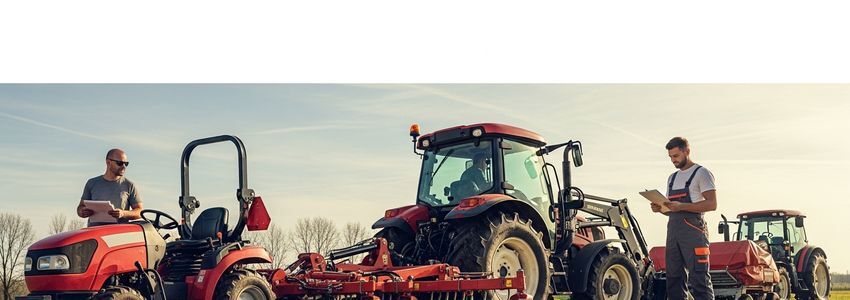
Equipment Financing for Businesses with Seasonal Demand
Running a seasonal business is a constant balancing act. You need top-tier equipment to meet peak demand, but cash is often tight in the off-season when revenue slows down. Whether you operate a landscaping company, a ski resort, a beach rental shop, or an agricultural enterprise, the timing of your equipment needs rarely aligns with the timing of your cash flow. That is where equipment financing designed for businesses with seasonal demand becomes a powerful tool for growth and stability.
In This Article
- What Is Seasonal Equipment Financing?
- How Seasonal Equipment Financing Works
- Who Qualifies for Seasonal Equipment Financing?
- Types of Financing Available for Seasonal Businesses
- Industries That Benefit Most
- Seasonal Financing at a Glance
- Key Benefits of Equipment Financing for Seasonal Businesses
- How Crestmont Capital Helps Seasonal Businesses
- Tips for Getting Approved
- Next Steps
- Frequently Asked Questions
What Is Seasonal Equipment Financing?
Seasonal equipment financing is a funding solution that helps businesses acquire, upgrade, or replace the equipment they need to operate during peak seasons, while structuring repayment around the natural rhythm of their revenue cycles. Rather than tying up working capital in equipment purchases or scrambling for funds every spring or fall, business owners use financing to spread the cost over time and align payments with income.
According to the U.S. Small Business Administration, equipment represents one of the largest capital expenditures for small businesses. For seasonal operators, the challenge is compounded by unpredictable cash flow. A farm that generates most of its revenue from June through September cannot easily fund a new tractor purchase in April when accounts are running low.
Seasonal equipment financing solves that problem by giving businesses access to essential machinery and tools before peak season hits, with flexible repayment schedules that can be structured around busy periods. Some lenders even offer seasonal payment programs where payments are higher during peak months and lower or deferred during the off-season.
Key Insight
Businesses with seasonal demand often have strong annual revenue but struggle with off-season cash flow. Seasonal equipment financing bridges that gap by aligning repayment with peak earning periods, not calendar months.
How Seasonal Equipment Financing Works
The process of obtaining seasonal equipment financing is straightforward, but understanding the structure is important so you can choose the best terms for your business. Here is a step-by-step overview:
Step 1: Identify Your Equipment Needs
Start by determining exactly what equipment you need, its total cost, and when you need it operational. Factor in any installation time, training requirements, and shipping lead times. Getting equipment in place at least 2 to 4 weeks before peak season starts is a smart practice.
Step 2: Choose a Financing Structure
You can pursue equipment financing (where you own the equipment outright after paying off the loan) or equipment leasing (where you pay for the use of the equipment for a set term). Each has distinct advantages depending on your business goals, the type of equipment, and your financial situation.
Step 3: Apply with a Lender
Most equipment financing applications require basic business financial documents, including recent bank statements, business tax returns, and information about the equipment you intend to finance. Unlike traditional SBA loans, many equipment financing approvals happen in as little as 24 to 72 hours.
Step 4: Receive Funding and Acquire Equipment
Once approved, the lender typically pays the equipment vendor directly. You take possession of the equipment and begin using it for your business right away.
Step 5: Repay According to Your Schedule
With seasonal equipment financing, lenders may offer custom repayment schedules that account for your off-season cash flow constraints. Some programs offer lower monthly payments during slower months and higher payments during peak revenue periods.
Quick Tip
When comparing lenders, ask specifically whether they offer seasonal or skip-payment structures. Many alternative lenders can customize repayment schedules in ways traditional banks cannot.
Ready to Finance Your Equipment Before Peak Season?
Crestmont Capital offers fast, flexible equipment financing for seasonal businesses. Get approved in as little as 24 hours.
Apply Now - It's FreeWho Qualifies for Seasonal Equipment Financing?
One of the advantages of equipment financing is that it is generally more accessible than traditional bank loans. Because the equipment itself serves as collateral, lenders face less risk, which often results in more flexible qualification standards. Most seasonal businesses can qualify if they meet a few basic criteria.
Typical Qualification Requirements
- Time in Business: Most lenders prefer at least 1 to 2 years in business, though some work with startups.
- Credit Score: A personal credit score of 600 or higher is often sufficient, and some lenders offer bad credit equipment financing options for scores as low as 550.
- Annual Revenue: Many lenders require a minimum of $100,000 in annual revenue, though exceptions exist.
- Equipment Value: The equipment being financed typically needs to be valued between $5,000 and $5 million, depending on the lender.
- Down Payment: Many seasonal equipment financing programs require little to no down payment, though a larger down payment can reduce monthly costs.
A CNBC report on small business financing found that equipment loans have among the highest approval rates of any business loan category, partly due to the collateral backing inherent in the transaction. This makes equipment financing particularly appealing to seasonal businesses that might not qualify for unsecured credit products.
If your credit history is less than perfect, do not let that stop you from applying. Equipment lenders focus heavily on the value of the equipment and the overall health of your business rather than solely on credit scores. Our guide on bad credit equipment financing covers your options in detail.
Types of Financing Available for Seasonal Businesses
There is no single right answer when it comes to financing your seasonal equipment needs. The best option depends on your business model, how long you will use the equipment, and your cash flow profile. Here are the main options to consider:
Equipment Loans
A traditional equipment loan gives you ownership of the equipment from day one. You make regular payments over a fixed term (typically 2 to 7 years), and the equipment is yours when the loan is paid off. This is ideal for equipment you plan to use for many years or that holds its value well.
Equipment Leasing
Equipment leasing is particularly popular with seasonal businesses because it provides access to equipment with lower monthly payments compared to a purchase loan. At the end of the lease, you can buy the equipment at a residual value, return it, or upgrade to newer models. This works well for equipment that becomes outdated quickly or that you only need for a limited number of seasons.
Working Capital Loans
Sometimes the best strategy is to use a working capital loan alongside equipment financing. A working capital loan covers operational costs (payroll, inventory, marketing) while equipment financing covers your machinery. This dual approach keeps both sides of your business funded without straining either.
Business Line of Credit
A business line of credit is a revolving credit facility that lets you draw funds as needed. Some seasonal business owners use a line of credit for smaller equipment purchases or repairs during peak season, preserving their equipment financing for major acquisitions.
Short-Term Business Loans
Short-term business loans provide a lump sum with a condensed repayment schedule, often 3 to 18 months. These can be useful for seasonal businesses that need quick capital for equipment and expect to repay the loan fully within one or two peak seasons.
Fast Business Loans
When timing is critical and peak season is approaching fast, fast business loans can deliver funding in as little as 24 hours. Speed matters in seasonal industries where missing a single peak week can mean significant lost revenue.
Industries That Benefit Most from Seasonal Equipment Financing
Virtually any business with seasonal revenue cycles can benefit from this type of financing. Below are some of the industries where seasonal equipment financing is most commonly used:
Agriculture and Farming
Farmers face enormous equipment costs for tractors, harvesters, irrigation systems, and processing machinery. These investments must be made before planting or harvest season, often when cash is scarce. Equipment financing allows farmers to acquire what they need in the spring and repay from harvest revenues. For a deeper dive, see our post on how seasonal businesses can leverage financing effectively.
Landscaping and Lawn Care
Landscaping businesses see revenue spike from spring through fall. Mowers, trailers, skid steers, and irrigation equipment must be ready before the first jobs of the season. Equipment financing allows landscapers to gear up in late winter and pay down the balance during their busiest months.
Snow Removal
Snow removal companies face the opposite challenge from landscapers. They need plows, spreaders, and heavy trucks fully operational before the first snowfall. Equipment financing lets them acquire or upgrade these assets in October and November before revenue begins.
Tourism and Recreation
Ski resorts, beach rental shops, water parks, and tour operators all have narrow windows of peak revenue. Boats, ski lifts, ATV fleets, and other recreational equipment must be maintained and ready for those crucial months. Equipment financing ensures downtime for maintenance does not translate into missed revenue opportunities.
Construction
While construction activity happens year-round in some regions, many contractors see sharp seasonal peaks in spring and summer. Excavators, concrete equipment, and scaffolding all represent major capital expenditures that can be financed to preserve cash flow.
Retail and Hospitality
Holiday retailers, summer restaurants, and seasonal hotels often need equipment upgrades or expansions before their busy seasons. Financing POS systems, refrigeration equipment, or kitchen upgrades during the slow season ensures they are ready when customers arrive.
According to U.S. Census Bureau data on business seasonality, a significant share of small businesses experience seasonal revenue swings of 30 percent or more between their best and worst months. For these businesses, having access to equipment financing is not just convenient; it can be the difference between a profitable season and a missed opportunity.
Seasonal Equipment Financing at a Glance
How Seasonal Equipment Financing Works: Key Numbers
Data is illustrative. Actual terms vary by lender and applicant profile.
Key Benefits of Equipment Financing for Seasonal Businesses
Beyond just getting access to capital, equipment financing offers a range of strategic advantages that make it the preferred funding mechanism for many seasonal business owners:
1. Preserve Cash Reserves
Paying cash for expensive equipment drains your reserves and leaves you vulnerable if something unexpected happens during the off-season. Financing lets you spread the cost, protecting your operating capital for payroll, inventory, and other necessities.
2. Align Payments with Revenue
The best equipment financing programs for seasonal businesses let you structure payments around your revenue cycle. This means lower or deferred payments when business is slow and higher payments during peak months when cash is flowing. This alignment removes the stress of large fixed payments during the off-season.
3. Access Newer, More Productive Equipment
Instead of making do with aging equipment that breaks down at critical moments, financing gives you access to newer, more reliable machinery. Better equipment means faster service, lower maintenance costs, and happier customers. According to Forbes Advisor, businesses that use financing to acquire newer equipment often see meaningful productivity gains that offset the cost of financing.
4. Maintain a Strong Cash Flow Position
Rather than depleting reserves before peak season even starts, you arrive at your busiest period with working capital intact. This puts you in a stronger position to handle unexpected costs, take advantage of bulk supply discounts, or scale operations quickly when demand exceeds expectations.
5. Build Business Credit
Successfully repaying an equipment loan or lease builds your business credit profile, making it easier and less expensive to access financing in the future. Over time, this creates a positive cycle: better credit leads to better financing terms, which lowers your cost of capital.
6. Potential Asset Ownership
Unlike renting equipment season by season (which builds no equity), financing lets you own the asset outright at the end of the term. A paid-off piece of equipment that generates revenue for years into the future represents significant value for your business.
7. Flexible Structures for Seasonal Cash Flow
Many lenders offer skip-payment options, seasonal payment schedules, or balloon payment structures specifically for businesses with cyclical revenue. Our resource on how seasonal businesses can benefit from short-term loans covers complementary strategies in depth.
How Crestmont Capital Helps Seasonal Businesses
At Crestmont Capital, we understand that seasonal business owners face a unique set of financial challenges. Our approach is built around providing flexible, fast, and tailored financing solutions that fit the reality of seasonal operations, not a one-size-fits-all lending formula.
Fast Approvals When Timing Matters
We know that waiting 30 to 90 days for a bank loan approval is not an option when peak season is 3 weeks away. Crestmont Capital approves most equipment financing applications within 24 to 48 hours and can fund within days of approval. That speed can be the difference between being fully equipped for your busy season or scrambling with inadequate tools.
Flexible Repayment Structures
We offer seasonal payment programs designed around your revenue cycle. Whether you need lower payments in January and February and higher payments from May through September, or a deferred payment for the first 90 days to get through your ramp-up period, we work with you to structure terms that make financial sense for your business model.
A Range of Financing Options
From equipment loans and leases to small business loans and working capital lines, we offer a full suite of financing products. Our team will help you identify the right combination of funding to support both your equipment needs and your overall operational cash flow.
Lending for a Wide Credit Spectrum
We work with businesses across the credit spectrum. Strong credit borrowers often qualify for our most competitive rates, while businesses with challenged credit histories can take advantage of our bad credit equipment financing programs. We evaluate your complete business profile, not just a credit score.
Industry Knowledge
Our team has experience financing equipment across dozens of seasonal industries, including agriculture, landscaping, construction, hospitality, recreation, and retail. That industry context means we understand the equipment you need, its useful life, and how to structure terms that make your investment work.
Talk to a Crestmont Capital Specialist Today
Our team specializes in seasonal business financing. Get personalized guidance and fast funding tailored to your peak season timeline.
Start Your ApplicationTips for Getting Approved and Getting the Best Terms
Approval for seasonal equipment financing is often faster and more accessible than traditional business loans, but there are still steps you can take to improve your chances and secure the best possible rates:
1. Apply Before Peak Season Rush
The earlier you apply, the more options you have. Waiting until two weeks before your busy season limits your lender options and may force you into less favorable terms. Ideally, apply 60 to 90 days before you need the equipment operational.
2. Organize Your Financial Documents
Have your bank statements (last 3 to 6 months), business and personal tax returns (last 1 to 2 years), and any existing equipment lists ready. Clean, organized financials speed up the underwriting process significantly.
3. Know Your Equipment Details
Be ready to provide the make, model, year, condition, and vendor information for the equipment you want to finance. A quote or invoice from the seller is often required and speeds up approval.
4. Consider a Down Payment
Even if the program offers 100 percent financing, a down payment of 10 to 20 percent can reduce your monthly payments and may help you qualify for lower interest rates. It also demonstrates financial commitment to the lender.
5. Show Seasonal Revenue Evidence
Provide bank statements or financial records that demonstrate your seasonal revenue pattern. Lenders who understand that your revenues spike during certain months are more likely to offer flexible payment structures that reflect that reality.
6. Separate Business and Personal Finances
Make sure your business bank accounts and financial records are distinct from personal accounts. Mixing finances makes it harder for lenders to evaluate your business health and can slow the approval process.
7. Explore All Financing Structures
Do not assume a standard loan is the best option. Leasing, working capital overlays, and hybrid structures might provide a better fit for your specific cash flow situation. Ask your lender to walk you through multiple scenarios.
Industry Insight
A Bloomberg analysis of equipment lending trends found that businesses in seasonal industries that proactively secured financing before peak demand periods consistently outperformed those that waited, both in revenue per peak season day and in overall profit margins. Preparation is a competitive advantage.
Next Steps: How to Get Started with Seasonal Equipment Financing
Your Action Plan
- Identify Your Equipment Needs: List every piece of equipment you need, including cost estimates and the vendor you plan to use.
- Assess Your Timeline: Determine when the equipment must be operational relative to your peak season start date.
- Gather Your Documents: Collect recent bank statements, tax returns, and any equipment quotes or invoices.
- Compare Financing Options: Review equipment loans, leases, and working capital options to determine which structure fits your cash flow best.
- Apply Early: Submit your application at least 60 days before peak season to maximize your options and avoid a last-minute rush.
- Review Your Offer: Read all terms carefully, paying special attention to payment schedules, prepayment penalties, and end-of-lease/loan options.
- Fund and Execute: Once funded, acquire your equipment and set up a maintenance schedule to protect your investment.
Do Not Let Equipment Hold Back Your Peak Season
Crestmont Capital makes equipment financing fast and flexible for seasonal businesses. Apply now and get a decision in as little as 24 hours.
Apply for Equipment FinancingFrequently Asked Questions
What is seasonal equipment financing?
Seasonal equipment financing is a loan or lease product designed to help businesses with cyclical revenue patterns acquire the equipment they need for peak season. It often features flexible repayment schedules that align with the business's natural revenue cycle, including lower payments during off-season months.
How quickly can I get approved for seasonal equipment financing?
Many equipment financing lenders, including Crestmont Capital, can provide approvals within 24 to 48 hours. Funding often follows within 2 to 5 business days after approval, though some transactions may close faster. Traditional bank loans typically take much longer, making alternative lenders a better fit for time-sensitive seasonal needs.
Can seasonal businesses qualify for equipment financing with bad credit?
Yes. Because the equipment itself serves as collateral, lenders take on less risk, which makes it easier to approve applicants with imperfect credit histories. Many lenders work with credit scores as low as 550 to 580. Crestmont Capital offers bad credit equipment financing programs specifically for businesses that may not qualify for traditional bank products.
What types of equipment can be financed?
Almost any business equipment can be financed, including tractors, harvesters, landscaping equipment, snow removal vehicles, commercial refrigeration units, restaurant equipment, boats and watercraft, POS systems, construction machinery, and more. Lenders typically require that the equipment has a clear business purpose and identifiable resale value.
Is it better to lease or buy seasonal equipment?
Both have advantages. Leasing typically offers lower monthly payments and easy access to updated equipment at the end of the term, making it ideal for equipment that becomes outdated quickly. Buying through an equipment loan builds equity and results in full ownership, which is better for equipment with long useful lives. The right choice depends on your cash flow, how long you plan to use the equipment, and whether ownership or flexibility is more important to your business.
Can I get a seasonal payment schedule with equipment financing?
Yes, many lenders offer seasonal payment programs where payments are structured to be higher during your peak revenue months and lower or deferred during off-season periods. Not all lenders offer this flexibility, so it is important to ask specifically about seasonal payment options when evaluating lenders.
How much can I borrow with seasonal equipment financing?
Equipment financing amounts generally range from $5,000 to $5 million or more, depending on the lender and the equipment being financed. The financed amount is typically tied to the appraised value of the equipment and your business's financial profile, including revenue, credit score, and time in business.
Do I need a down payment for equipment financing?
Many equipment financing programs offer 100 percent financing with no down payment required. However, making a down payment of 10 to 20 percent can reduce your monthly payments and may help you qualify for lower interest rates. Startups and borrowers with weaker credit profiles may be required to put down a larger percentage.
What documents do I need to apply for equipment financing?
Typical documentation requirements include 3 to 6 months of recent business bank statements, 1 to 2 years of business and personal tax returns, a completed application, and an invoice or quote from the equipment vendor. Some lenders may also request a profit and loss statement or balance sheet. The specific requirements vary by lender and loan amount.
Can I finance used equipment for my seasonal business?
Yes, most lenders finance both new and used equipment. Used equipment financing can be a cost-effective way to get reliable machinery at a lower price point. Lenders will typically assess the age, condition, and resale value of used equipment to determine how much they will lend. Older or heavily worn equipment may qualify for lower financing amounts.
What interest rates should I expect for seasonal equipment financing?
Interest rates for equipment financing vary widely based on your credit score, time in business, loan term, and the type of equipment. Generally, rates range from approximately 4 percent to 30 percent annually, with the most creditworthy borrowers receiving the lowest rates. Equipment loans through alternative lenders may carry higher rates than SBA loans or bank financing, but they offer speed and accessibility that traditional lenders cannot match.
Can a new seasonal business get equipment financing?
Yes, though options may be more limited than for established businesses. Some lenders work with startups that have been in business as few as 6 to 12 months. Startups may need to provide additional documentation, a larger down payment, or personal collateral to qualify. Strong personal credit and a solid business plan can improve your chances significantly.
How does equipment financing affect my business credit?
Responsible repayment of an equipment loan builds your business credit profile, which can make future financing easier and less expensive to obtain. Late or missed payments can negatively impact your credit score. Consistent on-time payments demonstrate creditworthiness to lenders and may qualify you for larger loans or lower rates over time.
What happens at the end of an equipment lease for a seasonal business?
At the end of an equipment lease, you typically have three options: purchase the equipment at a predetermined residual value (often 10 percent of the original purchase price for a capital lease or fair market value for an operating lease), return the equipment to the lessor, or renew or upgrade to a new lease. The best option depends on the equipment's condition, your business's current needs, and market pricing for similar equipment.
Can I pay off my equipment loan early?
Many equipment loans can be paid off early, which reduces the total interest paid. However, some lenders charge prepayment penalties, typically ranging from 1 to 5 percent of the outstanding balance. Always ask about prepayment terms before signing any loan agreement, especially if you anticipate the ability to pay off the loan ahead of schedule using peak season revenues.
Conclusion
Seasonal equipment financing is one of the smartest tools available to businesses that operate on cyclical revenue calendars. Rather than letting cash flow constraints prevent you from having the equipment you need when you need it most, financing allows you to secure the machinery that drives your peak-season revenue while preserving working capital for operations, payroll, and unexpected expenses.
The key is planning ahead. The businesses that consistently outperform their competitors during peak seasons are the ones that arrive fully equipped, not the ones scrambling for last-minute solutions. Whether you need a fleet of tractors before harvest, a full complement of landscaping equipment before spring, or commercial refrigeration upgrades before the summer rush, Crestmont Capital can help you get funded fast with terms designed around your business.
Explore your options with our team and see why thousands of seasonal businesses trust Crestmont Capital for their equipment financing needs. Apply today and get a decision in as little as 24 hours.
Disclaimer: The information provided in this article is for general educational purposes only and is not financial, legal, or tax advice. Funding terms, qualifications, and product availability may vary and are subject to change without notice. Crestmont Capital does not guarantee approval, rates, or specific outcomes. For personalized information about your business funding options, contact our team directly.








