Alabama agriculture forms the backbone of the state economy, with over 40,000 farms covering approximately 8.8 million acres of land. The state boasts highly diverse agricultural sectors, including massive production in cotton, poultry, soybeans, cattle, timber, aquaculture, peanuts, and corn. Maintaining competitiveness in these diverse markets requires constant upgrades, making Alabama agricultural equipment financing a critical tool for local operators. Modernizing your fleet with advanced machinery ensures better yields, reduced labor costs, and long-term operational sustainability.
In This Article
- What Is Alabama Agricultural Equipment Financing?
- Types of Equipment You Can Finance
- Key Benefits for Alabama Farmers
- How It Works: Step-by-Step
- Who Qualifies?
- Financing vs. Leasing vs. Paying Cash
- How Crestmont Capital Helps Alabama Farmers
- Real-World Scenarios
- How to Get Started
- Frequently Asked Questions
What Is Alabama Agricultural Equipment Financing?
Agricultural equipment financing represents a specialized commercial lending product designed specifically to help farming operations acquire necessary machinery. In this arrangement, a commercial lender covers the upfront purchase price of the equipment while the farming business repays the principal and interest over a predetermined term. Once the final payment clears, the agricultural operation owns the equipment outright, building long-term equity in the machinery. This financial structure allows farms to deploy critical assets immediately without depleting their operational cash reserves.
The diverse nature of Alabama agriculture means that financing needs vary wildly from the Tennessee Valley down to the Wiregrass region. A row crop farmer in the northern counties might need high-capacity combines, while a timber operation in the southern pine belt requires heavy-duty skidders. Alabama agricultural equipment financing structures accommodate these regional differences by allowing farmers to acquire the exact machinery required for their specific geographic and sector needs. Lenders familiar with the state understand these localized requirements and underwrite loans accordingly.
Unlike traditional unsecured business loans, equipment financing utilizes the purchased machinery itself as the primary collateral for the transaction. This collateralized structure significantly reduces the financial risk for the lender, which typically translates to more favorable interest rates and higher approval odds for the borrower. Because the equipment secures the loan, farmers preserve their other business assets and real estate for future capital requirements. This setup protects the core assets of the family farm while still enabling aggressive operational expansion.
For some operations, securing government-backed funding provides the most advantageous route for acquiring heavy machinery. The Small Business Administration offers specific programs that can be utilized for farm equipment, which you can explore through our comprehensive guide on SBA loans. You can also review federal guidelines and funding strategies directly through the SBA business funding guide to understand all available agricultural lending avenues. Exploring all available channels ensures your farm secures the lowest possible cost of capital.
Types of Equipment You Can Finance
Agricultural operations require a vast array of specialized machinery to handle the rigorous demands of modern commercial farming. The right equipment directly impacts operational efficiency, determining everything from planting accuracy to harvest yield volumes. Attempting to run a competitive agribusiness with outdated or inadequate machinery inevitably leads to higher labor costs and diminished profit margins.
Fortunately, agricultural equipment financing covers virtually any physical asset required to run a commercial farming operation successfully. Whether you need heavy motorized machinery or stationary processing systems, commercial lenders can structure terms for the necessary assets. The following represents just a fraction of the equipment categories eligible for commercial financing programs:
- Tractors and Power Equipment - Row crop tractors, utility tractors, compact tractors for all farm sizes
- Harvesting Equipment - Combines, cotton pickers, peanut diggers, corn heads, grain headers
- Planting and Seeding Equipment - Planters, drills, precision seeding systems, transplant equipment
- Irrigation Systems - Center pivot systems, drip irrigation, pumps, water management technology
- Poultry House Equipment - Ventilation systems, feeding systems, watering systems, heating, cooling, lighting
- Livestock Handling Equipment - Cattle chutes, squeeze chutes, scales, loading equipment, fencing systems
- Soil Preparation Equipment - Tillage equipment, disc harrows, field cultivators, subsoilers, rotary tillers
- Grain Storage and Handling - Grain bins, conveyors, augers, dryers, elevators
- Forestry and Timber Equipment - Skidders, log loaders, chippers, forestry tractors
- Aquaculture Equipment - Aerators, feeding systems, water quality monitors, harvest equipment, pond management tools
- Precision Agriculture Technology - GPS guidance systems, drone technology, variable rate applicators, yield monitors, soil sensors
- Spraying and Application Equipment - Self-propelled sprayers, pull-behind sprayers, aerial application equipment
- Post-Harvest Processing - Cotton gins (for gin cooperatives), vegetable washing/grading lines, cold storage units
Alabama-specific needs dictate a highly specialized approach to equipment acquisition across different agricultural sectors. For example, the state's massive poultry industry, which ranks among the top in the nation, requires constant upgrades to climate control and automated feeding systems. Financing allows these poultry operators to implement modern ventilation technology that directly improves flock health and mortality rates. Without access to flexible capital, keeping these massive facilities up to corporate integrator standards would be virtually impossible.
Similarly, the state's robust timber and forestry sector relies on heavy-duty machinery that faces extreme wear and tear in challenging environments. Forestry companies utilize financing to maintain modern fleets of skidders and loaders, preventing costly breakdowns deep in the woods. By leveraging financing, these diverse Alabama agricultural sectors ensure they always have reliable, task-specific equipment ready for deployment. This continuous modernization keeps the state's agricultural output highly competitive on a national scale.
Key Benefits for Alabama Farmers
Cash flow preservation stands as the most immediate and impactful benefit of utilizing equipment financing for your farm. Instead of draining cash reserves to purchase a six-figure combine outright, farmers can retain that capital for daily operational expenses like seed, fertilizer, and labor. This liquidity buffer proves essential during unpredictable weather events or sudden market price fluctuations. Maintaining strong cash reserves ensures the farm can weather temporary hardships without facing insolvency.
Access to modern precision agriculture technology represents another massive advantage for financed operations. Advanced GPS guidance systems, variable rate applicators, and drone technology require significant upfront investment but deliver substantial return on investment through optimized input usage. Financing makes these high-tech upgrades immediately accessible, allowing farms to increase yields and reduce waste without waiting years to save the purchase capital. Early adoption of these technologies often provides a decisive competitive edge in local markets.
Fixed, predictable payments provide agricultural businesses with much-needed financial stability and forecasting accuracy. Many equipment financing agreements can be structured to match specific harvest cycles, allowing for annual, semi-annual, or seasonal payment schedules. This flexibility ensures that your largest cash outflows align perfectly with your periods of highest revenue generation. By matching debt service to cash inflows, farm operators eliminate the stress of meeting high monthly obligations during lean planting seasons.
Utilizing commercial equipment financing also serves as a powerful tool for building strong business credit profiles. Consistent, on-time payments are reported to commercial credit bureaus, establishing a positive track record for the farming entity. This enhanced credit profile makes it significantly easier and cheaper to secure larger facility loans or operating lines of credit in the future. A strong commercial credit score ultimately lowers the cost of all future capital acquisitions.
Key Stat: According to the USDA, Alabama agriculture contributes over $5.8 billion annually to the state's economy. Modern equipment adoption is directly correlated with farm productivity and profitability - farms using precision agriculture technology report 10-15% yield improvements on average.
Furthermore, financed equipment often qualifies for advantageous tax treatments under current IRS regulations. Many agricultural businesses can utilize Section 179 deductions to write off the entire purchase price of financed machinery in the year it is acquired. This strategy effectively lowers the farm's overall tax liability while simultaneously upgrading its operational capabilities. Always consult with a qualified agricultural CPA to maximize these specific tax benefits for your operation.
Finally, financing allows operations to hedge against inflation by locking in current equipment prices and interest rates. As the cost of manufacturing raw materials increases, machinery prices consistently trend upward year over year. Securing equipment now with fixed-rate financing means you pay for today's asset with tomorrow's dollars. This forward-thinking strategy protects your farm from future price hikes while delivering immediate operational improvements.
Ready to Upgrade Your Farm Equipment?
Get fast, flexible agricultural equipment financing from Crestmont Capital. No obligation - apply in minutes.
Apply Now ->How It Works: Step-by-Step
Securing funding for agricultural machinery involves a streamlined, logical process designed to get equipment onto your farm quickly. Modern commercial lenders have optimized their underwriting procedures to eliminate the weeks of waiting traditionally associated with local bank loans. This speed allows farmers to replace broken equipment rapidly, minimizing costly operational downtime.
Understanding the sequence of events helps farm operators prepare the necessary documentation and set accurate timelines for equipment delivery. The entire financing lifecycle, from initial application to final funding, can often be completed in a matter of days. Review the standard process below to know exactly what to expect when acquiring your next piece of machinery.
Quick Guide
How Alabama Agricultural Equipment Financing Works - At a Glance
Complete a quick online application with basic farm and business information. Takes about 5-10 minutes.
A Crestmont Capital advisor reviews your application and connects you with financing options that fit your operation.
Select the tractors, harvesters, irrigation systems, or other agricultural equipment from any approved vendor.
Once approved, funds are disbursed directly to the equipment vendor. You start using your equipment immediately.
Repay over a fixed term with predictable monthly payments structured to fit your farm cash flow cycle.
The application stage initiates the entire process and requires basic details about your agricultural operation, ownership structure, and equipment needs. Lenders evaluate your time in business, annual revenue, and personal credit profile to determine initial eligibility. Having your recent business bank statements and tax returns readily available significantly accelerates this preliminary review phase. Accurate application data ensures the lender can match you with the most appropriate financial product.
Once pre-qualified, the equipment selection phase allows you to finalize quotes with your preferred agricultural machinery dealers. You have the complete freedom to choose the exact make, model, and specifications that fit your farm, whether purchasing from a local Alabama dealer or an out-of-state manufacturer. The lender will review the equipment invoice to ensure the asset value aligns with the requested loan amount. This flexibility guarantees you never have to settle for sub-optimal machinery just to satisfy lending requirements.
The final approval and funding stage involves signing the formal finance agreement and finalizing the collateral documentation. Upon execution of the contract, the lender wires the funds directly to the equipment vendor to satisfy the purchase invoice. The dealer then releases the machinery to your farm, allowing you to deploy the new asset into your operation immediately. This seamless transaction protects both the buyer and the seller while expediting the delivery of critical farm assets.
Who Qualifies for Agricultural Equipment Financing?
Qualifying for Alabama agricultural equipment financing relies on a combination of business performance metrics and personal credit history. Traditional lenders typically look for credit scores above 600, though specialized commercial lenders often have flexible programs for scores below that threshold. The equipment itself serves as collateral, which inherently lowers the risk and allows lenders to be more accommodating with credit requirements. A strong operational history can often offset a lower personal credit score during the underwriting process.
Time in business represents another critical factor, with most lenders preferring operations that have been active for at least one full year. A demonstrated track record proves that the farm can successfully navigate the full cycle of planting, harvesting, and selling. However, newer farms or multi-generational operations undergoing an ownership transition have access to startup equipment financing programs designed specifically for early-stage ventures. These startup programs provide the essential capital needed to get new agricultural enterprises off the ground.
Annual revenue requirements vary significantly based on the cost of the equipment being financed and the requested loan terms. Lenders analyze your cash flow to ensure the farm generates sufficient income to comfortably cover the new monthly machinery payments. Providing detailed financial statements helps underwriters understand your true operational profitability beyond just top-line gross sales. Consistent, verifiable cash flow remains the strongest indicator of a farm's ability to service new equipment debt.
Virtually all types of commercial agricultural operations can qualify, provided they operate as a registered business entity. This includes sole proprietorships, LLCs, partnerships, and corporate structures engaged in row crops, livestock, timber, or aquaculture. Hobby farms typically do not qualify for commercial equipment financing, as lenders require proof of consistent, profit-driven agricultural activity. The operation must demonstrate a clear commercial intent to generate revenue from agricultural production.
Lenders specializing in agriculture also deeply understand seasonal income considerations and structure their qualification criteria accordingly. They expect to see high revenue concentrations during harvest months followed by periods of lower cash flow during planting and growing seasons. Underwriters average these seasonal fluctuations over a twelve-month period to determine the true debt service coverage ratio of the farm. This nuanced approach prevents highly profitable seasonal farms from being unfairly declined due to temporary cash flow dips.
For established farmers expanding into new sectors, lenders often rely heavily on the operator's historical success in agriculture. If a successful Alabama cotton farmer decides to diversify by building commercial poultry houses, lenders view this favorably despite the lack of direct poultry experience. The operator's proven ability to manage large-scale agricultural assets serves as a strong indicator of future success in the new venture. Cross-sector expansion is highly encouraged and readily financed by specialized agricultural lenders.
Good to Know: Even farms with limited credit history or seasonal revenue patterns can qualify for agricultural equipment financing. Lenders familiar with agricultural cycles understand that farm income fluctuates with planting and harvest seasons - this is normal, not a disqualifier.
Financing vs. Leasing vs. Paying Cash: A Side-by-Side Comparison
Farm operators face multiple choices when acquiring new machinery, each with distinct financial implications for the business. Deciding between financing, leasing, or paying cash requires a careful analysis of your current capital reserves and long-term operational goals. Making the wrong choice can unnecessarily strain your cash flow or trap you with outdated technology.
Understanding the fundamental differences in ownership structure, tax implications, and cash flow impact helps farmers make the most cost-effective decision. The right acquisition strategy maximizes operational efficiency while maintaining the financial health of the agricultural enterprise. Review the comparison below to evaluate which path best suits your current machinery needs.
| Factor | Equipment Financing | Equipment Leasing | Paying Cash |
|---|---|---|---|
| Ownership | You own at end of term | Return or buy at end | Immediate ownership |
| Upfront Cost | Low (often $0 down) | Low first payment | Full purchase price |
| Cash Flow Impact | Preserves working capital | Preserves working capital | Significant drain |
| Equipment Upgrades | Upgrade when loan ends | Easy upgrade at lease end | Must sell and repurchase |
| Credit Building | Yes - builds business credit | Depends on lender | No credit impact |
| Total Cost | Purchase price + interest | Total lease payments | Lowest long-term |
| Best For | Long-lasting core equipment | Tech that needs upgrading | Small tools when flush |
Equipment financing makes the most sense for Alabama farmers acquiring durable, long-lasting machinery that will serve the operation for decades. Heavy assets like row crop tractors, grain bins, and large-scale irrigation systems hold their value well and remain productive long after the loan is fully amortized. Financing these core assets allows the farm to build permanent equity while spreading the acquisition cost over several profitable harvest cycles. This strategy ensures the farm owns reliable equipment outright for future generations.
Equipment leasing provides an excellent alternative for agricultural technology that faces rapid obsolescence or requires constant upgrading. Precision agriculture components, GPS guidance systems, and specialized drone technology often become outdated within a few years of release. Leasing allows farmers to utilize the latest technological advancements with lower monthly payments, followed by a simple upgrade process when the lease term expires. This keeps the farm operating at peak efficiency without accumulating outdated electronic assets.
Paying cash outright should generally be reserved for smaller, inexpensive implements or periods of extraordinary operational surplus. While avoiding interest charges seems appealing, draining cash reserves to purchase heavy machinery leaves the farm vulnerable to unexpected operational shocks. Savvy agricultural operators prefer to keep their cash liquid for emergency expenses, utilizing financing to leverage their capital and accelerate farm growth. Preserving liquidity provides a critical safety net against severe weather events or market downturns.
Compare Your Equipment Financing Options
Talk to a Crestmont Capital specialist who understands Alabama agriculture. Get matched with the right financing structure today.
Get a Free Quote ->How Crestmont Capital Helps Alabama Agricultural Companies
As the number one rated commercial lender in the United States, Crestmont Capital provides unmatched financial solutions for the agricultural sector. We understand that farming operates on strict seasonal timelines, which is why we process applications and deliver funding approvals in as little as 24 to 48 hours. Our streamlined equipment financing programs eliminate the bureaucratic delays typically associated with traditional local banks. This rapid processing ensures you never miss a critical planting or harvesting window due to lack of machinery.
We offer highly flexible repayment structures with terms ranging from 12 to 84 months, allowing farmers to align their debt service with their cash flow capabilities. Whether you operate a massive commercial timber operation or a mid-sized family farm, our funding capacity scales to meet your exact requirements. We routinely process transactions ranging from $5,000 for specialized attachments up to $5 million or more for comprehensive facility upgrades. This vast lending capacity means you can fund your entire operational expansion through a single trusted partner.
Unlike restrictive conventional lenders, Crestmont Capital imposes absolutely no restrictions on the types of agricultural machinery you can acquire. Our comprehensive agricultural equipment financing covers everything from heavy-duty combines and cotton pickers to automated greenhouse ventilation systems. You retain the complete freedom to select new or used equipment from any authorized dealer, auction house, or private seller nationwide. We empower you to find the best possible machinery deals without worrying about lender limitations.
Our underwriting team possesses deep, specialized experience with every major agricultural sector operating within the state of Alabama. We recognize the distinct financial challenges faced by Black Belt row crop farmers, Wiregrass peanut producers, and Sand Mountain poultry operators. This regional expertise allows us to structure farm equipment financing that actually makes sense for your specific geographic and operational reality. We speak your language and understand the unique metrics that drive your agricultural success.
Beyond just machinery acquisition, we provide comprehensive capital solutions designed to support the entire lifecycle of your agribusiness. Our broader Alabama small business financing options can help cover seed purchases, fertilizer costs, labor expansion, or real estate acquisition. We partner with agricultural operators to build long-term financial strategies that ensure sustainable growth and generational success. Your dedicated advisor works with you year after year to support every phase of your farm's expansion.
Getting started requires minimal effort and will not disrupt your daily farm management responsibilities. You can apply now through our secure online portal in just a few minutes, initiating the process from your smartphone or office computer. Our dedicated agricultural financing specialists stand ready to review your application and present customized funding options tailored to your farm's unique needs. Experience the difference of working with a lender that truly prioritizes the American farmer.
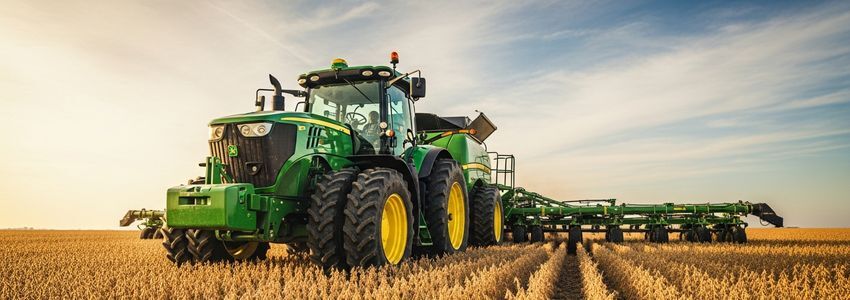
Real-World Scenarios: Alabama Farmers Using Equipment Financing
Scenario 1: A multi-generational row crop farmer operating in the fertile Alabama Black Belt realized their aging planting equipment was causing inconsistent seed depth and spacing. This inefficiency led to lower overall yields and wasted expensive seed inventory during the critical spring planting window. By utilizing agricultural equipment financing, the farm acquired a new, state-of-the-art precision planter equipped with GPS guidance and pneumatic downforce technology. They secured a 60-month financing term with annual payments structured to coincide precisely with their fall harvest revenue. The new equipment improved planting accuracy by over twenty percent, resulting in a significantly denser crop stand and a higher ultimate yield. The additional revenue generated by the precision technology easily covered the annual financing payment, making the equipment upgrade immediately profitable for the farming operation.
Scenario 2: A commercial poultry operation located in north Alabama needed to modernize three aging broiler houses to meet the strict efficiency standards of their corporate integrator. The required upgrades included advanced tunnel ventilation fans, evaporative cooling pads, and automated chain feeding systems. The total cost of the equipment exceeded their available cash reserves, threatening their contract status with the poultry processor. The farm leveraged specialized equipment financing to fund the entire $150,000 upgrade without requiring a massive upfront down payment. The lender structured the repayment schedule with monthly installments that perfectly matched the farm's regular flock settlement checks. These modern environmental controls dramatically reduced bird mortality rates and improved feed conversion ratios, maximizing the payout for every subsequent flock raised in the retrofitted houses.
Scenario 3: A growing timber and logging company operating in the dense pine forests of south Alabama secured a massive new harvesting contract. Fulfilling this lucrative contract required immediate expansion of their operational fleet, specifically demanding a high-capacity grapple skidder and a heavy-duty knuckleboom log loader. Traditional banks hesitated due to the severe depreciation associated with forestry equipment, but a commercial equipment lender understood the asset's revenue-generating potential. The timber company secured a $450,000 equipment finance agreement with a 72-month term, preserving their working capital for fuel, maintenance, and payroll expenses. The new machinery allowed the crew to double their daily logging output, effortlessly meeting the demands of the new contract. The robust cash flow from the expanded timber harvesting operation easily supported the monthly equipment payments while generating substantial net profit.
Scenario 4: A large-scale catfish aquaculture operation in west Alabama faced rising labor costs and inconsistent water quality across their commercial pond network. To remain competitive, the farm needed to transition from manual feeding methods to automated, tractor-pulled feeding systems and install high-efficiency paddlewheel aerators. The operation utilized commercial equipment financing to acquire four automated feed blowers and twenty new electric aerators. By spreading the $120,000 equipment cost over a four-year term, the farm maintained high liquidity for purchasing bulk fish feed and managing seasonal utility bills. The automated feeding systems reduced daily labor requirements by three full-time positions, while the improved aeration technology significantly accelerated the growth rate of the catfish. The operational savings and accelerated harvest cycles provided a rapid return on the financed investment.
Scenario 5: A thriving small organic vegetable farm situated near Huntsville experienced a surge in demand from local farm-to-table restaurants and regional farmers markets. To scale their production, the operators needed to transition from walk-behind tillers to a versatile 75-horsepower utility tractor and install a commercial-grade refrigerated storage unit. They utilized an accessible startup equipment financing program designed specifically for farms with less than three years of operational history. The financing covered the tractor, several specialized implement attachments, and the modular cold storage facility. The new tractor allowed the farmers to cultivate three times as much acreage in a fraction of the time, while the cold storage dramatically reduced post-harvest spoilage. This strategic, financed expansion enabled the farm to secure larger, more profitable wholesale contracts throughout the region.
How to Get Started with Agricultural Equipment Financing
Transitioning from evaluating your equipment needs to actually securing the machinery involves a straightforward, transparent process. Preparing your operational data and understanding the application steps ensures the fastest possible path to funding approval. You can position your farm for immediate success by gathering basic financial documents before initiating the application sequence.
Commercial lenders have deliberately simplified the onboarding experience to respect the demanding schedules of agricultural operators. You can initiate the entire funding sequence without ever leaving your farm or scheduling lengthy in-person bank meetings. Follow these three simple steps to secure the capital required for your next major machinery acquisition.
Complete our quick application at offers.crestmontcapital.com/apply-now - tell us about your farming operation and the equipment you need.
A Crestmont Capital advisor familiar with Alabama agriculture will review your needs and match you with the right product.
Once approved, funds go directly to your vendor. Put your new equipment to work during the very next planting or harvest season.
To ensure the fastest possible processing time, operators should prepare a few fundamental business documents before submitting their application. Underwriters typically request your three most recent months of business bank statements to verify consistent cash flow and operational stability. You should also gather basic farm income records, such as recent tax returns or internal profit and loss statements, to demonstrate the financial health of the enterprise. Having these files saved and ready to upload eliminates unnecessary delays during the underwriting phase.
Additionally, having a formal equipment quote or detailed invoice from your chosen machinery dealer greatly accelerates the final approval stage. This document allows the lender to immediately verify the asset value, confirm the precise loan amount required, and finalize the collateral documentation. By organizing these materials in advance, you position your farm to secure rapid funding and take immediate delivery of your essential agricultural equipment.
Alabama Farmers: Let's Get You the Equipment You Need
From tractors to irrigation systems, Crestmont Capital finances it all - fast approvals, flexible terms, no hassle.
Apply Now ->Frequently Asked Questions
What is agricultural equipment financing?
Agricultural equipment financing is a specialized commercial loan used to purchase farming machinery, where the equipment itself serves as collateral. The lender pays the equipment dealer directly, and the farmer repays the lender over a set term with fixed monthly or seasonal payments. Once the loan is fully repaid, the farming operation owns the machinery completely.
What types of farm equipment can I finance in Alabama?
Alabama farmers can finance virtually any physical asset required for commercial agriculture, including row crop tractors, combines, and irrigation systems. It also covers sector-specific needs like poultry house ventilation systems, timber skidders, cattle handling equipment, and aquaculture aerators. Both heavy motorized machinery and stationary processing equipment qualify for these financing programs.
What credit score do I need to qualify?
Traditional banks typically require a minimum credit score of 680 to qualify for agricultural loans. However, specialized commercial equipment lenders often approve farmers with scores of 600 or above, as the machinery serves as strong collateral. There are even specialized financing programs available for operators with scores below 600 who have strong farm revenue and time in business.
How much can I borrow for farm equipment?
The borrowing capacity for farm equipment largely depends on your farm's annual revenue, cash flow, and the cost of the machinery. Commercial lenders routinely finance agricultural equipment purchases ranging from $5,000 for small implements up to $5,000,000 or more for comprehensive facility upgrades. The loan amount generally covers the full purchase price of the equipment, often requiring zero down payment.
What are typical interest rates for agricultural equipment financing?
Interest rates for agricultural equipment financing vary based on your credit profile, time in business, and the specific equipment being purchased. Prime borrowers with excellent credit and established farms secure the most competitive single-digit rates available in the commercial market. Because the loan is collateralized by the equipment, rates are almost always lower than unsecured business loans or credit cards.
Can I finance used farm equipment?
Yes, you can absolutely finance used farm equipment through commercial lending programs. Lenders understand that acquiring high-quality used tractors or harvesters is a smart financial strategy for many agricultural operations. The financing process for used machinery works identically to new equipment, provided the asset is in good working condition and priced at fair market value.
How long are typical loan terms for farm equipment?
Typical loan terms for farm equipment range from 12 to 84 months, depending on the useful life of the asset and the requested payment structure. Heavy, durable machinery like tractors and combines usually qualify for longer terms of 60 to 84 months. Technology-heavy assets or smaller implements might be financed over shorter terms of 24 to 48 months to match their operational lifespan.
Can I get financing if my farm is less than 1 year old?
Yes, commercial lenders offer specific startup equipment financing programs for farms operating for less than one year. These programs rely more heavily on the operator's personal credit score, industry experience, and comprehensive business plan. While rates may be slightly higher for startups, it provides essential capital to get new agricultural ventures off the ground.
How does agricultural equipment financing differ from leasing?
Equipment financing results in complete ownership of the machinery at the end of the payment term, building long-term equity for the farm. Equipment leasing acts more like a long-term rental agreement, where you return the machinery at the end of the term or purchase it for a residual value. Financing is generally better for durable assets, while leasing works well for technology that needs frequent upgrading.
Can I get seasonal payment structures for my farm loan?
Many specialized agricultural lenders offer seasonal payment structures designed to match the unique cash flow cycles of farming operations. You can often arrange for annual, semi-annual, or quarterly payments that coincide with your primary harvest and settlement periods. This flexibility ensures you are not burdened with heavy monthly payments during your planting or growing seasons when cash is tight.
What documents do I need to apply?
The application process requires minimal documentation compared to traditional bank loans. You typically need to provide a basic application, your three most recent business bank statements, and a formal quote or invoice for the equipment. For larger loan amounts, lenders may also request recent tax returns or internal financial statements to verify farm profitability.
How quickly can I get approved?
Commercial equipment financing offers incredibly fast processing times tailored to the urgent needs of agricultural operations. Initial pre-qualification often takes just a few hours after submitting your online application. Final approval and funding can typically be completed within 24 to 48 hours, allowing you to take immediate delivery of the machinery.
Can I finance multiple pieces of equipment at once?
Yes, you can consolidate multiple pieces of equipment into a single financing agreement, even if they are purchased from different vendors. For example, you can finance a tractor from one dealer and a specialized planter from another under one unified loan. This master lease or financing structure simplifies your accounting by combining everything into one predictable payment.
What happens if I can't make a payment during a drought or bad harvest?
Commercial lenders who specialize in agriculture understand that weather events, droughts, and market fluctuations can impact farm revenue. If you anticipate difficulty making a payment, it is crucial to communicate with your lender immediately before missing the due date. Many lenders can work with you to restructure terms, offer temporary forbearance, or adjust payment schedules to help you navigate temporary operational hardships.
Why should I choose Crestmont Capital for Alabama agricultural equipment financing?
Crestmont Capital ranks as the number one commercial lender in the United States, offering unparalleled expertise in agricultural financing. We provide rapid approvals, highly flexible terms, and customized payment structures that respect the seasonal nature of farming. Our deep understanding of Alabama's diverse agricultural sectors ensures you get the exact machinery you need without the bureaucratic delays of traditional banks.
Securing the right machinery is the most critical step in maximizing the profitability and efficiency of your farming operation. Utilizing Alabama agricultural equipment financing allows you to acquire modern, high-performance assets while preserving your vital working capital. Whether you are harvesting row crops in the Black Belt or managing poultry houses in the northern counties, commercial financing provides the leverage needed to grow your agribusiness. Partner with an experienced lender today to modernize your fleet and secure the long-term success of your farm.
Disclaimer: The information provided in this article is for general educational purposes only and is not financial, legal, or tax advice. Funding terms, qualifications, and product availability may vary and are subject to change without notice. Crestmont Capital does not guarantee approval, rates, or specific outcomes. For personalized information about your business funding options, contact our team directly.