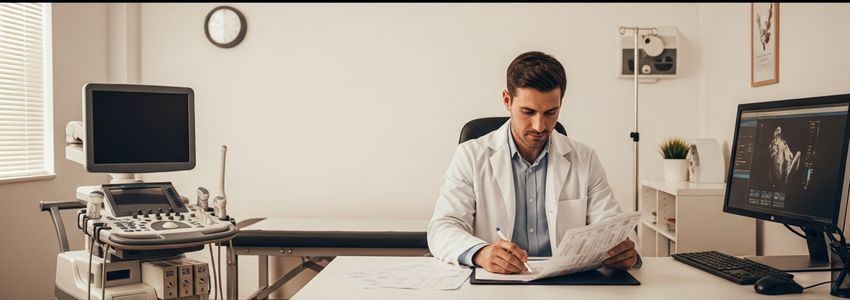
Running an endocrinology practice is one of the most clinically demanding and capital-intensive paths in medicine. From advanced diagnostic equipment like continuous glucose monitoring systems and bone densitometers, to expanding patient rosters and hiring specialized support staff, the financial needs of an endocrinology practice are significant and ongoing. Endocrinology practice loans give physicians and practice owners the capital to grow their operations, upgrade technology, manage cash flow, and stay competitive in a rapidly evolving healthcare landscape.
Whether you are opening your first private practice, expanding into a second location, refinancing existing debt, or purchasing a new insulin pump analysis system, the right financing solution can transform the trajectory of your business. Crestmont Capital specializes in helping healthcare professionals - including endocrinologists - access fast, flexible funding with terms designed for medical practices.
In This Article
What Are Endocrinology Practice Loans?
Endocrinology practice loans are financing products designed specifically to meet the capital needs of endocrinologists and endocrinology-focused medical practices. These loans cover a wide range of business needs, from purchasing diagnostic and treatment equipment to funding practice expansions, hiring clinical staff, and bridging short-term cash flow gaps caused by insurance reimbursement delays.
Unlike personal loans or general-purpose business credit, endocrinology practice loans are structured to account for the realities of medical billing, insurance cycles, and the high upfront cost of specialized clinical equipment. Lenders who work with healthcare businesses understand that a practice with strong patient volume and consistent reimbursements - but a 60-to-90-day lag in insurance payments - is still a creditworthy borrower.
The endocrinology specialty covers a broad range of conditions including diabetes, thyroid disorders, adrenal diseases, metabolic conditions, osteoporosis, and hormonal imbalances. Treating these conditions requires continuous investment in the latest diagnostic tools and technologies. Financing helps practices stay current without draining operating reserves.
Industry Insight: According to the American Diabetes Association, an estimated 38.4 million Americans have diabetes - and the endocrinology specialty continues to see growing patient demand as metabolic conditions become more prevalent. This growing demand creates both opportunity and capital need for endocrinology practices nationwide.
Types of Financing Available for Endocrinology Practices
Endocrinology practices have access to a variety of loan types. The best option depends on how the funds will be used, how quickly you need access to capital, and the financial profile of your practice. Here is a breakdown of the most relevant options:
Term Loans
A term loan provides a lump sum of capital that is repaid over a set period - typically 1 to 10 years - with fixed or variable monthly payments. Term loans are ideal for large, defined expenses like purchasing a DEXA scanner, renovating an exam suite, or acquiring another practice. They offer predictability and are well-suited for practices with strong financials and a clear use of funds.
Business Lines of Credit
A business line of credit works like a revolving credit facility - you draw funds when needed and repay only what you use. This is especially useful for managing cash flow during slow reimbursement periods, covering payroll during a billing cycle delay, or handling unexpected operational expenses. Lines of credit can be drawn and repaid repeatedly, making them a flexible financial tool for any medical practice.
Equipment Financing
Endocrinology relies on sophisticated diagnostic and monitoring equipment. Medical equipment financing allows practices to spread the cost of major purchases - like continuous glucose monitoring systems, ultrasound machines, or bone density analyzers - over time rather than paying out of pocket. The equipment itself typically serves as collateral, which can simplify approval for practices with limited credit history.
Working Capital Loans
Working capital loans are short-term financing solutions designed to cover day-to-day operational expenses. Endocrinology practices often experience cash flow gaps between when services are rendered and when insurance payments arrive. A working capital loan can bridge that gap, ensuring that rent, payroll, supplies, and other critical expenses are covered on time.
SBA Loans
SBA loans - particularly the SBA 7(a) program - are government-backed financing solutions that offer competitive rates and longer repayment terms. They are well-suited for established endocrinology practices looking to make a major investment, such as purchasing real estate for a clinic, acquiring equipment, or funding a significant expansion. SBA loans typically require more documentation and have longer approval timelines than conventional lenders.
Merchant Cash Advances
A merchant cash advance (MCA) provides immediate capital in exchange for a percentage of future revenue. While not ideal for every situation due to higher costs, an MCA can be a practical option for practices that need fast access to capital and can repay through consistent patient payment or insurance collections. MCAs are typically unsecured and have rapid funding timelines.
Ready to Fund Your Endocrinology Practice?
Get fast, flexible financing from the #1 business lender in the U.S. No obligation - apply in minutes.
Apply Now ->How Endocrinology Practice Loans Work
The process of securing a business loan for your endocrinology practice is more straightforward than many physicians expect. Here is a step-by-step breakdown of how the financing process typically unfolds:
Step 1 - Identify Your Capital Need
Before approaching any lender, clarify exactly what you need the funds for. Are you purchasing equipment? Hiring staff? Expanding into a new location? Managing a temporary cash flow gap? The purpose of the loan will determine which financing product makes the most sense and how much you should borrow.
Step 2 - Gather Financial Documentation
Most lenders will ask for a combination of the following: recent business bank statements (typically 3-6 months), profit and loss statements, business tax returns, your medical license and credentials, and in some cases, accounts receivable aging reports. The more organized your financials, the smoother and faster the approval process will be.
Step 3 - Submit Your Application
Online lenders and specialty healthcare lenders like Crestmont Capital have streamlined applications that can be completed in minutes. Unlike bank applications that can take weeks, many alternative lenders can provide a decision within 24-48 hours after receiving complete documentation.
Step 4 - Review Your Offer and Accept Terms
Once approved, review the loan terms carefully - including the interest rate, repayment schedule, any origination fees, and prepayment provisions. Make sure the monthly payments align with your practice's cash flow before accepting.
Step 5 - Receive Funding and Deploy Capital
After accepting your offer, funds are typically deposited into your business bank account within 1-5 business days. At that point, you can begin deploying the capital for its intended purpose - whether that is placing a purchase order for equipment, paying staff, or launching a new service line.
By the Numbers
Endocrinology Practice Financing - Key Statistics
38.4M
Americans with diabetes, a primary driver of endocrinology demand
$500K+
Typical startup cost for a new endocrinology private practice
60-90
Average days for insurance reimbursement, creating cash flow pressure
24 Hrs
Typical approval time with online medical practice lenders
Equipment and Technology Financing for Endocrinologists
One of the most significant ongoing capital needs for any endocrinology practice is equipment. The diagnostic and treatment tools used in endocrinology are highly specialized, frequently updated, and expensive. Financing allows practices to acquire the technology they need without depleting working capital or taking on personal financial risk.
Common Equipment Financed by Endocrinology Practices
- Dual-Energy X-Ray Absorptiometry (DEXA) Scanners: Used for bone density testing in patients with osteoporosis and thyroid conditions. New DEXA systems typically cost $20,000 to $80,000.
- Continuous Glucose Monitoring (CGM) Systems: Essential for diabetic patient management, including advanced reader technology and integration software.
- Ultrasound Machines: Used for thyroid nodule evaluation and adrenal gland imaging. High-quality endocrine ultrasound units range from $15,000 to $60,000.
- Electronic Health Record (EHR) Systems: Practice management software tailored for endocrinology documentation and billing. Licensing, implementation, and training can cost $10,000 to $50,000 or more.
- Insulin Pump and CGM Analyzers: Tools for downloading and interpreting data from patient devices, critical for diabetes management.
- Laboratory Equipment: In-house HbA1c analyzers, thyroid function testing equipment, and hormone assay tools can significantly expand diagnostic capacity and revenue.
- Office Renovation and Buildout: Creating dedicated exam rooms with the space and electrical infrastructure for large diagnostic equipment.
Most equipment financing programs allow endocrinology practices to finance 100% of the equipment cost, with repayment terms ranging from 24 to 84 months. The equipment itself serves as collateral, making approval easier - even for newer practices. Learn more about equipment financing options for healthcare businesses.
Pro Tip: When financing equipment, compare the monthly payment to the estimated revenue the equipment will generate. A DEXA scanner that enables $8,000 in monthly billing but costs $1,200/month to finance has an excellent return on investment - and the financing essentially pays for itself.
How Crestmont Capital Helps Endocrinology Practices
Crestmont Capital has earned its reputation as the #1 business lender in the United States by providing fast, transparent, and flexible financing to businesses across every industry - including healthcare. Endocrinologists who work with Crestmont Capital benefit from a lending experience that respects the complexity of running a medical practice.
Our team understands that endocrinology practices have irregular revenue cycles driven by insurance reimbursements, that equipment costs can be substantial, and that practice growth opportunities often move on tight timelines. We move quickly to match you with the right product - whether that is an unsecured working capital loan to cover operational expenses, an equipment financing arrangement for a new diagnostic system, or a term loan for a major practice expansion.
Crestmont Capital also works with endocrinologists who may not qualify for traditional bank financing due to a short time in practice, modest personal credit, or high existing debt from medical school. We evaluate the full picture of your business - including your patient volume, revenue trends, and growth trajectory - to find a financing solution that works for your specific situation.
For guidance on how medical practices across all specialties approach funding, our comprehensive medical practice loans guide covers the full range of financing options available to healthcare professionals.
Get the Capital Your Practice Needs
Crestmont Capital works with endocrinologists across the U.S. to provide fast, flexible funding. No obligation - apply in minutes.
Apply Now ->
Who Qualifies for Endocrinology Practice Loans?
Qualification requirements vary by lender and loan type, but here are the general benchmarks that most medical practice lenders use to evaluate endocrinology practice loan applications:
Time in Business
Most conventional lenders prefer practices that have been operating for at least 2 years. However, many alternative lenders - including Crestmont Capital - work with practices that have been open for 6 months or more, provided they can demonstrate consistent patient revenue. Newly established practices may have access to startup financing options, though terms may be adjusted accordingly.
Annual Revenue
Minimum revenue requirements typically start around $100,000 to $150,000 per year. Practices with $250,000 or more in annual revenue have access to the widest range of products and the most competitive rates. Very high-revenue practices may qualify for loan amounts well above $1 million.
Credit Score
A personal credit score of 600 or higher is generally sufficient to qualify for working capital and equipment financing through alternative lenders. For SBA loans and traditional term loans from banks, a score of 680 or above is usually required. Practices with scores below 600 may still find options through certain specialty medical lenders or merchant cash advance programs.
Cash Flow and Bank Statements
Lenders will review 3-6 months of business bank statements to confirm consistent revenue deposits and manageable outgoing expenses. Practices with predictable, recurring insurance reimbursements are viewed favorably, even if individual monthly totals fluctuate.
Existing Debt Load
Lenders will consider your existing monthly debt obligations relative to your revenue. A healthy debt service coverage ratio (DSCR) of 1.25 or higher signals that your practice generates enough income to comfortably handle additional loan payments. Practices with high existing debt may need to refinance or consolidate before adding new obligations.
Good to Know: Many endocrinologists carry significant medical school debt. Alternative lenders typically focus on business financials rather than personal debt-to-income ratios, making it easier for physicians with student loans to qualify for practice financing separate from their personal financial picture.
Real-World Scenarios: How Endocrinology Practices Use Financing
Understanding how other practices have used financing can help you identify the right approach for your own situation. Here are six realistic scenarios that illustrate common use cases for endocrinology practice loans:
Scenario 1 - Purchasing a DEXA Scanner to Add a Revenue Stream
An established endocrinology group in Denver had been referring all bone density testing to a nearby hospital, losing both revenue and patient convenience. They financed a new DEXA scanner for $55,000 over 60 months at a manageable monthly payment. Within eight months, the equipment had generated enough additional billing to more than cover the monthly loan payment, turning a referral cost into an in-house profit center.
Scenario 2 - Bridging a Cash Flow Gap During Insurance Reimbursement Delays
A solo endocrinologist in Atlanta experienced a three-month delay in Medicare reimbursements following a coding audit. Rather than dipping into personal savings or delaying payroll, she secured a $75,000 working capital loan within 48 hours. The loan covered operational expenses until the reimbursement backlog cleared, and it was repaid in full within six months.
Scenario 3 - Expanding Into a Second Clinic Location
A thriving endocrinology practice in Phoenix had a 4-month patient waitlist and identified a second location 15 miles away with high diabetic patient density. Using a combination of an SBA 7(a) loan and equipment financing, the practice funded the entire buildout and equipment purchase for the new location. The second clinic opened within nine months of approval and reached profitability within its first year of operation.
Scenario 4 - Hiring a Certified Diabetes Care and Education Specialist (CDCES)
A high-volume practice in Chicago recognized that adding a CDCES would improve patient outcomes and increase revenue through diabetes education billing codes. The cost of hiring and onboarding the specialist required capital the practice did not have liquid at the time. A $40,000 working capital loan bridged the gap while the new revenue from education services ramped up.
Scenario 5 - Upgrading an Outdated EHR System
A Florida endocrinology practice was running on a legacy EHR platform that lacked integration with modern CGM devices and patient portal functionality. The cost of upgrading to a modern system - including licensing, migration, and staff training - was $28,000. Equipment financing made the transition affordable without disrupting cash flow during the implementation period.
Scenario 6 - Acquiring a Retiring Endocrinologist's Patient Panel
A mid-career endocrinologist in Houston had the opportunity to purchase the patient panel and equipment of a retiring colleague. The deal included a roster of 1,200 established patients and approximately $80,000 in equipment. Using a business acquisition loan, the physician completed the purchase quickly and avoided competing bidders. The patient panel generated immediate recurring revenue from day one.
Comparing Endocrinology Practice Loan Options
| Loan Type | Best For | Loan Amount | Funding Speed |
|---|---|---|---|
| Term Loan | Expansion, large purchases | $25K - $5M+ | 1-5 business days |
| Business Line of Credit | Cash flow management | $10K - $500K | 24-72 hours |
| Equipment Financing | DEXA scanners, ultrasound, EHR | $5K - $2M | 1-3 business days |
| SBA 7(a) Loan | Major expansion, real estate | Up to $5M | 2-8 weeks |
| Working Capital Loan | Payroll, supplies, operational gaps | $10K - $500K | 24-48 hours |
| Merchant Cash Advance | Urgent capital needs | $5K - $500K | Same day to 24 hours |
For a deeper dive into how different loan types compare for healthcare businesses, the healthcare business loans guide from Crestmont Capital covers additional considerations for medical practice owners.
Frequently Asked Questions
What can I use an endocrinology practice loan for?
Endocrinology practice loans can fund a wide range of business needs, including purchasing diagnostic equipment (DEXA scanners, ultrasound machines, glucose monitors), hiring clinical staff, renovating office space, managing cash flow during insurance reimbursement delays, acquiring another practice or patient panel, upgrading EHR systems, and expanding into new locations. The specific loan type you choose may influence what the funds can be used for.
How much can an endocrinology practice borrow?
Loan amounts vary significantly by product and lender. Working capital loans typically range from $10,000 to $500,000. Equipment financing can go up to $2 million or more for specialized medical equipment. SBA loans can reach $5 million. The amount you qualify for will depend primarily on your practice's annual revenue, time in business, creditworthiness, and the purpose of the loan.
How quickly can an endocrinology practice get funded?
Funding speed depends on the loan type. Working capital loans and business lines of credit can be approved and funded in as little as 24-48 hours. Equipment financing typically takes 1-3 business days. SBA loans have the longest timelines, often taking 2-8 weeks from application to funding. If you need capital urgently, working capital loans or merchant cash advances are your fastest options.
What credit score is needed to qualify?
Most alternative lenders require a minimum personal credit score of 600. Traditional bank loans and SBA loans generally require a score of 680 or higher. Equipment financing programs are often more flexible because the equipment serves as collateral. Practices with lower credit scores may still have options through specialty lenders who weigh business revenue more heavily than personal credit history.
Can a newly established endocrinology practice get a loan?
Yes, though options may be more limited. Many alternative lenders will work with practices that have been open for at least 6 months and can show consistent revenue. Newer practices with strong personal credit and clear business plans may also qualify for SBA startup loans or equipment financing programs designed for early-stage medical businesses.
Do I need collateral to get an endocrinology practice loan?
Not necessarily. Many working capital loans and merchant cash advances are unsecured, meaning no specific collateral is required. Equipment financing uses the equipment itself as collateral. SBA loans and large term loans may require a lien on business assets or a personal guarantee. Some lenders will require both. It depends on the loan amount, term, and your overall credit profile.
How does a personal guarantee affect an endocrinology practice loan?
A personal guarantee means that if the practice fails to repay the loan, the lender can pursue your personal assets to recover the debt. Most SBA loans and many conventional business loans require personal guarantees from owners with more than 20% ownership. Some lenders offer no-personal-guarantee options for practices with strong financials, though terms may be less favorable.
What documents are typically required to apply?
The most commonly requested documents include 3-6 months of business bank statements, profit and loss statements, business tax returns (1-2 years), a copy of your medical license and credentials, business entity documents (LLC or PC operating agreement, EIN), and for SBA loans, a full business plan and personal financial statements. Online lenders typically require less documentation than banks.
Are interest rates higher for medical practice loans than conventional business loans?
Not necessarily. Medical practices are generally considered lower-risk borrowers because they have predictable, recurring revenue from insurance reimbursements and a highly credentialed workforce. Well-established endocrinology practices with strong financials can often qualify for rates comparable to, or better than, rates offered to general small businesses. The rate you receive will depend on your credit profile, revenue, and the loan product selected.
Can I get financing to hire a physician assistant or nurse practitioner for my endocrinology practice?
Yes. Working capital loans and business lines of credit are commonly used to fund hiring and onboarding costs for mid-level providers like PAs and NPs. Since hiring a new provider requires upfront costs (salary, benefits, onboarding) before they generate billable revenue, financing bridges that gap. The added revenue the provider generates will typically cover the loan cost within a few months.
What is the difference between equipment financing and equipment leasing?
With equipment financing (also called an equipment loan), you own the equipment outright at the end of the repayment period. With equipment leasing, you use the equipment for a set term and may have the option to purchase, return, or upgrade at the end. Leasing typically has lower monthly payments and makes sense when equipment technology changes rapidly. Financing makes sense when you intend to keep the equipment long-term.
How long are typical repayment terms for endocrinology practice loans?
Repayment terms vary significantly by product. Working capital loans typically run 6 to 24 months. Equipment financing ranges from 24 to 84 months. SBA loans can extend up to 10 years for working capital, 10 years for equipment, and 25 years for real estate. Longer terms reduce monthly payments but increase the total cost of borrowing over time.
Can I use financing to buy out a partner in my endocrinology group?
Yes. Partner buyout loans - also called buy-sell financing - are a common use case for medical practice loans. If a partner in your endocrinology group is retiring or leaving, financing allows the remaining partners to purchase their ownership stake without disrupting practice operations or drawing down reserves. SBA loans and term loans are the most common products used for this purpose.
Does my student loan debt affect my ability to get a practice loan?
Business lenders focus primarily on the financial health of your practice, not your personal debt load from medical school. While personal guarantees are sometimes required, lenders evaluate business revenue, cash flow, and credit score much more heavily than student loan balances. Endocrinologists with significant student loan debt routinely qualify for practice financing if the business itself is financially sound.
Is it possible to get a loan if my practice is structured as a solo PC or LLC?
Absolutely. Whether your endocrinology practice is structured as a professional corporation (PC), a limited liability company (LLC), a partnership, or a sole proprietorship, you can qualify for business financing. You will need to provide your entity formation documents, EIN, and business bank statements. The structure of your business entity does not disqualify you from accessing practice loans.
How to Get Started
Complete our quick application at offers.crestmontcapital.com/apply-now. The process takes just a few minutes and requires only basic information about your practice to get started.
A Crestmont Capital advisor who understands medical practice financing will review your application, answer your questions, and match you with the best available financing product for your specific situation.
Once approved, receive funds in as little as 24 hours and put them to work immediately - whether that means purchasing equipment, covering payroll, or funding your next phase of growth.
Your Practice Deserves the Right Funding Partner
Crestmont Capital is the #1 rated business lender in the U.S. Apply today and get a decision in as little as 24 hours - no obligation required.
Apply Now ->Conclusion
Endocrinology practice loans provide the capital endocrinologists need to build, sustain, and scale practices that deliver exceptional patient care. From financing a DEXA scanner that adds a profitable revenue stream, to managing cash flow during insurance reimbursement delays, to funding a second clinic location to serve a growing diabetic patient population - the right financing solution can be a transformative business tool.
The key is finding a lender who understands the unique financial dynamics of medical practices. Crestmont Capital has the experience, speed, and product breadth to serve endocrinology practices at every stage - from early-stage startups to large multi-physician groups. Whether you need $25,000 in working capital or $2 million for a major expansion, we have a solution designed to fit your situation.
Endocrinology practice loans are not a last resort - they are a strategic asset. When used wisely, they allow you to capitalize on growth opportunities, stay current with technology, and focus on what matters most: delivering outstanding care to your patients. For more information on how business financing can support healthcare practices of all types, visit our comprehensive small business financing hub or explore our healthcare business loans guide for additional resources.
Disclaimer: The information provided in this article is for general educational purposes only and is not financial, legal, or tax advice. Funding terms, qualifications, and product availability may vary and are subject to change without notice. Crestmont Capital does not guarantee approval, rates, or specific outcomes. For personalized information about your business funding options, contact our team directly.