
 (800) 949-0401
Electrical Contracting Financing: Growing Your Service Business
Electrical contractors operate in one of the most consistently in-demand trades in the country. New residential construction, commercial buildouts, industrial retrofits, renewable energy installations, and emergency service calls keep skilled electricians busy year-round. Yet despite strong demand, electrical businesses face a constant capital challenge: equipment costs are high, commercial clients pay slowly, and growth opportunities - a new service territory, a larger crew, a commercial division - require cash before they generate returns.
Electrical contracting financing bridges that gap. Whether you need to fund a bucket truck, replace aging test equipment, cover payroll during a slow stretch, or pursue a commercial contract that requires a larger team, the right financing product lets you invest in growth without depleting the operating reserves that keep your business running day to day. This guide covers every financing option available to electrical contractors in 2026, with practical guidance on choosing the right product for each situation.
In This Article
- Why Electrical Contractors Need Financing
- Types of Electrical Contractor Financing
- How Electrical Contracting Financing Works
- Best Uses for Electrical Business Loans
- Qualification Requirements
- Comparing Your Financing Options
- How Crestmont Capital Helps Electricians
- Real-World Financing Scenarios
- How to Get Started
- Frequently Asked Questions
Why Electrical Contractors Need Financing
The electrical contracting industry generates over $220 billion in annual revenue in the U.S. and employs more than 750,000 people, according to IBISWorld. The Bureau of Labor Statistics projects electrician employment to grow 11 percent through 2033 - significantly faster than the average for all occupations - driven by data center expansion, EV charging infrastructure, solar panel installations, and aging building stock that requires rewiring and panel upgrades.
This growth backdrop is good news for electrical contractors, but capitalizing on it requires investment. The mismatch between when expenses occur and when revenue arrives is the central financial challenge for every contracting business. Labor costs come weekly, material costs come daily on active job sites, and insurance, licensing, and equipment maintenance costs arrive regardless of revenue levels. Meanwhile, commercial clients routinely stretch payments to 30, 60, or even 90 days after invoicing.
A contractor winning a $500,000 commercial office rewiring project must mobilize quickly - purchasing wire, conduit, panels, breakers, outlets, and tools - while waiting weeks for the first progress payment. Without a financing facility in place, a contractor can be simultaneously profitable on paper and dangerously illiquid in practice.
Industry Insight: According to the National Electrical Contractors Association (NECA), labor costs represent 30 to 40 percent of total electrical project costs. With crews billing weekly, a single mid-size commercial project can require $80,000 to $150,000 in payroll before the first client payment arrives.
Ready to Fund Your Electrical Business?
Fast, flexible financing for electrical contractors from the #1 business lender in the U.S. No obligation - apply in minutes.
Apply Now →Types of Electrical Contractor Financing
Electrical contractors have access to a diverse set of financing products. Understanding how each works helps you match the right tool to the right situation - rather than taking on debt that is poorly structured for your actual need.
Equipment Financing
Equipment financing is specifically designed for purchasing the tools, vehicles, and machinery your electrical business needs to operate and grow. The equipment itself serves as collateral, which typically results in more favorable approval terms and lower interest rates compared to unsecured products. For electrical contractors, this covers bucket trucks, aerial work platforms, service vans, wire-pulling machines, conduit benders, thermal imaging cameras, power analyzers, and panel testing equipment.
Loans typically cover 80 to 100 percent of the equipment's purchase price, with repayment terms from 24 to 84 months. A significant tax benefit applies under Section 179 of the IRS tax code: qualifying equipment purchases can be fully deducted in the year of acquisition rather than depreciated over multiple years, materially reducing your tax burden in high-investment years. Explore equipment financing options at Crestmont Capital to understand what your business qualifies for today.
Business Line of Credit
A business line of credit is a revolving facility with a set maximum credit limit. You draw what you need, repay it, and the credit resets - making it ideal for covering the recurring cash flow gaps that characterize contractor businesses. Material purchases, payroll during pre-payment project phases, and unexpected equipment repairs are all natural line-of-credit use cases.
Lines of credit for established electrical contractors typically range from $25,000 to $500,000, with interest charged only on drawn amounts. The revolving structure means the same facility can support multiple projects over the year without requiring a new application each time, making it an efficient ongoing tool for financial flexibility.
Working Capital Loans
Working capital loans deliver a lump-sum infusion for operational expenses, typically repaid over 3 to 24 months. They are well-suited for covering a specific known need: payroll for a new crew during a project ramp-up, materials for a large job, or business development expenses ahead of a proposal season. Alternative lenders can fund these within 24 to 48 hours, making them a practical emergency tool as well.
SBA Loans
SBA 7(a) loans offer the most favorable rates and longest repayment terms in the small business lending market. Loan amounts up to $5 million are available, with terms of up to 10 years for working capital and 25 years for real estate. This makes SBA financing the right fit for significant long-term investments: purchasing a commercial building for your offices and warehouse, acquiring a competing electrical contracting firm, or funding a major fleet expansion program.
The tradeoff is process. SBA loans require strong credit, two or more years of business history, extensive documentation, and closing timelines that typically run 60 to 90 days. For time-sensitive needs, alternative lenders are better suited. For strategic investments where cost of capital matters most, SBA is the gold standard.
Invoice Financing
Invoice financing allows electrical contractors to borrow against outstanding invoices rather than waiting for clients to pay. The lender advances 80 to 90 percent of the invoice value immediately, then collects from the client when the invoice comes due. This is especially valuable for contractors doing commercial work with municipalities, property managers, or general contractors that routinely operate on extended payment terms. Factoring eliminates the cash flow timing gap without adding traditional loan debt to your balance sheet.
Revenue-Based Financing
Revenue-based financing provides a lump sum repaid as a percentage of daily or weekly revenue. Payments automatically decrease during slow periods and increase when business is strong, making this structure naturally aligned with the seasonality that most electrical contractors experience. It requires no collateral and approval is based primarily on revenue history, making it accessible for contractors with less-than-perfect credit who have solid revenue.
By the Numbers
Electrical Contracting Industry - Key Statistics
$220B+
U.S. electrical contracting industry revenue
11%
Projected job growth for electricians through 2033 (BLS)
24 Hrs
Typical funding time for working capital loans
$5M
Maximum SBA loan available to contractors
How Electrical Contracting Financing Works
Understanding the application and approval process helps you prepare correctly and set realistic expectations for timeline and outcome. The steps below apply broadly across most financing products, with variations by lender type and product.
Quick Guide
How Electrical Contractor Financing Works - At a Glance
Submit basic business information - time in business, monthly revenue, intended use of funds. Most applications take under 10 minutes.
The lender reviews bank statements, credit profile, and revenue history. Alternative lenders often return same-day decisions; banks and SBA lenders take longer.
Review loan amount, rate, term, and fees. A transparent lender will clearly explain the total cost of borrowing before you commit.
Funds deposit to your business bank account within 1 to 3 business days. Equipment financing may require a vendor quote or invoice for the specific equipment.
What Lenders Look For in Electrical Contractors
Lenders evaluate electrical contracting businesses using the same core framework applied to any service business: time in operation, monthly gross revenue, credit score, and cash flow consistency. Alternative lenders typically require a minimum of six months in business and $10,000 or more in monthly revenue. Bank and SBA lenders generally require two years of operating history and stronger credit scores, but reward that qualification threshold with lower rates.
Electrical contractors working in commercial markets benefit from being able to show contracts or letters of intent alongside revenue history, as forward-looking revenue commitments give lenders greater confidence in your repayment ability. If your business has recently won a significant contract, mentioning it in your application - and providing documentation if available - can strengthen your file meaningfully.
Documents to Prepare
For short-term working capital or lines of credit, most lenders require three to six months of business bank statements and a government-issued ID. Equipment financing adds a vendor quote for the specific equipment. Bank and SBA loans require two years of business and personal tax returns, a current profit and loss statement, a balance sheet, and business registration documents including your electrical contractor license. Organizing these documents before applying reduces the underwriting timeline significantly.
Best Uses for Electrical Business Loans
Capital invested in the right areas creates outsized returns for electrical contractors. The most effective uses of financing are those that directly expand capacity, win larger contracts, or eliminate the cash flow constraints that prevent taking on profitable work.
Service Vehicle and Fleet Expansion
Every additional electrician on staff requires a properly equipped service vehicle. A fully stocked service van - with wire stock, tools, conduit, boxes, and panels - represents a $60,000 to $90,000 investment per vehicle. Financing that purchase over 48 to 60 months creates a predictable monthly cost that is easily covered by the additional revenue one new journeyman electrician generates. For specialty work requiring aerial lifts or bucket trucks, the equipment investment runs $80,000 to $150,000 per unit but opens commercial and utility work that commands premium billing rates.
Diagnostic and Test Equipment
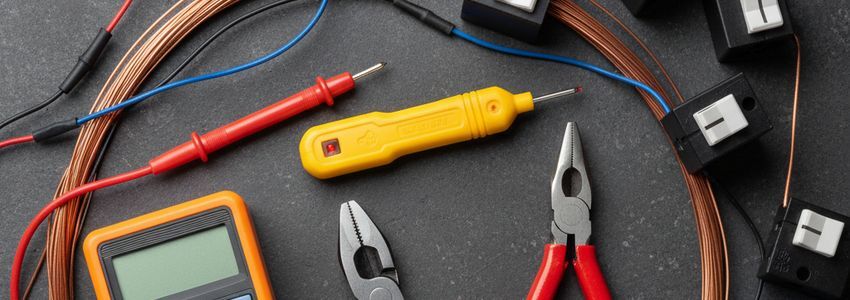
Modern electrical contracting increasingly requires sophisticated diagnostic tools. Thermal imaging cameras identify hot spots in panels and circuits, enabling preventive maintenance contracts with commercial clients. Power quality analyzers support data center and industrial clients. Ground resistance testers, insulation resistance testers, and digital multimeters of professional quality distinguish your business from competitors offering only basic residential services. Each category of diagnostic equipment expands the scope of work you can competently bid and perform, directly increasing your addressable market.
Material Purchases for Large Projects
Commercial and industrial electrical projects routinely require $50,000 to $300,000 in materials - wire, conduit, panels, breakers, switchgear, and fixtures - purchased weeks before any client payment arrives. A business line of credit is ideally suited for covering these material purchases, with the drawn amount repaid once project progress payments clear. This approach preserves operating cash while allowing the contractor to commit to contract scopes that would otherwise strain liquidity.
Hiring and Payroll During Growth Phases
Winning a commercial contract is only the beginning. Staffing that contract requires recruiting licensed electricians - a competitive and time-consuming process - and covering their wages from the first day on site, weeks before the first invoice is issued. Working capital loans support hiring ramps by funding payroll during the period between contract signing and first payment receipt, preventing the situation where an undercapitalized contractor declines profitable work due to short-term cash flow constraints.
Moving into Commercial and Industrial Markets
Residential electrical work is competitive and margin-pressured. Commercial and industrial electrical projects command higher billing rates, longer-term relationships, and larger contract values. However, transitioning into commercial work requires investment: commercial-grade tools and equipment, bonding and insurance upgrades, commercial vehicle markings, and sometimes additional licenses or certifications. Financing that transition investment is a strategic use of capital that repositions your business in a higher-margin market segment.
Related Reading: If your electrical business overlaps with HVAC or mechanical systems work, see how HVAC business loans are structured to understand complementary financing approaches for multi-trade contractors.
Qualification Requirements for Electrical Contractor Financing
Matching the right financing product to your current business profile - rather than applying for products you are not yet ready for - saves time and improves approval outcomes. Here is a breakdown of typical qualification thresholds by lender type.
Alternative Online Lenders (Fastest Approval)
Online alternative lenders offer the most accessible qualification standards in the market. Most require a personal credit score of 580 or higher, at least six months in business, and monthly revenue of $10,000 or more. Some lenders place greater weight on recent revenue trends, making them viable for contractors with improving financials even if historical numbers were lower. Funding timelines are the fastest available - often same-day decisions and 24 to 48-hour funding. The tradeoff is higher interest rates compared to bank and SBA products.
Traditional Banks and Credit Unions
Bank business loans require personal credit scores of 680 or higher, two or more years of profitable operating history, and strong revenue. Banks offer the most favorable rates for qualified borrowers and can also provide bonding assistance and treasury management services that support contracting businesses. The approval process typically takes several weeks and requires comprehensive financial documentation.
SBA-Approved Lenders
SBA loans through approved lenders require credit scores of 650 or above, two or more years in business, and demonstrated ability to service the debt based on historical cash flow. The documentation requirement is substantial - tax returns, financial statements, business plan for larger amounts, personal financial statements, and business legal documents. The approval timeline runs 60 to 90 days but the rate and term advantages make SBA the preferred option for significant capital investments where timing is flexible.
Improving Your Approval Profile
Electrical contractors who want to qualify for larger amounts or better rates can take specific steps to improve their profile. Paying down personal credit card balances below 30 percent of the credit limit improves your credit utilization ratio quickly. Ensuring all business accounts - utility, insurance, trade payables - are current signals financial health to lenders. Building a relationship with a business bank before you need a loan creates a track record that lenders weigh favorably when reviewing applications.
Find Out What Your Electrical Business Qualifies For
Our specialists understand contractor cash flow and match you with the right product. No credit impact to check your options.
Check Your Options →Comparing Your Financing Options
The right product depends on your specific need, timeline, and current financial profile. This comparison helps you quickly identify the options best aligned to your situation.
| Financing Type | Best For | Typical Rate | Term | Funding Speed |
|---|---|---|---|---|
| Equipment Financing | Vans, bucket trucks, test equipment | 5% - 18% | 24 - 84 months | 2 - 5 days |
| Business Line of Credit | Material costs, ongoing cash flow | 8% - 35% | Revolving | 1 - 5 days |
| Working Capital Loan | Payroll, project ramp-up, marketing | 10% - 45% | 3 - 24 months | Same day - 2 days |
| SBA 7(a) Loan | Major expansion, acquisition, real estate | Prime + 2.75% - 4.75% | 10 - 25 years | 60 - 90 days |
| Invoice Financing | Commercial clients on extended terms | 1% - 5% per invoice | Until invoice paid | 1 - 2 days |
| Revenue-Based Financing | Seasonal contractors, no collateral | Factor rate 1.15 - 1.45 | Revenue-based | 1 - 3 days |
Many growing electrical contractors use multiple products simultaneously. Equipment loans fund fleet and tool expansion, a line of credit covers material costs between project payments, and a working capital loan bridges a seasonal revenue gap. When structured thoughtfully, this layered approach maximizes capital access without creating an unsustainable fixed payment burden.
For a deeper look at financing considerations that apply across multiple trade types, our general contractor loans guide covers multi-project capital management, bonding considerations, and strategies for graduating from short-term to long-term financing as your business grows.
How Crestmont Capital Helps Electrical Contractors
Crestmont Capital is the #1 rated business lender in the U.S., and we work with electrical contractors at every stage - from the solo operator adding a second van to the regional firm managing 30-person commercial project teams. Our specialists understand the cash flow reality of electrical contracting: commercial payment delays, material front-loading, crew cost timing, and the seasonal variability that affects most service businesses.
We offer a full product range through a single application, which means we can identify the right financing structure - or combination of structures - for your specific situation rather than offering a one-size-fits-all product. An electrician with strong revenue but a difficult credit history gets a different recommendation than one with excellent credit but limited operating history, and both are served well by lenders who understand how to underwrite contractors.
Our small business financing programs cover equipment financing, working capital, lines of credit, and SBA loan advisory. Applications take minutes, decisions come quickly for short-term products, and our specialists stay involved through funding to make sure the capital you receive is correctly structured for the growth initiative you have in mind.
For contractors who have been declined elsewhere - by banks who apply rigid cutoffs without context, or by lenders who simply do not understand contracting business models - Crestmont's underwriting considers the full financial picture. Strong revenue trends, solid project pipelines, and contractor-specific factors often make a significant difference in what we can offer compared to generic lenders. To understand how different lenders evaluate electrical businesses, our equipment financing guide explains the underwriting process in practical detail.
Real-World Financing Scenarios for Electrical Contractors
Abstract descriptions of loan products become concrete when applied to actual situations electrical contractors encounter in practice. The following scenarios illustrate how financing decisions play out across different stages of business growth.
Scenario 1: Adding a Second Van and Crew
Jennifer has operated a residential electrical business for three years, averaging $28,000 per month in revenue. She is consistently turning away service calls and has a licensed journeyman who is ready to run a second crew independently. She applies for equipment financing to purchase a $72,000 service van fully equipped with tools, wire stock, and panels. Approved at 9.5 percent over 60 months, the monthly payment is approximately $1,510. The second van and crew generate an incremental $16,000 per month in revenue. Jennifer recovers the monthly payment roughly tenfold from day one of operations.
Scenario 2: Bridging Commercial Payment Delays
Northshore Electrical wins a $280,000 commercial tenant improvement project for a new medical office. Materials must be purchased in the first two weeks, totaling $65,000, while the first progress payment does not arrive for 45 days. The owner draws $70,000 from an existing $150,000 business line of credit. The draw costs approximately $1,300 in interest over the 45-day period - a small fraction of the project's margin. The line is repaid immediately upon receiving the progress payment and resets for the next job.
Scenario 3: Scaling Into Commercial Markets
A residential-focused electrical contractor wants to begin bidding commercial tenant improvement and retail buildout projects. To qualify for commercial work with general contractors, the business needs commercial-grade thermal imaging equipment ($15,000), additional liability and workers' compensation insurance upgrades ($8,000 annually), and a project management software subscription to satisfy GC reporting requirements ($3,600 annually). A working capital loan of $35,000 covers the transition investment, with the first commercial contract generating more revenue in 90 days than the total loan principal.
Scenario 4: Managing Seasonal Cash Flow
An electrical contractor in a northern market experiences a significant revenue slowdown from December through February as construction activity decreases. The owner retains his three-person crew year-round because skilled electricians are hard to find and rehire. A $55,000 working capital loan covers three months of payroll and operating expenses during the slow period, repaid over eight months as spring and summer revenue accelerates. The annual financing cost is far less than the operational disruption of laying off and rehiring skilled labor.
Scenario 5: Acquiring a Competing Business
Pacific Electrical Services has built a strong 12-year operation in a mid-size market. When a nearby competitor announces retirement and a business sale at $650,000, the owner pursues an SBA 7(a) loan to fund the acquisition. The SBA loan at prime plus 2.75 percent over 10 years provides $600,000, with the owner contributing $50,000 from reserves. The acquired business brings $1.4 million in annual revenue, 180 existing residential accounts, and two commercial maintenance contracts. The acquisition doubles the firm's size and creates substantial long-term value at a financing cost that is easily covered by the acquired revenue stream.
How to Get Started
Complete our quick application at offers.crestmontcapital.com/apply-now. Have your monthly revenue and intended use of funds ready. The application takes under 10 minutes.
A Crestmont Capital advisor familiar with electrical contracting businesses will review your profile, explain your options clearly, and recommend the product or combination of products best suited to your growth goal.
Working capital and equipment financing typically fund within 24 to 72 hours of approval. Deploy your capital immediately - whether that means purchasing a new truck, covering material costs, or hiring the crew you need to take on the next contract.
Ready to Grow Your Electrical Business?
Crestmont Capital has the right financing solution whether you need equipment, working capital, or long-term growth funding. Apply now and get a decision today.
Apply Now →Frequently Asked Questions
Disclaimer: The information provided in this article is for general educational purposes only and is not financial, legal, or tax advice. Funding terms, qualifications, and product availability may vary and are subject to change without notice. Crestmont Capital does not guarantee approval, rates, or specific outcomes. For personalized information about your business funding options, contact our team directly.








