
 (800) 949-0401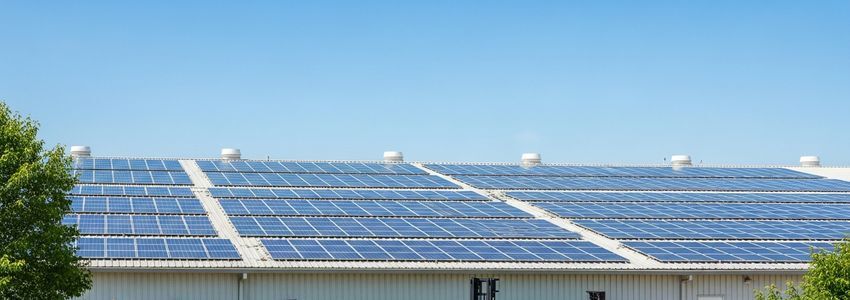
Eco-Friendly Equipment Financing: The Complete Guide for Business Owners
American businesses spend billions each year upgrading equipment - and a growing number of those purchases are going green. Whether you run a manufacturing plant, a commercial fleet, or a small retail operation, switching to energy-efficient equipment cuts operating costs, reduces your environmental footprint, and positions your brand for the future. But sustainable equipment often carries a higher upfront price tag, which is exactly where eco-friendly equipment financing comes in.
This guide covers everything you need to know: what green equipment financing is, how it works, which types of equipment qualify, who can apply, and how Crestmont Capital - founded in 2015 and rated the number one business lender in the country - can help you get funded fast.
What Is Eco-Friendly Equipment Financing?
Eco-friendly equipment financing is a funding solution that allows businesses to acquire energy-efficient, sustainable, or environmentally responsible equipment without paying the full cost upfront. Instead of depleting your working capital or business reserves, you make predictable monthly payments while the equipment goes to work generating value for your business from day one.
This type of financing follows the same general structure as standard equipment financing, but the collateral - and often the lending terms - are tied specifically to green or energy-efficient assets. In many cases, lenders recognize that eco-friendly equipment holds its value well over time, has lower lifetime operating costs, and may qualify for additional government incentives, making these loans both lower risk and higher value.
Eco-friendly equipment financing can be structured as a direct loan - where the equipment serves as collateral - or as a lease, where you pay for the use of the equipment over time. Both options preserve cash flow, both allow you to start using the equipment immediately, and both can be structured to match the energy and cost savings the equipment delivers.
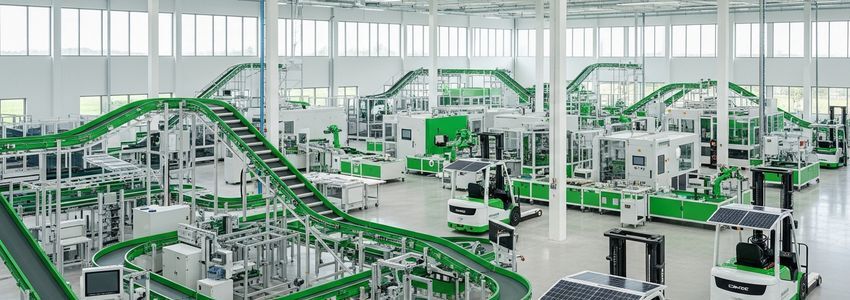
Eco-friendly equipment financing lets you acquire sustainable tools - from solar arrays to electric forklifts - without draining your cash reserves. You keep capital available for operations while the equipment pays for itself through energy savings and productivity gains.
Benefits of Green Equipment Financing
Businesses that finance eco-friendly equipment gain advantages on multiple fronts - financial, operational, regulatory, and reputational. Here is a breakdown of the most significant benefits.
Lower Operating Costs
Energy-efficient equipment typically costs significantly less to operate than older, conventional alternatives. Electric vehicles cost far less per mile than diesel counterparts. LED lighting systems consume a fraction of the energy compared to fluorescent or incandescent fixtures. High-efficiency HVAC systems can cut heating and cooling bills by 30 to 50 percent. When you finance the equipment, those savings often offset the monthly payment - sometimes completely.
Preserved Cash Flow
Rather than writing a large check upfront for solar panels, EV charging stations, or industrial-grade energy recovery systems, financing spreads the cost over months or years. Your available capital stays in the business to cover payroll, inventory, marketing, and other operational needs. For growing businesses, cash flow preservation is often the single most important financial priority.
Access to Tax Incentives
Federal programs like the Investment Tax Credit (ITC) for solar energy equipment and Section 179 of the IRS tax code allow businesses to deduct a significant portion of the cost of qualifying equipment in the year it is placed in service. According to the Small Business Administration, understanding how these deductions interact with your financing structure can amplify your total savings considerably. Even when you finance equipment rather than buy it outright, you may still qualify for these benefits - always confirm with your tax advisor.
Competitive Differentiation
Consumers, business clients, and investors increasingly scrutinize environmental practices. A Forbes analysis found that companies with strong sustainability metrics attract more loyal customers and often command a pricing premium. Financing your transition to green equipment accelerates your ability to market your business as environmentally responsible.
Regulatory Compliance
Emissions standards, energy efficiency requirements, and environmental regulations are tightening across industries. From commercial refrigerants to fleet emissions, staying ahead of compliance requirements protects you from penalties and positions your business for long-term operation.
Higher Resale Value
Energy-efficient equipment depreciates more slowly than outdated, energy-hungry alternatives. If you later sell assets or end a lease, eco-friendly equipment tends to retain value better - which matters if you are financing with equipment as collateral.
Why Businesses Are Going Green: Key Stats
Get fast, flexible eco-friendly equipment financing from Crestmont Capital. Apply in minutes and get a decision the same day.
Apply Now - Free, No ObligationTypes of Eco-Friendly Equipment You Can Finance
One of the most common questions business owners ask is: what exactly counts as "eco-friendly equipment"? The answer is broader than most people expect. Virtually any equipment that reduces energy consumption, lowers emissions, cuts waste, or enables a shift to renewable resources can qualify for green equipment financing.
Solar Energy Equipment
Commercial solar panel systems, solar water heaters, solar storage batteries, and solar-powered lighting systems are among the most financed eco-friendly assets. Our dedicated guide on solar panel financing covers your options in detail. Solar installations often generate enough savings to more than cover the monthly financing payment, creating a cash-flow-positive investment from the start.
EV Charging Infrastructure
Electric vehicle charging stations are increasingly required by employees, customers, and commercial tenants. Businesses financing EV infrastructure can take advantage of federal tax credits and utility rebates. Read more in our EV charging station financing guide.
Electric Vehicles and Fleet
Electric trucks, vans, forklifts, and delivery vehicles dramatically reduce fuel and maintenance costs while lowering your carbon footprint. Businesses with delivery or transportation operations see some of the fastest payback periods when switching from diesel to electric.
Energy-Efficient HVAC Systems
High-efficiency heating and cooling equipment - including geothermal heat pumps, variable-speed compressors, and smart building management systems - can cut energy bills by hundreds of thousands of dollars annually in larger facilities.
LED Lighting Systems
Commercial LED retrofits for factories, warehouses, retail stores, and offices typically pay back in two to four years through energy savings alone. They also reduce maintenance costs by lasting far longer than conventional lighting.
Water Conservation Equipment
Smart irrigation systems, water recycling units, low-flow commercial equipment, and industrial water treatment systems help businesses reduce both water consumption and the associated utility costs.
Energy-Efficient Manufacturing Equipment
Modern CNC machines, industrial motors with variable frequency drives, heat recovery systems, and energy-monitoring platforms reduce power consumption across production lines - often dramatically.
Green Building Systems
Insulation systems, smart windows, green roofing systems, and building automation platforms all qualify for financing as they directly reduce a building's energy consumption.
Financing vs. Leasing Green Equipment
When you decide to acquire eco-friendly equipment, you generally have two main paths: financing (a loan) or leasing. Understanding the difference helps you choose the right structure for your situation.
Equipment Financing (Loan)
With equipment financing, you borrow money to purchase the equipment outright. The equipment serves as collateral, which typically results in lower interest rates than unsecured loans. You own the equipment from day one, which means you capture the full benefit of tax deductions and incentives like the ITC and Section 179. At the end of the loan, you own the equipment free and clear.
Financing is often the better choice when:
- The equipment is long-lived and you plan to use it for many years
- You want to capture ownership-based tax incentives
- The equipment is likely to appreciate or hold its value
- You want to build equity in the asset
Equipment Leasing
Equipment leasing lets you use the equipment without owning it. You pay a monthly fee for the term of the lease, and at the end you typically have the option to purchase the equipment, renew the lease, or return it and upgrade to newer technology. Leasing often has lower monthly payments than financing, which further preserves cash flow.
Leasing works well when:
- Technology is evolving rapidly and you want flexibility to upgrade
- You prefer lower monthly payments
- Your balance sheet benefits from off-balance-sheet treatment
- You want to avoid the risk of equipment obsolescence
Government Incentives and Programs
The federal government and many states offer substantial incentives for businesses investing in eco-friendly equipment. These programs can dramatically reduce your effective cost.
Federal Investment Tax Credit (ITC)
The Inflation Reduction Act extended and expanded the ITC for solar and other clean energy equipment. Businesses that purchase qualifying solar equipment can currently claim a 30 percent federal tax credit. According to the U.S. Department of Energy, this credit applies to both residential and commercial projects and can be combined with depreciation deductions for maximum savings.
Section 179 Deduction
Section 179 of the IRS tax code allows businesses to deduct the full purchase price of qualifying equipment - including much eco-friendly equipment - in the year it is placed in service, rather than depreciating it over multiple years. In 2024, the deduction limit was $1.22 million.
Bonus Depreciation
Beyond Section 179, businesses can claim bonus depreciation on qualifying equipment, further accelerating the tax benefit of green equipment purchases.
USDA REAP Grants
The USDA Rural Energy for America Program (REAP) provides grants and loan guarantees for agricultural producers and rural small businesses investing in renewable energy systems and energy efficiency improvements. REAP grants can cover up to 50 percent of eligible project costs.
State and Local Programs
Many states offer additional incentives including property tax exemptions for solar equipment, state income tax credits, sales tax exemptions on qualifying purchases, and utility rebate programs. California, New York, Texas, and several other states have particularly robust programs.
Tax incentive programs are subject to change, and eligibility depends on your specific situation, equipment type, and business structure. Always consult with a qualified tax professional before making financing decisions based on anticipated tax benefits. The information here is educational and does not constitute tax advice.
Crestmont Capital offers multiple financing solutions for eco-friendly equipment upgrades. From equipment loans to lines of credit, we find the right fit for your business needs.
Get Started TodayWho Qualifies for Green Equipment Financing?
Qualification requirements for eco-friendly equipment financing are similar to standard commercial equipment loans. Here are the key factors lenders evaluate.
Time in Business
Most traditional lenders want to see at least two years of operating history. However, alternative and online lenders like Crestmont Capital work with businesses that have as little as six months to one year in business, provided other factors are strong.
Credit Score
Personal credit scores in the 620 to 680 range and above typically qualify for competitive rates. Business credit history matters too, but personal credit is often the primary factor for small business financing. If your credit is below these thresholds, options still exist - explore bad credit equipment financing designed for businesses still building their credit profile.
Annual Revenue
Most lenders want to see annual revenue that comfortably supports the monthly payment. A general rule of thumb is that your total monthly debt payments - including the new equipment payment - should not exceed 40 to 50 percent of your monthly gross revenue.
Down Payment
Some lenders require a down payment of 10 to 20 percent on equipment loans. Others, particularly for well-qualified borrowers, offer 100 percent financing. The larger your down payment, the lower your monthly payment and the faster you build equity.
Equipment Value and Type
The equipment itself matters as collateral. Lenders evaluate the equipment's age, condition, and residual value. New eco-friendly equipment from established manufacturers typically qualifies for the best terms because it has strong collateral value.
Industry Considerations
Most industries are eligible for green equipment financing. Agriculture, manufacturing, transportation, hospitality, healthcare, construction, retail, and professional services businesses all regularly use these programs.
How to Apply for Eco-Friendly Equipment Financing
Applying for eco-friendly equipment financing is a straightforward process, especially when you work with a lender like Crestmont Capital that specializes in business equipment loans. Here is what to expect.
Step 1: Identify Your Equipment
Get quotes from vendors or manufacturers for the specific eco-friendly equipment you need. Having a specific quote or invoice makes the application process faster and more accurate.
Step 2: Gather Your Documentation
Standard documentation requirements include:
- Business tax returns (two to three years)
- Personal tax returns
- Recent bank statements (three to six months)
- Business financial statements
- Equipment quote or invoice
- Business license and formation documents
- Driver's license or government-issued ID
Step 3: Submit Your Application
Apply online through Crestmont Capital's streamlined application. The process takes minutes, and you can submit all documentation digitally. Our team reviews applications quickly - often providing preliminary decisions the same day.
Step 4: Review Your Offer
Once approved, you will receive a loan or lease offer outlining the rate, term, monthly payment, and any conditions. Review the offer carefully and ask questions if anything is unclear.
Step 5: Fund and Acquire Equipment
After you sign the agreement, funds are disbursed - often within 24 to 72 hours. You can then complete your equipment purchase and put your new eco-friendly assets to work immediately.
Consider a Business Line of Credit for Flexibility
If you plan to make multiple eco-friendly upgrades over time, a business line of credit can give you the flexibility to draw funds as needed rather than taking out separate loans for each purchase. This is particularly useful for businesses phasing in upgrades over one to three years.
Real-World Examples
Seeing how other businesses have used eco-friendly equipment financing makes the concept concrete. Here are examples across industries.
Manufacturing Company - Energy Recovery System
A mid-sized manufacturer in the Midwest financed a $400,000 industrial heat recovery system using a 60-month equipment loan. The system reduced their natural gas bill by $12,000 per month - well above the $8,500 monthly payment. Within five years, they owned the system outright and were banking the full $12,000 in monthly savings.
Restaurant Group - Commercial LED and HVAC Upgrade
A restaurant group with six locations in the Southeast financed a $280,000 comprehensive LED and high-efficiency HVAC upgrade. The project reduced their combined utility costs by over $6,000 per month while improving the dining environment. Using small business loans, they completed the upgrade across all locations within one year.
Logistics Company - Electric Fleet Transition
A regional logistics company transitioned its delivery fleet to electric vehicles over 18 months, financing each vehicle purchase through Crestmont Capital's equipment financing program. According to data from CNBC, businesses making similar EV fleet transitions are seeing fuel and maintenance savings of 40 to 60 percent compared to diesel fleets. The logistics company reduced its fuel costs by nearly $180,000 in the first year.
Agricultural Operation - Solar Irrigation System
A family farm in California financed a solar-powered irrigation system for $95,000. Combining the ITC tax credit with low financing rates, their effective out-of-pocket cost was dramatically reduced. The system eliminated their diesel pump costs and reduced their water management labor significantly.
In virtually every case, the businesses that succeed with eco-friendly equipment financing take a systematic approach: they calculate the monthly savings the equipment will generate, confirm that savings exceed or approximate the monthly financing cost, then move forward with confidence. The equipment pays for itself while delivering ongoing environmental benefits.
Comparing Financing Options
Not all financing solutions are created equal. Here is how the main options for eco-friendly equipment financing compare.
Equipment Loans vs. SBA Loans
SBA loans offer very competitive rates and long terms, but the application process is lengthy and documentation-heavy. Equipment loans from private lenders close faster - often in days rather than months - and have fewer restrictions on use. For businesses that need to move quickly on a sustainability upgrade, a private equipment loan is often the right choice.
Equipment Financing vs. Equipment Leasing
As covered earlier, the main trade-off is ownership versus flexibility. Financing builds equity and may provide better tax treatment. Leasing through equipment leasing programs offers lower monthly payments and the ability to upgrade equipment regularly.
Equipment Loan vs. Business Line of Credit
Equipment loans are best for single, large purchases with a defined cost. A business line of credit is better for phased upgrades where you will make multiple smaller purchases over time. Lines of credit also give you the flexibility to address unplanned needs as they arise.
Private Lender vs. Traditional Bank
Traditional banks offer competitive rates for businesses with strong credit and long operating histories, but their approval processes are slower and standards are more rigid. Private lenders and alternative financing companies like Crestmont Capital approve a wider range of businesses, fund faster, and provide more personalized service. For newer businesses or those with less-than-perfect credit, private lenders are often the only viable path.
Next Steps
How to Move Forward with Eco-Friendly Equipment Financing
- Audit your current equipment - Identify which assets are the biggest energy consumers or cost drivers and prioritize those for replacement first.
- Get equipment quotes - Contact vendors or manufacturers for specific equipment quotes. Ask about energy savings projections and any available rebates.
- Research available incentives - Check federal, state, and local programs your purchase may qualify for. The Department of Energy's database is a good starting point.
- Calculate your ROI - Compare the monthly financing cost against projected energy savings plus tax benefits to confirm the upgrade makes financial sense.
- Choose your financing structure - Decide between a loan, lease, or line of credit based on your ownership preferences, tax situation, and cash flow needs.
- Apply for financing - Submit your application through Crestmont Capital's online portal. Have your documentation ready to speed up the process.
- Acquire and deploy your equipment - Once funded, complete your purchase and put your eco-friendly equipment to work immediately.
Ready to Finance Eco-Friendly Equipment?
Crestmont Capital has been helping businesses access equipment financing since 2015. Our team understands the unique dynamics of green equipment investments and can structure financing that aligns with your savings goals.
Apply for Equipment Financing NowFrequently Asked Questions About Eco-Friendly Equipment Financing
What is eco-friendly equipment financing?
Eco-friendly equipment financing is a loan or lease product that enables businesses to acquire energy-efficient, sustainable, or environmentally responsible equipment without paying the full cost upfront. It works like standard equipment financing but is applied to green assets such as solar panels, electric vehicles, LED lighting, energy-efficient HVAC systems, and similar equipment.
What types of equipment qualify for green equipment financing?
A wide range of equipment qualifies, including solar panel systems, EV charging stations, electric vehicles and forklifts, energy-efficient HVAC systems, LED lighting, industrial energy recovery systems, smart irrigation systems, water recycling equipment, high-efficiency manufacturing machinery, and building automation systems. If the equipment reduces energy consumption or environmental impact, it generally qualifies.
Do I need perfect credit to qualify for eco-friendly equipment financing?
No. While strong credit scores improve your chances of getting the best rates, many lenders - including Crestmont Capital - work with businesses across a range of credit profiles. Options for businesses with lower credit scores exist, including bad credit equipment financing programs that prioritize the value of the equipment and the strength of the business's cash flow.
How fast can I get funded for eco-friendly equipment financing?
With an alternative lender like Crestmont Capital, you can often receive a decision the same day you apply and have funds available within 24 to 72 business hours. Traditional banks and SBA programs take significantly longer - sometimes weeks or months.
Can I claim tax deductions on financed eco-friendly equipment?
In many cases, yes. If you purchase equipment through financing (as opposed to leasing), you generally own the equipment and can claim applicable deductions including Section 179 expensing, bonus depreciation, and tax credits like the Investment Tax Credit for solar equipment. Leasing has different tax treatment. Consult a tax professional for guidance specific to your situation - this is educational information only and not tax advice.
What is the difference between eco-friendly equipment financing and equipment leasing?
With equipment financing (a loan), you own the equipment from the start and build equity over time. With equipment leasing, you pay for the right to use the equipment but do not own it unless you exercise a purchase option at the end of the lease. Financing often provides better tax benefits for owners, while leasing typically offers lower monthly payments and more flexibility to upgrade equipment.
Are there government programs that support green equipment financing?
Yes. The federal government offers the Investment Tax Credit (ITC) for solar and clean energy equipment, Section 179 deductions, and bonus depreciation. The USDA REAP program provides grants and loan guarantees for agricultural and rural business green investments. Many states and utilities offer additional rebate and incentive programs on top of federal benefits.
How much can I borrow for eco-friendly equipment?
Loan amounts vary significantly based on the lender, the equipment, and your business's financial profile. At Crestmont Capital, equipment financing is available from small amounts for individual pieces of equipment up to millions of dollars for large-scale renewable energy installations or fleet electrification projects. Your creditworthiness and the collateral value of the equipment both factor into the maximum loan amount.
What is the typical repayment term for eco-friendly equipment financing?
Equipment loan terms typically range from 24 to 84 months (two to seven years). Longer terms result in lower monthly payments but higher total interest costs. Many businesses match the term to the expected payback period of the equipment - so that savings cover payments - or to the useful life of the asset.
Do I need a down payment for eco-friendly equipment financing?
Some lenders require a down payment of 10 to 20 percent, while others offer 100 percent financing for well-qualified borrowers. A larger down payment reduces your monthly payment and the total amount of interest you pay. Crestmont Capital works with businesses to find terms that match their cash flow situation.
Can a startup or newer business qualify for green equipment financing?
Yes, though the qualification requirements may differ from established businesses. Alternative lenders like Crestmont Capital work with businesses as young as six to twelve months if other factors - such as strong personal credit and adequate revenue - are in place. Some lenders focus heavily on the value of the collateral (the equipment itself) rather than extensive business history.
What documentation do I need to apply for eco-friendly equipment financing?
Typical documentation includes business and personal tax returns for the past two years, recent bank statements, business financial statements, an equipment quote or invoice, your business license, and a government-issued ID. Some lenders may request additional documents depending on the loan size and business type.
How does eco-friendly equipment financing affect my cash flow?
Green equipment financing replaces a large upfront capital outlay with predictable monthly payments. In many cases, the energy savings and productivity gains generated by the equipment offset the monthly payment, making the financing cash-flow neutral or even positive from the start. This is one of the primary financial advantages of financing rather than purchasing outright.
Can I finance multiple pieces of eco-friendly equipment at once?
Yes. You can apply for financing on a package of equipment at once, or use a business line of credit to fund multiple purchases over time. If you are planning a comprehensive sustainability upgrade across multiple asset categories, discussing your full plan with a lender upfront helps ensure you get the right total structure.
How do I choose between a green equipment loan and a standard small business loan for eco upgrades?
Equipment loans specifically use the equipment as collateral, which usually results in lower rates and more favorable terms compared to unsecured small business loans. If the equipment being purchased has solid collateral value - as most eco-friendly commercial equipment does - an equipment-specific loan is almost always the better choice. For projects that include soft costs or services (like installation labor), combining an equipment loan with a business line of credit gives you the most flexibility.
Disclaimer: The information provided in this article is for general educational purposes only and is not financial, legal, or tax advice. Funding terms, qualifications, and product availability may vary and are subject to change without notice. Crestmont Capital does not guarantee approval, rates, or specific outcomes. For personalized information about your business funding options, contact our team directly.








