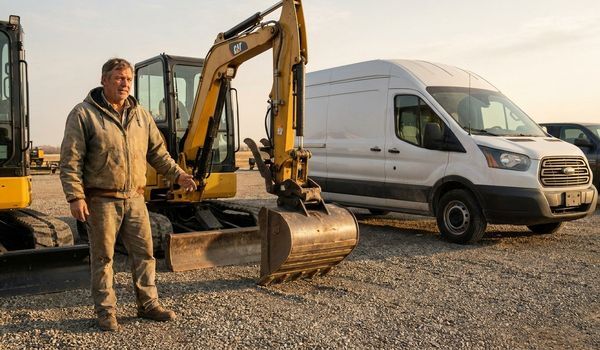
The document shredding industry is built on a foundation of trust, security, and compliance. In an age where data breaches are a constant threat and privacy regulations are stricter than ever, businesses and individuals rely on professional shredding services to securely destroy sensitive information. This demand has created a robust and growing market for document destruction companies. However, entering or expanding in this capital-intensive industry requires significant investment in specialized equipment, secure vehicles, and skilled personnel. This is where strategic financing becomes a critical component of success.
For entrepreneurs and established owners in this sector, securing the right funding is not just about acquiring assets; it is about building a scalable, efficient, and compliant operation. Whether you are purchasing your first mobile shredding truck, upgrading to a high-capacity industrial shredder, or expanding your fleet to cover a larger service area, having access to capital is essential. The challenge lies in navigating the complex world of commercial lending to find solutions that match the unique needs of a shredding business. Traditional bank loans can be slow and rigid, often failing to accommodate the specific asset types and cash flow cycles of the industry.
This is where specialized document shredding business loans come into play. These tailored financing solutions are designed to address the specific challenges and opportunities that document destruction companies face. From equipment financing that uses the shredding truck itself as collateral to flexible working capital loans that cover day-to-day operational costs, there are numerous options available. This comprehensive guide will walk you through every aspect of financing your document shredding business. We will explore the different types of loans, what they cover, how to qualify, and how to choose the best option for your company's growth.
In This Article
- What Are Document Shredding Business Loans?
- Why Document Shredding Companies Need Financing
- Types of Business Loans for Document Shredding Companies
- Key Expenses Document Shredding Businesses Finance
- How Document Shredding Business Loans Work
- Qualifying for Document Shredding Business Financing
- How Crestmont Capital Helps Document Shredding Companies
- Real-World Financing Scenarios
- Comparing Financing Options
- How to Apply
- Frequently Asked Questions
What Are Document Shredding Business Loans?
A document shredding business loan is not a single, specific financial product. Instead, it is a broad term that encompasses a variety of financing solutions designed to meet the capital needs of companies in the secure information destruction industry. Unlike generic business loans that may not account for the unique assets and operational models of a shredding company, these loans are often structured with the industry's specific requirements in mind.
The core purpose of these loans is to provide the necessary capital for shredding businesses to start, operate, and grow. The industry is characterized by high upfront costs for specialized equipment, such as mobile shredding trucks and industrial-grade shredders, as well as ongoing operational expenses like fuel, maintenance, and employee salaries. Document shredding business loans provide the financial leverage needed to overcome these capital hurdles.
These financing options can be used for a wide range of purposes, including:
- Purchasing new or used mobile shredding trucks.
- Acquiring plant-based industrial shredders and balers.
- Financing secure collection containers and consoles.
- Covering the costs of industry certifications like NAID AAA.
- Funding marketing campaigns to attract new clients.
- Managing day-to-day cash flow and covering payroll.
- Expanding to new territories or adding new service lines.
Lenders who specialize in this area, like Crestmont Capital, understand the value of the assets involved. They recognize that a mobile shredding truck is not just a vehicle but a revenue-generating piece of machinery. This understanding allows for more flexible and accessible financing options, such as equipment financing, where the truck itself serves as collateral for the loan. This approach often makes it easier for businesses to qualify for funding compared to traditional, unsecured loans from a bank. In essence, these loans are financial tools that empower document shredding companies to invest in the critical assets and operations that drive their growth and profitability.
Why Document Shredding Companies Need Financing
The document shredding industry, while lucrative, is exceptionally capital-intensive. The barrier to entry and the cost of expansion are significant, making external financing a near-necessity for most operators. From the six-figure price tag of a single mobile shredding truck to the ongoing costs of compliance and marketing, capital is the fuel that powers growth. Relying solely on existing cash flow can severely limit a company's ability to scale, compete, and seize market opportunities.
Strategic financing provides the means to overcome these financial hurdles and unlock a company's full potential. It allows business owners to make critical investments without depleting their working capital, ensuring the business remains financially healthy and prepared for unexpected expenses. For a document shredding business, this means having the best equipment, the most efficient routes, and the strongest market presence possible.
Here are some of the key benefits of securing financing for a document shredding company:
- Acquire High-Value Assets: The most significant expense is equipment. Financing allows you to purchase state-of-the-art mobile shredding trucks and industrial shredders without paying the full cost upfront, preserving cash for other needs.
- Accelerate Growth and Expansion: With adequate funding, you can add trucks to your fleet, expand your service area, or open a new facility much faster than if you were relying on organic revenue growth alone. This allows you to capture more market share and increase revenue streams.
- Improve Operational Efficiency: Loans can be used to invest in technology that boosts efficiency, such as route optimization software, GPS tracking, and automated client management systems. These investments reduce fuel costs, save time, and improve customer service.
- Manage Cash Flow Effectively: The shredding business can have uneven cash flow, especially when dealing with large corporate clients with long payment cycles. A business line of credit or working capital loan provides a financial cushion to cover payroll, fuel, and maintenance during slower periods.
- Maintain Compliance and Security: Achieving and maintaining certifications like NAID AAA requires investment in specific security protocols, software, and training. Financing can cover these costs, which are essential for attracting and retaining high-value clients who demand the highest level of security.
- Enhance Competitive Advantage: Access to capital allows you to invest in better equipment and marketing than your competitors. A modern, reliable fleet and a strong brand presence can be a major differentiator in a competitive market.
- Seize Opportunities Quickly: When a large contract becomes available or a competitor's business goes up for sale, having pre-approved financing or a line of credit allows you to act decisively and capitalize on the opportunity before someone else does.
Ultimately, financing is a strategic tool that transforms a company's growth from a slow, incremental process into a dynamic and proactive one. It empowers document shredding business owners to build a more resilient, efficient, and profitable enterprise.
Types of Business Loans for Document Shredding Companies
There is no one-size-fits-all loan for a document shredding business. The best financing option depends on your specific needs, your company's financial health, and your long-term goals. Understanding the different types of loans available is the first step toward making an informed decision. Here are the most common and effective financing solutions for document shredding companies.
Equipment Financing
This is arguably the most critical type of financing for the shredding industry. Equipment financing is a loan used specifically to purchase machinery and vehicles. For a document shredding business, this includes mobile shredding trucks, plant-based industrial shredders, balers, and even large quantities of secure collection bins.
- How it works: The loan is structured so that the equipment being purchased serves as its own collateral. If the borrower defaults, the lender can repossess the asset. This secured nature reduces the lender's risk, often resulting in more favorable interest rates and higher approval chances compared to unsecured loans.
- Benefits: It allows you to acquire expensive, revenue-generating assets with little to no money down. This preserves your working capital for other business needs. The application process is typically fast, and the loan terms are often matched to the expected useful life of the equipment.
- Best for: Purchasing new or used mobile shredding trucks, upgrading an industrial shredder, or buying a fleet of collection containers.
Working Capital Loans
While equipment is the backbone of a shredding business, daily operations require a steady flow of cash. Working capital loans are designed to cover these short-term operational expenses.
- How it works: These are typically short-term loans, often unsecured, that provide a lump sum of cash to be used for day-to-day business needs. Repayment is usually made through fixed daily or weekly payments over a term of a few months to a couple of years.
- Benefits: They provide quick access to cash to bridge revenue gaps, manage payroll, or fund marketing initiatives. The application process is often streamlined, with funding possible in as little as 24-48 hours.
- Best for: Covering payroll during a slow month, paying for fuel and vehicle maintenance, investing in a digital marketing campaign, or having a cash buffer for unexpected expenses.
SBA Loans
The U.S. Small Business Administration (SBA) does not lend money directly but guarantees a portion of loans made by approved lenders. This guarantee reduces the lender's risk, allowing them to offer favorable terms.
- How it works: The most common types for shredding businesses are the SBA 7(a) and 504 loans. The 7(a) program is versatile and can be used for a wide range of purposes, including equipment purchase, working capital, or even buying a competitor's business. The 504 program is specifically for major fixed assets, such as commercial real estate or long-lasting equipment.
- Benefits: SBA loans are known for their long repayment terms (up to 10 years for equipment and 25 years for real estate) and low interest rates. This results in lower monthly payments, which can significantly improve cash flow.
- Best for: Large-scale investments like purchasing a warehouse facility, buying multiple shredding trucks at once, or acquiring another shredding business. They are ideal for established businesses with strong financials that can handle the lengthy application process.
Business Lines of Credit
A business line of credit provides flexible, on-demand access to capital, functioning much like a business credit card but with potentially higher limits and lower interest rates.
- How it works: You are approved for a specific credit limit (e.g., $100,000). You can draw funds as needed up to that limit and you only pay interest on the amount you have drawn. As you repay the principal, your available credit is replenished.
- Benefits: It is an excellent tool for managing fluctuating cash flow and handling unexpected expenses. You have a safety net of capital ready to be deployed at a moment's notice without needing to reapply for a new loan each time.
- Best for: Ongoing needs, such as covering unexpected truck repairs, taking advantage of a bulk discount on supplies, or managing seasonal dips in revenue. It provides financial flexibility for established businesses.
Invoice Financing
Also known as accounts receivable financing, this option is useful for businesses that have long payment cycles with their corporate or government clients.
- How it works: A financing company advances you a large percentage (typically 80-90%) of the value of your outstanding invoices. When your client pays the invoice, the financing company receives the payment, deducts their fee, and gives you the remaining balance.
- Benefits: It converts your unpaid invoices into immediate cash, dramatically improving your cash flow. This allows you to cover operational costs without waiting 30, 60, or 90 days for payment.
- Best for: Shredding companies with a few large clients that have long net payment terms. It is a solution for bridging the gap between providing a service and receiving payment.
Ready to Finance Your Shredding Equipment?
Get fast, flexible financing from the #1 business lender in the U.S. No obligation - apply in minutes.
Apply Now →Key Expenses Document Shredding Businesses Finance
Understanding what you can use a business loan for is crucial. Document shredding business loans are versatile and can be applied to nearly every aspect of starting or growing your operation. Here is a detailed breakdown of the key expenses that companies in this industry commonly finance.
Mobile Shredding Trucks
This is the single largest investment for most shredding companies. A new mobile shredding truck can cost anywhere from $150,000 to over $300,000, depending on the chassis, shredder capacity, and features like hard drive destruction capabilities. Equipment financing is the perfect tool for this purchase, allowing you to spread the cost over several years and let the truck generate revenue to pay for itself.
Industrial Plant-Based Shredders
For companies that offer off-site shredding services, a plant-based industrial shredder is the heart of the operation. These powerful machines can process tons of paper per hour and can represent an investment of $50,000 to $500,000 or more. Financing allows you to acquire the right-sized machine for your volume without a massive capital outlay. This category also includes related equipment like balers, which compress shredded paper for recycling, and conveyor systems.
GPS and Route Optimization Software
Efficiency is key to profitability in a logistics-heavy business like document shredding. Investing in advanced software for GPS tracking and route optimization can significantly reduce fuel costs, minimize driver downtime, and improve on-time performance. A working capital loan or a business line of credit can easily cover the subscription or purchase costs of these essential technology tools.
Secure Collection Bins and Consoles
To service your clients, you need a large inventory of secure collection containers. This includes everything from small, under-desk consoles for offices to large, rolling bins for high-volume customers. Purchasing hundreds of these containers can add up to a significant expense, which can be covered by an equipment loan or a working capital loan.
Compliance and Certification Software
Achieving and maintaining certifications like NAID AAA is vital for credibility and landing larger contracts. This often requires specialized software for tracking the chain of custody, managing employee background checks, and documenting security procedures. Financing can cover the cost of this software and the associated consulting or audit fees. The importance of compliance cannot be overstated, as it directly impacts client trust and a business's reputation.
Hiring and Training Staff
As you grow your fleet, you need to hire and train qualified drivers and technicians. These employees must pass rigorous background checks and receive training on security protocols and equipment operation. A working capital loan can provide the funds needed to cover recruitment costs, salaries, and training expenses while new routes are being established and becoming profitable.
Marketing and Advertising
You can have the best equipment in the world, but it will not generate revenue without a steady stream of clients. A portion of your financing should be allocated to a comprehensive marketing strategy. This can include:
- Developing a professional website with online scheduling.
- Running targeted digital ad campaigns (Google Ads, LinkedIn).
- Implementing a local SEO strategy to appear in local searches.
- Printing brochures and other sales materials.
- Hiring a sales representative to pursue corporate accounts.
Industry Insight: According to the Federal Trade Commission, there were over 1.1 million reports of identity theft in 2023. This high-profile risk is a major driver for businesses to seek professional shredding services, creating sustained demand in the market. You can read more at the FTC's official site.
By the Numbers
Document Shredding Industry - Key Statistics
$6.8B
U.S. document shredding market size (2024)
5.8%
Annual industry growth rate
60%+
Businesses using outsourced shredding services
$150K+
Average cost of a mobile shredding truck
How Document Shredding Business Loans Work
The process of obtaining a document shredding business loan can vary depending on the lender and the type of financing you are seeking. However, the general steps are consistent. Working with an experienced lender like Crestmont Capital can streamline this process significantly. Here is a step-by-step overview of how it typically works.
Step 1: Assess Your Business Needs
Before you approach any lender, you need a clear understanding of what you need the financing for and how much you require. Are you buying a specific truck? Create a quote. Do you need working capital? Create a budget detailing how the funds will be used. This clarity will not only help you choose the right loan product but also demonstrate to lenders that you have a solid plan.
Step 2: Gather Necessary Documentation
While alternative lenders often have simplified documentation requirements compared to traditional banks, you should still be prepared to provide key information. This may include:
- Basic business information (Name, Address, EIN).
- Recent bank statements (typically 3-6 months).
- Financial statements (Profit & Loss, Balance Sheet).
- A quote or invoice for the equipment you intend to purchase.
- A business plan (especially for startups or large loan requests).
- Personal and business tax returns.
Step 3: Choose the Right Lender and Loan Product
This is a critical step. Compare different lenders, looking at their experience with the shredding industry, their customer reviews, and the types of financing they offer. A traditional bank might offer low rates but will have a slow, difficult process. An alternative lender like Crestmont Capital specializes in fast business loans and equipment financing, offering speed and flexibility that banks cannot match. Select the loan product that aligns with your specific need-equipment financing for a truck, a line of credit for cash flow, etc.
Step 4: Submit Your Application
Most modern lenders have a simple online application process that can be completed in minutes. You will fill out basic information about your business and upload the required documents through a secure portal. Be sure to provide accurate and complete information to avoid delays.
Step 5: Underwriting and Review
Once your application is submitted, it goes to the lender's underwriting team. They will review your business's financial health, credit history, and the details of your funding request. For equipment financing, they will also assess the value and condition of the asset you are purchasing. Because lenders like Crestmont Capital are familiar with shredding equipment, this process is often much faster than with a generalist lender.
Step 6: Receive and Review Your Offer
If your application is approved, you will receive a loan offer or a term sheet. This document will outline the key details of the financing, including the loan amount, interest rate, repayment term, and any fees. It is crucial to review this offer carefully. A dedicated funding advisor from Crestmont Capital will walk you through the terms to ensure you understand everything before you commit.
Step 7: Sign Agreement and Receive Funds
Once you accept the offer, you will sign the final loan documents, which can usually be done electronically. After the paperwork is complete, the funds will be disbursed. For equipment financing, the funds are often paid directly to the vendor selling you the truck or shredder. For working capital loans or lines of credit, the money is deposited directly into your business bank account, often within 24 hours of signing.
Qualifying for Document Shredding Business Financing
Qualifying for a business loan involves lenders assessing your company's ability to repay the debt. While each lender has its own specific criteria, they generally look at four key areas. Understanding these factors will help you prepare your application and increase your chances of approval.
Credit Score
Your personal and business credit scores are a primary indicator of your financial responsibility. Lenders use it to gauge the risk of lending to you.
- Traditional Banks & SBA Loans: Typically require excellent personal credit scores, often 680 or higher. They will also look at your business credit history.
- Alternative Lenders: Lenders like Crestmont Capital are more flexible. While a strong credit score is beneficial and can secure you better rates, they can often work with business owners with scores as low as 550, especially for secured financing like equipment loans. They place more emphasis on the business's cash flow and performance.
Time in Business
Lenders want to see a track record of stability and success. The longer you have been in operation, the less risky you appear.
- Startups (Under 1 Year): Securing financing can be challenging, but not impossible. Equipment financing is often the most accessible option, as the asset itself provides security. A strong business plan and some personal investment (a down payment) can greatly improve your chances.
- Established Businesses (2+ Years): Companies with at least two years of operation have access to the widest range of financing options, including SBA loans and unsecured lines of credit. They have a proven history of generating revenue and managing finances.
Annual Revenue
Your company's revenue demonstrates its ability to generate the cash flow needed to make loan payments. Lenders will look at your gross annual revenue and your monthly bank deposits.
- Minimum Requirements: Most alternative lenders have a minimum annual revenue requirement, often starting around $100,000 to $250,000. Higher revenues will qualify you for larger loan amounts and better terms.
- Cash Flow: Lenders are not just looking at total sales; they are analyzing the consistency and health of your cash flow. They will review your bank statements to ensure you maintain a positive balance and can handle an additional loan payment.
Collateral
Collateral is an asset that you pledge to a lender to secure a loan. If you default on the loan, the lender can seize the collateral to recoup their losses.
- Secured Loans: Equipment financing is a prime example. The shredding truck or industrial shredder you are buying serves as the collateral. This makes the loan less risky for the lender and easier to obtain for the borrower.
- Unsecured Loans: Working capital loans and some lines of credit may be unsecured, meaning they do not require specific collateral. However, lenders will almost always require a personal guarantee. This is a legal promise from the business owner to be personally responsible for the debt if the business cannot pay it back. For larger loans or riskier profiles, a lender might also place a general lien on all business assets.
Pro Tip: Before applying, obtain a quote from the equipment vendor. Having a specific invoice for the shredding truck you want to buy makes your application for equipment financing much stronger and speeds up the approval process.

See What Your Business Qualifies For
Our simple application won't affect your credit score. Get a decision in hours and funding in as fast as one day.
Get Your Free Quote →How Crestmont Capital Helps Document Shredding Companies
Navigating the world of business financing can be overwhelming, but you do not have to do it alone. Crestmont Capital is a top-rated U.S. business lender that specializes in providing fast, flexible, and reliable financing solutions to industries like document shredding. We understand the unique challenges and capital requirements of your business, and our process is designed to get you the funding you need with minimal hassle.
Unlike traditional banks that have rigid requirements and lengthy approval times, Crestmont Capital offers a streamlined approach. We leverage technology and industry expertise to make decisions quickly, often within hours of receiving an application. We know that in business, opportunities do not wait. Whether you need to replace a broken-down truck immediately or want to jump on a deal to acquire a competitor, our fast business loans ensure you have the capital right when you need it.
Here is how we specifically help document shredding companies thrive:
- Expertise in Your Industry: We are not generalist lenders. Our team has extensive experience financing shredding trucks, industrial equipment, and other assets specific to your industry. We understand the value of a Shred-Tech or an Allegheny shredder, which allows us to offer better terms and higher approval rates.
- A Wide Range of Products: We offer a full suite of small business loans to meet any need. Our core offerings for shredding businesses include:
- Equipment Financing: Our flagship product for the industry. We can finance up to 100% of the cost of new or used shredding trucks and plant equipment, with flexible terms up to 7 years.
- Working Capital Loans: Get a quick infusion of cash to cover operational expenses, from payroll and fuel to marketing and repairs.
- Business Lines of Credit: Secure a revolving line of credit to manage cash flow and be prepared for any unexpected expense or opportunity.
- Flexible Qualification Criteria: We look beyond just a credit score. We take a holistic view of your business, considering your cash flow, time in business, and the strength of your operations. We proudly work with a wide spectrum of businesses, from growing startups to established industry leaders.
- Dedicated Funding Advisors: When you work with Crestmont Capital, you are assigned a dedicated funding advisor. This person is your single point of contact throughout the entire process. They will take the time to understand your goals, answer your questions, and guide you to the best financing solution for your specific situation.
- Simple and Fast Process: Our online application takes only a few minutes to complete. We require minimal paperwork, and in most cases, you can receive a decision the same day. Once approved, funding can be in your account in as little as 24 hours.
We are committed to being more than just a lender; we aim to be a long-term financial partner for your document shredding business. Our goal is to provide the capital and support you need to achieve your growth ambitions.
Real-World Financing Scenarios for Document Shredding Businesses
To better illustrate how these financing options work in practice, let's explore four common scenarios that document shredding business owners face.
Scenario 1: The Startup - Acquiring the First Mobile Shredding Truck
- The Business: "Secure Shred Startup," a new company founded by an industry veteran. They have a solid business plan and a few potential clients lined up but lack the capital for their first truck.
- The Need: They need to purchase a reliable used mobile shredding truck quoted at $180,000.
- The Solution: The owner applies for Equipment Financing with Crestmont Capital. Because the business is new, they are asked to provide a 10% down payment ($18,000).
- The Outcome: Crestmont Capital finances the remaining $162,000. The loan is secured by the truck itself. The loan term is set for 60 months (5 years), resulting in a manageable monthly payment. Secure Shred Startup is able to launch its operations, and the revenue generated by the new truck easily covers the loan payment and other operating costs.
Scenario 2: The Growth Phase - Expanding the Fleet and Service Area
- The Business: "Metro Shredders," an established company with three trucks, has been operating successfully for five years. They want to expand into a neighboring county.
- The Need: They need to purchase two new shredding trucks at a total cost of $450,000. They also need about $50,000 in liquid cash to hire two new drivers and launch a marketing campaign in the new territory.
- The Solution: Metro Shredders secures a $450,000 Equipment Financing agreement for the two trucks. Because of their strong financial history, they are approved with no money down. Simultaneously, they take out a $50,000 Working Capital Loan.
- The Outcome: They receive the trucks and the working capital within the same week. The expansion is launched smoothly. The new routes become profitable within three months, and the increased revenue more than covers the payments on both the equipment loan and the working capital advance.
Scenario 3: The Cash Flow Challenge - Waiting on a Large Government Contract Payment
- The Business: "Federal Secure Destruction," a company that specializes in high-security shredding for government agencies. They just completed a large, one-time purge project worth $100,000.
- The Need: The government agency's payment terms are net-90, meaning they will not receive the payment for three months. In the meantime, they need to make payroll for their 10 employees, which costs $40,000 per month.
- The Solution: The company uses Invoice Financing. They submit the $100,000 invoice to a financing company, which immediately advances them 85% of the value, or $85,000.
- The Outcome: Federal Secure Destruction receives the $85,000 in cash within two days. They easily cover two months of payroll and other operating expenses. When the government agency pays the $100,000 invoice 90 days later, the financing company deducts its fee (e.g., 5%, or $5,000) and remits the remaining $10,000 to the business. They successfully bridged a major cash flow gap without taking on long-term debt.
Scenario 4: The Major Upgrade - Investing in a New Plant-Based Shredder
- The Business: "Regional Recycling & Shred," a large-scale operation with both mobile and off-site shredding services. Their 10-year-old industrial shredder is becoming inefficient and costly to maintain.
- The Need: They want to purchase a new, high-capacity shredder and baler system that will increase their processing capacity by 50%. The total cost of the project is $750,000.
- The Solution: Given the large amount and the long-term nature of the asset, the company decides to apply for an SBA 7(a) Loan. The process is more intensive, requiring detailed financial projections and a comprehensive business plan.
- The Outcome: After a two-month application and underwriting process, they are approved for the $750,000 loan with a 10-year repayment term and a very low interest rate. The new equipment dramatically increases their efficiency, reduces labor costs, and allows them to take on larger clients, leading to a significant boost in profitability over the long term.
Comparing Financing Options for Document Shredding Businesses
Choosing the right loan is crucial. This table provides a side-by-side comparison of the most common financing options to help you decide which is best for your specific business need.
| Loan Type | Best For | Loan Amount | Terms | Speed | Collateral Required |
|---|---|---|---|---|---|
| Equipment Financing | Purchasing shredding trucks, industrial shredders, balers, bins. | $10,000 - $2M+ | 2 - 7 years | Very Fast (1-3 days) | The equipment itself |
| Working Capital Loan | Covering payroll, fuel, marketing, repairs, and other operational costs. | $5,000 - $500,000 | 6 - 24 months | Extremely Fast (1 day) | Usually unsecured (personal guarantee) |
| SBA Loan | Large investments: business acquisition, real estate, major equipment purchases. | Up to $5M | 7 - 25 years | Slow (1-3 months) | Often requires collateral and personal guarantee |
| Business Line of Credit | Managing cash flow, unexpected expenses, and seizing opportunities. | $10,000 - $250,000 | Revolving (1-3 years) | Fast (1-5 days) | Can be secured or unsecured |
How to Get Started with Document Shredding Business Financing
Complete our quick application at offers.crestmontcapital.com/apply-now - takes just a few minutes.
A Crestmont Capital advisor will review your needs and match you with the right financing option for your shredding business.
Receive your funds and put them to work - often within days of approval.
Ready to Grow Your Document Shredding Business?
Get fast, flexible financing from the #1 business lender in the U.S. No obligation - apply in minutes.
Apply Now →Frequently Asked Questions
1. What is a document shredding business loan?
2. How much can I borrow for my document shredding business?
3. What credit score do I need for document shredding business financing?
4. Can I get financing for a mobile shredding truck?
5. How long does it take to get approved for a document shredding business loan?
6. What documents do I need to apply?
7. Can I get a document shredding business loan with bad credit?
8. What is the difference between equipment financing and a business loan for shredding companies?
9. Are there SBA loans available for document shredding businesses?
10. How much does it cost to start or expand a document shredding business?
11. What is a business line of credit and how can it help my shredding company?
12. Do I need collateral to get a document shredding business loan?
13. How do I qualify for equipment financing for industrial shredders?
14. Can I finance multiple shredding trucks at once?
15. What is the best loan option for a small document shredding startup?
Investing in your document shredding business is a critical step toward long-term success and profitability. The high cost of essential equipment and the ongoing need for operational cash flow make financing a strategic necessity. By understanding the different types of document shredding business loans available and partnering with a lender that understands your industry, you can secure the capital needed to purchase new trucks, upgrade your facility, and expand your market reach. Whether you are a new entrepreneur launching your first truck or an established leader looking to scale, the right financing solution will pave the way for sustainable growth.
Disclaimer: The information provided in this article is for general educational purposes only and is not financial, legal, or tax advice. Funding terms, qualifications, and product availability may vary and are subject to change without notice. Crestmont Capital does not guarantee approval, rates, or specific outcomes. For personalized information about your business funding options, contact our team directly.