
 (800) 949-0401
Digital Leasing Platforms: Simplifying the Equipment Financing Process
Digital leasing platforms are transforming how businesses acquire essential equipment, replacing cumbersome traditional processes with streamlined, technology-driven solutions. By leveraging online applications, automated underwriting, and instant decisioning, these platforms make securing equipment financing faster, more accessible, and more transparent than ever before. For companies that need to act quickly to seize growth opportunities, understanding and utilizing these digital tools is no longer an option-it is a competitive necessity.
In This Article
- What Are Digital Leasing Platforms?
- Key Benefits of Digital Equipment Leasing Platforms
- How Digital Leasing Platforms Work
- Types of Equipment Financed Through Digital Platforms
- Digital Leasing vs. Traditional Financing: A Comparison
- Who Qualifies for Digital Equipment Leasing?
- How Crestmont Capital Helps
- Real-World Scenarios
- How to Get Started
- Frequently Asked Questions
What Are Digital Leasing Platforms?
Digital leasing platforms are online, technology-centric systems that facilitate the entire equipment financing process, from application to funding. Unlike traditional financing methods that rely on physical paperwork, in-person meetings, and manual reviews, these platforms utilize sophisticated software, data analytics, and artificial intelligence to create a seamless and efficient experience for the business owner. They represent a fundamental shift in the commercial lending landscape, moving the complex world of equipment finance into a user-friendly, on-demand digital environment.
At their core, these platforms are more than just a website with a "contact us" form. They are integrated financial technology (fintech) solutions designed to solve specific pain points associated with acquiring business equipment. The key components typically include an online application portal, automated data verification systems that can securely connect to business bank accounts, and advanced underwriting algorithms. These algorithms can analyze thousands of data points-far beyond a simple credit score-to assess risk and determine creditworthiness in a matter of minutes, not weeks. This allows for near-instant credit decisions, a stark contrast to the lengthy waiting periods common with conventional banks.
The primary goal of digital leasing platforms is to remove friction from the financing process. They empower business owners to apply for funding from anywhere, at any time, using a computer or mobile device. By automating repetitive tasks and leveraging data, they reduce the administrative burden on both the borrower and the lender. This technological foundation enables greater speed, enhanced transparency regarding terms and rates, and broader access to capital for a wider range of businesses, including small and medium-sized enterprises (SMEs) that have historically been underserved by traditional financial institutions. Ultimately, they are powerful tools that help businesses acquire the assets they need to operate, grow, and compete effectively in a fast-paced economy.
Ready to Acquire Your Next Piece of Equipment?
Experience the speed and simplicity of our digital platform. Get a decision in minutes.
Apply Now ->Key Benefits of Digital Equipment Leasing Platforms
The adoption of digital leasing platforms is accelerating because they offer tangible advantages over older, more conventional methods of equipment financing. For business owners, these benefits translate directly into saved time, reduced stress, and improved operational agility. The core value proposition is built on efficiency and accessibility, fundamentally changing the dynamic between businesses and lenders.
The most significant benefits include:
- Unmatched Speed: The most significant advantage is the rapid turnaround time. While traditional bank loans can take weeks or even months from application to funding, digital platforms often provide credit decisions within minutes and can transfer funds in as little as 24-48 hours. This speed allows businesses to capitalize on time-sensitive opportunities, such as purchasing discounted equipment or replacing a critical failed machine without costly downtime.
- Enhanced Convenience: The entire process can be completed online from any location. This eliminates the need for multiple trips to a bank, extensive paperwork, and lengthy meetings. Business owners can apply during off-hours, upload documents from their computer, and sign agreements electronically, fitting the financing process into their schedule, not the other way around.
- Greater Accessibility: Digital platforms often utilize more comprehensive data points for underwriting than just a FICO score. They may analyze business cash flow, industry trends, and other alternative data, which can increase the approval chances for businesses that might not meet the rigid criteria of traditional banks, such as newer businesses or those with less-than-perfect credit history.
- Improved Transparency: Reputable digital platforms provide clear, upfront information about rates, terms, and fees. Applicants can often see potential payment structures and total costs before committing, which allows for better financial planning and comparison shopping. This contrasts with traditional processes that can sometimes have hidden fees or ambiguous terms revealed late in the process.
- Increased Flexibility: Many platforms offer a variety of financing structures, including different lease types like Fair Market Value (FMV) or $1 Buyout leases. This allows businesses to choose the option that best aligns with their cash flow, tax strategy, and long-term plans for the equipment.
How Digital Leasing Platforms Work
The power of digital leasing platforms lies in their streamlined, logical workflow that guides business owners from initial inquiry to final funding with minimal friction. The process is designed to be intuitive, leveraging technology at each stage to automate and accelerate what were once manual, time-consuming tasks. While specific interfaces may vary between lenders, the fundamental steps are remarkably consistent and focused on delivering a superior user experience.
Here is a typical step-by-step breakdown of the process:
- Online Application Submission: The journey begins with a simple, secure online application. This form typically asks for basic information about the business (name, address, tax ID), the principals (owner details), and the financing request (equipment type, cost, desired term). This stage can usually be completed in 5-10 minutes.
- Automated Data Verification: Once submitted, the platform's technology takes over. Instead of requiring stacks of paper bank statements and tax returns, many systems use secure APIs (Application Programming Interfaces) to link directly to the business's bank accounts. This allows the underwriting engine to instantly and securely verify cash flow, revenue, and other key financial health indicators.
- Rapid Underwriting and Decisioning: This is the core of the digital advantage. Advanced algorithms analyze the application data, credit information, and verified financial data in real-time. These algorithms assess risk based on a multitude of factors, providing a comprehensive business profile. A credit decision-approval, denial, or a request for more information-is often generated in minutes.
- Review of Offers and Terms: Upon approval, the applicant is presented with one or more financing offers. The platform clearly displays the approved amount, interest rate, term length, and monthly payment. This transparency allows the business owner to review the options and select the one that best fits their budget and strategic goals.
- Electronic Documentation and Signature: After an offer is accepted, the lease agreements and other required documents are generated and sent electronically. Using secure e-signature technology, the business owner can review and sign the contracts digitally from their computer or mobile device, eliminating the need for printing, scanning, or mailing.
- Funding and Equipment Purchase: Once the signed documents are received, the final verification is completed. The lender then funds the transaction, typically by paying the equipment vendor directly. The business is notified that the purchase is complete, and arrangements are made for the equipment to be delivered. The entire process, from application to vendor payment, can be finalized in as little as 24 hours.
The Digital Shift: By the Numbers
$27.24 Trillion
Projected size of the global digital lending market by 2029, showcasing massive growth in fintech-driven financing.
Minutes vs. Weeks
Digital platforms can approve applications in minutes, compared to the 2-5 weeks often required by traditional banks.
$1 Trillion+
The annual size of the U.S. equipment finance industry, a critical component of national business investment.
92%
Percentage of small businesses that use at least one cloud-based digital tool, demonstrating their readiness for digital financial solutions.
Types of Equipment Financed Through Digital Platforms
One of the key strengths of digital leasing platforms is their versatility. They are not limited to a single industry or a narrow category of assets. Instead, they can facilitate financing for a vast array of new and used equipment across virtually every commercial sector. This broad applicability makes them a vital resource for businesses of all types, from construction companies and medical practices to tech startups and restaurants. The underlying financing principles are adaptable, allowing lenders to structure deals for assets with varying useful lives, depreciation schedules, and resale values.
Here are some of the major industries and specific types of equipment commonly financed through digital platforms:
- Construction: This sector relies heavily on expensive, heavy-duty machinery. Digital leasing provides a fast way to acquire assets like excavators, bulldozers, wheel loaders, cranes, dump trucks, and paving equipment without a massive upfront capital outlay.
- Transportation and Logistics: For trucking and logistics companies, vehicles are the core of the business. Digital platforms are ideal for financing semi-trucks, box trucks, trailers, delivery vans, and specialized fleet vehicles, helping companies scale their operations quickly.
- Manufacturing and Industrial: Modern manufacturing requires sophisticated machinery. Financing is available for CNC machines, lathes, presses, 3D printers, robotic automation systems, and packaging equipment, enabling manufacturers to upgrade technology and boost productivity.
- Medical and Healthcare: The healthcare industry requires cutting-edge diagnostic and treatment tools. Digital leasing is used to acquire MRI machines, X-ray equipment, ultrasound devices, dental chairs, and laboratory analyzers, allowing practices to offer advanced patient care.
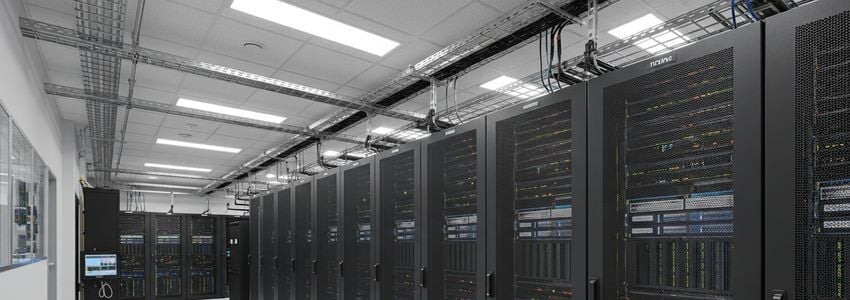
- Information Technology (IT): In the fast-evolving tech world, leasing is often preferred to avoid obsolescence. Platforms finance servers, networking hardware, high-end workstations, data storage arrays, and complete office computer systems.
- Restaurant and Hospitality: Businesses in this sector can finance a full range of equipment, including commercial ovens, refrigerators, freezers, point-of-sale (POS) systems, and complete kitchen build-outs.
The flexibility of digital leasing platforms means that if a piece of equipment is essential for a business's revenue generation, it can likely be financed. The speed of these platforms is particularly beneficial in industries where equipment failure can bring operations to a halt, enabling rapid replacement and minimizing costly downtime.
Digital Leasing vs. Traditional Financing: A Comparison
Understanding the distinctions between digital leasing platforms, traditional bank financing, and dealer financing is crucial for making an informed decision. Each channel has its own processes, requirements, and advantages. The best choice for a business depends on its specific priorities, whether they are speed, cost, flexibility, or convenience. Digital platforms have emerged as a powerful alternative by specifically addressing the shortcomings of more established methods.
The following table provides a clear comparison across key aspects of the financing process:
| Feature | Digital Leasing Platforms | Traditional Bank Financing | Equipment Dealer Financing |
|---|---|---|---|
| Application Process | Fully online, simple form, typically takes 5-10 minutes. | Lengthy paper application, often requires in-person appointments. | Paper-based or basic online form, completed at the dealership. |
| Approval Time | Minutes to a few hours. | Days to several weeks. | A few hours to a few days. |
| Documentation Required | Minimal; often just a simple application. May require bank-linking for automated review. | Extensive; business plans, multi-year tax returns, financial statements, collateral details. | Varies; typically requires application and credit check, may ask for financials on larger deals. |
| Flexibility | High; multiple lease options (FMV, $1 Buyout), flexible terms. | Low; often rigid terms, focused on standard loan products. | Moderate; often tied to manufacturer promotions, may have less structural flexibility. |
| Online Access | Full end-to-end digital experience, including e-signatures and account management. | Limited; may have an online portal, but core process is offline. | Minimal; process is primarily in-person or over the phone. |
| Funding Speed | Very fast; typically 24-48 hours after approval. | Slow; can take weeks to fund after approval is granted. | Fast; funding is handled at the point of sale. |
| Credit Requirements | More accessible; considers multiple data points beyond credit score. Accepts a wider credit spectrum. | Strict; typically requires excellent personal and business credit, and extensive history. | Varies; can be flexible but may come with higher rates for weaker credit profiles. |
This comparison highlights the disruptive nature of digital leasing platforms. They excel in speed, convenience, and accessibility-the very areas where traditional banking processes often fall short. While dealer financing offers convenience at the point of sale, it may not provide the most competitive rates or flexible terms compared to a dedicated financing platform that works with multiple funding sources. For modern businesses that value agility, digital platforms present a compelling and often superior financing pathway.
Key Insight: According to the Federal Reserve's Small Business Credit Survey, "speed of decision or funding" is a primary reason businesses choose online lenders over traditional banks, with 47% of applicants citing it as a key factor in their decision.
Don't Let Slow Financing Stall Your Growth
Our digital platform provides the fast, flexible financing you need to keep your business moving forward. See your options today.
Get Approved Today ->Who Qualifies for Digital Equipment Leasing?
A common misconception is that streamlined digital financing is only available to businesses with perfect credit and years of history. In reality, one of the primary advantages of digital leasing platforms is their ability to serve a much broader spectrum of businesses compared to traditional banks. By using advanced technology and a wider range of data for their underwriting decisions, these platforms can often find financing solutions for companies that might otherwise be declined.
While specific requirements vary by lender, here are the general factors that determine qualification:
- Credit History: Digital lenders are generally more flexible with credit scores than large banks. While a strong credit history (typically 650+) will result in the best rates and terms, many platforms have programs for businesses with fair or developing credit (often starting in the low 600s). They look at the overall credit profile, not just a single score, considering payment history and credit utilization.
- Time in Business: Traditional lenders often require a minimum of two to three years in business. Many digital platforms are more friendly to newer companies, with some programs available for businesses with as little as six months of operating history. Startups with a strong business plan and solid personal credit may also qualify for certain programs.
- Annual Revenue: Lenders need to see that the business generates sufficient revenue to support the new lease payment. Minimum annual revenue requirements can range from $100,000 to $250,000, but this is highly dependent on the lender and the size of the financing request. The key is demonstrating consistent cash flow.
- Industry: Most mainstream industries, such as construction, manufacturing, transportation, and healthcare, are readily financed. Some lenders may have restrictions on "high-risk" industries, but the fintech space generally covers a wider range of sectors than traditional institutions.
- Equipment Type: The value and type of the equipment itself play a role. Assets that have a strong resale value and a long useful life are typically easier to finance. Lenders will assess the collateral value of the equipment as part of the overall risk assessment.
The qualification process on a digital platform is holistic. The underwriting algorithm weighs all these factors together to create a comprehensive risk profile. A slight weakness in one area, such as a lower credit score, can often be offset by strengths in another, like strong and consistent monthly revenue. This data-driven approach is what enables greater accessibility and higher approval rates.
How Crestmont Capital Helps
At Crestmont Capital, we have embraced the power of technology to deliver a best-in-class financing experience without losing the essential element of human expertise. Our proprietary digital platform is designed to provide the speed and convenience that modern businesses demand, while our team of seasoned financing specialists is always available to provide guidance and ensure you find the perfect solution for your unique needs. We bridge the gap between pure fintech automation and traditional, relationship-based lending.
Our approach to Equipment Financing is built on a foundation of flexibility and access. By leveraging a vast network of lending partners in addition to our own capital, our platform can instantly match your application to the financing program that offers the highest likelihood of approval and the most competitive terms. This means you are not limited to a single set of underwriting criteria; instead, you gain access to a marketplace of options through one simple application.
We offer a full spectrum of financing products to suit any business objective. Our Equipment Leasing options include popular structures like Fair Market Value (FMV) leases for businesses that want lower monthly payments and the ability to upgrade technology frequently, as well as $1 Buyout leases for those who intend to own the asset at the end of the term. For businesses with larger needs, our Commercial Equipment Financing programs can accommodate transactions well into the millions of dollars. Our platform is a comprehensive resource for Small Business Financing of all types, and we even provide complementary solutions like Working Capital Loans to help cover ancillary costs like installation or training. When you are ready to move forward, our streamlined process makes it easy to Apply Now and get a decision in record time.
Real-World Scenarios
The theoretical benefits of digital leasing platforms become much clearer when viewed through the lens of practical, real-world business situations. In these scenarios, speed, simplicity, and accessibility are not just conveniences-they are critical factors that directly impact revenue, profitability, and a company's ability to compete.
Scenario 1: The Urgent Construction Project
A mid-sized construction company wins a lucrative contract for a municipal road project, but the contract requires them to have a specific model of asphalt paver on-site within two weeks. Their existing paver is older and does not meet the project's specifications. A trip to the local bank resulted in a loan officer quoting a 4-6 week timeline for approval and funding, which would mean losing the contract. The owner instead uses a digital leasing platform, completes an application on their phone from the job site in ten minutes, and receives an approval for the $250,000 paver that same afternoon. They e-sign the documents the next morning, the vendor is funded by the end of the day, and the new paver is delivered to the site with a week to spare, securing the project and its significant profit margin.
Scenario 2: The Expanding Medical Clinic
A thriving dental practice decides to expand its services by adding in-house cosmetic procedures, which requires a new $120,000 laser and imaging system. The practice has strong revenue but, as a relatively new business (3 years old), it does not meet the "five years in business" requirement of their primary bank. The practice manager finds a lender specializing in medical equipment via a digital platform. The platform's algorithm places more weight on the practice's consistent monthly cash flow and the high demand for the new services than its age. The practice is approved for an FMV lease, which provides a lower monthly payment, preserving cash flow for marketing the new services. The equipment is installed and generating revenue within a month, far faster than any traditional financing option would have allowed.
Scenario 3: The Scaling Tech Startup
A software-as-a-service (SaaS) startup closes a new round of venture funding and needs to immediately hire 15 new developers. This requires a significant investment in high-performance laptops, monitors, and server infrastructure totaling $75,000. The CFO wants to preserve the new venture capital for hiring and marketing, not for depreciating IT assets. Using a digital platform, she applies for an equipment lease. Because tech equipment becomes obsolete quickly, she chooses a 36-month lease term that aligns with their expected technology refresh cycle. The application is approved instantly based on the company's strong financial backing and revenue projections. The IT gear is ordered and delivered within three days, allowing the new hires to be onboarded without delay and begin development on the company's next product release.
Pro Tip: Before applying, have your business's legal name, address, Tax ID (EIN), and the equipment quote (including vendor name and cost) ready. This will make the already-fast digital application process even quicker.
How to Get Started
Navigating the digital leasing process is designed to be straightforward and intuitive. By taking a few preparatory steps, you can ensure an even smoother and faster experience from application to funding. Follow this simple guide to begin acquiring the equipment your business needs to grow.
Identify Your Equipment Needs
Determine the exact make, model, and specifications of the equipment you need. Obtain a formal quote from one or more vendors, as you will need this information (vendor name, equipment cost) for the financing application. This is also a good time to decide if you want to eventually own the equipment (favoring a $1 Buyout lease) or prefer to upgrade later (favoring an FMV lease).
Gather Basic Business Information
Have your essential business details on hand before you start the application. This includes your company's legal name, physical address, Employer Identification Number (EIN), and your estimated annual revenue. Having this information ready will allow you to complete the online form in minutes.
Complete the Online Application
Visit a trusted digital leasing platform like Crestmont Capital and fill out the secure, one-page application. The process is designed to be quick and easy. Be prepared to provide some personal information as a guarantor, which is standard for most small business financing.
Review and Accept Your Offer
Once you receive your approval and financing offers, carefully review the terms, rates, and payment amounts. A dedicated financing specialist can walk you through the options to help you select the best fit. Once you have made your decision, you can accept the offer and proceed to the final documentation stage, which is typically handled with secure e-signatures.
Start Your Application in 5 Minutes
Take the first step toward acquiring your new equipment. Our simple, secure application is the fastest path to funding.
Apply in Minutes ->Frequently Asked Questions
1. What exactly are digital leasing platforms?
Digital leasing platforms are online systems that use financial technology (fintech) to streamline the entire process of applying for and securing equipment financing. They replace traditional paperwork and manual reviews with online applications, automated underwriting, and electronic documents to provide businesses with faster, more convenient access to capital for equipment acquisition.
2. How does the application process work on these platforms?
The process begins with a short online application that asks for basic information about your business, the owners, and the equipment you want to finance. After submission, the platform's technology often verifies your information and analyzes your business's financial health automatically. This allows for a credit decision to be made in minutes or hours, not days or weeks.
3. Who qualifies for financing through a digital platform?
A wide range of businesses can qualify. Digital platforms are often more flexible than traditional banks, considering factors like cash flow and overall business health, not just a credit score. While qualifications vary, they often have programs for businesses with at least 6-12 months of history, fair-to-excellent credit, and consistent annual revenue.
4. What types of equipment can I finance?
Virtually any type of business-related equipment can be financed. This includes heavy machinery for construction, semi-trucks for transportation, high-tech devices for medical practices, IT hardware for offices, and kitchen appliances for restaurants. If the equipment helps your business generate revenue, it is likely eligible for financing.
5. What are the typical credit score requirements?
While a higher credit score (680+) will secure the best rates, many digital leasing platforms have programs for applicants with scores in the low 600s. Their underwriting models take a holistic view, so strong revenue or time in business can help offset a lower credit score.
6. How quickly can I get funding?
This is a key advantage. After receiving an approval (which can happen in minutes), the process of signing documents and funding the vendor can often be completed in as little as 24 to 48 hours. This speed is crucial for businesses that need to acquire equipment urgently.
7. What are the interest rates and terms like?
Rates and terms are determined by your business's credit profile, time in business, the type of equipment, and the length of the lease. They are competitive with other financing options. Digital platforms provide clear offers detailing the monthly payment, term length, and any buyout options before you commit to the agreement.
8. How is this better than getting a loan from my bank?
The primary benefits over a traditional bank loan are speed, convenience, and accessibility. Digital platforms offer a much faster application and funding timeline, a fully online process, and are often able to approve a wider range of credit profiles and business types that may not meet the strict criteria of a large bank.
9. Are digital leasing platforms secure?
Yes. Reputable platforms use bank-level security and encryption to protect your personal and business information. Secure connections for data verification (like Plaid) are standard practice and ensure your financial data is transmitted safely without storing your login credentials.
10. What do the contract terms typically include?
A standard lease agreement will outline the monthly payment amount, the number of payments (the term), the responsibilities for insurance and maintenance of the equipment, and the end-of-term options, such as purchasing the equipment for a set price (like $1) or for its Fair Market Value (FMV).
11. Can I pay off the lease early?
Early buyout options are often available, but the specific terms depend on the lease agreement. Some agreements may allow for a discounted payoff, while others might require the sum of the remaining payments. It is important to discuss this with your financing specialist before signing the contract if an early payoff is a priority.
12. What happens after I am approved?
After approval, you will receive your financing offers to review. Once you select an offer, you will be sent the final lease documents to sign electronically. After the signed documents are received, the lender will coordinate payment directly with your chosen equipment vendor, and you will then arrange for delivery of your equipment.
13. Why should I choose Crestmont Capital's platform?
Crestmont Capital combines the best of technology and human expertise. Our digital platform offers the speed and convenience you expect, while our team of dedicated financing advisors provides personalized service to ensure you understand your options and secure the best possible terms. We work with a wide network of lenders, increasing your chances of approval.
14. What information do I need to get started?
To get started, you will typically need your business's legal name, address, and tax ID number (EIN), as well as basic personal information for the owner(s). It is also helpful to have a quote from your equipment vendor detailing the cost of the asset you wish to finance.
15. Is a down payment required for equipment leasing?
Many equipment lease agreements require little to no money down. Often, only the first and last monthly payments are required upfront. This helps businesses conserve cash for other operational needs, making leasing an attractive option for acquiring essential assets without a large initial capital expenditure.
Disclaimer: The information provided in this article is for general educational purposes only and is not financial, legal, or tax advice. Funding terms, qualifications, and product availability may vary and are subject to change without notice. Crestmont Capital does not guarantee approval, rates, or specific outcomes. For personalized information about your business funding options, contact our team directly.








