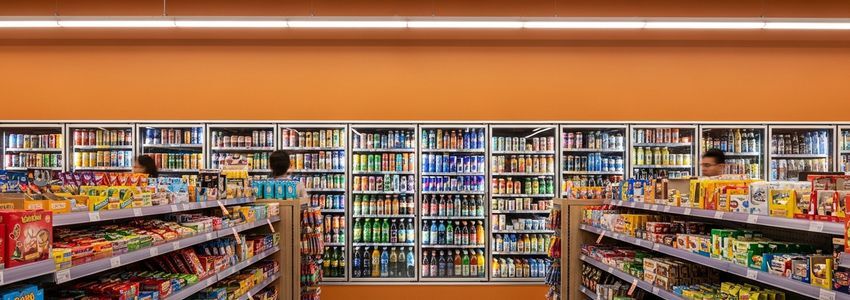
Convenience stores are the backbone of neighborhood commerce in the United States - over 150,000 locations serve millions of customers every day. Running a profitable c-store requires constant investment in modern equipment: refrigerated cases, point-of-sale systems, fuel dispensers, security cameras, coffee stations, and more. The challenge? That equipment is expensive. Convenience store equipment financing gives store owners a smarter way to acquire what they need without draining working capital or taking on overwhelming debt.
In This Article
- What Is Convenience Store Equipment Financing?
- Types of Equipment You Can Finance
- Financing vs. Leasing: Which Is Right for You?
- How the Financing Process Works
- Key Benefits for Convenience Store Owners
- Industry Stats at a Glance
- Who Qualifies
- How Crestmont Capital Helps
- Real-World Scenarios
- Comparison: Financing Options
- Frequently Asked Questions
- How to Get Started
What Is Convenience Store Equipment Financing?
Convenience store equipment financing is a form of business lending that allows c-store owners to purchase or lease the equipment they need to operate and grow - without paying the full cost upfront. Instead of depleting cash reserves, owners spread payments over time while immediately putting the equipment to work generating revenue.
This type of financing covers everything from the major capital investments like walk-in coolers and fuel dispensers to smaller but essential items like lottery ticket machines, coffee stations, and ATM kiosks. Because equipment itself serves as collateral in many cases, lenders can offer competitive rates even to businesses with limited credit history or lower credit scores.
According to the National Association of Convenience Stores (NACS), the convenience store industry generates over $700 billion in annual sales. To stay competitive in this high-traffic, low-margin business, keeping your store's equipment modern and operational is not optional - it's essential. Financing makes it accessible.
Did You Know? The average convenience store carries over 3,000 SKUs and serves approximately 400-500 customers per day. Every equipment failure directly impacts both sales and customer satisfaction, making reliable financing a critical business tool.
Types of Equipment You Can Finance
One of the great advantages of convenience store equipment financing is its broad scope. Nearly any piece of equipment that a store needs to operate can be financed or leased. Here is a breakdown of the most common categories:
Refrigeration and Cold Storage
Walk-in coolers and freezers represent the largest single equipment investment for most c-stores. These systems can cost between $8,000 and $50,000 depending on size and configuration. Glass-door reach-in coolers for beverages, dairy, and fresh food add another $2,000 to $10,000 per unit. Ice merchandisers, frozen food cases, and deli display cases round out the cold side of operations. These are prime candidates for financing because they have long useful lives and generate consistent revenue from day one.
Point-of-Sale Systems and Technology
Modern POS systems go far beyond cash registers. Today's c-store operators need integrated systems that handle inventory management, loyalty programs, fuel interface, age verification for tobacco and alcohol, and electronic payments. A full POS implementation for a single-store operation can run from $5,000 to $25,000. Financing spreads that cost while allowing the technology to pay for itself through improved efficiency and reduced shrinkage.
Fuel Equipment
For stores with gas stations, fuel dispensers and underground storage tanks represent the most significant capital expenditure. Modern dispensers with EMV chip readers, loyalty integration, and touchscreen interfaces cost $15,000 to $30,000 per unit. Canopy lighting upgrades, pump toppers, and payment terminals add to the total. Fuel equipment financing is widely available and often uses the equipment itself as collateral.
Foodservice and Beverage Equipment
The fastest-growing profit center in convenience retail is prepared food and beverages. Roller grills, hot dog steamers, pizza ovens, nacho cheese dispensers, coffee stations, frozen beverage machines, and soup warmers all require financing. A complete hot food program build-out can easily reach $30,000 to $75,000. Leasing this equipment allows stores to test new product categories without committing full capital.
Security and Surveillance
Loss prevention is critical in convenience retail. HD camera systems with 30-day storage, alarm systems, access control, and panic buttons protect both inventory and employees. A comprehensive security system for a single-location c-store typically costs $5,000 to $20,000. These systems qualify readily for equipment financing.
Additional Equipment Categories
- ATM machines and lottery ticket dispensers
- Car wash equipment (for attached car wash operations)
- Shelving, gondolas, and display fixtures
- Outdoor signage and LED price signs
- Back-office computers and accounting software terminals
- Ice cream freezers and specialty food equipment
- Water filtration and beverage dispensing systems
Ready to Upgrade Your Convenience Store?
Get fast, flexible equipment financing from the #1 business lender in the U.S. Approvals as fast as 24 hours, no obligation to apply.
Apply Now →Financing vs. Leasing: Which Is Right for You?
When it comes to convenience store equipment, owners face a fundamental question: should you finance (purchase) the equipment or lease it? Both options have distinct advantages depending on your financial situation, the type of equipment, and your long-term business goals.
Equipment financing - also called an equipment loan - involves borrowing money to purchase the equipment outright. You make fixed monthly payments over the loan term (typically 24 to 84 months), and at the end, you own the equipment free and clear. This is the right choice for equipment with long useful lives, like walk-in coolers and underground storage tanks.
Equipment leasing involves renting the equipment for a set term, typically 24 to 60 months. At the end of the lease, you can return the equipment, purchase it at fair market value, or renew the lease. Leasing is ideal for technology-heavy equipment like POS systems that tend to become obsolete, because you can upgrade to new equipment at the end of each lease term without the burden of disposing of outdated assets.
| Feature | Equipment Financing | Equipment Leasing |
|---|---|---|
| Ownership | You own at end of term | Lender owns; option to buy |
| Monthly Payments | Slightly higher | Generally lower |
| Best For | Long-lived assets (coolers, tanks) | Tech that becomes obsolete (POS) |
| Down Payment | 0-20% typical | First/last payment or none |
| Balance Sheet Impact | Asset + liability recorded | Operating expense (off-balance) |
| Upgrades | Must sell old equipment | Easy upgrade at end of term |
| Typical Term | 24-84 months | 24-60 months |
Many convenience store operators use both strategies simultaneously - financing their major physical equipment (coolers, dispensers) while leasing technology (POS systems, security). This hybrid approach balances ownership with flexibility. Our team at Crestmont Capital can help you determine the right mix for your specific operation.
How the Financing Process Works
Understanding the financing process removes the anxiety from applying. For most convenience store owners, the process is straightforward and can be completed in as little as 24 to 48 hours for smaller equipment purchases.
Step 1: Determine What You Need
Start by creating a clear inventory of the equipment you want to finance. Get quotes from vendors or dealers. Knowing the exact equipment cost, vendor, and your anticipated use helps lenders structure the right deal for you.
Step 2: Check Your Qualifications
Most equipment lenders evaluate: time in business (typically 12 months minimum for most programs, though startup programs exist), credit score (personal and business), annual revenue, and cash flow. For convenience stores, the physical equipment serves as collateral, which often makes qualification easier than for unsecured loans.
Step 3: Submit Your Application
Applications for equipment financing up to $150,000 often require only basic business information and recent bank statements. Larger transactions may require tax returns, financial statements, and a business plan. Crestmont Capital has streamlined its application process to minimize paperwork while maximizing approval odds.
Step 4: Review Your Offer
Once approved, your lender presents an offer detailing the loan amount, interest rate (or lease payment), term length, and any fees. Review this carefully, comparing total cost of financing rather than just monthly payment size.
Step 5: Fund and Acquire Equipment
Upon acceptance, funds are typically released directly to the equipment vendor. Your equipment arrives, you begin operations, and you start making scheduled payments - while the equipment pays for itself in daily sales.
By the Numbers
Convenience Store Equipment Financing - Key Statistics
150K+
U.S. Convenience Stores in Operation
$700B
Annual Industry Sales Revenue
24 Hrs
Typical Approval Timeline for Equipment Loans
$500M+
Funded by Crestmont Capital in Equipment Loans
Key Benefits for Convenience Store Owners
Convenience store equipment financing is not just a way to afford equipment - it is a strategic business decision that offers multiple advantages over outright cash purchases or waiting to save enough capital.
Preserve Working Capital
Cash is king in convenience retail. You need working capital to stock inventory, pay employees, cover utilities, and handle unexpected repairs. Spending $50,000 cash on a new refrigeration system depletes the buffer that keeps your store running smoothly. Financing preserves that capital while still getting the equipment you need.
Match Cash Outflow to Revenue Generation
When you finance equipment, you pay for it over the same period it generates revenue for your business. A new coffee station that cost $8,000 to finance at $200/month generates far more than $200/month in coffee sales from day one. The equipment pays for itself while still leaving your cash accounts intact.
Faster Access to Better Equipment
Without financing, you might delay upgrading to modern POS systems or energy-efficient coolers because the upfront cost feels prohibitive. Financing removes that barrier, allowing you to access the latest equipment now - and compete effectively with larger chains that continuously invest in technology.
Potential Tax Benefits
Business equipment purchases often qualify for accelerated depreciation under IRS rules. While this article is not intended as tax advice, it is worth discussing with your accountant how equipment purchases financed through business loans may affect your tax situation. Many c-store owners find significant advantages in financing equipment strategically.
Build Business Credit
Each equipment loan paid on time strengthens your business credit profile. As a convenience store grows, access to larger credit facilities becomes important - whether for multi-unit expansion, a new car wash installation, or fuel system upgrades. Starting with smaller equipment loans and maintaining a clean payment history builds the foundation for future financing needs. Learn more about small business financing options as your store grows.
Hedge Against Equipment Obsolescence
Technology in convenience retail is evolving faster than ever. EMV payment requirements, contactless tap-to-pay, mobile loyalty integration, and AI-powered inventory management are transforming the industry. Leasing technology equipment means you can upgrade at the end of each term rather than being stuck with outdated systems you own outright.
Industry Insight: According to NACS data, foodservice now accounts for over 22% of in-store sales at convenience stores, making commercial kitchen and food preparation equipment one of the fastest-growing categories for equipment financing requests.
Who Qualifies for Convenience Store Equipment Financing?
One of the most common misconceptions about equipment financing is that you need perfect credit to qualify. The reality is more nuanced. Because the equipment itself serves as collateral, lenders can extend financing to a broader range of borrowers than they could for unsecured business loans.
Typical Qualification Criteria
- Time in business: Most lenders prefer 12+ months in operation, though startup programs exist for new stores with strong operators behind them
- Credit score: Programs are available from credit scores as low as 550-580, though better scores unlock better rates and terms
- Annual revenue: Lenders want to see revenue sufficient to support the payments - typically 1.25x or more debt service coverage
- Cash flow: Three to six months of recent bank statements demonstrating positive cash flow are generally required
- Equipment value: The equipment being financed must have clear collateral value
Who Benefits Most
Independent convenience store operators benefit most from equipment financing because they typically lack the corporate credit facilities that chain operators access. Single-location and multi-location independent c-store owners who need to keep pace with chain competitors on equipment quality will find equipment financing essential to their competitive strategy.
New location owners, franchise operators, and stores undergoing remodels also represent prime candidates. If you are expanding from one location to two, or adding a fuel station to an existing store, equipment financing allows that growth without requiring you to put all your capital at risk.
Not Sure If You Qualify?
Crestmont Capital works with convenience store owners across all credit profiles. Let us find the right financing structure for your situation.
Check Your Options →How Crestmont Capital Helps Convenience Store Owners
Crestmont Capital has earned its position as the #1 rated business lender in the United States by specializing in the real financing needs of small and mid-size business owners - including convenience store operators. Here is what sets Crestmont Capital apart when it comes to c-store equipment financing.
Fast Approvals, Less Paperwork
Crestmont Capital's streamlined application process means most equipment financing decisions are made within 24 hours. For transactions under $150,000, you typically need only basic application information and three months of bank statements. You do not need to wait weeks for committee reviews or be subjected to invasive due diligence processes designed for multi-million dollar commercial loans.
Flexible Qualification Standards
Not every c-store owner has a perfect credit score. Crestmont Capital offers programs for business owners with credit scores as low as 550, as well as new businesses and operators with previous credit challenges. The goal is to find a structure that works for your situation, not to disqualify you based on rigid criteria.
Wide Range of Equipment Covered
From $5,000 POS systems to $200,000 fuel system overhauls, Crestmont Capital handles the full spectrum of convenience store equipment financing needs. Whether you need to finance a single coffee station or outfit an entirely new location, the funding capacity is there.
Dedicated Industry Knowledge
Crestmont Capital's team understands the convenience store industry's unique financial dynamics - including seasonal cash flow patterns, fuel margin compression, and the importance of foodservice growth. That industry knowledge means better-structured deals that align with how c-stores actually generate revenue. Our equipment leasing programs are designed with business owners in mind.
Multiple Financing Products
Beyond equipment financing and leasing, Crestmont Capital offers working capital loans for operational expenses, business lines of credit for ongoing purchasing needs, and SBA loans for larger expansion projects. When a convenience store owner needs comprehensive financial support, one relationship covers it all.
Real-world example: A store owner in the Midwest needed to replace three aging walk-in coolers, upgrade the POS system, and add a new coffee program simultaneously. The total project cost was $87,000. Crestmont Capital structured a 60-month equipment financing deal with competitive rates, monthly payments the store's cash flow could easily support, and the owner kept $60,000 in working capital for inventory and operations. Within six months, the new coffee program alone was generating an additional $4,200 per month in gross margin.
Real-World Scenarios
Understanding how convenience store owners actually use equipment financing in practice helps clarify when and how to apply for it effectively.
Scenario 1: The New Location Build-Out
Maria is opening her second convenience store location. Her first store is profitable, but she needs $150,000 in equipment for the new location - coolers, POS, security system, back-office computers, and shelving. Rather than taking all of that from her operating reserves, she secures equipment financing covering 90% of the purchase price, spreading payments over 60 months at a rate her projected revenue easily supports. She opens on time, fully equipped, with adequate working capital in reserve.
Scenario 2: The Technology Overhaul
James has been running his store for 12 years. His POS system is outdated, unable to process tap-to-pay transactions or integrate with his fuel dispensers. A full technology upgrade will cost $28,000. He leases the new POS system over 36 months, knowing he can upgrade again at the end of the term as the technology continues to evolve. The monthly lease payment is $820 - a fraction of what the system earns him in reduced shrinkage and improved transaction speed.
Scenario 3: The Fuel System Upgrade
Patricia's store needs to upgrade all four fuel dispensers to meet EMV compliance requirements and add new payment technology. At $22,000 per dispenser, the total cost is $88,000. She finances the dispensers over 72 months, keeping monthly payments manageable. The new dispensers attract more customers and reduce the risk of costly credit card fraud liability. The upgrade is fully paid for by increased fuel volume within the loan term.
Scenario 4: Expanding Into Foodservice
David's store has strong traffic but thin margins from fuel and tobacco. He wants to add a hot food program - roller grill, pizza oven, hot food display case, and related equipment totaling $35,000. He uses equipment financing to fund the program, and within 90 days of launch, the foodservice section is generating $8,000 per month in additional revenue against $650 per month in equipment payments. The ROI is immediate and substantial.
Scenario 5: Emergency Cooler Replacement
A store's main walk-in cooler fails on a Friday night. The replacement unit costs $18,000 and needs to be installed within 48 hours to avoid losing thousands in perishable inventory. Fast equipment financing allows the owner to approve the replacement immediately, without waiting to accumulate cash or go through a lengthy bank approval process. Emergency access to equipment financing is one of its most valuable - and underappreciated - features.
Scenario 6: Multi-Location Standardization
An operator with four locations wants to standardize all of his stores on the same POS platform for unified reporting and loyalty management. The total cost across all locations is $60,000. He finances the project, standardizes his operations, and saves the equivalent of one part-time employee's salary through improved inventory management. The loan pays for itself within 18 months.
Rates and Terms Vary: Equipment financing rates for convenience stores typically range from 5% to 20% APR depending on credit profile, time in business, equipment type, and loan amount. Always compare total financing cost, not just monthly payment, when evaluating offers.

Comparing Your Financing Options
Convenience store owners have several pathways to equipment financing. Understanding the differences helps you identify the right approach for your situation and your timeline.
Equipment Loans from Direct Lenders
Direct lenders like Crestmont Capital specialize in equipment financing and can move faster with fewer requirements than traditional banks. For most c-store owners, this is the best starting point - competitive rates, fast approvals, flexible qualification criteria, and deep understanding of the equipment being financed.
SBA Loans
SBA 7(a) and SBA 504 loans offer some of the lowest rates available for small business equipment purchases. However, they require more documentation, longer approval timelines (weeks to months), and stronger credit qualifications. They are best suited for larger projects where the rate savings justify the process complexity. Learn more at SBA.gov's loan programs page.
Vendor Financing Programs
Many equipment manufacturers and distributors offer financing through their own captive finance subsidiaries. These programs can be convenient and sometimes offer promotional rates, but they typically only cover that vendor's products and may not offer the flexibility of a dedicated business lender.
Equipment Leasing Companies
Specialized leasing companies focus exclusively on lease structures rather than ownership. They excel when equipment obsolescence is a primary concern, such as for POS systems and security technology. Some leasing companies offer flexible end-of-term options including purchase, renewal, and return.
Traditional Bank Loans
Banks offer equipment loans, but their qualification standards are stricter, their processes are slower, and they are generally less willing to specialize in the specific needs of convenience store operators. Bank loans make the most sense for owners with strong credit profiles who are not in a hurry.
Business Line of Credit for Equipment
A revolving business line of credit can be used to purchase equipment, particularly for smaller purchases or ongoing equipment needs. Lines of credit offer flexibility but typically carry higher rates than dedicated equipment loans. They work well as a complement to equipment financing, not a primary vehicle for major purchases.
Get Competing Offers in One Place
Crestmont Capital shops multiple lending programs to find the best structure for your convenience store equipment financing needs.
Get Your Best Rate →Frequently Asked Questions
What types of equipment can I finance for my convenience store?
You can finance virtually any equipment that your convenience store needs to operate. This includes refrigeration units, walk-in coolers and freezers, POS systems, fuel dispensers, security and surveillance equipment, coffee stations, hot food equipment, ATMs, lottery terminals, shelving, signage, and more. If the equipment has commercial value and supports your store's operations, most lenders will consider it for financing.
How much can I borrow for convenience store equipment?
Loan amounts vary by lender and your qualifications, but most equipment financing programs for convenience stores range from $5,000 to $5 million or more. For individual equipment items, you can typically finance 80% to 100% of the purchase price. The amount you qualify for depends on your credit score, time in business, annual revenue, and the equipment's collateral value.
What credit score do I need to qualify for equipment financing?
Credit score requirements vary by lender and program. Many equipment financing programs accept credit scores as low as 550, while others require 650 or above. Generally, a higher credit score results in better interest rates and terms. Even if your credit is not perfect, the equipment serving as collateral often allows lenders to extend financing options that would not be available for unsecured loans.
How long does the approval process take?
With a direct lender like Crestmont Capital, most equipment financing applications for amounts under $150,000 receive a decision within 24 hours. Larger transactions or those requiring more documentation may take 2 to 5 business days. Traditional banks and SBA loans take significantly longer, often 2 to 8 weeks. If you need equipment quickly, working with a specialized equipment lender is the fastest path.
Is a down payment required for convenience store equipment financing?
Down payment requirements vary. Many equipment loans offer 100% financing with no down payment required, particularly for well-qualified borrowers. Some programs may require 10% to 20% down for higher-risk situations or larger amounts. Leasing programs often require only first and last month payments rather than a traditional down payment.
What is the difference between an equipment loan and an equipment lease?
An equipment loan provides funds to purchase the equipment outright, and you own the equipment at the end of the loan term. An equipment lease is more like a rental arrangement where you make payments to use the equipment for a set term, after which you can buy it, return it, or renew the lease. Loans are better for equipment you want to own long-term; leases are better for technology that becomes outdated quickly.
Can I finance used equipment for my convenience store?
Yes, many lenders finance used equipment, though there are some considerations. The equipment must be in good working condition, and the lender will evaluate its remaining useful life and collateral value. Used equipment financing typically requires a higher down payment or equity cushion than new equipment financing. The age of the equipment and the remaining loan term combined should not exceed the equipment's useful life.
What documents do I need to apply for equipment financing?
For most equipment financing applications under $150,000, you typically need: a completed application form, three to six months of recent business bank statements, equipment quote or invoice, and basic business information (EIN, business structure, years in business). Larger transactions may also require business and personal tax returns for the past two years, a profit and loss statement, and a balance sheet.
Can a new convenience store qualify for equipment financing?
Yes, startup convenience stores can qualify for equipment financing, though options may be more limited than for established businesses. Startup programs typically require a stronger personal credit score (640+), a personal guarantee, and sometimes a larger down payment. Franchise operators often have an easier path to startup financing because the franchisor's track record reduces lender risk. Some lenders specialize in startup equipment financing.
What interest rates should I expect for convenience store equipment financing?
Equipment financing rates for convenience stores typically range from 5% to 20% APR, depending on your credit profile, time in business, the type and value of equipment, and current market interest rates. Well-qualified borrowers with strong credit and established business history can often secure rates in the 5% to 10% range. Borrowers with lower credit scores or newer businesses will see higher rates, though the rates are generally still lower than unsecured business loan rates.
Can I finance multiple equipment items in a single loan?
Yes, many lenders allow you to bundle multiple equipment items into a single loan or master lease agreement. This is common for store build-outs or major renovations where you are purchasing refrigeration, POS systems, security equipment, and shelving simultaneously. A single loan simplifies administration, may allow better terms through scale, and gives you a single monthly payment to manage.
What happens if I need to replace financed equipment before the loan term ends?
If you need to replace equipment before the loan term ends, you typically have several options. You can pay off the existing loan early (check for prepayment penalties), sell the old equipment and apply proceeds to the loan balance, or roll the remaining balance into a new financing arrangement for the replacement equipment. Your lender can walk you through the best approach for your specific situation.
Do I need to use a specific vendor or dealer with equipment financing?
Most independent equipment financing lenders like Crestmont Capital allow you to purchase from any qualified vendor or dealer of your choice. This freedom lets you negotiate the best equipment price independent of the financing arrangement. Vendor-captive financing programs, by contrast, typically restrict you to that vendor's products and pricing, which may or may not be the most competitive option.
How does equipment financing affect my store's balance sheet?
An equipment loan records both an asset (the equipment) and a liability (the loan balance) on your balance sheet. This affects your leverage ratios and may be relevant for future financing applications. An operating lease under accounting standards may be recorded as an operating expense rather than a balance sheet item, which some business owners prefer for maintaining cleaner financial ratios. Consult your accountant for guidance specific to your situation.
What is the best time to apply for equipment financing for my store?
The best time to apply for equipment financing is before you urgently need it. Applying when you have time to compare offers, negotiate terms, and select the right structure gives you far better outcomes than emergency applications made under pressure. That said, emergency equipment financing is available and Crestmont Capital can often process urgent requests within 24 hours. Building a relationship with a lender before you have an urgent need puts you in the best position.
How to Get Started
Complete our quick application at offers.crestmontcapital.com/apply-now. Basic business information plus bank statements is all you need to get started for most equipment financing requests.
A Crestmont Capital advisor familiar with the convenience store industry will review your needs, evaluate your options, and present a financing structure that fits your cash flow and growth plans.
Once approved - often within 24 hours - funds go directly to your equipment vendor. Your new equipment is installed, generating revenue, and paying for itself from day one.
Conclusion
Convenience store equipment financing is one of the most practical and effective tools available to c-store operators who want to stay competitive, modern, and growing. Whether you need to replace aging refrigeration units, upgrade to a state-of-the-art POS system, expand your foodservice program, or build out a new location, financing gives you access to the equipment you need without depleting the working capital your store requires to operate day-to-day.
The key is choosing the right structure - loan versus lease, term length, and lender - based on your specific equipment, timeline, and financial profile. Crestmont Capital specializes in helping convenience store owners navigate these decisions with fast approvals, flexible qualification standards, and deep industry knowledge. Whether your credit is excellent or you have had some challenges, there is likely a convenience store equipment financing program that works for your situation.
Do not let equipment limitations hold your convenience store back. The capital to upgrade, expand, and compete is available. According to the U.S. Small Business Administration, equipment financing is one of the most accessible forms of business credit available to small business owners. Resources like Reuters Business and Forbes Small Business regularly highlight equipment financing as a key growth driver for independent retailers. Take the next step today and apply for convenience store equipment financing through Crestmont Capital.
Disclaimer: The information provided in this article is for general educational purposes only and is not financial, legal, or tax advice. Funding terms, qualifications, and product availability may vary and are subject to change without notice. Crestmont Capital does not guarantee approval, rates, or specific outcomes. For personalized information about your business funding options, contact our team directly.