A commercial lease renewal notice can turn a routine business decision into a financial emergency almost overnight. When a landlord raises rent by double digits at renewal time, the extra monthly cost has to come from somewhere, and most small businesses do not have that kind of cushion sitting in a checking account. A business loan for a commercial lease renewal rent increase gives owners a way to absorb the higher occupancy cost without cutting staff, delaying supplier payments, or scrambling to relocate under pressure.
This guide breaks down why commercial rent increases happen at renewal, which financing products fit this situation, and how to decide whether to borrow, negotiate, or relocate when the new lease terms land on your desk.
In This Article
What Is a Business Loan for a Commercial Rent Increase?
A business loan for a commercial rent increase is short-term or working capital financing used specifically to cover the gap between a business's old rent obligation and the new, higher rent set at lease renewal. It is not a specialized loan product with its own name at most banks. Instead, business owners typically use flexible financing tools such as a business line of credit, an unsecured working capital loan, or in some cases a commercial real estate loan to bridge the increased cost while they adjust pricing, cut other expenses, or evaluate relocation.
Commercial lease renewal negotiations often catch business owners off guard. A tenant may have operated comfortably under a five-year lease with modest annual escalators, only to find that the landlord wants to reset the base rent to current market rates at renewal, sometimes 15% to 40% higher than the expiring rate. That increase hits the operating budget the very next month, with no ramp-up period.
Key Stat: According to the U.S. Small Business Administration, small businesses account for 99.9% of all U.S. businesses, and rising fixed costs like commercial rent are consistently cited as a top pressure point on their cash flow.
Why Rent Jumps at Lease Renewal
Landlords typically reset commercial rent to reflect current market conditions when a lease term ends, rather than continuing the modest fixed escalators (often 2% to 5% per year) built into the original lease. Several factors drive this jump:
- Market rate resets: If comparable space in the area now commands higher rent than when the original lease was signed, landlords negotiate renewals toward that current market rate.
- Rising property costs: Higher property taxes, insurance premiums, and maintenance costs get passed through to tenants, especially in triple net (NNN) lease structures.
- Landlord leverage at renewal: Once a tenant has built a customer base, inventory, and operational systems at a location, moving becomes expensive and disruptive. Landlords know this and often price renewals accordingly.
- Reduced vacancy in the market: In tight commercial real estate markets, landlords have less incentive to offer renewal discounts because they know another tenant would pay close to asking rent.
- Common Area Maintenance (CAM) charge increases: Even when base rent increases modestly, CAM charges, utilities, and other pass-through costs can climb significantly, effectively raising total occupancy cost.
Whatever the driver, the result is the same for the business owner: a materially higher monthly obligation that was not fully priced into this year's budget. Commercial real estate coverage from Forbes has repeatedly noted that landlords in tightening markets have less incentive to offer renewal discounts, which puts more pressure on tenants to plan ahead financially.
It is also worth noting that lease renewal timing rarely aligns neatly with a business's cash flow cycle. A retailer might receive a renewal notice heading into a slow season, or a seasonal business might face a rent reset right before its peak revenue months even begin. This mismatch between when the higher cost starts and when the business generates the revenue to cover it is often what turns a manageable increase into a genuine cash flow emergency.
Key Benefits of Financing a Commercial Rent Increase
Taking on financing to manage a rent increase is not the right move for every business, but for many it offers real advantages over the alternatives of abrupt cost-cutting or rushed relocation:
- Preserves operations at a proven location: Staying at an established address protects existing foot traffic, brand recognition, and customer habits that took years to build.
- Avoids relocation costs and downtime: Moving a business involves buildout costs, new signage, permitting delays, and lost revenue during the transition. Financing the rent increase is often far cheaper than moving.
- Buys time to adjust pricing or find efficiencies: A working capital cushion lets owners raise prices gradually, renegotiate supplier terms, or streamline staffing rather than making panicked cuts.
- Flexible repayment structures: Products like business lines of credit let owners draw only what they need and repay as cash flow allows, rather than taking a large lump sum they may not fully use.
- Fast access to funds: Many alternative lenders can approve and fund working capital financing within a few business days, which matters when a new lease term starts on a fixed date.
- Keeps other business functions intact: Financing the gap means payroll, inventory purchases, and marketing budgets do not have to be raided to cover the new rent.
Facing a Rent Increase at Renewal?
Get fast, flexible working capital to cover the gap while you adjust. No obligation, apply in minutes.
Apply Now →How It Works
Financing a commercial rent increase generally follows the same process as other working capital financing, with a few extra considerations tied to the lease timeline:
Quick Guide
Financing a Rent Increase - At a Glance
Compare old rent plus CAM to the new lease terms over the full renewal period, not just year one.
A revolving line of credit fits ongoing higher rent; a lump-sum term loan fits a one-time transition cost.
Most alternative lenders review 3-6 months of bank statements rather than requiring years of tax returns.
Approval decisions often come within 24-48 hours, with funding shortly after for most working capital products.
Cover the increased rent while you adjust pricing, renegotiate vendor terms, or evaluate long-term options.
Lenders evaluating this type of request generally want to see that the underlying business is otherwise healthy and that the rent increase, while painful, is a manageable and defined cost rather than a symptom of declining revenue. Bank statements showing consistent deposits and a clear explanation of the new lease terms typically strengthen an application.
Financing Options to Consider
Several financing products can be used to manage a commercial rent increase, depending on whether the business needs a one-time cushion or ongoing flexibility:
- Business line of credit: A revolving credit line lets a business draw funds as needed to cover the monthly rent gap and repay as cash comes in, only paying interest on what is actually used. This fits situations where the higher rent is a recurring cost rather than a single expense.
- Unsecured working capital loan: A lump-sum loan can provide a cushion to cover several months of increased rent while the business adjusts pricing or finds new efficiencies elsewhere in the budget.
- SBA loans: For businesses with strong financials and time to go through a longer approval process, SBA-backed loans can offer lower rates and longer terms, which may make sense if the rent increase is part of a broader capital need.
- Commercial real estate financing: If the rent increase is severe enough that purchasing a commercial property becomes more cost-effective than continuing to lease, commercial real estate financing can help a business transition from tenant to owner and stabilize occupancy costs long term.
- Revenue-based financing: For businesses with strong, consistent revenue but limited collateral, financing tied to future receivables can provide fast access to capital without requiring a fixed monthly payment that strains cash flow.
Who This Financing Is Best For
Financing a commercial rent increase makes the most sense for businesses that meet a few common conditions:
- The core business is profitable or cash-flow positive, and the rent increase is the primary new pressure point, not a symptom of a broader decline.
- The business has significant value tied to its current location, such as an established customer base, signage recognition, or a lease-dependent build-out (restaurant kitchens, retail fixtures, medical equipment).
- The rent increase is temporary in impact, meaning the business expects to offset it within 6-18 months through price adjustments, seasonal revenue increases, or cost efficiencies elsewhere.
- Relocating would cost more in lost revenue, buildout, and disruption than the financing itself over a reasonable time horizon.
- The owner needs a fast decision because the new lease term starts on a fixed date and there is no time for a lengthy bank underwriting process.
This financing is generally not the right fit for a business already struggling with declining revenue independent of the rent increase, since adding debt on top of an unstable foundation can compound financial stress rather than resolve it.
It is also worth considering the length of the new lease term when deciding whether financing makes sense. A short-term bridge loan or line of credit draw is easier to justify against a rent increase tied to a five- or ten-year renewal, where the business has a long runway to grow into the higher cost. A rent increase tied to a one-year renewal, by contrast, may be better addressed through negotiation or a shorter-term financing plan, since the higher rent could reset again soon.
Comparing Your Options
When a rent increase notice arrives, business owners generally weigh three paths: financing the increase and staying, renegotiating with the landlord, or relocating. Each comes with tradeoffs.
| Option | Best For | Tradeoff |
|---|---|---|
| Finance the increase, stay in place | Businesses with strong location value and manageable cash flow | Adds a financing cost on top of the higher rent |
| Renegotiate lease terms | Businesses with leverage (strong credit, long tenancy, multiple locations) | Landlord may not budge if the market supports the higher rent |
| Relocate to lower-cost space | Businesses without heavy location-dependent value | Buildout costs, lost customers, downtime during the move |
| Purchase commercial property | Businesses planning to stay in the market long term | Requires larger down payment and longer approval timeline |
In practice, many businesses pursue a hybrid approach: they use financing to cover the rent gap in the short term while simultaneously negotiating with the landlord for concessions, or while quietly evaluating alternative spaces as leverage in that negotiation. Data from the U.S. Census Bureau on commercial real estate and business formation trends underscores how localized these dynamics can be, which is why comparing your specific market rate is more useful than relying on national averages alone.
A useful exercise before deciding is to run the numbers on a simple break-even comparison: total estimated relocation cost (moving, buildout, signage, lost revenue during transition) divided by the monthly rent savings a new space would provide. If the payback period stretches beyond two or three years, staying and financing the increase is often the more financially sound choice, especially for businesses with heavy location-dependent infrastructure.
Pro Tip: Always compare the new lease's total occupancy cost, including CAM charges, insurance pass-throughs, and property tax escalations, not just the base rent line. A modest base rent increase paired with a steep CAM hike can still create a large total cost jump.
How Crestmont Capital Helps
Crestmont Capital works with small and mid-size business owners across the country to structure financing around real operating pressures like a sudden rent increase at lease renewal. Rather than offering a one-size-fits-all product, Crestmont evaluates each business's cash flow, lease timeline, and goals to recommend the right fit.
For businesses that need ongoing flexibility to cover a higher monthly rent obligation, a business line of credit allows draws as needed without committing to a large lump sum upfront. For businesses that prefer a single infusion of capital to build a cushion while they adjust pricing or renegotiate vendor contracts, an unsecured working capital loan can provide funds quickly, often without requiring collateral.
For businesses considering a bigger strategic shift, such as buying a property instead of continuing to lease, Crestmont's commercial real estate financing options can help transition from tenant to owner. And for businesses with strong financials that have the time to pursue a longer-term, lower-rate solution, SBA loans remain a strong option worth exploring alongside faster alternative financing.
Crestmont's application process is built around speed. Most working capital decisions are made within 24-48 hours based on recent bank statements rather than years of tax filings, which matters when a new, higher rent obligation starts on a fixed date and there is no time to wait weeks for a traditional bank loan decision.
Business owners weighing whether to stay and finance the increase or walk away from a lease entirely may also find it useful to review Crestmont's guide on financing a business relocation after losing a lease, which covers the relocation side of this same decision in more depth, as well as the guide to commercial bridge loans for businesses considering a short-term financing structure between a lease decision and a longer-term plan.
Don't Let a Rent Increase Disrupt Your Business
Crestmont Capital has helped thousands of business owners bridge unexpected cost increases. See what you qualify for today.
Get Started →
Real-World Scenarios
Scenario 1: The Retail Boutique Facing a 30% Rent Jump
A women's clothing boutique in a strip mall had operated under a five-year lease with 3% annual escalators. At renewal, the landlord reset the rent to current market rate, a 30% jump from the previous year. The owner used a business line of credit to cover the difference for six months while raising prices modestly and negotiating a slightly lower CAM charge with the landlord in exchange for signing a longer renewal term.
Scenario 2: The Restaurant with an Expensive Build-Out
A restaurant with a fully built-out commercial kitchen faced a steep rent increase at renewal. Because the kitchen equipment, ventilation systems, and grease trap installation represented a large sunk investment, relocating was not financially realistic. The owner secured an unsecured working capital loan to cover the increased rent for the first year while implementing a modest menu price increase and cutting food waste to offset the added cost.
Scenario 3: The Medical Practice Weighing Ownership
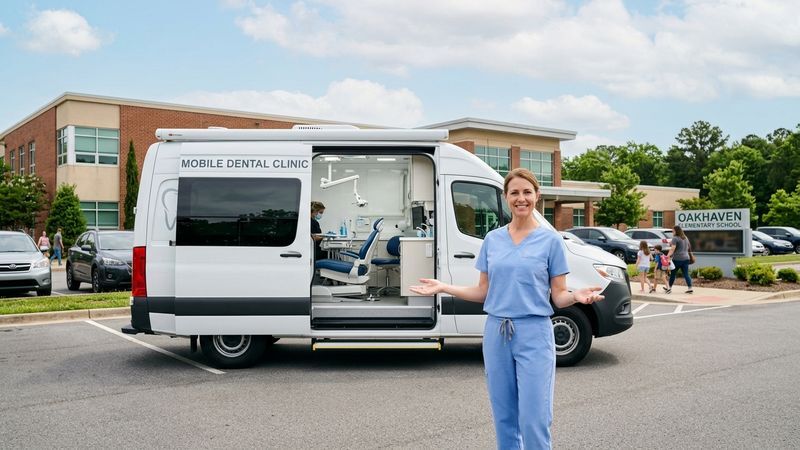
A dental practice received a renewal notice with a rent increase steep enough that monthly mortgage payments on a comparable owned property would have been similar to the new lease rate. The practice used commercial real estate financing to purchase a small office condo instead of renewing the lease, converting a rising, unpredictable rent expense into a fixed, equity-building mortgage payment.
Scenario 4: The Fitness Studio Bridging a Short-Term Gap
A boutique fitness studio's lease renewal came with a mid-year rent increase tied to a CAM reconciliation the owner had not anticipated. Rather than disrupt membership pricing immediately, the studio used a short-term working capital loan to cover three months of the gap while communicating a planned membership price adjustment to clients in advance.
Scenario 5: The Professional Services Firm Choosing to Relocate
An accounting firm evaluated its lease renewal terms against comparable office space nearby and found relocating would save significantly over a three-year period, even after accounting for moving costs. The firm used a short-term working capital loan to fund the move, new signage, and minor buildout, ultimately reducing its total occupancy cost compared to the proposed renewal.
Key Stat: Commercial real estate analysts have noted that markets with reduced vacancy tend to see landlords push renewal rents closer to full market rate, making early lease review and financial planning increasingly important for tenants approaching a renewal date.
Get Ahead of Your Next Lease Renewal
Whether you need a bridge for a few months or a longer-term solution, Crestmont Capital can help you find the right fit.
Apply Now →Next Steps
Calculate total occupancy cost, including base rent, CAM, taxes, and insurance pass-throughs.
Weigh the cost of each path against your business's location-dependent value.
Most alternative lenders can move quickly with 3-6 months of statements rather than lengthy tax documentation.
Give yourself a buffer so funds are available before the new rent obligation begins.
Frequently Asked Questions
What is a business loan for a commercial rent increase?
It is working capital financing, such as a business line of credit or unsecured loan, used to cover the difference between a business's old rent and a higher rent set at lease renewal.
Why do commercial landlords raise rent so much at lease renewal?
Landlords typically reset rent to current market rates at renewal rather than continuing the modest fixed escalators built into the original lease, and they may also pass through higher property taxes, insurance, and CAM costs.
What financing options work best for a rent increase?
A business line of credit works well for ongoing, recurring rent increases since you only draw and pay interest on what you use. An unsecured working capital loan works well for a one-time cushion to cover several months at once.
How fast can I get financing for a rent increase?
Many alternative lenders can approve working capital financing within 24-48 hours and fund shortly after, based primarily on recent bank statements rather than a lengthy underwriting process.
Should I try to negotiate with my landlord before taking on financing?
Yes, negotiation and financing are not mutually exclusive. Many business owners pursue both at once, using financing to cover a near-term gap while negotiating concessions like a lower CAM rate or a longer lease term in exchange for stable rent.
What documents do I need to apply?
Most alternative lenders ask for 3-6 months of business bank statements, basic business information, and sometimes a copy of the new lease terms to understand the financing need.
Is it better to relocate than to finance a rent increase?
It depends on how much value is tied to the current location. Businesses with expensive build-outs, established foot traffic, or brand recognition often find financing the increase is cheaper than the cost and disruption of relocating.
Can I use an SBA loan to cover a rent increase?
SBA loans can be used for working capital purposes, including covering higher occupancy costs, though the approval process takes longer than alternative financing. They may be a better fit if the rent increase is part of a broader capital plan rather than an urgent, near-term need.
What is a Common Area Maintenance (CAM) charge and why does it matter here?
CAM charges cover a tenant's share of shared property expenses like landscaping, parking lot maintenance, and common utilities. CAM charges can increase significantly at renewal even when base rent rises only modestly, so total occupancy cost should always be evaluated together.
Does a business need collateral to get financing for a rent increase?
Not necessarily. Unsecured working capital loans and many business lines of credit do not require specific collateral, though approval and terms depend on overall business financials and cash flow.
How much rent increase is considered normal at renewal?
Annual escalators within an existing lease term are often in the 2% to 5% range, but rent resets at renewal to reflect market rate can be considerably higher, sometimes 15% to 40%, depending on local market conditions.
Can financing help me buy my building instead of renewing the lease?
Yes, commercial real estate financing can help a business purchase a property instead of continuing to lease, which can convert a rising and unpredictable rent expense into a fixed mortgage payment while building equity over time.
How much should I borrow to cover a rent increase?
A common approach is to calculate the monthly rent difference and multiply it by 6-12 months, giving enough runway to adjust pricing or costs elsewhere without exhausting the financing too quickly.
Will taking on financing for a rent increase hurt my credit?
Responsible use of financing, including timely repayment, can actually help build a stronger business credit profile over time. The key is borrowing an amount that fits comfortably within projected cash flow.
What happens if I do nothing and just absorb the rent increase?
Absorbing the increase without a financial cushion often forces cuts elsewhere in the business, such as reduced staffing, delayed inventory purchases, or lower marketing spend, which can hurt revenue at the exact moment the business needs it most.
Conclusion
A commercial lease renewal that comes with a steep rent increase does not have to mean cutting corners or rushing into a relocation you are not ready for. Business loan options built around commercial rent increases, from flexible lines of credit to working capital loans and commercial real estate financing, give owners the breathing room to adjust pricing, renegotiate terms, or plan a longer-term move on their own timeline rather than the landlord's. The businesses that come out ahead are the ones that calculate their true total occupancy cost early, explore financing before the renewal deadline, and treat the decision as a strategic one rather than a last-minute scramble.
Disclaimer: The information provided in this article is for general educational purposes only and is not financial, legal, or tax advice. Funding terms, qualifications, and product availability may vary and are subject to change without notice. Crestmont Capital does not guarantee approval, rates, or specific outcomes. For personalized information about your business funding options, contact our team directly.