A commercial kitchen fire suppression system is one of those expenses that rarely shows up on a business plan until a fire marshal, insurance auditor, or franchisor requires it immediately. When that notice arrives, restaurant owners and foodservice operators are often looking at a five-figure invoice with a compliance deadline measured in weeks, not months. Business loan financing for a commercial kitchen fire suppression system lets operators fund the installation or upgrade now, keep the kitchen open, and pay the cost back over time instead of draining working capital in a single hit.
In This Article
- What Is Commercial Kitchen Fire Suppression Financing?
- Why Fire Suppression Upgrades Become Urgent
- Key Benefits of Financing the Upgrade
- How the Financing Process Works
- Types of Financing Available
- Who This Financing Is Best For
- Comparing Your Financing Options
- How Crestmont Capital Helps
- Real-World Scenarios
- FAQ
- Next Steps
What Is Commercial Kitchen Fire Suppression Financing?
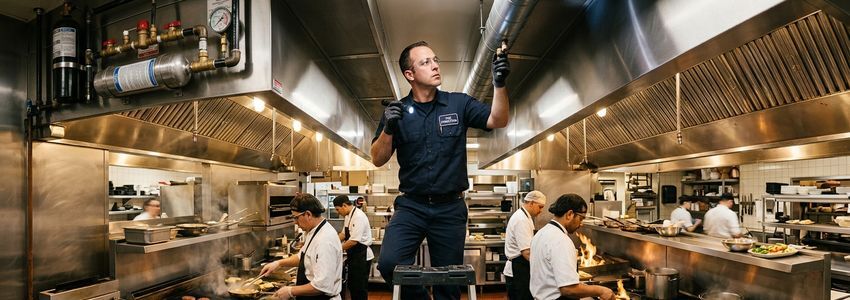
Commercial kitchen fire suppression financing is a business loan or lease structured specifically to cover the cost of installing, upgrading, or recertifying a wet chemical fire suppression system over a commercial cooking line. These systems, most commonly built to the UL 300 standard, protect the hood, exhaust duct, plenum, and cooking appliances beneath a kitchen exhaust hood. Financing spreads the equipment, labor, and inspection costs across monthly payments instead of requiring the full amount up front.
Most restaurants, ghost kitchens, cafeterias, hotels, and foodservice operations are required by local fire code, health department regulation, or insurance policy terms to maintain a functioning, code-compliant fire suppression system over any appliance that produces grease-laden vapors. When an inspector flags an outdated system, a failed inspection, or a system that no longer matches new cooking equipment, the business typically has a narrow compliance window to fix it. A business loan for a commercial kitchen fire suppression system upgrade closes that gap between the deadline and the available cash on hand.
Key Stat: According to the National Fire Protection Association, cooking equipment is involved in nearly half of all reported restaurant structure fires, which is why fire marshals and insurers treat suppression system compliance as non-negotiable rather than optional.
Why Fire Suppression Upgrades Become Urgent
Fire suppression compliance issues rarely appear gradually. They tend to surface all at once, often at the worst possible time for a business's cash position. Understanding the common triggers helps explain why financing, rather than saving up over several months, is often the only realistic path to staying open.
- Failed fire marshal inspection: Local authorities inspect suppression systems annually or semi-annually. A failed inspection can trigger an immediate compliance order with a short cure period, sometimes as little as 10 to 30 days.
- New cooking equipment installed: Adding a new fryer, char-broiler, or larger range often changes the hazard classification of the hood, requiring additional nozzles, a larger tank, or a full system redesign.
- Insurance renewal requirements: Property and liability insurers increasingly require proof of a current, inspected suppression system before renewing a policy, especially after a claim or a lapse in service records.
- System age and obsolescence: Older wet chemical systems built before the UL 300 standard was widely adopted may no longer meet code and require full replacement rather than simple recharge or repair.
- Franchise or brand standards audits: Franchisors frequently mandate specific suppression system brands, coverage, and documentation as part of brand compliance, independent of local fire code.
- Expansion or remodel triggers: Any significant kitchen remodel, hood relocation, or expansion of the cooking line typically requires the fire suppression system to be re-engineered and re-certified before a certificate of occupancy is issued.
In nearly every one of these scenarios, the business does not get to choose the timeline. The fire marshal, the insurer, or the franchisor sets the deadline, and failure to meet it can mean a shutdown order, a lapsed insurance policy, or a franchise default. Financing exists precisely for this kind of situation: a mandatory, non-discretionary expense with a hard deadline and a clear, predictable return in the form of continued operation.
Facing a Fire Suppression Compliance Deadline?
Get fast, flexible financing from the #1 business lender in the U.S. No obligation, apply in minutes, and keep your kitchen running while you upgrade.
Apply Now →Key Benefits of Financing the Upgrade
Paying cash for a full fire suppression system replacement is rarely the most strategic choice for a restaurant operator, even when the cash is technically available. Financing offers several advantages that a lump-sum payment does not.
- Preserve working capital: Keep cash on hand for payroll, inventory, and day-to-day operating costs instead of tying it up in a single compliance expense.
- Meet compliance deadlines fast: Approval and funding can often happen in a matter of days, which matters when a fire marshal has issued a cure notice with a short window.
- Match payments to revenue: Monthly loan or lease payments can be sized to fit the restaurant's cash flow pattern, including seasonal fluctuations.
- Avoid a shutdown or license suspension: A compliant, financed system keeps the kitchen operating rather than risking a closure order that would cost far more in lost revenue than the financing itself.
- Keep insurance in force: A properly installed and documented system satisfies insurer requirements, avoiding a lapse in property or liability coverage.
- Bundle related costs: Many financing options can cover not just the suppression system itself but also related hood modifications, ductwork changes, and inspection or permitting fees in a single loan.
How the Financing Process Works
The process for financing a commercial kitchen fire suppression system is similar to financing any other piece of essential business equipment, though the urgency of a compliance deadline often shapes how quickly a lender moves.
Quick Guide
How Fire Suppression System Financing Works
A licensed fire protection contractor inspects the hood system and provides a written quote for the new or upgraded suppression system.
Provide basic business information, recent bank statements, and the contractor quote to a business lender.
Most lenders can return a decision within 24 to 48 hours, with term length and payment amount based on revenue and credit profile.
Depending on the structure, funds are paid directly to the fire protection contractor or deposited into the business account to cover the invoice.
The contractor installs or upgrades the system, tests it, and provides the certification documentation needed for the fire marshal and insurer.
The business repays the loan or lease in fixed monthly installments over the agreed term, typically 12 to 60 months.
Types of Financing Available
Several financing structures work well for a fire suppression system upgrade, and the right one depends on the size of the project, the urgency of the deadline, and whether the business is also addressing related kitchen equipment needs at the same time.
- Equipment Financing: The fire suppression system itself, along with any related hood or ductwork components, serves as collateral. This typically offers the lowest payments and longest terms for a defined, invoiced piece of equipment.
- Unsecured Working Capital Loans: A lump sum based on business revenue rather than a specific asset. This works well when the fire suppression cost is bundled with other urgent repairs, such as hood cleaning, ductwork, or electrical work tied to the same compliance order.
- Business Line of Credit: A revolving credit line that can be drawn against for the suppression system now and reused later for other unexpected kitchen equipment needs, without reapplying each time.
- SBA Loans: For larger remodel projects that include a full fire suppression system replacement as part of a broader kitchen renovation, an SBA-backed loan can offer favorable rates and longer repayment terms, though the approval timeline is typically longer than a compliance deadline allows on its own.
- Equipment Leasing: Some fire protection contractors partner with leasing companies to offer a lease-to-own structure, which can lower the upfront cost further but may include end-of-term buyout terms worth reviewing carefully.
Who This Financing Is Best For
Fire suppression system financing is most useful for foodservice and hospitality operators facing a specific compliance trigger rather than a discretionary upgrade. It is a strong fit for:
- Independent restaurant owners who received a failed inspection notice or fire marshal cure order
- Multi-unit restaurant groups needing to upgrade suppression systems across several locations on a rolling schedule
- Hotel and hospitality operators with commercial kitchens serving banquet or catering operations
- Ghost kitchen and shared commissary operators adding new cooking lines that trigger a hood reclassification
- Institutional foodservice operations, such as school cafeterias, hospitals, and corporate dining facilities, working within a fixed capital budget cycle
- Businesses adding new cooking equipment (fryers, char-broilers, flat-tops) that changes the hazard classification of an existing hood
It is a less natural fit for businesses with substantial cash reserves who prefer to pay outright and avoid any financing cost, or for very small projects (simple recharge of an existing, otherwise compliant system) where the total invoice is small enough to absorb from routine operating cash flow.
Comparing Your Financing Options
Choosing between financing structures often comes down to how the fire suppression project fits into the bigger picture of the kitchen. The table below compares the most common options side by side.
| Financing Type | Best For | Typical Term | Speed to Funding |
|---|---|---|---|
| Equipment Financing | A single, invoiced suppression system purchase | 24 to 60 months | 1 to 3 business days |
| Unsecured Working Capital Loan | Bundling suppression cost with related repairs | 6 to 24 months | Same day to 2 days |
| Business Line of Credit | Ongoing, multi-location compliance needs | Revolving, no fixed end date | 1 to 3 business days after setup |
| SBA Loan | Larger remodels including suppression system replacement | 5 to 10 years | 2 to 8 weeks |
Cost is often the deciding factor between financing structures. A single-hood system replacement in a small independent kitchen might run $3,000 to $6,000, which many equipment lenders can finance with a simple, fast approval. A full multi-hood system for a large-format restaurant, hotel banquet kitchen, or institutional cafeteria can run $15,000 to $30,000 or more, particularly when ductwork or electrical modifications are required alongside the suppression system itself. Larger projects like these often benefit from a working capital loan or SBA loan that can absorb the full scope of the work in one approval, rather than financing each component separately and juggling multiple payment schedules.
How Crestmont Capital Helps
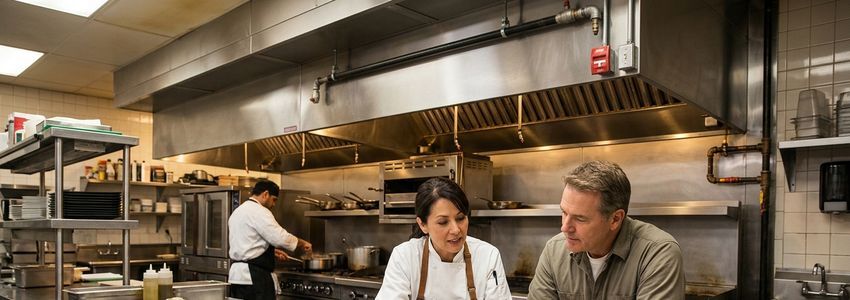
Crestmont Capital works with restaurant owners, hospitality operators, and foodservice businesses across the country to fund exactly this kind of time-sensitive compliance expense. Rather than a slow, document-heavy process, Crestmont focuses on getting a decision back quickly so a business can move forward with its fire protection contractor without delay.
Depending on the scope of the project, Crestmont can structure financing through equipment financing for the suppression system itself, an unsecured working capital loan when the project is bundled with related repairs, or a business line of credit for operators who expect to face similar compliance needs across multiple locations. For larger kitchen remodels that include a full suppression system overhaul, an SBA loan may offer the most favorable long-term terms.
If the fire suppression upgrade is part of a broader kitchen equipment refresh, it is also worth reviewing Crestmont's dedicated guide to restaurant equipment financing and commercial kitchen equipment financing, both of which can be combined with a suppression system loan to cover an entire hood-and-cooking-line upgrade in one financing package. Operators who have faced other unexpected property emergencies may also find Crestmont's guide to emergency business loans for fire or flood damage useful for understanding how disaster-related financing differs from a planned compliance upgrade.
Applying takes just a few minutes through Crestmont's online application, and most applicants receive a decision within one to two business days, well within the window most fire marshals allow for cure notices.
Keep Your Kitchen Running While You Upgrade
Crestmont Capital funds fire suppression system upgrades fast, so a compliance deadline never becomes a closure notice.
Get Funded Today →By the Numbers
Commercial Kitchen Fire Suppression: Key Statistics
~50%
Of restaurant structure fires involve cooking equipment (NFPA)
1-2 Days
Typical approval time for business financing
6 Months
Recommended minimum inspection interval per NFPA 96
33M+
Small businesses in the U.S. relying on access to capital (SBA)
Real-World Scenarios
Scenario 1: The Failed Inspection. A family-owned pizzeria fails its annual fire marshal inspection because the suppression system's nozzles no longer align with a fryer added two years earlier. The cure notice gives the owner 21 days to fix it or close the kitchen. With no cash reserve set aside for the roughly $9,000 system redesign, the owner uses equipment financing to fund the full project, gets the system recertified in 10 days, and repays the loan over 36 months.
Scenario 2: The Insurance Renewal Requirement. A regional catering company's property insurer flags an outdated wet chemical system during a renewal underwriting review and requires proof of an upgraded, UL 300-compliant system before renewing coverage. The company uses an unsecured working capital loan to cover the $14,000 upgrade, keeping its liability and property policies active without a coverage gap.
Scenario 3: The Multi-Unit Franchise Rollout. A five-location quick-service restaurant group learns that its franchisor is requiring all locations to upgrade to a new suppression system brand within six months. The group opens a business line of credit sized to cover all five installations on a rolling schedule, drawing funds as each location's contractor completes the work.
Scenario 4: The Kitchen Remodel. A hotel undertaking a full banquet kitchen remodel discovers that relocating the cooking line requires an entirely new hood and suppression system to meet current code, adding an unplanned $22,000 to the project. The hotel rolls this into an SBA loan alongside the broader remodel financing, securing a lower rate and a longer repayment term than a standalone loan would offer.
Scenario 5: The New Equipment Trigger. A growing food truck commissary adds a second flat-top grill to meet demand, which changes the BTU load under the hood and requires a suppression system upgrade to maintain code compliance. Facing a tight cash position after the equipment purchase, the operator uses a short-term working capital loan to cover the suppression system cost separately from the equipment loan, avoiding overextending on a single facility.
Scenario 6: The Deferred Maintenance Catch-Up. An independent diner that deferred suppression system maintenance for several years during a slow period is now required by a new health inspector to bring the system fully up to current standards before renewing its operating permit. The owner uses equipment financing with a longer term to keep monthly payments low while catching up on years of deferred compliance in one project.
Frequently Asked Questions
What is a commercial kitchen fire suppression system?
It is a wet chemical fire suppression system, typically built to the UL 300 standard, installed over a commercial kitchen hood, exhaust duct, and cooking appliances to automatically detect and suppress grease fires before they spread.
How much does a commercial kitchen fire suppression system typically cost?
Costs vary widely based on hood size, number of appliances, and whether it is a new installation or an upgrade, but most systems for a single hood range from roughly $3,000 to $15,000, with larger or multi-hood kitchens costing more.
Why would a restaurant need to upgrade an existing fire suppression system?
Common triggers include a failed fire marshal inspection, new cooking equipment that changes hazard classification, insurer requirements at policy renewal, an aging pre-UL 300 system, franchise brand standards, or a kitchen remodel that relocates the hood.
What type of business loan works best for a fire suppression upgrade?
Equipment financing is typically the best fit for a standalone suppression system purchase since the equipment itself serves as collateral, often producing lower rates than an unsecured loan. A working capital loan is a better fit when the project is bundled with other related repairs.
How fast can I get financing for a fire suppression system?
Many lenders can approve and fund equipment financing or a working capital loan within one to three business days once a contractor quote and basic financial documents are submitted, which typically fits within a fire marshal's cure notice window.
What happens if I do not fix a failed fire suppression inspection in time?
Consequences can include a shutdown order preventing use of the cooking line, fines, suspension of the operating permit, and potential lapse of property or liability insurance coverage, all of which typically cost far more than the financing itself.
Can financing cover related costs like ductwork or hood modifications?
Yes. An unsecured working capital loan or business line of credit can bundle the suppression system with related hood, ductwork, or electrical work required as part of the same compliance project.
Do I need good personal credit to qualify for fire suppression financing?
Credit requirements vary by lender and product, but many alternative business lenders weigh business revenue and time in business alongside credit score, making financing accessible to operators without top-tier personal credit.
Is a business line of credit better than a term loan for multi-location suppression upgrades?
For a restaurant group upgrading systems across several locations on a rolling schedule, a business line of credit allows draws as each location's project is completed, avoiding interest on funds that have not yet been spent.
How often does a commercial kitchen fire suppression system need to be inspected?
NFPA 96 recommends semi-annual inspections of kitchen exhaust and fire suppression systems by a licensed contractor, though some local jurisdictions require inspections more or less frequently.
Can financing be used for a brand-new restaurant's initial fire suppression system?
Yes, equipment financing can cover the initial installation of a fire suppression system as part of a new build-out, though newer businesses may see shorter terms or require a larger down payment than an established operator.
What documents do I need to apply for fire suppression system financing?
Most lenders ask for a signed contractor quote or invoice, several months of recent business bank statements, and basic business information such as time in business and monthly revenue. Some products may also request a credit check.
Should I roll a fire suppression upgrade into a full kitchen remodel loan?
If a suppression system replacement is already required as part of a larger remodel, such as relocating the hood or adding a new cooking line, bundling it into a single SBA or term loan can often secure a better rate and longer term than financing it separately.
Will my insurance company reimburse me for a required fire suppression upgrade?
Generally no. Insurers require a compliant system as a condition of coverage but typically do not reimburse the cost of installing or upgrading it, which is why financing rather than a claim is the standard way operators cover this expense.
How long are typical repayment terms for a fire suppression system loan?
Equipment financing terms typically range from 24 to 60 months, unsecured working capital loans often run 6 to 24 months, and SBA loans for larger bundled remodels can extend to 5 or 10 years depending on the loan structure.
Next Steps
Get a written quote from a licensed fire protection contractor covering the full scope of the required upgrade.
Gather recent bank statements and basic business financials to speed up the financing application.
Apply online with Crestmont Capital to compare financing structures and get a decision within one to two business days.
Schedule the installation with your contractor and keep documentation ready for your fire marshal and insurer.
Don't Let a Compliance Deadline Close Your Kitchen
Apply now and find out what you qualify for in minutes, with no obligation.
Apply Now →Conclusion
A commercial kitchen fire suppression system upgrade is not the kind of expense a restaurant or foodservice business can put off. Whether the trigger is a failed inspection, new cooking equipment, an insurance renewal, or a franchise mandate, the deadline is usually fixed and the consequences of missing it are severe. Business loan financing for a commercial kitchen fire suppression system lets operators meet that deadline, protect their insurance coverage and operating permit, and keep the kitchen running, all while spreading the cost into manageable monthly payments instead of a single disruptive expense.
Crestmont Capital works with restaurant and foodservice operators nationwide to structure financing for exactly this kind of urgent, compliance-driven need, with decisions typically returned in one to two business days. If your business is facing a fire suppression system upgrade, the fastest way to protect your operation is to start the financing conversation before the deadline arrives, not after.
Disclaimer: The information provided in this article is for general educational purposes only and is not financial, legal, or tax advice. Funding terms, qualifications, and product availability may vary and are subject to change without notice. Crestmont Capital does not guarantee approval, rates, or specific outcomes. For personalized information about your business funding options, contact our team directly.