
 (800) 949-0401
Combine Harvester Financing: The Complete Guide for Business Owners
For any modern agricultural operation, the combine harvester is the cornerstone of productivity and profitability. This single piece of machinery represents the culmination of a year's hard work, determining the efficiency and success of the entire harvest season. However, the immense technological and mechanical power of a combine comes with a significant price tag, often running into the hundreds of thousands of dollars. This initial cost can be a substantial barrier for farms of all sizes, from expanding family operations to large-scale commercial agribusinesses.
This is where strategic financing becomes not just an option, but a critical business tool. Securing the right funding allows you to acquire the equipment you need to stay competitive, maximize yields, and manage cash flow without depleting your working capital. Navigating the world of agricultural lending can seem complex, with various loan types, terms, and qualification requirements to consider. This guide is designed to demystify the process, providing a clear roadmap to understanding and obtaining combine harvester financing.
Whether you are considering a brand-new, top-of-the-line model with the latest precision ag technology or a reliable, pre-owned machine to expand your fleet, this comprehensive guide will walk you through every step. We will explore the different types of financing available, the application process, key qualification factors, and practical tips to help you secure the best possible terms for your agricultural business.
In This Article
- What Is Combine Harvester Financing?
- Types of Combine Harvester Financing
- How Combine Harvester Financing Works
- Combine Harvester Financing Costs and Interest Rates
- Who Qualifies for Combine Harvester Financing?
- Financing a New vs. Used Combine Harvester
- How Crestmont Capital Helps Agricultural Businesses
- Real-World Scenarios: Combine Harvester Financing in Action
- Tips for Getting Approved: Combine Harvester Financing
- Industry Resources for Agricultural Equipment Buyers
- How to Get Started with Combine Harvester Financing
- Frequently Asked Questions
- Conclusion
What Is Combine Harvester Financing?
Combine harvester financing is a specialized type of business funding designed specifically for the purchase of new or used harvesting equipment. Unlike a general-purpose business loan that provides cash for various operational needs, this financing is tied directly to the asset being acquired. It functions as a secured loan, meaning the combine harvester itself serves as collateral for the loan. This security significantly reduces the lender's risk, which often translates into more favorable interest rates and terms for the borrower compared to unsecured financing options.
The structure of this financing is built around the value and expected lifespan of the equipment. Lenders who specialize in agricultural financing understand the unique nature of farm assets. They recognize that a combine is a revenue-generating machine with a tangible resale value. This understanding allows them to create loan products that are tailored to the agricultural industry's cycles, including options for seasonal or deferred payment schedules that align with your farm's cash flow.
The primary difference between combine harvester financing and a standard bank loan lies in the application process and the nature of the collateral. Equipment financing applications are often more streamlined because the asset itself is the main focus of the underwriting process. While the borrower's credit history and business financials are still crucial, the value of the combine provides a strong foundation for the loan. This can make it easier for farms with less-than-perfect credit or shorter operating histories to get approved, as the tangible asset mitigates some of the lender's risk.
Types of Combine Harvester Financing
When seeking to finance a combine harvester, agricultural business owners have several distinct options. Each comes with its own structure, benefits, and ideal use cases. Understanding these differences is key to selecting the financing vehicle that best aligns with your operational goals and financial strategy.
Equipment Loans
An equipment loan is the most straightforward financing option. You borrow a lump sum to purchase the combine and make regular payments (typically monthly) over a set term. At the end of the term, you own the equipment outright. This is an excellent choice for farmers who plan to use the harvester for its entire useful life and want to build equity in their assets. The interest paid on the loan and the depreciation of the equipment can also offer significant tax advantages under Section 179 of the IRS code.
Equipment Leasing
Leasing is essentially a long-term rental agreement. You make regular payments to use the combine for a predetermined period (e.g., 3-5 years). At the end of the lease term, you typically have several options: return the equipment, purchase it for its fair market value, or renew the lease. Leasing often requires a lower down payment and results in lower monthly payments than an equipment loan, making it a good option for preserving working capital. It is ideal for businesses that want to regularly upgrade to the latest technology without the long-term commitment of ownership.
SBA Loans
The U.S. Small Business Administration (SBA) does not lend money directly but guarantees a portion of loans made by partner lenders. This guarantee reduces the lender's risk, allowing them to offer favorable terms, lower interest rates, and longer repayment periods. An SBA 7(a) loan or a 504 loan can be used to purchase heavy equipment like a combine. While the application process is often more intensive and time-consuming, the attractive terms make it a worthwhile option for well-qualified businesses.
USDA Farm Loans
The United States Department of Agriculture (USDA) offers various loan programs through its Farm Service Agency (FSA). These are designed to support family farms, beginning farmers, and those who may not qualify for traditional credit. Direct and Guaranteed Farm Ownership or Operating Loans can be used for equipment purchases. USDA loans are known for their low interest rates and flexible terms, but they come with specific eligibility requirements related to farm size, operator experience, and location.
Business Lines of Credit
A business line of credit provides access to a revolving pool of funds that you can draw from as needed, up to a set limit. While not typically used for the full purchase of a new combine, it can be an excellent tool for covering a down payment, paying for transportation, or handling initial maintenance costs. It offers maximum flexibility, as you only pay interest on the amount you use. This is best used as a supplemental financing tool rather than the primary purchase mechanism.
| Financing Type | Typical Interest Rate | Typical Term | Best For |
|---|---|---|---|
| Equipment Loan | 6% - 20% | 3 - 7 years | Long-term ownership and building equity. |
| Equipment Lease | Factor Rate based | 2 - 5 years | Lower payments and regularly updating technology. |
| SBA Loan | Prime + 2.75% - 4.75% | 7 - 10 years | Strong credit businesses seeking long terms and low rates. |
| USDA Loan | 3% - 6% | 7 - 15 years | Beginning farmers or those who don't qualify for traditional loans. |
| Line of Credit | 8% - 25% | Revolving | Covering down payments or unexpected costs. |
How Combine Harvester Financing Works
The process of securing combine harvester financing is generally more streamlined than a traditional real estate or complex business loan. Lenders who specialize in equipment financing have refined their procedures to ensure farmers can get the machinery they need with minimal delay, especially when the harvest season is approaching. While specifics can vary by lender, the process typically follows four key steps from application to funding.
First, the process begins with the application. Most modern lenders, including Crestmont Capital, offer a simple online application that can be completed in minutes. You will provide basic information about your business, such as its legal name, address, time in business, and annual revenue. You will also need to provide details about the specific combine you wish to purchase, including its make, model, year, and the seller's information. This initial step gives the lender a snapshot of your business and financing needs.
Next comes documentation and underwriting. After the initial application, a financing specialist will likely contact you to request supporting documents. This may include recent business bank statements, tax returns, and a formal quote or bill of sale for the combine. The lender's underwriting team then reviews this information, along with your business and personal credit reports, to assess the risk and determine your eligibility. They evaluate your ability to repay the loan based on your cash flow, credit history, and the value of the collateral.
Once your application is approved, the lender will present you with one or more financing offers. Each offer will detail the loan amount, interest rate, term length, and monthly payment. This is a critical stage where you should carefully review the terms to ensure they align with your farm's budget and financial projections. If you have any questions, this is the time to speak with your financing specialist to clarify details. Upon selecting an offer, you will sign the official loan documents to finalize the agreement.
Quick Guide
How Combine Harvester Financing Works - At a Glance
Apply Online
Submit a simple application with your business details and information about the combine you want to finance.
Submit Documents
Provide necessary paperwork like bank statements, tax returns, and a quote for the equipment.
Review Your Offers
Receive and compare approved financing options detailing rates, terms, and payments.
Get Funded
After signing the final documents, the lender pays the seller directly, and you take delivery of your combine.
Ready to Finance Your Combine Harvester?
Crestmont Capital offers fast, flexible equipment financing for agricultural businesses. Apply in minutes - no obligation.
Apply Now →Combine Harvester Financing Costs and Interest Rates
Understanding the potential costs associated with combine harvester financing is essential for accurate budgeting and long-term financial planning. The total cost of financing is determined by several key components, including the interest rate, loan term, and any required down payment. These factors can vary significantly based on your business's financial health, the lender you choose, and the equipment itself.
Interest rates for equipment loans typically range from 6% to 20% or higher. Well-established farms with strong credit and consistent revenue will qualify for rates on the lower end of this spectrum. Newer businesses or those with weaker credit profiles may see rates in the higher teens. Loan terms for combine harvesters generally fall between 3 and 7 years. A shorter term means higher monthly payments but less total interest paid, while a longer term lowers the monthly payment but increases the overall interest cost.
Down payment requirements can also differ. Many lenders offer 100% financing, meaning no down payment is required, which is beneficial for preserving cash. However, providing a down payment of 10-20% can reduce the total amount financed, lower your monthly payments, and may help you secure a better interest rate. Some lenders also offer seasonal payment plans, allowing you to make larger payments during your peak revenue months and smaller payments during the off-season, which is a popular option in the agricultural sector.
Key Statistic: According to industry data and manufacturer pricing, a new, high-capacity combine harvester can easily cost between $500,000 and $750,000, making financing an essential tool for acquisition.
Several factors will influence the specific rates and terms you are offered:
- Credit Score: Both your personal and business credit scores are primary indicators of your financial responsibility. Higher scores lead to lower interest rates.
- Time in Business: Lenders prefer to work with established businesses. Operations with two or more years of history are generally seen as less risky and can access better terms.
- Annual Revenue: Strong and consistent revenue demonstrates your ability to handle new debt payments.
- Equipment Age and Condition: Financing for new equipment typically comes with lower interest rates than for used equipment, as new machines have a higher collateral value and lower maintenance risk.
- Loan Amount: The total amount you need to borrow will also play a role in the lender's decision and the structure of the loan.
Who Qualifies for Combine Harvester Financing?
While qualification criteria vary from one lender to another, there are several common benchmarks that most financial institutions use to evaluate applicants for combine harvester financing. Meeting or exceeding these standards will significantly increase your chances of approval and help you secure the most competitive terms available. Lenders are primarily assessing your ability to repay the loan, and they use a combination of factors to build a complete picture of your business's financial health.
The most significant factor is your credit history. Most lenders look for a personal credit score of at least 620 for their standard equipment financing programs. To qualify for the best rates and terms, a score of 680 or higher is often preferred. In addition to personal credit, lenders will also review your business credit profile to see how your company has managed its financial obligations in the past. A history of on-time payments to other creditors is a strong positive signal.
Your time in business is another critical consideration. Lenders view established operations as more stable and predictable. The industry standard is typically a minimum of two years in business. While some specialized lenders and programs (like those from the USDA) cater to startups and beginning farmers, most traditional and alternative lenders require a proven track record of at least 24 months. This history provides evidence of your ability to navigate market cycles and manage your operation successfully.
Finally, lenders will analyze your farm's revenue and cash flow. They need to see that your business generates enough income to comfortably cover its existing expenses plus the new monthly payment for the combine. A common requirement is a minimum annual revenue, often starting around $100,000 to $150,000. Lenders will typically review several months of business bank statements to verify your revenue and assess the consistency of your cash flow.
Typical Borrower Profile: Lenders generally look for a business with a credit score of 620+, at least two years of operational history, and consistent annual revenues exceeding $100,000.
Financing a New vs. Used Combine Harvester
One of the first major decisions in the acquisition process is whether to purchase a new or used combine. Each path has distinct advantages and disadvantages, and the right choice depends on your farm's specific needs, budget, and long-term strategy. These differences also extend to the financing process itself.
Financing a New Combine Harvester
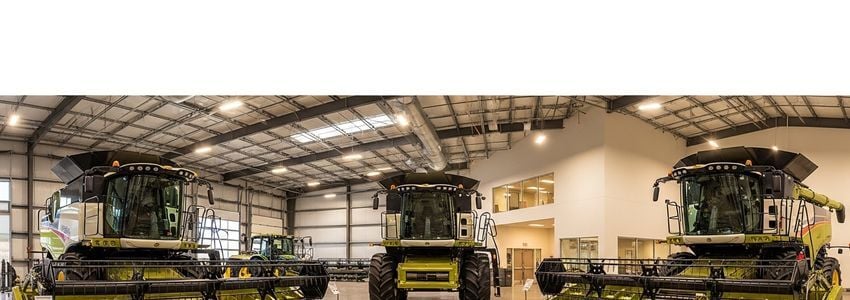
Purchasing a new combine means getting the latest technology, peak fuel efficiency, and a full manufacturer's warranty. This reliability can be crucial during the tight window of harvest season, minimizing the risk of costly downtime due to mechanical failures. From a financing perspective, new equipment is often easier to fund.
- Pros: Full warranty, latest technology, maximum efficiency, no prior wear and tear, often eligible for manufacturer-subsidized financing rates.
- Cons: Highest initial cost, rapid depreciation in the first few years, potentially higher insurance premiums.
- Financing Differences: Lenders view new equipment as superior collateral, which can result in lower interest rates and longer repayment terms. Approval can be faster as the value is easily determined.
Financing a Used Combine Harvester
A well-maintained used combine can offer tremendous value. The most significant advantage is the lower purchase price, as the initial steep depreciation has already been absorbed by the first owner. This allows you to acquire a capable machine for a fraction of the cost of a new one, freeing up capital for other business needs.
- Pros: Significantly lower purchase price, slower depreciation, proven reliability of certain models.
- Cons: No warranty (unless certified pre-owned), potential for higher maintenance costs, may lack the latest precision ag features, risk of unknown mechanical issues.
- Financing Differences: Interest rates for used equipment may be slightly higher to offset the lender's increased risk associated with older machinery. Lenders may also impose age and hour limits on the combines they are willing to finance (e.g., less than 10 years old or under 4,000 engine hours). The loan term might be shorter, tied to the remaining useful life of the machine.
Which Makes More Sense?
The decision ultimately comes down to a cost-benefit analysis for your operation. If maximizing uptime, having the latest technology, and benefiting from a full warranty are your top priorities, and your budget can accommodate the higher payments, a new combine is a strong choice. If you are more focused on minimizing initial investment, have a trusted mechanic, and can tolerate a slightly higher risk of repairs, a late-model used combine can be an incredibly smart financial move.
How Crestmont Capital Helps Agricultural Businesses
Navigating the complexities of agricultural financing requires a partner who understands the unique challenges and opportunities of your industry. At Crestmont Capital, we specialize in providing tailored financial solutions for farmers and agribusiness owners. We recognize that your financing needs are not the same as those of a retail store or a manufacturing plant. Your business is cyclical, capital-intensive, and deeply tied to the land.
Our dedicated team of financing specialists has extensive experience working with agricultural businesses across the country. We offer a robust suite of equipment financing products designed to help you acquire the critical assets you need to grow and thrive. Whether you are looking for a simple equipment loan or a flexible lease, we have the tools and expertise to structure a deal that fits your cash flow and long-term objectives.
Crestmont Capital provides specific programs for agricultural equipment financing, ensuring that the terms and payment schedules align with your operational realities. We understand that a one-size-fits-all approach does not work for farming. That is why we offer customized solutions for all types of farm equipment financing, from tractors and planters to the most advanced combine harvesters. Our equipment leasing options are perfect for businesses looking to preserve capital and stay on the cutting edge of technology.
Beyond equipment, we also provide a range of other funding solutions, including versatile small business loans for working capital, expansion projects, or land acquisition. For qualified businesses seeking the most competitive rates and terms, we can also facilitate government-backed SBA loans. Our goal is to be a comprehensive financial partner for your agricultural enterprise, providing the capital you need, when you need it.
Get Matched with the Right Farm Equipment Loan
Our specialists understand agricultural financing. Tell us what you need and we'll find the right fit for your operation.
Get Started →Real-World Scenarios: Combine Harvester Financing in Action
To better illustrate how different financing options work in practice, let's explore a few hypothetical scenarios based on common situations faced by agricultural business owners.
Scenario 1: The Large-Scale Grain Operation
Dakota Grain Co. is a well-established, 10,000-acre corn and soybean farm in the Midwest. To maximize efficiency during their short harvest window, they need to upgrade to a new John Deere X9 1100, which costs approximately $700,000. The business has excellent credit and over 20 years of operating history. They choose a 7-year equipment loan. This allows them to take full advantage of Section 179 tax deductions in the first year. By making a 15% down payment, they secure a very competitive interest rate. The loan structure provides them with ownership of a critical asset that will serve their operation for many years.
Scenario 2: The Mid-Sized Family Farm
Miller Family Farms operates a 1,500-acre farm and their 15-year-old combine is becoming unreliable. They don't need the latest model but want a significant upgrade. They find a well-maintained, 3-year-old Case IH 8250 with low hours for $350,000 from a reputable dealer. To preserve working capital for input costs, they opt for an equipment lease with a $1 buyout option. This structure, also known as a capital lease, gives them lower monthly payments than a traditional loan. At the end of the 5-year lease term, they can purchase the combine for just $1, effectively owning it while having benefited from improved cash flow throughout the lease period.
Scenario 3: The New Organic Farming Venture
Green Sprout Organics is a 3-year-old certified organic farm specializing in niche grains. They have steady growth but a limited credit history and less capital than established farms. They need their first combine to handle their harvest and stop relying on expensive custom harvesting services. They identify a smaller, versatile Fendt IDEAL 7 combine suitable for their crops, costing $425,000. Due to their status as a growing farm, they successfully apply for a USDA Guaranteed Farm Operating Loan through a local agricultural lender. This government backing allows the lender to approve the financing with a lower down payment and a longer, 10-year repayment term, making the monthly payments manageable for their developing business.
Scenario 4: The Custom Harvesting Business
Harvest Pro LLC is a custom harvesting business that contracts with multiple farms. To expand their capacity and take on more clients, they need to add a second combine to their fleet. They decide on a flexible financing approach. They use a 5-year equipment loan to purchase another used Lexion 760 TT. Additionally, they secure a $50,000 business line of credit. This line of credit is not used for the purchase itself but is kept in reserve to cover fuel, transport, and potential in-season repair costs, ensuring they can maintain peak operational readiness without disrupting cash flow.
Tips for Getting Approved: Combine Harvester Financing
A strong and well-prepared application is your best tool for securing fast approval and favorable terms. By taking a few proactive steps, you can present your business in the best possible light to lenders.
- Gather Your Documents in Advance: Before you even apply, collect all necessary financial documents. This typically includes the last 2-3 years of business tax returns, the last 6 months of business bank statements, a year-to-date profit and loss statement, and a business debt schedule. Having these ready will dramatically speed up the underwriting process.
- Know Your Credit Score: Check both your personal and business credit scores beforehand. If you find any errors, dispute them immediately. If your score is lower than you'd like, take steps to improve it, such as paying down outstanding balances on credit cards or other loans.
- Get a Formal Quote for the Equipment: Lenders will need to see a detailed quote or purchase agreement from the seller (whether it's a dealership or a private party). This document should clearly list the combine's year, make, model, VIN/serial number, hours, and the final purchase price.
- Prepare a Brief Business Overview: While not always required for simple equipment loans, having a one-page summary of your operation can be helpful. Include details about the crops you grow, your acreage, your years in business, and how the new combine will improve your farm's efficiency or revenue.
- Explain Any Financial Blemishes: If your business has had a tough year or if there are negative marks on your credit report, be prepared to explain them. A brief, honest explanation of the circumstances (e.g., a drought year, a medical issue) can provide important context for the underwriter.
- Shop Around, but Smartly: It is wise to compare offers from different lenders. However, submitting multiple applications in a short period can result in numerous hard credit inquiries, which can temporarily lower your credit score. Working with a lender like Crestmont Capital allows you to access a network of financing options with a single application.
Industry Resources for Agricultural Equipment Buyers
Staying informed about the broader economic landscape of the agricultural industry can help you make strategic financial decisions. These resources from government agencies provide valuable data and information.
SBA Loan Programs
The official website of the U.S. Small Business Administration provides detailed information on its various loan guarantee programs, including the 7(a) and 504 loans. This is a primary resource for understanding eligibility requirements, loan amounts, and how to find an SBA-approved lender.
USDA Economic Research Service Farm Income Data
The USDA's ERS is a key source for data on the financial health of the U.S. farm sector. Here you can find forecasts and historical data on farm income, expenses, and asset values, which can help in planning and benchmarking your own operation's performance.
U.S. Census Bureau Economic Data
The Economic Census, conducted every five years, provides a comprehensive look at the American economy, including the agricultural sector. It offers detailed statistics on farm production, expenses, and demographics at the national, state, and county levels.
How to Get Started with Combine Harvester Financing
Complete our quick and secure application at offers.crestmontcapital.com/apply-now. It takes just a few minutes and won't impact your credit score.
An agricultural financing expert will contact you to discuss your specific needs, answer your questions, and request any necessary documents to find the best options for you.
Once you select your preferred offer and sign the documents, we handle the rest. We pay the seller directly, and you can schedule the delivery of your combine harvester.
Frequently Asked Questions
1. What is combine harvester financing?
It is a type of secured business loan or lease specifically used to purchase a new or used combine harvester. The equipment itself serves as the collateral for the financing agreement, which often results in better terms than unsecured loans.
2. How does the financing process work?
The process typically involves four steps: 1) submitting an application with your business and equipment details, 2) providing financial documents for underwriting, 3) reviewing and accepting a loan offer, and 4) finalizing the agreement, after which the lender pays the seller.
3. What are the typical interest rates and terms?
Interest rates for equipment loans generally range from 6% to 20%, depending on your credit and business history. Loan terms are typically between 3 and 7 years. Stronger applicants receive more favorable rates and longer terms.
4. What credit score do I need to qualify?
Most lenders look for a minimum personal credit score of 620. However, a score of 680 or higher will give you access to a wider range of options and more competitive interest rates. Some programs exist for those with lower scores, but terms may be less favorable.
5. Can I finance a used combine harvester?
Yes, absolutely. Lenders frequently finance used equipment. However, they may have restrictions on the age and hours of the machine. Interest rates for used equipment might be slightly higher than for new, but the overall loan amount will be lower.
6. Are there special government programs like USDA loans?
Yes, the USDA's Farm Service Agency (FSA) offers direct and guaranteed loan programs that can be used for equipment purchases. These are often designed for beginning farmers, socially disadvantaged groups, or those who cannot obtain credit from traditional sources.
7. Is a down payment always required?
Not always. Many lenders offer 100% financing, meaning no down payment is needed. However, providing a down payment (typically 10-20%) can reduce your monthly payments and may help you secure a better interest rate.
8. Can I get seasonal or deferred payment options?
Yes, many lenders who specialize in agricultural financing offer flexible payment structures. These can include seasonal payments (larger payments post-harvest), deferred payments, or interest-only periods to better match your farm's cash flow cycle.
9. What documents are needed for the application?
Typically, you will need to provide the last 3-6 months of business bank statements, recent business tax returns, a formal quote for the combine, and a completed application form. For larger loan amounts, a profit and loss statement and balance sheet may also be required.
10. How long does it take to get funded?
The timeline can vary, but it is often very fast. With a streamlined lender, you can get an approval within a few hours and receive funding in as little as 24-48 hours after all documents are submitted and signed.
11. What types of harvesters can be financed?
Financing is available for virtually all types of new and used combines, including those for grain, corn, soybeans, cotton, and specialty crops. This includes major brands like John Deere, Case IH, New Holland, Claas, Fendt, and more.
12. What is the difference between leasing and buying a combine?
Buying (through an equipment loan) means you own the combine at the end of the term and build equity. Leasing is like a long-term rental; you have lower monthly payments but do not own the asset unless you exercise a purchase option at the end of the lease.
13. Can I get financing with bad credit?
It is more challenging but not impossible. Some lenders specialize in financing for business owners with subprime credit. You should expect to pay a higher interest rate and may be required to provide a larger down payment to offset the lender's risk.
14. Can I finance a combine from a private seller?
Yes, many lenders will finance equipment purchased from a private party, not just from a dealership. The process is similar, but the lender will work to verify the seller's ownership and the condition of the combine before releasing funds.
15. Can I refinance an existing combine harvester loan?
Yes, if your credit or business financials have improved since you took out the original loan, you may be able to refinance to get a lower interest rate or a more favorable payment term. This can be a smart way to reduce your monthly expenses.
Finance Your Harvest Equipment Today
Don't let equipment costs hold back your harvest season. Crestmont Capital has flexible options for operations of all sizes.
Apply Now →Conclusion
A combine harvester is more than just a piece of farm equipment; it is a powerful engine for your business's success and a significant investment in its future. While the upfront cost can be formidable, a wide array of financing solutions exists to make this essential purchase manageable and strategic. By understanding the different types of loans and leases, preparing a strong application, and choosing the right financial partner, you can acquire the machinery you need without compromising your farm's financial stability.
The key is to select a financing structure that aligns with your specific operational needs, cash flow, and long-term goals. Whether that means the equity-building power of an equipment loan, the flexibility of a lease, or the favorable terms of a government-backed program, the right option is available. Effective combine harvester financing empowers you to enhance productivity, maximize yields, and stay competitive in a demanding industry.
At Crestmont Capital, we are committed to helping agricultural businesses thrive. Our expertise in equipment financing and our deep understanding of the agricultural sector enable us to provide fast, flexible, and transparent funding solutions. If you are ready to take the next step toward upgrading or expanding your harvesting capabilities, we are here to help you navigate the process and secure the capital you need to succeed.
Disclaimer: The information provided in this article is for general educational purposes only and is not financial, legal, or tax advice. Funding terms, qualifications, and product availability may vary and are subject to change without notice. Crestmont Capital does not guarantee approval, rates, or specific outcomes. For personalized information about your business funding options, contact our team directly.








