
 (800) 949-0401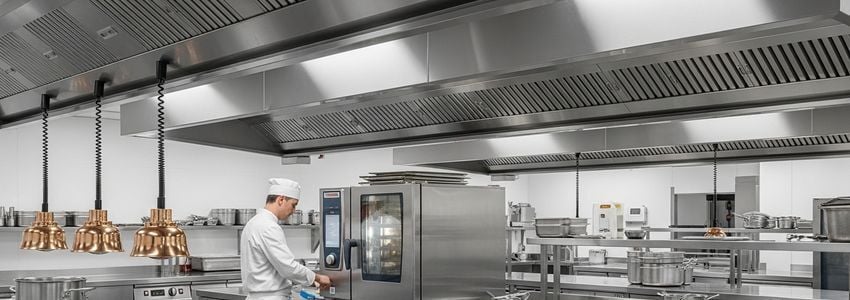
Combi Oven Financing: The Complete Guide for Restaurant Owners
A commercial combi oven is one of the most versatile and high-impact pieces of equipment you can add to a professional kitchen. Combi oven financing makes it possible to acquire this powerful equipment without depleting your working capital, letting you spread the cost over manageable monthly payments. Whether you operate a full-service restaurant, a hotel banquet kitchen, or a growing catering company, understanding your combi oven financing options is the first step toward upgrading your kitchen without financial strain.
In This Article
What Is a Combi Oven?
A combination oven - or combi oven - is a commercial kitchen appliance that integrates three cooking methods into a single unit: convection heat, steam, and a combination of both. This three-in-one capability makes it one of the most sought-after pieces of equipment in professional foodservice operations.
Unlike a standard convection oven that circulates dry hot air, a combi oven can inject precise amounts of steam into the cooking chamber at any time during the cooking cycle. Chefs use this capability to roast meats that retain moisture, bake bread with a crispy crust, steam vegetables without overcooking them, and reheat prepared dishes without drying them out. The result is higher food quality, improved consistency across large batches, and significantly reduced food waste.
Leading commercial combi oven brands include Rational, Alto-Shaam, Convotherm, Electrolux Professional, and Cleveland Range. Prices vary widely depending on the size, capacity, and technological features of each unit. Entry-level countertop models start around $5,000 to $8,000, while large floor-standing units with advanced programming can cost $25,000 to $40,000 or more.
Given this price range, most small and mid-size restaurant operators do not purchase combi ovens outright. Instead, they turn to equipment financing or leasing to spread the cost over time and preserve the working capital their operations depend on.
Beyond restaurants, combi ovens are used in hotel banquet kitchens, hospital food services, school cafeterias, catering companies, ghost kitchens, and corporate dining facilities. The financing options discussed in this guide apply broadly across all these foodservice segments.
Why Finance Instead of Buy Outright?
The case for financing a combi oven rather than purchasing it outright is strong for most restaurant operators. Here are the primary advantages of using equipment financing.
Preserve Working Capital
Restaurant operations require substantial liquidity at all times - for payroll, food inventory, repairs, marketing, and unexpected costs. Spending $15,000 to $35,000 on a single piece of equipment out of pocket can leave your business dangerously exposed to cash flow disruptions. Financing spreads that cost over 24 to 72 months, keeping your operating funds available where they matter most day-to-day.
Generate Revenue from Day One
When you finance a combi oven, you put the equipment to work immediately and begin generating revenue before making a single payment in many cases. The productivity gains - faster cook times, reduced labor, improved food quality - can directly translate to increased revenue that helps offset the monthly financing payment over time.
Access the Equipment You Actually Need
Financing allows you to acquire the combi oven model that truly fits your operational needs rather than settling for a lesser unit because of upfront budget constraints. A higher-capacity model with better programming may cost more initially but could dramatically improve your kitchen's efficiency and output quality.
Flexible Structures to Match Your Cash Flow
Commercial equipment financing is highly adaptable. Depending on your lender and situation, you may be able to structure seasonal payment schedules, step-up payments (lower at first, increasing as revenue grows), or deferred payment periods. This flexibility is especially valuable for restaurants with seasonal revenue patterns.
Potential Tax Advantages
Depending on how your financing arrangement is structured, you may be able to take advantage of Section 179 of the U.S. tax code, which allows businesses to deduct the full purchase price of qualifying equipment in the year it is placed in service rather than depreciating it over multiple years. Consult your tax advisor to determine how this applies to your specific situation.
Ready to Finance Your Combi Oven?
Get pre-qualified in minutes with no hard credit pull. Crestmont Capital works with restaurants, hotels, catering companies, and foodservice operators across the U.S.
Apply Now - Get Your RateHow Combi Oven Financing Works
The combi oven financing process is straightforward for most qualified businesses. Here is a step-by-step overview of what to expect from application through funding.
The Combi Oven Financing Process
Step 1: Identify the Equipment and Get a Quote
Start by determining which combi oven model best fits your kitchen volume, menu requirements, and space constraints. Consult with a commercial kitchen equipment dealer and obtain a formal written quote. This quote will be submitted to your lender as part of the financing application.
Step 2: Apply for Financing
Submit a financing application through a lender that specializes in commercial kitchen equipment. The application typically requires basic business information, time in business, and recent financial statements or business bank statements. Many lenders, including Crestmont Capital, offer streamlined online applications that take less than 10 minutes to complete.
Step 3: Underwriting and Approval
The lender reviews your application and evaluates your creditworthiness, business revenue, and overall financial health. For transactions under $150,000, approval decisions typically arrive within 24 to 48 hours when documentation is complete. Larger or more complex transactions may take a few additional business days.
Step 4: Review and Sign Loan or Lease Documents
Once approved, you receive loan or lease documents outlining your repayment schedule, interest rate or factor rate, term length, and any applicable fees. Review these carefully before signing. Do not hesitate to ask your financing specialist to clarify any terms you are unsure about.
Step 5: Delivery and Funding
After signing, the lender pays the equipment vendor directly. Your combi oven is delivered and installed, and your repayment schedule typically begins 30 days after funding. You can put the oven to work immediately and begin generating the revenue that will help offset the payments.
Types of Financing Options
Restaurant owners have several financing structures available for combi oven acquisition. Understanding the differences helps you select the right approach for your business goals and financial situation.
Equipment Loans
An equipment loan is a traditional term loan where you borrow the full purchase price of the combi oven and repay it with interest over a fixed term, typically 24 to 72 months. At the end of the term, you own the equipment outright with no additional payment required. This structure is straightforward and ideal for operators who want to build equity in their kitchen equipment over time.
You can learn more about how equipment loans work at Crestmont Capital's Equipment Financing page.
Equipment Leasing
With an equipment lease, you make regular payments for the right to use the combi oven over a defined period - typically 24 to 60 months. At the end of the lease term, you usually have the option to purchase the equipment for a predetermined amount (such as $1 or fair market value), renew the lease, or return the equipment and upgrade to a newer model.
Leasing often requires less upfront capital and provides flexibility to upgrade equipment as technology improves. Explore your equipment leasing options to see which structure makes sense for your operation.
Operating Lease vs. Capital Lease
An operating lease is structured so the equipment remains off your balance sheet and payments are treated as operating expenses. A capital lease (also called a finance lease) treats the equipment as an owned asset on your books from day one. The right choice depends on your accounting preferences and business goals - your CPA can help you determine which structure is more advantageous for your situation.
SBA Loans
The Small Business Administration (SBA) offers loan programs - including the 7(a) and 504 programs - that can be used to purchase commercial kitchen equipment. SBA loans typically feature lower interest rates and longer repayment terms than conventional equipment loans. However, the application process is significantly more documentation-intensive and can take weeks or months to complete. SBA financing is best suited for larger equipment purchases or full restaurant buildouts rather than individual equipment acquisitions.
Business Lines of Credit
A business line of credit provides flexible, revolving access to capital you can draw on as needed. While not exclusively designed for equipment purchases, a line of credit can be an effective tool if you are equipping an entire kitchen or prefer payment flexibility. Lines of credit are particularly useful for businesses that anticipate ongoing equipment needs.
Fast Business Funding Options
For restaurant operators who need equipment quickly, fast business loans can provide access to capital in as little as one business day. These programs may carry higher rates than traditional financing but can be the right choice when timing is critical - for example, if your existing oven has failed and you cannot afford kitchen downtime.
Bad Credit Equipment Financing
A less-than-perfect credit score does not necessarily disqualify you from combi oven financing. Specialty lenders offer bad credit equipment financing programs designed for businesses that have experienced financial challenges. These programs evaluate your overall business strength - not just your credit score - and can often find solutions when traditional lenders cannot.

Who Qualifies for Combi Oven Financing?
Eligibility requirements vary by lender and program, but here are the general benchmarks most equipment financing companies use when evaluating combi oven financing applications.
Credit Score
Most conventional equipment financing lenders prefer a personal credit score of 650 or higher. However, specialty and alternative lenders can often work with scores as low as 550 or even lower if other aspects of the application - such as revenue volume or time in business - are strong. Crestmont Capital works with a diverse range of credit profiles and can often identify options that traditional banks cannot provide.
Time in Business
Most equipment financing programs prefer businesses that have been operating for at least one to two years. Startups and restaurants in their first year can still qualify through certain specialty programs, but they may face more stringent requirements or higher rates. A solid business plan, documented industry experience, and verifiable revenue history all strengthen a startup's application.
Annual Revenue
Lenders want to see annual revenues sufficient to comfortably support the proposed debt payment. A common benchmark is that the monthly financing payment should not exceed 10% to 15% of average monthly revenue. For a $20,000 combi oven financed over 48 months at a competitive rate, the monthly payment is roughly $500. A restaurant generating $5,000 or more in average monthly revenue would generally clear this threshold.
Industry Experience
Lenders look favorably on applicants with direct foodservice industry experience. If you or your management team have a track record in restaurant or commercial kitchen operations, that experience supports your application even if the specific business entity is relatively new.
Existing Debt and Financial Health
Lenders also evaluate your existing debt obligations, the type of business entity (LLC, S-Corp, sole proprietorship), whether the business owns real estate, and the overall economic health of your market. According to reporting from CNBC's Small Business section, access to alternative small business financing has expanded significantly in recent years, giving more restaurant operators viable paths to equipment funding.
How Much Does a Combi Oven Cost?
Understanding the full cost picture - both the purchase price and the financing cost - helps you plan your budget and evaluate financing options accurately.
Equipment Cost by Category
- Countertop combi ovens (6-10 pan capacity): $5,000 to $12,000
- Half-size floor models (10-20 pan capacity): $10,000 to $22,000
- Full-size floor models (20-40 pan capacity): $18,000 to $40,000
- High-capacity or specialized units: $40,000 and above
Brand also plays a significant role in price. Premium brands like Rational and Alto-Shaam typically command higher prices than entry-level alternatives but often deliver superior performance, better support networks, and longer service life - factors that matter for total cost of ownership.
Interest Rates and Financing Costs
Equipment financing rates for qualified restaurant operators typically range from 6% to 20% APR depending on your credit score, time in business, annual revenue, loan amount, and term length. Established businesses with strong credit profiles qualify for rates at the lower end of this range. Newer businesses or those with credit challenges should expect to pay more but can still access financing through specialty lenders.
According to Forbes Advisor's equipment financing guide, interest rates and fee structures vary considerably between lenders, making it important to compare multiple offers before committing. The lowest advertised rate may not represent the best overall value once fees and terms are factored in.
Sample Monthly Payment Estimates
| Equipment Cost | Term | Est. Rate | Est. Monthly Payment |
|---|---|---|---|
| $8,000 | 36 months | 8% | ~$251/mo |
| $15,000 | 48 months | 9% | ~$373/mo |
| $25,000 | 60 months | 9% | ~$519/mo |
| $35,000 | 60 months | 10% | ~$744/mo |
Note: These estimates are for illustration purposes only. Actual rates and payments vary based on your credit profile, business history, and lender terms.
Additional Costs to Budget For
Beyond the equipment purchase price, budget for installation, ventilation modifications (combi ovens require specific exhaust systems), water line connections, and potentially electrical upgrades. Many lenders allow these soft costs to be rolled into the financed amount, typically up to 10% to 20% of the equipment cost, subject to approval.
For a deeper look at related restaurant kitchen equipment financing options, see our guides on commercial convection oven financing and pizza oven commercial financing.
How Crestmont Capital Helps Restaurant Owners
Crestmont Capital is a leading equipment financing company with deep expertise in working with restaurants, hotels, catering companies, and foodservice operators across the United States. We understand the unique financial rhythms of the restaurant industry and have structured our programs accordingly.
Fast Approvals - Decisions in 24 Hours
When your kitchen needs equipment, waiting weeks for an answer is not an option. Our streamlined application process delivers approval decisions in as little as 24 hours for transactions under $150,000. You can start the application online in minutes, and our team will follow up quickly with a decision and financing options.
Competitive Rates Through a Broad Lender Network
Rather than being limited to one bank's terms, Crestmont Capital works with a broad network of lending partners to find the most competitive rates available for your specific profile. We do the shopping for you, matching your application to the lenders most likely to offer favorable terms based on your business situation.
Flexible Structures to Fit Your Goals
We offer equipment loans, capital leases, and operating leases - plus hybrid structures that combine features of each. Whether you want to own your combi oven outright at the end of the term, prefer lower payments with a lease structure, or want built-in flexibility to upgrade in a few years, we can design a financing arrangement around your priorities.
Programs for All Credit Profiles
Established restaurants with strong credit are not our only clients. We work with new businesses, operators rebuilding after difficult periods, and foodservice companies with non-traditional financial profiles. Our network includes specialty lenders with programs designed specifically for these situations.
Dedicated Financing Specialists
From your first application through funding and beyond, you have access to dedicated financing specialists who understand the restaurant industry. We speak your language, understand seasonal cash flow patterns, and are committed to making the combi oven financing process as straightforward as possible.
Get Combi Oven Financing Today
Join thousands of restaurant owners who have trusted Crestmont Capital to finance their commercial kitchen equipment. No hard credit pull required to get started.
Apply NowReal-World Combi Oven Financing Scenarios
These illustrative scenarios show how different types of foodservice businesses approach combi oven financing. While the names are fictional, the situations and financing structures are representative of real transactions.
Scenario 1: Independent Fine Dining Restaurant
A chef-owner operates a 60-seat fine dining restaurant generating $90,000 per month in revenue. Looking to add a Rational SelfCookingCenter combi oven at $28,000 to improve kitchen consistency and reduce labor costs during peak service. Credit score: 715. Time in business: four years. Crestmont Capital secures a 60-month equipment loan at 8.5% APR. Monthly payment: approximately $575. Within the first six months, reduced food waste and improved throughput during service offset the payment cost.
Scenario 2: Hotel Banquet Kitchen
A regional hotel chain needs to expand its banquet kitchen ahead of a busy wedding and events season. Two floor-standing combi ovens at $24,000 each - total $48,000. The hotel has been operating for nine years with excellent financials. Crestmont structures a 48-month capital lease with a $1 buyout option at the end. Combined monthly payment for both units: approximately $1,150. The catering revenue increase from expanded kitchen capacity makes the expansion cash-flow positive within the first quarter.
Scenario 3: Catering Company Scaling Up
A catering operator who has been running events part-time for 18 months decides to go full-time and invest in a dedicated kitchen. Key equipment includes a countertop combi oven at $9,500. Limited business credit history means the application relies heavily on personal credit (score: 665) and documented catering revenue. Approved for a 36-month equipment loan at 11.5% APR. Monthly payment: approximately $315. Revenue from two events per week covers the payment comfortably within the first month of operation.
Scenario 4: Fast Casual Concept Opening Second Location
A growing fast casual restaurant with one successful location is opening a second site. The owner needs a half-size floor model combi oven at $16,000 to maintain menu consistency across both locations. Established business credit and three years of revenue history qualify the owner for a 48-month loan at 7.5% APR. Monthly payment: approximately $388. The combi oven ensures guests at the second location get the same food quality as the original.
Scenario 5: Healthcare Facility Cafeteria
A regional medical center needs to replace aging kitchen equipment in its patient food service operation. A full-size floor model combi oven at $34,000 is the priority purchase. As a non-profit with strong institutional credit, the facility qualifies for a 60-month loan at 6.5% APR. Monthly payment: approximately $663. The improved steam cooking capability enhances food quality and consistency for patient meals across all units served daily.
Scenario 6: Ghost Kitchen Startup
An entrepreneur launches a ghost kitchen concept and needs their own combi oven at $11,500. As a brand-new business entity (under 12 months), conventional financing is a challenge. Crestmont Capital connects the operator with a specialty lender offering a first-year business program. Approved for a 24-month lease with a step-up payment structure - lower payments in the first six months while the business builds revenue, then standard payments for the remainder. This structure supports the operator through the critical early growth phase.
Scenario 7: School District Food Services
A mid-sized school district wants to modernize its central kitchen with two combi ovens at $20,000 each - total $40,000. Government entities often have access to specialized public sector financing programs. Crestmont Capital structures a 60-month lease with favorable terms for the district's budget cycle. Monthly payment for both units: approximately $800. The improved batch cooking capability serves more students with better nutritional quality meals.
How to Get Started
Your Combi Oven Financing Action Plan
- Research and select your combi oven - Identify the brand, model, and capacity that fit your kitchen's volume requirements and space. Get a formal written quote from your equipment dealer or manufacturer.
- Check your credit - Pull your personal and business credit reports. Knowing your scores helps set realistic expectations and gives you time to address any discrepancies before applying.
- Gather documentation - Prepare three to six months of business bank statements, a copy of your business license, and any recent financial statements or tax returns. The more documentation you have ready, the faster the approval process.
- Apply with Crestmont Capital - Submit your application online in minutes. No hard credit pull is required to get started, and our team delivers decisions quickly.
- Review your financing offer - Once approved, carefully review the loan or lease terms with your financing specialist. Ask questions about anything that is unclear before signing.
- Sign documents and order equipment - After signing, the lender issues payment to the equipment vendor. Delivery and installation are coordinated, and you can start cooking right away.
The commercial kitchen equipment financing market has evolved significantly in recent years. According to reporting from Bloomberg Business, alternative lending has expanded access to equipment financing for small and mid-size businesses that were previously underserved by traditional banks. This expansion means more options, more competitive rates, and more flexible terms for restaurant operators across the country.
According to Forbes Advisor, restaurant equipment financing is one of the more accessible forms of small business lending because the equipment itself serves as collateral, reducing lender risk and often enabling more favorable terms for borrowers.
Frequently Asked Questions
What is the minimum credit score needed to finance a combi oven?
Most conventional equipment financing lenders prefer a personal credit score of 650 or higher. Specialty and alternative lenders may work with scores as low as 550 or below if other factors - such as revenue volume, time in business, or strong collateral - support the application. Crestmont Capital works with a broad network of lending partners and can often find solutions for business owners who do not qualify through traditional banks.
How long does the combi oven financing approval process take?
For transactions under $150,000, most decisions are delivered within 24 to 48 hours when all required documentation is submitted. Larger transactions or those requiring more detailed underwriting may take three to five business days. SBA-backed loans typically take several weeks to months due to the government review process. If you need equipment quickly, ask about expedited processing or fast-funding programs.
Can I finance a used combi oven?
Yes. Many lenders will finance used commercial combi ovens, provided the equipment comes from a reputable dealer, is in documented good working condition, and is no more than seven to ten years old. Used equipment financing may carry slightly different rate structures than new equipment financing, but remains a viable option for operators looking to reduce upfront costs.
Is a down payment required for combi oven financing?
Many equipment financing programs for qualified borrowers require little to no down payment. Lenders may request a down payment of 10% to 20% for newer businesses, applicants with lower credit scores, or larger transaction amounts. Crestmont Capital works to minimize upfront cash requirements and structure deals that preserve your working capital for day-to-day operations.
What documents do I need to apply for combi oven financing?
Typical documentation includes a completed financing application, three to six months of business bank statements, a formal vendor quote for the equipment, and in some cases two years of business or personal tax returns. For transactions under $75,000, many lenders offer simplified documentation programs requiring only an application and recent bank statements. Having all documents ready before you apply speeds up the approval process.
What is the difference between a combi oven loan and a lease?
With an equipment loan, you borrow the purchase price and repay it with interest over the loan term, after which you own the equipment outright. With a lease, you pay for the right to use the equipment over a defined period and have options at lease end - typically to purchase for a predetermined amount, renew the lease, or return the equipment and upgrade. Loans tend to have lower total cost if you plan to keep the equipment long-term. Leases typically offer lower monthly payments and built-in upgrade flexibility.
Can a startup restaurant qualify for combi oven financing?
Yes, though startups face more requirements than established businesses. Newer restaurants may need to rely more heavily on the owner's personal credit, provide a larger down payment, or work with specialty lenders that have first-year business programs. A well-documented business plan, demonstrated industry experience, and verifiable personal income history all strengthen a startup application significantly.
What combi oven brands can be financed?
Equipment financing programs are generally brand-agnostic - you can use financing to purchase any major commercial combi oven brand including Rational, Alto-Shaam, Convotherm, Electrolux Professional, Cleveland Range, Manitowoc, and others. Financing approval is based on your business and credit profile, not the specific brand you choose to purchase.
How much does combi oven financing cost over the life of the loan?
Total financing cost depends on the equipment price, interest rate, and term length. For example, a $20,000 combi oven financed over 48 months at 9% APR results in total payments of approximately $23,940 - meaning about $3,940 in financing charges over the life of the loan. Use an online equipment financing calculator to model different scenarios for your specific situation before applying.
Can installation and accessories be included in the financed amount?
Many lenders allow soft costs - including installation, delivery, ventilation modifications, and compatible accessories - to be rolled into the financed amount. This is subject to lender approval and is typically capped at 10% to 20% of the core equipment cost. Ask your financing specialist about including soft costs when structuring your loan or lease.
What happens if my restaurant closes before the financing term ends?
If your business closes before the financing term ends, you remain legally responsible for the remaining balance. In a loan scenario, the lender holds a security interest in the equipment and may repossess it to recover the outstanding balance. It is critical to review and fully understand all loan or lease terms before signing any financing agreement. If your business is facing challenges, contact your lender promptly to discuss options.
Is combi oven financing available for non-restaurant foodservice businesses?
Absolutely. Combi oven financing is available for the full range of foodservice and hospitality businesses including hotels and resorts, healthcare facility food services, school and university cafeterias, catering and event companies, ghost kitchens and virtual restaurant operators, corporate dining facilities, and more. The qualification criteria are similar regardless of the specific type of foodservice operation.
Can I pay off my combi oven loan early?
Many equipment loan agreements allow for early payoff, though some include prepayment penalties - typically a percentage of the outstanding balance or a fixed number of months' interest. Before signing, review the agreement's prepayment clause carefully. If early payoff is important to you, look for agreements that allow penalty-free early payoff after a specified holding period, and confirm this with your financing specialist before signing.
How does combi oven financing affect my business credit?
An equipment loan or lease reported to business credit bureaus becomes part of your business credit profile. On-time payments build positive credit history, making it easier and less expensive to secure future financing - a meaningful benefit as your business grows and needs more equipment. Missed or late payments negatively impact your score and can affect future borrowing capacity.
What is Section 179 and does it apply to financed combi ovens?
Section 179 of the U.S. Internal Revenue Code allows businesses to deduct the full purchase price of qualifying equipment placed in service during the tax year rather than depreciating it over multiple years. Financed and leased equipment may qualify for Section 179, potentially resulting in a significant tax deduction in the year of acquisition. We strongly recommend consulting a qualified tax professional or CPA to determine how Section 179 applies to your specific financing structure and business situation.
What should I look for when comparing combi oven financing offers?
When comparing offers, look beyond the monthly payment and evaluate: total repayment amount over the full term, effective APR (not just the advertised rate), origination fees or documentation fees, prepayment penalty terms, end-of-term options (for leases), and the lender's reputation for customer service. The lowest monthly payment is not always the best deal if it is achieved through a longer term that significantly increases total financing cost.
Conclusion
A commercial combi oven is a transformative investment for any serious foodservice operation. The ability to switch between convection, steam, and combination cooking modes makes it one of the most versatile pieces of kitchen equipment available - capable of improving food quality, reducing cooking time, cutting labor costs, and minimizing food waste simultaneously.
The challenge, of course, is the upfront cost. Commercial combi ovens range from a few thousand dollars for entry-level countertop units to well over $40,000 for large, fully featured floor models. For most restaurant operators, paying that out of pocket is neither practical nor wise - not when equipment financing provides a way to acquire the equipment now, put it to work immediately, and repay the cost in manageable monthly installments.
Whether you choose an equipment loan that builds ownership equity over time, a lease that provides flexibility to upgrade, or a specialty program designed for your specific business profile, combi oven financing gives you access to the equipment your kitchen needs without sacrificing the working capital your operation depends on.
Crestmont Capital has helped thousands of restaurant owners, hotel operators, caterers, and foodservice businesses across the country secure competitive equipment financing. Our team understands the restaurant industry, moves quickly, and is dedicated to finding the right financing structure for your situation.
Ready to move forward? Apply for combi oven financing with Crestmont Capital today and receive a decision in as little as 24 hours.
Start Your Application Today
Fast approvals. Competitive rates. Dedicated support. Crestmont Capital is ready to help you get the commercial kitchen equipment your restaurant needs to grow.
Apply for Combi Oven FinancingDisclaimer: The information provided in this article is for general educational purposes only and is not financial, legal, or tax advice. Funding terms, qualifications, and product availability may vary and are subject to change without notice. Crestmont Capital does not guarantee approval, rates, or specific outcomes. For personalized information about your business funding options, contact our team directly.








