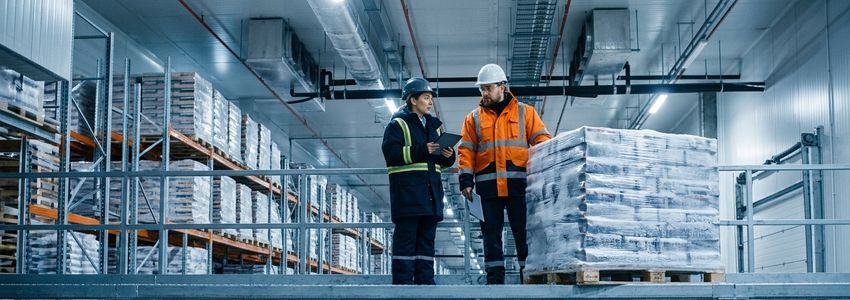
Cold storage facility financing has become one of the most important funding categories in American logistics and food distribution. As e-commerce grocery, pharmaceutical cold chain, and frozen food demand continue climbing, businesses that operate walk-in coolers, blast freezers, or full refrigerated warehouses are running out of usable space faster than ever. If your company is outgrowing its current refrigeration capacity, understanding the right financing path can mean the difference between capturing new contracts and turning away business.
This guide walks through every financing option available to business owners who need to expand cold storage capacity, from equipment loans and leases to SBA 504 financing for major construction projects. You will learn how much these expansions typically cost, how lenders evaluate cold storage projects, and how to choose the funding structure that fits your growth timeline.
In This Article
- What Is Cold Storage Facility Financing?
- Key Benefits of Financing a Cold Storage Expansion
- How Cold Storage Expansion Financing Works
- Types of Financing for Cold Storage Projects
- Comparing Your Financing Options
- Who Should Consider This Financing
- How Crestmont Capital Helps
- Real-World Scenarios
- FAQ
- Next Steps
What Is Cold Storage Facility Financing?
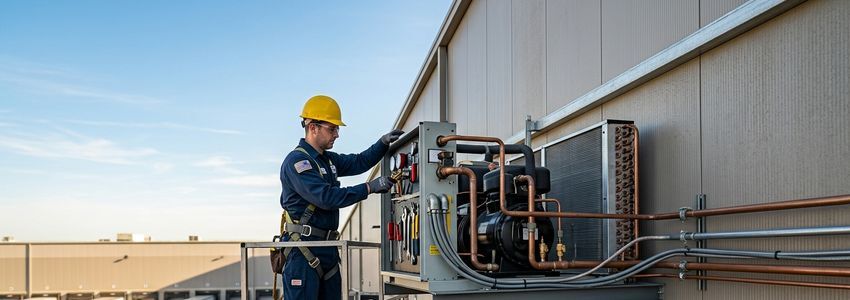
Cold storage facility financing refers to any business loan, lease, or credit line used to build, expand, or upgrade temperature-controlled storage space. That includes walk-in coolers and freezers, blast chilling rooms, refrigerated racking systems, insulated panel construction, compressor and condenser units, and the specialized electrical and monitoring systems that keep perishable inventory within regulated temperature ranges.
Unlike financing a standard dry warehouse, a cold storage facility financing project usually involves two layers of cost: the building or leasehold improvements themselves, and the refrigeration equipment that makes the space usable for perishable goods. Lenders evaluate both pieces, and the equipment often qualifies for faster, more flexible financing than the real estate component.
Key Stat: Gross refrigerated storage capacity in the United States reached approximately 113 million cubic meters in 2025, a 7.8% increase from 2023, according to industry tracking cited by the International Institute of Refrigeration. Demand for new and expanded cold storage space is outpacing the construction of new refrigerated warehouses nationwide.
Key Benefits of Financing a Cold Storage Expansion
Financing a cold storage expansion, rather than paying cash or delaying the project, gives a growing business several practical advantages:
- Preserve working capital. Cold storage build-outs and refrigeration equipment can easily run into six or seven figures. Financing spreads that cost over the useful life of the asset instead of draining cash reserves needed for payroll, inventory, and day-to-day operations.
- Capture time-sensitive contracts. Grocery, foodservice, and pharmaceutical distribution contracts often require proof of adequate cold storage capacity before a business can bid. Financing lets you build capacity ahead of demand instead of losing the contract while you save up.
- Match payments to equipment life. Refrigeration compressors, insulated panels, and racking systems typically last 10 to 20 years. Term financing structured around that lifespan keeps monthly payments manageable relative to the value the equipment generates.
- Tax treatment advantages. Many financing structures allow businesses to deduct interest and depreciation, improving the effective cost of the expansion. Speak with your accountant about how this applies to your specific situation.
- Preserve other credit lines. Using a dedicated equipment loan or SBA program for a cold storage project keeps your general business line of credit available for inventory and operating expenses.
Ready to Expand Your Cold Storage Capacity?
Get fast, flexible financing from the #1 business lender in the U.S. No obligation, apply in minutes.
Apply Now →How Cold Storage Expansion Financing Works
Most cold storage financing projects follow a similar sequence, whether you are adding a single walk-in cooler or building a new refrigerated distribution center. Here is what the process typically looks like:
Quick Guide
How Cold Storage Financing Works, at a Glance
Determine whether you are adding equipment to an existing space, building out leased square footage, or constructing new refrigerated real estate.
Obtain vendor quotes for refrigeration equipment, insulated panels, racking, and any general contractor estimates for construction work.
Equipment loans or leases fit compressors and racking, while SBA 504 or commercial real estate financing fits ground-up construction or major leasehold improvements.
Lenders typically request 2-3 years of business and personal tax returns, recent bank statements, vendor quotes, and a brief description of the project.
Once approved, funds are released to vendors or contractors, and installation begins. Equipment financing can often fund in days rather than weeks.
The underwriting process for cold storage expansion financing looks closely at the business's cash flow, time in business, and the value of the equipment or real estate being financed. Because refrigeration equipment and cold storage buildings hold resale value, lenders are often willing to extend more favorable terms than they would for a purely unsecured loan.
Types of Financing for Cold Storage Projects
There is no single "cold storage loan" product. Instead, businesses typically combine one or more of the following financing types depending on the size and nature of the project.
Equipment Financing and Leasing
Equipment financing is the most common way to fund refrigeration compressors, condensing units, walk-in cooler and freezer panels, evaporators, and racking systems. The equipment itself serves as collateral, which typically results in faster approvals and more competitive rates than unsecured financing. Leasing is also common for businesses that want to avoid a large upfront investment or that expect to upgrade equipment again within 5-7 years as technology or capacity needs change.
SBA 504 Loans
For businesses constructing new cold storage buildings or making major leasehold improvements, an SBA 504 loan can provide long-term, fixed-rate financing with terms of 10, 20, or 25 years. Because refrigerated space often qualifies as a "special-purpose property," down payment requirements can run slightly higher than for standard commercial real estate, typically 15% instead of 10%, but the long amortization schedule keeps monthly payments manageable relative to the size of the project.
SBA 7(a) Loans
SBA 7(a) loans offer more flexibility than the 504 program and can be used for a mix of equipment, working capital, and renovation costs in a single loan. This makes the 7(a) program a strong fit for businesses that are combining a modest construction project with new refrigeration equipment purchases.
Commercial Real Estate Financing
Businesses purchasing an existing building to convert into cold storage, or acquiring a facility that already has refrigeration infrastructure, often use conventional commercial real estate financing. This route can move faster than SBA financing for well-qualified borrowers, though terms are typically shorter and rates may run somewhat higher.
Business Lines of Credit and Working Capital Loans
Smaller cold storage upgrades, such as adding a single walk-in cooler or replacing a compressor, are sometimes financed through a business line of credit or working capital loan rather than a dedicated equipment product. This approach works best when the project cost is modest and the business wants maximum flexibility in repayment.
Comparing Your Financing Options
| Financing Type | Best For | Typical Term | Speed to Fund |
|---|---|---|---|
| Equipment Financing/Leasing | Compressors, panels, racking, blast freezers | 2-7 years | Days to 1-2 weeks |
| SBA 504 Loan | New construction, major build-outs | 10-25 years | 45-90 days |
| SBA 7(a) Loan | Mixed equipment + renovation + working capital | Up to 25 years (real estate) | 30-60 days |
| Commercial Real Estate Financing | Purchasing an existing facility | 5-25 years | 3-6 weeks |
| Business Line of Credit | Small upgrades, urgent repairs | Revolving | 1-3 days |
Who Should Consider This Financing
Cold storage facility financing is a strong fit for a wide range of businesses, including:
- Food and beverage distributors adding frozen or refrigerated capacity to serve new grocery or foodservice accounts
- Third-party logistics (3PL) providers building temperature-controlled space to win e-commerce grocery and meal-kit contracts
- Manufacturers and processors in meat, dairy, seafood, or produce who need in-house cold storage rather than relying on third-party warehousing
- Pharmaceutical and biologics distributors requiring validated, temperature-controlled storage for regulated products
- Restaurant groups and commercial kitchens scaling central commissary or catering operations that require larger walk-in capacity
- Existing warehouse operators converting a section of dry storage into refrigerated space to diversify revenue
Key Stat: The Forbes analysis on the future of warehousing highlights automation and cold chain investment as two of the defining trends reshaping how businesses plan capacity for the coming decade, with early adopters gaining a real competitive edge over slower-moving competitors.
How Crestmont Capital Helps
Crestmont Capital works with business owners across the country to structure financing for refrigeration equipment, warehouse expansions, and commercial real estate purchases. Our equipment financing programs are built for exactly this kind of project, covering compressors, condensing units, insulated panel systems, and racking with terms designed around the equipment's useful life.
For businesses tackling a larger project that combines construction, real estate, and equipment, our team can help evaluate whether an SBA loan or a commercial real estate financing package makes more sense for your timeline and budget. We have also helped businesses use a business line of credit to handle smaller refrigeration upgrades that need to move quickly.
If your cold storage expansion is part of a larger warehouse growth plan, our blog post on financing warehouse expansion covers additional strategies for scaling your facility without disrupting daily operations. And if refrigeration equipment specifically is your main cost driver, our refrigeration equipment financing guide breaks down equipment-specific loan and lease structures in more detail.
Don't Let Limited Cold Storage Cost You Contracts
Talk to our team about the right financing structure for your refrigeration expansion, whether it's equipment, construction, or both.
Apply Now →Real-World Scenarios
Scenario 1: The Regional Food Distributor
A regional food distributor operating a 40,000 square foot dry warehouse won a new contract with a grocery chain that required 12,000 square feet of dedicated frozen storage. The company used equipment financing to purchase blast freezer units, insulated panels, and racking, converting a section of the existing building within 10 weeks and meeting the customer's onboarding deadline.
Scenario 2: The 3PL Expanding for E-Commerce Grocery
A third-party logistics provider serving online grocery clients needed to add a second refrigerated dock and expand cooler capacity by 60%. The company combined an SBA 504 loan for the building expansion with an equipment lease for new compressors and racking, spreading the total project cost over a 20-year term that matched the building's useful life.
Scenario 3: The Seafood Processor
A seafood processing company was renting third-party cold storage at a growing monthly cost. Financing the construction of an in-house refrigerated facility through a mix of SBA 7(a) financing and equipment leasing allowed the company to eliminate rental fees within three years while gaining full control over inventory handling and quality standards.
Scenario 4: The Restaurant Group's Central Commissary
A restaurant group with six locations built a central commissary kitchen to centralize food prep and reduce costs. Cold storage was the single largest expense in the project. The group used equipment financing for walk-in coolers and freezers, preserving cash for kitchen equipment and staffing during the buildout.
Scenario 5: The Pharmaceutical Distributor
A pharmaceutical distribution company needed to add validated, temperature-monitored storage to meet a new client's compliance requirements. Because the equipment included specialized monitoring and backup power systems, the company used equipment financing that bundled the refrigeration units with a backup generator, ensuring uninterrupted temperature control.
Frequently Asked Questions
What is cold storage facility financing?
Cold storage facility financing is any loan, lease, or credit line used to build, expand, or upgrade temperature-controlled storage space, including refrigeration equipment, insulated construction, and related electrical and monitoring systems.
How much does it cost to expand cold storage capacity?
Costs vary widely based on square footage and scope. A single walk-in cooler or freezer conversion can range from $30,000 to $150,000, while a full refrigerated warehouse build-out or expansion can run into the millions depending on size, insulation standards, and equipment specifications.
What credit score is needed to qualify for cold storage equipment financing?
Many equipment lenders work with personal credit scores of 600 or higher, though stronger credit typically unlocks better rates and terms. Because refrigeration equipment holds resale value, some lenders offer more flexibility than they would for unsecured financing.
Can I use an SBA loan to finance a cold storage facility?
Yes. SBA 504 loans are commonly used for cold storage construction and major renovation projects, offering long-term, fixed-rate financing. SBA 7(a) loans provide more flexibility for a mix of equipment, working capital, and renovation costs in a single loan.
Why do cold storage properties require a higher SBA 504 down payment?
Cold storage facilities where more than 50% of the total square footage is equipped for refrigeration are classified as special-purpose properties under SBA guidelines. These properties typically require a 15% down payment instead of the standard 10%, due to their specialized use and resale considerations.
Should I lease or buy refrigeration equipment for a cold storage expansion?
Leasing often makes sense if you expect to upgrade equipment within 5-7 years or want to minimize upfront cash outlay. Purchasing through an equipment loan makes sense if you plan to use the equipment for its full useful life and want to build equity in the asset.
How fast can I get funding for a cold storage equipment purchase?
Equipment financing can often be approved and funded within a matter of days once documentation is submitted, making it a strong option when a contract deadline or seasonal demand spike requires fast capacity expansion.
What documents do I need to apply for cold storage financing?
Most lenders request 2-3 years of business and personal tax returns, recent bank statements, a vendor quote or construction estimate, and a brief project description. Larger SBA or real estate transactions may also require a business plan and financial projections.
Can I finance both construction and equipment in one loan?
SBA 7(a) loans are often used to combine renovation, equipment, and working capital needs into a single loan. Alternatively, many businesses use two complementary products, such as an SBA 504 loan for construction paired with an equipment lease for refrigeration systems.
What businesses typically need cold storage expansion financing?
Food and beverage distributors, third-party logistics providers, manufacturers and processors, pharmaceutical distributors, restaurant groups, and warehouse operators diversifying into refrigerated storage all commonly seek this type of financing.
How does a business line of credit fit into cold storage financing?
A business line of credit is useful for smaller, faster refrigeration upgrades, such as replacing a single compressor or adding a modest cooler, where the flexibility of revolving credit outweighs the need for a dedicated long-term loan structure.
Does financing cover backup power systems for cold storage?
Yes. Backup generators and uninterruptible power systems are often bundled into equipment financing packages for cold storage projects, since maintaining temperature control during a power outage is critical to protecting perishable inventory.
How long do refrigeration equipment loans typically run?
Equipment loan terms for cold storage systems typically run 2 to 7 years, while SBA 504 financing for real estate and major fixed equipment can extend to 10, 20, or 25 years depending on the useful life of the assets involved.
What is the difference between cold storage financing and general warehouse financing?
General warehouse financing typically covers dry storage construction and racking, while cold storage financing adds the cost and complexity of refrigeration equipment, insulated construction, and temperature monitoring systems, which usually requires a combination of real estate and equipment financing products.
How do I get started with cold storage expansion financing?
Start by getting vendor quotes for the equipment or construction involved, then speak with a lender who can match your project to the right financing structure. Most applications can be completed online in minutes with basic business and financial documentation.
Growing Demand Should Never Outpace Your Capacity
Get a fast decision on financing for your refrigeration equipment, cold storage build-out, or full facility expansion.
Apply Now →Next Steps
Decide whether you need equipment only, a leasehold build-out, or new construction, and gather vendor or contractor quotes.
Pull together recent tax returns and bank statements so you can move quickly once you find the right financing fit.
Compare equipment financing, SBA options, and real estate financing to find the structure that fits your timeline and budget.
Submit your application and start converting or building your cold storage capacity before demand outpaces your space.
Conclusion
Cold storage facility financing gives growing businesses a practical way to expand refrigeration capacity without draining working capital or delaying growth. Whether you need a single new walk-in cooler, a full facility conversion, or ground-up construction of a refrigerated warehouse, matching the right financing product to your project scope keeps monthly payments manageable and lets you say yes to new contracts instead of turning them away. As cold chain demand continues to grow across food, grocery, and pharmaceutical distribution, businesses that plan their capacity financing ahead of time will be the ones best positioned to win new business.
Disclaimer: The information provided in this article is for general educational purposes only and is not financial, legal, or tax advice. Funding terms, qualifications, and product availability may vary and are subject to change without notice. Crestmont Capital does not guarantee approval, rates, or specific outcomes. For personalized information about your business funding options, contact our team directly.