Few brands in the world trigger the kind of immediate, Pavlovian response that Cinnabon does. The moment shoppers catch that warm, buttery, cinnamon-sugar scent drifting through a mall corridor, they're already reaching for their wallets. That brand power is exactly why thousands of entrepreneurs look into the Cinnabon franchise every year - and why securing the right Cinnabon franchise loan is one of the most important decisions you'll make on the road to ownership.
Cinnabon operates more than 1,200 bakeries across 56 countries, making it one of the most recognizable dessert and bakery franchise concepts in the world. But like all franchise investments, turning that dream into a reality requires serious capital. This guide walks you through everything you need to know about Cinnabon franchise financing - from startup costs and SBA loans to equipment financing, working capital lines, and how to choose the lender that's right for your situation.
In This Article
- Cinnabon Franchise Overview
- Cinnabon Franchise Startup Costs Breakdown
- Cinnabon Franchise Loan Options
- SBA Loans for Cinnabon Franchises
- Equipment Financing for Your Bakery
- Working Capital and Lines of Credit
- How to Qualify for a Franchise Loan
- The Application Process Step by Step
- Tips to Strengthen Your Loan Application
- Franchise Financing at a Glance
- Frequently Asked Questions
- Next Steps
Cinnabon Franchise Overview
Founded in 1985 in Seattle, Washington, Cinnabon built its reputation on one iconic product - the Classic Roll - made with signature Makara cinnamon sourced from the Indonesian Spice Islands. Today the brand has expanded its menu to include MiniBon rolls, CinnaPacks, Caramel Pecanbon rolls, cold brew beverages, and licensed products sold in grocery stores and convenience outlets worldwide.
Cinnabon is owned by Focus Brands, the same parent company behind Jamba Juice, Auntie Anne's, Carvel, and Moe's Southwest Grill. This corporate backing provides franchisees with sophisticated supply chain infrastructure, national marketing support, and an established operational playbook that lowers many of the risks associated with starting a food service business from scratch.
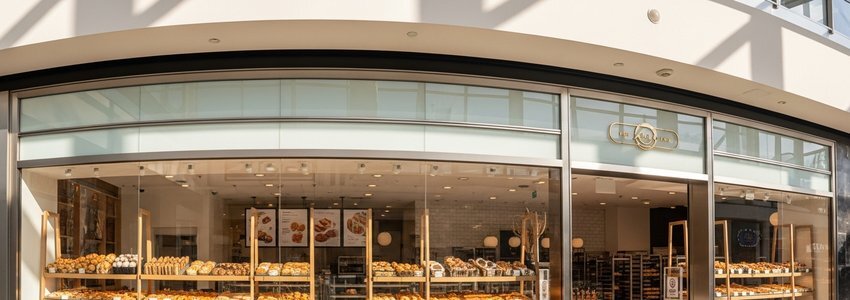
Most Cinnabon bakeries are located in non-traditional venues - airports, shopping malls, travel plazas, military bases, and entertainment venues - rather than traditional street-front retail locations. This positioning creates both unique advantages (captive foot traffic, reduced direct competition) and specific considerations for financing, since leaseholders in these venues often require larger security deposits and longer-term commitments.
According to data from the International Franchise Association, the food service franchise segment generates more than $250 billion in annual economic output in the United States alone. Bakery and snack-focused concepts like Cinnabon have benefited from growing consumer demand for indulgent treats and experiential dining, positioning the brand well for continued growth.
Key Takeaway
Cinnabon's placement in high-traffic, captive venues like airports and malls means franchisees benefit from predictable foot traffic - but also need to plan for premium leasehold improvements and deposits that increase total startup costs.
Cinnabon Franchise Startup Costs Breakdown
Before you can structure a Cinnabon franchise loan, you need a clear picture of what you're financing. Cinnabon's Franchise Disclosure Document (FDD) outlines the expected initial investment range, which varies depending on location type, local market conditions, and the specific bakery format you choose.
Here is a general breakdown of what prospective Cinnabon franchisees can expect to invest:
- Initial Franchise Fee: $30,000 - $42,500 (non-refundable, paid to Cinnabon/Focus Brands)
- Leasehold Improvements and Construction: $100,000 - $350,000 (varies significantly by location)
- Equipment and Fixtures: $80,000 - $150,000 (commercial ovens, refrigeration, display cases, POS systems)
- Signage: $5,000 - $25,000
- Initial Inventory: $5,000 - $15,000
- Training Expenses: $3,000 - $10,000
- Working Capital (3 months): $30,000 - $60,000
- Miscellaneous Opening Costs: $10,000 - $30,000
Total Estimated Initial Investment: $263,000 - $682,500
This range reflects the diversity of Cinnabon's location types. A bakery inside a regional mall will have very different construction and build-out costs than one in an international airport. Franchisees should always consult the most current FDD and work with a franchise attorney before making any financial commitments.
Cinnabon also collects ongoing royalties of approximately 6% of gross sales plus a marketing fund contribution (typically 1-2% of gross sales), which should be factored into your long-term financial projections when evaluating loan affordability.
Pro Tip: Liquidity Requirements
Cinnabon typically requires prospective franchisees to demonstrate a net worth of at least $250,000 and liquid assets of at least $100,000. These thresholds ensure you have sufficient financial stability to weather the early months of operation while loan payments begin.
Ready to Finance Your Cinnabon Franchise?
Crestmont Capital specializes in franchise financing. Get pre-qualified today with no obligation.
Apply Now - Free ConsultationCinnabon Franchise Loan Options
Most Cinnabon franchisees don't pay for their bakery out of pocket. The typical franchise investor finances 60-80% of the total startup cost through a combination of debt instruments - and understanding your options is critical to choosing the right structure for your situation.
Here are the primary franchise loan types available to Cinnabon investors:
1. SBA 7(a) Loans
The most popular financing tool for franchise acquisitions in the United States. The SBA 7(a) program allows borrowers to access up to $5 million in funding with government-backed guarantees that reduce lender risk and lower interest rates for borrowers. Repayment terms for franchise acquisitions typically run 10 years, with rates currently hovering in the 6-8% range depending on the borrower profile.
2. SBA 504 Loans
Best suited for franchisees who are purchasing real estate or making major fixed asset investments. The 504 program provides long-term, fixed-rate financing for major assets at below-market rates. It's less commonly used for Cinnabon (since most locations are leased), but can be valuable if you're purchasing the building housing your bakery.
3. Conventional Business Loans
Banks and credit unions offer conventional term loans without SBA backing. These can be faster to close than SBA loans but typically require stronger collateral, higher credit scores (720+), and may carry stricter terms. Best for well-capitalized borrowers who want speed.
4. Equipment Financing
A dedicated equipment loan or lease lets you finance commercial ovens, refrigeration units, display cases, and POS systems separately - often at lower rates since the equipment itself serves as collateral. This can meaningfully reduce the size of your primary business loan.
5. Business Lines of Credit
After opening, a revolving line of credit gives you flexible access to cash for inventory, payroll, seasonal fluctuations, and unexpected expenses. Many franchisees establish a line simultaneously with their launch loan.
6. Franchisor Financing Programs
Focus Brands and Cinnabon have periodically offered in-house financing assistance or preferred lender relationships. Check the current FDD and speak directly with your Cinnabon franchise development representative for the most up-to-date information on any available financing support.
7. ROBS (Rollover for Business Startups)
Entrepreneurs with substantial 401(k) or IRA balances can use a ROBS arrangement to invest retirement funds in their franchise without early withdrawal penalties or taxes. This is a sophisticated strategy that requires specialized legal and tax guidance - not suitable for everyone, but powerful for the right candidate.
SBA Loans for Cinnabon Franchises
If you're planning to finance a Cinnabon franchise, the SBA 7(a) loan program should be your starting point. The U.S. Small Business Administration doesn't lend money directly - instead, it guarantees a portion of the loan (typically 75-85%), which dramatically reduces risk for participating lenders and results in more favorable terms for borrowers.
The SBA maintains a registry of franchise concepts that have been evaluated and approved for SBA financing - known as the SBA Franchise Directory. Cinnabon and other Focus Brands concepts are listed on this directory, which significantly streamlines the loan approval process. Lenders can confirm franchise eligibility quickly, reducing your time to close.
SBA 7(a) Loan Highlights for Franchise Financing:
- Loan amounts up to $5 million
- Terms of 7-10 years for working capital and business acquisition loans
- Up to 25 years for real estate loans
- Competitive interest rates (Prime + 2.25% to Prime + 4.75% as of 2024)
- Lower down payment requirements (as low as 10% for SBA-approved franchises)
- No balloon payments
According to the SBA's own data on small business lending (sba.gov/funding-programs/loans), the 7(a) program approved over 57,000 loans totaling more than $27 billion in fiscal year 2023, making it the most active small business lending program in the country.
The main trade-off with SBA loans is time. From application to funding, the SBA 7(a) process typically takes 60-90 days. This is why many experienced franchise buyers begin the financing process 3-4 months before their target launch date.
Important: SBA Eligibility Requirements
To qualify for an SBA franchise loan, you must: be a for-profit business, operate within the U.S., meet SBA size standards for your industry, demonstrate a reasonable ability to repay, and show that you've invested equity in the business. Strong personal credit (680+) and prior business or management experience also significantly improve approval odds.
Equipment Financing for Your Bakery
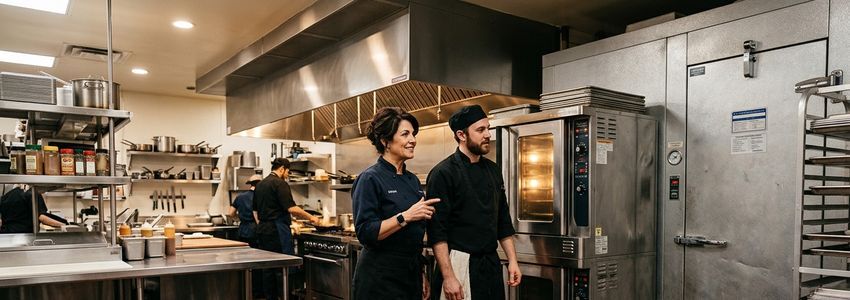
Commercial bakery equipment is one of the largest line items in any Cinnabon startup budget. The specialized ovens, proofing cabinets, refrigerated display cases, and commercial-grade kitchen equipment required by the brand aren't cheap - and financing them separately from your primary loan can offer real advantages.
Equipment financing works by using the equipment itself as collateral for the loan. Because lenders have a tangible, recoverable asset securing the debt, they can often offer lower rates and more flexible qualification requirements than unsecured business loans. This makes equipment financing accessible even for newer franchisees with limited business credit history.
Key benefits of equipment financing for Cinnabon franchisees:
- Preserve cash flow: Spread the cost of $80,000-$150,000 in equipment over 3-7 years instead of paying upfront
- Tax advantages: Under Section 179 of the IRS tax code, qualifying equipment purchases may be fully deducted in the year of purchase rather than depreciated over time
- Faster approvals: Equipment loans often close in days rather than weeks
- Flexible end-of-term options: Choose to own the equipment outright, return it, or upgrade to newer models
Equipment leasing is also an option - particularly useful if you expect technology-driven equipment updates (POS systems, digital menu boards) to be ongoing. Leasing keeps monthly payments lower and makes it easier to upgrade on a scheduled cycle.
Working Capital and Lines of Credit
Opening a Cinnabon bakery is one thing - surviving the first 6-12 months while building a customer base and generating consistent revenue is another. Working capital loans and business lines of credit are the safety nets that keep successful franchisees operating smoothly during this critical period.
Working Capital Loan - A lump-sum loan used to cover operational expenses: payroll, rent, utilities, inventory, and marketing during the ramp-up phase. These are typically short-to-medium term loans (12-36 months) with fixed monthly payments.
Business Line of Credit - A revolving credit facility that allows you to draw funds as needed, repay them, and draw again. This is ideal for managing cash flow gaps, handling seasonal traffic fluctuations (shopping mall bakeries see significant holiday spikes), and funding unexpected expenses without disrupting your primary business loan.
Many experienced franchise operators recommend securing both instruments at launch - the term loan provides a defined cushion for the first year, while the revolving line of credit gives you ongoing flexibility beyond that. According to a Forbes analysis of franchise success factors, undercapitalization is one of the leading causes of franchise failure in the first two years - making adequate working capital planning a non-negotiable step.
Explore Your Working Capital Options
Crestmont Capital offers fast working capital loans and lines of credit for franchise owners at every stage.
Get Funded FastHow to Qualify for a Franchise Loan
Understanding what lenders look for when evaluating a Cinnabon franchise loan application is essential for getting approved - and for securing the best possible rates and terms. Here's what most lenders will assess:
Personal Credit Score
Your personal FICO score is one of the most important variables in any business loan decision, especially for a new franchise where no business credit history exists yet. For SBA loans, most lenders look for a minimum score of 680. Scores above 720 dramatically improve your rate and approval odds. If your score needs work, take 6-12 months to pay down credit card balances and resolve any derogatory marks before applying.
Liquid Assets and Net Worth
Lenders want to see that you have skin in the game. For a Cinnabon franchise loan, expect to put down 10-30% of total project cost. Additionally, maintaining sufficient liquid reserves (cash in checking/savings/investment accounts) beyond the down payment demonstrates that you won't default the moment a challenging month hits.
Business Experience and Management Background
Lenders and the SBA favor applicants with prior food service, retail, or business management experience. You don't need to have operated a bakery before, but being able to demonstrate that you understand how to run a team, manage inventory, and read a P&L statement significantly strengthens your application.
Collateral
For larger loans, lenders may require collateral beyond the business assets - this could include equity in personal real estate or other significant assets. SBA loans require borrowers to pledge available collateral but do not decline loans solely due to insufficient collateral.
Cash Flow Projections
A detailed business plan with realistic revenue projections is not just a formality - it's a critical underwriting tool. Your projections should be based on Cinnabon's own Item 19 financial performance representations (if provided in the FDD), comparable location data, and conservative assumptions about your ramp-up timeline.
The Application Process Step by Step
Here's what to expect when applying for a Cinnabon franchise loan through Crestmont Capital or another lender:
- Initial Consultation: Discuss your project, goals, and financial situation with a loan advisor. This helps identify the best loan products for your needs and flags any issues to address before formal application.
- Documentation Gathering: You'll need 2-3 years of personal tax returns, 3-6 months of bank statements, a personal financial statement, your Cinnabon FDD and franchise agreement, a business plan with financial projections, and a cost breakdown for the build-out.
- Formal Application: Submit your complete application package to the lender. For SBA loans, the lender packages your application and submits it to the SBA for guarantee approval.
- Underwriting and Review: The lender reviews all documents, orders any needed appraisals or inspections, and may request additional information. This phase can take 2-6 weeks depending on loan type.
- Approval and Commitment Letter: Upon approval, you'll receive a commitment letter outlining the terms of your loan. Review this carefully with your attorney before accepting.
- Closing: Sign the final loan documents. For real estate-secured loans, this happens at a formal closing. For business-only loans, closing can often be handled remotely.
- Funding: Funds are disbursed according to the draw schedule - often in stages tied to construction milestones for build-out loans.
Tips to Strengthen Your Loan Application
Competition for quality SBA loans is real. Here are proven strategies for making your Cinnabon franchise loan application as compelling as possible:
- Get pre-qualified early: Don't wait until you've signed a lease to start the financing process. Pre-qualification gives you a realistic budget and shows the franchisor you're a serious buyer.
- Work with a franchise-savvy lender: Not all lenders understand the franchise model. Choose a lender with documented experience in franchise financing - they'll navigate the process faster and with fewer headaches.
- Clean up your credit: Check your credit reports from all three bureaus for errors at least 90 days before applying. Dispute inaccuracies and pay down revolving balances.
- Document your industry experience: Create a detailed resume highlighting any management, food service, retail, or entrepreneurial experience. Even transferable skills from other industries can support your application.
- Build a strong business plan: Your business plan should include an executive summary, market analysis, concept overview, management team profiles, and at minimum 3-year financial projections (income statement, cash flow statement, balance sheet).
- Consider a smaller co-borrower equity injection: Putting in more equity than the minimum requirement signals commitment and lowers lender risk - which can translate directly into better interest rates.
You may also want to explore how other successful franchise operators have structured their financing. For example, our guides on Krispy Kreme franchise loans and Culver's franchise financing provide useful benchmarks from comparable bakery and QSR concepts.
Franchise Financing at a Glance
Cinnabon Franchise Financing: Key Stats
$263K
Minimum Estimated Investment
$5M
Max SBA 7(a) Loan Amount
1,200+
Cinnabon Locations Worldwide
56
Countries with Cinnabon Bakeries
6%
Ongoing Royalty Rate
680+
Recommended Credit Score
Sources: Cinnabon FDD, SBA.gov, Crestmont Capital research
Comparing Cinnabon to Other Bakery Franchise Investments
Context matters when evaluating whether a Cinnabon franchise loan makes sense for your portfolio. How does the investment stack up against comparable bakery and dessert franchise concepts?
Cinnabon sits in an interesting middle ground - more affordable than full-service bakery concepts but more capital-intensive than simple kiosk-model dessert brands. Its location strategy (high-traffic captive venues) creates a built-in revenue advantage that justifies the higher build-out costs for many investors.
When comparing Cinnabon to Krispy Kreme, for example, the financing requirements are broadly similar, but Cinnabon's mall/airport positioning creates a distinctly different operational and financial profile. If you're evaluating both, our Krispy Kreme franchise loan guide provides a useful parallel comparison.
Franchise concepts from Dutch Bros to larger QSR operators all share one thing in common: the importance of having the right lender in your corner. Explore our Dutch Bros franchise financing guide for additional perspective on how lenders evaluate franchise-backed loan applications.
Commercial Financing Options for Multi-Unit Operators
If your ambitions extend beyond a single Cinnabon bakery - and for many franchisees they do - commercial financing solutions can provide the capital needed to scale your portfolio efficiently.
Multi-unit franchise operators often use portfolio lending, where multiple locations serve as cross-collateral for a single larger loan facility. This approach reduces administrative overhead and often results in more favorable blended rates compared to financing each location individually.
Larger operators also frequently use commercial real estate loans (when owning the property housing a bakery is possible), mezzanine financing, and private equity partnerships to fund aggressive expansion. While these tools are more complex than startup loans, they're important to understand as you model out the long-term financial trajectory of a multi-unit Cinnabon franchise operation.
According to CNBC's coverage of the franchise industry, multi-unit operators now represent the majority of franchised locations in the U.S. - meaning that thinking like a portfolio investor from day one can pay significant dividends over time.
Did You Know?
The U.S. Census Bureau reports that food service businesses backed by established franchise brands have significantly higher 5-year survival rates than independent restaurants. Brand recognition, operational systems, and franchisor support create a measurable competitive advantage - and lenders know it.
Frequently Asked Questions
How much does a Cinnabon franchise cost to open?
What is the franchise fee for Cinnabon?
Can I get an SBA loan for a Cinnabon franchise?
What credit score do I need for a Cinnabon franchise loan?
How long does it take to get approved for a franchise loan?
Do I need to put money down for a Cinnabon franchise loan?
What documents do I need to apply for a Cinnabon franchise loan?
Can I use equipment financing separately for my Cinnabon bakery?
Does Cinnabon offer in-house financing to franchisees?
Is a Cinnabon franchise a profitable investment?
What is the net worth requirement for a Cinnabon franchise?
Can I use a business line of credit to manage cash flow after opening?
How many Cinnabon franchise locations are there?
What are the ongoing fees for a Cinnabon franchise?
How do I start the process of getting a Cinnabon franchise loan?
Next Steps
Your Cinnabon Franchise Financing Roadmap
Request the Cinnabon FDD
Contact Focus Brands franchise development to receive the current Franchise Disclosure Document. Review it carefully with a franchise attorney before proceeding.
Check Your Credit and Financial Position
Pull your credit reports, calculate your net worth and liquid assets, and identify any financial issues to address before applying for financing.
Consult with a Franchise Lender
Connect with Crestmont Capital for a free franchise financing consultation. Understand your loan options, estimated terms, and what documentation to prepare.
Build Your Business Plan
Create a comprehensive business plan with financial projections. Use Cinnabon's FDD Item 19 data and comparable location information to build realistic revenue and expense models.
Submit Your Loan Application
Submit a complete, well-documented loan application. Respond promptly to any lender requests for additional information to keep the process moving efficiently.
Close Your Loan and Open Your Bakery
Once approved, work with your attorney to review and sign loan documents. Coordinate with Cinnabon's construction and training teams to hit your target opening date.
Start Your Cinnabon Franchise Financing Today
Crestmont Capital's franchise lending specialists are ready to help you structure the right financing package for your Cinnabon investment. Apply now with no obligation.
Apply NowDisclaimer: The information provided in this article is for general educational purposes only and is not financial, legal, or tax advice. Funding terms, qualifications, and product availability may vary and are subject to change without notice. Crestmont Capital does not guarantee approval, rates, or specific outcomes. For personalized information about your business funding options, contact our team directly.

Allan Garfinkle
Allan Garfinkle is the Chief Revenue Officer at Crestmont Capital, where he has spent more than a decade leading revenue strategy, business development, and operational growth. With 28 years of experience building and advising startups and small businesses, Allan has helped more than 10,000 business owners navigate financing decisions, growth opportunities, and changing economic conditions. He earned a Bachelor of Science in Economics and an MBA with a concentration in Finance from Northeastern University, as well as a Juris Doctor from New England Law, where his studies focused on contracts and business law. His writing draws on extensive practical experience in small-business lending, equipment financing, business credit, and commercial finance.