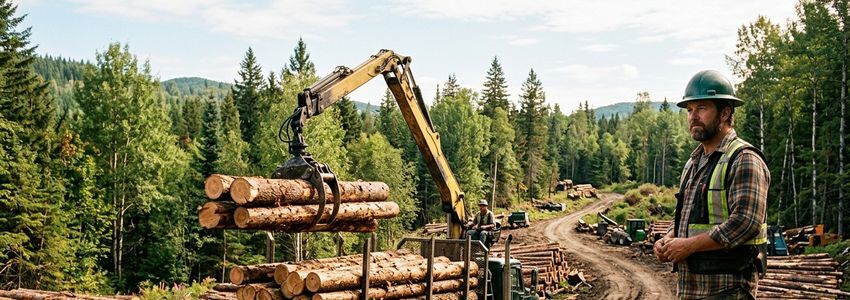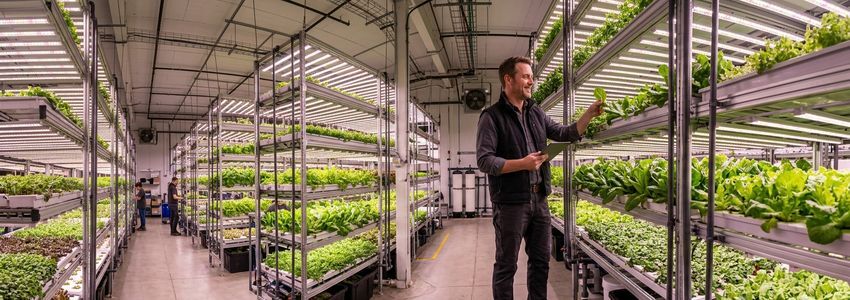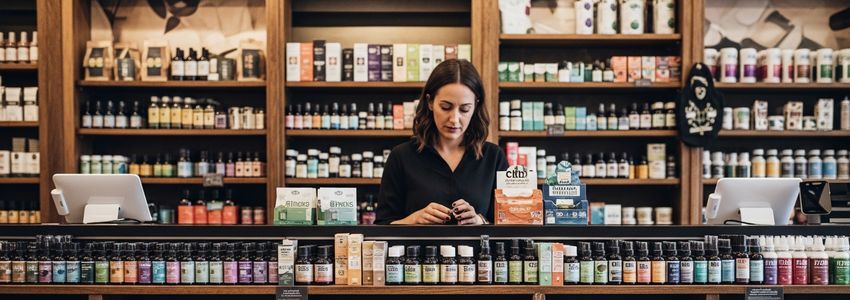
The CBD industry has exploded into a multi-billion-dollar market, with retailers, brands, and manufacturers racing to capture a piece of the growing consumer demand for hemp-derived products. But there is one obstacle that trips up even the most promising CBD entrepreneurs: getting a business loan. Banks and traditional lenders have historically treated CBD companies as high-risk borrowers, leaving many owners scrambling for funding they need to grow.
The good news is that the financing landscape has shifted significantly. Alternative lenders and specialized financing programs now cater specifically to CBD businesses, offering working capital, equipment financing, and lines of credit to operators who meet straightforward requirements. Whether you run a CBD retail shop, an online CBD brand, a white-label manufacturer, or a hemp farm supplying raw material, there are real funding options available to you in 2026.
This guide covers everything you need to know about CBD business loans: how they work, where to find them, what lenders look for, and how to maximize your chances of approval.
In This Article
- The CBD Industry in 2026: Opportunity and Challenges
- Why CBD Businesses Struggle to Get Traditional Bank Loans
- Types of CBD Business Loans and Financing Options
- How to Qualify for a CBD Business Loan
- What Can You Use CBD Business Loan Funds For?
- CBD Business Loan Amounts and Interest Rates
- How to Apply: Step-by-Step Process
- Tips to Improve Your Approval Odds
- CBD Financing At a Glance: Infographic
- Frequently Asked Questions
- Next Steps
Ready to Grow Your Business?
Get fast, flexible financing from the #1 business lender in the U.S. No obligation - apply in minutes.
Apply Now ->The CBD Industry in 2026: Opportunity and Challenges
The cannabidiol (CBD) market in the United States has matured significantly since the 2018 Farm Bill federally legalized hemp cultivation and hemp-derived products. According to Forbes, the CBD industry was projected to reach over $16 billion in annual sales by the mid-2020s, driven by consumer demand for wellness products, pain relief alternatives, and natural supplements.
CBD products now appear on shelves in pharmacies, grocery stores, specialty wellness shops, and online marketplaces. Entrepreneurs are launching everything from CBD tinctures and gummies to topicals, pet treats, and infused beverages. Despite the growth, CBD business owners face a unique set of challenges that continue to make traditional financing difficult:
- Regulatory gray areas: While hemp-derived CBD is federally legal, the FDA has not approved CBD as a food additive or dietary supplement, creating uncertainty for some institutional lenders.
- State-by-state variation: Some states maintain stricter rules around CBD sales and marketing, which adds compliance complexity that concerns conservative banks.
- High-risk classification: Many banks and payment processors still classify CBD businesses as high-risk, limiting access to loans, merchant accounts, and credit lines.
- Inventory-heavy model: CBD retailers often need significant upfront capital to stock product, invest in lab testing, and build out retail or fulfillment infrastructure.
Despite these hurdles, alternative lenders have stepped in to fill the gap. Businesses with solid revenue history, good credit, and clean compliance records can access meaningful capital to fuel growth.
Why CBD Businesses Struggle to Get Traditional Bank Loans
If you have walked into a bank and been turned down for a CBD business loan, you are not alone. Traditional banks - especially large national banks - are often reluctant to lend to cannabis-adjacent businesses. Here is why:
1. Federal Banking Regulations
Even though hemp-derived CBD is legal under the 2018 Farm Bill, many federally chartered banks apply overly cautious interpretations of the Bank Secrecy Act and anti-money-laundering regulations. Some compliance departments lump hemp CBD in with marijuana, even though they are legally distinct.
2. Reputation Risk
Large banks worry about reputational exposure. Lending to CBD companies can attract scrutiny from regulators, shareholders, and the press - especially if a future regulatory shift changes the legal status of CBD products.
3. Lack of Track Record
The CBD industry as we know it is still relatively young. Underwriters who rely on decades of industry-specific lending data have limited historical benchmarks for CBD companies, making risk assessment harder.
4. SBA Limitations
The Small Business Administration offers powerful loan programs through its SBA loan network, but SBA rules prohibit loans to businesses primarily involved in growing, processing, or distributing marijuana or cannabis. Hemp-derived CBD occupies a nuanced position, and many SBA lenders decline CBD applications out of an abundance of caution.
The practical result is that traditional bank financing is rarely accessible for CBD businesses, which is why the majority of successful CBD operators turn to alternative lenders and specialized financing platforms.
Important Note on Industry Classification
Hemp-derived CBD products (from plants with less than 0.3% THC) are federally legal under the 2018 Farm Bill. However, lenders vary widely in how they classify CBD businesses. Always be transparent with lenders about your exact product line - hemp CBD, marijuana CBD, or cannabis-adjacent products - since each carries different risk profiles and legal standing.
Types of CBD Business Loans and Financing Options
Even if traditional banks are not an option, CBD business owners have access to a meaningful range of financing products through alternative lenders and online platforms.
1. CBD Business Term Loans
A term loan gives you a lump sum of capital that you repay over a fixed period - typically 3 to 36 months for short-term loans, or up to 5 years for longer-term products. This is ideal for large one-time investments like store buildout, equipment purchases, or launching a new product line.
At Crestmont Capital, CBD business owners can access term loans based on their revenue performance and business history - not just a credit score or collateral.
2. Business Lines of Credit
A business line of credit gives you revolving access to a pool of capital that you draw from as needed and repay over time. This is perfect for CBD businesses that face seasonal cash flow swings, need to buy inventory in bulk before peak periods, or have unpredictable operating expenses.
3. Equipment Financing
CBD manufacturers, extraction labs, and processors often need expensive equipment: CO2 extractors, distillation units, packaging machines, lab testing equipment, and refrigeration systems. Equipment financing lets you spread those costs over the life of the equipment, preserving working capital for other needs.
4. Merchant Cash Advances (MCAs)
A merchant cash advance is not technically a loan - it is an advance against your future sales revenue, repaid through a percentage of daily card sales. MCAs are fast to obtain (sometimes same-day) and do not require traditional underwriting, making them accessible for CBD retailers with strong card sales. However, MCAs carry higher costs than term loans and should be used for short-term needs only.
5. Invoice Financing
If your CBD business sells to wholesalers, distributors, or retailers on net-30 or net-60 terms, invoice financing lets you access cash against unpaid invoices rather than waiting 30 to 60 days for payment. This is especially helpful for CBD brands that supply larger chains.
6. Working Capital Loans
Working capital loans are designed to cover day-to-day business expenses: payroll, rent, utilities, marketing, and inventory restocking. These are typically short-term products with fast funding timelines, making them ideal for CBD businesses that need cash quickly.
7. Same-Day Business Loans
For urgent funding needs, same-day business loans provide rapid capital to cover unexpected costs - a key piece of equipment failing, a large order opportunity, or bridge funding while waiting on another transaction to close.
Need Financing for Your CBD Business?
Crestmont Capital works with CBD business owners to find the right funding solution. Apply in minutes and get a decision fast.
Apply Now ->How to Qualify for a CBD Business Loan
Because most CBD business financing comes through alternative lenders rather than traditional banks, the qualification criteria tend to be more flexible and revenue-focused. Here is what most alternative lenders evaluate:
Time in Business
Most alternative lenders require at least 6 months to 1 year of operating history. If your CBD business is brand new, your options will be more limited - though some startup-friendly lenders exist. Established businesses with 2 or more years of history get access to the broadest range of loan products and the most competitive rates.
Monthly Revenue
Revenue is the single most important qualifier for most alternative CBD business loans. Lenders typically want to see consistent monthly revenue - often a minimum of $10,000 to $15,000 per month depending on the loan size. They will review your bank statements to verify actual cash flow, not just your reported income.
Credit Score
While some lenders for bad credit businesses will work with scores as low as 500 to 550, having a personal credit score above 600 significantly improves your options. Scores above 650 or 680 open the door to better rates and higher loan amounts.
Business Bank Account
You will need an active business bank account with a minimum number of monthly transactions and consistent cash flow. Lenders use bank statement analysis as their primary underwriting tool for alternative loans.
Business Type Transparency
Be upfront about what your business does. CBD retail, CBD manufacturing, hemp farming, and white-label CBD production each carry different risk profiles. Lenders who specialize in CBD and hemp-adjacent businesses understand the distinction and will underwrite accordingly.
Compliance Documentation
For CBD businesses, lenders may want to see documentation that confirms your legal compliance: a Certificate of Analysis (COA) confirming your products contain less than 0.3% THC, state-level business licenses, and any applicable retail or manufacturing permits.
Callout: Revenue Over Credit Score
For most CBD business loan applications, your monthly revenue and bank statement history matter far more than your personal credit score. Lenders look at actual cash flow - consistent deposits and positive bank balances - as the clearest indicator of repayment ability. Even borrowers with imperfect credit can qualify if their revenue is strong.
What Can You Use CBD Business Loan Funds For?
One of the advantages of alternative business loans is that they place few restrictions on how you use the funds. CBD business owners typically direct financing toward one or more of the following uses:
Inventory Purchasing
CBD products have a shelf life, and maintaining optimal inventory levels requires capital - especially ahead of peak selling seasons like the holidays, Valentine's Day, and Mother's Day. Business loans let you buy inventory in bulk, often at better wholesale prices, rather than scrambling for smaller orders on short notice.
Retail Store Buildout or Expansion
Opening a new CBD retail location or expanding your existing space requires significant upfront capital for leasehold improvements, shelving, signage, point-of-sale systems, and security equipment. A term loan can cover all these costs with structured repayments spread over months or years.
Extraction and Production Equipment
CBD extraction equipment - CO2 extractors, ethanol distillation units, rotary evaporators, and decarboxylation ovens - can cost tens of thousands to hundreds of thousands of dollars. Equipment financing spreads these costs over time while the equipment itself serves as collateral.
Packaging and Branding
In the competitive CBD market, packaging and branding are critical differentiators. Financing can cover custom label design, premium packaging materials, and minimum order runs from contract packaging suppliers.
Marketing and Digital Advertising
CBD advertising faces restrictions on major platforms like Google, Meta, and Instagram - but there are still effective paid channels available, including programmatic display ads, influencer partnerships, email marketing, and search engine optimization. Financing your marketing spend can accelerate brand awareness and customer acquisition.
E-Commerce Infrastructure
Many CBD brands rely heavily on direct-to-consumer e-commerce. Loan proceeds can fund website development, fulfillment center setup, subscription management software, and customer service tools.
Payroll and Operating Costs
During periods of rapid growth or seasonal slowdowns, working capital loans help CBD businesses cover payroll, rent, and utilities without disrupting operations.
Lab Testing and Compliance
Third-party lab testing is a non-negotiable cost of doing business in the CBD industry. COA testing for potency, heavy metals, pesticides, and microbials adds up quickly, especially for businesses with diverse product lines. Working capital financing can absorb these recurring compliance costs.
CBD Business Loan Amounts and Interest Rates
Understanding realistic loan amounts and costs helps you plan your financing strategy and avoid over-borrowing.
Loan Amounts
CBD business loans through alternative lenders typically range from:
- $5,000 to $50,000 - For newer businesses or smaller working capital needs
- $50,000 to $250,000 - For established retailers, brands, and manufacturers with solid revenue
- $250,000 to $1,000,000+ - For large-scale CBD operations with multiple revenue streams and strong financials
At Crestmont Capital, loan amounts are calibrated to your actual monthly revenue. A common rule of thumb is that lenders offer between 1x and 3x your average monthly revenue as a maximum loan amount.
Interest Rates and Factor Rates
Alternative CBD business loans are priced based on risk. Expect the following general ranges:
- Term loans: Annual percentage rates (APRs) from roughly 15% to 50%, depending on creditworthiness and time in business
- Lines of credit: APRs from 20% to 60% for high-risk industries like CBD
- MCAs: Factor rates from 1.15 to 1.45 (meaning you repay $1.15 to $1.45 for every dollar advanced)
- Equipment financing: Rates from 8% to 30% annually, secured by the equipment
These rates are higher than traditional bank loans - but traditional banks largely are not lending to CBD businesses. The alternative lending market has priced in the industry risk, and for CBD operators who can service the debt comfortably, the cost of capital is manageable relative to the growth it enables.
Callout: High-Risk Does Not Mean Impossible
CBD businesses are classified as high-risk by many lenders - but that classification is about regulatory risk, not business quality. A well-run CBD company with clean financials, compliant products, and consistent revenue can absolutely obtain meaningful financing. The key is working with a lender who understands the industry. See also: High Risk Business Loans Guide.
How to Apply: Step-by-Step Process
Applying for a CBD business loan through Crestmont Capital is straightforward. Here is a step-by-step walkthrough of what to expect:
Step 1: Gather Your Documentation
Before you apply, organize the following documents:
- 3 to 6 months of business bank statements
- Government-issued photo ID
- Business formation documents (LLC operating agreement, articles of incorporation)
- Business license and any state-specific CBD or hemp retail permits
- Certificates of Analysis (COA) from third-party labs confirming product compliance
- Business profit and loss statement (if available)
- Voided business check
Step 2: Complete the Online Application
Fill out a short online application at Crestmont Capital's application portal. The application typically takes less than 10 minutes and asks for basic business and owner information.
Step 3: Connect Your Bank Account or Upload Statements
Lenders use bank statement analysis as their primary underwriting tool. You can either connect your business bank account securely via a read-only link, or manually upload PDF statements from the last 3 to 6 months.
Step 4: Review Offers
Within hours to 1 to 2 business days, you will receive loan offers outlining available amounts, repayment terms, and associated costs. Review each offer carefully, paying attention to total repayment amount, factor rate or APR, repayment frequency, and any fees.
Step 5: Sign and Receive Funds
Once you accept an offer and complete the signing process, funds are typically deposited to your business bank account within 1 to 3 business days. For same-day products, funding can arrive within hours of approval.
Tips to Improve Your Approval Odds
CBD business owners who take a proactive approach to their application are far more likely to receive competitive offers. Here is how to put your best foot forward:
Keep Your Bank Account Clean
Avoid overdrafts, negative balances, and returned checks in the 3 to 6 months before you apply. Lenders use bank statement analysis as a primary underwriting signal, and a history of overdrafts significantly raises red flags.
Build Business Credit Separately
Establish a dedicated business bank account, obtain a business credit card, and register with business credit bureaus like Dun & Bradstreet, Equifax Business, and Experian Business. A separate business credit profile demonstrates financial maturity and helps lenders assess your business independently of your personal finances.
Document Your Compliance
Collect and organize your COAs, business licenses, and any state-specific permits. Lenders who work with CBD businesses want to see that you operate in full compliance with applicable law. Being proactive about this documentation signals professionalism and reduces lender risk concerns.
Show Consistent Revenue Growth
If your revenue has been growing consistently month-over-month, make sure that story is clear in your bank statements. Lenders love to see an upward trend - it gives them confidence you can service the debt.
Be Honest About Your Business Model
Describe your business accurately in your application. If you sell hemp-derived CBD tinctures online, say so clearly. If you also sell vape products, disclose that too. Misrepresenting your business model can lead to loan denial or worse - clawback and legal exposure.
Apply for the Right Amount
Applying for a loan amount that is in line with your actual monthly revenue - not far in excess of it - improves your approval odds. A $50,000 loan application from a business generating $20,000 per month is more likely to be approved than a $200,000 request from the same business.
Work with Experienced Lenders
Not all alternative lenders work with CBD businesses. Focus your applications on lenders who explicitly serve the CBD and hemp-adjacent market, or who have a strong track record with high-risk retail and wellness businesses. Crestmont Capital has experience working with businesses in complex industries and can help you identify the right products for your situation.
Callout: Consider a Business Line of Credit for Ongoing Needs
If your CBD business has variable or seasonal cash flow, a business line of credit may be more practical than a term loan. You only pay interest on what you draw, and you can reuse the line as you repay, giving you a flexible capital safety net without taking on a fixed repayment obligation. See also: Hemp Business Loans Guide.
CBD Business Financing At a Glance
CBD Business Loan Quick Reference
$5K-$1M+
Loan Amounts Available
24 hrs
Typical Approval Time
500+
Minimum Credit Score (Some Lenders)
6 Months
Min. Time in Business
$10K+/mo
Typical Min. Revenue
1-3 Days
Typical Funding Speed
Figures are representative ranges. Actual terms vary by lender, business profile, and loan type.
Additional CBD Financing Strategies to Consider
Beyond traditional business loans, CBD companies can explore several alternative financing strategies to diversify their capital sources:
Revenue-Based Financing
Revenue-based financing (RBF) is a hybrid model where you receive capital upfront and repay it through a fixed percentage of monthly gross revenue. Payments scale up when business is strong and scale down during slow months - a structure that works well for CBD businesses with revenue seasonality.
Asset-Based Lending
If your CBD business holds significant assets - inventory, equipment, accounts receivable, or real estate - asset-based lending lets you borrow against those assets. This can unlock larger credit facilities than unsecured loans and often at better rates, since the lender has collateral to back the loan.
Vendor Financing and Trade Credit
Some CBD ingredient suppliers and packaging vendors offer net-30, net-60, or even net-90 payment terms to established customers. This form of trade credit effectively acts as short-term financing without borrowing from a lender, improving your cash conversion cycle.
Private Investors and Angel Funding
CBD brands with strong growth stories and clear differentiation sometimes attract angel investors or venture capital. This is more relevant for product companies seeking to scale nationally than for local CBD retailers. As reported by Bloomberg, venture investment in hemp and CBD companies has remained active despite broader market headwinds, particularly for brands with established distribution channels.
CBD Industry-Specific Lenders
A growing number of specialized lenders serve the hemp and CBD industry exclusively. These lenders have deep expertise in the industry's compliance requirements and risk profile. While their loan products may carry higher rates than generalist alternative lenders, they are more likely to understand your business and offer terms calibrated to CBD-specific operating dynamics.
What Will Get Your Application Declined?
Understanding common disqualifiers can help you avoid easily avoidable rejections:
- Active bankruptcies or recent bankruptcies: Most lenders will not fund businesses in active bankruptcy. Businesses with a bankruptcy discharge within the last 1 to 2 years may have limited options.
- Outstanding tax liens: Unresolved IRS or state tax liens are a major red flag for most lenders.
- Inconsistent or declining revenue: If your bank statements show declining monthly deposits, lenders will worry about your ability to service the debt.
- Commingled personal and business funds: Using a personal bank account for business transactions makes it very difficult for lenders to analyze your business cash flow accurately.
- Non-compliant products: If your COAs show THC content above the 0.3% federal legal limit, you may be crossing into marijuana territory - which carries far more severe financing restrictions.
- Excessive existing debt: If your business is already heavily leveraged with multiple outstanding loans or MCAs, new lenders will be concerned about your debt-service capacity.
- Processing primarily through high-risk payment processors: Lenders sometimes flag businesses that rely heavily on third-party high-risk merchant account providers, as these can signal a fragile payment infrastructure.
If any of these issues apply to you, address them proactively before applying. Clearing a tax lien, improving bank statement health, or restructuring existing debt can meaningfully improve your application quality.
State-Level Considerations for CBD Business Financing
While hemp-derived CBD is federally legal, individual states retain the right to regulate CBD sales and manufacturing. As of 2026, several states have stricter rules than federal law on CBD-infused food and beverages, topical products, or high-concentration CBD items. Lenders with national reach typically underwrite based on federal law, but may adjust risk ratings for businesses operating in more restrictive state environments.
According to the CNBC reporting on hemp regulations, the regulatory picture continues to evolve as more states align with federal hemp policy while others lag behind or add extra layers of compliance requirements.
Before applying for financing, confirm that you have all required licenses and permits in every state where you operate. A lender finding mid-application that your business is operating without required state permits is a fast path to denial.
How to Compare CBD Business Loan Offers
Once you receive loan offers, do not just look at the loan amount. Compare all of these key variables:
- Total repayment amount: What is the total you will repay, including all fees and interest?
- Repayment frequency: Daily, weekly, or monthly repayments have very different cash flow impacts.
- APR or factor rate: These are the true cost measures - convert factor rates to APR for apples-to-apples comparison.
- Origination fees: Some lenders charge 1% to 5% of the loan amount as an origination fee taken upfront.
- Prepayment terms: Can you pay off early without penalty? Some lenders offer early payoff discounts.
- Collateral requirements: Does the loan require a personal guarantee, lien on business assets, or other security?
- Renewal options: Once you repay 50% to 60% of a loan, many alternative lenders offer renewal or top-up funding - a valuable feature for growing CBD businesses with recurring capital needs.
Crestmont Capital's team can walk you through your offers and help you understand the true cost of each option before you commit. If you are considering multiple loan offers simultaneously, make sure to factor in the combined debt service to ensure the repayments are sustainable given your average monthly revenue.
Building a Long-Term Financing Strategy for Your CBD Business
The most successful CBD entrepreneurs do not treat financing as a one-time event - they build a financing strategy that evolves with their business. Here is a framework for thinking about capital needs at different stages:
Early Stage (0-2 Years)
Focus on building a clean financial track record. Open a dedicated business bank account, process all sales through it, and maintain consistent deposits. This period is about proving your business model and building the financial history that future lenders will rely on.
Growth Stage (2-5 Years)
With revenue history established, this is the time to access working capital loans and lines of credit to accelerate growth. Invest in marketing, inventory scale-up, and operational improvements. Use short-term business loans for specific initiatives and lines of credit for ongoing operational flexibility.
Scale Stage (5+ Years)
As your CBD business matures, explore longer-term capital structures: long-term business loans, equipment financing for major capital expenditures, and potentially even commercial real estate financing for owned production or retail facilities. Businesses at this stage may also become eligible for SBA-adjacent financing depending on their exact product mix and state of incorporation.
Ready to Fund Your CBD Business?
Get fast, flexible financing from the #1 business lender in the U.S. No obligation - apply in minutes.
Apply Now ->Frequently Asked Questions About CBD Business Loans
Can a CBD business get a business loan?
Are CBD businesses considered high-risk by lenders?
What credit score do I need for a CBD business loan?
Can I get an SBA loan for a CBD business?
How much can I borrow for my CBD business?
How fast can I get funded for a CBD business loan?
Do I need collateral for a CBD business loan?
What documents do I need to apply for a CBD business loan?
Can I get a CBD business loan with bad credit?
What is the difference between a CBD business loan and a cannabis business loan?
Can a CBD startup get a business loan?
Can I use a CBD business loan for marketing?
Are there business loans specifically for CBD e-commerce businesses?
What makes Crestmont Capital a good choice for CBD business loans?
How do I compare CBD business loan offers?
Next Steps: How to Get Your CBD Business Funded
Your Roadmap to Funding
- Assess your financing need: Identify exactly what you need the capital for - inventory, equipment, marketing, working capital - and estimate the amount required.
- Review your financials: Pull 6 months of business bank statements. Look for any overdrafts, inconsistencies, or gaps you need to address before applying.
- Collect your compliance documents: Gather your COAs, business licenses, and state permits. Organize them for easy upload during the application process.
- Check your credit: Know your personal credit score before you apply. If it needs improvement, even 60 to 90 days of focused credit repair can make a difference.
- Apply with Crestmont Capital: Visit Crestmont Capital's application portal and complete the short application. Expect a decision within hours to a business day.
- Compare your offers: Review all loan offers, calculate the total repayment cost for each, and choose the product that best fits your cash flow and growth timeline.
- Use funds strategically: Once funded, deploy capital in the areas with the highest ROI - whether that is inventory, marketing, or equipment - to maximize the benefit of your investment.
Conclusion
CBD business loans are more accessible than many entrepreneurs assume. While traditional banks have been slow to embrace the industry, a robust alternative lending market has developed specifically to serve CBD retailers, brands, and manufacturers. Whether you need working capital to restock inventory, equipment financing for an extraction lab, or a line of credit to smooth out cash flow, there are real funding solutions available to businesses that meet basic revenue and compliance requirements.
The key to success is applying with lenders who understand the CBD industry, presenting clean and organized financials, and demonstrating that your business operates in full compliance with applicable law. CBD is a legitimate, growing industry - and the financing world is catching up to that reality.
If you are ready to explore your financing options, apply with Crestmont Capital today. The application takes minutes, decisions are fast, and you could have capital in your account within days.
Disclaimer: The content in this article is provided for general educational purposes only and does not constitute legal, financial, or business advice. CBD laws and regulations vary by state and are subject to change. Consult a qualified attorney and financial advisor for guidance specific to your business situation. Crestmont Capital is not a bank and does not provide legal or regulatory compliance guidance.