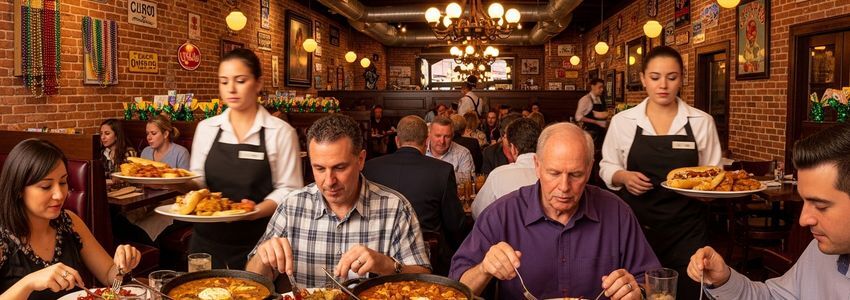
Securing the right cajun restaurant business loans is an essential ingredient for success, allowing you to bring the vibrant, spicy, and soulful flavors of Louisiana to a wider audience. The Cajun restaurant industry is as unique as its cuisine, blending rich tradition with high-energy hospitality. This distinctiveness presents specific financial challenges and opportunities, from sourcing authentic andouille and fresh crawfish to creating an atmosphere that transports diners straight to the bayou. Whether you're launching a new gumbo shop, expanding a beloved étouffée eatery, or navigating the seasonal cash flow of a seafood boil business, understanding your financing options is crucial. This comprehensive guide will walk you through every aspect of funding your Cajun culinary dream, from the types of capital available to the qualifications you'll need and how to get started on your application.
In This Article
- What Are Cajun Restaurant Business Loans?
- Key Benefits of Financing Your Cajun Restaurant
- Types of Loans for Cajun Restaurants
- How Cajun Restaurant Financing Works
- Qualification Requirements
- Loan Terms and Rates
- How Crestmont Capital Helps Cajun Restaurant Owners
- Real-World Financing Scenarios
- Frequently Asked Questions
- How to Get Started
- Conclusion
What Are Cajun Restaurant Business Loans?
Cajun restaurant business loans are not a single, specific financial product. Instead, the term refers to a broad category of funding solutions designed to meet the unique operational and capital needs of restaurants specializing in Cajun cuisine. Unlike a generic business loan, these financing options are often sought and utilized with a deep understanding of the specific challenges and opportunities within this niche of the hospitality industry. From the specialized equipment required to the seasonal nature of key ingredients, running a Cajun restaurant demands a tailored financial strategy.
These loans provide the necessary capital to cover a wide range of expenses. For a startup, this could mean securing funds for a down payment on a commercial lease, purchasing essential kitchen equipment like high-capacity fryers and crawfish boilers, and covering initial inventory costs for everything from holy trinity vegetables to authentic Louisiana spices. For an established restaurant, financing might be used for expansion- opening a second location, launching a food truck to cater events, or adding a patio for outdoor dining. It can also be a vital tool for renovation, helping you create an immersive atmosphere with rustic decor, a lively bar area, or a stage for Zydeco music that enhances the customer experience.
The core purpose of these loans is to bridge the gap between your available cash and your business goals. They provide the liquidity to invest in growth, manage day-to-day operations smoothly, and navigate unexpected financial hurdles without compromising the quality of your food or service. Lenders who understand the restaurant industry, and specifically the nuances of a concept like a Cajun eatery, can offer more flexible and suitable products. They recognize that revenue can fluctuate based on tourist seasons or the availability of fresh seafood, and they can structure financing that aligns with these patterns. Ultimately, a Cajun restaurant business loan is a strategic tool that empowers owners to invest in their vision, celebrate their culture, and build a profitable, enduring business that lets the good times roll.
Key Benefits of Financing Your Cajun Restaurant
Securing external funding can be a transformative step for any Cajun restaurant, providing the fuel needed to ignite growth and ensure long-term stability. The capital injection from a business loan opens up a world of possibilities that might otherwise remain out of reach. Here are some of the key benefits of financing your culinary venture:
- Purchase Specialized Equipment: Cajun cooking requires specific tools of the trade. Financing allows you to invest in high-quality, commercial-grade equipment without depleting your cash reserves. This includes everything from large-scale crawfish boilers and smokers for andouille sausage to powerful gas ranges for blackening redfish and industrial food processors for making roux in large batches. The right equipment improves efficiency, ensures consistency, and enhances the authenticity of your dishes.
- Expand or Renovate Your Space: Whether you're looking to open a second location, add a patio for al fresco dining, or launch a food truck, expansion requires significant capital. A loan can cover construction costs, real estate down payments, and initial operating expenses. Similarly, financing can fund renovations to create a more authentic and inviting atmosphere- think reclaimed wood, Mardi Gras decor, and a top-tier sound system for live music- that elevates the customer experience and encourages repeat business.
- Manage Cash Flow and Seasonality: The restaurant business is notorious for its fluctuating cash flow. For Cajun restaurants, this can be amplified by the seasonality of key ingredients like crawfish or oysters. A business line of credit or a working capital loan provides a crucial safety net, ensuring you can cover payroll, rent, and supplier payments during slower months and stock up on inventory when your key ingredients are in season and at their best price.
- Boost Your Marketing and Branding: Getting the word out is essential for attracting new customers. A loan can fund a comprehensive marketing strategy, including developing a professional website with online ordering, running targeted social media ad campaigns, hosting community events like a crawfish boil, and investing in local advertising. Strong branding and marketing help you stand out in a competitive market and build a loyal customer base.
- Invest in Inventory and Sourcing: Authenticity is paramount in Cajun cuisine. Financing ensures you have the capital to purchase high-quality, authentic ingredients, which can often be costly. This means you can consistently source fresh Gulf seafood, premium andouille sausage, and the specific spices needed for your recipes without compromise. It also allows you to buy in bulk when prices are favorable, improving your profit margins.
- Hire and Train a Quality Team: Your staff is the heart of your restaurant. Funding can be used to offer competitive wages and benefits to attract and retain talented chefs, servers, and managers who understand and are passionate about Cajun culture and hospitality. It also allows for investment in proper training programs to ensure excellent service and food quality.
Industry Insight: According to the U.S. Small Business Administration, accommodation and food services are consistently one of the top industries seeking small business financing. The high upfront costs for equipment, inventory, and location, combined with ongoing operational expenses, make access to capital a critical factor for success and growth in the competitive restaurant sector.
Ready to Fund Your Cajun Kitchen?
Explore flexible financing options designed for the unique flavor of your business. Get a free quote in minutes.
Apply Now ->Types of Loans for Cajun Restaurants
Navigating the world of business financing can feel complex, but understanding the different types of loans available is the first step toward choosing the right one for your Cajun restaurant. Each option is structured differently and serves a distinct purpose. Here’s a breakdown of the most common financing solutions for restaurant owners.
Equipment Financing
Specialized cooking equipment is the backbone of any authentic Cajun kitchen. From high-BTU wok ranges for jambalaya to industrial-sized stock pots for gumbo, the cost of these items can be substantial. Restaurant equipment financing is designed specifically for these purchases. It’s a type of secured loan where the equipment itself serves as collateral. This often makes it easier to qualify for than other types of loans, even for businesses with less-than-perfect credit. You can finance 100% of the equipment cost, including delivery and installation, preserving your cash for other operational needs. Repayment terms typically align with the expected lifespan of the equipment, making it a predictable and manageable expense.
Working Capital Loans
Cash flow is king in the restaurant industry. Working capital loans are short-term financing solutions designed to cover everyday operational expenses. For a Cajun restaurant, this could mean purchasing a large shipment of fresh crawfish for a seasonal boil, covering payroll during a slow week, or launching a targeted marketing campaign for Mardi Gras. These loans are typically unsecured, meaning you don’t need to put up specific collateral. The application process is often fast, with funds available in as little as 24-48 hours, making them an excellent tool for managing unexpected expenses or seizing time-sensitive opportunities.
SBA Loans
Backed by the U.S. Small Business Administration, SBA loans are a popular choice for their long repayment terms and competitive interest rates. Because the government guarantees a portion of the loan, lenders are able to offer more favorable terms. The most common type, the SBA 7(a) loan, is highly versatile and can be used for a wide range of purposes, including working capital, equipment purchases, real estate acquisition, and even refinancing existing debt. While the application process can be more intensive and take longer than other options, the benefits are often well worth the effort for established businesses with strong financial records.
Business Line of Credit
A business line of credit functions much like a credit card for your business. You are approved for a specific credit limit and can draw funds as needed, up to that limit. You only pay interest on the amount you’ve drawn, not the total available credit. Once you repay the funds, your available credit is replenished. This flexibility makes it an ideal tool for managing cash flow fluctuations, handling unexpected repairs (like a broken walk-in cooler), or having a ready source of capital for opportunities that arise. It provides a financial safety net that you can tap into whenever necessary.
Term Loans
A traditional term loan provides a lump sum of capital that you repay over a predetermined period with fixed, regular payments. This predictability makes it easy to budget for. Term loans are well-suited for large, planned investments where you know the exact cost upfront. For a Cajun restaurant, this could include a major renovation project, the down payment for a second location, or a significant expansion of your current kitchen. Lenders will typically require a strong credit history and a solid business plan to approve a term loan.
Merchant Cash Advance (MCA)
A Merchant Cash Advance is not a loan in the traditional sense, but rather an advance on your future credit and debit card sales. A financing company provides you with a lump sum of cash in exchange for a percentage of your daily card sales until the advance is paid back, plus a fee. Because repayment is tied to your sales volume, payments are higher on busy days and lower on slow days. MCAs offer a very fast funding process and are accessible to businesses with poor credit or a short operating history. However, they typically come with a higher cost than traditional loans, so it's important to understand the terms fully before proceeding.
How Cajun Restaurant Financing Works
The process of securing a business loan for your Cajun restaurant can be broken down into a series of clear, manageable steps. While the specifics may vary slightly depending on the lender and the type of financing you choose, the general journey from application to funding follows a consistent path. Here’s a step-by-step guide to how it works:
- Assess Your Needs and Goals: Before you even begin looking for a lender, the first step is internal. Clearly define why you need the funding and exactly how much you require. Are you buying a $30,000 smoker? Do you need $50,000 for a patio renovation? Or are you seeking a $15,000 line of credit for cash flow management? Having a precise number and a detailed plan for how you will use the funds will make your application stronger and help you choose the right loan product.
- Gather Necessary Documentation: Lenders need to evaluate the financial health and viability of your restaurant. Be prepared to provide key documents. This typically includes several months of business bank statements, profit and loss statements, balance sheets, business and personal tax returns, and a detailed business plan, especially if you are a newer establishment. For equipment financing, you'll also need a quote or invoice from the vendor. Having these documents organized and ready will significantly speed up the process.
- Research and Choose a Lender: You have several options for lenders, including traditional banks, credit unions, and alternative online lenders like Crestmont Capital. Banks often have stricter requirements and longer processing times but may offer lower rates. Alternative lenders specialize in speed and flexibility, often providing a more streamlined application process and higher approval rates for small businesses. Consider factors like interest rates, fees, repayment terms, and the lender's experience with the restaurant industry.
- Complete and Submit the Application: Once you've chosen a lender, you'll need to fill out their application. Most modern lenders offer a simple online application that can be completed in minutes. Be thorough and accurate with the information you provide. This is where the documents you gathered in step two will be submitted for review.
- Underwriting and Offer Review: After you submit your application, it goes into underwriting. The lender's team will review your financial documents, credit history, and other business details to assess risk and determine your eligibility. If you are approved, you will receive a formal loan offer (or multiple offers) detailing the loan amount, interest rate, term length, and any associated fees. Review this offer carefully to ensure you understand all the terms and conditions.
- Accept the Offer and Receive Funds: If you are satisfied with the loan offer, you will sign the loan agreement. This is often done electronically via e-signature for convenience and speed. Once the signed agreement is received by the lender, the final step is the disbursement of funds. With many alternative lenders, the capital can be deposited directly into your business bank account in as little as 24 hours.
How to Finance Your Cajun Restaurant - At a Glance
Fill out a simple, secure application in just a few minutes with basic business information.
A dedicated funding specialist will present you with the best available options for your review.
Choose the offer that best fits your goals and e-sign the documents from any device.
Capital is deposited directly into your business bank account, often within the same day.
Qualification Requirements
Understanding the criteria that lenders use to evaluate loan applications is key to positioning your Cajun restaurant for approval. While exact requirements can vary between lenders and loan products, most will assess your application based on a core set of factors that paint a picture of your business's financial health and creditworthiness. Here are the primary qualification requirements you should be prepared to meet:
- Credit Score: Lenders will look at both your personal and business credit scores. A strong personal credit score (typically 650 or higher) is often crucial, as it demonstrates a history of responsible financial management. While some financing options, like a merchant cash advance, are available for those with lower credit scores, a higher score will generally unlock better terms and lower interest rates. Building a positive business credit history by paying suppliers on time is also beneficial.
- Time in Business: Most lenders prefer to work with established businesses that have a proven track record. The minimum time in business requirement is often at least one year, though some alternative lenders may consider businesses that have been operating for as little as six months. Startups will face more challenges and will typically need a very strong business plan, excellent personal credit, and potentially collateral to secure funding.
- Annual Revenue: Your restaurant's revenue is a direct indicator of its ability to repay a loan. Lenders will have a minimum annual or monthly revenue threshold that you must meet. This figure can range from $100,000 per year to over $250,000 per year, depending on the lender and the size of the loan you are requesting. You will need to provide bank statements or tax returns to verify your revenue figures. A consistent and healthy revenue stream is one of the most important factors for approval.
- Cash Flow and Profitability: Beyond just top-line revenue, lenders want to see that your business is profitable and manages its cash flow effectively. Your bank statements will be analyzed to ensure you maintain a positive daily balance and don't have an excessive number of non-sufficient funds (NSF) events. A profitable business, as shown on your profit and loss statement, gives lenders confidence that you can comfortably handle the additional expense of a loan payment.
- Business Plan (for Startups and Major Expansions): If you are seeking funding for a new Cajun restaurant or a significant expansion, a comprehensive business plan is essential. This document should outline your concept, target market, marketing strategy, management team, and detailed financial projections. It needs to convince the lender that your idea is viable and that you have a clear roadmap to profitability.
- Collateral: Some types of loans, particularly larger term loans or SBA loans, may require collateral. This is an asset (such as real estate or valuable equipment) that you pledge to the lender to secure the loan. If you default on the loan, the lender can seize the collateral to recoup their losses. Many modern financing options, such as unsecured working capital loans and lines of credit, do not require specific collateral, which can be a major advantage for many restaurant owners.
By understanding these key areas, you can proactively work on strengthening your restaurant's financial profile, gathering the necessary documentation, and choosing the financing option that best aligns with your qualifications.

Loan Terms and Rates
The terms and rates associated with a business loan can vary significantly based on the type of financing, the lender, and your business's financial profile. Choosing the right loan involves understanding not just the amount you can borrow, but also the cost of that capital and the structure of the repayment. A lower interest rate with a longer term might be ideal for a large investment, while a faster, higher-cost option might make sense for an urgent, short-term need. Below is a comparison table to help you understand the typical terms and rates for common Cajun restaurant financing options.
| Loan Type | Typical Loan Amount | Repayment Term | Interest Rate / Factor Rate | Best For |
|---|---|---|---|---|
| SBA Loan | $30,000 - $5 Million | 10 - 25 years | Prime + 2.25% - 4.75% | Real estate purchase, major expansion, business acquisition. |
| Term Loan | $25,000 - $500,000 | 1 - 5 years | Starting around 7% | Planned projects with a fixed cost, like renovations or opening a new location. |
| Equipment Financing | Up to 100% of equipment cost | 2 - 7 years | 8% - 30% APR | Purchasing new or used kitchen equipment like ovens, fryers, or coolers. |
| Working Capital Loan | $5,000 - $250,000 | 3 - 18 months | Varies widely based on risk | Covering payroll, inventory purchases, marketing, and daily operational costs. |
| Business Line of Credit | $10,000 - $100,000 | Revolving (typically 6-12 month repayment on draws) | 10% - 40% APR | Managing cash flow, unexpected expenses, and seasonal inventory needs. |
| Merchant Cash Advance | $5,000 - $200,000 | Varies (based on sales) | Factor rates of 1.10 - 1.50 | Urgent funding needs for businesses with high credit card sales and lower credit. |
*Note: All figures are estimates and can vary based on the lender, market conditions, and the applicant's creditworthiness and business financials. It is crucial to review the specific terms of any loan offer before accepting.
How Crestmont Capital Helps Cajun Restaurant Owners
At Crestmont Capital, we understand that a Cajun restaurant is more than just a business- it's a celebration of culture, community, and incredible food. As one of the #1 ranked small business lenders in the United States, we specialize in providing fast, flexible, and reliable funding solutions tailored to the unique rhythm of the restaurant industry. We're not just a lender; we're a financial partner dedicated to helping you achieve your vision, whether that's opening your first gumbo house or expanding your po' boy empire.
We recognize that traditional bank loans often involve a slow, cumbersome process with rigid requirements that don't fit the fast-paced world of restaurant ownership. That's why we've streamlined our application and approval process. Our goal is to get you the capital you need quickly- often in as little as 24 hours- so you can focus on what you do best: creating unforgettable dining experiences. Our team of dedicated funding specialists has extensive experience working with restaurateurs and understands the specific challenges you face, from managing seasonal cash flow to financing highly specialized kitchen equipment.
Crestmont Capital offers a comprehensive suite of financing products to meet every need. If you're looking to upgrade your kitchen with a new smoker or crawfish boiler, our specialized restaurant equipment financing programs can help you acquire the assets you need without a large upfront cash outlay. For managing day-to-day expenses, stocking up on inventory, or bridging a slow season, our flexible working capital loans provide the perfect solution. For ongoing financial flexibility, a business line of credit gives you a safety net to draw from whenever you need it.
We are also proud to facilitate access to government-backed programs, helping qualified businesses secure long-term, low-rate SBA loans for major projects like real estate acquisition or new construction. Our expertise across all types of small business loans ensures that we can find the right fit for your specific situation. We work with you to understand your goals and financial standing, then match you with the best possible funding option from our extensive network of lending partners. For a deeper dive into financing for any type of eatery, our complete guide to restaurant business loans offers even more insights.
Get Funded in as Little as 24 Hours
Don't let financing slow you down. Our streamlined process gets capital into your hands fast.
Apply Now ->Real-World Financing Scenarios
To better illustrate how different loan types can be applied to a Cajun restaurant, let's explore a few hypothetical but realistic scenarios. These examples showcase how strategic financing can solve specific problems and unlock growth opportunities.
Scenario 1: The Startup - "Bayou Bites" Food Truck
The Challenge: Chef Antoine has perfected his family's recipes for jambalaya and crawfish étouffée. He wants to start a food truck business to test his concept before committing to a brick-and-mortar location. He needs capital to purchase a fully-equipped truck and cover initial operating costs like permits, insurance, and inventory.
The Solution: Antoine has a strong business plan and good personal credit but no business history. He applies for an SBA Microloan, a program designed for startups and small-scale financing. He secures a $45,000 loan. He uses $35,000 to purchase a used, well-maintained food truck and the remaining $10,000 for his initial inventory of rice, spices, seafood, and paper goods, as well as licensing fees. The SBA loan's favorable terms and long repayment period give him a manageable monthly payment as he builds his customer base.
Scenario 2: The Expansion - "The Gumbo Pot" Opens a Second Location
The Challenge: "The Gumbo Pot" has been a beloved local institution for eight years, known for its authentic, slow-cooked gumbo. The owner, Marie, sees an opportunity to open a second, larger location in a neighboring town with high foot traffic. She needs $150,000 for the down payment on the commercial property, major kitchen renovations, and initial staffing costs.
The Solution: With a long history of profitability and strong business credit, Marie is an ideal candidate for a traditional term loan. She works with an alternative lender to secure a $150,000 term loan with a 5-year repayment period. The fixed monthly payments allow her to budget precisely for the expansion. The lump sum of cash enables her to execute her expansion plan swiftly, securing the new location and beginning renovations without delay, ensuring she can open before the busy holiday season.
Scenario 3: The Seasonal Need - "Crawfish King" Manages Cash Flow
The Challenge: "Crawfish King" is a seafood boil restaurant that does 60% of its annual business during the four months of peak crawfish season. During the off-season, revenue drops significantly, but fixed costs like rent and core staff salaries remain. The owner, David, needs a way to bridge the cash flow gap during the slower months and have capital ready to make large inventory purchases when the new season begins.
The Solution: A business line of credit is the perfect tool for David's situation. He secures a $50,000 line of credit. During the fall and winter, he draws small amounts as needed to cover payroll and utility bills. When crawfish season approaches, he uses a larger draw to purchase thousands of pounds of fresh crawfish from his Louisiana supplier at a bulk discount. As his revenue skyrockets during the spring, he quickly pays back the drawn amount, restoring his full line of credit for the next cycle. This flexibility allows him to operate smoothly year-round.
Scenario 4: The Emergency - "Po' Boy Palace" Faces an Unexpected Repair
The Challenge: On a busy Friday night, the main walk-in freezer at "Po' Boy Palace" breaks down. Thousands of dollars worth of seafood, bread, and other ingredients are at risk. The repair is complex and expensive, quoted at $12,000, and must be done immediately. The owner, Frank, doesn't have enough cash on hand to cover the entire cost without missing payroll next week.
The Solution: Speed is the top priority. Frank applies for a short-term working capital loan online. Because of the urgent need, he chooses a lender known for rapid funding. He is approved within hours for a $15,000 loan. The funds are in his account the next morning. He pays for the freezer repair, saves his inventory, and uses the remaining funds to cover any short-term cash needs. While the cost of the loan is higher than a traditional loan, it prevents a much larger financial loss and business disruption, making it a sound business decision.
Frequently Asked Questions
1. Can I get a business loan for a new Cajun restaurant startup?
Yes, it is possible to get a loan for a startup, but it can be more challenging than for an established business. Lenders will place a heavy emphasis on your personal credit score, your experience in the restaurant industry, and the quality of your business plan. Your business plan must include detailed financial projections. SBA Microloans and some equipment financing options are often the most accessible for new ventures.
2. What is the minimum credit score required for a Cajun restaurant loan?
The minimum credit score varies by loan type. For traditional bank loans or SBA loans, you will likely need a personal credit score of 680 or higher. Alternative lenders are more flexible, with some working capital and equipment financing options available for scores as low as 550. However, a higher credit score will always result in better interest rates and more favorable terms.
3. How quickly can I receive funds for my restaurant?
The funding speed depends entirely on the lender and loan type. Alternative lenders using streamlined online applications can often provide funding in as little as 24 to 48 hours for products like working capital loans or merchant cash advances. Traditional term loans and especially SBA loans have a much longer timeline, often taking several weeks or even months from application to funding.
4. What can I use a Cajun restaurant business loan for?
You can use the funds for nearly any legitimate business purpose. Common uses include purchasing specialized kitchen equipment (crawfish boilers, smokers), renovating your dining room, expanding to a new location, buying inventory in bulk, launching a marketing campaign, covering payroll, or managing seasonal cash flow.
5. Do I need to provide collateral to get a loan?
It depends on the loan. Equipment financing is self-collateralized, meaning the equipment you purchase secures the loan. Large SBA loans and some bank term loans may require you to pledge real estate or other assets as collateral. However, many popular options, such as unsecured working capital loans and business lines of credit, do not require specific collateral, though they may require a personal guarantee.
6. What's the difference between a loan and a merchant cash advance (MCA)?
A loan has a principal amount, an interest rate, and a set repayment term with fixed payments. An MCA is an advance on your future sales. You receive a lump sum and pay it back with a percentage of your daily credit card sales. MCAs have factor rates instead of interest rates and can be more expensive, but they are faster and easier to qualify for, making them an option for urgent needs or businesses with poor credit.
7. How much financing can my Cajun restaurant qualify for?
The amount you can qualify for depends on factors like your annual revenue, time in business, credit score, and cash flow. A common rule of thumb for short-term loans is that you can be approved for an amount equal to 1-2 times your average monthly revenue. For larger loans like SBA or term loans, the amount is based on a more in-depth analysis of your business's ability to service the debt.
8. Will a business loan application affect my credit score?
Most lenders will perform a "soft" credit pull to pre-qualify you, which does not affect your credit score. If you proceed with a full application after receiving an offer, the lender will then perform a "hard" credit pull, which may cause a small, temporary dip in your credit score. It's best to ask the lender what type of credit inquiry they will perform.
9. Can I get a loan if my restaurant has seasonal revenue dips?
Yes. Many lenders, especially those experienced with the restaurant industry, understand seasonality. A business line of credit is an excellent tool for managing seasonal cash flow. When applying, be prepared to provide at least a full year of bank statements so the lender can see your annual revenue patterns and understand the cyclical nature of your business.
10. What documents do I need to apply for a loan?
For a fast application with an alternative lender, you will typically need your last 3-6 months of business bank statements and basic information about your business. For larger or more traditional loans (like SBA loans), you may also need profit and loss statements, balance sheets, business and personal tax returns, and a formal business plan.
11. What is a personal guarantee?
A personal guarantee is a common requirement for business loans, especially unsecured ones. It is a legal promise from the business owner to be personally responsible for repaying the loan if the business defaults. This reduces the risk for the lender and is a standard part of most small business financing agreements.
12. Can I refinance existing restaurant debt?
Yes, many lenders offer options for debt refinancing. You can consolidate multiple high-interest debts (like from credit cards or a merchant cash advance) into a single term loan with a lower interest rate and a more manageable monthly payment. This can improve your cash flow and reduce your overall interest costs.
13. Is it better to get a loan from a bank or an online lender?
It depends on your priorities. Banks may offer lower interest rates but have a very slow, difficult application process with strict requirements. Online lenders (like Crestmont Capital) prioritize speed, flexibility, and convenience, with much higher approval rates and funding in as little as 24 hours. If you have excellent credit, a long operating history, and are not in a hurry, a bank may be a good option. For most other scenarios, an online lender is often a better fit.
14. How do I choose the right type of loan for my needs?
Match the loan to its purpose. For a specific, one-time purchase like a new oven, equipment financing is ideal. For a large, planned project like an expansion, a term loan or SBA loan works well. For managing unpredictable cash flow or unexpected expenses, a business line of credit is the most flexible tool. For an urgent, immediate cash need, a working capital loan is the fastest option.
15. What are the first steps to applying for a loan with Crestmont Capital?
The first step is to fill out our simple, one-page online application, which takes only a few minutes. You'll provide some basic information about yourself and your business. After that, a dedicated funding specialist will contact you to discuss your needs, answer your questions, and guide you through the process of submitting any necessary documents to get you the best possible funding offers.
How to Get Started
Ready to take your Cajun restaurant to the next level? Securing the financing you need is simpler and faster than you might think. Follow these three easy steps to begin your journey with Crestmont Capital.
Complete Our Simple Application
Our secure online application takes just a few minutes to complete. Provide some basic details about your business, and we'll get the process started immediately without any impact on your credit score.
Consult with a Funding Expert
A dedicated funding specialist will reach out to you to discuss your specific needs and goals. They'll review your qualifications and present you with the best financing options available for your Cajun restaurant.
Receive Your Capital
Once you select your preferred offer and e-sign the documents, the funds are transferred directly to your business bank account. You can receive your capital in as little as 24 hours and put it to work right away.
Your Cajun Restaurant's Future Starts Here
Take the first step towards growth. Apply now and see what your business qualifies for.
Apply Now ->Conclusion
Running a successful Cajun restaurant is a labor of love, requiring passion, dedication, and a deep appreciation for Louisiana's rich culinary heritage. It also requires smart financial management and strategic access to capital. Whether you're just starting out with a family recipe for gumbo, looking to expand your popular po' boy shop, or navigating the unique challenges of a seasonal seafood business, the right financing is the key ingredient for growth and stability. From specialized equipment and working capital to expansion and renovation, Cajun restaurant business loans provide the fuel to turn your ambitions into reality.
By understanding the various types of financing available- including term loans, lines of credit, equipment financing, and SBA loans- you can make an informed decision that aligns with your specific goals. The process is more accessible than ever, with streamlined application and funding processes that respect your time and urgency. Don't let a lack of capital hold your restaurant back. By partnering with a lender that understands the unique flavor of your business, you can secure the resources you need to thrive in the competitive restaurant landscape, delight your customers, and continue sharing the vibrant spirit of Cajun culture one plate at a time.
Disclaimer: The information provided in this article is for general educational purposes only and is not financial, legal, or tax advice. Funding terms, qualifications, and product availability may vary and are subject to change without notice. Crestmont Capital does not guarantee approval, rates, or specific outcomes. For personalized information about your business funding options, contact our team directly.