When a critical piece of equipment breaks down without warning, the clock starts ticking immediately. Every day it sits in a repair shop is a day of lost production, missed deliveries, or an empty storefront. For many business owners, the fastest way to keep revenue flowing is to rent a replacement unit while repairs are underway, and the fastest way to pay for that rental is an emergency business loan designed for exactly this kind of time-sensitive need.
This guide walks through how emergency financing works, which loan types are best suited to covering a short-term equipment rental, how much these rentals typically cost, and how to decide which option fits your situation. Whether you run a construction company waiting on an excavator repair, a restaurant with a failed walk-in cooler, or a delivery business down a van, the goal is the same: bridge the gap without draining your operating cash or stalling your business.
In This Article
What Is an Emergency Business Loan for Equipment Rental?
An emergency business loan for equipment rental is short-term financing that provides fast cash so a business can rent a replacement machine, vehicle, or system while the original equipment is out of service. Rather than waiting on a repair estimate to figure out how to absorb weeks of downtime, the business secures financing within a day or two, covers the rental invoice, and repays the loan on a short, predictable schedule.
This differs from traditional equipment financing, which is used to purchase or lease equipment outright over a multi-year term. An emergency rental loan is meant to be temporary bridge capital: fast to access, sized to the rental cost, and repaid quickly once the original equipment is back in service or replaced.
The most common products used for this purpose include short-term working capital loans, business lines of credit, and in some cases revenue-based financing. Each is structured differently, but all share the same core purpose: getting cash into your hands quickly enough to prevent an equipment failure from becoming a revenue crisis.
Key Benefits of Emergency Equipment Rental Financing
- Speed. Many lenders can approve and fund financing within 24 to 72 hours, far faster than the timeline for repairing or replacing major equipment outright.
- Preserves cash reserves. Instead of draining your operating account or dipping into savings meant for payroll and rent, financing lets you keep your cash cushion intact.
- Keeps revenue flowing. A rented replacement unit means your crew keeps working, your deliveries stay on schedule, and your customers never notice the disruption.
- Flexible repayment structures. Short-term loans, lines of credit, and revenue-based financing all offer repayment terms that can be matched to your cash flow cycle.
- No long-term commitment. Once the repair is complete and the rental ends, the financing is paid off. You are not locked into a multi-year obligation for equipment you no longer need.
- Protects your reputation. Missed deadlines and canceled appointments damage customer trust. Financing the gap keeps your business reliable in the eyes of the people who depend on you.
Key Stat: Industry research shows unplanned equipment downtime can cost small businesses anywhere from roughly $1,000 to more than $25,000 per hour depending on the sector, according to multiple downtime-cost studies compiled by IT and operations research firms. Even a conservative estimate makes the cost of a rental far cheaper than the cost of sitting idle.
Don't Let a Broken Machine Stop Your Business
Get fast, flexible financing from the #1 business lender in the U.S. No obligation, apply in minutes.
Apply Now →How Emergency Equipment Rental Financing Works
The process is designed to move quickly, since the entire point is to close the gap between an equipment failure and a functioning replacement. Most lenders follow a similar sequence.
- Step 1: Get a rental quote. Contact an equipment rental company to determine the cost and duration of renting a replacement unit while your equipment is repaired.
- Step 2: Apply for financing. Submit a short application along with three to six months of business bank statements. Most lenders do not require extensive paperwork for smaller, short-term amounts.
- Step 3: Receive an approval decision. Many lenders provide a decision within hours, particularly for working capital loans and lines of credit under a certain threshold.
- Step 4: Funds are deposited. Once approved, funds are typically deposited directly into your business bank account within one to three business days.
- Step 5: Pay the rental company and resume operations. Use the funds to cover the rental invoice and get the replacement equipment on-site as quickly as possible.
- Step 6: Repay on a set schedule. Repayment is structured as daily, weekly, or monthly payments depending on the loan type, typically over a term of three to eighteen months.
Financing Types to Consider
Several financing products can be used to cover an emergency equipment rental. The right choice depends on how much you need, how quickly you need it, and how predictable your repair timeline is.
Short-Term Working Capital Loans
These loans deliver a lump sum that you repay over a fixed short-term schedule, often three to eighteen months. They are ideal when you know the total rental cost upfront and want a predictable repayment plan.
Business Line of Credit
A revolving line of credit lets you draw funds as needed, up to a set limit, and only pay interest on what you use. This is a strong option when a repair timeline is uncertain and rental costs might extend longer than initially expected.
Revenue-Based Financing
Repayment is tied to a percentage of your daily or weekly revenue rather than a fixed payment, which can ease cash flow pressure during a period when your business may be operating at reduced capacity.
Equipment Financing for a Backup Unit
If equipment failures are becoming a recurring problem, financing a permanent backup unit through equipment financing may be more cost-effective long-term than repeatedly renting.
Merchant Cash Advance
A merchant cash advance provides a lump sum in exchange for a fixed percentage of future card or bank sales. This option can be useful for businesses with strong daily transaction volume, though it typically carries a higher effective cost than a working capital loan or line of credit. It is generally best reserved for businesses that have exhausted other options or need funding faster than a traditional underwriting process allows.
Quick Guide
Emergency Equipment Rental Financing — At a Glance
Contact a rental company to confirm cost and duration.
Submit bank statements and a short application.
Decisions often come within hours, funds within days.
Pay the rental company and get back to business.
Who This Type of Financing Is Best For
Emergency equipment rental financing is especially valuable for businesses that depend on a small number of critical machines or vehicles to generate revenue. If a single piece of equipment going down means a full stop in operations, this type of bridge financing is worth having identified before you ever need it.
- Construction and excavation companies with a limited number of heavy machines
- Delivery, courier, and logistics businesses that rely on a specific fleet size
- Restaurants and food service businesses dependent on refrigeration, ovens, or POS hardware
- Manufacturing operations where a single production line failure halts output
- Auto repair and diesel repair shops that need a loaner bay tool or lift
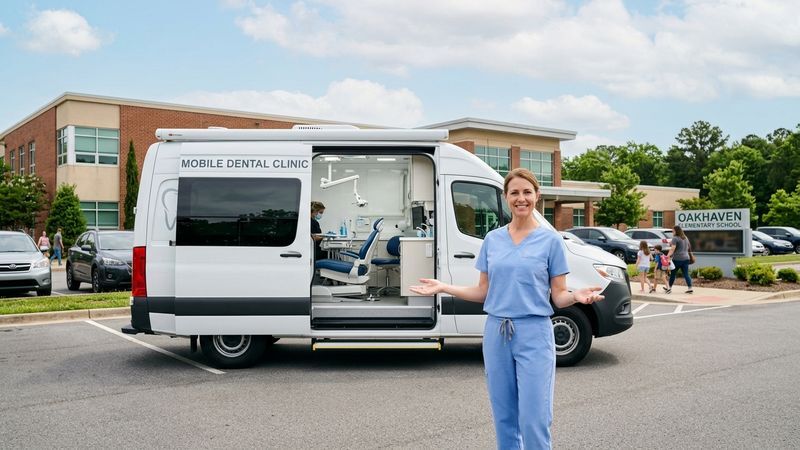
- Medical and dental practices where a critical diagnostic or treatment machine is central to daily patient volume

Comparing Your Financing Options
Choosing between a short-term loan, a line of credit, and other financing tools depends largely on how predictable the rental cost and timeline are.
| Option | Best For | Typical Funding Speed | Repayment Style |
|---|---|---|---|
| Short-Term Working Capital Loan | Known, fixed rental cost | 1-3 business days | Fixed daily/weekly payments |
| Business Line of Credit | Uncertain repair timeline | 1-5 business days | Draw and repay as needed |
| Revenue-Based Financing | Variable revenue during downtime | 2-4 business days | Percentage of revenue |
| SBA Loan | Planned, long-term equipment upgrade | Several weeks to months | Fixed monthly payments |
Because an equipment failure rarely gives advance notice, SBA financing is generally too slow to be practical for the rental itself, even though it remains an excellent option for planned equipment purchases down the road. For the immediate emergency, a short-term loan or line of credit is almost always the more realistic path.
Pro Tip: Get your rental quote and financing application moving at the same time rather than sequentially. Most lenders can begin underwriting while you finalize rental terms, which shaves a day or more off the total time to get a replacement unit on-site.
How Crestmont Capital Helps
Crestmont Capital, rated the #1 business lender in the country, offers a range of financing products built for exactly this kind of time-sensitive situation. Our unsecured working capital loans can be approved and funded quickly, without requiring collateral, so you can cover a rental invoice without delay.
If your repair timeline is uncertain or you want ongoing protection against future equipment emergencies, our business line of credit gives you a standing credit limit you can draw on whenever you need it, without reapplying each time. And if repeated equipment failures suggest it is time to invest in a backup unit, our equipment financing and used equipment financing programs can help you acquire a reliable second machine at a manageable monthly cost.
For businesses considering a longer-term solution once the immediate emergency has passed, our SBA loan programs offer lower rates and longer terms for planned equipment upgrades. We also recommend reading our guide on preventing downtime with fast equipment financing for strategies to reduce how often these emergencies happen in the first place, and our related post on financing redundant systems to protect against costly downtime if repeated equipment failures are becoming a pattern in your operation.
Our team works with business owners across construction, transportation, food service, manufacturing, and healthcare, so we understand that an equipment emergency in one industry looks very different from an emergency in another. A financing specialist can walk through your specific situation, the rental quote you have received, and your monthly cash flow to recommend the option that gets you funded fastest at the lowest realistic cost.
Get Back to Business Faster
Crestmont Capital funds working capital and lines of credit in as little as 24 hours. See what you qualify for today.
Check Your Options →Real-World Scenarios
Scenario 1: The Construction Excavator Breakdown
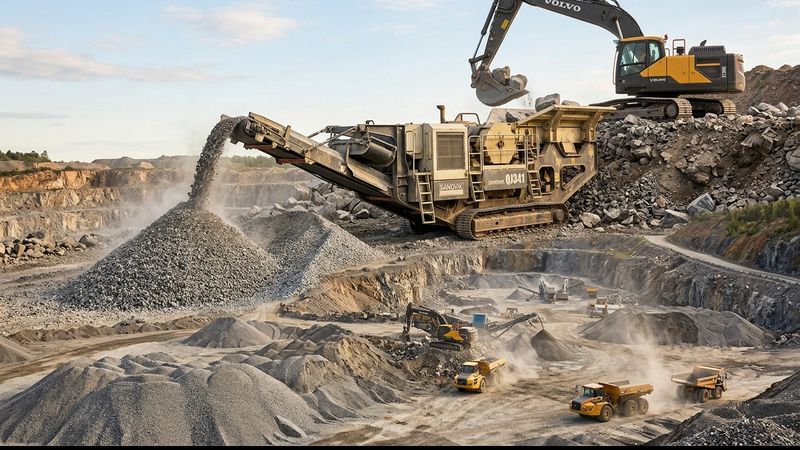
A mid-sized excavation company had a hydraulic failure on its primary excavator two weeks into a paving contract with a tight completion deadline. The repair shop quoted a 12-day turnaround for parts. The company secured a short-term working capital loan within 48 hours, rented a comparable excavator for the duration, and finished the contract on schedule, avoiding a penalty clause in their contract worth far more than the financing cost.
Scenario 2: The Restaurant Walk-In Cooler Failure
A busy restaurant's walk-in cooler compressor failed on a Friday night, threatening the weekend's entire inventory and service capacity. The owner used a business line of credit already in place to rent a portable refrigeration unit within hours, protecting both the inventory and the weekend's revenue while the compressor was replaced the following week.
Scenario 3: The Delivery Fleet Van Down
A regional delivery company lost one van in its five-vehicle fleet to a transmission failure. Rather than reduce delivery capacity by 20 percent for three weeks, the owner financed a short-term commercial van rental through a working capital loan, keeping every route staffed and every delivery window met.
Scenario 4: The Manufacturing Line Stoppage
A small manufacturer's primary CNC machine went down due to a motor failure, halting production on a customer order with a firm ship date. The company used revenue-based financing to rent a comparable machine from a regional equipment rental firm, completed the order on time, and avoided a costly breach of contract with its largest client.
Scenario 5: The Auto Repair Shop Lift Failure
An auto repair shop's main two-post lift failed inspection and needed replacement parts on backorder for three weeks. The shop owner financed a temporary mobile lift rental through a short-term loan, kept technicians working at full capacity, and avoided turning away customers during a historically busy season.
Scenario 6: The Landscaping Company Mower Fleet Gap
A commercial landscaping company lost its largest zero-turn mower to an engine failure right as its busiest contract season began. Waiting on a factory-ordered part would have meant a three-week delay and the risk of losing recurring commercial accounts to a competitor. The owner used a short-term working capital loan to rent an equivalent commercial mower within a day, kept every scheduled property on track, and repaid the loan in full within six weeks once the original mower was back in operation.
Ready to Cover Your Equipment Emergency?
Apply in minutes and get a funding decision fast, no obligation required.
Apply Now →Frequently Asked Questions
What is an emergency business loan for equipment rental?
An emergency business loan for equipment rental is short-term financing that gives a business owner fast access to cash so they can rent a replacement machine, vehicle, or system while their own equipment is being repaired. Instead of pausing operations and losing revenue, the business borrows quickly, covers the rental cost immediately, and repays the loan over a short, manageable term once normal operations resume.
How fast can I get an emergency business loan?
Many online and alternative lenders, including Crestmont Capital, can approve emergency financing within 24 to 48 hours and fund the loan within one to three business days. Speed depends on the loan type, how quickly you provide bank statements and financial documents, and whether the lender requires collateral. Working capital loans and business lines of credit are typically the fastest options.
What can an emergency business loan be used for besides equipment rental?
Beyond covering a rental unit while equipment is repaired, emergency business loans commonly fund payroll during a cash flow gap, replacement inventory after a supply disruption, urgent facility repairs, unexpected tax bills, and other time-sensitive expenses. Lenders generally do not restrict how the funds are spent once the loan is approved, giving business owners flexibility.
Do I need good credit to qualify for emergency equipment rental financing?
Good credit helps you qualify for lower rates and larger amounts, but many alternative lenders will approve financing for business owners with fair or even below-average personal credit, especially if the business shows consistent monthly revenue and healthy bank statements. Options such as revenue-based financing and merchant cash advances weigh cash flow more heavily than credit score.
What is the difference between a business loan and a business line of credit for this situation?
A business loan delivers a lump sum upfront that you repay on a fixed schedule, which works well if you know exactly how much the rental will cost. A business line of credit gives you a revolving credit limit you can draw from repeatedly, which is useful if repair timelines are uncertain and rental costs may extend longer than expected. Many businesses use a line of credit specifically because it can be reused for future emergencies without reapplying.
How much does it typically cost to rent replacement equipment while repairs are underway?
Rental costs vary widely depending on the type of equipment. A commercial forklift can run $500 to $2,500 per month, a delivery van can cost $800 to $2,000 per month, and specialized industrial machinery can exceed $5,000 per month. Financing this cost through a short-term loan or line of credit prevents the expense from disrupting your regular operating cash.
Will taking out an emergency loan hurt my ability to get financing later?
Responsibly using and repaying a short-term emergency loan generally does not hurt future financing eligibility, and can actually strengthen your credit profile by demonstrating a track record of repayment. Lenders are more concerned about missed payments or over-leveraging across multiple simultaneous loans than about the fact that you used financing during an emergency.
What documents do I need to apply for emergency equipment rental financing?
Most lenders require three to six months of business bank statements, a government-issued ID, a voided business check, and basic information about your business such as time in operation and monthly revenue. Some lenders also request a copy of your equipment repair estimate or rental quote so they can size the loan appropriately.
Can a startup or newer business qualify for this type of financing?
Some lenders require a minimum time in business, often six months to two years, before approving working capital or emergency financing. Newer businesses with strong monthly revenue may still qualify for revenue-based financing or a merchant cash advance, which focus more on cash flow than years of operating history.
Is it better to rent equipment or buy a backup unit outright?
For a short repair window of days to a few weeks, renting is almost always more cost-effective than purchasing a backup unit. If equipment failures happen repeatedly or a business depends heavily on a single piece of machinery, financing a second unit through equipment financing may be worth evaluating as a longer-term solution to prevent recurring downtime.
How does an SBA loan compare to short-term financing for an equipment emergency?
SBA loans typically offer lower rates and longer terms, but the application and funding timeline can take several weeks to a few months, which is too slow for an active emergency. Short-term working capital loans, lines of credit, and revenue-based financing are built for speed and are the more practical choice when equipment fails and rental costs need to be covered immediately.
What interest rates should I expect on an emergency business loan?
Rates vary based on the loan type, your credit profile, time in business, and monthly revenue. Short-term working capital loans and lines of credit generally carry higher rates than traditional term loans because of the speed and reduced documentation involved, but the total cost is usually far less than the revenue lost from extended downtime.
Can I use an emergency business loan if my equipment breaks down more than once a year?
Yes, but if equipment failures are becoming a recurring pattern, it is worth reviewing whether investing in newer or better-maintained equipment through equipment financing would reduce the frequency of emergencies and lower your total cost over time compared to repeatedly financing rentals.
Does the type of industry affect which financing option makes the most sense?
Yes. Construction and manufacturing businesses with expensive, specialized machinery often benefit from equipment financing arrangements paired with a working capital cushion. Transportation and delivery businesses often lean on a business line of credit because vehicle needs can arise unpredictably. Restaurants and retail businesses facing a broken refrigeration or POS system typically move fastest with a short-term working capital loan.
How do I know which emergency financing option is right for my business?
Start by estimating how long the rental will be needed and how much it will cost. If the amount is modest and repair timing is predictable, a short-term working capital loan is usually simplest. If costs or timing are uncertain, a business line of credit offers more flexibility. Speaking with a financing specialist at Crestmont Capital can help match the right product to your specific situation.
Next Steps
Conclusion
Equipment failures never happen at a convenient time, but the financial impact of extended downtime is almost always more expensive than the cost of a short-term rental. An emergency business loan gives business owners a fast, practical way to bridge the gap between a breakdown and a repair, whether that means renting a replacement excavator, a delivery van, a walk-in cooler, or a critical piece of manufacturing equipment. By understanding your financing options ahead of time, from short-term working capital loans to a standing business line of credit, you can respond to an equipment emergency in hours rather than days, keeping your revenue, your reputation, and your customers protected.
Disclaimer: The information provided in this article is for general educational purposes only and is not financial, legal, or tax advice. Funding terms, qualifications, and product availability may vary and are subject to change without notice. Crestmont Capital does not guarantee approval, rates, or specific outcomes. For personalized information about your business funding options, contact our team directly.