
 (800) 949-0401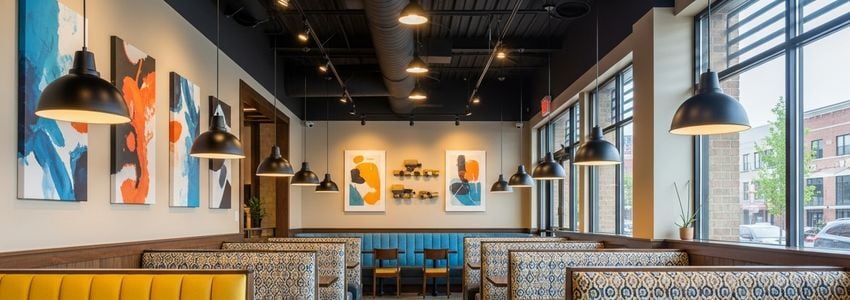
BurgerFi Franchise Loan: The Complete Financing Guide for BurgerFi Franchise Owners
Opening a BurgerFi franchise represents a significant opportunity to enter the booming "better burger" market, a segment known for high-quality ingredients and strong brand loyalty. However, understanding the total burgerfi franchise cost and securing the right financing are critical first steps on the path to success. This guide provides a detailed breakdown of the investment, explores various loan options, and explains how Crestmont Capital can help you fund your BurgerFi dream.
From the initial franchise fee to ongoing operational expenses, the financial commitment is substantial, often requiring a multi-faceted funding strategy. Whether you're a seasoned restaurateur or a new entrepreneur, navigating the world of franchise loans can be complex. We will demystify the process, outlining the requirements, comparing loan types, and offering actionable insights to help you prepare a compelling application and launch your restaurant with confidence.
In This Article
What Is BurgerFi? The "Better Burger" Opportunity
BurgerFi is a prominent player in the fast-casual dining space, specifically within the "better burger" category. Founded in 2011 in Lauderdale-by-the-Sea, Florida, the brand was built on the principle of using higher-quality ingredients and sustainable practices. This commitment distinguishes it from traditional fast-food competitors and resonates strongly with modern consumers who prioritize food quality, transparency, and environmental responsibility.
The core of the BurgerFi menu is its 100% all-natural American Angus beef, which is certified to be free of steroids, antibiotics, growth hormones, chemicals, and additives. This focus on premium ingredients extends to their fresh-cut fries, hand-battered onion rings, and the award-winning VegeFi Burger, a proprietary vegetarian option that broadens its customer base. The brand's modern, eco-conscious restaurant design, featuring upcycled materials like chairs made from recycled Coca-Cola bottles and energy-efficient fans, further reinforces its forward-thinking identity.
The fast-casual restaurant industry has shown remarkable resilience and growth. According to market analysis reports, consumers are increasingly willing to pay a premium for quality and experience, a trend that directly benefits brands like BurgerFi. As noted in a Forbes article, BurgerFi's appeal to Millennial and Gen-Z consumers positions it for sustained growth. These demographics are key drivers of the food industry, and their preference for authentic, sustainable brands makes a BurgerFi franchise a compelling investment.
Investing in a BurgerFi franchise means buying into a system with a proven operational model, strong brand recognition, and a menu that aligns with current consumer demands. The company provides franchisees with comprehensive support, including site selection assistance, construction management, extensive training programs, and ongoing marketing support. This established framework helps mitigate some of the risks associated with starting a restaurant from scratch, providing owners with a clear blueprint for launching and operating their business.
A Detailed Breakdown of the BurgerFi Franchise Cost
Understanding the full financial scope of a BurgerFi franchise is the most important step in your planning process. The total investment can vary based on location, restaurant size, and local market conditions, but the company provides a clear range in its Franchise Disclosure Document (FDD). The total initial investment for a traditional BurgerFi restaurant typically ranges from approximately $1.1 million to $1.5 million. This figure encompasses everything from the franchise fee to the final coat of paint.
Let's break down the key components of the burgerfi franchise cost:
- Initial Franchise Fee: $35,000 to $45,000. This is the upfront fee paid to BurgerFi for the right to use their brand name, trademarks, and operating system. It also covers the cost of initial training and support.
- Real Estate & Construction: This is the largest portion of the investment. Costs can fluctuate significantly based on whether you lease or purchase the property and the extent of renovations required. It includes architectural fees, permits, and the complete build-out of the restaurant to meet BurgerFi's specifications.
- Kitchen Equipment & Technology: This covers all necessary cooking equipment (grills, fryers, refrigeration), point-of-sale (POS) systems, security cameras, and other essential technology. Securing equipment financing can be an effective strategy to manage this significant expense.
- Furniture, Fixtures, and Decor: This includes the cost of tables, chairs, lighting, and all interior and exterior signage that aligns with BurgerFi's modern, eco-friendly brand image.
- Initial Inventory: The cost to stock your kitchen with all necessary food items, beverages, paper goods, and cleaning supplies before opening day.
- Grand Opening Marketing: A budget allocated for pre-opening and grand opening advertising to generate local awareness and drive initial traffic.
- Additional Funds (Working Capital): This is a crucial reserve of cash to cover operating expenses for the first three to six months. It includes payroll, rent, utilities, and other costs incurred before the restaurant becomes self-sustaining and profitable.
Here is a more detailed, estimated breakdown of the costs, as you might find in an FDD:
| Expense Category | Estimated Cost Range |
|---|---|
| Initial Franchise Fee | $35,000 - $45,000 |
| Real Estate / Leasehold Improvements | $500,000 - $750,000 |
| Equipment, Furniture, Fixtures & Signage | $300,000 - $400,000 |
| Architectural & Engineering Fees | $40,000 - $60,000 |
| Initial Inventory & Supplies | $15,000 - $25,000 |
| Grand Opening Marketing | $20,000 - $30,000 |
| Training Expenses (Travel, Lodging) | $10,000 - $20,000 |
| Insurance, Licenses & Permits | $15,000 - $25,000 |
| Additional Funds (3-6 months) | $100,000 - $150,000 |
| Total Estimated Investment | $1,035,000 - $1,505,000 |
Beyond the initial investment, franchisees must also account for ongoing fees:
- Royalty Fee: 6% of gross sales, paid weekly. This fee covers ongoing support from the franchisor and the continued use of the brand.
- Marketing Fund Contribution: 2% of gross sales, paid weekly. This contributes to national and regional advertising campaigns that benefit all franchisees.
Finally, BurgerFi has financial requirements for prospective franchisees. Candidates are typically required to have a minimum net worth of around $1.5 million and at least $500,000 in liquid capital (cash or easily convertible assets). These requirements ensure that franchisees have the financial stability to not only fund the initial investment but also to weather the early stages of business operation.
Financing Options for Your BurgerFi Franchise
Securing a loan for a sum exceeding $1 million requires a well-structured financing plan. Most franchisees use a combination of personal equity and business loans to cover the total investment. Fortunately, lenders view established franchises like BurgerFi favorably due to their proven business model and brand recognition. Here are the most common and effective financing solutions for aspiring BurgerFi owners.

SBA Loans
Loans backed by the U.S. Small Business Administration (SBA) are often the preferred choice for franchise financing. They offer long repayment terms (up to 10 years for working capital and equipment, and up to 25 years for real estate) and competitive interest rates. This helps keep monthly payments manageable, which is crucial for a new business's cash flow. The two most relevant programs are:
- SBA 7(a) Loan: This is the most popular SBA loan program. It's highly versatile and can be used for a wide range of business purposes, including the franchise fee, real estate, construction, equipment, and working capital. The maximum loan amount is $5 million, making it a perfect fit for the BurgerFi investment range.
- SBA 504 Loan: This program is specifically designed for financing major fixed assets like commercial real estate and heavy equipment. It involves two lenders: a traditional bank covering up to 50% of the cost and a Certified Development Company (CDC) covering up to 40%. The franchisee is typically required to contribute a 10% down payment.
Because BurgerFi is an established and SBA-approved franchise, the application process for SBA loans is often more streamlined. Lenders have access to the brand's FDD and financial performance data, which can expedite underwriting.
Conventional Term Loans
These are traditional small business loans offered by banks and other financial institutions. They provide a lump sum of capital that is repaid over a fixed term with regular installments. While they can sometimes have stricter credit requirements and shorter repayment terms than SBA loans, they can also offer a faster funding timeline for highly qualified borrowers. A strong business plan and excellent personal credit are essential for securing a conventional loan for a new franchise.
Equipment Financing
The cost of kitchen equipment for a BurgerFi can easily exceed $300,000. Instead of paying for this with cash or a general business loan, you can use specialized equipment financing. With this type of loan, the equipment itself serves as the collateral. This can make it easier to qualify for and preserves your working capital for other critical needs like payroll and marketing. Repayment terms typically align with the expected lifespan of the equipment.
Business Line of Credit
A business line of credit functions like a credit card for your business. You are approved for a certain credit limit and can draw funds as needed, paying interest only on the amount you use. While not ideal for funding the entire initial investment, a line of credit is an invaluable tool for managing cash flow. It can be used to cover unexpected expenses, purchase inventory, or bridge gaps between accounts payable and receivable once your restaurant is operational.
Ready to Finance Your BurgerFi Franchise?
Get fast, flexible financing from the #1 business lender in the U.S. No obligation - apply in minutes.
Apply Now ->How Crestmont Capital Helps You Succeed
Navigating the complex landscape of franchise financing can be overwhelming. This is where a dedicated lending partner like Crestmont Capital becomes a vital asset. We specialize in providing tailored funding solutions for franchisees, and we understand the unique financial requirements of brands like BurgerFi. Our goal is to simplify the process and position you for a successful loan approval.
Here’s how Crestmont Capital provides a distinct advantage:
- Franchise Financing Expertise: We have extensive experience working with top-tier franchise brands. We understand the FDD, the business model, and what lenders need to see to approve a loan for a BurgerFi. This insider knowledge allows us to help you prepare a loan package that is complete, professional, and compelling.
- Access to a Wide Network of Lenders: Crestmont Capital is not a single bank; we are a marketplace of lenders. This means we can connect you with the right funding source for your specific situation. Whether an SBA loan, a conventional term loan, or a combination of products is the best fit, we can identify the lender most likely to approve your application with the most favorable terms.
- Streamlined Application Process: We know your time is valuable. Our process is designed for efficiency. We use technology to simplify paperwork and expedite communication, allowing you to focus on your business plan and site selection while we handle the complexities of the loan application. We specialize in fast business loans to get you funded sooner.
- Personalized Guidance and Support: You will be assigned a dedicated funding advisor who will work with you from start to finish. This advisor will help you understand your options, gather the necessary documentation, and navigate any challenges that arise during the underwriting process. We provide the high-touch service that big banks often lack.
- Solutions for Various Scenarios: Every franchisee's financial situation is unique. We work with first-time owners, multi-unit operators, and investors with diverse credit profiles. We can even explore options for those who might not meet the strict criteria of traditional banks, including certain types of bad credit business loans when other factors are strong.
Our mission is to be more than just a lender; we are your strategic financial partner. We invest in your success because we know that a well-funded franchise is a successful franchise. By leveraging our expertise and resources, you can approach the BurgerFi financing process with clarity and confidence.
The BurgerFi Loan Process with Crestmont Capital
Initial Consultation
Discuss your project, financial profile, and funding needs with a dedicated franchise financing expert.
Simple Application
Complete our streamlined online application and upload the required financial documents securely.
Lender Matching
We submit your loan package to our network of lenders to find the best rates and terms for your BurgerFi franchise.
Approval & Funding
Review your loan offers, select the best one, and receive your capital to start building your restaurant.
BurgerFi Franchise Loan Requirements
To secure financing for a BurgerFi franchise, lenders will conduct a thorough evaluation of both your personal financial health and the viability of your proposed business. Being prepared with the right documentation and understanding what underwriters look for will significantly improve your chances of approval. Here is a checklist of the key requirements.
1. Strong Personal Credit Score
Your personal credit history is a primary indicator of your financial responsibility. Most lenders, especially for SBA loans, will look for a FICO score of 680 or higher. A score above 720 will put you in a much stronger position to receive the best interest rates and terms. If your credit score is lower, it's wise to take steps to improve it before applying, such as paying down debt and correcting any errors on your credit report.
2. Sufficient Down Payment / Equity Injection
Lenders will not finance 100% of the project cost. You will be required to contribute a portion of your own capital, known as an equity injection or down payment. For SBA 7(a) loans, this typically ranges from 10% to 20% of the total project cost. For a $1.3 million BurgerFi project, this means you should be prepared to inject between $130,000 and $260,000 of your own liquid assets. This demonstrates your personal commitment to the venture and reduces the lender's risk.
3. A Comprehensive Business Plan
A detailed business plan is your roadmap to success and a critical component of your loan application. It should include:
- Executive Summary: A concise overview of your proposal.
- Company Description: Details about your specific BurgerFi location and legal structure.
- Market Analysis: Research on the local demographics, competition, and why a BurgerFi will succeed in your chosen territory.
- Management Team: Bios of you and any partners, highlighting relevant experience (especially in the restaurant or hospitality industry).
- Marketing and Sales Strategy: How you plan to attract and retain customers, leveraging BurgerFi's national campaigns and your own local efforts.
- Financial Projections: Detailed 3-5 year forecasts for revenue, expenses, and profitability. These should be realistic and based on data from BurgerFi's FDD and your own market research.
4. Financial Documentation
Be prepared to provide a complete and organized set of personal and business financial documents. This typically includes:
- Personal Financial Statement (PFS) for all owners with 20% or more equity.
- 3 years of personal tax returns.
- 3 years of business tax returns (if you own other businesses).
- Signed BurgerFi Franchise Agreement.
- Copy of the Franchise Disclosure Document (FDD).
- Detailed list of how the loan funds will be used (sources and uses of funds).
- Lease agreement for the proposed restaurant location.
- Construction bids and equipment quotes.
5. Relevant Industry Experience
While not always a strict requirement, prior experience in restaurant management or ownership is highly valued by lenders. It demonstrates that you understand the operational challenges of the food service industry, from managing staff and inventory to ensuring customer satisfaction. If you lack direct experience, consider partnering with an experienced operator or hiring a general manager with a strong track record. Highlighting this in your business plan can significantly strengthen your application.
6. Collateral
Most business loans require collateral to secure the debt. For a franchise loan, the business assets being purchased (equipment, fixtures, inventory) will serve as collateral. However, if the value of these assets is not sufficient to cover the loan amount, lenders may also require personal collateral, such as a lien on your home or other real estate. This is particularly common for SBA loans.
Real-World Financing Scenarios
To better illustrate how financing a BurgerFi franchise works in practice, let's explore a few hypothetical scenarios. These examples show how different franchisee profiles can leverage various loan products to achieve their goals.
Scenario 1: The First-Time Franchisee with a Strong Financial Profile
- Profile: Sarah is a corporate executive with 15 years of management experience. She has a net worth of $1.8 million, $600,000 in liquid assets, and a credit score of 780. She has no prior restaurant ownership experience but has completed BurgerFi's discovery process and signed a franchise agreement.
- Project Cost: The total estimated cost for her chosen location is $1.4 million.
- Financing Strategy: Sarah is an ideal candidate for an SBA 7(a) loan.
- Total Project: $1,400,000
- Equity Injection (15%): $210,000 from her liquid assets.
- SBA 7(a) Loan Amount: $1,190,000.
- Outcome: With her strong credit, high liquidity, and the backing of the SBA, Sarah easily secures the loan. The long 10-year term for the equipment and working capital portion, combined with a 25-year term for the real estate improvements, results in an affordable monthly payment. This allows her to preserve a significant portion of her liquid assets as a personal and business safety net.
Scenario 2: The Experienced Multi-Unit Restaurant Operator
- Profile: David already owns two successful quick-service restaurants of a different brand. He wants to diversify his portfolio by adding a BurgerFi. He has a strong existing business relationship with a local bank.
- Project Cost: $1.25 million for a slightly smaller, non-traditional location.
- Financing Strategy: David decides to use a combination of a conventional loan and equipment financing to expedite the process.
- Total Project: $1,250,000
- Kitchen & Tech Equipment: $350,000. He secures a separate equipment financing agreement for this amount, using the equipment as collateral.
- Remaining Cost: $900,000.
- Equity Injection (20%): $180,000.
- Conventional Bank Loan: $720,000.
- Outcome: Because of his proven track record and existing banking relationship, David is approved for the conventional loan quickly. Separating the equipment financing simplifies the primary loan application and often comes with competitive rates. This multi-loan strategy allows him to move faster than the typical SBA timeline.
Scenario 3: The Investor Needing Working Capital
- Profile: An investment group has successfully pooled their resources to cover the majority of the build-out and franchise fee in cash. However, they are concerned about having enough operating capital for the first six months.
- Project Cost: $1.5 million. They have funded $1.3 million with their own capital.
- Financing Strategy: The group needs funding for initial inventory, payroll, marketing, and unforeseen expenses. A business line of credit is the perfect tool.
- Funding Need: Approximately $200,000 for working capital.
- Financing Solution: They apply for and are approved for a $250,000 secured business line of credit.
- Outcome: The line of credit provides the financial flexibility they need. They draw $75,000 initially to cover grand opening marketing and initial payroll. As the restaurant begins generating revenue, they can pay down the balance. The remaining credit line is available for any future needs, providing peace of mind and ensuring the business is never short on cash.
Ready to Finance Your BurgerFi Franchise?
Get fast, flexible financing from the #1 business lender in the U.S. No obligation - apply in minutes.
Apply Now ->Frequently Asked Questions
Here are answers to some of the most common questions about financing a BurgerFi franchise.
What is the total investment to open a BurgerFi?
How much liquid capital do I need?
What is the minimum credit score for a BurgerFi franchise loan?
Is an SBA loan the best option for financing?
Can I finance 100% of the BurgerFi franchise cost?
How long does the loan approval process take?
What kind of collateral is required?
Do I need restaurant experience to get a loan?
Can I use retirement funds like a 401(k) for my down payment?
What are the ongoing fees for a BurgerFi franchise?
What is a Franchise Disclosure Document (FDD)?
Does BurgerFi offer in-house financing?
Can I get a loan for a multi-unit BurgerFi deal?
What is working capital and why do I need it?
How can Crestmont Capital help if my bank said no?
Your Next Steps to Secure Funding
You've reviewed the costs, understand the requirements, and are ready to move forward. Taking a structured approach will make the process smoother and more efficient. Here are the immediate action items to begin your journey to BurgerFi ownership.
Action Plan for Financing Your BurgerFi
- Gather Your Financial Documents: Start compiling all the necessary paperwork now. This includes your last three years of tax returns, personal financial statements, and bank statements. Having these ready will accelerate the application process.
- Develop Your Business Plan: Begin drafting a comprehensive business plan. Focus on your local market analysis and create realistic financial projections. Use the resources provided by BurgerFi to ensure your plan is robust and data-driven.
- Review the BurgerFi FDD: Carefully read the entire Franchise Disclosure Document. Pay close attention to Item 7 (Estimated Initial Investment) and Item 19 (Financial Performance Representations) to inform your financial model.
- Consult with a Financing Expert: The single most effective next step is to speak with a specialist. A no-obligation consultation with a Crestmont Capital advisor can provide you with a clear understanding of your financing options, borrowing capacity, and the best loan structure for your situation.
Start Your Application Today
Don't wait to secure the capital you need. Our simple online application takes just a few minutes to complete. Get a free quote and discover your BurgerFi financing options now.
Apply Now ->Conclusion
Investing in a BurgerFi franchise is a significant financial undertaking, but it offers the potential for substantial rewards. The brand's strong position in the popular "better burger" market, combined with its proven operational system, makes it an attractive opportunity for entrepreneurs. The key to turning this opportunity into a reality is a well-planned and well-executed financing strategy.
By thoroughly understanding the burgerfi franchise cost, preparing the required documentation, and choosing the right loan products, you can confidently approach the funding process. From SBA loans that offer favorable terms to specialized equipment financing that preserves working capital, a range of solutions is available to meet your needs. Partnering with a franchise financing expert like Crestmont Capital can simplify this complex journey, providing you with the guidance, resources, and access to capital necessary to launch and grow your BurgerFi restaurant successfully.
Disclaimer: The information provided in this article is for general educational purposes only and is not financial, legal, or tax advice. Funding terms, qualifications, and product availability may vary and are subject to change without notice. Crestmont Capital does not guarantee approval, rates, or specific outcomes. For personalized information about your business funding options, contact our team directly.








