Navigating the world of brewery equipment financing is a critical step for any craft beverage entrepreneur looking to launch, expand, or upgrade their operations. The craft beer and spirits industry is built on passion, creativity, and a relentless pursuit of quality, but turning that vision into a profitable reality requires significant capital investment. From gleaming stainless steel fermenters to sophisticated canning lines, the right equipment is the heart of your production. However, purchasing these assets outright can drain your working capital, hindering your ability to invest in marketing, inventory, and staff. This is where strategic financing becomes your most powerful tool. It allows you to acquire the essential machinery you need to produce exceptional beverages and scale your business, all while maintaining healthy cash flow. This comprehensive guide will walk you through every aspect of financing, from understanding the basics to comparing loan types and qualifying for the best terms, ensuring you have the knowledge to fuel your brewery or distillery's growth.
- What Is Brewery Equipment Financing?
- Key Benefits of Brewery Equipment Financing
- How Brewery Equipment Financing Works
- Types of Brewery Financing Options
- Who Qualifies
- How Crestmont Capital Helps
- Real-World Financing Scenarios
- Comparing Your Options
- Frequently Asked Questions
- How to Get Started
- Conclusion
What Is Brewery Equipment Financing?
Brewery equipment financing is a specialized type of business funding designed specifically for acquiring the machinery and tools needed to operate a brewery, distillery, cidery, or winery. Instead of paying the full purchase price upfront in cash, this financing allows you to spread the cost over a set period through regular, predictable payments. It's a strategic financial tool that covers a vast range of assets, from the core production equipment to the final packaging and serving systems. At its core, it's a loan or lease where the equipment itself serves as the primary collateral, making it more accessible than many traditional bank loans that might require other business or personal assets to secure the funding.
This type of financing is not limited to just one or two major pieces of equipment. It provides a holistic solution for outfitting your entire facility. A comprehensive financing package can cover a wide array of essential assets, including:
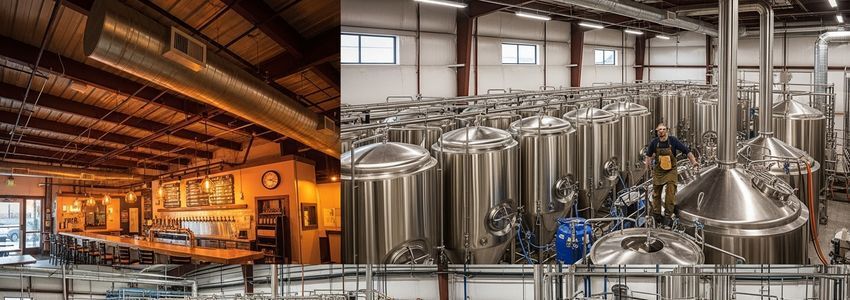
- Brewhouses: This is the heart of your operation. Financing can cover complete brewhouse systems, including the mash tun, lauter tun, boil kettle, and whirlpool. Whether you're starting with a 3-barrel pilot system or scaling up to a 30-barrel production powerhouse, financing makes it attainable.
- Fermentation and Conditioning Vessels: You can finance fermenters, brite tanks (or conditioning tanks), and serving tanks of all sizes. As your production increases, financing allows you to add more tank capacity modularly without massive capital outlays.
- Canning and Bottling Lines: Packaging is crucial for distribution and retail sales. Automated canning and bottling lines are significant investments, and financing makes them affordable, enabling you to reach a wider market beyond your taproom.
- Kegging and Washing Systems: For draft sales to your taproom and other bars or restaurants, financing can cover kegs, keg washers, and filling systems to ensure efficiency and sanitation.
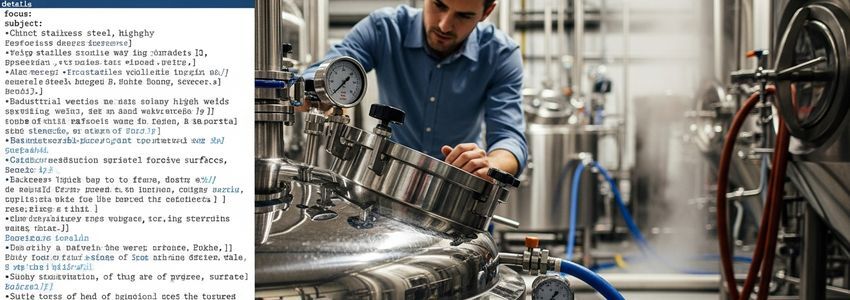
- Supporting Systems: Essential infrastructure like glycol chillers, steam boilers, grain mills, augers, pumps, hoses, and water filtration systems are all eligible for financing. These are the unsung heroes of a consistent, quality product.
- Laboratory and Quality Control Equipment: To ensure product consistency, financing can cover microscopes, yeast cell counters, dissolved oxygen meters, and spectrophotometers.
- Taproom and Restaurant Equipment: The customer experience is key. Financing can extend to your front-of-house needs, including point-of-sale (POS) systems, draft systems, tap handles, glassware, walk-in coolers, and even taproom furniture.
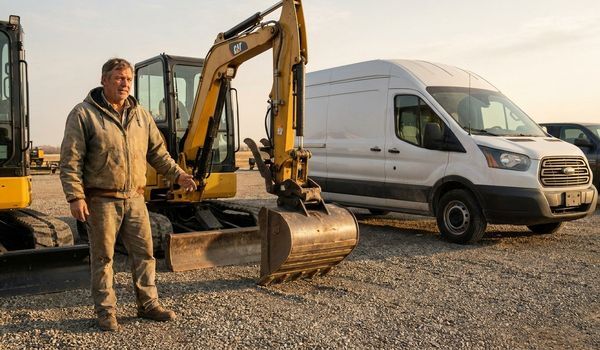
- Delivery Vehicles: As you grow, you'll need to get your product to market. Financing can cover vans or trucks for self-distribution.
Essentially, any tangible piece of equipment necessary for the production, packaging, storage, or sale of your craft beverage can be covered by brewery equipment financing. This allows you to preserve your liquid capital for other critical business expenses like payroll, marketing, ingredients, and unforeseen operational costs, making it a cornerstone of sustainable growth in the competitive craft beverage industry.
Ready to Finance Your Brewery Equipment?
Get fast, flexible financing from the #1 business lender in the U.S. No obligation - apply in minutes.
Apply Now ->Key Benefits of Brewery Equipment Financing
Opting for brewery equipment financing over a large cash purchase offers a multitude of strategic advantages that can significantly impact your business's financial health and growth trajectory. It's more than just a way to buy equipment; it's a tool for smart financial management. Here are the primary benefits for craft brewery and distillery owners.
- Preserve Critical Cash Flow: Cash is the lifeblood of any business, especially in the capital-intensive brewing industry. By financing your equipment, you avoid a massive upfront cash expenditure. This keeps your cash reserves available for other vital operational needs, such as purchasing raw materials (hops, malt, yeast), covering payroll, funding marketing campaigns, or handling unexpected repairs. This financial flexibility can be the difference between weathering a slow season and facing a serious cash crunch.
- Accelerate Expansion and Growth: The craft beverage market is dynamic. When an opportunity to increase production capacity arises, you need to act quickly. Waiting to save up enough cash could mean missing out on a lucrative distribution deal or failing to meet customer demand. Financing allows you to acquire the necessary fermenters, canning lines, or a larger brewhouse immediately, enabling you to scale your operations and seize growth opportunities as they appear.
- Potential Tax Advantages: Brewery equipment financing can offer significant tax benefits. Under Section 179 of the IRS tax code, businesses may be able to deduct the full purchase price of qualifying new or used equipment in the year it is put into service. This can substantially lower your taxable income. Additionally, lease payments are often treated as operating expenses and can be fully deducted. Always consult with a tax professional to understand how these benefits apply to your specific financial situation.
- Stay Competitive with Modern Technology: Brewing technology is constantly evolving, leading to better efficiency, consistency, and quality. Financing, particularly leasing, allows you to regularly upgrade your equipment to the latest models without the burden of ownership. This means you can benefit from more energy-efficient chillers, faster canning lines, or more precise quality control instruments, helping you produce a better product more cost-effectively and stay ahead of the competition.
- Build Business Credit: Making consistent, on-time payments on an equipment loan or lease is an excellent way to build a strong credit profile for your business. A healthy business credit history will make it easier and more affordable to secure other types of financing in the future, whether you need a line of credit, a working capital loan, or funding for a major facility expansion.
- Simplified Budgeting: Equipment financing typically comes with fixed monthly payments over a predetermined term. This predictability makes budgeting and financial forecasting much simpler. You know exactly what your equipment expense will be each month, allowing for more accurate planning and management of your overall finances.
Key Stat: According to the Brewers Association, U.S. craft breweries produced over 25 million barrels in 2023, generating $28.9 billion in retail value. Brewery equipment financing helps craft beverage producers capitalize on this booming market without depleting operating capital.
How Brewery Equipment Financing Works
The process of securing brewery equipment financing is designed to be much faster and more straightforward than traditional bank lending. Lenders who specialize in equipment financing, like Crestmont Capital, have streamlined their processes to get you the capital you need quickly, so you can get your equipment ordered and operational. While specifics can vary slightly between lenders, the journey generally follows four key steps.
Step 1: The Application
This is the initial and simplest step. You will fill out a short application, which can typically be done online in just a few minutes. The application will ask for basic information about your business and its owners. Be prepared to provide:
- Your business's legal name, address, and Employer Identification Number (EIN).
- Information about the business owners, including names, contact information, and social security numbers (for credit checks).
- The number of years your brewery has been in operation.
- Your estimated annual revenue and a general idea of your business's financial health.
- Details about the equipment you wish to finance, including the type of equipment, the vendor you're purchasing from, and the total cost. Having a quote from the equipment manufacturer or supplier is extremely helpful at this stage.
Unlike a traditional bank, which might require extensive business plans and financial projections upfront, specialized lenders often only need this basic information to begin the process, especially for established businesses.
Step 2: Review and Approval
Once your application is submitted, it goes to the lender's underwriting team. This is where the lender assesses the risk and determines your eligibility for financing. They will review several key factors:
- Credit History: The lender will check both your personal and business credit scores. While a high score is beneficial, many alternative lenders have programs for businesses with less-than-perfect credit.
- Cash Flow and Revenue: The underwriting team will often ask for recent bank statements (typically the last 3-6 months) to verify your business's revenue and cash flow. They want to see that you have a consistent and sufficient income stream to comfortably handle the new monthly payment.
- Time in Business: Lenders prefer to see an established operational history, usually at least one to two years. However, specific programs exist for newer businesses and startups, though they may have stricter requirements.
Because the equipment itself acts as collateral, the approval process is often much faster than for an unsecured loan. You can frequently receive a decision and a set of financing offers within a few hours to a couple of business days.
Step 3: Funding
After you've been approved and have accepted a financing offer (which will outline the loan amount, interest rate, term length, and monthly payment), the final step is funding. This part of the process is also incredibly efficient. You will sign the financing documents electronically. Once the paperwork is complete, the lender typically pays the equipment vendor or manufacturer directly. They will send a wire transfer or check for the full invoice amount. This is a crucial benefit: you don't have to handle the large sum of money yourself. The lender takes care of the payment, and you simply coordinate with your vendor for the delivery and installation of your new brewing equipment.
Step 4: Repayment
With your new equipment delivered and installed, you can begin brewing, packaging, and selling more of your product. Your repayment schedule will begin as outlined in your financing agreement. Payments are typically made on a monthly basis and are automatically debited from your business bank account via ACH transfer. These fixed payments make it easy to budget, and you'll continue to make them for the duration of your term (e.g., 24, 36, 60, or 84 months). Once the final payment is made on an equipment loan, you own the equipment outright.
Brewery Equipment Financing: Key Numbers at a Glance
Types of Brewery Financing Options
When seeking brewery equipment financing, it's important to understand that there isn't a single one-size-fits-all solution. Different financing products are designed for different business situations, timelines, and financial goals. Understanding the pros and cons of each will help you choose the best path for your brewery or distillery.
Equipment Loans
This is the most straightforward option. An equipment loan is a secured loan where a lender provides you with the capital to purchase the equipment, and the equipment itself serves as collateral. You make regular payments over a set term, and at the end of the term, you own the equipment free and clear.
- Pros: You build equity in the equipment and own it at the end. It's simple to understand, and you may be able to take advantage of tax deductions like Section 179.
- Cons: Monthly payments may be slightly higher than a lease. You are responsible for all maintenance and repairs.
Equipment Leasing
An equipment lease is essentially a long-term rental agreement. You pay a monthly fee to use the equipment for a specific period. At the end of the lease term, you typically have several options: purchase the equipment (often at fair market value or a pre-agreed price like $1), renew the lease, or return the equipment and upgrade to a newer model.
- Pros: Lower monthly payments, which can improve cash flow. It's easier to upgrade to new technology at the end of the term, which is ideal for equipment like canning lines or lab instruments that evolve quickly. Lease payments are often fully tax-deductible as an operating expense.
- Cons: You don't own the asset during the lease term. Over the long run, it can sometimes be more expensive than an outright purchase if you decide to buy it at the end.
SBA Loans
Loans backed by the U.S. Small Business Administration (SBA), such as the popular 7(a) and 504 loan programs, can be an excellent option for financing brewery equipment. The SBA doesn't lend the money directly; instead, it provides a guarantee to lenders, which reduces their risk. This often results in very favorable terms for the borrower.
- Pros: Long repayment terms (often up to 10 years for equipment) and some of the lowest interest rates available. The loan can often be used for a combination of equipment, working capital, and even real estate.
- Cons: The application process is notoriously slow and paperwork-intensive, often taking several weeks or even months. The qualification criteria are very strict, requiring excellent credit, strong financials, and a detailed business plan.
Business Lines of Credit
A business line of credit provides access to a revolving pool of funds that you can draw from as needed, up to a certain credit limit. You only pay interest on the amount you've drawn. It's not typically used for a single large equipment purchase but can be invaluable for smaller equipment needs or for managing the costs associated with an expansion.
- Pros: Extremely flexible. You can use it for equipment, inventory, marketing, or any other business need. You have instant access to capital when you need it.
- Cons: Interest rates can be higher than term loans. Best suited for short-term financing needs rather than long-term asset acquisition.
Working Capital Loans
These are short-term loans designed to cover everyday operational expenses rather than large asset purchases. If you're buying a new brewhouse, a working capital loan could be used to finance the first large batch of ingredients needed to get it running or to fund a marketing campaign to announce your new capacity.
- Pros: Very fast funding, often within 24-48 hours. Easier to qualify for than many other types of loans.
- Cons: Shorter repayment terms and higher interest rates. Not designed for large, long-term equipment financing.
Who Qualifies for Brewery Equipment Financing
Lenders evaluate several key factors to determine a brewery's eligibility for equipment financing, as well as the rates and terms they can offer. While requirements differ between traditional banks, the SBA, and alternative lenders like Crestmont Capital, there are common benchmarks that underwriters look for. Understanding these criteria can help you prepare a stronger application and increase your chances of approval.
Time in Business
This is one of the most significant factors. Lenders want to see a track record of stability and success.
- Established Breweries (2+ years): Businesses with two or more years of operational history and consistent revenue are in the strongest position. They can typically access the best rates and terms with the least amount of documentation.
- Newer Businesses (1-2 years): Breweries in this range are often eligible for a wide range of financing options, though lenders will look more closely at recent revenue trends and personal credit.
- Startups (Under 1 year): Securing financing for a startup brewery is the most challenging, but not impossible. Lenders will heavily scrutinize the owner's personal credit history, industry experience, and the quality of the business plan. A significant down payment or additional collateral may be required.
Annual Business Revenue
Your revenue is a direct indicator of your ability to repay a loan. Lenders need to see that your business generates enough income to comfortably cover its existing expenses plus the new loan payment. A common minimum threshold for many alternative lenders is around $100,000 to $250,000 in annual gross revenue. Lenders will verify this by reviewing your last several months of business bank statements or your most recent tax returns.
Credit Score
Both personal and business credit scores play a crucial role.
- Excellent Credit (720+): A strong credit score will open the door to the lowest interest rates, longest repayment terms, and a wider variety of loan products, including competitive bank and SBA loans.
- Good Credit (650-719): You will still qualify for many excellent financing options from alternative lenders, with competitive rates and fast funding times.
- Fair or Bad Credit (Below 650): While options become more limited, financing is still possible. Lenders specializing in bad credit equipment financing will place more emphasis on your business's recent cash flow and revenue. The rates will be higher to compensate for the increased risk, but this can still be a viable way to acquire revenue-generating equipment.
Collateral
For brewery equipment financing, the primary collateral is the equipment itself. This is a major advantage. Because the loan is secured by a valuable, tangible asset, it reduces the lender's risk. This often means you won't have to pledge other business assets or real estate. However, most lenders will still require a personal guarantee from the business owner(s), which is a promise to personally repay the debt if the business defaults.
Business Plan and Financial Projections
For startups or young businesses seeking significant funding, a comprehensive business plan is essential. It should detail your market analysis, marketing strategy, management team's experience, and, most importantly, realistic financial projections. This demonstrates to the lender that you have a clear vision and a viable plan for turning their investment into a profitable venture.
How Crestmont Capital Helps Craft Breweries
In the fast-paced world of craft brewing, partnering with the right financial institution is just as important as choosing the right hops. Traditional banks often have rigid requirements and a slow, cumbersome process that doesn't align with the needs of a growing brewery. Crestmont Capital understands the unique challenges and opportunities within the craft beverage industry and has tailored its services to help breweries and distilleries thrive. Our approach is built on three core pillars: speed, flexibility, and industry expertise.
Fast Approval and Funding: We know that when you need a new fermenter to meet demand or a canning line to enter new markets, you can't afford to wait months for a bank's decision. Our streamlined online application for Equipment Financing takes just a few minutes to complete. We often provide approvals within hours and can have your equipment vendor funded in as little as 24-48 hours. This speed allows you to be nimble, outpace your competition, and capitalize on growth opportunities the moment they arise. As noted by industry analysts on platforms like CNBC, agility is a key differentiator for successful small businesses.
Flexible and Customized Terms: Every brewery is different. Your financing should be too. Unlike one-size-fits-all bank loans, we work with you to structure a financing plan that fits your specific budget and cash flow. We offer a variety of products, from traditional equipment loans and flexible Equipment Leasing options to a versatile Business Line of Credit. Whether you need a shorter term to pay off equipment quickly or a longer term up to 84 months to keep monthly payments low, we can customize a solution. We also offer options for seasonal businesses, with payment structures that align with your peak revenue months.
Brewing Industry Expertise: We're not just generalist lenders; we are experts in financing for the craft beverage industry. We understand the value and longevity of brewing equipment, from mash tuns to brite tanks. This expertise allows us to make common-sense underwriting decisions that banks might not. We have funded everything from complete startup breweries to major expansions for nationally recognized brands. We also help our clients navigate complex options like SBA Loans, leveraging our knowledge to simplify the process. Our deep understanding of your business model, as explored in business publications like Forbes, means we can provide not just capital, but a true financial partnership. We speak your language and are dedicated to helping you achieve your production and business goals. For more information on government-backed programs, the official SBA website is an excellent resource.
Get Your Brewery Equipment Financed Today
From fermenters to canning lines - we finance all brewery equipment fast. No obligation - apply in minutes.
Apply Now ->Real-World Brewery Financing Scenarios
To better understand how brewery equipment financing works in practice, let's explore a few realistic scenarios that craft beverage owners commonly face. These examples illustrate how different financing solutions can be applied to achieve specific business goals.
Scenario 1: The Taproom Expansion
- The Brewery: "HopGrove Ales," a successful brewpub in business for four years. Their taproom is consistently full, and they are struggling to keep their most popular IPAs on tap.
- The Need: They need to increase their fermentation capacity to meet demand. They identify two new 30-barrel fermenters and a new brite tank, with a total equipment cost of $95,000.
- The Challenge: Paying nearly $100,000 in cash would wipe out their operating reserves, leaving them vulnerable to unexpected expenses.
- The Solution: HopGrove Ales applies for an equipment loan with Crestmont Capital. With their strong revenue history and good credit, they are quickly approved for a $95,000 loan with a 60-month (5-year) term. Their monthly payment is approximately $2,000.
- The Outcome: The new tanks are installed within two weeks. The increased capacity allows them to brew more of their flagship beers, preventing sell-outs and increasing taproom sales. The additional revenue generated by the new equipment (over $5,000 per month) far exceeds the monthly loan payment, resulting in a highly positive return on investment. They also maintain a healthy cash buffer for operations.
Scenario 2: The Distribution Push
- The Brewery: "Steel Kettle Brewing," a three-year-old production brewery that has built a strong local following through self-distribution to local bars and restaurants. They receive an opportunity to be picked up by a regional distributor, but it requires them to move from kegs to canned products.
- The Need: A reliable, automated canning line. They receive a quote for a system that costs $175,000.
- The Challenge: This is a massive capital investment, and canning technology evolves rapidly. They are hesitant to own a piece of equipment that might be outdated in a few years.
- The Solution: They opt for an Equipment Lease with a Fair Market Value (FMV) buyout option. This results in a lower monthly payment compared to a loan, preserving more of their cash flow for the initial large purchase of cans and packaging materials. The lease term is set for 48 months.
- The Outcome: Steel Kettle Brewing launches its canned beers and successfully enters regional distribution, dramatically increasing its production volume and brand recognition. At the end of the four-year lease, they have the option to buy the current line, return it and lease a newer, faster model, or extend the lease. This flexibility allows them to adapt to future market demands.
Scenario 3: The Distillery Startup
- The Entrepreneurs: Two partners with extensive experience in the spirits industry and excellent personal credit want to open "Ridgeback Distillery." They have secured a location and have a robust business plan but need to fund the entire equipment package.
- The Need: A complete distillery setup, including a still, mash tun, fermentation tanks, and bottling equipment, totaling $300,000.
- The Challenge: As a startup, they have no business revenue history, making traditional financing very difficult to obtain.
- The Solution: They work with a financing advisor to pursue an SBA 7(a) loan. While the process is lengthy and requires extensive documentation (business plan, financial projections, personal financial statements), their strong plan and personal qualifications lead to an approval. The SBA guarantee makes the lender comfortable funding a startup.
- The Outcome: They secure the $300,000 with a 10-year repayment term and a very low interest rate. The long term keeps the monthly payments manageable during their crucial first few years of operation. They are able to purchase all the equipment they need to launch successfully.
Comparing Your Brewery Financing Options
Choosing the right financing product is crucial. A fast, simple equipment loan might be perfect for one brewery, while a complex but low-rate SBA loan is better for another. This table breaks down the key characteristics of the most common financing options to help you make an informed decision.
| Financing Type | Speed | Typical Rate | Best For |
|---|---|---|---|
| Equipment Loan | Very Fast (1-3 days) | Low to Moderate | Quickly acquiring core, long-life assets like brewhouses and fermenters that you want to own. |
| Equipment Lease | Very Fast (1-3 days) | Low to Moderate | Lowering monthly payments and acquiring technology that may need upgrading (canning lines, lab gear). |
| SBA Loan | Slow (30-90+ days) | Very Low | Large, multi-faceted projects (equipment, real estate, working capital) for highly qualified borrowers who can wait. |
| Business Line of Credit | Fast (1-7 days) | Moderate | Ongoing, flexible access to capital for smaller purchases, inventory, or managing fluctuating cash flow. |
| Working Capital Loan | Extremely Fast (1 day) | Moderate to High | Short-term, immediate cash needs to cover operational gaps, not for large equipment purchases. |
Frequently Asked Questions
What types of brewery and distillery equipment qualify for financing?
Virtually any piece of tangible equipment used in the production, packaging, storing, or serving of your craft beverage can be financed. Lenders understand the full scope of needs for a modern brewery or distillery. This includes both new and used equipment. The list is extensive and covers:
- Core Production: Complete brewhouse systems (mash/lauter tuns, kettles, whirlpools), stills (pot stills, column stills), fermentation vessels, and brite/conditioning tanks.
- Packaging: Automated and semi-automated canning lines, bottling lines, keg washers, and keg fillers.
- Support Infrastructure: Glycol chillers and jackets, steam boilers, grain silos, mills, augers, transfer pumps, hoses, and advanced water filtration systems.
- Cellar and Finishing: Filtration equipment (plate and frame filters, centrifuges), carbonation stones, and barrel-aging racks.
- Quality Control: Laboratory equipment such as microscopes, spectrophotometers, DO meters, and pH meters.
- Front-of-House: Draft systems, tap towers, walk-in coolers, point-of-sale (POS) systems, and even taproom furniture and fixtures.
- Logistics: Forklifts for moving pallets and delivery vans or trucks for self-distribution.
Essentially, if you can get a formal invoice for it from a vendor, it is likely eligible for financing.
What is the minimum credit score needed for brewery equipment financing?
There is no single "magic number," as credit requirements vary significantly between lenders and loan products. However, here's a general guideline:
- SBA and Traditional Bank Loans: These institutions typically look for excellent personal credit scores, usually 680 or higher, often above 700.
- Alternative Lenders (like Crestmont Capital): We offer more flexibility. While a higher score (650+) will get you better rates and terms, we have programs available for business owners with scores in the low 600s, and sometimes even lower. For business owners with challenged credit, we place a much stronger emphasis on the business's recent performance, specifically its cash flow and revenue as demonstrated by bank statements. Strong, consistent revenue can often offset a lower credit score.
It's always recommended to apply even if you are unsure about your credit score. Many lenders can perform a "soft pull" initially, which does not affect your credit, to see what options might be available to you.
Can I get financing for a startup brewery or distillery?
Yes, financing for a startup is possible, but it is more challenging and requires a very strong application. Since there is no business history to evaluate, lenders will focus on other factors:
- Personal Credit: The owners' personal credit scores will be a primary consideration and must be strong (typically 680+).
- Industry Experience: Demonstrating that you or your partners have direct experience in the brewing industry (e.g., as a professional brewer, operations manager, etc.) significantly reduces perceived risk.
- Comprehensive Business Plan: This is non-negotiable. Your plan must include detailed market research, a unique value proposition, a clear marketing and sales strategy, and well-researched financial projections for the first 3-5 years.
- Owner Investment / Down Payment: Lenders will want to see that you have "skin in the game." A significant cash injection or down payment (often 10-25% of the total project cost) is usually required.
- Collateral: You may need to pledge additional personal assets as collateral to secure the loan.
SBA loans are often the best route for well-qualified startups due to the government guarantee, but specialized lenders also have startup programs for strong candidates.
Is a down payment required?
For established businesses with strong credit and financials (typically 2+ years in business), it is often possible to secure 100% financing with no down payment required. This is a major benefit as it allows you to acquire the equipment with zero cash out of pocket. In some cases, lenders may ask for one or two advance payments to initiate the loan or lease, which are then credited as your first payments.
A down payment is more likely to be required in situations with higher risk, such as for startups, businesses with a shorter operating history, or business owners with challenged credit. In these cases, a down payment of 10-20% can help mitigate the lender's risk and improve your chances of approval.
How fast can I get funded for my brewing equipment?
The speed of funding is a major differentiator between lenders.
- Alternative Lenders (like Crestmont Capital): The process is built for speed. After submitting a simple online application, you can expect an approval decision within hours. Once you accept an offer and complete the electronic documents, the vendor can be paid via wire transfer in as little as 24 to 48 hours.
- Traditional Banks: The process is much slower and more involved, typically taking several weeks from application to funding.
- SBA Loans: This is the slowest option. Due to the extensive paperwork and government involvement, the process can take anywhere from 30 to 90 days or even longer.
Should I lease or buy my brewery equipment?
The decision to lease versus buy depends on your financial situation and business strategy.
Consider Buying (via an Equipment Loan) if:
- The equipment has a long, useful life (e.g., stainless steel fermenters, brewhouse).
- You want to build equity in your assets.
- You plan to use the equipment for many years and want the benefits of ownership.
- You want to take advantage of the Section 179 tax deduction.
Consider Leasing if:
- Your top priority is the lowest possible monthly payment to preserve cash flow.
- The equipment is technologically advanced and may become obsolete (e.g., high-speed canning lines, lab equipment, POS systems).
- You want the flexibility to upgrade to newer models every few years.
- You prefer to deduct the entire monthly payment as an operating expense (consult your accountant).
Can I finance used brewery equipment?
Absolutely. Financing used equipment is very common in the brewing industry and is a fantastic way to save money. Many lenders, including Crestmont Capital, are happy to finance the purchase of used equipment from a reputable dealer, auction, or even a private seller (another brewery). The process is very similar to financing new equipment. The lender will want to see an invoice or bill of sale and may perform a valuation to ensure the equipment's worth aligns with the loan amount. Financing used equipment can be a smart strategy to stretch your budget further, allowing you to get a larger or higher-quality system than you could afford new.
Are SBA loans a good option for breweries?
SBA loans can be an outstanding option for the right candidate and situation.
Advantages:
- Excellent Terms: They offer some of the lowest interest rates and longest repayment periods available (up to 10 years for equipment, 25 years for real estate). This results in very low monthly payments.
- Versatility: An SBA loan can be used to fund a combination of expenses, including equipment, real estate purchase or construction, and working capital, all bundled into one loan.
- Slow Process: The application is document-heavy and the approval/funding timeline can stretch for months. This is not suitable for time-sensitive equipment needs.
- Strict Requirements: You will generally need a high credit score (680+), strong financials, a detailed business plan, and may need to pledge additional collateral.
They are best suited for large, well-planned projects like a new brewery build-out or a major expansion where the timeline is not a critical factor.
What documents are needed to apply?
The documentation requirements vary based on the lender, the loan amount, and your business's history.
- For smaller amounts (under $250,000) from an alternative lender: The process is often very simple. You may only need to provide a one-page application and your last 3-6 months of business bank statements.
- For larger amounts or for businesses with more complex financials: You may also be asked to provide your most recent business tax return, a year-end profit and loss statement, and a balance sheet.
- For startups or SBA loans: The list is much more extensive and will include a full business plan, detailed financial projections, personal financial statements for all owners, personal tax returns, and other supporting documents.
Can I get financing with bad credit?
Yes, it is possible to get brewery equipment financing even with bad credit. While it will be more challenging and the terms will be less favorable, options exist. Lenders who specialize in financing for business owners with poor credit will focus less on the FICO score and more on the recent health of the business. They will want to see:
- Strong and Consistent Cash Flow: Your recent bank statements must show sufficient regular deposits to demonstrate that you can afford the new payment.
- Time in Business: You will typically need to have been in business for at least one year, preferably two.
- No Recent Major Derogatory Marks: Recent bankruptcies or open tax liens can be difficult to overcome.
The interest rates will be higher, and the terms may be shorter to compensate for the lender's increased risk, but it can provide a vital lifeline to acquire equipment that generates the revenue needed to grow and improve your credit profile over time.
What are the tax benefits of equipment financing (Section 179)?
Section 179 of the IRS tax code is a powerful incentive for businesses to invest in themselves. It allows you to treat an asset purchase as an expense and deduct the full purchase price of qualifying new or used equipment from your gross income in the year it is put into service. For example, if you finance and install a $150,000 canning line, you may be able to deduct the entire $150,000 from your taxable income for that year. This can lead to significant tax savings.
Equipment leases can also have tax benefits, as the monthly payments are often considered a pre-tax operating expense and can be fully deducted. The rules and limits for these deductions can change, so it is crucial to consult with your accountant or tax professional to understand how these benefits apply to your specific financial situation and to ensure you are taking full advantage of them.
How much money can I borrow for my brewery equipment?
The amount you can borrow depends on several factors, primarily your business's financial health and the lender's programs.
- Typical Range: Financing amounts can range from as little as $5,000 for a small piece of equipment to well over $5 million for a complete facility build-out.
- Key Factors: The maximum loan amount will be determined by your annual revenue, cash flow, credit history, and time in business. A good rule of thumb is that a lender wants to see that your total debt payments (including the new loan) do not exceed a certain percentage of your monthly income.
Can I refinance existing brewery equipment I already own?
Yes. If you own your equipment outright or have an existing loan with unfavorable terms, you can use that equipment's equity to get cash out or secure better terms. This is often done through a "sale-leaseback" transaction or an equipment refinance loan.
How it works:
- A lender appraises the value of your existing, paid-off equipment.
- They provide you with a lump sum of cash (e.g., 70-80% of the appraised value).
- You then make regular monthly payments on that amount, just like a standard equipment loan.
This is an excellent way to unlock the cash value tied up in your assets to use for working capital, expansion, or any other business purpose without taking on unsecured debt.
Do these financing options also apply to distilleries, cideries, or wineries?
Yes, absolutely. While this guide focuses on "brewery" equipment, the financing principles, products, and processes are virtually identical for all craft beverage producers. Lenders who specialize in this industry understand the specific equipment needs of distilleries (stills, aging barrels), cideries (presses, bottling lines), and wineries (crushers, destemmers, tanks). The same benefits of preserving cash flow, accelerating growth, and leveraging tax advantages apply equally to all these businesses. Crestmont Capital has extensive experience funding equipment for all segments of the craft beverage industry.
My brewery has seasonal cash flow. Can financing be structured around that?
Yes, this is a key advantage of working with a flexible, specialized lender. Many breweries experience seasonality, with higher revenues in the summer and during holidays, and slower periods in the winter. We understand this and can offer customized repayment structures to match your cash flow cycle. These can include:
- Seasonal Payments: You make larger payments during your peak season and smaller, token payments during your off-season.
- Step-Up Payments: Payments start low and gradually increase over the term of the loan, which is ideal for new equipment that needs time to ramp up and start generating revenue.
- Deferred Payments: Your first payment may be deferred for 90 days or more, giving you time to get the equipment installed and productive before you have to start paying for it.
These flexible options are designed to reduce financial stress and align your expenses with your revenue stream, something a standard bank loan rarely offers.
How to Get Started
Ready to take the next step and secure the funding your brewery needs to grow? We've made the process simple, transparent, and fast. Follow these three easy steps to get your equipment funded.
Complete our quick application at offers.crestmontcapital.com/apply-now - it takes just a few minutes and requires no hard credit pull to get started.
A Crestmont Capital advisor with expertise in the brewing industry will contact you to review your business needs, discuss your equipment quote, and match you with the best financing option and terms available.
Once you approve our offer and sign the documents electronically, we pay your equipment vendor directly. You can then schedule delivery and start brewing more, growing your taproom, and expanding your distribution.
Ready to Scale Your Brewery?
Don't let equipment costs limit your growth. Get flexible brewery equipment financing today.
Apply Now ->Conclusion
In the competitive and capital-intensive craft beverage industry, strategic financial management is just as crucial as the quality of your product. Brewery equipment financing is an essential tool that empowers owners to launch, grow, and innovate without sacrificing financial stability. By converting a massive upfront capital expenditure into manageable monthly payments, you preserve your precious cash flow for operations, marketing, and unforeseen opportunities. This allows you to acquire the state-of-the-art brewhouses, fermenters, and packaging lines needed to increase production, improve efficiency, and stay ahead of the competition.
Whether you are a startup distillery laying its foundation or an established brewery pushing into new markets, there is a financing solution tailored to your specific goals. From fast and flexible equipment loans and leases to long-term, low-rate SBA loans, understanding your options is the first step toward making a smart investment in your future. At Crestmont Capital, we specialize in providing the swift, customized capital that breweries and distilleries need to thrive. We understand your industry and are committed to being a long-term partner in your success. Don't let a lack of capital be the bottleneck in your operation. Take the next step today and explore how brewery equipment financing can help you turn your passion into a more profitable and scalable enterprise.
Disclaimer: The information provided in this article is for general educational purposes only and is not financial, legal, or tax advice. Funding terms, qualifications, and product availability may vary and are subject to change without notice. Crestmont Capital does not guarantee approval, rates, or specific outcomes. For personalized information about your business funding options, contact our team directly.