
 (800) 949-0401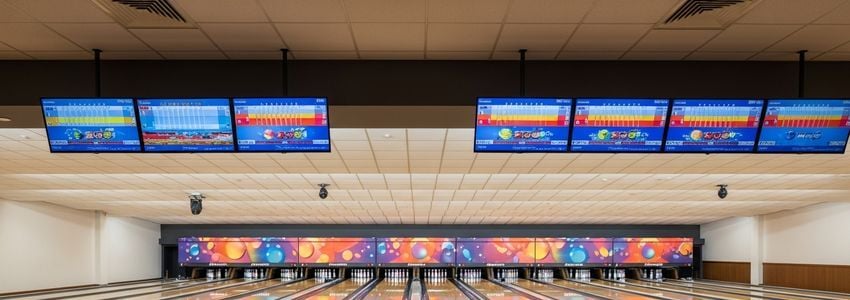
Bowling Lane Equipment Financing: The Complete Guide for Business Owners
Modernizing a bowling center or launching a new one requires a significant capital investment, with the lanes and machinery representing the largest expense. Navigating the world of commercial lending can be complex, but dedicated bowling lane equipment financing provides a direct path for business owners to acquire necessary assets without depleting cash reserves. This guide explores the entire process, from understanding the types of financing available to qualifying for the capital you need to build a successful bowling enterprise. Whether you are upgrading pinsetters, installing new scoring systems, or building a new facility from the ground up, the right financing partner can make all the difference.
In This Article
- What Is Bowling Lane Equipment Financing?
- Key Benefits of Financing Your Bowling Equipment
- Types of Bowling Equipment You Can Finance
- How Bowling Lane Equipment Financing Works
- Types of Financing Options Available
- Who Qualifies for Bowling Lane Equipment Financing?
- Bowling Equipment Financing vs. Leasing: Which Is Right for You?
- How Crestmont Capital Can Help
- Real-World Scenarios
- Frequently Asked Questions
- How to Get Started
- Conclusion
What Is Bowling Lane Equipment Financing?
Bowling lane equipment financing is a specialized type of business funding designed specifically for the acquisition of new or used equipment for bowling centers, family entertainment centers (FECs), and related recreational venues. Unlike a generic business loan that provides a lump sum of cash for various purposes, this financing is tied directly to the equipment itself. The pinsetters, lanes, scoring systems, and other assets being purchased serve as the collateral for the loan. This secured nature often makes it easier for businesses to qualify and can lead to more favorable terms compared to unsecured loans.
The core purpose of this financing is to allow business owners to spread the high upfront cost of bowling equipment over a set period, typically two to seven years. Instead of a massive capital outlay that could cripple cash flow, the business makes predictable monthly payments. This structure enables owners to preserve working capital for other critical operational needs, such as marketing, payroll, inventory for a pro shop or snack bar, and unexpected repairs. For many entrepreneurs in the bowling industry, financing is not just an option- it is the strategic financial tool that makes launching, expanding, or renovating their business possible.
This category of funding encompasses several financial products, including traditional equipment loans where the business owns the asset at the end of the term, and equipment leases where the business pays to use the equipment for a period with an option to buy it later. Lenders who specialize in this niche, like Crestmont Capital, understand the unique value and lifecycle of bowling equipment, allowing them to structure deals that align with the revenue-generating potential of the assets. Whether you need bowling alley equipment financing for a complete overhaul or just a few key upgrades, this targeted approach ensures the funding fits the specific needs of your operation.
Key Benefits of Financing Your Bowling Equipment
Choosing to finance your bowling equipment rather than paying cash upfront offers numerous strategic advantages that can significantly impact your business's financial health and long-term success. It is a decision that moves beyond mere necessity and becomes a powerful lever for growth and stability. By leveraging financing, you can equip your center with the best technology and amenities to attract customers while maintaining a strong financial position.
The primary benefits extend from cash flow preservation to competitive advantages in a demanding entertainment market. A modern, well-maintained facility not only enhances the customer experience but also improves operational efficiency, reducing downtime and maintenance costs. Here are the key benefits of using bowling equipment loans and financing solutions:
- Preservation of Working Capital: This is the most significant advantage. A complete 16-lane installation can cost hundreds of thousands, if not millions, of dollars. Financing allows you to keep your cash on hand for daily operations, marketing campaigns, hiring staff, managing inventory, and covering unforeseen expenses. Strong cash flow is the lifeblood of any business, and financing protects it.
- Predictable Monthly Payments: Financing structures the total cost into fixed, manageable monthly payments. This predictability makes budgeting and financial forecasting much simpler. You know exactly what your equipment expense will be each month, allowing for better control over your profit and loss statements.
- Access to High-Quality Equipment: Financing makes state-of-the-art equipment accessible. You can afford the best pinsetters, most durable synthetic lanes, and most engaging scoring systems without having the full purchase price available. This allows you to build a premium facility that attracts more customers and can command higher prices.
- Competitive Edge: An updated bowling center with modern amenities stands out from the competition. Advanced scoring systems with social media integration, comfortable and stylish seating, and reliable lane performance create a superior customer experience. This leads to repeat business, positive reviews, and a stronger brand reputation.
- Potential Tax Advantages: Depending on the financing structure, you may be able to take advantage of tax benefits. Section 179 of the IRS tax code allows businesses to deduct the full purchase price of qualifying equipment and software financed or purchased during the tax year. This can result in significant tax savings. Always consult with a tax professional to understand the specific benefits for your business.
- Builds Business Credit: Successfully managing and paying off an equipment loan demonstrates financial responsibility and helps build a strong credit history for your business. This can make it easier to secure other types of financing in the future, such as a line of credit or a commercial real estate loan.
- Flexible Terms: Lenders often offer a variety of repayment terms, typically ranging from 24 to 84 months. This flexibility allows you to choose a payment plan that aligns with your projected revenue and cash flow, ensuring the payments are sustainable for your business model.
Types of Bowling Equipment You Can Finance
A modern bowling center is a complex operation with a wide array of specialized equipment working together to create a seamless and enjoyable customer experience. Fortunately, comprehensive bowling center financing can cover nearly every piece of equipment required to build, renovate, or operate your facility. Lenders understand that the sum of these parts is what makes a bowling alley successful, and they are typically willing to finance the entire package. From the foundational lanes and pinsetters to the customer-facing amenities, here is a detailed breakdown of the types of bowling equipment you can finance.
Core Bowling Systems
- Pinsetters (or Pinspotters): This is the mechanical heart of any bowling lane. Whether you are opting for classic free-fall machines or the increasingly popular string pinsetters, these complex machines are a major expense. Financing can cover the cost of new units from top brands like Brunswick (GS-X) or QubicaAMF (EDGE), including professional installation and setup.
- Lane Surfaces: The choice between traditional wood lanes and modern synthetic lanes is a critical one. Synthetic lanes, while more expensive upfront, offer greater durability and lower maintenance costs. Financing can cover the purchase and installation of these surfaces, including the underlying foundation, gutters, and capping.
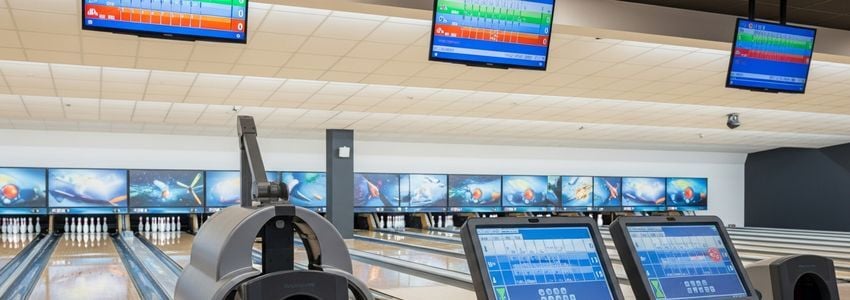
- Ball Return Systems: An efficient and reliable ball return is essential for game flow. This includes the underground accelerator and the visible power lift that brings the ball back to the bowler. Both components, along with their associated machinery and safety features, are eligible for financing.
- Scoring Systems: Today’s scoring systems are far more than just digital scorekeepers. They are entertainment hubs with animated graphics, various game formats, social media integration, and even lane-side ordering capabilities. Financing can cover the complete system, including overhead monitors, bowler consoles, and the central server software.
Customer-Facing and Support Equipment
- Bowling Balls and Shoes: A full rack of house balls in various weights and a comprehensive inventory of rental shoes are necessary for any public bowling center. While individually inexpensive, the total cost for a large facility can be substantial. These items are often bundled into a larger equipment financing package.
- Furniture and Fixtures: The bowler's area furniture- including seating, tables, and consoles- is crucial for customer comfort and the overall aesthetic of your center. Financing can be used to purchase modern, durable furniture packages that enhance the look and feel of your facility. This can also extend to lobby furniture, party room setups, and bar or restaurant seating.
- Pro Shop Equipment: If you plan to operate a pro shop, you will need specialized equipment like ball drill presses, polishers, and measurement tools. These assets can be included in your financing agreement, allowing you to offer valuable services to league bowlers and serious enthusiasts.
- Lighting and Sound Systems: Creating the right atmosphere is key, especially for "cosmic" or "glow" bowling events. Financing can cover the cost of specialized LED lane lighting, black lights, sound systems, and video projectors that transform your center into an entertainment destination.
- Point-of-Sale (POS) Systems: A modern POS system that integrates lane management, food and beverage sales, and customer relationship management is a vital operational tool. The hardware and software for these systems are fully financeable.
How Bowling Lane Equipment Financing Works
The process of securing bowling lane installation financing or funding for equipment upgrades is more straightforward than many business owners assume. Lenders specializing in this sector have streamlined their procedures to ensure businesses can get the capital they need quickly and efficiently. While the specific steps may vary slightly between lenders, the general workflow follows a clear and logical progression. Understanding this process helps demystify the experience and allows you to prepare for a smooth and successful application.
Here is a step-by-step breakdown of how bowling lane equipment financing typically works:
- Determine Your Equipment Needs and Costs: The first step is to identify exactly what equipment you need. Work with vendors from manufacturers like Brunswick, QubicaAMF, or Kegel to get detailed quotes. This should include the price of the equipment, shipping, installation, and any necessary training. Having a precise total cost is crucial for the application.
- Complete a Financing Application: You will submit a credit application to the lender, such as Crestmont Capital. This application typically asks for basic information about your business (name, address, time in business, annual revenue) and its owners (name, ownership percentage, social security number for a credit check). For larger funding amounts, you may also need to provide additional documentation like bank statements, financial statements, or a business plan.
- Undergo Credit Review and Approval: The lender will review your application. They assess the "Three Cs" of credit: Character (your personal and business credit history), Capacity (your business's ability to repay the loan, evidenced by revenue and cash flow), and Collateral (the equipment itself). Because the equipment serves as collateral, the approval process is often faster and has more flexible credit requirements than traditional bank loans. Approvals can often be granted in as little as a few hours for smaller amounts.
- Receive and Review Financing Offers: Once approved, the lender will present you with one or more financing offers. These documents will outline the key terms: the total amount financed, the interest rate, the monthly payment, and the loan term (e.g., 60 months). Carefully review these terms to ensure they align with your business's financial projections.
- Sign a Financing Agreement: After selecting the best offer for your needs, you will sign the official financing agreement. This is a legally binding contract between your business and the lender. Read it carefully before signing to ensure you understand all obligations, including any prepayment policies.
- Funding and Equipment Purchase: Once the agreement is signed, the lender will coordinate payment directly with your chosen equipment vendor. This is a key feature of equipment financing- the funds do not typically pass through your bank account. The lender pays the vendor, and the vendor then schedules the delivery and installation of your new bowling equipment.
- Begin Repayment: Your first payment is usually due 30 to 60 days after the equipment is delivered and installed. You will then continue to make your fixed monthly payments for the duration of the agreed-upon term, allowing you to generate revenue from your new equipment while you pay for it.
By the Numbers: The Bowling Industry
~3,500
Bowling centers currently operating in the United States.
$500K - $2M+
Average cost for a significant bowling center renovation or new build-out.
70%+
General equipment financing approval rate for established businesses with good credit.
24-84
Typical repayment term length in months for bowling equipment loans.
Types of Financing Options Available
When seeking funding for your bowling center, it is important to understand that "bowling lane equipment financing" is an umbrella term that covers several distinct financial products. Each option has its own structure, benefits, and ideal use case. Choosing the right one depends on your business's financial situation, long-term goals, and whether you prioritize ownership or low monthly payments. Here are the most common types of financing options available for bowling equipment.
Equipment Loans
An equipment loan is a straightforward financing agreement where a lender provides you with the capital to purchase the equipment outright. You make regular payments (principal plus interest) over a predetermined term. The equipment itself serves as collateral for the loan. This is the most common form of equipment financing.
- Ownership: You own the equipment from day one and hold the title once the loan is fully paid off.
- Best For: Business owners who plan to use the equipment for its entire useful life and want to build equity in their assets. It is ideal for core infrastructure like lanes and pinsetters that have a long lifespan.
- Considerations: Monthly payments may be slightly higher than a lease because you are paying for the full value of the equipment.
SBA 7(a) Loans
SBA 7(a) loans are not direct loans from the Small Business Administration (SBA). Instead, they are loans issued by traditional lenders (like banks or specialized finance companies) that are partially guaranteed by the SBA. This government guarantee reduces the lender's risk, often resulting in lower interest rates and longer repayment terms than other options. According to the SBA's official site, these loans can be used for a variety of purposes, including the purchase of machinery and equipment.
- Ownership: You own the equipment.
- Best For: Well-qualified businesses looking for the most favorable rates and terms. They are also excellent for larger projects that might include equipment, real estate, and working capital all bundled into one loan.
- Considerations: The application process for SBA loans is typically more intensive and time-consuming, requiring extensive documentation and a strong credit profile.
Equipment Leasing
An equipment lease is essentially a long-term rental agreement. You pay a monthly fee to use the equipment for a specific period. At the end of the lease term, you typically have several options: purchase the equipment (often at fair market value or a predetermined price), renew the lease, or return the equipment and upgrade to newer technology. There are two main types of leases: capital leases (which function like a loan) and operating leases (which function like a true rental).
- Ownership: The leasing company retains ownership during the lease term.
- Best For: Businesses that want lower monthly payments and the flexibility to upgrade equipment frequently. This is a great choice for technology that evolves quickly, such as scoring systems or POS terminals.
- Considerations: The total cost over the lease term may be higher if you decide to purchase the equipment at the end.
Business Line of Credit
A business line of credit provides access to a revolving pool of funds up to a certain limit. You can draw from it as needed and only pay interest on the amount you use. Once you repay the drawn amount, your available credit is replenished. While not specifically for equipment, it can be a flexible way to finance smaller equipment purchases or cover related costs like installation and shipping.
- Ownership: You own the equipment you purchase with the funds.
- Best For: Businesses needing flexibility to cover multiple small purchases over time or to manage cash flow during a renovation project.
- Considerations: Interest rates can be variable and may be higher than a traditional equipment loan. It is best suited for short-term financing needs rather than large, long-term asset purchases.
Ready to Upgrade Your Bowling Center?
Get the capital you need for new lanes, pinsetters, and scoring systems. Our simple application takes just a few minutes.
Apply Now ->Who Qualifies for Bowling Lane Equipment Financing?
Qualifying for bowling lane equipment financing is often more accessible than qualifying for other types of business loans. This is primarily because the equipment itself acts as collateral, which reduces the risk for the lender. If the borrower defaults on the loan, the lender can repossess and resell the assets to recoup their losses. However, lenders still have a set of criteria they use to evaluate the risk of each application and determine the terms of the offer. Understanding these qualifications can help you prepare your application for the best chance of approval.
Here are the key factors lenders consider:
- Credit Score: Both personal and business credit scores are important. A strong credit history demonstrates a track record of responsible borrowing. While prime lenders prefer FICO scores of 680 or higher, many alternative lenders can work with business owners with lower scores. At Crestmont Capital, we offer solutions for a wide range of credit profiles, including specialized programs for bad credit equipment financing. A lower score might result in a higher interest rate or a request for a larger down payment, but it does not automatically disqualify an applicant.
- Time in Business: Lenders prefer to work with established businesses that have a proven history of operations. The standard requirement is typically at least two years in business. This provides the lender with financial records to analyze and demonstrates the business's stability. However, startup programs are available for new bowling centers, though they often require a strong business plan, solid personal credit from the owners, and a significant down payment or owner injection.
- Annual Revenue: Your business's revenue is a direct indicator of its ability to handle new debt. Lenders will look at your annual gross revenue to ensure that the proposed monthly payment is manageable within your current cash flow. While there is no universal minimum, a consistent and healthy revenue stream is a positive signal. Lenders may ask to see recent bank statements or tax returns to verify your income.
- Down Payment: While many equipment financing programs offer 100% financing (meaning no down payment is required), providing one can significantly strengthen your application. A down payment, typically 10-20% of the equipment cost, reduces the lender's risk and shows your commitment to the investment. It can also lead to lower monthly payments and a better interest rate.
- Industry Experience: For new bowling ventures, lenders may consider the owner's prior experience in the entertainment or hospitality industry. Demonstrating that you have the knowledge and expertise to run a successful bowling center can help mitigate the perceived risk of a startup operation.
Ultimately, lenders are looking for a comprehensive picture of your business's financial health and its potential for future success. Even if you have a weakness in one area, such as a newer business or a lower credit score, strengths in other areas- like strong revenue or a substantial down payment- can often balance it out. As a recent Forbes article on business lending highlights, the lending landscape is diverse, with different lenders catering to different risk profiles.
Bowling Equipment Financing vs. Leasing: Which Is Right for You?
One of the most critical decisions when acquiring new bowling equipment is choosing between financing (an equipment loan) and leasing. Both are viable methods for getting the assets you need without paying cash, but they function differently and offer distinct advantages. The right choice depends on your business's long-term strategy, cash flow situation, and philosophy on equipment ownership. Understanding the nuances of each option will empower you to make the best financial decision for your bowling center.
An equipment loan is a path to ownership. You borrow money to buy the equipment, and once you have made all your payments, you own it free and clear. This is ideal for long-lasting, core assets like lane beds and pinsetters. A lease, on the other hand, is a usage agreement. You pay a monthly fee to use the equipment for a set term. At the end of the term, you can return it, renew the lease, or purchase it. Leasing is often favored for technology that changes rapidly, like scoring systems, as it provides a simple path to upgrading.
To help clarify the differences, here is a direct comparison of the key features of financing versus leasing:
| Feature | Equipment Financing (Loan) | Equipment Leasing |
|---|---|---|
| Ownership | You own the equipment. The lender holds a lien until the loan is paid off. | The leasing company (lessor) owns the equipment throughout the term. |
| Upfront Cost | May require a down payment (typically 10-20%), although 100% financing is possible. | Typically requires only the first and last month's payment upfront, resulting in a lower initial cash outlay. |
| Monthly Payments | Generally higher, as you are paying off the full value of the asset plus interest. | Generally lower, as you are only paying for the equipment's depreciation during the lease term. |
| End of Term | You own the equipment free and clear and can continue to use it, sell it, or trade it in. | You have multiple options: purchase the equipment, renew the lease, or return it and upgrade to new models. |
| Tax Implications | You may be able to deduct interest payments and take advantage of Section 179 depreciation. | Lease payments are often treated as an operating expense and can be fully deducted from taxable income. |
| Best For | Long-term assets you intend to keep for many years (lanes, pinsetters, building fixtures). | Assets with a shorter useful life or that are subject to rapid technological change (scoring systems, POS, computers). |
How Crestmont Capital Can Help
Navigating the world of commercial financing can be challenging, but you do not have to do it alone. At Crestmont Capital, we specialize in helping businesses in the entertainment and recreation industries secure the funding they need to thrive. We understand the unique challenges and opportunities associated with running a bowling center, and we have developed a suite of financing products tailored to your specific needs. Our team of experienced funding specialists is dedicated to making the process fast, transparent, and hassle-free.
We pride ourselves on being more than just a lender; we are a financial partner invested in your success. From a simple upgrade of your scoring system to a complete, multi-million dollar build-out, we have the resources and expertise to structure the perfect financing solution. We offer a wide range of products, including competitive small business loans that can be used for various purposes beyond just equipment.
Our flagship equipment financing program is designed for speed and flexibility, with a simple one-page application and approvals in as little as two hours. For those who prioritize lower monthly payments and the ability to upgrade technology, our equipment leasing options provide an excellent alternative. We work with a diverse network of funding partners, which allows us to find competitive terms for businesses of all sizes and credit profiles. Whether you are looking for a traditional loan, an SBA-backed solution, or a flexible lease, Crestmont Capital is your single source for all your bowling alley equipment financing needs.
Partner with a Lender Who Understands Your Business
Crestmont Capital has a proven track record of funding bowling centers across the country. Let our experts find the right solution for you.
Apply Now ->Real-World Scenarios
To better understand how bowling lane equipment financing works in practice, let's explore a few common scenarios that business owners face. These examples illustrate how different financing solutions can be applied to meet specific goals, from modernization to expansion.
Scenario 1: The Classic Center Renovation
The Business: "Strikes & Spares," a 24-lane center that has been family-owned for 30 years. The wood lanes are worn, the pinsetters are frequently down for maintenance, and the scoring system is outdated.
The Goal: Complete a full modernization to attract younger customers and leagues. This includes new synthetic lanes, new string pinsetters for lower maintenance, a state-of-the-art scoring system, and all new bowler-area furniture.
The Cost: The total quote from a leading equipment vendor is $1.2 million.
The Solution: The owners work with Crestmont Capital to secure a 7-year equipment financing agreement. Because they have a long, profitable business history and good credit, they qualify for a competitive interest rate. The financing covers 100% of the equipment and installation cost, allowing them to preserve their cash reserves for a grand re-opening marketing campaign. The predictable monthly payment is factored into their new, higher revenue projections.
Scenario 2: The Family Entertainment Center (FEC) Expansion
The Business: "FunZone," a successful FEC with an arcade, laser tag, and party rooms. The owners want to add a new attraction to increase dwell time and appeal to a broader demographic.
The Goal: Add a 10-lane boutique bowling alley as a new anchor attraction.
The Cost: The project, including lanes, mini-bowling balls, and a high-tech scoring and entertainment system, is quoted at $600,000.
The Solution: The owners opt for an equipment lease. They want to keep monthly payments as low as possible to maximize cash flow during the first year of the new attraction's operation. The lease structure also gives them the option to upgrade the scoring and lighting technology in five years to keep the attraction fresh and exciting, which is a key strategy in the competitive FEC market.
Scenario 3: The Startup Venture
The Business: A new concept called "The Pin & Pint," an upscale "eatertainment" venue combining a craft beer bar, a gourmet restaurant, and an 8-lane bowling alley.
The Goal: Secure funding to build out the new facility from scratch.
The Cost: The bowling equipment package alone is $450,000.
The Solution: As a startup, traditional financing is challenging. The entrepreneur has a strong business plan, excellent personal credit, and 20% of the project cost saved for a down payment. They secure an SBA 7(a) loan, which bundles the equipment costs, leasehold improvements, and initial working capital into a single loan with a 10-year term. The SBA guarantee makes the deal attractive to the lender, and the long term keeps the monthly payments manageable as the business ramps up.
Scenario 4: The Phased Technology Upgrade
The Business: A 16-lane center with solid, well-maintained lanes and pinsetters but a scoring system that is over 15 years old.
The Goal: Upgrade the scoring system now to improve the customer experience and plan to replace the ball returns next year.
The Cost: The new scoring system is $80,000.
The Solution: The owner uses a simple equipment loan for the $80,000 purchase. The application is approved in under a day, and the vendor is funded directly. The new system immediately boosts customer satisfaction. The owner also gets pre-approved for a business line of credit, which they plan to use next year for the ball return project, giving them the flexibility to act quickly when they are ready.
Frequently Asked Questions
What is bowling lane equipment financing?
It is a type of business loan or lease specifically designed for acquiring new or used equipment for a bowling center. The equipment being purchased, such as lanes, pinsetters, and scoring systems, serves as the collateral for the financing, making it easier to obtain than many unsecured loans.
How much does bowling equipment cost to finance?
The cost varies dramatically based on the scope of the project. A simple scoring system upgrade might be $50,000-$100,000. A full renovation of a 16-lane center with new lanes, pinsetters, and furniture can easily exceed $750,000, while a new build-out can run into the millions. Lenders can finance projects of all sizes.
What are the typical qualification requirements?
Lenders typically look for at least 1-2 years in business, a personal credit score of 620+, and consistent annual revenue. However, requirements are flexible. Startups can qualify with a strong business plan and down payment, and options exist for those with lower credit scores.
What is the minimum credit score needed?
While a FICO score of 680 or higher will secure the best rates, many lenders, including Crestmont Capital, have programs for business owners with scores as low as 550-600. Terms may include a higher interest rate or a larger down payment to offset the lender's risk.
What are the typical repayment terms?
Repayment terms for bowling equipment loans generally range from 24 to 84 months (2 to 7 years). Longer terms are sometimes available, especially for larger projects or through SBA loan programs. The term length affects the monthly payment amount.
How do I apply for bowling equipment financing?
The process usually starts with a simple online application. You will provide basic information about your business and its owners. For larger requests, you may need to submit documents like bank statements or equipment quotes. A financing specialist will then guide you through the remaining steps.
Should I choose a loan or a lease?
Choose a loan (financing) if you want to own the equipment long-term and build equity. This is best for foundational assets like lanes. Choose a lease if you want lower monthly payments and the flexibility to upgrade to newer technology every few years. This is ideal for scoring systems or POS equipment.
What types of equipment can be financed?
Virtually all equipment for a bowling center can be financed. This includes pinsetters, lane surfaces, ball returns, scoring systems, furniture, lighting, sound systems, kitchen equipment, POS systems, house balls, and rental shoes.
How long does the financing process take?
For transactions under $250,000, the process can be very fast. Approval can happen in a few hours, and funding can occur within 24-48 hours after all documents are signed. Larger or more complex deals, like SBA loans, can take several weeks.
Can I refinance existing bowling equipment?
Yes, it is possible. If you have equity in your current equipment, you may be able to refinance it to lower your monthly payments or to pull cash out for other business needs. This is often structured as a sale-leaseback transaction or a new loan against the asset's value.
Is a down payment always required?
Not always. Many lenders offer 100% financing, meaning no down payment is needed, especially for well-qualified businesses. However, providing a down payment (10-20%) can improve your chances of approval and may result in better terms and a lower interest rate.
Can I get financing for a startup bowling alley?
Yes, but the requirements are stricter. Startup financing typically requires a very strong business plan, excellent personal credit from the owner(s), significant industry experience, and a substantial cash down payment (often 20% or more). SBA loans are a common path for new ventures.
Can I finance used bowling equipment?
Yes, most lenders will finance used equipment, provided it is in good condition and has a reasonable useful life remaining. The lender may require an inspection or appraisal to determine the equipment's value. Terms for used equipment may be shorter than for new equipment.
How does financing impact my business operations?
Financing has a positive impact by allowing you to acquire revenue-generating assets immediately. The new equipment can improve customer experience, increase revenue, and reduce maintenance costs and downtime. The fixed monthly payment becomes a predictable operating expense in your budget.
How do I find a reputable lender?
Look for lenders with specific experience in the entertainment or recreation industry. A reputable lender like Crestmont Capital will be transparent about rates and terms, have positive customer reviews, and provide a dedicated specialist to guide you through the process. Check their credentials and avoid lenders who pressure you into a decision.
Have More Questions? We Have Answers.
Our financing experts are ready to help you navigate your options. Get a no-obligation quote today.
Apply Now ->How to Get Started
Securing the financing you need for your bowling center is a straightforward process. With a clear plan and the right lending partner, you can move from application to installation quickly. Follow these three simple steps to begin your journey toward a new and improved facility.
Apply Online
Complete our secure, one-page online application in just a few minutes. Provide basic details about your business and equipment needs to start the process. No hard credit pull is required to see your options.
Speak with a Specialist
A dedicated financing specialist will contact you to discuss your application, understand your specific goals, and review the best financing and leasing options available for your bowling center.
Get Funded
Once you select your preferred terms and sign the financing documents, we handle the rest. We coordinate payment directly with your equipment vendor, so you can focus on scheduling your installation.
Conclusion
Investing in high-quality equipment is fundamental to the success and longevity of any bowling center. From enhancing the customer experience to improving operational efficiency, the right assets are a powerful driver of revenue and growth. However, the substantial upfront cost can be a major hurdle. This is where strategic bowling lane equipment financing becomes an indispensable tool. By converting a massive capital expenditure into manageable monthly payments, you can preserve your cash flow, protect your business's financial health, and build the modern, competitive facility you envision.
Whether you are considering an equipment loan to build long-term equity or a flexible lease to stay on the cutting edge of technology, there is a financing solution tailored to your specific needs. The key is to partner with a lender who understands the bowling industry and can guide you through the process with expertise and transparency. By leveraging the right financing, you can stop dreaming about your ideal bowling center and start building it. To explore your options further, check out our comprehensive guide on bowling alley business loans and take the first step toward a more profitable future.
Disclaimer: The information provided in this article is for general educational purposes only and is not financial, legal, or tax advice. Funding terms, qualifications, and product availability may vary and are subject to change without notice. Crestmont Capital does not guarantee approval, rates, or specific outcomes. For personalized information about your business funding options, contact our team directly.








