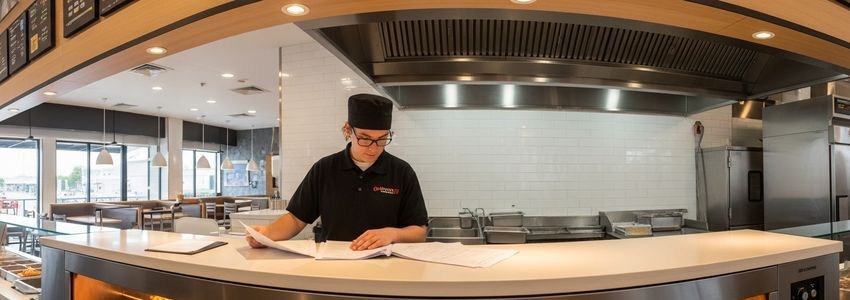
Owning a Boston Market franchise means bringing home-style rotisserie chicken and comfort food to your community - but getting there requires significant capital. From the initial franchise fee to equipment, real estate, and working capital, the total investment can reach well into the hundreds of thousands of dollars. For most aspiring franchisees, securing the right financing is the key that unlocks the door to ownership. This guide walks you through everything you need to know about Boston Market franchise loans, from understanding startup costs to choosing the best funding options and working with lenders who specialize in franchise financing.
In This Article
- What Is Boston Market?
- Boston Market Franchise Costs and Investment Requirements
- Franchise Financing Options
- SBA Loans for Boston Market Franchises
- Equipment Financing for Your Franchise
- How Crestmont Capital Helps Franchise Owners
- How to Qualify for a Franchise Loan
- Quick Financing Guide
- Tips for Getting Approved
- How to Get Started
- Frequently Asked Questions
What Is Boston Market?
Boston Market is an American fast-casual restaurant chain best known for its rotisserie chicken, homestyle sides, and family meal deals. Founded in 1985 as "Boston Chicken" in Newton, Massachusetts, the brand rebranded to Boston Market in 1995 to reflect its expanded menu. At its peak, the chain operated over 1,200 locations across the United States, becoming synonymous with convenient, affordable comfort food for families.
Boston Market targets consumers who want restaurant-quality home cooking without the time investment of cooking from scratch. Its menu features rotisserie chicken, turkey, meatloaf, pot pies, and a wide array of sides like mashed potatoes, mac and cheese, creamed spinach, and cornbread. The brand has cultivated a loyal customer base built on consistency, value, and the nostalgic appeal of home-style meals.
The franchise model offers entrepreneurs an opportunity to operate under a recognized national brand with established systems, supplier relationships, and marketing support. For investors looking at the quick-service restaurant (QSR) sector, Boston Market represents a well-known brand in the rotisserie and comfort food category - a segment that has demonstrated consistent consumer demand across economic cycles.
According to the U.S. Small Business Administration (SBA), franchise businesses typically have higher survival rates than independent restaurants due to the built-in support structure, training programs, and brand recognition. This makes franchise concepts like Boston Market attractive to both first-time restaurant operators and experienced multi-unit investors.
Ready to Finance Your Boston Market Franchise?
Get fast, flexible financing from the #1 business lender in the U.S. No obligation - apply in minutes.
Apply Now ->Boston Market Franchise Costs and Investment Requirements
Understanding the full financial picture is the first step toward securing the right funding. Boston Market franchise costs encompass the initial franchise fee, real estate or leasehold improvements, equipment, signage, inventory, working capital, and ongoing royalty obligations. Getting a firm grasp on these numbers allows you to approach lenders with confidence and a realistic funding request.
Initial Franchise Fee
The initial franchise fee for a Boston Market franchise typically falls in the range of $30,000 to $50,000. This one-time fee grants you the right to operate under the Boston Market brand and access to the company's proprietary systems, training, and ongoing support. It is generally non-refundable and due at or before the signing of the franchise agreement.
Total Initial Investment
The total initial investment required to open a Boston Market franchise location varies depending on the format (full restaurant, inline, or non-traditional) and market. A typical investment range runs from approximately $500,000 to $1,500,000 or more. This range covers all pre-opening expenses including:
- Real estate and leasehold improvements: $150,000 to $600,000 depending on location size and condition
- Kitchen and restaurant equipment: $100,000 to $300,000
- Furniture, fixtures, and decor: $50,000 to $100,000
- Signage and branding: $15,000 to $40,000
- Initial inventory and supplies: $20,000 to $50,000
- Technology and POS systems: $15,000 to $30,000
- Training expenses: $10,000 to $25,000
- Pre-opening marketing: $10,000 to $30,000
- Working capital reserve: $50,000 to $150,000
- Professional fees and permits: $10,000 to $30,000
Ongoing Fees
Beyond the initial investment, Boston Market franchisees pay ongoing fees including a royalty fee (typically around 5% of gross sales) and a marketing/advertising fund contribution (typically 2-4% of gross sales). These recurring costs must be factored into your cash flow projections when determining how much working capital you need and what level of revenue you must achieve to reach profitability.
Net Worth and Liquidity Requirements
Boston Market typically requires prospective franchisees to demonstrate a minimum net worth and liquid asset threshold. While specific requirements should be confirmed directly with the franchisor via the Franchise Disclosure Document (FDD), most QSR franchises of this scale require franchisees to have a net worth of at least $500,000 and liquid assets of $150,000 to $250,000 or more. These requirements ensure franchisees have the financial foundation to sustain operations through the critical early months of business.
Franchise Financing Options for Boston Market
Most franchisees finance their Boston Market investment through a combination of personal equity and external funding. Very few investors have enough liquid capital to fund the entire investment out of pocket - and even those who do often choose to preserve cash by leveraging financing. Here are the primary funding options available to prospective Boston Market franchise owners.
Traditional Bank Loans
Traditional commercial bank loans are one financing avenue, but they can be difficult to obtain for new franchise locations. Banks typically require extensive documentation, strong personal credit scores (usually 700+), significant collateral, and a demonstrated track record of business ownership. Approval timelines can stretch to several months, which can create challenges when trying to move quickly on a desirable location.
SBA Loans
The U.S. Small Business Administration's loan programs - particularly the SBA 7(a) and SBA 504 programs - are among the most popular financing tools for franchise owners. SBA loans offer longer repayment terms, lower down payment requirements, and competitive interest rates compared to conventional loans. We'll explore SBA loan options in more detail in the next section.
Alternative Business Loans
For franchisees who need faster funding or who may not meet traditional bank or SBA requirements, alternative business lenders offer small business loans with more flexible qualification criteria. These lenders focus more on your business plan, revenue projections, and overall profile rather than requiring spotless credit and years of business history.
Equipment Financing
A significant portion of your startup investment will go toward kitchen equipment, refrigeration systems, rotisserie ovens, and other specialized restaurant gear. Equipment financing allows you to fund these purchases separately, often with the equipment itself serving as collateral. This can help preserve your working capital for day-to-day operations.
Business Line of Credit
A business line of credit provides revolving access to funds that you can draw on as needed - ideal for managing cash flow fluctuations during the critical first year of operations, funding unexpected expenses, or covering seasonal revenue dips.
Personal Savings and Retirement Funds
Many franchisees use personal savings to fund part of their investment. A Rollover for Business Startups (ROBS) arrangement allows you to use retirement funds to invest in a business without early withdrawal penalties, though this strategy carries its own risks and should be carefully evaluated with a financial advisor.
Explore Your Franchise Financing Options Today
Crestmont Capital offers fast, flexible funding for restaurant franchise owners across the U.S. No obligation - apply in minutes.
Apply Now ->SBA Loans for Boston Market Franchises
The SBA loan programs are widely considered the gold standard for franchise financing. Because the SBA guarantees a portion of the loan, participating lenders face less risk - which allows them to offer more favorable terms to borrowers. Here's a breakdown of how the two primary SBA programs work for franchise owners.
SBA 7(a) Loans
The SBA 7(a) loan is the most commonly used SBA program for franchise financing. Key features include:
- Maximum loan amount: Up to $5 million
- Repayment terms: Up to 10 years for working capital; up to 25 years for real estate
- Interest rates: Typically Prime Rate plus 2.25%-4.75% (variable or fixed)
- Down payment: Generally 10%-20% of the total project cost
- Use of funds: Franchise fee, leasehold improvements, equipment, working capital, and more
To qualify for an SBA 7(a) loan, you'll typically need a personal credit score of at least 680, a solid business plan with financial projections, some form of collateral (though the SBA does not always require full collateralization), and a demonstrated ability to repay the loan. If Boston Market is listed on the SBA's Franchise Registry, the approval process may be streamlined.
SBA 504 Loans
The SBA 504 loan is ideal if you plan to purchase commercial real estate for your Boston Market location or invest heavily in major fixed assets. The 504 program involves two lenders: a Certified Development Company (CDC) provides 40% of the financing, a conventional bank provides 50%, and you contribute 10%. Terms on the CDC portion can extend up to 20-25 years at fixed interest rates, providing long-term payment stability.
SBA Franchise Registry
Franchises listed on the SBA Franchise Registry have pre-negotiated franchise agreement language that complies with SBA requirements, which can significantly speed up the loan approval process. Prospective Boston Market franchisees should confirm the brand's SBA Registry status directly with the franchisor or through their lender.
Timeline and Documentation
SBA loans typically take 60-90 days to close from application to funding. Required documentation usually includes personal financial statements, personal tax returns (2-3 years), business plan with financial projections, the Franchise Disclosure Document (FDD), signed franchise agreement or letter of intent, and a resume demonstrating relevant business or management experience.
Equipment Financing for Your Boston Market Franchise
Restaurant equipment is one of the largest line items in your startup budget. Boston Market's operations rely on specialized cooking equipment including commercial rotisserie ovens, convection ovens, commercial refrigerators, freezers, prep tables, warming equipment, and point-of-sale (POS) systems. Financing this equipment separately can significantly reduce your initial capital outlay and help you preserve cash for operations.
How Equipment Financing Works
Equipment loans are typically structured with the purchased equipment serving as collateral, which makes them easier to obtain than unsecured loans. Terms usually range from 2-7 years, and many lenders can offer approval within days rather than weeks or months. Interest rates vary based on your credit profile and the type of equipment.
Equipment Leasing vs. Purchasing
Some franchisees opt to lease restaurant equipment rather than purchase it outright. Leasing offers lower upfront costs and may include maintenance and upgrade options, but you don't build equity in the equipment. For high-value items like commercial rotisserie ovens that have long useful lives, purchasing with financing often makes more long-term financial sense. Your specific situation - including tax strategy and cash flow position - should guide this decision.
Bundling Equipment with Your Main Loan
If you're using an SBA 7(a) loan, equipment costs can often be bundled into the same loan, simplifying your financing structure. However, using a separate equipment financing facility may offer better rates on the equipment portion and preserve more of your SBA loan capacity for other startup costs and working capital.
How Crestmont Capital Helps Boston Market Franchise Owners
Crestmont Capital is the #1 business lender in the United States, specializing in helping entrepreneurs and franchise owners access the capital they need to launch, grow, and succeed. Our team understands the unique financial demands of restaurant franchise ownership and has helped hundreds of franchise investors across the country secure the right funding at competitive terms.
Wide Range of Financing Products
We offer a comprehensive suite of financing solutions tailored to franchise owners, including:
- Franchise startup loans for new location buildouts
- SBA loan assistance to help you navigate the application process
- Equipment financing for kitchen and restaurant equipment
- Working capital loans for day-to-day operational needs
- Business lines of credit for flexible, revolving access to funds
- Long-term business loans for major capital investments
Fast, Transparent Process
Unlike traditional banks with lengthy approval timelines, Crestmont Capital offers a streamlined application process with decisions often within 24-48 hours. Our advisors work with you to understand your specific situation and connect you with the financing option that best fits your needs and timeline.
Franchise-Specific Expertise
Our team has deep experience working with franchise investors across the restaurant, retail, fitness, and service sectors. We understand the structure of franchise agreements, the role of FDDs in lender due diligence, and the specific financial challenges of opening a new franchise location. This expertise means you spend less time educating your lender and more time focused on your business. Learn more at our Franchise Business Loans Guide.
Competitive Terms and Rates
We work with a broad network of lending partners to find the most competitive rates and terms for your specific financial profile. Whether you have excellent credit and extensive business experience or are a first-time franchise owner who needs a lender willing to look at the full picture, we have options to fit your situation.
Quick Guide
How to Finance Your Boston Market Franchise - At a Glance
Read the FDD carefully and understand the full investment range ($500K-$1.5M+) before approaching any lender.
Know your credit score, net worth, and liquid assets. These are the first metrics lenders evaluate.
Most franchisees combine SBA loans, equipment financing, and personal equity for the best overall terms.
Submit your application online. Get a decision in as little as 24-48 hours and funding shortly after approval.
Ready to Open Your Boston Market Location?
Don't let financing be the obstacle. Crestmont Capital makes franchise funding fast, simple, and accessible.
Apply Now ->How to Qualify for a Boston Market Franchise Loan
Lenders evaluate franchise loan applications based on a combination of personal financial strength, business plan quality, and the financial viability of the franchise concept. Here's what you need to have in order before approaching lenders.
Personal Credit Score
Your personal credit score is one of the most important factors in franchise loan approval. For SBA loans, most lenders require a minimum score of 650-680, though scores above 700 will give you access to better terms. For alternative business loans, lenders may work with scores as low as 600 depending on other compensating factors. Pull your credit reports from all three bureaus (Experian, Equifax, TransUnion) before applying and address any errors or derogatory marks.
Business Plan and Financial Projections
A strong business plan demonstrates to lenders that you understand the business, the market, and the financial requirements of franchise ownership. Your business plan should include an executive summary, market analysis for your target location, a detailed description of operations, your management team's qualifications, and at least three years of financial projections including income statements, cash flow statements, and balance sheets. Lenders want to see that your projected revenue supports loan repayment with adequate margin.
Down Payment and Equity Injection
Most franchise lenders require a down payment of 10%-30% of the total project cost. For an investment in the $500,000-$1,000,000 range, this means you need $50,000 to $300,000 of your own capital at the ready. This equity injection demonstrates financial commitment and reduces lender risk. The source of your equity (personal savings, home equity, gift funds, etc.) will also be scrutinized by lenders.
Industry Experience
While not always required, relevant restaurant management or business ownership experience significantly strengthens your application. If you lack direct restaurant experience, consider partnering with an experienced operator, taking on an operating role at an existing Boston Market location during your training period, or highlighting any management experience that demonstrates leadership and operational capability.
Collateral
SBA and conventional lenders will look to collateralize your loan to the extent possible. This may include the business assets (equipment, fixtures, inventory), personal real estate, and other assets. For SBA loans, the SBA does not decline loans solely due to insufficient collateral, but lenders are required to secure all available collateral. If you have real estate equity or other substantial assets, this strengthens your overall application.
Tips for Getting Approved for a Boston Market Franchise Loan
The franchise loan process can feel overwhelming, especially if you're pursuing it for the first time. These practical strategies can improve your odds of approval and help you secure the best possible terms.
Start the Process Early
Begin the financing process as early as possible in your franchise journey - ideally before you've signed any agreements. SBA loans can take 60-90 days to close, so starting early gives you adequate runway and reduces the risk of losing a prime location while waiting for funding. According to Forbes, one of the most common mistakes new franchise investors make is underestimating how long the financing process takes.
Get the FDD and Review It Thoroughly
The Franchise Disclosure Document is required by federal law to be provided to prospective franchisees at least 14 days before signing. It contains 23 items covering everything from the franchise fee to litigation history to financial statements. Share the FDD with an attorney experienced in franchise law and with your lender early in the process - many lenders won't begin formal underwriting without it.
Build Your Credit Before Applying
If your credit score is below 680, spend 6-12 months improving it before applying. Pay down revolving balances, avoid opening new credit accounts, and resolve any collections or derogatory marks. Even a 20-30 point improvement in your score can meaningfully change the interest rate you're offered. According to CNBC, borrowers with credit scores above 720 can often qualify for SBA loan rates 1-2% lower than those offered to borrowers in the 650-680 range.
Demonstrate Industry Knowledge
Lenders are more confident lending to investors who clearly understand the business they're buying into. Before applying, spend time learning the restaurant industry, studying Boston Market's customer base and competitive landscape, and understanding the financial metrics (average check size, labor cost percentage, food cost percentage) typical in the QSR segment. This knowledge should come through clearly in your business plan and loan interview.
Consider Multiple Lenders
Don't limit yourself to a single lender. Work with a funding specialist like Crestmont Capital who can present your application to multiple lenders simultaneously and identify the best fit for your profile. Different lenders have different appetites for restaurant franchise risk, and the terms can vary significantly from one institution to another.
Keep Personal Debt Low
Lenders calculate your global cash flow - the income available to service both personal and business debt obligations. High personal debt loads (student loans, car payments, mortgages) reduce your available cash flow in the lender's calculation and can limit how much they're willing to lend. Where possible, pay down personal debt before applying for franchise financing. If you need bad credit business loan options, Crestmont Capital can help there too.
How to Get Started
Complete our quick application at offers.crestmontcapital.com/apply-now - takes just a few minutes.
Our specialists will review your profile and match you with the best funding options for your Boston Market franchise investment.
Once approved, funds are disbursed quickly so you can move forward with your franchise buildout and opening timeline.
Frequently Asked Questions
How much does it cost to open a Boston Market franchise? +
The total initial investment to open a Boston Market franchise typically ranges from approximately $500,000 to $1,500,000 or more, depending on the format, location, and local real estate conditions. This includes the franchise fee, leasehold improvements, equipment, signage, initial inventory, technology systems, training expenses, pre-opening marketing, and a working capital reserve. Always consult the current Franchise Disclosure Document (FDD) for the most accurate and up-to-date investment figures.
What is the Boston Market initial franchise fee? +
Boston Market's initial franchise fee is typically in the range of $30,000 to $50,000. This fee is paid upfront at or before the signing of the franchise agreement and grants you the rights to operate under the Boston Market brand and access its proprietary systems, training programs, and ongoing franchisor support. This fee is generally non-refundable, so it's important to complete your due diligence before committing.
Can I get an SBA loan for a Boston Market franchise? +
Yes, SBA loans are a popular and often preferred financing option for Boston Market franchise investments. The SBA 7(a) program can fund up to $5 million for qualified borrowers and covers a wide range of startup costs including the franchise fee, equipment, leasehold improvements, and working capital. SBA 504 loans are also an option if you plan to purchase commercial real estate. The key eligibility requirements include a minimum credit score of around 650-680, a solid business plan, and an equity injection of typically 10%-20%.
What credit score do I need for a franchise loan? +
For SBA loans, most lenders look for a personal credit score of at least 650-680, though scores of 700 or higher will qualify you for better rates and terms. For alternative business loans offered through lenders like Crestmont Capital, you may qualify with scores as low as 600 depending on other factors such as your equity injection, industry experience, and the strength of your business plan. Your credit score is one of many factors lenders consider - it's not the only determining factor.
How much down payment do I need for a franchise loan? +
Most franchise lenders, including SBA-approved lenders, require a down payment or equity injection of 10% to 30% of the total project cost. For a Boston Market investment in the $700,000 range, this means having $70,000 to $210,000 in readily available personal funds. The equity injection demonstrates your financial commitment to the project and reduces the lender's risk exposure. The source of these funds (personal savings, home equity, gift funds) will also be documented by the lender.
How long does it take to get a franchise loan approved? +
The timeline for franchise loan approval varies by loan type. SBA loans typically take 60-90 days from application to funding - sometimes longer if documentation issues arise. Conventional bank loans may take 30-60 days. Alternative business loans through lenders like Crestmont Capital can move much faster, with decisions in 24-48 hours and funding in as little as a few days for qualifying applicants. Starting the financing process early in your franchise journey is critical to avoid timeline pressure.
What documents do I need to apply for a franchise loan? +
Required documents typically include personal financial statements (listing assets and liabilities), personal tax returns for the past 2-3 years, a business plan with financial projections, the Franchise Disclosure Document (FDD), a signed franchise agreement or letter of intent, a resume highlighting relevant business and management experience, bank statements, and proof of your equity injection. Some lenders may also require a site lease or letter of intent for your location and quotes from contractors for leasehold improvements.
Can I finance a Boston Market franchise with no experience in the restaurant industry? +
Yes, but having some form of management or business ownership experience - even outside the restaurant industry - significantly strengthens your application. Many first-time restaurant franchise owners come from management, operations, finance, or other business backgrounds. If you lack direct restaurant experience, consider highlighting your management capabilities, operational background, and the comprehensive training program offered by Boston Market. Some lenders may also require you to demonstrate a plan for bringing on experienced restaurant management staff.
What are Boston Market's ongoing royalty fees? +
Boston Market franchisees typically pay an ongoing royalty fee of approximately 5% of gross sales and a marketing/advertising fund contribution of 2%-4% of gross sales. These fees are paid regularly (usually weekly or monthly) and are a permanent cost of franchise ownership. When projecting your revenues and cash flows for lender review, be sure to account for these fees along with food costs, labor, rent, and other operating expenses to arrive at realistic net profit estimates.
Can I use a business line of credit to help fund my franchise? +
Yes, a business line of credit can be a valuable complementary financing tool for franchise owners. While it's typically not used to fund the bulk of your startup investment, a line of credit gives you revolving access to funds that you can draw on to cover operating expenses, handle unexpected costs, manage cash flow gaps during slower periods, or fund marketing initiatives. Crestmont Capital offers business lines of credit with flexible terms designed to meet the ongoing needs of franchise operators.
What is the Boston Market franchise royalty term length? +
Boston Market franchise agreements typically run for an initial term of 10-20 years, with renewal options available depending on the franchise agreement terms. The length of the franchise term can impact your loan structure - some lenders will not issue loan terms that extend beyond the remaining franchise agreement term. Be sure to discuss this with your lender and ensure your financing timeline aligns with your franchise agreement duration.
Is equipment financing available for restaurant equipment? +
Yes, equipment financing is widely available for restaurant equipment including commercial rotisserie ovens, convection ovens, refrigeration systems, prep equipment, and point-of-sale technology. Equipment loans use the purchased equipment as collateral, making them easier to obtain than unsecured loans. Terms typically range from 2-7 years, and approval can often be obtained within days. Many franchise investors separate their equipment financing from their main startup loan to optimize rates and preserve loan capacity for other costs.
What is the net worth requirement for a Boston Market franchise? +
While specific requirements should be confirmed directly with Boston Market through the FDD, most QSR franchises of this investment level require franchisees to demonstrate a minimum net worth of approximately $500,000 to $1,000,000 and minimum liquid assets of $150,000 to $250,000. Net worth includes all personal assets minus liabilities. These requirements are set by the franchisor to ensure franchisees have sufficient financial strength to sustain operations and weather early-stage cash flow challenges.
How do I compare Boston Market franchise loans across lenders? +
When comparing franchise loan offers, look beyond just the interest rate. Consider the loan term (longer terms mean lower monthly payments but more total interest paid), origination fees, prepayment penalties, collateral requirements, personal guarantee requirements, and the lender's experience with franchise financing. The best lender for your situation is not always the one offering the lowest rate - it's the one offering the overall best combination of terms, responsiveness, and expertise for your specific profile. Crestmont Capital can help you compare multiple offers at once.
What happens if my Boston Market franchise isn't profitable right away? +
Most new restaurant locations take 12-24 months to reach consistent profitability. This is why lenders require you to demonstrate adequate working capital reserves - typically enough to cover 3-6 months of operating expenses and loan payments without relying on revenue. If you find yourself in financial difficulty, proactive communication with your lender is critical. Many lenders will work with borrowers on payment deferrals or modifications rather than push for default. Building a strong cash reserve from day one is your best protection against the inevitable early-stage revenue volatility.
Disclaimer: The information provided in this article is for general educational purposes only and is not financial, legal, or tax advice. Funding terms, qualifications, and product availability may vary and are subject to change without notice. Crestmont Capital does not guarantee approval, rates, or specific outcomes. For personalized information about your business funding options, contact our team directly.

Allan Garfinkle
Allan Garfinkle is the Chief Revenue Officer at Crestmont Capital, where he has spent more than a decade leading revenue strategy, business development, and operational growth. With 28 years of experience building and advising startups and small businesses, Allan has helped more than 10,000 business owners navigate financing decisions, growth opportunities, and changing economic conditions. He earned a Bachelor of Science in Economics and an MBA with a concentration in Finance from Northeastern University, as well as a Juris Doctor from New England Law, where his studies focused on contracts and business law. His writing draws on extensive practical experience in small-business lending, equipment financing, business credit, and commercial finance.