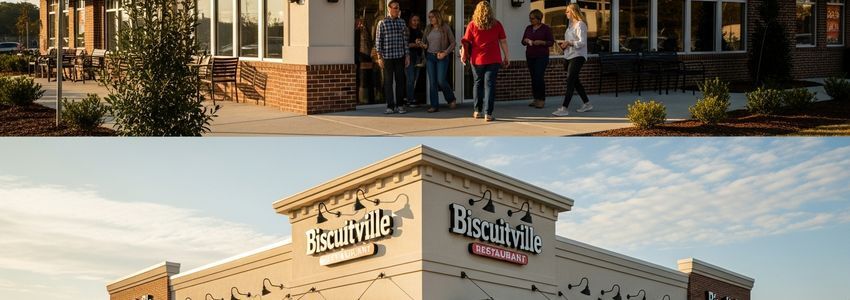
Biscuitville Fresh Southern is one of the Southeast's most beloved fast-casual breakfast chains, built on a decades-old commitment to fresh, hand-crafted biscuits made from scratch every morning. For entrepreneurs who love Southern food and want to tap into the booming breakfast and brunch market, a Biscuitville franchise represents a compelling opportunity - but getting the financing right is essential before signing a franchise agreement.
This guide walks you through everything you need to know about financing a Biscuitville franchise: the startup costs, available loan products, SBA eligibility, qualification requirements, and the step-by-step funding process. Whether you are a first-time franchise owner or an experienced multi-unit operator, understanding your capital options will help you move forward with confidence.
Biscuitville Franchise Overview
Founded in 1966 in Burlington, North Carolina, Biscuitville has grown into a regional powerhouse with locations across North Carolina and Virginia. The brand differentiates itself from national breakfast chains by focusing exclusively on fresh Southern breakfast and lunch items - every biscuit is made from scratch using locally sourced ingredients, and no frozen dough ever touches their kitchens.
This commitment to quality has earned Biscuitville a fiercely loyal customer base in its operating markets. The brand serves breakfast and lunch items including hand-made biscuit sandwiches, country ham, sausage gravy, and classic Southern sides. The daypart focus - morning through midday - keeps operations streamlined and manageable compared to full-day restaurant formats.
While Biscuitville operates primarily as a company-owned model and has historically been selective about franchising, the brand has shown growing interest in working with qualified franchise partners who share its values around food quality and community involvement. Entrepreneurs interested in Biscuitville should contact the company directly for current franchise availability and disclosure documentation.
Startup Investment and Costs
Before approaching any lender, you need a clear picture of what it costs to open a Biscuitville location. Total investment costs vary based on location, real estate market, construction requirements, and whether you are building from the ground up or converting an existing space.
Based on publicly available information and industry benchmarks for comparable fast-casual breakfast brands, prospective Biscuitville franchisees should anticipate the following cost ranges:
- Franchise fee: $25,000 - $45,000 (paid upfront to Biscuitville)
- Real estate and leasehold improvements: $250,000 - $600,000 depending on market and buildout scope
- Equipment and fixtures: $150,000 - $300,000 for commercial kitchen equipment, POS systems, and dining furnishings
- Initial inventory and supplies: $15,000 - $30,000
- Training expenses: $10,000 - $25,000 including travel and lodging
- Working capital and pre-opening expenses: $50,000 - $100,000
- Professional fees (legal, accounting): $5,000 - $15,000
- Miscellaneous and contingency: $20,000 - $40,000
Estimated total investment range: $525,000 - $1,155,000
Most franchise lenders expect borrowers to contribute 20-30% of the total project cost from their own liquid assets. This means having $105,000 - $350,000 in personal equity depending on project size. The remaining 70-80% can be financed through a combination of SBA loans, conventional term loans, and equipment financing.
Financing Options for Biscuitville Franchisees
Franchise owners have access to a range of financing products designed for their specific needs. The best combination depends on your credit profile, liquid assets, collateral, and the total project cost.
SBA 7(a) Loans
The SBA 7(a) program is the most widely used financing vehicle for franchise startups. These government-backed loans offer loan amounts up to $5 million with repayment terms of 10-25 years for real estate and 7-10 years for working capital. Interest rates are tied to the prime rate plus a lender spread, typically 6.5% - 9% in current market conditions.
The SBA 7(a) is particularly attractive for franchise buyers because it allows lower down payments (typically 10-20%), longer repayment periods that reduce monthly cash flow pressure, and fully amortizing structures. However, the application process requires significant documentation and can take 60-90 days to close. Learn more about SBA loans and how they work.
SBA 504 Loans
The SBA 504 program is designed for major fixed-asset purchases including real estate acquisition and large equipment. It works through a two-part structure: a conventional first mortgage covering 50% of the project, a CDC (Certified Development Company) loan covering 40%, and the borrower's 10% down payment. 504 loans can be used to purchase land, construct buildings, or acquire major equipment - making them ideal for Biscuitville franchisees who are purchasing their building rather than leasing.
Conventional Term Loans
For borrowers with strong credit and substantial equity, conventional bank loans offer another path. These loans typically require 25-35% down and carry shorter terms (5-10 years) but may close faster than SBA options. Community banks with franchise lending experience often have the most competitive terms. See long-term business loans for more details.
Equipment Financing
Commercial kitchen equipment - fryers, ovens, refrigeration units, warmers, and POS systems - can be financed separately from your real estate and construction costs. Equipment loans typically cover 80-100% of the equipment's cost with terms of 3-7 years. Because the equipment serves as its own collateral, these loans are generally easier to qualify for. See equipment financing options.
Business Line of Credit
A revolving line of credit is an essential working capital tool for new franchise owners. It gives you flexible access to funds for managing day-to-day cash flow gaps, covering payroll during slow periods, and handling unexpected expenses. A business line of credit typically carries higher interest rates than term loans but provides unmatched flexibility.
Ready to Explore Your Franchise Financing Options?
Get pre-qualified in minutes and find the loan that fits your Biscuitville investment plan.
Apply Now - It's FreeSBA Loans for Franchise Financing
The Small Business Administration doesn't lend money directly - it guarantees loans made by approved lenders, reducing risk and enabling better terms for borrowers. For franchise businesses, this guarantee is especially powerful because lenders feel more confident lending to unproven operators.
According to SBA.gov, the agency backed over $27 billion in small business loans in fiscal year 2023, with franchise businesses representing one of the most consistently approved borrower categories. The SBA maintains a Franchise Registry that pre-approves certain franchise systems, which can significantly speed up the loan process.
SBA Loan Requirements for Franchise Buyers
- Credit score: Minimum 680 FICO, though 700+ improves your terms significantly
- Net worth: Typically 1x - 1.5x the loan amount in personal net worth
- Liquid assets: Minimum 10-20% of total project cost in verifiable liquid assets
- Experience: Relevant restaurant, management, or business ownership experience is strongly preferred
- Business plan: A detailed plan covering market analysis, financial projections, and operating strategy
- Personal guarantee: All owners with 20%+ ownership must personally guarantee the loan
The SBA Franchise Review Process
Lenders will review your Franchise Disclosure Document as part of the underwriting process. They want to verify the franchise system's track record, the terms of the franchise agreement, and the franchisor's financial stability. Having an attorney review the FDD before approaching lenders is strongly recommended.
For Biscuitville specifically, the regional nature of the brand may require lenders to conduct additional market research since performance data is concentrated in North Carolina and Virginia. Be prepared to provide detailed demographic and competitive analyses for your target market if it falls outside the brand's current footprint.

Alternative Lenders and Fast Funding
SBA loans offer the best terms but take the longest to close. For entrepreneurs who need faster access to capital - perhaps to secure a preferred real estate site or meet a time-sensitive opportunity - alternative lenders provide compelling options.
Short-Term Business Loans
Short-term business loans can fund in as little as 24-72 hours. While interest rates are higher, these products are valuable for covering pre-opening expenses, inventory, initial marketing, and other immediate needs while your SBA application processes. They typically offer terms of 3-18 months.
Same-Day Business Loans
Emergency cash needs - equipment breakdowns, accelerated opening timelines, unexpected construction costs - can be addressed with same-day business loans. These require minimal paperwork and fund within hours, though the cost of capital is higher than traditional options.
Bad Credit Options
If your credit score is below 680, you may still have options. Some alternative lenders specialize in bad credit business loans with approval based more on business cash flow, collateral, and revenue history than personal credit scores. However, working to improve your credit before applying will significantly increase your borrowing options and reduce your cost of capital.
How to Qualify for a Franchise Loan
Lenders evaluate franchise loan applicants across five major dimensions. Understanding these criteria helps you prepare your application and address any weaknesses before they become deal-breakers.
1. Personal Credit Score
Your personal FICO score is the first gate. For SBA loans, most lenders require a minimum score of 680. For the best rates and terms, aim for 720 or higher. If your score is below 680, spend 6-12 months paying down debt, disputing any errors on your credit report, and reducing credit utilization before applying.
2. Liquid Capital and Net Worth
Lenders want to see that you have skin in the game. For a Biscuitville franchise, expect to document at least $100,000 - $250,000 in liquid assets (cash, checking/savings accounts, publicly traded investments) as your equity injection. They will also assess your total net worth relative to the loan amount.
3. Restaurant and Business Experience
Lenders - and franchisors - strongly prefer applicants with relevant industry experience. If you have owned or managed a restaurant, food service operation, or retail business, emphasize this background. If you lack direct food service experience, consider partnering with a more experienced operator or hiring an experienced general manager from day one.
4. Business Plan Quality
Your business plan is your loan application's narrative. It should include a thorough market analysis, detailed financial projections (3-5 years of income statements, cash flow statements, and balance sheets), your management team bios, site selection rationale, and your marketing strategy. Professional business plan preparation services or SCORE mentors can help strengthen this document.
5. Collateral
SBA loans generally require all available collateral to be pledged, including business assets, equipment, real estate, and in some cases personal real estate. Having substantial collateral - including home equity - strengthens your application significantly. However, many SBA 7(a) loans are approved without full collateral coverage when other qualification factors are strong.
You can also explore small business loans from Crestmont Capital, which offers a streamlined application process and funding from a variety of lending partners matched to your specific profile.
The Loan Application Process
Understanding the loan timeline helps you plan your franchise launch effectively. Here is what to expect from application to funding.
Phase 1: Pre-Qualification (1-2 Weeks)
Before completing a full application, most lenders offer a pre-qualification review. You provide basic information about your credit, liquid assets, and the franchise opportunity. The lender gives you a preliminary indication of how much you can borrow and at what terms. This helps you understand your financing ceiling before negotiating with the franchisor.
Phase 2: Full Application and Documentation (2-4 Weeks)
The full application requires extensive documentation. Gather these items in advance to avoid delays:
- Personal tax returns (3 years)
- Business tax returns if applicable (3 years)
- Personal financial statement
- Bank statements (3-6 months)
- Franchise Disclosure Document and franchise agreement
- Real estate lease or purchase agreement
- Construction bids and equipment quotes
- Business plan and financial projections
- Resume and background information
Phase 3: Underwriting and Approval (3-6 Weeks for SBA)
The lender's underwriting team reviews your complete file, orders third-party appraisals if real estate is involved, and prepares a loan package. For SBA loans, the package is submitted to the SBA for guaranty authorization, which adds 1-2 weeks to conventional loan timelines.
Phase 4: Closing and Funding
Once approved, you will sign loan documents at a closing meeting - often coordinated with your real estate closing if you are purchasing a building. Funds are typically disbursed within 3-5 business days of closing, though construction loans often disburse in draws as work is completed.
Comparing multiple lenders is essential. Interest rates, fees, prepayment penalties, and covenant structures vary significantly. Working with a lending partner who specializes in franchise financing can save you thousands of dollars and weeks of time. Explore fast business loan options for time-sensitive situations.
Franchise Financing at a Glance
Biscuitville Franchise Financing Summary
- Estimates based on industry benchmarks. Actual costs and terms vary by lender and market.
Managing Finances After Opening
Securing your franchise loan is just the beginning. Effective financial management in your first 12-24 months of operation is critical for long-term success. According to Forbes Business Council research, cash flow mismanagement is one of the leading causes of franchise failures during the startup phase.
Build a Cash Reserve
Even with a healthy loan, plan to keep 2-3 months of operating expenses in a dedicated reserve account. Restaurant operations involve unpredictable costs - equipment failures, staffing turnover, supply chain disruptions, and seasonal revenue fluctuations are all normal. Your reserve acts as a buffer that prevents small setbacks from becoming financial crises.
Monitor Your Break-Even Point
Calculate your break-even point before opening: the monthly revenue needed to cover all fixed costs (rent, loan payments, insurance, utilities, base labor) and variable costs (food costs, packaging, hourly labor). Track your actual revenue against this benchmark weekly. If you are consistently below break-even, address the underlying cause aggressively.
Manage Food and Labor Costs
For a breakfast-focused brand like Biscuitville, food cost and labor cost are your two largest variable expenses. Target food cost at 28-32% of revenue and total labor cost at 30-35% of revenue. These benchmarks are derived from industry data published by the U.S. Census Bureau. Systematic inventory management, portion control training, and optimized scheduling are your primary tools for hitting these targets.
Use Your Line of Credit Strategically
A business line of credit is not an emergency fund - it is a working capital management tool. Use it to smooth out payroll timing differences, take advantage of bulk purchasing opportunities, or bridge short gaps between invoice payments. Pay it down when you have excess cash. Misusing your credit line by drawing on it for non-operational expenses is a common financial management mistake.
Reinvest for Growth
Once your first location achieves consistent profitability, you face a classic decision: reinvest in improving operations, open a second location, or extract capital for personal use. Working with a financial advisor who understands restaurant franchising will help you make this decision systematically rather than emotionally.
If you are already operating a franchise location and want to explore expansion, small business loan options can fund your second or third unit once your first achieves 12-24 months of solid performance. You might also find helpful context in our guides on Domino's franchise loan financing and Jersey Mike's franchise loans for comparison across different food service formats.
Compare Loan Options for Your Biscuitville Franchise
Our team of franchise financing specialists can help you find the best loan structure for your specific situation - with no obligation to proceed.
Get My Free QuoteNext Steps
Contact Biscuitville's franchise development team to receive their FDD. Review Item 7 (estimated initial investment) and Item 19 (financial performance representations) with an attorney before proceeding.
Pull your credit reports from all three bureaus. Calculate your liquid assets and total net worth. Determine your equity injection capacity. Compare this to the estimated investment range.
Apply for pre-qualification with a franchise-experienced lender before finalizing your site or signing a franchise agreement. Knowing your borrowing capacity prevents you from overcommitting.
Work with a commercial real estate broker experienced in restaurant sites. Negotiate favorable lease terms - rent abatement during construction, tenant improvement allowances, and renewal options are all negotiable.
Gather all required documentation and submit a complete application. Respond promptly to lender requests for additional information. Incomplete or delayed responses are the most common cause of loan closing delays.
Coordinate your loan closing with your real estate and construction timeline. Begin franchisee training as soon as possible. Build your management team before construction is complete so they are trained and ready for opening day.
Crestmont Capital works with franchise buyers at every stage of this process. Whether you are just beginning your research or ready to submit a loan application, our team can help you identify the right financing structure and connect you with lenders who specialize in franchise businesses. Explore small business loans or apply directly at our application portal.
Start Your Biscuitville Franchise Financing Journey Today
Apply online in minutes. No obligation. Get matched with franchise loan options tailored to your investment size and credit profile.
Apply for Franchise FinancingFrequently Asked Questions
How much does it cost to open a Biscuitville franchise?
The total estimated investment to open a Biscuitville franchise ranges from approximately $525,000 to $1,155,000, depending on location, market, and buildout type. This includes the franchise fee, real estate costs, equipment, initial inventory, training expenses, and working capital reserves. Always review the current Franchise Disclosure Document for the most accurate and up-to-date figures.
Can I use an SBA loan to finance a Biscuitville franchise?
Yes, SBA 7(a) loans are one of the most commonly used financing tools for franchise businesses. The SBA backs loans up to $5 million with repayment terms up to 25 years for real estate-related costs. You will need a credit score of at least 680, a 10-20% equity injection from personal funds, a solid business plan, and relevant experience. SBA 504 loans are another option if you are purchasing real estate or major equipment.
What credit score do I need for a franchise loan?
Most franchise lenders require a minimum personal FICO score of 680 for SBA loan eligibility. Scores of 720 or higher give you access to the best rates and terms. If your score is below 680, you may qualify for alternative lending products, though at higher rates. Spending 6-12 months improving your credit before applying is often the most cost-effective strategy for borrowers near this threshold.
How much liquid capital do I need to open a Biscuitville franchise?
Lenders typically require borrowers to contribute 20-30% of the total project cost from personal liquid assets. For a Biscuitville franchise with a total investment of $525,000 to $1,155,000, this means having approximately $105,000 to $350,000 in verified liquid funds such as cash, savings accounts, or liquid investment accounts. Some lenders accept retirement accounts as equity, though using them involves tax implications that should be reviewed with a financial advisor.
Is Biscuitville currently offering franchises?
Biscuitville has operated primarily as a company-owned chain historically. Prospective franchisees should contact Biscuitville's corporate development team directly for the most current information about franchise availability, territory restrictions, and any active franchising programs. Given the brand's focus on quality standards, franchise candidates should expect a rigorous qualification and vetting process.
How long does it take to get a franchise loan approved?
Timeline varies significantly by loan type. Alternative lenders can approve and fund in 24-72 hours for smaller amounts. Conventional bank loans typically take 30-45 days from application to closing. SBA 7(a) loans generally take 60-90 days for the full process, including underwriting, SBA guaranty authorization, and closing. Starting the application process as early as possible - ideally before signing a franchise agreement - is strongly recommended.
Do I need restaurant experience to get a franchise loan?
Restaurant experience is not always required, but it significantly improves your approval odds and the terms you receive. Lenders and franchisors both prefer applicants who understand the operational challenges of running a food service business. If you lack direct experience, highlighting transferable skills from retail management, customer service operations, or other business ownership can help. Hiring an experienced general manager is another way to compensate for limited personal restaurant experience.
Can I finance multiple Biscuitville locations?
Multi-unit financing is available but typically requires demonstrating successful operation of your first location for 12-24 months. Lenders want to see consistent revenue, positive EBITDA, and effective management systems before funding additional units. Some franchise development agreements include development schedules requiring multiple locations, and lenders can structure loans to cover multiple units if your financials support it.
What is the franchise fee for Biscuitville?
The initial franchise fee for a Biscuitville franchise is estimated at $25,000 to $45,000, though the exact amount is detailed in their current FDD. This fee is typically paid upfront at the time of signing the franchise agreement and grants you the right to operate under the Biscuitville brand within a defined territory. The franchise fee is part of your total startup investment and can often be financed as part of an SBA loan.
What ongoing fees does Biscuitville charge franchisees?
Franchise systems typically charge ongoing royalty fees (a percentage of gross sales, often 4-8%) and marketing/advertising fund contributions (typically 1-3% of gross sales). The specific rates for Biscuitville are disclosed in their FDD. When building your financial projections for lender review, be sure to include these ongoing fees as fixed operating expenses, as they directly impact your net margin and break-even point.
Can I use retirement funds to finance my franchise?
Yes, through a strategy called ROBS (Rollover for Business Startups), you can use retirement funds from a 401(k) or IRA to fund your franchise without early withdrawal penalties or immediate tax liability. ROBS involves creating a C corporation, establishing a new 401(k) plan that invests in the corporation's stock, and using those funds for the business. This is a complex legal structure that requires specialized professionals. If implemented incorrectly, it can trigger significant IRS penalties.
What is the typical repayment term for a franchise SBA loan?
SBA 7(a) loans have repayment terms of up to 25 years for loans that include real estate, and up to 10 years for working capital and equipment. Longer terms mean lower monthly payments, which reduces cash flow pressure in your early operating years. However, longer terms also mean paying more total interest over the life of the loan. Work with your lender to find the right balance based on your projected cash flow.
What happens if my franchise location struggles financially?
If your franchise experiences financial difficulty, proactive communication with both your lender and franchisor is essential. Lenders may offer forbearance, loan modifications, or restructuring options. Franchisors often have operational support resources to help struggling franchisees improve performance. If you signed a personal guarantee - which most franchise loans require - your personal assets are at risk if the business cannot repay the loan, making early intervention critical.
How do I compare different franchise loan offers?
When comparing loan offers, look beyond the stated interest rate. Calculate the Annual Percentage Rate (APR), which includes fees, to get a true cost comparison. Compare total interest paid over the loan term, not just monthly payment amounts. Review prepayment penalty clauses - some loans charge penalties if you pay off early. Assess covenants (financial ratio requirements) that could restrict your business decisions. Working with an experienced lending advisor or franchise attorney helps you make sense of complex loan terms.
What loan products does Crestmont Capital offer for franchise buyers?
Crestmont Capital connects franchise buyers with a wide range of loan products including SBA 7(a) loans, conventional term loans, equipment financing, business lines of credit, short-term loans, and fast funding options. Their lending platform matches you with financing partners best suited to your credit profile, loan size needs, and timeline. You can apply online in minutes and receive multiple loan options without affecting your credit score during the initial inquiry phase. Visit our application portal to get started.
Disclaimer: The information provided in this article is for general educational purposes only and is not financial, legal, or tax advice. Funding terms, qualifications, and product availability may vary and are subject to change without notice. Crestmont Capital does not guarantee approval, rates, or specific outcomes. For personalized information about your business funding options, contact our team directly.