Beauty school business loans give cosmetology school owners the capital they need to open new locations, upgrade equipment, hire instructors, and keep enrollment growing — without draining personal savings. Whether you're launching your first beauty school or expanding an established cosmetology program, understanding your financing options is the critical first step to building a thriving institution. This complete guide covers every type of loan available to beauty school owners, how to qualify, and how Crestmont Capital can help you get funded fast.
In This Article
What Are Beauty School Business Loans?
Beauty school business loans are commercial financing products designed specifically for the unique operational and capital needs of cosmetology schools, esthetics academies, nail technician programs, and other beauty education businesses. Unlike student loans — which fund individual tuition — these are business loans taken out by the school owner to fund the enterprise itself.
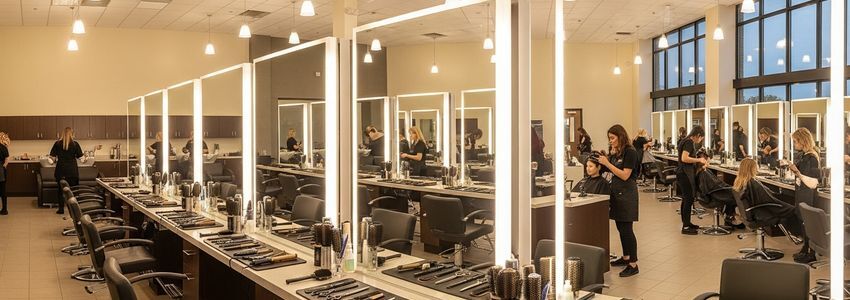
Beauty schools carry substantial overhead. A single cosmetology station — complete with a hydraulic chair, mirror, lighting, and storage — can cost $2,000 to $5,000. A fully outfitted classroom of 20 stations can run $40,000 to $100,000 before you've paid a single month's rent or instructor salary. Factor in leasehold improvements, state licensing requirements, software systems, product inventory, and marketing to attract students, and you're looking at a capital-intensive business model that demands flexible, affordable financing.
Business loans for beauty schools come in several forms — term loans, equipment financing, SBA loans, lines of credit, and merchant cash advances — each suited to different goals and financial profiles. The right product depends on what you need the money for, how quickly you need it, and what your credit profile looks like today.
Industry Insight: The U.S. cosmetology industry employs over 600,000 licensed professionals and generates more than $15 billion annually, according to industry reports. Beauty schools play a critical role in training the next generation of stylists, estheticians, and nail technicians — making them both educationally vital and commercially valuable businesses.
Key Benefits of Financing Your Beauty School
Many beauty school owners hesitate to take on debt, preferring to grow slowly using only what they earn. While fiscal conservatism has its place, strategic use of financing can dramatically accelerate your school's trajectory — and in a competitive market, speed matters. Here's why smart beauty school owners use financing as a growth tool:
1. Preserve Cash Flow for Operations
Running a beauty school means juggling payroll, product orders, facility costs, marketing, and insurance — all while waiting for tuition payments to arrive. A loan lets you make major investments (new equipment, a second location) without depleting the operating cash you need to keep the doors open today.
2. Capture Opportunity Before It Expires
When a competitor's school closes and their lease becomes available, or when a bulk equipment deal appears at half price, you need capital on hand. A pre-approved business line of credit or a fast-approval term loan means you can move in days rather than months.
3. Upgrade Equipment Competitively
Students choose cosmetology schools partly based on the quality of equipment and facilities. Outdated stations, old-model dryers, and worn-out furnishings can cost you enrollment. Equipment financing lets you upgrade now and pay over time while the new equipment immediately attracts more students and improves retention.
4. Expand Enrollment Capacity
Adding 10 new stations to your floor plan could mean 10 additional tuition-paying students per cohort. That's tens of thousands of dollars in additional annual revenue. If the loan payment is less than the incremental revenue those new stations generate, the financing pays for itself.
5. Fund Marketing and Student Recruitment
Beauty schools compete for students online, at job fairs, and through community outreach. A working capital loan or business line of credit can fund a digital marketing campaign that fills your next enrollment cohort — often returning 3x to 5x the spend in tuition revenue.
6. Navigate Seasonal Cash Flow Gaps
Enrollment tends to spike at certain times of year and slow at others. A business line of credit bridges the gap between enrollment periods, ensuring you can meet payroll and obligations even during slower months.
Ready to Fund Your Beauty School?
Get fast, flexible financing from the #1 business lender in the U.S. No obligation — apply in minutes.
Apply Now →Types of Loans for Cosmetology and Beauty Schools
Not all beauty school financing is created equal. Understanding the differences between loan products — and knowing which one fits your situation — can save you thousands of dollars and weeks of frustration. Here's a breakdown of every major financing option available to beauty school owners:
Term Loans
A term loan provides a lump sum of capital repaid over a fixed period — typically 1 to 10 years — with regular payments and a set interest rate. Term loans are ideal for major one-time investments like building out a new location, purchasing a block of equipment, or making a large lease deposit. They're straightforward and predictable, making budgeting easy. Small business loans in the form of term loans are among the most popular financing options for established beauty schools with at least one to two years of operating history.
SBA Loans
Small Business Administration loans are government-backed loans offered through SBA-approved lenders. Two programs are most relevant for beauty schools:
- SBA 7(a) Loans: The most versatile option, with loan amounts up to $5 million, repayment terms up to 10 years for working capital (25 years for real estate), and competitive interest rates. Ideal for beauty schools looking to buy equipment, renovate, or cover working capital needs.
- SBA 504 Loans: Specifically designed for major asset purchases like real estate or large equipment. Combines a conventional lender loan with an SBA-backed debenture. Best for beauty schools purchasing their own building or making very large equipment investments.
SBA loans offer the best rates and terms in the market, but they require more documentation and take longer to process — typically 30 to 90 days from application to funding. They're worth the wait for established schools with solid financials.
Equipment Financing
Equipment financing is a loan or lease specifically designed for purchasing business equipment — in this case, salon chairs, styling stations, shampoo bowls, dryer units, nail stations, esthetic beds, and more. The equipment itself serves as collateral, which makes qualification easier and rates more favorable than unsecured loans. Many beauty school owners prefer equipment financing because it directly ties the loan to the asset being purchased, making cash flow planning straightforward: you know exactly what you're paying each month for that specific piece of equipment.
Business Line of Credit
A business line of credit functions like a credit card — you're approved for a maximum credit limit, and you draw from it as needed. You only pay interest on the amount you've drawn, not the full limit. Lines of credit are ideal for beauty schools that need ongoing access to capital rather than a single lump sum. Use it for payroll gaps between enrollment cohorts, supply purchases, marketing campaigns, or small equipment upgrades.
Short-Term Business Loans
Short-term business loans provide capital with repayment terms of 3 to 18 months. They're typically faster to approve and fund than term loans, making them ideal when you need capital quickly. The tradeoff is higher rates and larger periodic payments. Best for beauty school owners who need a quick infusion of working capital and can repay it relatively quickly from incoming tuition revenue.
Working Capital Loans
Working capital loans are unsecured loans designed to cover day-to-day operational expenses rather than long-term investments. For beauty schools, this might mean covering instructor payroll while waiting for a new enrollment cohort's tuition to arrive, or funding a marketing push before a major enrollment window. They're typically easier to qualify for than term loans and fund quickly.
Merchant Cash Advances (MCAs)
An MCA provides a lump sum advance against future credit card or debit card sales. Repayment is automatic — a percentage of your daily card receipts. If your beauty school processes significant credit card transactions (student tuition payments, salon service fees from student clinics), an MCA can be a fast option. MCAs are more expensive than traditional loans and should generally be a last resort or short-term bridge option.
Business Credit Cards
For smaller ongoing purchases — product inventory, marketing costs, software subscriptions — a business credit card with a generous limit can work well. Many offer rewards on purchases. However, carrying balances long-term is expensive; business credit cards are best used for purchases you can repay within the billing cycle.
Microloans
For startup beauty schools or smaller operations, SBA Microloans (up to $50,000) and community development financial institution (CDFI) loans can be a valuable source of startup capital. They're designed for businesses that don't yet qualify for conventional financing, with more flexible qualification criteria.
How Beauty School Business Financing Works
Understanding the loan process demystifies financing and helps you prepare. Here's how beauty school financing typically works from start to funded:
Step 1: Define Your Need
The first step is determining exactly what you need the capital for. Equipment purchase? Working capital? Expansion? The purpose drives the product selection. A lender will ask, and a clear answer improves your approval odds.
Step 2: Assess Your Financial Profile
Before applying, know where you stand: What's your personal and business credit score? How long have you been in business? What's your average monthly revenue? What does your cash flow look like? This information determines which products you qualify for and at what rates.
Step 3: Choose the Right Lender
Traditional banks offer the best rates but the strictest criteria. Alternative lenders like Crestmont Capital offer fast approvals with flexible criteria. SBA lenders are a middle ground — better rates than alternative lenders, but faster than traditional bank timelines. Your financial profile determines which tier is accessible to you.
Step 4: Gather Your Documentation
Most beauty school loan applications require: government-issued ID, business license, 3-6 months of business bank statements, recent tax returns (personal and business), and basic information about your school's revenue and ownership structure. SBA loans require more documentation including a business plan, financial projections, and detailed schedules.
Step 5: Submit Your Application
With alternative lenders, applications are often completed online in 10-15 minutes. Banks and SBA lenders have more involved application processes. Be accurate and complete — errors or missing information delay approval.
Step 6: Review Your Offer
Once approved, you'll receive a loan offer detailing the amount, rate, term, repayment schedule, and any fees. Compare the APR (annual percentage rate), not just the stated interest rate. Understand your total cost of capital before signing.
Step 7: Receive Your Funds
Alternative lenders often fund within 24-72 hours of approval. SBA loans take longer. Once funded, the capital is yours to put to work.
By the Numbers
Beauty School Industry — Key Statistics
$15B+
U.S. beauty salon industry revenue annually
1,500+
Accredited cosmetology schools nationwide
$50K–$500K
Typical startup costs for a beauty school
600K+
Licensed cosmetologists in the U.S.
Qualification Requirements for Beauty School Loans
What does it actually take to qualify for a beauty school business loan? Requirements vary by loan type and lender, but here are the core factors every lender evaluates:
Credit Score
Your personal credit score is a major factor, especially for newer businesses. Traditional banks and SBA lenders prefer scores of 680 or higher. Alternative lenders like Crestmont Capital work with scores as low as 500-550, though lower scores mean higher rates. Your business credit profile (if established) also matters for larger loan amounts.
Time in Business
Most conventional lenders require at least 2 years in business. Alternative lenders often work with businesses that have been operating for 6 months or more. Startup beauty schools may need to explore SBA Microloans, equipment financing, or personal loans to get initial capital.
Annual Revenue
Lenders want to see sufficient revenue to service the debt. A common benchmark is that your annual revenue should be at least 1.25 times your total annual debt service. Many alternative lenders have minimum monthly revenue requirements of $10,000 to $25,000 per month.
Cash Flow
Beyond top-line revenue, lenders look at cash flow — the actual money moving through your account after expenses. Bank statements showing consistent positive balances and steady deposits improve your approval odds significantly.
Industry and Business Type
Beauty schools are generally considered fundable businesses. Lenders are familiar with the revenue model (tuition-based, often semester or cohort cycles) and the capital needs (equipment-heavy). This familiarity works in your favor compared to more novel business models that lenders haven't seen before.
Collateral
For larger loans, lenders may require collateral — business or personal assets that back the loan. Equipment financing uses the purchased equipment itself. SBA loans may require real estate or other assets for large amounts. Many alternative lenders offer unsecured options based purely on revenue and creditworthiness.
Business Plan and Purpose
For SBA loans and some bank loans, a detailed business plan is required. It should include your school's mission, target student demographic, competitive landscape, curriculum overview, revenue projections, and how you plan to use the loan proceeds. Even for alternative lenders where no formal plan is required, being able to articulate how the loan will be used and how you'll repay it demonstrates business maturity.
Pro Tip: Before applying for any beauty school loan, pull your personal credit report from all three bureaus (Equifax, Experian, TransUnion) and dispute any errors. Even small improvements in your credit score — 20 to 30 points — can shift you into a better rate tier, saving thousands over the life of a loan.
Find Out What You Qualify For Today
Crestmont Capital works with beauty school owners at every stage — from startup to multi-location expansion. Check your options with no obligation.
Check My Options →How Crestmont Capital Helps Beauty School Owners
Crestmont Capital is the #1 business lender in the United States, specializing in fast, flexible financing for small and mid-sized businesses — including beauty schools and cosmetology academies. Here's what sets us apart for beauty school owners specifically:
Speed That Matches Your Opportunity
Traditional banks can take weeks or months to approve and fund a loan. Crestmont Capital delivers approvals in as little as 24 hours and funding within 1 to 3 business days. When you find the perfect commercial space for a second location or an equipment deal that won't last, that speed is the difference between capturing the opportunity and watching it pass.
Flexible Criteria That Reflect Reality
We understand that beauty school owners aren't always sitting on 750+ credit scores. Maybe you had a slow enrollment period that dipped your cash flow. Maybe your school is newer. We look at the full picture — revenue trends, bank statements, your plan for growth — not just a single credit number. Our bad credit business loans program is specifically designed for business owners who need capital but haven't had perfect financial circumstances.
Multiple Products Under One Roof
Rather than shopping multiple lenders for different needs, Crestmont Capital offers the full spectrum of business financing. Whether you need a small business loan for leasehold improvements, equipment financing for new salon stations, a business line of credit for ongoing working capital, or a short-term business loan for a quick capital injection, we have it — and we'll help you identify which product is the right fit for your specific situation.
Dedicated Business Advisors
You don't fill out a form and get shuffled to an algorithm. At Crestmont Capital, real business financing advisors review your application, understand your beauty school's unique context, and work to match you with the best product at the best terms you qualify for. If you have questions about structuring your loan, what to expect during repayment, or how to use the capital most effectively — your advisor is there to help.
Transparent Terms
We believe in full transparency. Before you sign anything, you'll see exactly what you're borrowing, your rate, your payment schedule, and your total cost of capital. No hidden fees, no surprise balloon payments, no fine print traps.
Repeat Financing as You Grow
Many beauty school owners start with a single loan and come back to Crestmont Capital as their school grows. As your revenue history with us develops, your financing options typically expand — larger amounts, better rates, faster approvals. We're not a one-time transaction; we're a long-term financing partner for your cosmetology school's journey.
Did You Know? Crestmont Capital has helped thousands of small business owners across the U.S. access working capital, equipment financing, and expansion loans. Our network of lending partners gives beauty school owners access to more options than any single bank can offer — all through one simple application.
Real-World Beauty School Financing Scenarios
Abstract loan descriptions only go so far. Here are five detailed real-world scenarios illustrating exactly how beauty school owners use financing to solve common challenges and accelerate growth:
Scenario 1: Opening a Second Cosmetology School Location
The Situation: Maria has operated a successful cosmetology school in Phoenix for four years. She has 45 active students, strong instructor relationships, and a waiting list of applicants. A second commercial space became available three miles away — with a favorable lease and a landlord willing to negotiate tenant improvement allowances.
The Need: Maria needs $180,000 to cover first/last/security on the new lease ($24,000), 30 new salon stations at $3,500 each ($105,000), shampoo bowls and dryer units ($18,000), renovation and signage ($20,000), and an operating buffer for the first 90 days ($13,000).
The Solution: Maria qualified for a $180,000 term loan through Crestmont Capital with a 5-year repayment term. Her monthly payment of approximately $3,800 is covered by the first 12 new student tuition slots — meaning the expansion pays for itself within the first enrollment cohort. The second location now enrolls 35 students per cohort.
Scenario 2: Upgrading Aging Equipment to Win Back Students
The Situation: James runs a 15-station cosmetology school that's been in operation for 7 years. His enrollment has declined — students increasingly choose a newer competitor with modern equipment and a fresh facility. James knows the equipment is the issue, but he doesn't have $75,000 in cash reserves to replace it all at once.
The Need: Replace all 15 salon stations with modern ergonomic chairs, LED mirrors, and updated storage units. Add 5 new esthetics beds. Total equipment cost: $78,000.
The Solution: Equipment financing through Crestmont Capital. The equipment itself served as collateral, making qualification easier. James financed $78,000 over 48 months at a rate that translated to manageable monthly payments. Within two enrollment cycles, his new enrollment numbers rebounded as word spread about the upgraded facility.
Scenario 3: Bridging an Enrollment Gap with a Line of Credit
The Situation: Keisha's esthetics academy runs enrollment twice a year — in January and July. Between enrollment cycles, payroll still has to be met, products still need to be purchased, and her facility lease doesn't pause. In late October, she had three months until the January cohort's tuition would arrive.
The Need: Bridge approximately $45,000 in operating expenses over three months — payroll for three instructors, product inventory, and facility costs.
The Solution: A $50,000 business line of credit through Crestmont Capital. Keisha drew on the line as needed, only paying interest on the amount drawn. When January tuition arrived, she paid down the balance. The line of credit remains open and available for the next seasonal gap — eliminating cash flow stress as a recurring problem.
Scenario 4: Launching a Startup Beauty School
The Situation: David is an experienced cosmetologist with 12 years of industry experience who wants to open his own cosmetology school. He has a solid business plan, identified a location, and established relationships with potential instructors. He has $30,000 in personal savings but needs $120,000 to launch.
The Need: $90,000 in financing to supplement his savings — covering initial equipment (10 stations), leasehold improvements, state licensing fees, and a 90-day operating cushion.
The Solution: A combination approach — an SBA Microloan for $50,000 based on his business plan and personal credit, combined with equipment financing for $40,000 specifically for the salon stations. The SBA Microloan had a favorable rate and term; the equipment financing was secured by the equipment itself, making it accessible despite his limited business operating history.
Scenario 5: Funding a Marketing Blitz to Fill an Enrollment Cohort
The Situation: Angela's nail technician academy had strong enrollment for two years, then a competing school opened nearby. Her spring cohort was only 60% enrolled — a $35,000 shortfall from full enrollment. She needed to run aggressive marketing immediately to fill the cohort.
The Need: $15,000 for a 60-day digital marketing campaign including Google Ads, social media advertising, and a referral incentive program for current students.
The Solution: A $15,000 working capital loan from Crestmont Capital, funded within 48 hours of application. Angela ran the marketing campaign, filled the cohort to 90%, and the additional tuition revenue more than covered the loan repayment. The referral program she started with the loan budget became a permanent enrollment tool.

Comparing Financing Options for Beauty Schools
Choosing the right financing product comes down to matching your specific need and financial profile to the right loan type. This comparison table summarizes the key differences:
| Loan Type | Best For | Amounts | Typical Rate | Speed | Min. Credit |
|---|---|---|---|---|---|
| Term Loan | Expansion, renovations, major investments | $25K–$500K+ | 8–25% APR | 1–5 days (alt. lender) | 550+ |
| SBA 7(a) Loan | Long-term growth, equipment, working capital | Up to $5M | 6–12% APR | 30–90 days | 680+ |
| Equipment Financing | Salon stations, dryers, esthetics equipment | $5K–$500K | 5–20% APR | 1–3 days | 500+ |
| Line of Credit | Seasonal gaps, ongoing working capital | $10K–$250K | 10–35% APR | 1–3 days | 580+ |
| Short-Term Loan | Quick working capital, urgent needs | $5K–$250K | 15–40% APR | 24–48 hours | 500+ |
| MCA | Very fast capital, high card volume schools | $5K–$500K | Factor rate 1.2–1.5x | 24 hours | 500+ |
| SBA Microloan | Startups, smaller capital needs | Up to $50K | 6–9% APR | 2–4 weeks | Flexible |
Not Sure Which Option Is Right for You?
Let a Crestmont Capital specialist review your beauty school's profile and recommend the best financing option for your specific situation — at no cost and no obligation.
Talk to a Specialist →Frequently Asked Questions
What types of loans are available for beauty schools?
Beauty schools can access several types of financing, including term loans, SBA loans, equipment financing, business lines of credit, and working capital loans. The best option depends on your specific needs, credit profile, and how long you've been in business. Equipment financing works well for purchasing salon stations and tools; lines of credit are ideal for managing cash flow between enrollment cohorts; term loans suit major expansion projects.
How much can I borrow for a beauty school?
Loan amounts for beauty schools typically range from $25,000 to $500,000 or more, depending on your revenue, credit score, time in business, and collateral. Established schools with strong financials can qualify for larger amounts. SBA 7(a) loans go up to $5 million for the most qualified borrowers. Startups may qualify for $10,000–$50,000 through microloans or equipment financing.
What credit score do I need to qualify for a beauty school loan?
Most traditional lenders prefer a credit score of 650 or higher for prime rates and terms. SBA lenders typically want 680+. However, alternative lenders like Crestmont Capital work with beauty school owners who have scores as low as 500–550, though rates will be higher at lower score tiers. Strong revenue and positive cash flow can partially compensate for a lower credit score.
Can I get a beauty school loan with bad credit?
Yes. Alternative lenders offer bad credit business loans for beauty schools. While interest rates may be higher, you can still access the capital you need. Demonstrating strong monthly revenue and consistent time in business can help offset a lower credit score. Crestmont Capital's bad credit business loan program is specifically designed for business owners in this situation — contact us to discuss your options.
How long does it take to get approved for beauty school financing?
With alternative lenders like Crestmont Capital, approval can come within 24 to 48 hours, with funding in as little as 1 to 3 business days. Traditional bank loans take 2–4 weeks. SBA loans take longer, typically 30 to 90 days from application to funding, but offer the most favorable rates and longest terms for qualifying businesses.
What can beauty school loans be used for?
Beauty school loans can be used for a wide range of purposes, including: purchasing salon chairs, styling equipment, shampoo bowls, and mirrors; leasing or renovating your school space; hiring and training staff; marketing and student enrollment campaigns; purchasing products and supplies for student use; upgrading software or POS systems; covering operating expenses during slow enrollment periods; or funding a second location.
Do I need collateral for a beauty school loan?
Not always. Many lenders offer unsecured beauty school loans based on your revenue and creditworthiness — no specific collateral required. Equipment financing uses the equipment itself as collateral, making it easier to qualify. SBA loans may require collateral (business or personal assets) for larger amounts. Crestmont Capital offers both secured and unsecured options — a specialist can help determine the best fit for your situation.
What documents do I need to apply for a beauty school loan?
For most alternative lenders, you'll need: government-issued ID, 3–6 months of business bank statements, basic business information (EIN, business name, address), and your business license. For bank and SBA loans, you'll additionally need: 2 years of business and personal tax returns, profit and loss statements, a balance sheet, and sometimes a formal business plan with financial projections.
What are typical interest rates for beauty school loans?
Interest rates vary significantly by loan type and lender. SBA loans typically range from 6–12% APR. Conventional bank term loans range from 8–20% APR. Alternative lenders may charge 15–40% APR depending on risk factors. Equipment financing rates typically range from 5–20% APR. Merchant cash advances are expressed as factor rates (typically 1.2–1.5x) rather than APR, which can translate to very high effective rates.
Can I finance beauty school equipment separately from operations?
Yes, absolutely. Equipment financing is specifically designed for purchasing salon chairs, styling stations, shampoo bowls, dryer units, nail stations, esthetic beds, and any other beauty school equipment. Because the equipment serves as its own collateral, equipment financing is often easier to qualify for than general business loans — and it preserves your general business credit line for operational needs.
Are there SBA loans for beauty schools?
Yes. SBA 7(a) loans and SBA 504 loans are both available to cosmetology and beauty school owners. SBA 7(a) loans are the most flexible, allowing use for equipment, working capital, renovations, or expansion up to $5 million. SBA 504 loans are best for major fixed asset purchases like real estate. The application process is more involved than alternative lenders, but the interest rates and repayment terms are generally the most favorable available.
How does a business line of credit work for a beauty school?
A business line of credit gives your beauty school a revolving credit facility — you're approved for a maximum limit and draw from it as needed. You only pay interest on the amount you've drawn, not the total credit line. It replenishes as you pay it back. Lines of credit are ideal for beauty schools to manage cash flow fluctuations between enrollment cohorts, purchase supplies, fund small marketing campaigns, or cover payroll during seasonal slow periods.
Can I get a loan to open my first beauty school?
Yes, though startup beauty schools face more scrutiny than established schools. Lenders assess your personal credit score, industry experience (your cosmetology or teaching background matters), business plan quality, and any personal assets. The most accessible startup options include SBA Microloans (up to $50,000), equipment financing (secured by the equipment), and CDFI loans. Having a detailed business plan and demonstrating industry expertise significantly improves approval odds.
What is the difference between a term loan and equipment financing for a beauty school?
A term loan provides a lump sum of capital you can use for any business purpose — renovations, working capital, hiring, marketing, or equipment. It's repaid over a fixed term with regular payments. Equipment financing is specifically for purchasing business equipment; the equipment itself serves as collateral. Equipment financing often has lower rates than unsecured term loans and may be easier to qualify for. Use term loans for flexible multi-purpose needs; use equipment financing specifically for asset purchases.
How do I choose the right financing option for my beauty school?
Start by identifying exactly what you need the capital for (equipment, working capital, expansion, startup costs), then assess your credit profile and time in business. If you need funds quickly, alternative lenders are the right path. If rates are the priority and you can wait 30–90 days, SBA is worth exploring. For equipment specifically, equipment financing is almost always the best fit. A Crestmont Capital advisor can walk through your specific situation and match you to the optimal product — at no cost.
How to Get Started
Getting beauty school financing through Crestmont Capital is straightforward. Here's the process from start to funded:
Complete our quick application at offers.crestmontcapital.com/apply-now — takes just a few minutes. You'll share basic information about your beauty school, how long you've been in business, and your approximate monthly revenue.
A Crestmont Capital business financing advisor will review your beauty school's profile, understand your specific capital needs, and match you with the right financing option — whether that's a term loan, equipment financing, line of credit, or another product.
We'll present you with a transparent offer — loan amount, rate, term, payment schedule, and total cost — with no pressure and no hidden fees. Take the time you need to evaluate.
Once you accept, funding typically arrives within 1 to 3 business days. You can then put the capital to work — new equipment, renovations, marketing, payroll — and focus on growing your beauty school.
Running a successful beauty school demands passion, skill, and the financial resources to deliver an exceptional student experience. Whether you need equipment financing to upgrade your salon stations, a term loan to open a second location, or a line of credit to bridge the gap between enrollment cohorts — beauty school business loans make it possible to invest in your school's future without sacrificing today's operations. Crestmont Capital has helped thousands of small business owners across the U.S. access fast, flexible financing that moves at the speed of business. We're ready to help your cosmetology school do the same.
Disclaimer: The information provided in this article is for general educational purposes only and is not financial, legal, or tax advice. Funding terms, qualifications, and product availability may vary and are subject to change without notice. Crestmont Capital does not guarantee approval, rates, or specific outcomes. For personalized information about your business funding options, contact our team directly.