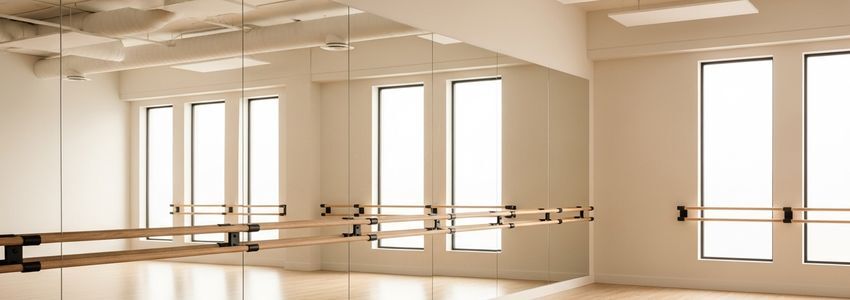
Barre3 has built a loyal following as one of the most distinctive boutique fitness franchises in the United States, blending yoga, pilates, and ballet-inspired movement into a workout that resonates with health-conscious consumers. If you are exploring the barre3 franchise cost and want to understand your financing options, this guide covers everything you need to know about funding your barre3 franchise investment from initial fee through opening day.
The boutique fitness industry continues to grow at a rapid pace. According to Forbes, consumer spending on boutique fitness memberships has grown significantly over the past decade, and brands like barre3 have capitalized on this demand by offering premium, community-driven experiences that larger gyms cannot match. For entrepreneurs considering a barre3 franchise investment, now is a compelling time to evaluate the opportunity and build a financing strategy.
In This Article
- What Is Barre3?
- Barre3 Franchise Costs and Investment Range
- Benefits of Owning a Barre3 Franchise
- Financing Options for Barre3 Franchise Owners
- Types of Loans Available
- How Crestmont Capital Helps
- Who Qualifies for Barre3 Franchise Financing
- Real-World Financing Scenarios
- Frequently Asked Questions
- Next Steps
What Is Barre3?
Barre3 was founded in 2008 by Sadie Lincoln in Portland, Oregon, with a mission to create fitness experiences that balance strength, flexibility, and mindfulness. The brand quickly differentiated itself from other fitness concepts by combining elements of ballet barre work, yoga, and pilates into 60-minute classes that challenge participants across all fitness levels. Unlike many high-intensity boutique fitness brands, barre3 emphasizes body-positive messaging and inclusive programming that welcomes beginners and experienced athletes alike.
The brand began franchising and has since expanded to dozens of studio locations across the United States. Barre3 also operates a thriving online streaming business, which provides franchisees with an additional revenue stream and enhances brand awareness at the national level. The franchise system offers comprehensive support to studio owners, including site selection assistance, buildout guidance, instructor training programs, and ongoing operational support.
Barre3's business model revolves around membership-based recurring revenue, which provides franchisees with predictable monthly income and strong customer lifetime value. Members typically pay monthly membership fees ranging from $99 to $179 per month, with class packs and drop-in rates providing supplemental revenue. This membership model is a key advantage when presenting your business plan to franchise lenders, as it demonstrates revenue predictability.
According to SBA.gov's market research guidance, businesses with recurring revenue models like membership-based fitness studios are viewed favorably by lenders due to their revenue predictability and customer retention characteristics. If you are researching other fitness franchise options, our guides on Club Pilates franchise financing and Pure Barre franchise loans offer additional context for barre-style fitness franchise financing.
Industry Insight: The global boutique fitness market is projected to grow substantially through 2030, driven by consumer preference for community-based, specialized workout experiences over traditional big-box gym memberships. Barre3's emphasis on balance, inclusivity, and community positions it well within this high-growth segment.
Barre3 Franchise Costs and Investment Range
Understanding the full barre3 franchise cost is the critical first step in building your financing strategy. The total investment to open a barre3 studio varies based on location size, market, lease terms, and buildout requirements. Below is a detailed breakdown of the typical cost components.
Initial Franchise Fee
The initial franchise fee for a barre3 franchise is approximately $35,000 to $40,000. This one-time fee grants you the exclusive right to operate a barre3 studio within your designated territory and provides access to the brand's systems, training, and ongoing support infrastructure. The franchise fee is typically paid at signing of the franchise agreement and cannot generally be financed through the franchisor directly.
Total Investment Range
The total investment to open a barre3 franchise typically ranges from $200,000 to $500,000, with the midpoint around $300,000 to $350,000 for a typical 1,200 to 1,800 square foot studio in a suburban market. Key cost drivers include:
- Leasehold improvements and buildout: Barre3 studios require specialized flooring (typically hardwood barre floors), mirror installations, barre hardware, changing room buildout, and reception area finishing. Costs typically range from $80,000 to $200,000 depending on the space condition and market.
- Fitness equipment and barre hardware: Portable barres, resistance balls, blocks, resistance bands, and audio/visual equipment for class instruction typically total $20,000 to $50,000.
- Studio technology and software: Scheduling platforms, point-of-sale systems, member management software, and digital signage add $5,000 to $15,000.
- Working capital reserve: Most lenders and the franchisor recommend maintaining 3 to 6 months of operating expenses in reserve. For a barre3 studio, this typically means $30,000 to $75,000 in liquid reserves.
- Pre-opening marketing and launch costs: Grand opening marketing, initial class promotions, instructor certifications, and pre-sale memberships support typically require $15,000 to $30,000.
- Insurance and licensing: Commercial liability insurance, workers compensation, and local business licensing requirements add $5,000 to $10,000 in the first year.
Ongoing Franchise Fees
Beyond startup costs, barre3 franchisees pay ongoing fees that affect cash flow and profitability:
- Royalty fee: Approximately 7% of gross monthly revenue
- Brand/marketing fee: Approximately 2% of gross monthly revenue
- Technology platform fees: Monthly fees for the booking and membership management platform
Combined ongoing fees of approximately 9-10% of gross revenue should be carefully modeled into your cash flow projections before approaching any lender. Understanding how these fees interact with your break-even point is essential to demonstrating loan repayment capacity.
Barre3 Franchise: Key Numbers at a Glance
$35K-40K
Initial Franchise Fee
$200K-$500K
Total Investment Range
~7%
Royalty Rate
Founded 2008
Brand Founded
Recurring
Membership Revenue Model
Benefits of Owning a Barre3 Franchise
Understanding the investment opportunity helps you communicate the value of your business to potential lenders. Barre3 offers several competitive advantages that support both franchisee success and financing approval.
Recurring Revenue Membership Model
Unlike retail or restaurant franchises that depend on daily transaction volume, barre3 studios generate predictable monthly membership revenue. Members who commit to monthly plans provide a stable revenue base that makes cash flow forecasting more reliable and loan repayment planning more straightforward. Lenders view this recurring revenue model favorably because it reduces revenue volatility risk.
Community-Driven, High-Retention Business
Barre3's brand philosophy of inclusivity and community creates high member retention rates. When customers feel connected to their studio community, churn rates drop and lifetime customer value increases. High retention translates directly into more stable revenue, which strengthens your loan application's financial projections.
Multiple Revenue Streams
Barre3 franchisees benefit from multiple revenue channels: in-studio memberships and class packs, branded merchandise sales, workshop and event hosting, and potential revenue sharing from digital class content. Diversified revenue streams reduce dependence on any single source and improve overall business resilience during slower periods.
Proven Brand with National Recognition
Founded in Portland in 2008, barre3 has built a nationally recognized brand with a strong social media following, significant press coverage, and a loyal community of followers. This brand recognition supports faster member acquisition for new studio openings compared to launching an independent fitness studio from scratch.
Comprehensive Franchisee Support
Barre3's franchise system includes comprehensive training for studio owners and instructors, site selection and buildout guidance, marketing support, technology platforms, and ongoing operational consulting. This support infrastructure reduces the risk of operational failure, which lenders consider when evaluating franchise loan applications.
Ready to Finance Your Barre3 Franchise?
Crestmont Capital specializes in boutique fitness franchise financing. Get fast approvals and flexible terms. Apply in minutes with no obligation.
Apply NowFinancing Options for Barre3 Franchise Owners
Financing a barre3 franchise requires assembling a capital stack that covers the franchise fee, studio buildout, equipment, working capital, and pre-opening costs. Most franchisees do not pay the full investment from personal savings. Instead, they leverage financing strategically to preserve liquidity while funding the high-cost startup phase.
Step 1: Define Your Total Project Cost
Before approaching any lender, build a complete cost model that accounts for every major expense category: franchise fee, leasehold improvements, equipment, technology setup, working capital reserve, pre-opening marketing, insurance, and any buildout-period rent obligations. Lenders want to see that you have accounted for the full picture, not just the franchise fee itself.
Step 2: Assess Your Personal Financial Position
Determine how much liquid capital you can contribute as a down payment. Most franchise lenders require 10% to 30% of the total project cost as an equity injection. For a $300,000 barre3 project, that means having $30,000 to $90,000 available in cash or liquid assets. Your personal credit score, net worth, and financial history will determine which loan programs you qualify for and the terms you receive.
Step 3: Identify the Right Loan Products
Different portions of your capital need may be best addressed by different loan products. SBA loans are excellent for covering franchise fees, buildout, and working capital in a single facility. Equipment financing works well for the barre hardware, technology, and fitness equipment specifically. A business line of credit provides flexible working capital once you are operational. Understanding which products match your specific use of funds optimizes your overall cost of capital.
Step 4: Prepare Your Application Package
Franchise loan applications require comprehensive documentation: personal financial statements, 2-3 years of personal tax returns, bank statements (6 months), the barre3 Franchise Disclosure Document (FDD), a detailed business plan with revenue projections, lease documents or letter of intent, and buildout cost estimates. Having this documentation organized before approaching a lender accelerates the process significantly.
Pro Tip: Boutique fitness franchises with membership-based revenue models typically qualify for SBA financing. Having 6 months of personal bank statements showing consistent income and at least $30,000-$50,000 in liquid savings significantly strengthens your application before you submit anything to a lender.
Types of Loans Available for Barre3 Franchisees
Barre3 franchise owners have access to multiple financing products. The right combination depends on your total project cost, credit profile, available equity, and timeline. Here is an overview of the primary loan types available:
SBA 7(a) Loans
The SBA 7(a) loan program is the most commonly used financing vehicle for franchise startups. Through participating lenders, the SBA 7(a) loan program offers up to $5 million in financing with terms up to 10 years for working capital and equipment, and competitive interest rates. Key advantages for barre3 franchisees include:
- Down payments as low as 10% for qualifying borrowers
- Loan proceeds can cover franchise fees, buildout, equipment, working capital, and pre-opening costs
- Longer repayment terms reduce monthly payment burden during the revenue ramp-up phase
- Government-backed guarantee reduces lender risk, improving approval odds for qualified borrowers
For more information on SBA eligibility and the application process, visit SBA.gov.
SBA 504 Loans
If your barre3 studio will be housed in a property you plan to purchase or build, the SBA 504 program offers long-term fixed-rate financing for real estate and major fixed assets. This program combines a conventional bank loan with a Certified Development Company (CDC) debenture, resulting in lower blended interest rates for real estate-intensive projects. Most barre3 studios operate in leased retail space, making the 504 less commonly used, but it is worth exploring if real estate purchase is part of your plan.
Equipment Financing
A significant portion of the barre3 investment involves fitness equipment, barre hardware, and technology. Equipment financing allows you to fund these specific purchases using the equipment itself as collateral, which means:
- Approval criteria are typically less stringent than SBA loans
- Faster funding timelines - often 1 to 2 weeks
- Little to no down payment in many cases
- Terms of 36 to 72 months aligned with equipment useful life
Structuring your barre equipment and technology separately through equipment financing can reduce your primary SBA loan amount, freeing up that capacity for buildout and working capital.
Business Lines of Credit
A business line of credit provides revolving access to capital for operational needs once your studio is open. Lines of credit are ideal for managing seasonal cash flow fluctuations, funding additional marketing pushes, covering payroll during slower months, or taking advantage of equipment upgrade opportunities. Unlike a term loan, you only pay interest on what you draw, making it a cost-effective working capital tool.
Small Business Loans
Conventional small business loans from banks, credit unions, and alternative lenders offer another path to franchise financing. These loans may have shorter terms and higher rates than SBA products but can offer faster funding and simpler documentation requirements in some cases. Conventional loans work well for borrowers who need capital quickly or who have strong financials that don't require the SBA guarantee to secure competitive terms.
Short-Term Business Loans
For immediate capital needs during the pre-opening period - unexpected buildout overruns, equipment delays requiring deposits, or accelerated marketing spend - short-term business loans provide fast bridge capital. These carry higher rates than SBA loans and should be used judiciously, but they provide important flexibility during the launch phase when timing is critical.
Long-Term Business Loans
Long-term business loans with 5 to 10 year repayment structures can reduce monthly payment obligations during the critical first few years of operation when membership growth is still building. Lower monthly payments during the ramp-up phase preserve cash flow and reduce the risk of hitting financial stress before your studio reaches operational breakeven.
Key Insight: According to CNBC's small business coverage, boutique fitness franchises with established brand identity and membership revenue models tend to perform well in franchise lender underwriting because of the predictable monthly cash flow. Presenting your revenue projections with clear membership ramp-up assumptions strengthens your application significantly.
How Crestmont Capital Helps Barre3 Franchise Owners
Crestmont Capital is a national business lender specializing in franchise financing, equipment loans, and small business funding. Our team understands the specific financing needs of boutique fitness franchise owners, including the buildout-heavy capital requirements and membership revenue ramp-up dynamics that define studios like barre3.

Access to Multiple Lenders Through One Application
Rather than approaching individual banks one at a time, Crestmont Capital works with a broad network of SBA-preferred lenders, equipment finance companies, and alternative business lenders. One application gives our team the ability to match your profile against multiple options simultaneously, saving weeks of time and avoiding unnecessary hard credit pulls from multiple lenders.
Financing Across the Credit Spectrum
Not every aspiring barre3 franchise owner has a perfect credit history. Crestmont Capital works with borrowers across the credit spectrum, from those with excellent credit pursuing SBA loans to business owners who need alternative structures due to prior credit events. Our lender network includes partners who specialize in franchise financing for borrowers with scores as low as the mid-600s, with higher equity contributions compensating for credit risk.
Boutique Fitness Industry Expertise
Crestmont's advisors have worked with boutique fitness franchise owners across multiple brands including barre, pilates, cycling, and yoga concepts. We understand how membership ramp-up curves work, how to model break-even for a studio of your size, and how to present your business plan in a way that resonates with franchise lenders. You are not starting from scratch with a generalist advisor.
Flexible Capital Stack Structuring
Crestmont can help you structure a capital stack that combines SBA financing for the buildout and franchise fee with equipment financing for your barre hardware and technology, and a line of credit for operational working capital. This multi-product approach can reduce your monthly payment burden during the ramp-up phase while ensuring all project costs are fully funded.
Speed and Transparency
Crestmont's application process is designed for franchise borrowers who need clarity and speed. Most borrowers receive a preliminary qualification assessment within 24 to 48 hours of submitting a complete application. Our team provides upfront disclosure of rates, terms, and fees with no hidden costs or last-minute surprises at closing.
Who Qualifies for Barre3 Franchise Financing
Qualification requirements vary by loan type and lender, but these are the core factors that affect every barre3 franchise financing decision:
Personal Credit Score
SBA lenders typically require a minimum personal credit score of 680 for franchise loans, with preferred lenders often requiring 700 or above. Conventional and alternative lenders may work with scores as low as 620 to 640 with strong compensating factors. Your credit score affects not just approval but also interest rate, term, and the amount of equity contribution required.
Liquid Capital and Net Worth
Lenders typically require 10% to 30% of the total project cost as an equity injection from liquid assets. For a $300,000 barre3 project, this means $30,000 to $90,000 in accessible cash or near-cash assets. Total net worth (including real estate equity, retirement accounts, and other assets) provides a broader financial cushion that lenders evaluate as part of overall creditworthiness.
Relevant Business or Fitness Industry Experience
Prior experience in fitness, wellness, or business management strengthens your franchise loan application. Having worked as a fitness instructor, studio manager, or health and wellness professional demonstrates operational understanding and reduces perceived risk. Prior business ownership in any industry also builds credibility with underwriters. If you have no direct fitness experience, partnering with an experienced studio operator in a management role can help bridge this gap.
Business Plan Quality
For first-time franchise owners, a detailed business plan is critical. Your plan should include a market analysis for your target location (local demographics, competitor analysis, market saturation), membership revenue projections with realistic ramp-up assumptions, a full expense model incorporating royalty fees, lease costs, staffing, and loan payments, and a cash flow projection showing how and when you reach breakeven. The more thorough and defensible your projections, the stronger your loan application.
Franchisor Approval
Lenders will want to see that you have been conditionally approved by barre3's franchise development team before issuing a loan commitment. Starting the franchisor application process in parallel with your lender conversations - rather than sequentially - can save 4 to 8 weeks in your overall timeline. Both processes require similar documentation (FDD review, personal financial statements, business background), so running them simultaneously is efficient.
Real-World Barre3 Financing Scenarios
These scenarios illustrate how different types of franchise buyers approach financing a barre3 studio. Names are hypothetical; figures reflect typical market conditions.
Scenario 1: First-Time Franchise Owner with Fitness Background
Lauren is a certified barre instructor with 8 years of teaching experience and $60,000 in liquid savings. She has been approved by barre3 to open her first studio in a suburban market. Total project cost: $290,000, including $110,000 in leasehold improvements, $40,000 in equipment, $35,000 franchise fee, $65,000 in working capital, and $40,000 in pre-opening costs. Lauren contributes $60,000 as equity injection (approximately 21%) and finances $230,000 through an SBA 7(a) loan at a 10-year term. Her fitness industry background and clear market analysis help her secure approval at competitive terms.
Scenario 2: Career-Changer with Corporate Background
Michael left a corporate marketing career to pursue entrepreneurship and is opening a barre3 studio. He has strong financial credentials (credit score 740, net worth $650,000) but no direct fitness industry experience. Lenders focus heavily on his financial strength and his commitment to hire an experienced studio manager on day one. Crestmont structures a $280,000 SBA 7(a) loan with a 10-year term, and Michael funds $70,000 from personal savings for a 20% equity contribution. His business plan includes detailed local market research and a clear membership acquisition strategy.
Scenario 3: Expanding Multi-Unit Operator
Jennifer owns an existing barre3 studio that has been profitable for two years. She is approved to open a second location in an adjacent market. With proven revenue from her existing studio and a stronger credit file than when she started, Jennifer qualifies for better terms on her second loan. Crestmont structures an equipment financing line for the new studio's barre hardware and technology, and a conventional term loan for the buildout, keeping the deal structure simple and efficient. Her existing studio's cash flow helps demonstrate repayment capacity.
Scenario 4: Partner with Credit Challenges
David has strong fitness industry expertise and barre3 approval, but his personal credit score is 635 following a prior business closure. Traditional SBA lenders decline his application. Crestmont connects him with an alternative franchise lender who evaluates his industry track record and the strength of his business plan alongside his credit profile. With a 30% equity contribution ($90,000 on a $300,000 project) and a barre3-experienced business partner, David secures financing at higher-than-SBA rates but with manageable terms. He plans to refinance to better rates within 24 months as he builds his studio's credit profile.
Start Your Barre3 Franchise Financing Today
Crestmont Capital works with boutique fitness franchise owners nationwide. Apply in minutes and get matched with the right lender for your project.
Apply NowFrequently Asked Questions
How much does a barre3 franchise cost in total?
The total investment to open a barre3 franchise typically ranges from $200,000 to $500,000, with the initial franchise fee alone approximately $35,000 to $40,000. The wide range reflects variations in market lease rates, space condition, buildout scope, and working capital requirements by location. Most franchisees budget $280,000 to $350,000 for a typical suburban studio with modest pre-opening needs.
Can I use an SBA loan to finance a barre3 franchise?
Yes. Boutique fitness franchises like barre3 are eligible for SBA 7(a) loan financing when the franchisor has been reviewed by SBA lenders and the borrower meets program qualification requirements. SBA 7(a) loans offer up to $5 million in financing with terms up to 10 years and competitive interest rates. Down payments can be as low as 10% for qualified borrowers. SBA loans are often the most cost-effective financing option for barre3 franchise investments.
Do I need prior fitness industry experience to get a barre3 franchise loan?
Prior fitness industry experience strengthens your application but is not always required. Lenders evaluate the total package including credit score, financial strength, business plan quality, and relevant experience. If you lack direct fitness experience, demonstrating strong business management credentials, partnering with an experienced fitness professional in a management role, or documenting a thorough market analysis can compensate effectively.
What credit score do I need for a barre3 franchise loan?
SBA lenders typically require a minimum personal credit score of 680, with preferred SBA lenders often looking for 700 or above. Alternative and non-bank lenders may work with scores of 620 to 650 with compensating factors such as a larger equity contribution, strong industry experience, or a well-documented business plan. Your credit score directly affects the interest rate you qualify for, so improving your score before applying can meaningfully reduce your cost of capital.
How much liquid capital do I need to open a barre3 studio?
Most franchise lenders require 10% to 30% of total project cost as liquid equity injection. For a $300,000 project, plan on having $30,000 to $90,000 available in cash or near-cash assets. Additionally, having a personal cash reserve beyond the down payment demonstrates financial stability to lenders and the franchisor. Total liquid assets of $75,000 to $125,000 are a reasonable target for a well-positioned application.
How long does the barre3 franchise loan approval process take?
SBA 7(a) loans typically take 30 to 90 days from complete application submission to funding. Equipment financing can close in 5 to 15 business days. Alternative business loans may close in as little as 5 to 10 business days. The fastest way to compress the timeline is to submit a complete, well-organized application package including all required documentation on your first submission. Incomplete applications can add weeks of back-and-forth to the process.
What ongoing fees do barre3 franchisees pay?
Barre3 franchisees pay an ongoing royalty fee of approximately 7% of gross monthly revenue plus a brand and marketing fund contribution of approximately 2% of gross monthly revenue. Technology platform fees for the booking and membership management system add additional monthly costs. Total ongoing fees of approximately 9-10% of gross revenue should be factored into your cash flow model and break-even analysis before committing to a specific loan amount.
Can I finance the barre equipment separately from the studio buildout?
Yes. Many barre3 franchise owners structure their capital stack with an SBA loan covering the buildout, franchise fee, and working capital, and a separate equipment financing line for the barre hardware, mirrors, and studio technology. This split structure can reduce the SBA loan amount needed, potentially lowering monthly payments. Equipment financing typically offers faster approval and less stringent qualification criteria than SBA loans because the equipment serves as collateral.
What documents do I need to apply for a barre3 franchise loan?
Typical franchise loan application requirements include: personal financial statements listing all assets and liabilities, 2-3 years of personal tax returns, 6 months of personal bank statements, the barre3 Franchise Disclosure Document (FDD), a detailed business plan with revenue projections, buildout cost estimates from contractors, a signed lease or letter of intent for your studio space, and a resume or bio documenting your relevant business or fitness industry background.
Is barre3 a good franchise investment in 2026?
Barre3 offers several characteristics that make it an attractive franchise investment: a recurring membership revenue model, a distinct brand identity in the growing boutique fitness market, multi-channel revenue from both in-studio and digital content, strong community retention, and comprehensive franchisee support. As with any franchise investment, success depends significantly on location selection, local market dynamics, management quality, and execution of the member acquisition strategy during the critical first 12 months. Conducting thorough market research and speaking with existing barre3 franchisees through the discovery process is strongly recommended before committing.
Can I buy an existing barre3 studio rather than opening a new one?
Yes. Acquiring an existing barre3 studio is a common alternative to opening a new unit. Resale acquisitions offer the advantage of established membership base, trained staff, and proven cash flow - which lenders view as lower risk than a startup. The purchase price for an existing studio typically reflects a multiple of monthly revenue plus goodwill. Business acquisition loans and SBA 7(a) loans both work well for studio acquisitions. Crestmont Capital can help structure financing for both startup and acquisition scenarios.
What happens if my barre3 studio underperforms on revenue projections?
If your studio's membership ramp-up takes longer than projected, proactive communication with your lender is critical. Most SBA lenders have hardship accommodation programs that can temporarily modify payment terms during periods of difficulty. Working with barre3's corporate support team to optimize your marketing and member retention strategies is also recommended. The best protection against revenue underperformance is conservative projections, a sufficient working capital reserve, and a detailed member acquisition plan before you open.
Does barre3 help franchisees find financing?
Barre3's franchise development team typically provides guidance on the financing process and may refer franchisees to preferred lenders who have experience with the brand. However, the responsibility for securing financing rests with the franchisee. Working with a specialist like Crestmont Capital gives you access to multiple lender options and expert guidance on structuring your capital stack specifically for a boutique fitness studio investment.
How does a business line of credit help a barre3 studio owner?
A business line of credit gives you revolving access to capital that you draw on as needed and repay over time. For barre3 studio owners, a line of credit is particularly useful for managing seasonal membership fluctuations (slower summer months in many markets), funding additional instructor certifications, covering marketing pushes to acquire new members, and handling unexpected equipment repair or replacement costs. Having a line of credit in place before you need it - rather than applying during a cash crunch - is a sound financial planning practice for any studio owner.
How does Crestmont Capital help barre3 franchise owners get financed?
Crestmont Capital works with a nationwide network of SBA lenders, equipment finance companies, and alternative business lenders to match barre3 franchise owners with the right financing products for their project. Our team understands boutique fitness franchise economics, membership revenue ramp-up dynamics, and the documentation requirements specific to franchise loan applications. We help you prepare a strong application package, match you with lenders whose criteria fit your profile, and guide you through approval and funding from start to close.
What is the typical break-even timeline for a barre3 studio?
Break-even timelines for boutique fitness studios vary significantly by market, location, membership pricing, and execution quality. Many well-run studios in favorable markets reach operational break-even within 12 to 18 months of opening. Studios that launch with strong pre-sale membership campaigns and benefit from established local brand awareness may achieve break-even faster. Your lender will expect your business plan to include realistic break-even projections with specific membership target milestones. According to Reuters, boutique fitness studios with strong brand backing and community-building strategies tend to outperform independent studios on membership retention, which accelerates the path to profitability.
Next Steps to Finance Your Barre3 Franchise
Assess Your Financial Position
Review your personal credit score, liquid assets, and net worth. Determine how much equity you can contribute and what loan amount you need. This clarity will drive your lender conversations and determine which programs you qualify for.
Start the Barre3 Franchise Application
Contact barre3's franchise development team to begin the application process and request the Franchise Disclosure Document. Franchisor approval typically runs in parallel with the lender process - starting both simultaneously saves weeks in your overall timeline.
Build Your Business Plan and Projections
Develop a comprehensive business plan including market analysis, membership revenue projections, full expense model, and cash flow forecast. A strong business plan is one of the most impactful things you can do to improve your loan approval odds and terms.
Apply Through Crestmont Capital
Submit your application through Crestmont Capital and let our team match you with the right lender for your project. One application, multiple options evaluated on your behalf, with guidance at every step from application to funding.
Close Financing and Open Your Studio
Once financing is secured, execute your lease, begin buildout, certify your instructors, launch your pre-sale membership campaign, and open your barre3 studio. Crestmont remains a resource throughout the life of your business for additional capital needs as you grow.
Conclusion
Barre3 represents a compelling franchise opportunity in the growing boutique fitness market - combining a well-established brand, recurring membership revenue model, multi-channel revenue, and comprehensive franchisee support into a business concept that attracts both fitness professionals and business-minded entrepreneurs. The investment range of $200,000 to $500,000 is accessible relative to food service or retail franchises of comparable brand strength, and the combination of SBA loan programs, equipment financing, and alternative business lending options provides multiple viable paths to funding.
The most important determinant of financing success is preparation: understanding your total project cost, assessing your personal financial position honestly, building a compelling business plan, and working with a financing partner who understands boutique fitness franchise economics. Crestmont Capital has the expertise, lender network, and process to help you navigate from initial inquiry through funded and open studio.
If you are serious about pursuing a barre3 franchise, the best time to start the financing conversation is now - not after you have signed a lease or committed to a territory. Starting early gives you maximum flexibility to optimize your capital structure and secure the best available terms for your project.
Ready to Fund Your Barre3 Franchise?
Apply now and get matched with the right lender for your boutique fitness franchise investment. No obligation required.
Apply NowDisclaimer: The information provided in this article is for general educational purposes only and is not financial, legal, or tax advice. Funding terms, qualifications, and product availability may vary and are subject to change without notice. Crestmont Capital does not guarantee approval, rates, or specific outcomes. For personalized information about your business funding options, contact our team directly.