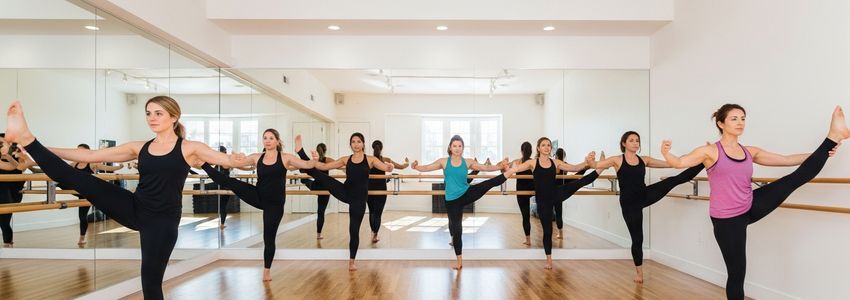
The boutique fitness industry has experienced explosive growth, with barre studios leading the charge. Combining ballet, yoga, and Pilates, barre workouts offer a unique, low-impact, and highly effective fitness solution that attracts a dedicated clientele. For entrepreneurs, opening a barre studio is an opportunity to build a community, promote wellness, and run a profitable business. However, turning this vision into reality requires significant capital for everything from specialized equipment to elegant studio build-outs and strategic marketing.
Whether you are launching your first studio, expanding to a new location, or upgrading your current facility, securing the right funding is a critical step. Barre studio business loans provide the necessary capital to cover startup costs, manage operational expenses, and fuel long-term growth. This financing is not a one-size-fits-all solution; it encompasses a range of financial products designed to meet the diverse needs of fitness entrepreneurs at every stage of their business journey.
This comprehensive guide will walk you through every aspect of barre studio financing. We will explore the types of loans available, detail the costs associated with opening and running a studio, and outline the steps to qualify for funding. With the right financial strategy, you can confidently build and scale a successful barre studio that stands out in a competitive market.
In This Article
- What Are Barre Studio Business Loans?
- Key Benefits of Financing Your Barre Studio
- How Much Does It Cost to Open or Expand a Barre Studio?
- Types of Financing for Barre Studio Owners
- How to Qualify for Barre Studio Business Loans
- How Crestmont Capital Helps Barre Studio Owners
- Real-World Scenarios: How Barre Studio Owners Use Financing
- Frequently Asked Questions
- How to Get Started
- Conclusion
What Are Barre Studio Business Loans?
Barre studio business loans are a category of financial products specifically designed to provide capital for entrepreneurs in the barre and boutique fitness industry. These are not a single type of loan but rather a suite of funding solutions that can be tailored to meet specific business needs. The funds can be used for a wide variety of purposes, from initial startup costs to ongoing operational expenses and strategic growth initiatives.
Unlike personal loans, business loans are underwritten based on the financial health and potential of the business itself. Lenders evaluate factors like business revenue, cash flow, credit history, and time in operation to determine eligibility and terms. The structure of these loans can vary significantly, ranging from lump-sum term loans with fixed payments to flexible lines of credit that can be drawn upon as needed.
Effectively, these loans act as a powerful tool for owners to bridge financial gaps and invest in their studio's future. They allow you to acquire essential assets, launch powerful marketing campaigns, and maintain healthy cash flow without depleting personal savings or compromising the quality of your client experience. Understanding the different ways to leverage this capital is the first step toward building a financially sound and successful barre studio.
Key Benefits of Financing Your Barre Studio
Securing external funding can feel like a daunting step, but it offers numerous strategic advantages that can significantly impact your studio's trajectory. By leveraging barre studio business loans, you can move beyond survival mode and actively invest in growth. The benefits extend far beyond simply having more cash on hand; they enable smarter, more strategic business decisions.
One of the primary benefits is the ability to preserve personal capital. Using a business loan prevents you from draining your personal savings or retirement accounts, creating a crucial financial buffer between your personal and business finances. This separation protects your personal assets and provides peace of mind while navigating the challenges of entrepreneurship.
Financing also acts as a catalyst to accelerate growth and seize opportunities. When a prime retail space becomes available for a second location or a competitor's studio is for sale, having access to capital allows you to act quickly. Without it, these time-sensitive opportunities might pass you by, slowing your expansion and market penetration.
Effective cash flow management is another critical benefit. The fitness industry often experiences seasonality, with membership numbers fluctuating throughout the year. A business line of credit or working capital loan can help cover fixed costs like rent and payroll during slower months, ensuring operational stability and preventing disruptive service cuts.
Furthermore, financing allows you to invest in a premium client experience. You can fund studio renovations, purchase state-of-the-art sound systems, or upgrade to high-end ballet barres and equipment. These improvements not only attract new clients but also increase retention and justify premium membership pricing, directly boosting your bottom line.
Ready to Fund Your Barre Studio?
Get the capital you need to open, expand, or upgrade your studio. Our simple application takes just minutes.
Apply Now →How Much Does It Cost to Open or Expand a Barre Studio?
Understanding the full financial scope of opening or expanding a barre studio is essential for creating a realistic business plan and securing adequate funding. Costs can vary widely based on location, studio size, and the level of finish-out, but they generally fall into two categories: one-time startup costs and ongoing operational expenses.
A comprehensive budget will not only guide your loan application but also serve as a roadmap for your first few years of operation. Let's break down the typical expenses you can expect to encounter.
Startup Costs for a New Barre Studio
Launching a new studio from the ground up involves significant upfront investment. These initial costs are often the primary reason entrepreneurs seek small business loans. While franchising can streamline some processes, it also adds a substantial franchise fee to your initial budget.
- Commercial Lease and Build-Out: This is often the largest expense. It includes the security deposit, first month's rent, and construction costs to transform the space. Renovations can include installing specialized sprung or hardwood floors, wall-to-wall mirrors, custom lighting, and building out locker rooms, a reception area, and restrooms. This can range from $25,000 to over $150,000.
- Barre Equipment: The core of your studio. This includes professional-grade, wall-mounted or portable ballet barres, high-density exercise mats, light hand weights (1-5 lbs), small exercise balls, and resistance bands. A full equipment package for a studio serving 15-20 clients per class can cost between $10,000 and $30,000.
- Technology and Software: Modern studios rely on technology for a seamless client experience. This includes a point-of-sale (POS) system, client management and booking software (like Mindbody or Zen Planner), a high-quality sound system, and computers or tablets for check-in. Initial setup can cost $5,000 to $15,000.
- Franchise Fees: If you choose to open a franchise location for a brand like Pure Barre or The Bar Method, expect an initial franchise fee ranging from $45,000 to $60,000. This fee typically covers brand licensing, training, and initial support.
- Professional Fees, Licenses, and Insurance: This includes costs for business registration, legal fees for lease review, liability insurance, and any required local permits or certifications. Budget at least $3,000 to $7,000 for these necessities.
- Initial Marketing and Grand Opening: Creating brand awareness is crucial. This budget covers website development, social media campaigns, print materials, signage, and a grand opening event. A strong initial push can cost anywhere from $5,000 to $20,000.
Key Stat: According to a Forbes Advisor analysis, the startup costs for a small, independent gym or fitness studio can range from $50,000 to over $250,000, depending heavily on location and build-out requirements.
Expansion and Operating Costs for an Existing Studio
For established studios, financing needs shift from startup capital to growth and operational capital. These investments are focused on enhancing the business, improving efficiency, and scaling operations.
- Second Location Expansion: The costs are similar to opening a new studio but may be partially offset by existing brand recognition and operational knowledge. You will still need capital for a new lease, build-out, equipment, and marketing for the new location.
- Equipment Upgrades: To stay competitive and provide the best experience, you may need to replace worn-out mats, add new types of resistance bands, or upgrade your sound system. An equipment financing agreement is perfect for these targeted purchases.
- Renovations and Remodeling: Refreshing your studio's look with new paint, updated lighting, or an expanded locker room can re-energize your space and improve client retention. A short-term loan can fund these projects without disrupting cash flow.
- Working Capital: This is the lifeblood of your day-to-day operations. Working capital loans cover payroll for instructors, rent, utilities, marketing expenses, and inventory for your retail boutique during seasonal lulls or unexpected slow periods.
- Technology and Digital Expansion: Investing in a branded mobile app, an on-demand virtual class library, or advanced performance tracking technology can create new revenue streams and enhance member engagement.
Types of Financing for Barre Studio Owners
Navigating the world of business financing can be complex, as there are many different loan products available. Each is designed for a specific purpose and comes with its own set of terms, rates, and qualification requirements. Choosing the right type of financing for your barre studio depends on your specific need, your business's financial health, and your long-term goals.
For example, a long-term SBA loan is ideal for a major purchase like acquiring a commercial property for your studio, while a flexible business line of credit is better suited for managing day-to-day cash flow fluctuations. Understanding these distinctions is key to building a sound financial foundation for your business. Below, we compare the most common financing options for barre studio owners.
| Loan Type | Best For | Typical Amount | Repayment Term | Funding Speed |
|---|---|---|---|---|
| SBA Loans | Business acquisition, real estate purchase, major expansion, debt refinancing | $30,000 - $5 million | 7-25 years | 1-3 months |
| Term Loans | Large one-time investments like renovations, new equipment packages, or opening a new location | $25,000 - $500,000 | 1-7 years | 2 days - 2 weeks |
| Equipment Financing | Purchasing ballet barres, flooring, sound systems, computers, and other physical assets | $5,000 - $250,000+ | 2-7 years | 1-3 days |
| Business Line of Credit | Managing cash flow, covering unexpected expenses, funding ongoing marketing campaigns | $10,000 - $250,000 | Revolving (6-24 months) | 1-5 days |
| Working Capital Loans | Short-term needs like payroll, inventory for retail, or bridging seasonal revenue gaps | $5,000 - $250,000 | 3-18 months | 24-48 hours |
SBA Loans
Backed by the U.S. Small Business Administration, SBA loans are considered the gold standard in small business lending. They offer high borrowing amounts, long repayment terms, and some of the lowest interest rates available. The most common programs are the SBA 7(a) loan, which is versatile and can be used for most business purposes, and the SBA 504 loan, which is specifically for major fixed assets like real estate or heavy equipment.
The primary drawback of SBA loans is the rigorous and lengthy application process. It requires extensive documentation, a strong business plan, and excellent credit, making it challenging for new businesses or those needing fast cash.
Term Loans
A traditional term loan provides a lump sum of cash that you repay in fixed installments over a set period. They are offered by both traditional banks and online lenders. Bank term loans typically have lower rates but stricter requirements, while online lenders offer faster funding and more flexible criteria at a slightly higher cost. This type of loan is ideal for planned, significant investments where you know the exact cost upfront.
Equipment Financing
This is one of the most relevant options for a barre studio. With equipment financing, the loan is used to purchase specific equipment, which then serves as the collateral for the loan. This structure makes it easier to qualify for than other types of loans, even for businesses with less-than-perfect credit. It's a perfect fit for financing your ballet barres, mirrors, flooring, sound system, and POS technology.
Business Line of Credit
A business line of credit functions like a business credit card but with lower rates and higher limits. You are approved for a certain credit limit and can draw funds as needed, only paying interest on the amount you use. This flexibility makes it an excellent tool for managing unpredictable expenses and seasonal cash flow, ensuring you always have capital on hand for opportunities or emergencies.
Working Capital Loans
Designed for short-term operational needs, working capital loans provide quick access to cash to cover immediate expenses. These loans typically have shorter repayment terms (often daily or weekly payments) and are easier to qualify for than long-term loans. They are perfect for covering a payroll shortfall, purchasing retail inventory before a busy season, or launching a time-sensitive marketing campaign.
How to Qualify for Barre Studio Business Loans
Qualifying for a barre studio business loan requires lenders to have confidence in your ability to repay the funds. They assess this risk by evaluating several key aspects of your personal and business financial profile. While specific requirements vary between lenders and loan products, focusing on the following areas will significantly improve your chances of approval.
Preparation is key. Before you even begin an application, you should gather your documents and understand where your business stands in relation to these common qualification criteria. This proactive approach will streamline the process and help you apply for the right type of financing.
Here are the primary factors lenders consider:
- Credit Score: Both your personal and business credit scores are crucial. A personal FICO score above 650 is often the minimum for many online lenders, while traditional banks and SBA loans may require 680 or higher. A strong credit history demonstrates responsible financial management.
- Time in Business: Most lenders prefer to see a track record of success. A minimum of six months to one year in business is typically required for many loan products. For startups, lenders will need to see a very strong business plan and solid financial projections to mitigate the risk of lending to a new venture.
- Annual Revenue: Lenders need to see consistent cash flow to ensure you can handle loan payments. Minimum annual revenue requirements can range from $100,000 for some online lenders to $250,000 or more for larger bank loans. Be prepared to provide bank statements and tax returns to verify your income.
- Business Plan (especially for startups): If you are seeking startup financing, a detailed business plan is non-negotiable. It should include an executive summary, market analysis of the fitness industry in your area, details about your services and pricing, a marketing and sales strategy, and comprehensive financial projections for at least three years.
- Collateral: While many modern loans are unsecured, offering collateral can help you secure a larger loan amount or a better interest rate. For a barre studio, collateral could include the studio equipment, accounts receivable, or commercial real estate if you own the property.
- Financial Documents: Be prepared to provide a standard set of documents, including recent business and personal tax returns, bank statements for the last 3-6 months, a profit and loss statement, a balance sheet, and a list of any outstanding business debts.
Pro Tip: According to the U.S. Census Bureau, a significant portion of small businesses seek financing for expansion. A well-documented business plan that clearly outlines your growth strategy is one of the most powerful tools in your application.
How Crestmont Capital Helps Barre Studio Owners
At Crestmont Capital, we understand that the fitness industry has unique financial needs. A barre studio is not just another small business; it's a capital-intensive operation that relies on specialized equipment, a pristine physical space, and consistent marketing to thrive. We have extensive experience working with fitness entrepreneurs, from spin studio financing to funding for kickboxing gyms, and we bring that expertise to our barre studio clients.
Our approach is built on speed, flexibility, and a deep understanding of your business model. We know that when you need to purchase new barres or launch a grand opening campaign, you cannot afford to wait weeks or months for a traditional bank to approve your loan. Our streamlined online application process is designed to be quick and straightforward, allowing you to apply for financing in minutes and often receive a decision within hours.
We offer a wide range of financing solutions tailored to the specific needs of barre studio owners. Whether you need equipment financing to outfit your entire studio, a business line of credit to manage seasonal dips in membership, or a working capital loan to cover payroll, we can match you with the right product. Our team of funding specialists works with you to understand your goals and craft a financing package that aligns with your business's cash flow and growth strategy.
By partnering with Crestmont Capital, you gain more than just a lender; you gain a financial partner dedicated to your success. We look beyond just credit scores, taking a holistic view of your business's health and potential. Our goal is to provide the capital you need to create an exceptional experience for your clients and build a profitable, sustainable barre business.
Partner with a Lender Who Understands Fitness
We specialize in financing for barre studios and other fitness businesses. Let us help you find the perfect funding solution.
Get Your Free Quote →Real-World Scenarios: How Barre Studio Owners Use Financing
To better understand the practical application of barre studio business loans, it helps to look at real-world examples. The right financing, applied strategically, can solve specific problems and unlock new levels of growth. Here are a few common scenarios illustrating how barre studio owners leverage different types of funding.
Scenario 1: The Grand Opening
The Challenge: Sarah, a certified barre instructor, has found the perfect location for her first studio. She has a solid business plan and some personal savings but needs significant capital to cover the $120,000 in startup costs, which include a major build-out, a full package of barres and equipment, and a grand opening marketing campaign.
The Solution: Sarah applies for a combination of financing. She secures a $70,000 term loan to cover the construction, lease deposit, and initial marketing budget. For the remaining $50,000 in equipment, she uses an equipment financing agreement. This strategy allows her to conserve her personal savings for working capital and get her studio fully equipped and beautifully designed from day one.
Scenario 2: The Technology and Experience Upgrade
The Challenge: Mark's barre studio has been successful for three years, but his technology is outdated. The booking software is clunky, the sound system is failing, and clients are asking for an on-demand virtual class option. He estimates the total cost for the upgrades to be around $25,000.
The Solution: Mark doesn't want to disrupt his regular cash flow for this one-time project. He applies for a short-term working capital loan. He is approved quickly and receives the $25,000 in just two days, allowing him to immediately hire a developer for the virtual platform, purchase a new sound system, and migrate to a modern booking software, enhancing the client experience and creating a new revenue stream.
Scenario 3: Managing the Summer Slowdown
The Challenge: A successful studio owner, Maria, knows that memberships tend to dip during the summer months when clients go on vacation. However, her fixed costs-like rent and instructor salaries-remain the same. She needs a safety net to ensure she can cover her expenses without stress during July and August.
The Solution: Maria proactively applies for a $50,000 business line of credit. She is approved but doesn't draw any funds immediately. When cash flow tightens in July, she draws $15,000 to cover payroll. As memberships pick back up in the fall, she repays the amount drawn, and the full line of credit becomes available again for any future needs.
Scenario 4: Expanding to a Second Location
The Challenge: After five years of building a loyal community and a profitable business, an opportunity arises for an established studio to open a second location in a neighboring town. The owner needs approximately $150,000 to replicate their successful model in the new space.
The Solution: With a strong business history and excellent financials, the owner qualifies for an SBA 7(a) loan. While the application process takes longer, the favorable long-term rates and extended repayment schedule make it the perfect vehicle for this major expansion. The loan provides the capital needed for the new lease, build-out, equipment, and initial staffing, setting the second location up for success.
By the Numbers
Barre Studio Financing - Key Statistics
$22.1 Billion
The projected market size of the U.S. Pilates & Yoga Studios industry in 2024, which includes barre studios, indicating a strong and growing market.
78%
Percentage of small businesses that use financing to fund expansion and seize new growth opportunities, according to a Federal Reserve survey.
$15k - $30k
The typical cost range for the initial equipment package for a new barre studio, including barres, mats, weights, and accessories.
24-72 Hours
The typical funding time for alternative financing options like working capital loans, providing rapid access to cash for urgent needs.
Frequently Asked Questions
1. Can I get a business loan for a brand new barre studio?
Yes, it is possible to get startup financing for a new barre studio. Lenders will require a comprehensive business plan, strong personal credit (typically 680+), detailed financial projections, and often some form of personal investment or collateral. SBA loans are a common option for well-qualified startups.
2. What is the minimum credit score needed for a barre studio loan?
The minimum credit score varies by lender and loan type. For alternative lenders offering working capital or equipment financing, a score of 600 may be sufficient. For more traditional term loans or SBA loans, lenders typically look for a personal credit score of 680 or higher.
3. How quickly can I get funded?
Funding speed depends entirely on the loan product. SBA loans can take 1-3 months. Traditional bank loans may take several weeks. Alternative lenders, like Crestmont Capital, can provide funding for products like working capital loans and equipment financing in as little as 24-48 hours after approval.
4. Can I use a business loan to buy an existing barre studio?
Absolutely. A business acquisition loan, often structured as an SBA 7(a) loan or a traditional term loan, is specifically designed for this purpose. Lenders will evaluate the financial performance of the studio you intend to purchase, as well as your own qualifications as a buyer.
5. What documents do I need to apply for a loan?
Commonly required documents include 3-6 months of business bank statements, your most recent business and personal tax returns, a profit and loss statement, a balance sheet, and a completed loan application. For startups, a business plan is also essential.
6. Is it better to lease or finance my barre equipment?
Financing (through an equipment loan) means you own the equipment at the end of the term, which is great for long-lasting assets like ballet barres. Leasing involves lower monthly payments and allows you to upgrade equipment easily, but you don't build equity. For core studio equipment, financing is often the preferred long-term strategy.
7. Can I get a loan if my barre studio is not yet profitable?
Yes, especially if your business is relatively new. Lenders will focus more on your monthly revenue and cash flow rather than net profitability. As long as you can demonstrate sufficient, consistent revenue to support the loan payments, you can still qualify for many types of financing.
8. What kind of interest rates can I expect?
Interest rates vary widely based on the loan type, your creditworthiness, and market conditions. SBA and bank loans offer the lowest rates, often in the single digits. Online term loans and lines of credit can range from 8% to 30% APR. Short-term working capital loans and MCAs have higher costs, expressed as a factor rate.
9. Will a business loan require a personal guarantee?
Most small business loans, especially for newer or smaller businesses, will require a personal guarantee from the owner(s). This means that if the business defaults on the loan, you are personally responsible for repaying the debt. This is a standard practice in small business lending.
10. Can I use a loan to pay for instructor certification and training?
Yes. A working capital loan or a business line of credit can be used for a wide range of operational expenses, including staff training and development. Investing in your instructors is a valid business expense that directly contributes to the quality of your service.
11. What is the difference between a secured and an unsecured loan?
A secured loan is backed by collateral (e.g., equipment, real estate). If you default, the lender can seize the asset. An unsecured loan does not require specific collateral, making it riskier for the lender and often resulting in higher interest rates. Many modern business loans are unsecured.
12. Can I get financing for a barre studio franchise?
Yes, financing is readily available for franchises. In fact, lenders often view franchises favorably due to their established business models and brand recognition. You can use a loan to cover the franchise fee, build-out, and initial operating costs.
13. How does applying for a loan affect my credit score?
When you submit a full application, lenders will perform a "hard" credit inquiry, which can cause a small, temporary dip in your credit score. Many lenders, including Crestmont Capital, use a "soft" pull for pre-qualification, which does not impact your score.
14. Can I refinance an existing business loan?
Yes. If you have an existing high-interest loan and your business's financial standing has improved, you may be able to refinance it into a new loan with a lower rate or a longer term. This can reduce your monthly payments and save you money over the life of the loan.
15. What if my loan application is denied?
If your application is denied, the lender is required to provide you with a reason. Use this feedback to improve your application. Common reasons for denial include a low credit score, insufficient revenue, or a short time in business. You can work on these areas and reapply in the future or explore lenders with more flexible requirements.
How to Get Started
Securing financing for your barre studio is a straightforward process when you know the steps. Following a clear plan will help you stay organized and present the strongest possible case to lenders. Here is a simple three-step guide to begin your funding journey.
STEP 1
Assess Your Needs & Eligibility
First, determine exactly how much funding you need and what you will use it for. Create a detailed budget. Then, review your key financial metrics-credit score, annual revenue, and time in business-to understand which loan products you are likely to qualify for.
STEP 2
Gather Your Documents
Organize all the necessary paperwork before you apply. This typically includes your last 3-6 months of business bank statements, tax returns, and basic information about your business. Having these documents ready will dramatically speed up the application and underwriting process.
STEP 3
Apply for Financing
With your needs assessed and documents in hand, it's time to apply. Our secure online application is fast and simple. A dedicated funding specialist will review your information and work with you to find the best possible financing options for your barre studio.
Take the Next Step Today
Your barre studio's future is just a few clicks away. Complete our simple application to see your funding options.
Apply for Financing →Conclusion
Building a successful barre studio requires a combination of passion for fitness, strong business acumen, and adequate capital. While the costs of opening, operating, and expanding can be substantial, they should not be a barrier to your entrepreneurial vision. Barre studio business loans are a powerful and strategic tool that provides the necessary funding to bring your goals to life.
From securing the perfect location and outfitting it with premium equipment to managing day-to-day cash flow and funding a major expansion, a variety of financing solutions exist to meet your needs at every stage. By understanding the options available, preparing your financial documents, and partnering with a lender that specializes in the fitness industry, you can secure the capital needed to not only compete but to thrive.
Your focus should be on creating an inspiring community and delivering an exceptional workout experience for your clients. Let the right financing handle the rest. By investing strategically in your studio's infrastructure, technology, and marketing, you are laying the foundation for long-term growth and profitability.
Disclaimer: The information provided in this article is for general educational purposes only and is not financial, legal, or tax advice. Funding terms, qualifications, and product availability may vary and are subject to change without notice. Crestmont Capital does not guarantee approval, rates, or specific outcomes. For personalized information about your business funding options, contact our team directly.