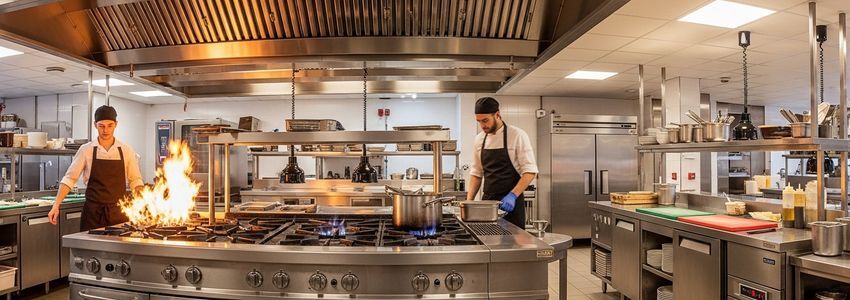
In the fast-paced, competitive world of the restaurant industry, success hinges on a delicate balance of culinary skill, exceptional service, and operational efficiency. The unsung hero behind the scenes of this operation is your commercial kitchen equipment. From the convection oven that perfectly crisps your signature dish to the walk-in cooler that preserves thousands of dollars in inventory, your equipment is the backbone of your business. A strategic restaurant equipment upgrade is not merely a capital expense; it is a critical investment in your restaurant's future, impacting everything from food quality and staff morale to energy bills and customer satisfaction. This guide provides a comprehensive roadmap for navigating the when, why, and how of upgrading your essential assets in 2026 and beyond.
In This Article
- What is Restaurant Equipment & Why Upgrades Matter
- Key Signs It's Time for an Upgrade
- Top Reasons to Upgrade Your Restaurant Equipment
- Types of Equipment to Consider Upgrading
- How to Finance Restaurant Equipment Upgrades
- How Crestmont Capital Helps Restaurant Owners
- Real-World Upgrade Scenarios
- Frequently Asked Questions
- Next Steps to Secure Funding
What is Restaurant Equipment and Why Upgrades Matter
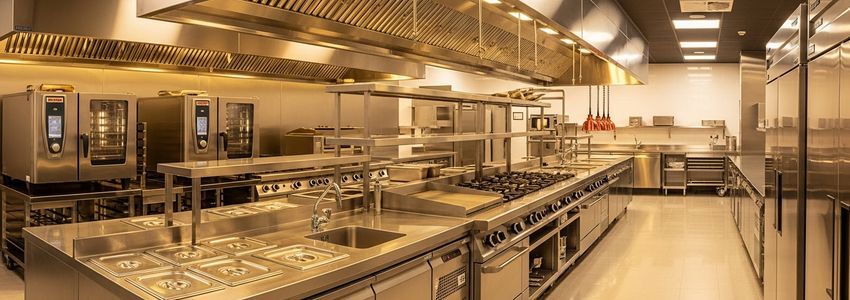
Restaurant equipment encompasses every tangible asset used in the preparation, cooking, storage, and service of food and beverages. This broad category includes everything from heavy-duty cooking ranges and commercial refrigerators to point-of-sale (POS) systems and dishwashers. These tools are not just conveniences; they are the machinery that drives your daily revenue. When this machinery is old, inefficient, or unreliable, the entire operation suffers.
Upgrading your equipment is a proactive strategy to mitigate risk and unlock potential. It's about moving from a reactive "fix-it-when-it-breaks" mindset to a forward-thinking approach that prioritizes consistency, safety, and profitability. In an industry with notoriously thin margins, operational efficiency is paramount. Outdated equipment often consumes more energy, requires more labor to operate, and produces inconsistent results-all of which directly erode your bottom line. A modern, high-performance kitchen, on the other hand, empowers your staff, enhances food quality, and reduces operational waste.
Furthermore, the landscape of the restaurant industry is constantly evolving. Customer expectations are higher than ever, and health and safety regulations are becoming more stringent. Modern equipment is designed to meet these new standards, incorporating features like advanced temperature controls, automated cleaning cycles, and data-tracking capabilities. A timely restaurant equipment upgrade ensures your business remains compliant, competitive, and capable of delivering the high-quality experience your customers expect.
Is Your Kitchen Holding You Back?
Don't let outdated equipment limit your restaurant's potential. Finance your next upgrade with Crestmont Capital.
Apply Now →Key Signs It's Time for a Restaurant Equipment Upgrade
Deciding when to pull the trigger on a major equipment purchase can be daunting. It's often tempting to squeeze every last bit of life out of an old appliance. However, waiting for a complete breakdown is a costly mistake that can lead to service interruptions, lost revenue, and emergency replacement costs. Watch for these clear indicators that it's time to start planning your upgrade.
1. Frequent and Costly Repairs
One of the most obvious signs is a noticeable increase in maintenance calls. If your repair technician is becoming a familiar face in your kitchen, it's time for a change. Track the frequency and cost of repairs for each major piece of equipment. A good rule of thumb is the 50% rule: if the cost of a single repair is more than 50% of the price of a new unit, replacement is almost always the more financially sound decision. Constant repairs not only drain your capital but also lead to unpredictable downtime, disrupting your kitchen's workflow and potentially compromising service during peak hours.
2. Rising Energy Bills
Are your utility costs creeping up without a corresponding increase in business? Aging equipment, particularly refrigeration and cooking appliances, is notoriously inefficient. Older compressors, worn-out seals, and outdated heating elements work harder and consume significantly more gas and electricity to maintain proper temperatures. A new, ENERGY STAR-rated appliance can lead to substantial long-term savings. For instance, an ENERGY STAR certified commercial refrigerator can be up to 40% more efficient than a standard model, translating into hundreds or even thousands of dollars in savings per year for a single unit.
Industry Insight: According to the U.S. Small Business Administration (SBA), energy costs can account for a significant portion of a restaurant's operating budget. Upgrading to energy-efficient appliances is one of the most effective ways to reduce overhead and improve profitability.
3. Inconsistent Food Quality and Cooking Times
Your reputation is built on the quality and consistency of your food. If your convection oven has hot spots that burn one side of a dish while leaving the other undercooked, or your fryer can't maintain a consistent temperature, you have a serious problem. Outdated equipment struggles with precise temperature control, leading to inconsistent results that frustrate your chefs and disappoint your customers. This can manifest as longer ticket times as staff must compensate for the equipment's shortcomings, further impacting the dining experience. A new oven, grill, or fryer with modern controls provides the precision your culinary team needs to execute your menu flawlessly every time.
4. Difficulty Finding Replacement Parts
As equipment ages, manufacturers often discontinue production of the model and its specific replacement parts. When a critical component fails, you may find yourself in a desperate search for a part that no longer exists. This can lead to extended downtime, forcing you to either find a costly custom solution or, more likely, make an emergency purchase of a new unit at a premium price. If your service technician informs you that parts for your walk-in's compressor or your range's ignition system are becoming scarce, it's a clear signal to begin planning a proactive replacement.
5. Your Menu or Operations Have Outgrown Your Equipment
Has your restaurant evolved since you first opened? Perhaps you've expanded your menu, increased your seating capacity, or experienced a significant surge in takeout and delivery orders. The equipment that served you well as a small startup may now be a bottleneck. A small, four-burner range cannot keep up with the demands of a bustling 100-seat dining room. An undersized dishwasher creates a perpetual backlog of dirty dishes during a weekend rush. If your kitchen staff is constantly "working around" the limitations of your equipment, an upgrade is necessary to support your business's growth and maintain operational efficiency.
6. Safety and Compliance Concerns
Old equipment can pose significant safety hazards. Frayed wiring, gas leaks, and malfunctioning safety shut-offs are risks you cannot afford to take. Furthermore, health codes and safety regulations are periodically updated. An older piece of equipment may no longer meet current NSF International or local health department standards, putting you at risk of fines or forced closure during an inspection. Upgrading to modern, compliant equipment is a non-negotiable aspect of responsible restaurant ownership, protecting your staff, your customers, and your business license.
Top Reasons to Upgrade Your Restaurant Equipment
Beyond simply replacing a failing unit, a strategic restaurant equipment upgrade offers a multitude of benefits that can transform your business. This is where the decision moves from a necessary expense to a powerful investment in growth and profitability. Here are the most compelling reasons to modernize your kitchen.
1. Enhanced Efficiency and Productivity
Modern commercial kitchen equipment is engineered for peak performance. A new convection oven with precise temperature controls and even air circulation can cook food up to 30% faster than older models. A high-capacity, high-temperature dishwasher can clean and sanitize a rack of dishes in a minute or two, compared to the several minutes an older machine might take. This increased speed and efficiency directly translate to faster ticket times, higher table turnover, and the ability to serve more customers during peak hours. It also reduces stress on your kitchen staff, allowing them to focus on quality and presentation rather than battling slow, unreliable equipment. This boost in productivity is one of the most immediate and impactful returns on your investment.
2. Significant Reduction in Operating Costs
While the upfront cost of new equipment can seem high, the long-term operational savings are substantial. This is most evident in two key areas: energy and labor.
- Energy Savings: As mentioned, ENERGY STAR certified equipment is a game-changer for utility bills. These appliances are designed with advanced insulation, high-efficiency compressors, and smart technology to minimize energy consumption. Upgrading an entire kitchen with energy-efficient models can reduce your restaurant's total energy costs by 10-30%, a significant saving that goes directly to your bottom line.
- Labor Savings: New equipment often incorporates automation and user-friendly features that reduce the manual labor required. A combi oven can be programmed to execute complex, multi-stage cooking processes automatically, freeing up a chef for other tasks. A modern food processor can chop vegetables in seconds, a task that would take a prep cook much longer. These efficiencies can help you optimize your staffing levels or reallocate labor to more value-added activities like menu development and customer service.
By the Numbers: According to a Forbes Advisor analysis, labor costs typically account for about 30% of a restaurant's total revenue. Equipment that improves labor efficiency can have a profound impact on profitability.
3. Improved Food Quality and Consistency
Consistency is the hallmark of a great restaurant. Customers return for the dish they loved on their last visit, and they expect it to taste exactly the same. Outdated equipment makes this level of consistency nearly impossible to achieve. Modern cooking technology-such as induction cooktops, sous-vide immersion circulators, and programmable combi ovens-gives chefs unprecedented control over the cooking process. This precision ensures that every steak is seared perfectly, every sauce is held at the ideal temperature, and every loaf of bread is baked with a consistent crust and crumb. By eliminating the guesswork and variability of old appliances, you empower your culinary team to produce consistently excellent food, which in turn builds customer loyalty and enhances your brand's reputation.
By the Numbers
Restaurant Equipment Upgrades - Key Statistics
Up to 40%
Energy savings from upgrading to ENERGY STAR certified commercial refrigeration and ovens.
78%
Of restaurant operators agree that technology provides a competitive advantage, including modern kitchen equipment.
$3,000+
Potential cost per hour of downtime from a critical equipment failure in a high-volume restaurant.
5-7 Years
Typical lifespan of heavily used cooking equipment before efficiency and reliability begin to decline sharply.
4. Expanded Menu Capabilities
Is your menu constrained by what your current equipment can produce? Upgrading can open up a world of new culinary possibilities. A high-powered blast chiller allows you to safely cool foods quickly, essential for cook-chill production and advanced food prep. A combi oven combines the functions of a convection oven and a steamer, enabling you to roast, steam, bake, and re-thermalize with a single piece of equipment. Adding a commercial-grade smoker could allow you to introduce an entirely new line of barbecue items. A strategic equipment upgrade can be the catalyst for menu innovation, allowing you to tap into new food trends, attract a wider customer base, and differentiate your restaurant from the competition.
5. Enhanced Safety and Sanitation
A safe and clean kitchen is non-negotiable. Modern equipment is designed with safety and sanitation as top priorities. Features like automatic shut-off valves for gas appliances, rounded and seamless corners for easier cleaning (reducing bacterial growth), and built-in temperature alarms for refrigeration units all contribute to a safer working environment. Many new appliances are also easier to disassemble for deep cleaning, helping you meet and exceed health department standards. Investing in safer equipment reduces the risk of workplace accidents and foodborne illness, protecting your employees, your customers, and your business's reputation.
6. Improved Staff Morale and Retention
Working in a kitchen with old, unreliable, and inefficient equipment is frustrating and demoralizing for your staff. When chefs have to constantly adjust their techniques to compensate for a faulty oven, or when dishwashers are fighting a slow, leaking machine, morale plummets. Providing your team with high-quality, modern tools shows that you value their work and are invested in their success. A well-equipped kitchen is a more pleasant and efficient place to work, which can significantly boost morale and help with employee retention-a critical advantage in an industry known for high turnover.
Types of Restaurant Equipment to Consider Upgrading
When planning a restaurant equipment upgrade, it's helpful to categorize your assets and prioritize based on age, condition, and impact on your operations. Here are some of the key categories to evaluate.
1. Cooking Equipment
This is the heart of your kitchen and often the first place to look for upgrade opportunities. This category includes:
- Ranges and Ovens: Look for convection or combi ovens for faster, more even cooking. Consider induction ranges for their incredible energy efficiency and precise temperature control.
- Grills and Griddles: Modern units offer more consistent surface temperatures and better grease management systems.
- Fryers: High-efficiency fryers use less oil and have faster recovery times, improving food quality and reducing oil costs.
- Microwaves and Steamers: Commercial-grade, high-power units can significantly speed up specific tasks in the kitchen.
2. Refrigeration and Cold Storage
Refrigeration runs 24/7 and is a major energy consumer. Upgrades here can yield significant savings and protect your valuable inventory.
- Walk-in Coolers/Freezers: New units feature better insulation, more efficient compressors, and advanced monitoring systems to prevent costly failures.
- Reach-in Refrigerators/Freezers: Look for ENERGY STAR models to maximize efficiency. Features like glass doors can reduce the time doors are open, saving energy.
- Prep Tables and Lowboys: Ensure these units hold temperature consistently, especially during busy service times.
- Ice Machines: Modern ice machines are more water and energy-efficient, and many have antimicrobial features to improve sanitation.
3. Food Preparation Equipment
These tools are crucial for labor efficiency. Upgrading prep equipment can save your team hours of manual work each day.
- Mixers, Slicers, and Food Processors: Heavy-duty, high-capacity models can handle larger volumes and reduce prep time.
- Blenders: Commercial blenders are essential for bars and kitchens making soups and sauces. Newer models are more powerful and durable.
- Dough Sheeters and Proofers: For bakeries and pizzerias, modern automated equipment can ensure product consistency and speed up production.
4. Warewashing and Sanitation Equipment
An efficient dish room is critical to a smooth operation. A bottleneck here can bring the entire restaurant to a halt.
- Dishwashers: High-temperature conveyor or door-type dishwashers can sanitize a rack in under 90 seconds. Look for models that are efficient with both water and energy.
- Sinks and Faucets: Three-compartment sinks are a requirement in most jurisdictions. Low-flow pre-rinse spray valves can save a significant amount of water.
5. Point-of-Sale (POS) and Technology
Your POS system is the central nervous system of your front-of-house and, increasingly, your back-of-house operations.
- POS Terminals: Modern, cloud-based POS systems offer integrated online ordering, loyalty programs, and advanced sales analytics.
- Kitchen Display Systems (KDS): A KDS can replace paper tickets, improving order accuracy and communication between the front and back of the house.
- Payment Processing: Upgrading to terminals that accept contactless payments (NFC), EMV chips, and mobile wallets is now standard customer expectation.
How to Finance Restaurant Equipment Upgrades
A full-scale restaurant equipment upgrade can represent a significant capital investment, often ranging from tens of thousands to hundreds of thousands of dollars. For most restaurant owners, paying for this out of pocket with cash is not a feasible or wise option. Tying up that much working capital in equipment can leave your business vulnerable to unexpected expenses or slow seasons. Fortunately, there are several financing solutions designed specifically for this purpose.
Understanding Equipment Financing
The most direct and popular method for acquiring new assets is equipment financing. This is a type of loan where the equipment itself serves as the collateral. This is a key advantage, as it often means you don't have to put up other business or personal assets to secure the loan. The process is typically straightforward:
- You identify the equipment you need and get a quote from a vendor.
- You apply for financing with a lender like Crestmont Capital.
- Once approved, the lender pays the vendor directly.
- You receive the equipment and begin making regular payments (usually monthly) to the lender for a predetermined term.
At the end of the term, you own the equipment outright. This financing option allows you to acquire revenue-generating assets immediately while spreading the cost over time, aligning the expense with the income the new equipment helps produce.
Exploring Equipment Leasing
Another excellent option is equipment leasing. A lease is essentially a long-term rental agreement. You get to use the equipment for a set period in exchange for monthly payments. Leasing is particularly attractive for technology or equipment that becomes obsolete quickly, like POS systems. Key benefits include:
- Lower Monthly Payments: Lease payments are often lower than loan payments because you are only paying for the depreciation of the equipment during the lease term, not its full value.
- Flexibility at End of Term: At the end of the lease, you typically have several options: you can purchase the equipment (often at fair market value), renew the lease, or return the equipment and upgrade to the latest model.
- Potential Tax Advantages: In many cases, lease payments can be fully deducted as an operating expense. (Consult with your tax advisor for details specific to your business).
Other Financing Avenues
While equipment financing and leasing are the most targeted solutions, other forms of small business financing can also be used for upgrades:
- Small Business Loans: A term loan can provide a lump sum of capital that you can use for a variety of purposes, including purchasing multiple pieces of equipment and covering installation costs. Crestmont Capital offers various small business loans to suit different needs.
- Business Line of Credit: This provides flexible access to capital up to a certain limit. You can draw funds as needed to cover repairs or smaller equipment purchases and only pay interest on the amount you use.
How Crestmont Capital Helps Restaurant Owners
Navigating the world of commercial financing can be complex, but Crestmont Capital specializes in making it simple and accessible for restaurant owners. We understand the unique challenges and opportunities within the foodservice industry and have tailored our financing products to meet your specific needs.
Specialized Restaurant Financing Expertise
We are not a generic lender. Our team has deep experience working with restaurants of all types, from fine dining establishments and quick-service restaurants to cafes and bars. We understand the value of a high-efficiency combi oven or a reliable walk-in cooler. This expertise allows us to assess your application with a nuanced understanding of your business, leading to faster approvals and more favorable terms. Our dedicated restaurant business loans and financing programs are designed with your industry in mind.
A Streamlined and Fast Application Process
We know that as a restaurant owner, your time is your most valuable asset. You cannot afford to spend weeks bogged down in paperwork. Our application process is designed to be as efficient as possible. You can often apply online in minutes, and in many cases, receive a credit decision within hours. We've eliminated the red tape and bureaucracy common with traditional banks, allowing you to get the funding you need and get back to running your business.
Flexible and Customizable Solutions
There is no one-size-fits-all solution for a restaurant equipment upgrade. Whether you need to finance a single $15,000 fryer or invest $250,000 in a complete kitchen overhaul, we can structure a plan that works for you. We offer a variety of financing and leasing options with flexible repayment terms, allowing you to choose a monthly payment that fits comfortably within your budget. We work with you to create a solution that supports your cash flow and helps you achieve your growth objectives.
Get a Quote in Minutes
See how affordable your equipment upgrade can be. Our simple application won't impact your credit score.
Get Started →Real-World Upgrade Scenarios
To better illustrate the impact of a strategic equipment upgrade, let's look at a few common scenarios restaurant owners face.
Scenario 1: The Growing Pizzeria
The Problem: "Tony's Pizzeria" has seen a massive increase in delivery and takeout orders. Their single, aging deck oven can't keep up during peak Friday and Saturday night rushes, leading to long wait times and lost orders. The oven also has inconsistent heat, causing some pizzas to burn while others are undercooked.
The Solution: Tony finances a new, high-capacity conveyor pizza oven through a restaurant equipment financing agreement. The new oven can cook three times as many pizzas per hour with perfect consistency. The result is a dramatic reduction in ticket times, a 40% increase in weekend sales capacity, and a significant improvement in customer satisfaction and online reviews.
Scenario 2: The Energy-Conscious Cafe
The Problem: "The Morning Grind Cafe" is struggling with high utility bills. Their 15-year-old refrigeration units-a walk-in cooler, a reach-in freezer, and a refrigerated display case-are constantly running and require frequent service calls for refrigerant leaks.
The Solution: The owner, Maria, leases a full suite of new, ENERGY STAR certified refrigeration units. Her monthly lease payment is easily offset by the immediate savings on her electricity bill, which drops by over $400 per month. The new equipment is also more reliable, eliminating her repair budget and the worry of a catastrophic failure wiping out her inventory.
Scenario 3: The Fine Dining Restaurant
The Problem: "L'Étoile," a high-end restaurant, wants to innovate its menu but is limited by its traditional kitchen setup. The head chef wants to incorporate sous-vide and other modern techniques to enhance precision and creativity.
The Solution: The restaurant uses a small business loan to purchase a combi oven, several immersion circulators, and a vacuum sealer. This allows the kitchen to execute complex dishes with flawless consistency. The new menu items generate buzz, attract food critics, and allow the restaurant to increase its price point, leading to higher revenue and enhanced prestige.
Scenario 4: The High-Volume Bar & Grill
The Problem: "The Corner Tap," a busy sports bar, has a major bottleneck in its dish room. Their single-rack, low-temperature dishwasher can't keep up during game nights, leading to a shortage of clean glassware and plates, which slows down service and frustrates both staff and customers.
The Solution: The owner finances a new, high-temperature conveyor dishwasher. The new machine can process multiple racks per minute, completely eliminating the dish room backlog. Bartenders and servers always have the clean glassware and plates they need, service speed improves dramatically, and staff morale gets a significant boost.
Financing vs. Paying Cash: A Comparison
Deciding how to pay for your upgrade is as important as choosing the equipment itself. Here’s a breakdown of the pros and cons of financing versus using your available cash.
| Factor | Financing/Leasing | Paying Cash |
|---|---|---|
| Upfront Cost | Low to no upfront cost. Preserves working capital for other needs like inventory, marketing, or payroll. | Requires a large, immediate cash outlay, which can strain your cash flow and limit your ability to handle unexpected expenses. |
| Cash Flow Management | Predictable, fixed monthly payments make budgeting simple and align the cost of the asset with the revenue it generates. | A large one-time expense can create a significant dip in your cash reserves, making financial planning more difficult. |
| Acquisition Speed | Very fast. With lenders like Crestmont Capital, you can often get approved and have the equipment ordered within 24-48 hours. | Instantaneous, provided you have the full amount of cash readily available and are willing to spend it. |
| Total Cost | Higher total cost over the life of the loan/lease due to interest or financing fees. | Lower total cost as there are no interest payments. You pay only the purchase price of the equipment. |
| Tax Implications | Financing payments and lease payments can often be deducted as business expenses. Section 179 may allow for full-cost deduction in the first year. (Consult a tax professional). | You own the asset, so you can depreciate it over its useful life according to IRS guidelines. Section 179 may also apply. |
| Flexibility | Leasing offers great flexibility, allowing you to easily upgrade to newer technology at the end of the term. | You own the equipment, which can become an obsolete asset that is difficult to sell. Upgrading requires another large cash purchase. |
Preserve Your Capital. Grow Your Business.
Financing your equipment upgrade lets you keep your cash for what matters most: running and growing your restaurant.
Explore Your Options →Frequently Asked Questions
1. How do I know if I should repair or replace my equipment?
A common guideline is the 50% rule. If a repair costs more than 50% of the price of a new, comparable unit, replacement is generally the better financial choice. Also, consider the age of the equipment and the frequency of repairs. If a unit is near the end of its expected lifespan and requires constant service, replacement is the more reliable long-term solution.
2. What is the typical lifespan of commercial restaurant equipment?
Lifespans vary greatly by equipment type and usage. Heavy-duty cooking equipment like ranges and fryers typically lasts 5-10 years. Refrigeration units can last 8-12 years. Lighter-duty prep equipment might last 3-7 years. Regular preventative maintenance is the single most important factor in maximizing the lifespan of any piece of equipment.
3. What credit score do I need to qualify for equipment financing?
Financing requirements vary by lender. While traditional banks often require very high credit scores (700+), alternative lenders like Crestmont Capital can often work with a wider range of credit profiles. We look at the overall health of your business, including time in business and monthly revenue, not just a single credit score. Generally, a score of 600 or higher is a good starting point for many financing options.
4. How long does the financing process take?
With Crestmont Capital, the process is incredibly fast. Our streamlined online application takes only a few minutes to complete. In many cases, you can receive a credit decision and funding options within a few hours, and the entire process from application to the vendor being paid can be completed in as little as 24-48 hours.
5. Can I finance used restaurant equipment?
Yes, many lenders, including Crestmont Capital, offer financing for used equipment. This can be a great way to save money on your initial purchase. The terms for financing used equipment may differ slightly from those for new equipment, often involving shorter repayment periods due to the asset's shorter remaining lifespan.
6. What's the difference between equipment financing and leasing?
With equipment financing, you are taking out a loan to purchase the equipment. At the end of the term, you own it outright. With a lease, you are essentially renting the equipment for a set period. At the end of the lease term, you can typically choose to buy it, return it, or upgrade to a new model. Leases often have lower monthly payments but you don't build equity in the asset.
7. What is Section 179 and how does it apply to equipment purchases?
Section 179 of the IRS tax code allows businesses to deduct the full purchase price of qualifying new or used equipment in the year it is put into service, rather than depreciating it over several years. This can provide a significant tax benefit. Both financed and cash purchases can qualify. We always recommend consulting with your tax advisor to understand how Section 179 applies to your specific situation.
8. Can I finance soft costs like installation and training?
Yes, in many cases, financing agreements can be structured to include soft costs associated with the equipment purchase. This can include delivery fees, installation charges, and staff training costs. Bundling these expenses into the financing package simplifies the process and preserves your working capital.
9. What happens if I want to pay off my equipment loan early?
Policies on early repayment vary by lender and loan type. Some loans may have pre-payment penalties, while others do not. It's an important question to ask your financing partner upfront. Crestmont Capital is transparent about all terms, including any provisions related to early payoff.
10. I have a new restaurant. Can I still get financing?
Financing for startups can be more challenging than for established businesses, but it is certainly possible. Lenders will typically want to see a strong business plan, good personal credit from the owner(s), and potentially some form of down payment or collateral. Crestmont Capital offers programs that can work with businesses with as little as six months of operating history.
11. What are the typical interest rates for restaurant equipment financing?
Interest rates are determined by a variety of factors, including your credit score, time in business, annual revenue, the type of equipment being financed, and the length of the term. Rates can be very competitive, especially for well-qualified borrowers. The best way to know for sure is to complete a simple application to see the specific rates and terms you qualify for.
12. Does applying for financing with Crestmont Capital affect my credit score?
Our initial application process uses a "soft" credit pull, which does not impact your credit score. This allows you to explore your options and see what you qualify for without any negative effect. A "hard" credit inquiry is only performed later in the process if you decide to move forward with a specific financing offer.
13. Can I finance equipment from any vendor or seller?
Generally, yes. We work with a vast network of equipment vendors across the country. You can choose the equipment and the supplier that best fits your needs, whether it's a national distributor, a local dealer, or even a private seller in some cases. We then coordinate payment directly with your chosen vendor.
14. What documents are needed to apply for financing?
For smaller financing amounts (e.g., under $150,000), our application is very simple and may not require extensive documentation. For larger requests, you may be asked to provide basic documents such as recent bank statements, a profit and loss statement, and a balance sheet. Our team will guide you through the exact requirements for your situation.
15. What are the main benefits of upgrading to ENERGY STAR equipment?
The primary benefits are significant cost savings on utility bills and a reduced environmental footprint. ENERGY STAR certified commercial food service equipment is independently tested to meet strict energy efficiency guidelines. This means lower operating costs and a faster return on your investment. According to reports from CNBC, sustainability is also increasingly important to consumers, so promoting your use of energy-efficient equipment can also be a valuable marketing tool.
Next Steps to Secure Funding
Ready to take the next step toward a more efficient, profitable, and modern restaurant? Investing in a restaurant equipment upgrade is a major decision, but securing the financing doesn't have to be complicated. Follow these simple steps to get started with Crestmont Capital.
- Assess Your Needs & Get a Quote: Identify the specific equipment you need to upgrade. Contact one or more vendors to get a detailed quote, including the price, model number, and any installation or shipping costs.
- Complete Our Simple Online Application: Fill out our secure online application. It takes just a few minutes and asks for basic information about you and your business. Remember, this initial step is a soft credit pull and will not affect your credit score.
- Review Your Custom Offers: Our team will review your application quickly. You will be presented with a set of customized financing and leasing options tailored to your needs, outlining the terms, monthly payments, and total costs.
- Receive Your Funding: Once you select the best offer for your business and provide any final documentation, we move to fund your purchase. We pay your chosen equipment vendor directly, and your new equipment is delivered. It's that simple.
Conclusion
In the dynamic and demanding restaurant industry of 2026, standing still is not an option. Your kitchen equipment is far more than a collection of metal and machinery; it is a critical component of your success strategy. A proactive and well-planned restaurant equipment upgrade is an investment that pays dividends in multiple ways: through lower operating costs, enhanced productivity, superior food quality, and improved staff morale. By recognizing the signs of aging equipment and understanding the profound benefits of modernization, you can position your restaurant for sustained growth and profitability.
While the initial cost may seem substantial, flexible and accessible financing solutions from partners like Crestmont Capital make these vital upgrades achievable for businesses of all sizes. By leveraging financing, you can acquire the tools you need to compete and thrive, all while preserving your precious working capital for the day-to-day demands of running your business. Don't let outdated equipment be the bottleneck that holds your restaurant back. Invest in your future, empower your team, and continue to delight your customers with a kitchen that is as ambitious and high-performing as you are.
Disclaimer: The information provided in this article is for general educational purposes only and is not financial, legal, or tax advice. Funding terms, qualifications, and product availability may vary and are subject to change without notice. Crestmont Capital does not guarantee approval, rates, or specific outcomes. For personalized information about your business funding options, contact our team directly.