
Warehouse Business Loans: Financing for Warehouses and Storage Facilities
For warehouse businesses and storage facilities facing unique operational demands and significant capital expenditures, securing the right financing is paramount. Crestmont Capital, founded in 2015, specializes in providing flexible business loans ranging from $10,000 to $5 million, often with funding available in as little as 24 hours. We understand the specific challenges of managing inventory, optimizing logistics, and maintaining large-scale facilities, which traditional lenders often fail to address adequately.
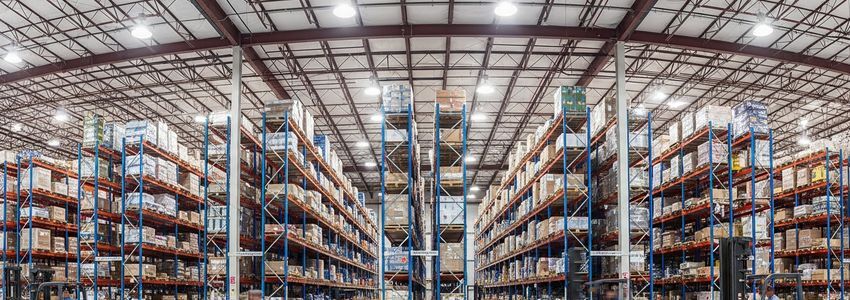
Why Warehouse Businesses Need Specialized Financing
The warehouse and storage industry is a critical backbone of the global supply chain, yet it faces distinct financial pressures that often make traditional lending solutions unsuitable. These businesses require consistent capital injections to maintain operations, innovate, and expand. Understanding these challenges is key to providing effective financial support.
One of the primary hurdles for warehouse businesses is the significant upfront and ongoing costs associated with property, infrastructure, and specialized equipment. Acquiring land, constructing or leasing large facilities, and fitting them out with essential components like robust racking systems, advanced conveyor belts, and climate control technology demands substantial investment. A single forklift, for instance, can cost tens of thousands of dollars, and a fleet is essential for efficient material handling. Automation systems, such as automated guided vehicles (AGVs) or robotic picking solutions, represent even larger capital outlays, crucial for modernizing operations and staying competitive.
Beyond capital expenditures, operational costs are substantial and often unpredictable. Energy consumption for lighting, heating, and cooling vast spaces, especially for cold storage facilities, can be astronomical. Labor costs, including skilled operators for equipment and administrative staff for inventory management, form a significant portion of recurring expenses. Maintenance for equipment and facilities, security measures, and comprehensive insurance policies further add to the financial burden. Unexpected repairs or compliance upgrades can quickly deplete working capital, highlighting the need for accessible financial buffers.
Cash flow management is another persistent challenge. Warehouse businesses often deal with fluctuating inventory levels driven by seasonal demand, economic cycles, or sudden supply chain disruptions. During peak seasons, businesses need to invest heavily in inventory and temporary labor, tying up capital. During leaner periods, revenue might dip, creating cash flow gaps that can strain operations. Delays in payments from clients, especially large corporate accounts, can exacerbate these issues, making it difficult to meet immediate obligations like payroll or supplier invoices.
Furthermore, the industry is in constant evolution, driven by technological advancements and shifting consumer expectations. Implementing sophisticated Warehouse Management Systems (WMS), integrating IoT devices for real-time tracking, or upgrading to more energy-efficient infrastructure are no longer luxuries but necessities. These technology upgrades, while promising long-term efficiencies and competitive advantages, require immediate capital that small and medium-sized businesses may not have readily available. Without access to specialized financing, warehouse businesses risk falling behind, impacting their capacity, speed, and profitability.
Lastly, regulatory compliance and safety standards are stringent and ever-changing. Ensuring a safe working environment, adhering to specific storage requirements for different goods, and complying with local and federal transportation regulations often necessitate investments in training, equipment upgrades, and facility improvements. These non-negotiable costs can place considerable pressure on a business's financial resources. Traditional lenders, often unfamiliar with the nuances of the warehousing sector, may view these specific needs as high risk, making it harder for warehouse owners to secure the necessary funds. Crestmont Capital understands these unique dynamics, offering financing solutions tailored to the specific rhythm and requirements of your warehouse or storage business.
Types of Loans Available
Crestmont Capital offers a comprehensive suite of financing options designed to meet the diverse and dynamic needs of warehouse and storage businesses. Our goal is to provide flexible, accessible funding that supports everything from daily operations to significant strategic expansions. We understand that one size does not fit all, which is why we offer a variety of products to suit different financial scenarios and business goals.
One of the most essential funding types is a working capital loan. These loans are specifically designed to cover the day-to-day operational expenses that keep your warehouse running smoothly. This includes funding for payroll, utility bills, rent, short-term inventory purchases, and other immediate cash needs. Working capital loans ensure that your business has the liquidity to manage ongoing expenses without interruption, even during periods of fluctuating revenue or unexpected costs.
For businesses looking to acquire or upgrade their essential machinery, equipment financing is an invaluable resource. Warehouses rely heavily on specialized equipment such as forklifts, pallet jacks, conveyor systems, automated storage and retrieval systems (AS/RS), racking, and cold storage units. The cost of new or upgraded equipment can be substantial, making outright purchase challenging. Equipment financing allows you to acquire these critical assets with manageable monthly payments, preserving your working capital for other uses. This can significantly improve efficiency, increase capacity, and modernize your operations without a major upfront expenditure.
A business line of credit provides unparalleled flexibility, acting as a financial safety net for unexpected expenses or opportunistic investments. With a line of credit, you can draw funds as needed, up to a pre-approved limit, and only pay interest on the amount you use. This revolving credit facility is ideal for managing unpredictable cash flow gaps, bridging periods between large client payments, or taking advantage of bulk purchase discounts. It offers immediate access to capital without the need to apply for a new loan each time funds are required.
For businesses that deal with significant outstanding invoices, invoice financing can provide immediate liquidity. Also known as accounts receivable financing, this option allows you to sell your unpaid invoices to a third-party lender, like Crestmont Capital, at a slight discount in exchange for immediate cash. This accelerates your cash flow, allowing you to pay suppliers, make payroll, or invest in growth without waiting 30, 60, or even 90 days for client payments. It’s particularly useful for businesses with strong B2B relationships and a steady stream of invoices.
Warehouse businesses often need to stock up on goods in anticipation of peak seasons or large orders. Inventory financing is a specialized loan designed to help you purchase and hold inventory. By using your existing inventory as collateral, you can secure funds to buy more stock, ensuring you meet customer demand without tying up all your available cash. This is especially beneficial for businesses with seasonal sales cycles or those needing to capitalize on bulk purchasing opportunities.
For larger, long-term strategic investments, such as acquiring new warehouse space, constructing an additional facility, or implementing large-scale automation projects, long-term business loans are a suitable option. These loans typically come with lower monthly payments and extended repayment periods, making large capital expenditures more manageable. They are designed for substantial growth initiatives that require a stable and predictable funding source over several years. While SBA loans can be an option for longer terms and lower rates, they often involve a more extensive application process and longer approval times. Crestmont Capital’s approach to long-term financing prioritizes speed and accessibility, offering a robust alternative for qualified businesses.
Regardless of your specific need, from routine operational funding to significant expansion capital, Crestmont Capital provides tailored solutions. Our team works closely with warehouse owners to understand their unique financial landscape and recommend the most appropriate loan products, ensuring you have the resources to thrive in a competitive market.
Quick Tip for Warehouse Financing
To maximize your chances of approval and secure the best terms, clearly outline your specific use for the loan funds. Lenders appreciate knowing how the capital will contribute to your business's growth or stability. Prepare a simple projection of how the investment will improve efficiency, increase capacity, or generate revenue.
Loan Amounts, Rates, and Terms
At Crestmont Capital, we understand that financing needs for warehouse businesses can vary dramatically, from minor cash flow injections to major capital projects. That's why we offer a wide range of loan amounts, flexible rates, and adaptable terms to suit the unique circumstances of each client. Our goal is to provide transparent and competitive financing solutions that empower your business to grow and succeed without undue financial strain.
Our loan offerings for warehouse businesses typically range from $10,000 to an impressive $5 million. This broad spectrum ensures that whether you're a small, independent storage facility needing a modest boost for seasonal inventory, or a large-scale distribution center planning a multi-million dollar expansion, Crestmont Capital has a solution. The specific amount you qualify for will depend on several factors, including your business's revenue, time in operation, creditworthiness, and the specific use of the funds. We believe in providing access to substantial capital when your business needs it most, fostering growth rather than limiting it.
Interest rates and fees are critical considerations for any business loan. At Crestmont Capital, our rates are competitive and are determined on a case-by-case basis, reflecting the unique profile of your warehouse business. Factors influencing your rate include your business's credit score, its financial health as demonstrated by bank statements and revenue, the loan product selected, and the repayment term. Businesses with strong financial histories and higher credit scores will typically qualify for more favorable rates. We pride ourselves on transparent fee structures, ensuring you understand all costs associated with your loan upfront, with no hidden surprises. Our funding specialists are always available to walk you through the specifics of your offer, explaining how rates and fees are calculated and how they impact your total cost of borrowing.
Repayment terms are designed to be as flexible as possible, aligning with your business's cash flow cycles. We offer a variety of terms, ranging from short-term loans (typically 3-18 months) for immediate needs like working capital or small equipment purchases, to medium-term loans (1-5 years) for more substantial investments such as technology upgrades or fleet expansion. For significant capital expenditures like property acquisition or large facility renovations, we also provide long-term business loans, which can extend beyond five years, ensuring lower monthly payments and greater financial predictability. The choice of term significantly impacts your monthly obligations, and our team will work with you to find a repayment schedule that makes sense for your business, helping to maintain healthy cash flow and minimize financial stress.
Understanding the total cost of borrowing is essential. Beyond the interest rate, other factors like origination fees, administrative charges, or prepayment penalties (though we strive to keep these minimal or non-existent for early payoffs) contribute to the overall cost. Crestmont Capital's funding advisors are committed to providing a clear breakdown of all these elements, enabling you to make an informed decision. Our aim is to offer not just funds, but a partnership that supports the sustainable growth and operational stability of your warehouse business through well-structured and understandable financing.
Get Funded in 24 Hours
Apply now and get a decision today. No obligation, no hard credit pull.
Apply NowWho Qualifies
Crestmont Capital is committed to making warehouse business loans accessible to a wide range of businesses in the storage and logistics sector. We understand that every business has a unique story, and our qualification criteria are designed to be more flexible and inclusive than traditional bank lending standards. While we evaluate each application individually, there are several key requirements that generally determine eligibility for our warehouse financing solutions.
One of the primary factors we consider is your time in business. While traditional banks often require several years of operation, Crestmont Capital can often work with businesses that have been operating for as little as six months. We recognize that many innovative and fast-growing warehouse businesses are relatively new, and we aim to support their potential rather than penalize their youth. Established businesses with a longer operational history may qualify for larger loan amounts and more favorable terms, reflecting their proven track record.
Revenue is another critical indicator of a business's health and ability to repay a loan. We typically look for a minimum monthly or annual revenue threshold, which can vary depending on the loan product requested. This demonstrates that your warehouse business has a consistent income stream to support repayment obligations. Providing recent bank statements and financial records allows us to quickly assess your revenue stability and cash flow patterns, which are crucial for our expedited approval process.
Your credit score also plays a role in the qualification process. As indicated in our quick statistics, we consider businesses with a minimum credit score of 550+. This includes both the business owner's personal credit score and, if applicable, the business's credit profile. While a higher credit score can lead to better rates and terms, we specialize in working with businesses across a spectrum of credit backgrounds. We understand that past financial challenges don't necessarily reflect a business's current potential, and our flexible underwriting process aims to look beyond a single number to assess the overall viability of your operation.
Beyond these primary financial metrics, we also consider the overall stability and nature of your warehouse business. This includes factors such as the type of goods you store, your client base, market demand for your services, and the operational efficiency of your facility. We may also request specific documentation, such as business licenses, tax returns for the past one to two years, and detailed bank statements for the last three to six months. This helps us gain a comprehensive understanding of your business's financial standing and operational context, enabling us to tailor a funding solution that genuinely meets your needs. We strive to make the documentation process as streamlined as possible, leveraging technology to minimize paperwork and accelerate approvals. Our team of specialists is adept at assessing the unique intricacies of the warehouse and logistics industry, ensuring that our qualification process is fair, efficient, and ultimately beneficial for your business's growth.
How to Apply
Applying for a warehouse business loan with Crestmont Capital is designed to be a straightforward, efficient, and transparent process, ensuring you can access the capital you need with minimal hassle. We understand that your time is valuable, and our streamlined application reflects our commitment to getting you funded quickly so you can focus on running your operations. Unlike traditional banks with their lengthy paperwork and protracted waiting periods, we prioritize speed and convenience.
The first step is to complete our simple online application form. This form is designed to gather essential information about your business and your financing needs. You'll be asked for basic details such as your business name, contact information, time in business, average monthly revenue, and the amount of funding you're seeking. This initial application can typically be completed in just a few minutes from any device with internet access. There's no obligation to proceed, and this initial step usually involves a soft credit pull, meaning it won't negatively impact your credit score.
Once you've submitted your initial application, a dedicated funding specialist from Crestmont Capital will review your information. We pride ourselves on providing personalized service, and your specialist will be your point of contact throughout the process, ready to answer any questions you may have. During this review, we may request a few additional documents to gain a clearer picture of your business's financial health. Common documents requested include:
- Recent business bank statements (typically the last 3-6 months)
- Business tax returns (often for the last 1-2 years, depending on loan type and amount)
- Proof of business ownership and legal registration
- Profit and Loss (P&L) statements
- Balance sheets (for larger loan amounts)
Our team leverages advanced technology to expedite the document submission and verification process. You can often upload these documents securely through our online portal, or your funding specialist can guide you through alternative secure methods. The faster you can provide the requested documentation, the quicker we can move to the next stage.
Upon receiving and reviewing all necessary information, our underwriting team will conduct a thorough but rapid assessment. We look at the overall health of your business, considering factors beyond just credit scores, such as your consistent revenue, positive cash flow trends, and the stability of your industry. Our goal is to provide a decision as quickly as possible, often within 24 hours of receiving all required documents. Our high approval rate, mentioned earlier, reflects our commitment to finding solutions for viable businesses.
If approved, your funding specialist will present you with a clear, straightforward loan offer. This offer will detail the loan amount, interest rate, repayment terms, and any associated fees. We encourage you to review it carefully and ask any questions you have. Once you accept the terms and sign the necessary agreements, the funds are typically deposited directly into your business bank account. In many cases, approved businesses receive their funds within 24 hours of signing the final documents, allowing you to quickly implement your plans, whether that's purchasing new equipment, expanding operations, or managing immediate cash flow needs. Our efficient process means you spend less time waiting and more time growing your warehouse business.
Your Data Security
Crestmont Capital employs advanced encryption and security protocols to protect all your sensitive business and personal financial information throughout the application process. Your data's privacy and security are our top priority.
Common Uses for Funding
Warehouse business loans from Crestmont Capital are highly versatile, designed to address a wide array of financial needs and strategic initiatives within the warehousing and storage industry. Whether you're looking to optimize current operations, expand your footprint, or invest in future technologies, our financing solutions provide the necessary capital to turn your plans into reality. Here are some of the most common and impactful ways our clients utilize their funding:
- Equipment Upgrades and Purchases: A significant portion of warehouse capital goes into acquiring and maintaining specialized equipment. For instance, a growing distribution center might secure $50,000 for new forklifts to replace aging models, improving safety and efficiency, or invest in automated guided vehicles (AGVs) to streamline material handling. Funding can also cover advanced conveyor systems, industrial racking, specialized cold storage units, or even ergonomic equipment to enhance worker productivity and reduce injury risks. Access to capital for equipment allows businesses to keep up with operational demands and remain competitive without draining their existing cash reserves. This is often facilitated through specific equipment financing options.
- Inventory Purchase and Management: Managing inventory effectively is crucial, especially for businesses with seasonal fluctuations or those needing to stock up for major contracts. A warehouse might require $150,000 to purchase additional inventory ahead of the holiday season, ensuring they can meet customer demand without stockouts. This type of funding helps bridge the gap between purchasing goods and receiving payment from clients, preventing lost sales opportunities due to insufficient stock. Inventory financing is specifically tailored for these needs, allowing your inventory to work for you.
- Facility Expansion or Renovation: Growth often means more space. A regional logistics hub could secure $500,000 to expand its existing facility by 10,000 square feet, adding new bays or creating dedicated zones for specialized storage. This might involve constructing an entirely new wing, renovating an existing structure to optimize layout, or investing in climate-controlled environments for sensitive goods. Such substantial projects are typically supported by long-term business loans, providing the stability and extended repayment periods required for significant infrastructure investments.
- Technology Implementation and Software Upgrades: The modern warehouse is increasingly reliant on technology. A third-party logistics (3PL) provider might invest $75,000 in a new Warehouse Management System (WMS) to improve inventory accuracy, optimize picking routes, and enhance overall operational visibility. Other technology uses include implementing IoT sensors for real-time tracking, integrating robotics for repetitive tasks, or upgrading security systems. These investments are critical for boosting efficiency, reducing human error, and gaining a competitive edge in a tech-driven market.
- Working Capital and Operational Expenses: Even well-managed warehouses can face unexpected expenses or temporary dips in cash flow. A small self-storage facility might need $25,000 to cover payroll and utilities during a slower quarter, ensuring continuous operation without interruption. Working capital loans are ideal for covering day-to-day costs, managing seasonal variations, or addressing unforeseen maintenance needs. They provide the necessary liquidity to maintain smooth operations, bridge gaps between payments, or invest in immediate opportunities like marketing campaigns to attract new clients. A business line of credit can also serve this purpose, offering flexible access to funds as needed.
- Staffing and Training: Recruiting, hiring, and training skilled warehouse personnel is an ongoing investment. Funds can be used to expand the workforce during peak seasons, provide specialized training for new equipment or software, or implement safety programs, ensuring compliance and a productive environment.
- Marketing and Business Development: Attracting new clients and expanding market reach requires strategic marketing efforts. Loans can be allocated to develop a new website, run digital marketing campaigns, attend industry trade shows, or invest in sales initiatives to secure larger contracts, ultimately driving business growth.
By providing tailored financing for these critical areas, Crestmont Capital helps warehouse businesses navigate their financial landscape, adapt to market changes, and achieve sustainable growth. We empower you to make the strategic investments necessary to thrive in a competitive industry.
Ready to Grow Your Warehouse Business?
Discover personalized funding options that fit your unique needs. Apply today and secure the capital your business deserves.
Start Your ApplicationHow Crestmont Capital Compares to Banks
When warehouse and storage businesses seek financing, they often consider two primary avenues: traditional banks and alternative lenders like Crestmont Capital. While both can provide capital, their approaches, requirements, and benefits differ significantly. Understanding these distinctions is crucial for business owners to choose the funding partner that best aligns with their immediate needs and long-term strategic goals. Crestmont Capital was specifically established to address the gaps left by conventional banking, offering a more agile and accessible pathway to funding.
| Feature | Crestmont Capital | Traditional Bank |
|---|---|---|
| Application Process | Simple, online, often completed in minutes. Minimal documentation initially. | Complex, lengthy paper applications. Requires extensive documentation and financial statements. |
| Approval Speed | Decisions often within 24 hours. Funding in as little as 24 hours post-approval. | Weeks to months for approval. Funding can take additional time. |
| Qualification Criteria | Flexible. Considers revenue, cash flow, time in business (as little as 6 months), and credit scores as low as 550+. Focus on overall business health. | Strict. Typically requires 2+ years in business, high credit scores (700+), substantial collateral, and strong profit history. |
| Required Documentation | Bank statements (3-6 months), basic business information. Additional docs as needed but streamlined. | Extensive financial history, business plans, tax returns (multiple years), personal guarantees, collateral appraisals. |
| Flexibility of Loans | Wide range of product types (working capital, equipment, line of credit, inventory, long-term). Adaptable terms for specific industry needs. | Limited product offerings, often rigid terms. Less tailored to specific industry challenges of warehousing. |
| Collateral Requirements | Often unsecured for smaller amounts, or uses soft collateral (e.g., future receivables). Equipment financing uses asset as collateral. | Typically requires significant hard collateral (real estate, major assets) for most loans. |
| Credit Impact | Soft credit pull for initial application. Hard pull only upon final approval. | Often a hard credit pull upfront, impacting credit score regardless of outcome. |
| Personalized Service | Dedicated funding specialists, offering consultative approach to find the best solution. | General banking relationship manager, less specialized in small business or specific industries. |
| Relationship Focus | Solution-oriented, focused on getting businesses funded efficiently and effectively. | Relationship-based, often requiring existing banking history and multiple products. |
Traditional banks, while offering potentially lower interest rates for businesses with impeccable financial profiles, are inherently risk-averse. Their rigorous underwriting processes, designed for broader market segments, often fail to account for the unique operational rhythms and cash flow dynamics of warehouse businesses. This results in prolonged application times, stringent collateral requirements, and a preference for established businesses with high credit scores and substantial assets. For a warehouse needing quick capital for a peak season inventory purchase or an urgent equipment repair, the weeks or months of waiting for a bank decision can be detrimental.
Crestmont Capital, on the other hand, operates with a deep understanding of the warehousing industry. Our flexible qualification criteria consider the overall health and potential of your business, not just a snapshot of past performance or a single credit score. We focus on your revenue and cash flow, recognizing that these are better indicators of a warehouse business's ability to repay a loan. Our expedited application and approval process means that critical opportunities aren't missed, and urgent needs are met promptly. We also offer a broader spectrum of specialized loan products, from equipment financing to inventory financing, which are specifically designed for the capital-intensive nature of this industry.
Moreover, our commitment to personalized service sets us apart. Each client works with a dedicated funding specialist who understands the nuances of the warehousing sector. This allows for a consultative approach, ensuring that the chosen financing solution is truly tailored to your business's specific challenges and growth objectives. While banks may provide more general small business loans, Crestmont Capital focuses on empowering industry-specific businesses with the capital they need to thrive, without the bureaucratic hurdles. For warehouse businesses valuing speed, flexibility, and a partner who understands their world, Crestmont Capital offers a clear advantage.
Real-world Examples
Understanding the types of loans available and the application process is one thing, but seeing how warehouse businesses actually leverage these funds in real-world scenarios brings the benefits to life. Crestmont Capital has proudly partnered with numerous warehouse and storage facilities, helping them overcome financial hurdles, seize growth opportunities, and maintain operational excellence. These examples illustrate the diverse applications of our funding and our commitment to supporting the warehousing industry.
Example 1: Expanding E-commerce Fulfillment Capabilities
Precision Logistics, a rapidly growing e-commerce fulfillment center in Ohio, found themselves struggling to keep up with increasing order volumes. Their existing racking system was at capacity, and their manual order picking process was becoming a bottleneck. They needed to invest in new, taller racks and a semi-automated picking system to improve efficiency and accommodate more inventory. Traditional banks required a two-year operational history and substantial collateral, which Precision Logistics, being only 18 months old, couldn't fully meet. They approached Crestmont Capital seeking $75,000 for equipment and technology upgrades.
Crestmont Capital reviewed their strong revenue growth and consistent positive cash flow, even with a shorter time in business. Through a flexible small business loan with an emphasis on equipment financing, Precision Logistics secured the funds within 48 hours. With the capital, they installed a new high-density racking system and implemented a voice-picking technology. This investment allowed them to increase their storage capacity by 30% and reduce picking errors by 15%, significantly enhancing their service offerings and attracting new e-commerce clients. They successfully scaled their operations to meet seasonal demand without major disruptions, solidifying their position in the competitive e-commerce fulfillment market.
Example 2: Urgent Repairs for a Cold Storage Facility
Arctic Chill Warehousing, a crucial cold storage provider for perishable goods in the Northeast, faced an unexpected crisis when one of their primary refrigeration units suffered a catastrophic breakdown. Replacing the unit and repairing the damaged infrastructure was estimated to cost $150,000. Waiting for a slow bank loan approval could mean spoilage of millions of dollars worth of inventory and severe damage to their reputation. Arctic Chill Warehousing had a solid track record but needed immediate access to funds to prevent a disaster.
Crestmont Capital understood the urgency. Leveraging their existing positive cash flow and consistent revenue, Arctic Chill Warehousing applied for a business line of credit. Within 24 hours of application and receiving their latest bank statements, Crestmont Capital approved and provided access to the necessary funds. Arctic Chill was able to quickly commission the repair and replace the unit, averting a major loss. The line of credit provided the flexibility to draw only what was needed, helping them manage the unforeseen expense without committing to a long-term loan they didn't require for general operations. This rapid response minimized downtime and protected their clients' valuable assets.
Example 3: Acquiring New Property for a Distribution Center
Midwest Distribution Hub, a well-established logistics company, had outgrown its leased facility and identified an ideal property for purchase to build a new, larger distribution center. The purchase price and initial construction costs amounted to $300,000 beyond what their conventional bank was willing to provide for a rapid closing. They needed a partner who could move quickly and offer a substantial, longer-term funding solution.
Midwest Distribution Hub approached Crestmont Capital for a long-term business loan. With a strong operational history, consistent profitability, and a detailed business plan for the new facility, they qualified for a significant loan amount. Crestmont Capital structured a loan with favorable long-term repayment terms, providing the capital necessary to finalize the property acquisition and commence the initial phase of construction. This strategic funding allowed Midwest Distribution Hub to secure their future expansion, gain ownership of a critical asset, and ultimately increase their capacity and service offerings, driving significant revenue growth over the next decade. The ability to secure such a substantial loan quickly and with flexible terms meant they didn't miss out on the perfect property acquisition opportunity.
Frequently Asked Questions About Warehouse Business Loans
What are the typical interest rates for warehouse business loans?
Can I get a loan if I have bad credit?
How quickly can I receive funding?
What documents do I need to apply?
Are there any restrictions on how I can use the loan funds?
Your Warehouse's Next Chapter Starts Here
Whether it's equipment, expansion, or working capital, Crestmont Capital has the solution. Apply today!