
Roofing Contractor Business Loans: Financing for Roofing Companies
Roofing contractor business loans give roofing companies the capital to grow their fleet, purchase equipment, manage seasonal cash flow, take on storm restoration jobs, and expand their crews — without waiting months for a bank decision. Whether you're a one-truck owner-operator or a 30-crew commercial roofing company, roofing company financing from Crestmont Capital provides $10,000 to $1,000,000 in fast, flexible capital tailored to the roofing industry's unique demands.
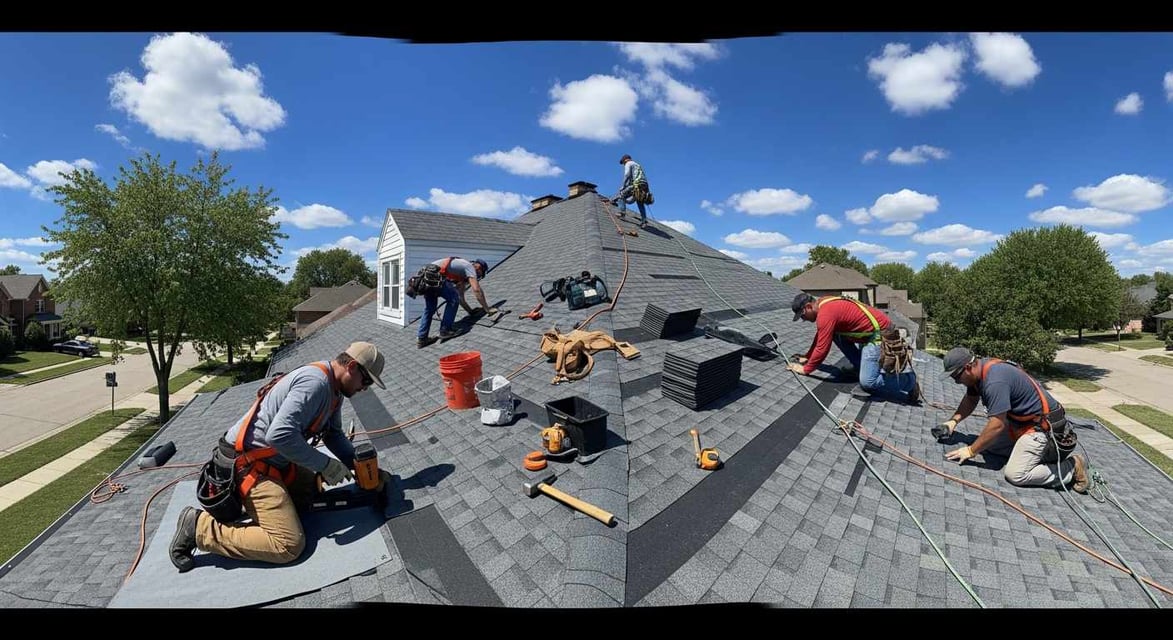
The roofing industry presents a set of financing challenges unlike almost any other trade. Revenue is sharply seasonal — with most northern-climate contractors generating 70–80% of annual revenue between April and October. Storm damage events can create sudden surges of jobs requiring thousands of dollars in materials purchased before insurance claims ever clear. Equipment depreciates fast, crews expand and contract seasonally, and vehicle fleets represent some of the biggest capital expenditures a roofing business faces. According to the National Roofing Contractors Association (NRCA), the U.S. roofing industry employs over 220,000 workers and generates more than $56 billion in annual revenue — making it one of the largest specialty construction segments in the country. Access to fast, reliable capital is what separates contractors who land the big storm restoration contracts from those who turn them down because they can't front the materials.
- Roofing Industry Economics & Why Financing Matters
- Seasonal Cash Flow Challenges for Roofers
- Storm Restoration Working Capital
- Roofing Equipment Financing
- 6 Types of Roofing Business Loans
- Loan Comparison Table
- Qualification Requirements
- Rates & Terms
- How It Works — 5 Steps
- Real Roofing Financing Scenarios
- Financing by Roofing Company Type
- Lender Comparison
- 6 Approval Tips for Roofers
- Why Choose Crestmont Capital
- Frequently Asked Questions
Roofing Industry Economics & Why Financing Matters
Roofing is one of the most cash-flow-intensive trades in the construction industry. Unlike general contractors who can bill progress draws and manage large retainage accounts, roofing contractors typically must purchase materials upfront — before the job starts, before insurance claims process, and often before customers have secured financing. This front-loaded cost structure, combined with the industry's fierce seasonality, creates a near-constant need for working capital.
The economics are straightforward but unforgiving. A single residential re-roof job may require $3,000–$8,000 in shingles, underlayment, and flashing purchased before any payment arrives. A commercial flat roof replacement might demand $25,000–$80,000 in materials — TPO membrane, insulation board, adhesives, and penetration flashings — all flowing out of operating cash weeks before the invoice is paid. When a hailstorm rolls through and drops 50 jobs in your service area simultaneously, the contractor with a $100,000 materials credit line wins the season. The one without it watches competitors take every job.
According to the U.S. Small Business Administration (SBA), roofing contractors are among the top construction industry segments applying for small business loans — a reflection of the industry's structural need for external capital to bridge the gap between material costs and customer payments. Forbes and CNBC have both documented how specialty construction trades — particularly roofing — face greater financing constraints than most small businesses due to the combination of weather dependency, seasonal revenue, and high upfront material costs.
The $56 Billion Roofing Industry
The NRCA reports that the U.S. roofing industry generates over $56 billion in annual revenue, with more than 100,000 roofing businesses operating across the country. The vast majority — approximately 80% — are small businesses with fewer than 10 employees. These small roofing companies face the greatest financing challenges: they lack the credit facilities of large regional or national contractors, yet they compete for the same storm restoration contracts and commercial jobs that require large upfront material investments.
For small and mid-size roofing businesses, access to fast, flexible roofing business loans is not just a growth tool — it's a competitive necessity. The contractor who can say "yes" to a $200,000 storm restoration contract today — because they have the capital to buy materials immediately — will always outperform the equally skilled competitor who has to pass because they lack the working capital.
Get a Roofing Contractor Business Loan
Fast approvals. All roofing company types. $10K to $1M available.
Apply Now →Seasonal Cash Flow Challenges for Roofing Contractors
Roofing is one of the most seasonally concentrated trades in the construction industry. In northern U.S. markets — the Midwest, Northeast, and Great Plains — roofing season runs roughly April through October. The seven peak months drive 75–85% of annual revenue, while November through March can feel like a near-complete shutdown. Southern and Sun Belt markets experience a somewhat longer season, but still face weather-related slowdowns, particularly during Gulf Coast hurricane season and Southwest monsoon periods.
The Off-Season Cash Crunch
When November arrives and the jobs stop, roofing contractors still face fixed costs: truck payments, insurance premiums, equipment leases, office overhead, and often the desire to retain their best crew members through the slow period. A roofing company generating $1.5 million in peak-season revenue might carry $25,000–$40,000 per month in fixed overhead during the off-season — with minimal incoming cash flow. Without a cash reserve or access to credit, contractors are forced to lay off experienced crew, skip maintenance on equipment, and fall behind on vendor accounts — creating a cycle of spring catch-up that undermines profitability every year.
Spring Ramp-Up Financing
The flip side of winter slowdowns is the spring ramp-up problem. When roofing season kicks off in April, contractors need to be ready immediately: materials stocked, crews hired and trained, equipment serviced and operational, marketing active. This requires capital — often $50,000–$150,000 for a mid-size operation — at the exact moment when cash reserves are at their lowest after the winter. A business line of credit or short-term business loan timed to the spring ramp-up is one of the highest-ROI financing decisions a roofing contractor can make.
Year-Round Financing Solutions
Smart roofing contractors use financing strategically throughout the year:
- Fall (September–October): Draw down working capital line before winter to cover upcoming fixed costs
- Winter (November–March): Bridge loans or off-season financing to maintain crew and equipment through slow months
- Spring (March–April): Materials credit and working capital to ramp up operations before peak revenue arrives
- Summer (May–August): Storm restoration working capital to capitalize on high-demand weather events
📊 U.S. Roofing Industry at a Glance
Sources: NRCA, SBA, U.S. BLS, Crestmont Capital Research
Storm Restoration Working Capital for Roofing Contractors
Storm restoration is both the greatest opportunity and the greatest financial challenge in the roofing industry. When a hailstorm, tornado, or hurricane passes through a market, it can generate $500 million to $5 billion in insured roofing losses in a single event — creating an immediate surge of demand that can sustain a roofing company for a full year or more. The contractors who capitalize most effectively on storm events are not always the most skilled roofers. They're the ones with the financial capacity to move fast.
The Insurance Payment Timing Problem
Storm restoration roofing operates on an insurance payment timeline that creates significant cash flow pressure. The typical sequence looks like this:
- Storm occurs → homeowner files insurance claim → adjuster inspects (1–3 weeks)
- Insurance company issues Actual Cash Value (ACV) payment (2–6 weeks after storm)
- Roofing contractor installs roof — purchasing $4,000–$15,000 in materials per job BEFORE payment
- Contractor invoices insurance company for recoverable depreciation (Replacement Cost Value supplement)
- Final payment arrives 30–90+ days after job completion
On a 30-job storm restoration pipeline, a roofing company may have $120,000–$450,000 in materials and labor costs deployed before final payments clear. Without adequate working capital, contractors must cherry-pick the most profitable jobs and turn down the rest — leaving revenue on the table that a competitor with a credit line will capture.
Pre-Storm Preparation Financing
The most sophisticated roofing contractors don't wait for storms to hit before securing their financing. They establish roofing contractor working capital lines of credit in advance — so when the next hailstorm drops, they can immediately begin purchasing materials, mobilizing crews, and signing contracts, rather than spending critical days trying to arrange emergency financing. A pre-established $100,000 line of credit costs very little to maintain when unused and becomes an enormous competitive advantage the moment a storm event creates a surge in demand.
Material Carry Cost: Shingles, Underlayment & Flashing
The three primary materials every reroofing job requires — asphalt shingles, roofing underlayment, and metal flashing — represent the bulk of upfront material cost:
- Asphalt shingles: $80–$150 per square (100 sq ft), with most residential roofs requiring 20–40 squares ($1,600–$6,000 per roof)
- Roofing underlayment: $50–$120 per square, with synthetic underlayments at the higher end
- Metal flashing (drip edge, valley, step): $200–$800 per job depending on roof complexity
- Ridge cap shingles: $50–$150 per bundle
- Roofing nails and fasteners: $50–$200 per job
On a 10-job week with average residential reroofs, a roofing company might need $30,000–$60,000 in materials purchased before any customer payment arrives. Storm restoration working capital loans from Crestmont Capital are structured specifically for this cash flow pattern.
Roofing Equipment Financing
Roofing contractors carry significant equipment investment — from basic hand tools up to full fleet trucks and trailers. Roofing equipment financing allows you to spread the cost of major equipment purchases over 24–84 months, preserving your working capital for materials, payroll, and operations.
Roofing Equipment Cost Guide
| Equipment | Typical Cost | Financing Term | Notes |
|---|---|---|---|
| Work Trucks (F-250/350, RAM 2500/3500) | $35,000–$65,000 | 48–84 months | Primary fleet vehicle; most financed |
| Roofing Equipment Trailers | $3,000–$15,000 | 24–60 months | Hauls shingles, tools, tear-off debris |
| Air Compressors (portable, 6–8 gallon) | $500–$2,000 | 12–36 months | Powers nail guns; typically 1 per crew |
| Roofing Nail Guns (coil/strip nailers) | $300–$800 each | 12–24 months | 2–4 per crew standard |
| Safety Equipment (harnesses, anchor systems, guardrails) | $2,000–$10,000 per crew | 24–48 months | OSHA required; frequent replacement |
| Shingle Tear-Off Machines | $1,500–$5,000 | 24–48 months | Electric shingle removers speed tear-off |
| Roofing Crew Vans | $25,000–$50,000 | 48–72 months | Crew transport; secondary fleet vehicles |
| Dump Trailers | $5,000–$18,000 | 36–60 months | Tear-off debris; required for most jobs |
| Ladder Racks & Equipment | $1,000–$4,000 per truck | 24–48 months | Extension ladders, roof jacks |
| Truck & Equipment Package (full rig) | $50,000–$125,000 | 48–84 months | Complete crew setup: truck + trailer + tools |
For a growing roofing company adding a new crew, a complete truck and equipment package — work truck ($45K), equipment trailer ($8K), compressor ($1,200), nail guns ($2,400), safety equipment ($4,000), dump trailer ($7,000), and miscellaneous tools ($3,000) — totals approximately $70,000–$125,000. Financing this over 60 months at competitive rates keeps cash in your business for materials and payroll instead of tying it up in depreciating assets.
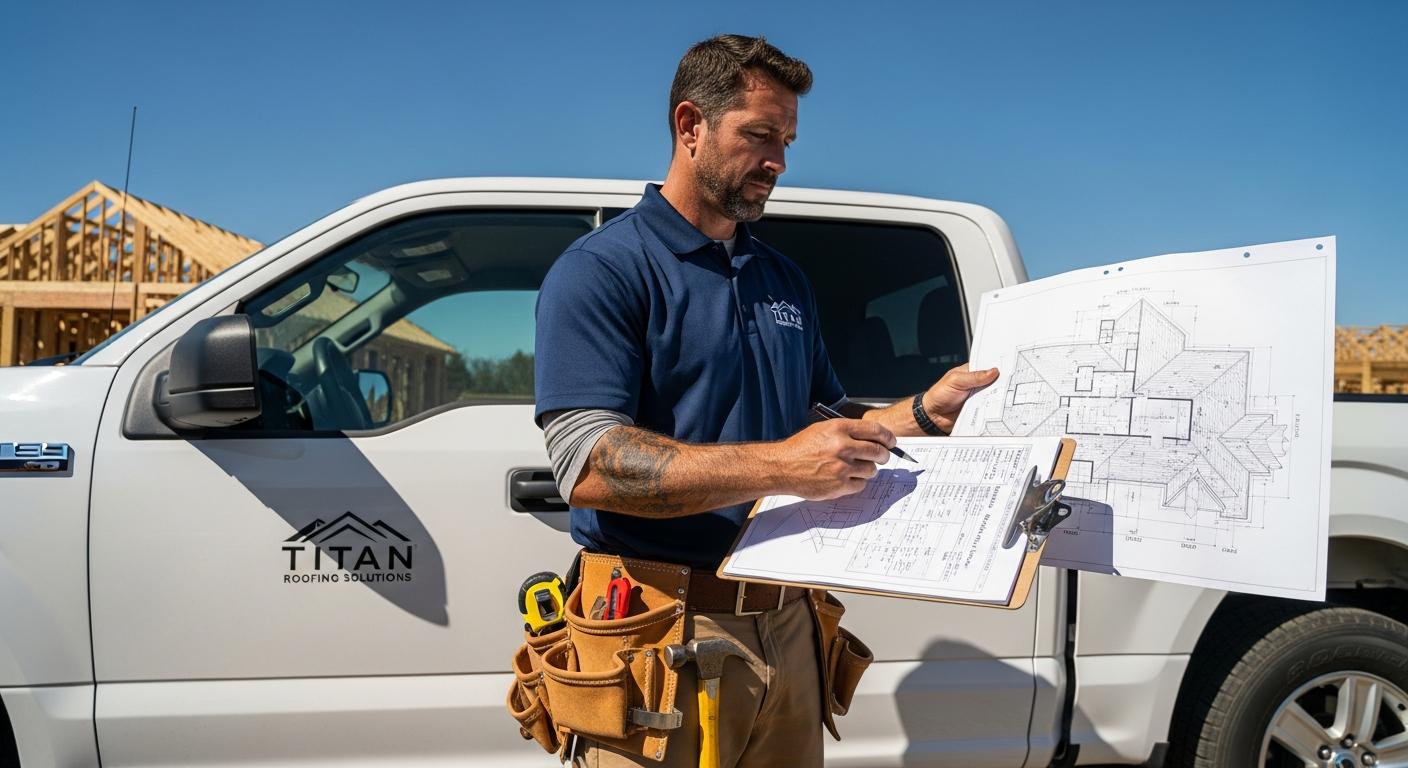
Types of Roofing Business Loans
Crestmont Capital offers multiple financing solutions tailored to the roofing industry. Here are the six primary loan types available to roofing contractors:
1. Roofing Contractor Working Capital Loans
Working capital loans for roofing companies provide fast, flexible cash for operational needs — materials purchasing, payroll coverage, storm restoration pre-funding, spring ramp-up capital, and seasonal cash flow management. Unsecured working capital loans fund within 24–48 hours with no equipment or real estate collateral required. Amounts from $10,000 to $500,000 depending on revenue and creditworthiness. This is the most commonly used financing product among residential roofing contractors.
2. Roofing Equipment Financing & Leasing
Roofing equipment financing covers trucks, trailers, compressors, nail guns, safety systems, and any other equipment your business needs to operate and grow. Equipment financing uses the purchased equipment as collateral, resulting in lower rates and higher approval rates than unsecured products. Terms from 24 to 84 months. The equipment is yours from day one — no residual payments or purchase options at end of term for loan structures.
3. Small Business Loans for Roofers
Small business loans for roofing companies provide term financing for larger capital needs — business expansion, multi-crew buildout, commercial roofing market entry, office/warehouse leasehold improvements, or acquisition of a competing roofing business. Amounts from $25,000 to $500,000 with terms of 12 to 60 months. Monthly fixed payments make budgeting straightforward for roofing companies with consistent seasonal revenue patterns.
4. Fast Business Loans (24-Hour Approvals)
Storm events don't wait. When a hailstorm creates a 30-job pipeline overnight, you need capital immediately — not in 30 days. Fast business loans from Crestmont Capital are approved and funded within 24–48 hours. Minimal documentation required — typically 3 months of bank statements and a one-page application. Amounts from $10,000 to $500,000. For storm restoration contractors, this product is specifically designed for your business cycle.
5. Short-Term Business Loans
Short-term business loans provide a fixed lump sum with repayment over 3 to 18 months — ideal for seasonal bridge financing, pre-season ramp-up, or a specific large job that requires upfront materials. Unlike lines of credit, short-term loans provide the full amount upfront, making them well-suited for roofing contractors who have a specific capital need and a predictable repayment timeline (e.g., storm season revenue). Amounts from $10,000 to $500,000.
6. Business Line of Credit for Roofing Companies
A business line of credit is the most flexible financing tool for seasonal roofing businesses. Draw what you need, when you need it. Pay interest only on what you've drawn. As you repay, the credit becomes available again — making it ideal for the recurring seasonal pattern that defines the roofing business. Draw in November to cover winter costs, repay in June when storm season revenue peaks, draw again the following fall. Lines from $25,000 to $500,000 for qualifying roofing companies.
Bonus: Bad Credit Business Loans for Roofers
Past credit challenges don't disqualify roofing contractors from business financing. Bad credit business loans from Crestmont Capital are available to roofing companies with personal credit scores as low as 500, provided the business demonstrates sufficient revenue and cash flow. Revenue-based approval looks at your bank deposits, job volume, and business history — not just your FICO score. Many successful roofing contractors with strong businesses have past credit events that don't reflect their current business performance.
Roofing Business Loan Comparison
| Loan Type | Amount Range | Best For | Rate Range | Term | Speed |
|---|---|---|---|---|---|
| Working Capital Loan | $10K–$500K | Materials, storm restoration, ops | 8–25% APR | 6–18 months | 24–48 hrs |
| Equipment Financing | $5K–$500K | Trucks, trailers, tools | 6–14% APR | 24–84 months | 3–7 days |
| Small Business Loan | $25K–$500K | Expansion, crew buildout | 7–22% APR | 12–60 months | 2–5 days |
| Fast Business Loan | $10K–$500K | Storm response, urgent capital | 8–25% APR | 6–18 months | 24 hrs |
| Short-Term Loan | $10K–$500K | Seasonal bridge, job pre-funding | 8–22% APR | 3–18 months | 1–3 days |
| Business Line of Credit | $25K–$500K | Revolving seasonal capital | 7–20% APR | Revolving | 3–7 days |
| Bad Credit Business Loan | $10K–$250K | Roofers with past credit issues | 12–35% APR | 6–24 months | 24–48 hrs |
Rates vary based on creditworthiness, loan amount, term, and business revenue. Contact Crestmont Capital for a personalized quote.
Roofing Business Loan Qualification Requirements
Crestmont Capital evaluates roofing company loan applications on a combination of business revenue, credit history, and time in business. Here's what lenders typically look for:
| Requirement | Working Capital / Fast Loans | Equipment Financing | Small Business Loans |
|---|---|---|---|
| Time in Business | 3+ months | 6+ months | 1+ year |
| Annual Revenue | $75K+ | $100K+ | $150K+ |
| Personal Credit Score | 500+ (flexible) | 550+ | 580+ |
| Monthly Bank Deposits | $6,000+ | $8,000+ | $12,500+ |
| Collateral Required | No (unsecured) | Equipment only | Varies |
| Documents Required | 3 months bank statements | 3–6 months statements + equipment quote | 6+ months statements + returns |
What About Seasonal Revenue Documentation?
One of the most common questions from roofing contractors is: "Will lenders penalize me for low revenue in winter months?" At Crestmont Capital, the answer is no. Our underwriting team is experienced with seasonal business cycles and looks at 12-month trailing revenue, annual patterns, and peak-season performance to determine loan capacity. A roofing company generating $800,000 from April through October and $80,000 from November through March is evaluated on its full annual picture — $880,000 in revenue — not on its worst winter month.
Roofing Business Loan Rates & Terms
| Loan Program | Interest Rate Range | Typical Term | Funding Speed | Typical Use |
|---|---|---|---|---|
| Working Capital (Unsecured) | 8–25% APR | 6–18 months | 24–48 hours | Materials, storm WC, payroll |
| Fast Business Loan | 8–25% APR | 6–18 months | 24 hours | Urgent storm response |
| Equipment Financing (Trucks) | 6–14% APR | 48–84 months | 3–7 days | Work trucks, fleet vehicles |
| Equipment Financing (Tools/Trailers) | 7–16% APR | 24–60 months | 3–5 days | Trailers, compressors, nail guns |
| Short-Term Business Loan | 8–22% APR | 3–18 months | 1–3 days | Seasonal bridge, job pre-funding |
| Small Business Loan | 7–22% APR | 12–60 months | 2–5 days | Expansion, crew buildout |
| Business Line of Credit | 7–20% APR | Revolving | 3–7 days | Recurring seasonal capital needs |
| Bad Credit Business Loan | 12–35% APR | 6–24 months | 24–48 hours | Credit-challenged roofers |
Rates are illustrative. Actual rates depend on creditworthiness, business revenue, loan amount, term, and collateral. Crestmont Capital will provide your exact rate in a formal term sheet before any commitment is required.
How to Get a Roofing Business Loan — 5 Steps
Apply Online in 5 Minutes
Complete Crestmont Capital's fast online application at offers.crestmontcapital.com. Provide basic business information, approximate annual revenue, and how much you need. No long forms, no commitment required. Takes about 5 minutes.
Submit Basic Documents
For working capital and fast loans: 3 months of business bank statements and a government-issued ID. For equipment financing: add an equipment quote or purchase agreement. For larger loans: 6 months of bank statements and your most recent business tax return. Your advisor will guide you through exactly what's needed for your specific loan type.
Receive Decision in Hours, Not Weeks
Crestmont Capital's underwriting team reviews your application and documents, then provides a decision — for working capital loans, typically within 24 hours of receiving complete documents. Equipment loans take 3–5 business days. You'll receive a clear term sheet showing your approved amount, rate, term, and monthly payment. No surprises.
Review & Accept Your Offer
Review your loan offer carefully. Compare it to any other options you're considering. Ask your advisor questions. There's no pressure and no obligation until you sign. Crestmont Capital offers transparent terms — what you see in the term sheet is what you get.
Funds in Your Account — Start Working
Working capital and fast loans fund directly to your business bank account within 24–48 hours of signing. Equipment financing funds to the vendor or dealer. Your new financing is in place — buy materials, mobilize crews, and start the jobs you've been waiting to take on.
Real Roofing Contractor Financing Scenarios
These scenarios reflect the types of roofing contractor loans Crestmont Capital funds. Business names and identifying details have been changed for privacy.
Scenario 1: Storm Restoration Working Capital — $85,000
A residential roofing contractor in the Texas Panhandle region encountered a major hailstorm that generated 60+ signed storm restoration contracts in a 10-day period. Each job required approximately $4,500–$6,000 in shingles, underlayment, and flashing purchased before insurance ACV payments arrived. With 60 jobs in the pipeline, the contractor faced $270,000–$360,000 in upfront material costs — well beyond his operating cash. He applied for an $85,000 storm restoration working capital loan through Crestmont Capital, was approved in 18 hours, and received funds the next business day. The $85K allowed him to keep 4 crews running simultaneously through the peak restoration period. By season's end, the storm jobs generated $480,000 in completed revenue. Without the working capital bridge, he estimates he would have completed 30–35% fewer jobs.
Scenario 2: Truck and Equipment Package — $125,000
A roofing company owner in the Midwest had won a commercial roofing contract requiring him to run a second full crew simultaneously with his existing operation. Adding a complete second crew required a work truck ($52,000), equipment trailer ($9,500), dump trailer ($8,000), compressor and nail guns ($3,800), safety harness systems ($4,200), ladders and jacks ($2,800), and additional hand tools ($1,500) — totaling $81,800. He financed $125,000 through Crestmont Capital's equipment financing program (including a buffer for first-season materials), structured over 72 months. The second crew generated $320,000 in revenue in its first operating season, paying back more than 2.5 times the financing cost in year one alone.
Scenario 3: Crew Expansion Loan — $65,000
A growing residential roofing company in the Southeast received a referral pipeline from a large insurance restoration company that would require adding two additional installation crews for the coming season. Hiring and training two experienced four-person crews, including workers' compensation deposits, initial payroll before first jobs invoiced, crew vans, and tool purchases, required $65,000 in upfront capital. The owner financed $65,000 through a small business term loan with 24-month repayment. The two new crews generated $680,000 in their first full operating season — representing a return of more than 10x the financing cost before considering the ongoing revenue in subsequent seasons.
Scenario 4: Winter Equipment & Off-Season Bridge — $45,000
A northern Minnesota roofing contractor used a $45,000 short-term bridge loan to accomplish two goals during the off-season: purchasing and servicing two used trucks at a winter auction ($28,000 each, $18,000 after trade-ins, with one requiring $6,000 in repairs), and covering winter overhead (insurance, storage, and retaining one key crew foreman on reduced hours). The $45,000 loan kept the business operational through a challenging winter, and the contractor entered spring with two additional reliable trucks and an experienced foreman ready to start the season — rather than scrambling to hire in April when crew costs peak. The loan was repaid in full by June from peak-season revenue.
Roofing Business Loans by Company Type
Different roofing business models have different financing needs. Crestmont Capital works with all roofing company types:
| Company Type | Common Financing Uses | Typical Loan Range | Key Considerations |
|---|---|---|---|
| Residential Re-Roofing | Materials, working capital, equipment | $10K–$250K | High job volume; seasonal concentration; insurance-heavy |
| Storm Restoration | Materials pre-funding, rapid WC deployment | $25K–$500K | Variable; event-driven demand; needs fast approval |
| Commercial Roofing | Large equipment, fleet vehicles, crew expansion | $50K–$1M | Larger contracts; longer payment cycles; TPO/EPDM systems |
| Metal Roofing Specialists | Specialized equipment, training costs | $25K–$500K | Higher material costs; premium market; growing segment |
| Roofing + Gutters / Siding | Multi-trade equipment, expanded fleet | $25K–$750K | Multiple revenue streams; better year-round revenue |
| New Construction Roofing | Equipment, crew buildup, materials | $25K–$500K | Tied to builder payment schedules; less seasonal variation |
| Owner-Operator / Solo Roofer | First truck, tool financing, WC | $10K–$100K | Personal credit important; revenue may be short history |
Roofing Contractor Lender Comparison
| Lender Type | Amount Range | Approval Speed | Seasonal Revenue Flexibility | Credit Flexibility |
|---|---|---|---|---|
| Crestmont Capital | $10K–$1M | 24 hrs–7 days | High — evaluates annual patterns | High (500+ FICO) |
| Traditional Banks | $50K+ | 30–90 days | Low — requires consistent monthly deposits | Low (680+ FICO) |
| Credit Unions | $10K–$200K | 2–4 weeks | Moderate | Moderate (640+) |
| Online Lenders (non-specialist) | $5K–$500K | 1–3 days | Low — algorithmic review | Moderate (580+) |
| Equipment Dealers (in-house) | $5K–$200K | 1–3 days | Low | Moderate |
| SBA (via bank) | $50K–$5M | 30–90 days | Moderate with documentation | Moderate (640+) |
6 Tips to Get Approved for a Roofing Business Loan
Why Roofing Contractors Choose Crestmont Capital
Crestmont Capital is rated the #1 small business lender in the United States. Roofing contractors across the country choose us for roofing company financing because we understand your business — not just your credit score.
- Roofing-Specific Underwriting: We understand seasonal revenue patterns, storm restoration cash flow cycles, and the material-carry cost structure of the roofing business. We don't penalize roofers for January bank statements.
- 24-Hour Approvals: Storm events don't wait for bank loan committees. Our fast business loans and working capital products are approved in 24 hours — so you can mobilize within a day of a storm event.
- Flexible Credit Requirements: Personal credit scores as low as 500 considered. Revenue-based approval means your business performance matters more than past credit history.
- Full Product Suite: From $10,000 fast loans to $1M equipment packages, we have the right product for every stage of your roofing business — not a one-size-fits-all approach.
- Transparent Terms: No hidden fees. No bait-and-switch rates. Your term sheet shows exactly what you'll pay — before you commit to anything.
- Dedicated Advisors: Work with a dedicated business financing advisor who understands the roofing industry from application through funding and beyond.
Related Financing Resources for Roofing Contractors
- Equipment Financing — Trucks, trailers, compressors, and roofing tools
- Small Business Loans — Expansion capital for growing roofing companies
- Fast Business Loans — 24-hour storm restoration working capital
- Short-Term Business Loans — Seasonal bridge financing for roofers
- Business Line of Credit — Revolving capital for seasonal roofing operations
- Bad Credit Business Loans — Financing for roofers with past credit challenges
Frequently Asked Questions: Roofing Contractor Business Loans
What are roofing contractor business loans?
Roofing contractor business loans are commercial financing products designed for roofing companies of all sizes — from solo owner-operators to multi-crew commercial roofing businesses. These loans provide capital for materials purchasing, equipment acquisition, fleet expansion, crew payroll, storm restoration working capital, and seasonal cash flow management. Types include working capital loans, equipment financing, short-term loans, lines of credit, and small business term loans. Crestmont Capital offers roofing business loans from $10,000 to $1,000,000.
How much can a roofing company borrow?
Roofing companies can borrow from $10,000 for basic working capital needs up to $1,000,000 for major fleet purchases or large commercial contract financing. The amount you qualify for depends on your annual revenue, time in business, credit history, and the type of loan. A roofing company with $500,000 in annual revenue and 2+ years in business typically qualifies for $75,000–$250,000 in working capital financing. Equipment loans are sized based on the specific equipment being financed. Contact Crestmont Capital for a personalized assessment.
What credit score do I need for a roofing business loan?
Crestmont Capital considers roofing business loan applications with personal credit scores as low as 500 for revenue-based working capital products. Equipment financing generally requires 550+. Small business term loans are available at 580+ with strong revenue. Bad credit business loans are specifically designed for roofing contractors with past credit challenges — collections, prior defaults, or thin credit history — who have strong current business revenue. A higher credit score will earn you better rates and terms, but poor credit alone does not disqualify you.
Can I get a roofing loan for storm restoration materials?
Yes. Storm restoration working capital is one of the most common uses for roofing business loans from Crestmont Capital. Storm restoration loans provide fast capital — typically funded within 24 hours — to purchase shingles, underlayment, flashing, and other materials before insurance claim payments arrive. If you have a documented pipeline of storm restoration contracts, this significantly strengthens your application. Loan amounts for storm restoration working capital range from $25,000 to $500,000 depending on your pipeline size and business revenue.
How fast can I get a roofing business loan?
Crestmont Capital's fast business loans and working capital loans are approved in 24 hours and funded within 24–48 hours of signing. Equipment financing takes 3–7 business days. Small business term loans with more complex documentation requirements typically close in 2–5 business days. For storm restoration contractors who need capital immediately after a weather event, Crestmont Capital's 24-hour approval process is specifically designed to match the speed your business requires.
What can roofing business loans be used for?
Roofing business loans can be used for virtually any legitimate business purpose, including: purchasing shingles, underlayment, flashing, and other roofing materials; buying or financing work trucks, equipment trailers, compressors, nail guns, and safety equipment; covering payroll and labor costs during slow periods or ramp-ups; funding storm restoration jobs before insurance payments arrive; hiring and training new crews; marketing and customer acquisition; paying insurance premiums and bond deposits; and bridging seasonal cash flow gaps between October and April.
Do roofing contractors qualify for SBA loans?
Yes. Roofing contractors qualify for SBA 7(a) small business loans, which offer amounts up to $5 million with repayment terms up to 10 years for working capital and equipment. SBA loans have some of the most favorable rates and terms available to small businesses, but require 2+ years in business, 680+ credit score, and detailed financial documentation including tax returns. The application and approval process takes 30–90 days — making SBA loans best suited for planned investments rather than urgent storm restoration needs. Visit SBA.gov for full eligibility requirements, and contact Crestmont Capital to discuss whether SBA is the right fit for your roofing business.
Can a new roofing company get a business loan?
What is roofing equipment financing and how does it work?
Roofing equipment financing is a loan or lease structure that allows you to purchase trucks, trailers, compressors, nail guns, safety systems, and other business equipment by spreading the cost over 24–84 monthly payments. The equipment being purchased serves as collateral for the loan, which typically results in lower rates than unsecured working capital products. You own the equipment from day one (for loans) or at the end of the term (for leases). Equipment financing amounts from $5,000 to $500,000 are available for roofing companies through Crestmont Capital.
How does seasonal revenue affect my ability to get a roofing loan?
Roofing's seasonal revenue pattern is well-understood by Crestmont Capital's underwriting team. We evaluate your annual revenue total and seasonal patterns — not just the most recent 30 or 90 days. A roofing company with strong April–October revenue and thin November–March deposits is evaluated on its full annual performance. Providing 12 months of bank statements (rather than just 3) is the most effective way to ensure your seasonal business is fully credited in the underwriting process. A business line of credit is specifically designed for seasonal businesses — draw down in slow months, repay during peak season.
What documents do I need to apply for a roofing business loan?
Document requirements vary by loan type. For working capital and fast loans: 3 months of business bank statements, government-issued ID, and basic business information (EIN, business address, monthly revenue estimate). For equipment financing: add an equipment quote or purchase agreement. For small business term loans: 6 months of bank statements, most recent business and personal tax returns, and details on how you'll use the funds. Crestmont Capital's advisors will guide you through the specific requirements for your application — we aim to keep the process as simple as possible.
Can I get a business line of credit as a roofing contractor?
Yes. Business lines of credit are available to roofing contractors with 6+ months in business and $75,000+ in annual revenue. A revolving line of credit is one of the most valuable financial tools for seasonal roofing businesses — it provides on-demand access to capital that you draw as needed and repay as revenue arrives. Unlike a term loan, you pay interest only on what you draw. Lines from $25,000 to $500,000 are available. Approval typically takes 3–7 days. Having an active line of credit in place before storm season begins is the single most important financial preparation a roofing contractor can make.
Get Your Roofing Business Loan Today
Storm restoration capital, equipment financing, working capital, and fleet loans for roofing companies of all sizes.