
 (800) 949-0401 Apply Now
The logistics and supply chain industry is the backbone of global commerce, yet it faces unique financial hurdles that often make traditional bank financing challenging. At Crestmont Capital, founded in 2015, we specialize in providing tailored business loans from $10,000 to $5 million, with funding often available within 24 hours, helping logistics companies overcome capital-intensive operations, fluctuating fuel costs, and the constant need for equipment upgrades and working capital.
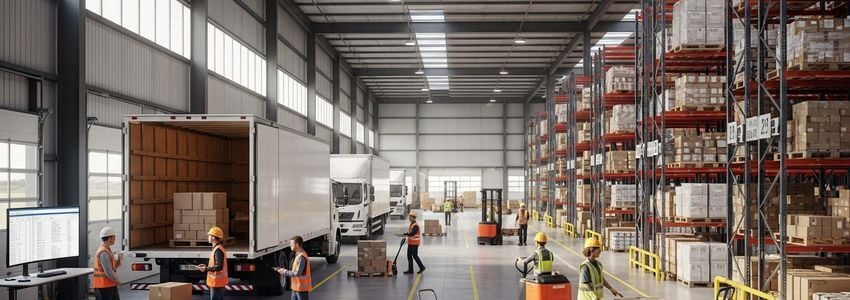
Logistics and supply chain businesses operate in an environment defined by rapid change, significant capital demands, and unpredictable market forces. These inherent characteristics create a constant need for flexible and accessible financing solutions that traditional lenders often struggle to provide. Understanding these sector-specific challenges is paramount to securing the right funding.
One of the most prominent challenges is the capital-intensive nature of the business. Operating a logistics company requires a substantial investment in assets such as trucks, trailers, forklifts, vans, and sophisticated warehousing equipment. These assets are not only expensive to acquire but also depreciate over time, necessitating regular upgrades or replacements to maintain efficiency and comply with evolving industry standards. Without reliable access to capital, businesses can quickly fall behind competitors, facing reduced capacity or increased operational costs due to aging or inefficient equipment.
Fluctuating fuel costs represent another major hurdle. Fuel is a primary operating expense for any transportation-focused logistics company. Geopolitical events, supply and demand shifts, and even seasonal variations can cause drastic swings in fuel prices, directly impacting profitability and cash flow. Businesses need a buffer or a flexible funding source to absorb these cost increases without passing on exorbitant charges to clients or compromising their bottom line. A sudden spike in fuel prices can quickly erode profit margins, making it difficult to cover other operational expenses.
Maintenance and repairs are ongoing concerns. Commercial vehicles and heavy machinery require stringent maintenance schedules to ensure safety and operational reliability. Unexpected breakdowns can be incredibly costly, both in terms of repair expenses and lost revenue from service interruptions. A single major repair on a semi-truck can run into tens of thousands of dollars, an amount that many small to medium-sized logistics businesses may not have readily available in their working capital. Proactive financing for preventative maintenance programs can mitigate these risks, but unexpected repairs still necessitate quick access to funds.
Technology upgrades are no longer optional but essential for competitiveness. Modern logistics relies heavily on advanced technology for route optimization, GPS tracking, real-time inventory management, warehouse automation, and data analytics. Implementing robust Transportation Management Systems (TMS), Warehouse Management Systems (WMS), and other digital tools requires significant upfront investment. These systems improve efficiency, reduce errors, and enhance customer service, but their acquisition and integration can strain financial resources. Companies that fail to invest in technology risk becoming obsolete in a rapidly evolving digital landscape.
Payroll is another substantial and consistent expense. Logistics companies employ a diverse workforce, including drivers, dispatchers, warehouse staff, administrative personnel, and management teams. Ensuring timely and consistent payroll, especially during periods of variable demand or delayed client payments, is critical for employee retention and morale. Cash flow issues can quickly lead to payroll shortfalls, which can have devastating consequences for a business's reputation and operational stability.
High insurance premiums are also a reality. Logistics businesses face significant liability, cargo, and vehicle fleet insurance costs. These premiums are often substantial and require consistent payment to maintain coverage, which is legally mandated and essential for protecting assets and mitigating risks. Unexpected increases in insurance costs can further stress already tight budgets.
Finally, seasonal demand and cash flow gaps are common. While some periods may bring high volumes and robust revenue, others can be slower, leading to temporary cash flow shortages. These gaps can make it difficult to cover fixed costs, invest in necessary upgrades, or even take advantage of new opportunities. Specialized financing can bridge these periods, ensuring smooth operations and preventing missed growth prospects. Furthermore, the industry is often challenged by extended payment terms from clients, leading to significant delays between service delivery and cash receipt, creating working capital strains.
Crestmont Capital offers a comprehensive suite of financial products designed to meet the diverse and evolving needs of logistics and supply chain businesses. Our aim is to provide flexible options that can be customized to your specific challenges and growth aspirations.
Working capital loans are designed to cover the day-to-day operational expenses of your logistics business. These funds can be used for anything from payroll and fuel costs to insurance premiums, administrative expenses, and even unexpected minor repairs. They are particularly vital for managing cash flow fluctuations, bridging gaps between client payments, and ensuring your business can sustain its operations without interruption. Unlike long-term asset financing, working capital loans focus on liquidity, providing the necessary funds to keep your trucks moving, your warehouses staffed, and your operations running smoothly. They are generally short-term solutions, repaid over a period that aligns with typical business cycles, ensuring you always have enough cash on hand to meet immediate obligations and seize fleeting opportunities.
For a capital-intensive industry like logistics, equipment financing is often the lifeblood of growth and modernization. This type of loan is specifically used to purchase or lease new or used essential equipment, such as semi-trucks, trailers, delivery vans, forklifts, pallet jacks, automated warehouse systems, and specialized handling machinery. The equipment itself typically serves as collateral for the loan, which can result in more favorable terms and lower interest rates compared to unsecured loans. By financing equipment, logistics companies can acquire vital assets without depleting their working capital, allowing them to expand their fleet, upgrade to more fuel-efficient vehicles, improve warehouse efficiency, and take on larger contracts. Crestmont Capital understands the importance of having modern, reliable equipment and can facilitate quick approvals to minimize downtime and capitalize on market demand.
A business line of credit provides flexible, on-demand access to funds, making it an excellent tool for managing the unpredictable cash flow inherent in the logistics industry. Unlike a traditional term loan where you receive a lump sum upfront, a line of credit allows you to borrow up to a pre-approved limit, repay the amount, and then borrow again as needed. You only pay interest on the funds you actually use, making it an incredibly cost-effective solution for seasonal demands, unexpected expenses, or to capitalize on sudden growth opportunities. This revolving credit facility is ideal for covering fluctuating fuel costs, handling emergency repairs, managing payroll during slower periods, or making small, strategic investments without committing to a large, fixed loan. It acts as a financial safety net, providing peace of mind and operational agility.
SBA loans are government-backed loans offered through financial institutions like Crestmont Capital, designed to help small businesses access capital with potentially lower interest rates and longer repayment terms. While the application process can be more extensive and approval times longer than other options, SBA loans provide substantial benefits for qualifying logistics companies. They can be used for a wide range of purposes, including purchasing real estate (e.g., a warehouse or depot), acquiring major equipment, expanding operations, refinancing existing debt, or serving as working capital. Our team can guide you through the complexities of SBA loan requirements and applications, helping you leverage these powerful programs to achieve long-term stability and growth for your logistics venture.
Many logistics companies grapple with extended payment terms from clients, often waiting 30, 60, or even 90 days for invoices to be paid. This delay can create significant cash flow challenges, especially for businesses with tight margins and ongoing operational costs. Invoice financing, also known as accounts receivable financing or factoring, provides an immediate solution by allowing you to sell your outstanding invoices to a third-party lender, like Crestmont Capital, in exchange for an immediate cash advance (typically 70-90% of the invoice value). Once your client pays the invoice, you receive the remaining balance, minus a small fee. This process provides instant access to cash that is tied up in receivables, enabling you to cover payroll, fuel, and other expenses without waiting for your clients to pay. It’s a flexible funding option that scales with your sales volume and is particularly beneficial for managing growth without incurring debt.
For logistics businesses that process a significant volume of credit card transactions, a Merchant Cash Advance (MCA) can provide rapid access to capital. An MCA is not a loan in the traditional sense, but rather an advance on your future credit card sales. The funds are repaid through a small, agreed-upon percentage of your daily credit card sales until the advance is satisfied. This funding option is known for its speed and flexibility, often providing capital in as little as 24 hours with minimal documentation. While MCAs can have a higher overall cost than traditional loans, they offer an accessible solution for businesses that might not qualify for other financing due to credit history or collateral limitations. It is particularly useful for short-term cash injections to cover immediate expenses or unexpected opportunities when other avenues are not feasible.
Crestmont Capital specializes in providing fast business loans, a category that encompasses various quick-funding products designed to deliver capital efficiently. These loans are crucial for logistics companies needing to react swiftly to market demands or unexpected events. Whether it's seizing a new contract, covering an urgent repair, or capitalizing on a time-sensitive bulk purchase discount for fuel or supplies, fast business loans ensure that your business has the agility to respond without delay. Our streamlined application process and advanced underwriting capabilities allow us to process applications and disburse funds often within 24 hours of approval, providing the speed and convenience that the fast-paced logistics industry demands. This rapid access to capital minimizes downtime and ensures operational continuity.
Understanding the financial specifics of business loans for your logistics company is critical for effective planning and sustainable growth. At Crestmont Capital, we aim for transparency and flexibility in structuring financing solutions that align with your business needs and financial health.
Crestmont Capital offers a wide range of loan amounts, from $10,000 up to $5 million, ensuring that whether your needs are small and immediate or large-scale and strategic, we have a solution. The specific amount your logistics business qualifies for will depend on several factors, including your company's annual revenue, time in business, creditworthiness, and the type of financing you seek. For instance, an established trucking company with robust financials might qualify for a multi-million dollar equipment financing package to expand its fleet, while a newer freight brokerage might seek a $50,000 working capital loan to cover initial operational costs. We work closely with you to assess your capacity and funding requirements, ensuring the loan amount supports your objectives without overextending your financial capabilities. Our goal is to provide adequate capital to drive your growth and stability.
Interest rates are a key component of any loan and are determined by various factors, including the type of loan, the repayment term, the financial health of your business, and your credit score. At Crestmont Capital, we strive to offer competitive rates tailored to the risk profile of your logistics operation. For well-qualified businesses with strong credit, rates can be very competitive, similar to those offered by traditional banks for certain products. For businesses with less-than-perfect credit or those needing faster, more flexible funding, rates might be higher but are reflective of the increased risk and convenience. We believe in transparency and will clearly outline all interest charges. In addition to interest, loans may carry certain fees, such as origination fees, underwriting fees, or closing costs. These fees are typically a small percentage of the total loan amount and cover the administrative costs associated with processing your application and disbursing funds. Our advisors will provide a clear breakdown of all associated costs upfront, so you have a complete understanding of your financial commitment without any hidden surprises. We can often discuss options to minimize these fees where possible, ensuring you get the most value from your funding.
The repayment terms for logistics business loans can vary significantly, ranging from short-term to long-term, depending on the loan product and your business's ability to repay. Short-term loans, typically 6 to 18 months, are often used for working capital needs or bridging cash flow gaps, featuring more frequent (daily, weekly, or bi-weekly) repayments. Medium-term loans, usually 2 to 5 years, are common for equipment financing or larger working capital needs, with monthly repayment schedules. Long-term loans, which can extend up to 10 years or more (especially for SBA loans or real estate financing), offer lower monthly payments but result in higher total interest paid over the life of the loan. The choice of loan term directly impacts your monthly payment obligations and the total cost of borrowing. A longer term generally means lower monthly payments, which can ease cash flow pressure, but it also means more interest accrues over time. Conversely, a shorter term leads to higher monthly payments but a lower overall cost. Crestmont Capital’s financing specialists work with you to determine the optimal term that balances affordability with your strategic financial objectives, ensuring a repayment plan that supports your business's sustainable growth without causing undue strain.
Apply now and get a decision today. No obligation, no hard credit pull.
Apply NowQualifying for a business loan is a crucial step for any logistics company seeking to expand, manage operations, or invest in new equipment. Crestmont Capital's qualification criteria are designed to be more accessible and flexible than traditional bank requirements, recognizing the unique financial dynamics of the logistics industry. We focus on a holistic view of your business's health and potential, rather than relying solely on a single metric.
While traditional banks often require several years of operating history, Crestmont Capital understands that newer logistics businesses can also be highly successful and in need of capital. Generally, we look for businesses that have been operating for at least 6 months to 2 years. This demonstrates a level of stability and a track record of operations. The longer your business has been established and successfully operating, the more favorable your loan options may become. This criterion helps us assess your experience in navigating the market and managing your operations, offering a stronger indicator of future repayment capability. For newer businesses, we might consider other strengths, such as strong revenue growth, robust contracts, or significant prior industry experience of the founders.
A consistent revenue stream is a primary indicator of your business's financial health and its ability to repay a loan. Crestmont Capital typically looks for a minimum monthly revenue, often starting around $10,000 to $15,000 or more. This threshold ensures that your logistics company generates sufficient income to cover its operational costs and comfortably manage loan repayments. The specific revenue requirement can vary based on the loan amount requested and the type of financing. Businesses with higher, more consistent revenue will generally qualify for larger loan amounts and potentially more attractive terms. We analyze your bank statements to verify your revenue consistency and identify trends, providing a clear picture of your cash flow and repayment capacity. This allows us to offer funding solutions that are appropriate for your current financial standing.
Both your business credit score and personal credit score are considered during the application process. Crestmont Capital is known for its flexible credit requirements, with a minimum personal credit score often starting as low as 550+. This is significantly more accommodating than the 680-700+ often demanded by traditional banks, making financing accessible to a broader range of logistics business owners. While a higher credit score will always lead to more favorable loan terms and interest rates, we understand that past financial challenges do not always reflect current business potential. We take into account the overall health of your business, not just your credit history. A strong business credit profile, built on timely payments to suppliers and vendors, can also enhance your application and demonstrate responsible financial management, complementing your personal credit score.
Beyond revenue, your business's profitability and overall cash flow are crucial. Lenders want to see that your logistics company not only generates sales but also manages its expenses effectively, resulting in a healthy net profit and positive cash flow. We analyze your bank statements, profit and loss statements, and balance sheets to understand your financial efficiency and liquidity. Strong cash flow indicates that your business has sufficient funds flowing in to cover its obligations, including loan repayments. We assess your ability to generate consistent cash flow even during periods of varying demand or unexpected expenses, ensuring that the proposed loan does not create an undue financial burden. This holistic view of your financial statements helps us confirm that your business has the capacity to sustain operations while repaying the loan responsibly.
Crestmont Capital has specialized experience working with logistics and supply chain businesses. This means we understand the nuances of your industry, from the typical payment cycles to the capital demands of equipment, fuel, and labor. Our industry-specific knowledge allows us to better assess your business's risk and potential, often leading to more favorable terms than general lenders might offer. We consider your business model, whether it's long-haul trucking, local delivery, freight forwarding, warehousing, or a specialized niche. This understanding helps us tailor financing solutions that genuinely support your operational structure and growth strategy. For instance, we know that a freight brokerage relying on quick turnover of invoices might benefit more from invoice financing, while a trucking company frequently upgrading its fleet would be a strong candidate for equipment financing.
While many of our loan products, especially for smaller amounts or working capital, may be unsecured, some larger loans or specific products like equipment financing will typically require collateral. For equipment loans, the purchased equipment itself serves as collateral. For other types of secured loans, common forms of collateral include real estate (e.g., your warehouse or office property), accounts receivable (as in invoice financing), or other valuable business assets. Providing collateral can often help you qualify for larger loan amounts, lower interest rates, or more extended repayment terms, as it reduces the lender's risk. We will clearly explain any collateral requirements during the application process, ensuring you understand how your assets may be leveraged to secure financing that meets your business objectives.
Applying for a logistics business loan with Crestmont Capital is designed to be a straightforward, efficient, and transparent process. We understand that time is money in the logistics industry, so we’ve streamlined our application to get you the funds you need as quickly as possible, often within 24 hours.
Your journey begins with our simple and secure online application. This initial step typically takes only 10 to 15 minutes to complete. You'll be asked to provide basic information about your logistics business, including its legal name, address, industry, time in business, annual revenue, and the desired loan amount. We also collect contact information for the business owner(s). The online form is intuitive and user-friendly, guiding you through each required field. There is no obligation to proceed after submitting the application, and in most cases, this initial inquiry does not involve a hard credit pull, protecting your credit score. This quick start allows us to get a preliminary understanding of your business needs and qualifications without extensive upfront commitment.
Once your initial application is received, a dedicated funding specialist from Crestmont Capital will reach out to you. They will confirm the information provided and request any additional documentation needed to process your application thoroughly. For most small to medium-sized loans, this typically includes:
Upon receiving all necessary documentation, our experienced underwriting team will conduct a thorough review of your application. This phase involves assessing your business's financial health, operational stability, and overall risk profile. We analyze your cash flow, revenue trends, credit history (both business and personal), and any industry-specific factors relevant to logistics. Our team utilizes advanced analytics and industry expertise to make informed decisions quickly. We prioritize understanding the unique aspects of your logistics business, which often allows us to approve loans that traditional banks might decline due to their more rigid criteria. This stage is designed to be efficient, with a clear focus on speed without compromising due diligence.
If your application meets our underwriting criteria, you will receive a personalized loan offer. This offer will clearly outline the loan amount, interest rate, repayment terms, any associated fees, and all other pertinent details. Our funding specialist will review the offer with you, explaining every aspect and answering any questions you may have. We are committed to transparency, ensuring you fully understand the terms before making any commitment. If you decide the offer is a good fit for your logistics business, you will sign the loan agreement electronically, making the process quick and convenient. Our aim is to provide flexible options that truly align with your needs.
Once you've accepted and signed your loan agreement, Crestmont Capital moves swiftly to disburse the funds directly into your designated business bank account. For many of our approved applicants, this final step occurs within 24 hours of signing the agreement. This rapid funding speed is one of Crestmont Capital's hallmarks, enabling logistics companies to quickly address urgent needs, capitalize on time-sensitive opportunities, and maintain seamless operations. Our efficient process ensures that your business can access the capital it needs precisely when it needs it, minimizing delays and maximizing your ability to execute your plans without interruption.
Logistics companies operate in a dynamic and capital-intensive environment, where access to flexible financing can be the key differentiator between stagnation and significant growth. Crestmont Capital provides funding for a wide array of operational and strategic needs, helping businesses in this sector thrive. Here are some of the most common and impactful ways logistics companies utilize our business loans:
One of the most frequent uses for logistics financing is to expand or upgrade a company's fleet. The cost of new commercial vehicles, trailers, and specialized delivery vans can be substantial, often ranging from tens of thousands to hundreds of thousands of dollars per unit. A logistics company might secure, for example, $150,000 for a new semi-truck or $75,000 for two additional cargo vans to meet increasing customer demand or to replace aging, less fuel-efficient vehicles. Upgrading to newer models often means better fuel economy, reduced maintenance costs, and improved reliability, directly impacting profitability. This investment allows companies to increase their carrying capacity, expand into new routes or regions, and take on more lucrative contracts, ensuring they remain competitive and efficient in a fast-paced market.
Maintaining consistent cash flow is paramount for logistics companies, which often face fluctuating fuel prices, unexpected maintenance costs, and varying client payment terms. Loans for working capital are invaluable for covering day-to-day operational expenses. A business might allocate $50,000 to $100,000 for three months of operational cash flow to ensure payroll is met, fuel tanks are full, and insurance premiums are paid, especially during seasonal dips or when experiencing delays in client payments. This funding helps bridge gaps, preventing operational disruptions and allowing the company to sustain its services without compromise. It provides a financial cushion that absorbs unexpected costs, ensuring the business remains stable and responsive to market changes.
In today's interconnected world, technology is transforming the logistics industry. Companies need to invest in advanced software and systems to optimize routes, track shipments in real-time, manage warehouses more efficiently, and enhance customer communication. For example, a logistics provider might use $30,000 to $60,000 for a new Warehouse Management System (WMS) subscription and integration costs, or for a state-of-the-art Transportation Management System (TMS). These investments lead to significant improvements in operational efficiency, reductions in manual errors, better visibility across the supply chain, and ultimately, enhanced customer satisfaction. Technology upgrades are not just about staying current; they are about gaining a competitive edge and preparing for future growth.
Commercial vehicles and heavy machinery are subject to wear and tear, and unexpected breakdowns are an unfortunate reality in the logistics sector. Urgent repairs can be incredibly costly and can lead to significant downtime, impacting service delivery and revenue. A loan can provide quick access to funds, such as $15,000 for critical engine repair on a key delivery vehicle or $10,000 for major forklift maintenance. Beyond urgent repairs, businesses also use funding for preventative maintenance programs to keep their fleet and equipment in optimal condition, reducing the likelihood of costly breakdowns. Ensuring equipment reliability is essential for maintaining customer trust and operational efficiency.
As logistics companies grow, their warehousing needs often evolve. This might involve expanding an existing facility, leasing a larger space, or modernizing an older warehouse with new racking systems, automated retrieval systems, or improved security measures. A company could secure $250,000 for a down payment on a larger warehouse facility to accommodate increased inventory or handling volume, or $80,000 to install automated picking robots and conveyor belts. These investments enhance storage capacity, improve throughput, reduce labor costs, and optimize the overall distribution process, allowing the business to handle more goods more efficiently and adapt to changing logistical demands.
Investing in your workforce is investing in your business's future. Logistics loans can be used to fund specialized training programs for drivers (e.g., hazmat certification, defensive driving), warehouse staff (e.g., forklift operation, WMS proficiency), or management (e.g., supply chain optimization, customer service). For instance, a company might allocate $10,000 to $20,000 for a comprehensive driver safety training program for its entire fleet. These programs improve safety, boost productivity, enhance employee retention, and ensure your team is equipped with the latest skills and knowledge to operate effectively in a complex and evolving industry.
Whether you need to expand your fleet, manage cash flow, or invest in technology, Crestmont Capital has the right solution. Apply now to get started.
Apply NowWhen seeking financing for your logistics company, you generally have two main avenues: traditional banks or alternative lenders like Crestmont Capital. While both can provide capital, their approach, processes, and suitability for the dynamic logistics industry differ significantly. Understanding these distinctions is crucial for making an informed decision that best serves your business's needs.
Traditional banks, known for their conservative lending practices, often have stringent requirements that can be challenging for logistics companies to meet. Their processes are typically slow, involving extensive paperwork and long waiting periods. This can be problematic for an industry where speed, flexibility, and quick access to capital are often critical for seizing opportunities or addressing urgent needs. Their generalized approach to lending means they may not fully appreciate the unique operational intricacies and financial fluctuations inherent in the logistics sector.
Crestmont Capital, on the other hand, specializes in providing agile and tailored financing solutions. Our deep understanding of the logistics industry allows us to offer more flexible qualification criteria, streamlined application processes, and significantly faster funding times. We focus on your business's overall health and potential, rather than just historical data or a perfect credit score. The table below highlights key differences between Crestmont Capital and traditional banks, illustrating why many logistics businesses find our approach more aligned with their operational realities and growth aspirations.
| Feature | Crestmont Capital | Traditional Bank |
|---|---|---|
| Application Process | Online, fast, simple, often 10-15 minutes to complete | In-person or lengthy online forms, complex, extensive paperwork |
| Approval Speed | Within 24-48 hours for most applications | Weeks to several months |
| Funding Speed | Funds disbursed within 24 hours of approval | Weeks after approval and closing |
| Minimum Credit Score | 550+ personal credit score often acceptable | Typically 680-700+ personal and strong business credit |
| Required Documentation | Basic bank statements (3-12 months), light financials | Extensive financial statements, tax returns, business plans, collateral valuations |
| Flexibility of Products | Multiple options (working capital, equipment, line of credit, invoice financing), tailored solutions | Rigid products, often collateral-heavy, less adaptable to specific needs |
| Industry Understanding | Specialized experience with diverse sectors, including logistics | General lending perspective, less industry-specific flexibility |
| Customer Service | Dedicated funding advisors, personalized approach, ongoing support | Standardized, less personal relationship manager |
| Collateral Requirements | Often unsecured options available, flexible collateral terms for secured loans | Typically requires significant collateral (real estate, major assets) for most loans |
| Loan Amounts | $10,000 - $5,000, catering to various business sizes and needs | Varies, often higher minimums for term loans, can be difficult for smaller needs |
| Relationship Focus | Building long-term partnerships, growth-oriented | Transactional, risk-averse |
This comparison clearly illustrates why Crestmont Capital stands out as a preferred financing partner for logistics companies. Our agility, specialized industry knowledge, and customer-centric approach ensure that your business receives the right funding at the right time, enabling you to navigate challenges and seize opportunities with confidence. We understand that in logistics, delays mean lost revenue, and our processes are designed to eliminate those delays, providing you with the capital injection needed to keep your operations running smoothly and efficiently.
At Crestmont Capital, we are proud to support the growth and resilience of logistics and supply chain businesses across the nation. Our flexible financing solutions have helped numerous companies overcome challenges, seize opportunities, and achieve their strategic objectives. Here are a few real-world examples illustrating how our loans have made a tangible difference:
Rapid Haul Logistics, a family-owned trucking company based in Texas, had been steadily growing for over a decade. However, their aging fleet of semi-trucks was beginning to show its age, with increasing maintenance costs and a higher risk of breakdowns. They had secured a lucrative new contract with a major retailer, but to fulfill it, they desperately needed to add two new, more reliable trucks to their fleet. Traditional banks, citing their existing debt and a slight dip in revenue during a slow quarter, were unwilling to offer the necessary financing in a timely manner.
Rapid Haul Logistics approached Crestmont Capital seeking a solution. We quickly understood their need for immediate equipment financing. After a streamlined application and review process, Crestmont Capital approved a loan of $250,000 for the purchase of two late-model semi-trucks. The funds were disbursed within 48 hours of approval. This rapid injection of capital allowed Rapid Haul Logistics to acquire the trucks, fulfill their new contract, and dramatically increase their hauling capacity. Within six months, they reported a 40% increase in monthly revenue and significantly reduced their maintenance expenditures, solidifying their position as a key regional player.
Global Flow Distributors, a warehousing and distribution center operating out of Florida, faced a common industry challenge: significant seasonality. Their peak season ran from spring through fall, but the winter months often brought a dip in activity, creating a cash flow crunch that made covering payroll, utilities, and rising fuel costs difficult. They had a strong reputation and solid contracts, but the cyclical nature of their business meant their working capital often felt stretched thin during Q1.
To navigate these lean periods without resorting to delayed payments or cutting staff, Global Flow Distributors applied for a business line of credit from Crestmont Capital. Recognizing their consistent revenue during peak seasons and their strategic planning, we approved a revolving line of credit for $100,000. This provided them with the flexibility to draw funds as needed to cover operational expenses during the slower winter months. They utilized the line of credit to ensure timely payroll for their 30 employees and to purchase fuel in bulk at favorable prices. As their business picked up in the spring, they repaid the drawn amount, replenishing the line for future use. This solution allowed them to maintain stable operations, retain skilled staff, and avoid any disruption to their excellent service during off-peak times, ultimately strengthening their long-term financial health.
Peak Freight Solutions, a growing freight brokerage firm, was experiencing a surge in demand, but their manual processes for load matching, dispatching, and invoicing were becoming a bottleneck. Their existing system was inefficient, prone to human error, and hindered their ability to scale. They identified a cutting-edge Transportation Management System (TMS) that would automate much of their workflow, but the upfront cost of $45,000 for software licenses and integration was a significant barrier, and their existing bank wasn't interested in financing a "software" investment.
Crestmont Capital understood the transformative potential of this technology for Peak Freight Solutions. We provided them with a small business loan tailored to their specific need for technology investment. The funding enabled them to promptly implement the new TMS. Within months, Peak Freight Solutions saw a dramatic improvement in efficiency, reducing their manual processing time by 25% and virtually eliminating data entry errors. This allowed their team to focus on customer service and business development, rather than administrative tasks. The streamlined operations led to faster booking times for clients, improved carrier relations, and a noticeable increase in client satisfaction, directly contributing to their continued growth and profitability.
Coastal Cargo Services, a port logistics and intermodal drayage company operating in a busy coastal hub, needed to upgrade its material handling equipment. Their aging fleet of heavy-duty forklifts and container handlers was increasingly unreliable and costly to maintain. To improve their loading and unloading efficiency, reduce downtime, and ensure safety, they required new, higher-capacity forklifts. The cost for the necessary units was estimated at $85,000.
Crestmont Capital provided Coastal Cargo Services with prompt equipment financing. We recognized the critical role of specialized equipment in their operations and approved the loan based on their consistent contracts with shipping lines and their proven operational history. The new equipment was acquired swiftly, leading to a noticeable increase in portside operational speed and a significant reduction in equipment-related delays. This investment not only boosted their productivity but also enhanced their reputation for reliability and efficiency among their shipping partners, allowing them to secure more container handling contracts.
Unlock the capital you need to fuel growth, acquire equipment, and optimize operations. Apply for a fast business loan today!
Apply NowDisclaimer: The information provided in this article is for general educational purposes only and is not financial, legal, or tax advice. Funding terms, qualifications, and product availability may vary and are subject to change without notice. Crestmont Capital does not guarantee approval, rates, or specific outcomes. For personalized information about your business funding options, contact our team directly.





