
Liquor Store Business Loans: Financing for Liquor Stores & Wine Shops
Liquor store business loans give independent alcohol retailers the capital to build and maintain high-value inventory, acquire and renew liquor licenses, upgrade refrigeration and point-of-sale equipment, manage cash flow between seasonal peaks, renovate storefronts, and expand to new locations. Whether you own a neighborhood package store, a specialty wine shop, a craft spirits boutique, or a multi-location off-premise alcohol retail chain, Crestmont Capital provides liquor store financing from $25,000 to $1,000,000 — with approvals as fast as 24 hours and flexible repayment terms designed around the real economics of alcohol retail.
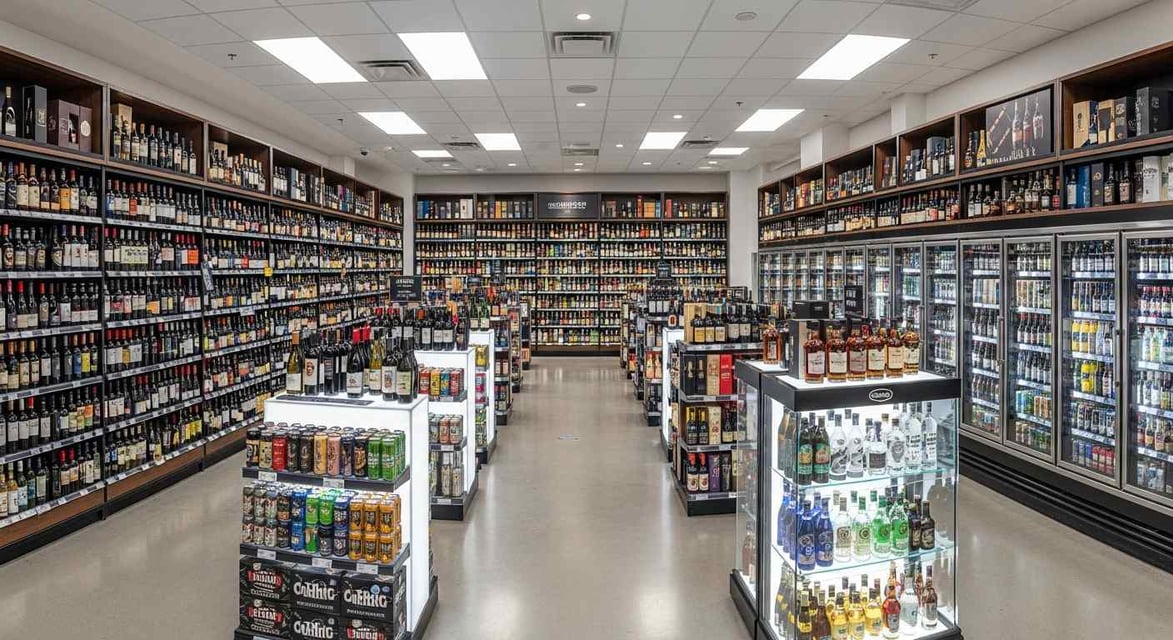
Running a liquor store is one of the most inventory-intensive and regulation-heavy retail businesses in America. Unlike a clothing store or gift shop, a liquor store must maintain $50,000 to $300,000 or more in product inventory at all times — across thousands of SKUs spanning beer, wine, and spirits — while navigating a complex web of state licensing requirements, ABC (Alcoholic Beverage Control) regulations, and compliance costs that most other retailers never face. Add to this the industry's extreme seasonal concentration — where Thanksgiving through New Year's alone can generate 30–40% of annual revenue — and you have a business model that demands reliable, flexible financing to grow and thrive.
According to the U.S. Small Business Administration, retail businesses consistently rank among the top industries seeking working capital and inventory financing. The National Alcohol Beverage Control Association (NABCA) reports that state licensing and regulatory compliance are among the most significant operational costs unique to alcohol retailers. Forbes and CNBC have noted that the alcohol retail industry demonstrates consistent resilience even during economic downturns, with off-premise alcohol sales remaining stable or growing across varied economic conditions.
- Liquor Store Industry Economics & Why Financing Matters
- Seasonal Peaks & Revenue Patterns
- Inventory Financing for Alcohol Retailers
- Liquor License Costs & Financing Options
- Types of Liquor Store Business Loans
- Equipment Financing for Liquor Stores
- Working Capital Between Seasonal Peaks
- Qualification Requirements
- Rates & Terms
- Industry Statistics
- How to Apply — 5 Steps
- Real Financing Scenarios
- Lender Comparison
- Tips for Getting Approved
- Why Crestmont Capital
- Frequently Asked Questions
Liquor Store Industry Economics & Why Financing Matters
The economics of operating a liquor store revolve around several dynamics that are unique among all retail categories. Understanding these dynamics — the high cost of licensing, the heavy inventory requirements, the extreme seasonal concentration of revenue, and the ongoing compliance burden — makes clear why liquor store business loans and flexible alcohol retail financing are essential tools for store owners who want to grow rather than merely survive.
The Capital-Intensive Nature of Alcohol Retail
A liquor store is not a low-capital business. From day one — before a single bottle is sold — the owner must invest in a liquor license (which can range from $10,000 to $300,000 or more depending on the state and license type), build-out or leasehold improvements, refrigeration equipment, security systems, point-of-sale technology, and initial inventory. That initial inventory alone — the minimum product selection needed to open a competitive liquor store — typically runs $50,000 to $150,000 for a smaller neighborhood store and $150,000 to $300,000+ for a larger format store with a full beer cave, extensive wine selection, and spirits department.
Unlike restaurants, where inventory turns over in days, a liquor store's product mix includes many slow-moving premium items — aged bourbons, reserve wines, specialty craft spirits — that may sit on shelves for weeks or months before selling. A well-merchandised store needs depth: multiple options in every price tier, full case quantities for fast movers, and enough premium selection to serve connoisseur customers. Maintaining this inventory depth without straining operational cash flow requires a reliable financing partner who understands alcohol retail's unique economics.
Regulatory and Compliance Costs
No other retail category in the United States faces the regulatory complexity and compliance cost structure of alcohol retail. According to the National Alcohol Beverage Control Association (NABCA), the alcohol beverage control system in the U.S. involves 17 control states where the government directly controls distribution and/or retail, and 33 license states where private retailers can operate with appropriate licenses. In every state, liquor retailers face:
- License fees and renewals: Annual license renewal fees ranging from hundreds to thousands of dollars depending on state and license class
- Compliance training requirements: Mandatory responsible alcohol service training for all employees selling alcohol
- ABC inspections: Regular inspections by state Alcoholic Beverage Control authorities
- Signage and posting requirements: Required legal notices posted throughout the store
- Record-keeping obligations: Detailed purchase and sales records for regulatory compliance
These compliance costs are a genuine and recurring operational expense that most general-purpose business lenders do not account for when evaluating liquor store loan applications. Crestmont Capital's advisors understand these costs and factor them into your overall financing picture.
Revenue Concentration and Cash Flow Volatility
Few industries match the seasonal revenue concentration of alcohol retail. The period from Thanksgiving through New Year's Day — roughly 6 weeks — can represent 30–40% of a liquor store's entire annual revenue. This extraordinary concentration creates a cash flow pattern that looks alarming to lenders unfamiliar with the industry: January through October represents the "slow" period, followed by a massive revenue spike in November–December. A liquor store generating $800,000 per year might do $280,000 in just six November–December weeks — then return to monthly revenues of $45,000–$65,000 for the remainder of the year. Managing this cycle requires disciplined financial planning and access to working capital lines that can bridge the gap between inventory investment and revenue realization.
Seasonal Peaks & Revenue Patterns for Liquor Stores
The liquor store's revenue calendar is defined by holidays and social occasions. Understanding these peaks — and the capital requirements they generate weeks in advance — is essential to maximizing revenue and managing cash flow effectively:
Thanksgiving Through New Year's — The Mega Peak (November–December)
The holiday season is the defining revenue event for every liquor store in America. From Thanksgiving wine and sparkling cider through Christmas bourbon gifts and party liquor through New Year's Eve champagne and celebratory spirits, the 6-week holiday window drives an outsized share of annual sales. Industry data consistently shows that this period generates 30–40% of annual revenue for well-run liquor stores. To be fully stocked — with adequate depth in gift spirits, holiday wines, sparkling beverages, and party staples — store owners must invest in expanded inventory starting in early October, often committing $75,000 to $150,000 in additional inventory spend 6–8 weeks before the peak revenue arrives. A liquor store inventory financing line of credit provides the capital to fund this pre-season build-up without draining the store's operating reserves.
Super Bowl Weekend (Late January–Early February)
Super Bowl Sunday is one of the largest beer and spirits sales days of the year for off-premise alcohol retailers. The week leading up to the game drives substantial sales of beer (especially domestic and craft six-packs and cases), party-ready spirits, and mixers. While the revenue impact is smaller than the holiday season, a well-prepared liquor store can generate a week's worth of revenue in 2–3 days around the Super Bowl — provided they've stocked up 1–2 weeks in advance.
St. Patrick's Day (March)
St. Patrick's Day is a significant driver of beer and Irish whiskey sales. Green beer, Guinness, Jameson, and Irish cream liqueurs all see elevated demand in the days before March 17. For stores in markets with strong Irish heritage communities or high bar/restaurant foot traffic in their area, the week before St. Patrick's Day can be a meaningful revenue event requiring targeted inventory investment.
Cinco de Mayo (May) and Summer Entertaining Season (May–September)
Cinco de Mayo drives tequila, mezcal, and Mexican beer sales. The summer entertaining season — Memorial Day, Fourth of July, Labor Day — is a sustained period of elevated beer and ready-to-drink (RTD) beverage sales, particularly in markets with strong outdoor and pool party culture. Summer is when craft beer, hard seltzers, and premium canned cocktails drive above-average velocity, requiring increased inventory investment and more frequent restocking cycles.
The Post-Holiday Slump (January–February)
After the extraordinary holiday peak, January and early February represent the slowest weeks of the liquor retail year. Many consumers temporarily reduce alcohol purchasing after holiday excess, and discretionary spending tightens. Yet overhead costs — rent, utilities, staff, insurance, and loan payments — continue at full rate. This is where a business line of credit or working capital facility provides critical support: drawing on available credit to bridge operating costs during the slow weeks, then repaying when revenue normalizes in spring.
Get a Liquor Store Loan Quote
Inventory financing, equipment loans, and working capital for liquor stores and wine shops. $25K to $1M. Fast approvals.
Apply Now →Inventory Financing for Alcohol Retailers
Inventory is the lifeblood of a liquor store. Unlike service businesses where cash flow is more predictable, a liquor store's ability to generate revenue is directly tied to having the right products on the shelves in adequate quantities. Liquor store inventory financing addresses the fundamental challenge of maintaining a full, competitive product selection while preserving the operational cash flow needed to run the business day-to-day.
The Inventory Depth Challenge
A competitive liquor store carries thousands of SKUs: 200–500+ wine labels, 300–800+ spirits SKUs (whiskey, vodka, gin, rum, tequila, brandy, and more), and 200–500+ beer and cider options (domestic, imported, craft, seasonal). To serve customers well and compete with larger chains, a store needs not just breadth (variety) but depth (multiple bottles of each item). Running out of a customer's favorite bourbon — especially a popular allocated item — means losing that sale and potentially that customer. Maintaining adequate inventory depth across all categories requires substantial and ongoing capital commitment.
For a mid-size liquor store with 2,000–3,000 square feet of retail space, the minimum viable inventory investment typically runs $75,000 to $150,000 on an ongoing basis. Larger stores — 5,000+ square feet with full beer caves, walk-in wine rooms, and extensive spirits walls — routinely carry $200,000 to $400,000 in inventory. This capital is perpetually tied up in product; as bottles sell, the proceeds must be reinvested in new inventory to maintain the selection that drives customer loyalty.
Seasonal Inventory Build-Up Financing
The most critical inventory financing event of the year is the pre-holiday build-up. Beginning in early October, liquor stores must start expanding their inventory to prepare for the Thanksgiving–Christmas–New Year's rush. This means ordering extra case quantities of holiday gift spirits (premium bourbon, aged scotch, gift-packaged cognac), stocking up on sparkling wines and champagnes for New Year's, building out their wine selection for holiday entertaining, and ensuring they have adequate quantities of beer and party staples. This seasonal expansion can require $75,000 to $150,000 in incremental inventory investment — capital that must be deployed before the holiday revenue arrives. An inventory financing line of credit sized for this seasonal cycle allows store owners to pre-fund the build-up and repay from holiday cash flows.
Allocated and Limited-Release Products
A unique feature of the spirits market is the existence of allocated and limited-release products: highly sought-after bourbons (Pappy Van Winkle, Buffalo Trace Antique Collection), single malt scotches, and craft distillery releases that distributors supply in limited quantities. When a store has an opportunity to purchase a case of allocated bourbon that will retail for $300–$800 per bottle, having available capital to seize that opportunity — without liquidating other stock or depleting operating cash — can mean $5,000–$20,000 in high-margin sales. A business line of credit functions as an opportunistic capital reserve for these situations.
Supplier Relationship and Volume Discounts
Distributors and suppliers often offer meaningful price breaks for larger volume purchases: buy a full pallet instead of a few cases, or prepay for a supplier's featured brands, and the discount can be 5–15% on cost. For a store spending $50,000–$100,000 per month on product purchases, a 10% volume discount on a well-timed bulk purchase saves $5,000–$10,000. Access to a working capital line of credit or inventory financing facility makes it possible to take advantage of these supplier discounts — converting financing costs into a net-positive trade when the discount exceeds the interest cost.
Liquor License Costs & Financing Options
One of the most significant capital requirements unique to liquor stores — and one of the least understood by general business lenders — is the cost of acquiring and maintaining an alcohol retail license. Liquor licenses are issued by state and local governments, and their cost varies dramatically across jurisdictions.
Liquor License Cost Ranges by State
Liquor license costs vary dramatically depending on state regulations, license type, and local market conditions:
| License Tier | Annual Fee / Acquisition Cost | Example States / Markets |
|---|---|---|
| Low Cost States | $300–$3,000/year | Texas, Kansas, Georgia (basic off-premise) |
| Mid-Range States | $3,000–$15,000/year | Florida, Ohio, Colorado, Arizona |
| High Cost States | $10,000–$50,000+/year | New York, New Jersey, California (metro) |
| Market-Rate Transferable Licenses | $50,000–$300,000+ (one-time) | NYC, Los Angeles, Chicago, Miami (cap on licenses = high secondary market value) |
| Control State Considerations | Varies — state controls distribution | Pennsylvania, Utah, Virginia, Alabama |
In states where the government caps the total number of retail alcohol licenses (creating a limited secondary market), existing liquor licenses trade as business assets — sometimes worth more than the store's inventory and equipment combined. In New York City, a standard liquor store off-premise license can cost $50,000–$200,000+ when purchased from an existing holder. In Los Angeles or Miami, market-rate licenses can reach $150,000–$300,000 for premium locations.
Financing Liquor License Acquisition
A small business loan or SBA loan from Crestmont Capital can be used to finance the acquisition of a liquor license — treating it as the business asset it legally is. For a store acquiring a transferable license worth $85,000, an SBA 7(a) loan with a 7-year repayment term spreads the cost to approximately $1,200–$1,400 per month — making license acquisition feasible for entrepreneurs who have the operational expertise but not the full capital needed for an upfront license purchase. Note: All license applications and transfers are subject to state ABC authority approval and applicable regulations. Consult your state's ABC agency for current requirements.
License Renewal and Compliance Costs
Beyond acquisition, ongoing compliance costs for maintaining a liquor license include annual renewal fees, required training certifications, and legal fees for navigating any compliance issues. In many states, failure to maintain current license status — due to cash flow issues preventing timely renewal fee payment, for example — can result in temporary suspension or permanent revocation of the license. A business line of credit that covers these compliance costs ensures the license is never at risk due to short-term cash flow timing issues.
Types of Liquor Store Business Loans
Crestmont Capital offers multiple financing programs designed to address the specific capital needs of liquor stores, wine shops, and alcohol retailers. Here are the primary alcohol retail loan options available:
1. Liquor Store Inventory Financing
Inventory financing is purpose-built for businesses that must maintain significant product inventory to generate sales — making it a perfect fit for liquor stores. Inventory loans provide a lump sum or revolving credit line used to purchase product from distributors and suppliers. As product sells, proceeds repay the loan or revolving balance, and the cycle repeats. Inventory financing amounts typically range from $25,000 to $500,000 depending on store revenue and inventory requirements. This is the most direct solution to the working capital lock-up that all liquor retailers experience when maintaining a full, competitive product selection.
2. Working Capital Loans for Liquor Stores
Working capital loans provide fast, flexible capital for operational needs — rent, utilities, staff payroll, insurance premiums, license renewal fees, and operating costs during slow revenue months. Unsecured working capital loans fund within 24–48 hours and are approved based on business revenue and credit history, with no product inventory required as collateral. Amounts from $25,000 to $250,000 are available for established liquor retailers, making working capital loans an ideal tool for bridging the post-holiday January slump.
3. Equipment Financing for Liquor Stores
Equipment financing covers the specialized tools and infrastructure that liquor stores require: walk-in refrigeration and beer caves, refrigerated display cases, point-of-sale systems, security camera systems, bottle labeling and inventory management equipment, and shelving systems. Equipment loans allow store owners to acquire essential equipment while spreading costs over 24–60 months, preserving working capital for inventory and operations. The equipment itself typically serves as collateral, simplifying the approval process.
4. Business Line of Credit
A business line of credit is the most flexible liquor store financing tool available. Unlike a term loan (lump sum, fixed repayment), a line of credit gives revolving access to a set credit limit — draw what you need when you need it, pay interest only on the drawn balance, and repay to restore the available credit. For liquor stores, a line of credit is ideal for managing the seasonal cash flow cycle: draw during the October–November inventory build-up, repay with December–January holiday revenue, and redraw for Super Bowl and spring inventory needs. Lines of credit from $50,000 to $500,000 are available for established liquor retailers.
5. SBA Loans for Liquor Stores
SBA 7(a) loans provide long-term, government-backed financing for qualified liquor store owners. With loan amounts up to $5 million and repayment terms up to 10 years for working capital or 25 years for real estate, SBA loans offer the lowest interest rates and most favorable terms available — but require more documentation and a longer timeline (30–90 days). SBA loans are ideal for major capital needs: acquiring a transferable liquor license in a high-value market, purchasing a second store location, buying the retail property, or funding a major renovation. Visit SBA.gov for program details.
6. Fast Business Loans for Liquor Retailers
Fast business loans are designed for liquor store owners who need capital quickly — a distributor offering a one-time pricing deal on allocated inventory, a refrigeration unit failure before the holiday season, or an urgent security upgrade. Fast loans fund within 24–48 hours with minimal documentation. While rates are typically higher than SBA or long-term loans, the speed makes them invaluable for time-sensitive capital needs.
Liquor Store Loan Comparison
| Loan Type | Amount Range | Best For | Rate Range | Term |
|---|---|---|---|---|
| Inventory Financing | $25K–$500K | Holiday inventory build-up | 8–20% | 6–24 months |
| Working Capital Loan | $25K–$250K | Operating costs between peaks | 8–25% | 6–18 months |
| Equipment Financing | $10K–$250K | Refrigeration, POS, security | 6–14% | 24–60 months |
| Business Line of Credit | $50K–$500K | Revolving seasonal capital | 7–20% | Revolving |
| SBA 7(a) Loan | Up to $5M | License acquisition, expansion, real estate | Prime + 2.25–4.75% | Up to 10–25 years |
| Fast Business Loan | $25K–$250K | Emergency capital, opportunities | 10–30% | 3–18 months |
Equipment Financing for Liquor Stores
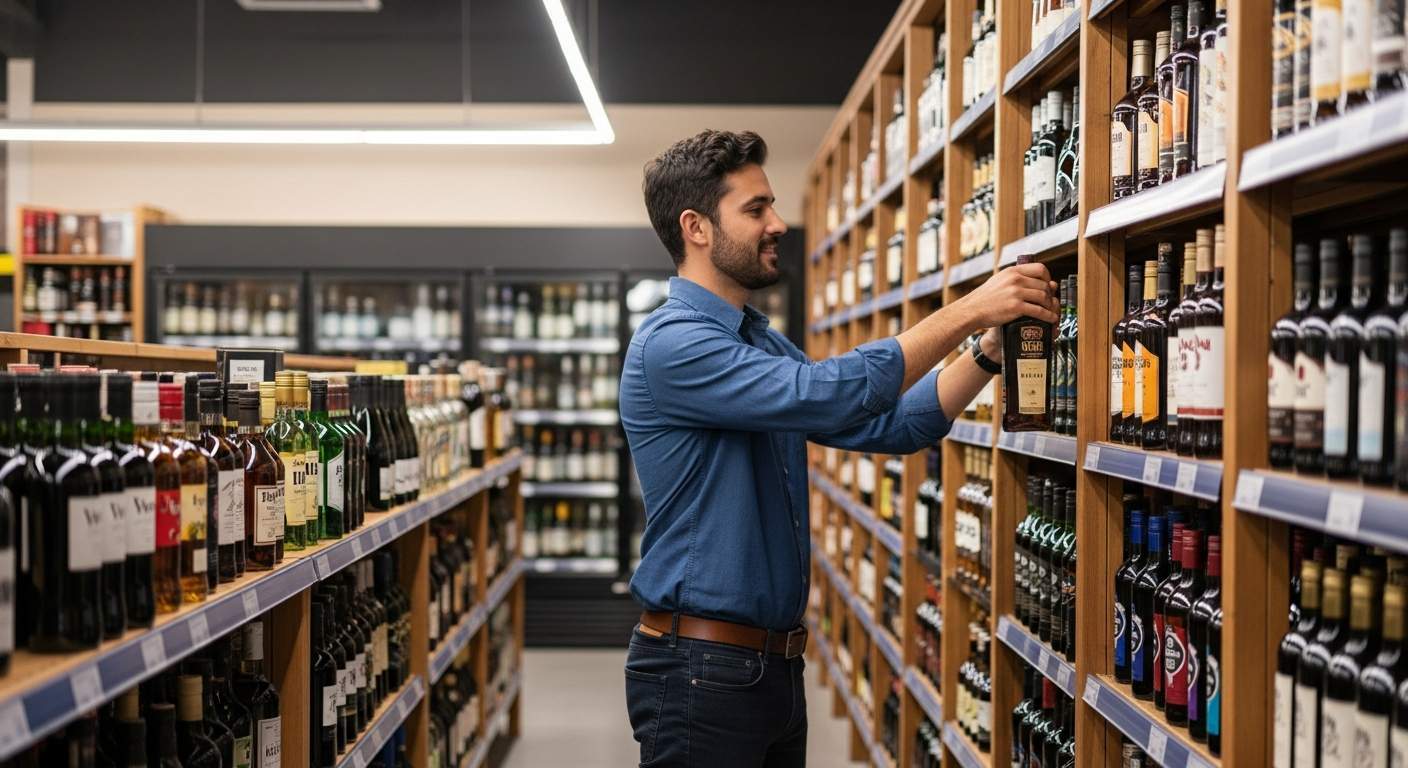
Liquor stores require specialized equipment investments that go well beyond basic retail fixtures. Temperature control, security, and inventory management are non-negotiable capital requirements for any competitive alcohol retailer. Here's a breakdown of the major equipment categories and typical costs:
Walk-In Refrigeration and Beer Caves: $15,000–$60,000+
Walk-in coolers and beer caves are among the most expensive single equipment investments for a liquor store — and among the most important. A full beer cave installation for a mid-size store typically runs $25,000–$50,000 including the walk-in cooler unit, refrigeration system, glass door installation, lighting, and electrical work. Smaller refrigerated display cases (reach-in coolers) range from $2,000–$8,000 per unit, with a full wall of refrigerated cases costing $15,000–$40,000. Refrigeration equipment directly drives beer and ready-to-drink (RTD) sales volume — a store without adequate cold storage loses sales to competitors every day. Equipment financing spreads these costs over 36–60 months, making major refrigeration investments manageable without consuming inventory capital.
Refrigerated Display Cases: $10,000–$30,000
Beyond the walk-in cooler, many liquor stores maintain additional refrigerated display cases for wine, sparkling beverages, craft beer, and ready-to-drink cocktails. Commercial refrigerated display cases from brands like True Manufacturing, Beverage Air, and Turbo Air range from $2,000 for single-door reach-in units to $8,000–$15,000 for multi-door floor models. A full complement of refrigerated display units for a 3,000-square-foot store can represent $15,000–$30,000 in equipment investment.
Point-of-Sale (POS) Systems: $5,000–$15,000
Modern liquor store POS systems do far more than process transactions — they manage inventory across thousands of SKUs, track age verification compliance, generate purchase orders to distributors, analyze sales trends by category and SKU, and integrate with loyalty programs. Industry-specific POS platforms like KORONA, Quetzal, or RapidRMS for liquor stores typically cost $5,000–$15,000 for hardware, software, installation, and initial setup, plus ongoing monthly subscription fees of $100–$300. Investing in a capable POS system directly reduces inventory shrinkage, improves ordering efficiency, and enables data-driven merchandising decisions. Equipment financing covers the upfront POS investment.
Security Camera Systems: $3,000–$10,000
Liquor stores face elevated theft risk — shoplifting, employee theft, and break-ins are serious concerns for alcohol retailers. Comprehensive security camera systems covering all store aisles, the cash register area, back room, and entrances/exits are essential for both loss prevention and compliance with state ABC requirements in some jurisdictions. Commercial HD camera systems with cloud recording, remote access, and motion alerts run $3,000–$10,000 for a typical liquor store installation. Many insurance providers offer premium discounts for stores with documented security systems, potentially offsetting part of the financing cost over time.
Shelving, Fixtures, and Store Layout: $15,000–$40,000
Quality commercial shelving systems designed for bottled spirits, wine racks for wine bottle display, gondola shelving for beer and mixers, and checkout counter fixtures represent a meaningful capital investment for any store opening, relocating, or renovating. Commercial liquor store shelving systems and fixtures typically run $15,000–$40,000 for a mid-size store, with custom wine display installations adding additional cost. These fixtures directly affect the customer shopping experience and product visibility — a well-designed store layout increases average transaction values by encouraging product discovery.
Delivery Vehicles: $25,000–$60,000
Some larger liquor stores that offer delivery services (expanded significantly by COVID-era regulation changes in many states) invest in delivery vehicles. For stores adding a delivery capability, commercial van or light truck financing through equipment loans provides a path to adding this high-demand service without a large upfront capital commitment.
Working Capital Loans Between Seasonal Peaks
The months between the holiday season and the summer entertaining period represent the most financially challenging stretch for most liquor stores. Understanding what drives these cash flow gaps — and how working capital financing resolves them — is essential to sustainable liquor store management.
The January–March Trough
The post-holiday slump hits liquor stores hard. After the extraordinary Thanksgiving–New Year's revenue, January typically sees a 40–60% revenue decline from December levels. Many consumers actively reduce alcohol purchasing in January, and the Super Bowl provides only a partial offset. Yet the store's fixed costs — lease payments, insurance premiums, staff wages, distributor invoices for holiday inventory already purchased, and utility costs (particularly for refrigeration) — remain constant. A liquor store that does $70,000 in December may do $28,000 in January, while facing $35,000–$45,000 in fixed monthly overhead. Working capital loans bridge this gap between the holiday revenue high and the post-holiday operating cost obligations.
Pre-Season Inventory Investment Timing
The challenge of pre-season inventory financing is compounded by the timing mismatch between when suppliers require payment and when holiday revenue arrives. Major distributors typically offer 30-day payment terms on regular inventory orders, but holiday pre-orders — particularly for allocated products and large case quantities — may require partial or full prepayment to secure product. A store that wants to guarantee 50 cases of a popular bourbon for holiday sales may need to pay the distributor in September or October — two months before those bottles sell. A business line of credit makes this pre-payment timing manageable: draw in September to pay for pre-ordered holiday inventory, repay from December sales proceeds.
Marketing and Promotional Capital
Competitive liquor retail increasingly requires digital marketing investment. Google advertising targeting local searches for liquor stores, wine shops, and specific product categories; social media advertising for wine and spirits connoisseur audiences; email marketing for loyalty program members; and promotional events (wine tastings, spirits education events, holiday gifting events) all require capital investment that must be deployed before the revenue they generate arrives. A well-executed holiday marketing campaign — from email to digital advertising to in-store event costs — might run $8,000–$25,000. Working capital financing supports this marketing investment.
Staffing Expansion for Peak Seasons
Retail staffing for peak seasons requires financial planning. Hiring and training temporary staff for the holiday rush — with 2–4 additional employees for 6–8 weeks — involves recruiting costs, training time, additional payroll processing, and higher total labor expenses in October–December. The cost of seasonal staffing expansion ($8,000–$20,000 in additional payroll over the holiday season) must be funded in advance of the holiday revenue it enables. Working capital financing covers this staffing investment.
Liquor Store Business Loan Qualification Requirements
Crestmont Capital evaluates liquor store loan applications based on a combination of business financial metrics, license status, credit history, and operational profile. Here's what lenders typically look for:
| Requirement | Working Capital / Line of Credit | Equipment Financing | SBA Loans |
|---|---|---|---|
| Time in Business | 6+ months | 12+ months | 2+ years |
| Annual Revenue | $100K+ | $150K+ | $250K+ |
| Credit Score (Personal) | 600+ | 600+ | 650+ preferred |
| Monthly Bank Deposits | $8,000+ | $12,000+ | $20,000+ |
| Business Bank Account | Required | Required | Required |
| Active Liquor License | Required | Required | Required |
| Collateral | Not required (unsecured) | Equipment (self-collateralizing) | May be required |
| ABC Compliance | No outstanding violations | No outstanding violations | Clean compliance record |
Liquor Store Business Loan Rates & Terms
| Loan Program | Interest Rate Range | Typical Term | Funding Speed |
|---|---|---|---|
| Inventory Financing | 8–20% APR | 6–24 months | 3–7 days |
| Working Capital (Unsecured) | 8–25% APR | 6–18 months | 24–48 hours |
| Equipment Financing | 6–14% APR | 24–60 months | 3–7 days |
| Business Line of Credit | 7–20% APR | Revolving / 12 mo renewal | 3–7 days |
| SBA 7(a) Loan | Prime + 2.25–4.75% | Up to 10–25 years | 30–90 days |
| Fast Business Loan | 10–30% APR | 3–18 months | 24 hours |
Rates vary based on creditworthiness, loan amount, term, annual revenue, and collateral. Contact Crestmont Capital for a personalized liquor store loan quote.
🍺 U.S. Liquor Store Industry at a Glance
Sources: NABCA, SBA.gov, Forbes, CNBC, Crestmont Capital Research
U.S. Liquor Store Industry Statistics & Market Overview
The U.S. off-premise alcohol retail market is one of the most consistently performing segments of specialty retail — demonstrating stability and resilience that few other categories can match:
- The U.S. off-premise alcohol retail market generates hundreds of billions of dollars in annual sales, with liquor stores representing a major component of this spending, according to data tracked by the National Alcohol Beverage Control Association (NABCA).
- Premium spirits — aged bourbons, single malt scotches, ultra-premium tequilas, and craft gins — have experienced sustained growth over the past decade, with consumers trading up to higher-margin products that benefit store operators.
- The craft beer segment continues to drive significant foot traffic and transaction frequency for liquor stores that curate compelling local and regional craft selections, according to industry reports.
- As reported by CNBC, off-premise alcohol sales — including liquor stores — showed resilience during economic downturns, with consumers shifting from on-premise (bars, restaurants) to home consumption during challenging periods.
- Forbes has noted that the home cocktail culture trend — accelerated by social media, YouTube bartending content, and streaming cooking shows — has driven sustained growth in premium spirits purchases at off-premise retailers.
- According to the SBA, retail businesses including liquor stores with strong inventory management practices and consistent cash flow documentation tend to demonstrate lower default rates on small business loans than many other retail categories.
- Ready-to-drink (RTD) cocktails and hard seltzers have emerged as the fastest-growing product category in alcohol retail, requiring stores to maintain expanded refrigeration capacity and frequently update product selections to meet evolving consumer preferences.
- Wine education and tasting events at retail liquor stores have proven to be effective customer acquisition and loyalty tools, with stores that host regular events reporting higher average transaction values and stronger repeat purchase rates.
How to Get a Liquor Store Business Loan — 5 Steps
Apply Online in Minutes
Complete Crestmont Capital's quick online application at offers.crestmontcapital.com. Provide basic business information — your store name, annual revenue estimate, time in business, and the amount you need. No lengthy forms, no commitment required to apply.
Submit Supporting Documents
Your dedicated advisor will request documents based on the loan type and amount. For working capital and equipment loans: typically 3–6 months of business bank statements and basic business information. For larger loans and SBA programs: 2 years of business tax returns, current P&L, balance sheet, copy of current liquor license, and intended use of funds. We guide you through every document request with clear, plain-language instructions.
Underwriting & Approval
Our underwriting team evaluates your store's revenue, cash flow, credit history, license status, and business profile. We understand the seasonal nature of liquor retail — annual revenue is evaluated, not single-month snapshots. Working capital and equipment loans are approved within 24–48 hours. SBA loans take 30–90 days. You'll receive a clear term sheet showing amount, rate, term, and all fees — no surprises.
Review & Accept Your Offer
Review your loan offer with no obligation. Ask your advisor any questions about terms, rates, or repayment. Compare options if multiple programs are available for your situation. Accept when you're fully comfortable with the terms. Crestmont Capital maintains full transparency — you'll always know exactly what you're committing to before you sign.
Receive Funds & Execute Your Plan
Working capital and fast business loans fund directly to your business bank account within 24–48 hours of approval. Equipment financing funds upon vendor confirmation. SBA loans fund at closing. Use your capital for the approved purpose — inventory, equipment, license acquisition, renovation, or operating costs — and build your liquor store business with the financial flexibility you deserve.
Real Liquor Store Financing Scenarios
Scenario 1: Holiday Inventory Build-Up — $150,000
Independent Liquor Store, Suburban Market
A family-owned liquor store generating $950,000 in annual revenue needed to expand inventory for the November–December holiday season. To properly stock their shelves with gift-packaged spirits, sparkling wines for New Year's, premium bourbons (including allocated product pre-orders), and holiday entertaining staples, the owner estimated $150,000 in incremental inventory was needed — but had only $45,000 in available cash after covering October operating costs. They applied for an inventory financing loan of $150,000 through Crestmont Capital, received approval in 4 business days, and placed orders with five distributors. November–December combined revenue came in at $385,000 — a 22% improvement over the prior year — and the inventory loan was fully repaid by mid-January from holiday proceeds.
Scenario 2: Liquor License Acquisition — $85,000
First-Time Liquor Store Owner, High-Value License Market
An entrepreneur with 8 years of experience managing liquor stores for other owners identified an opportunity to purchase an existing store whose owner was retiring. The deal included store fixtures and equipment, but the transferable retail liquor license in this high-demand urban market was priced separately at $85,000. The buyer had $40,000 of their own capital and needed $85,000 to complete the license acquisition as part of the overall business purchase. They secured a small business loan of $85,000 from Crestmont Capital with a 60-month term. The license transferred successfully with ABC authority approval, and the new owner's first full year of operation generated $1.1M in revenue — demonstrating that the financing investment was well-deployed.
Scenario 3: Store Renovation — $125,000
Established Liquor Retailer, 12 Years in Business
A 12-year-old liquor store in a competitive market had not renovated its interior since opening. New competitors — including a large-format wine and spirits store that opened nearby — were drawing customers with modern store design and expanded refrigeration. The owner decided to invest in a comprehensive renovation: new walk-in beer cave ($40,000), expanded refrigerated display wall ($22,000), updated shelving system ($18,000), new LED lighting throughout ($12,000), fresh paint and updated signage ($15,000), and a new POS system ($8,000), plus contingency for flooring repairs — total $125,000. They secured a small business loan of $125,000 over 48 months. Renovation was completed in 5 weeks before the holiday season, and the store's revenue increased 31% in the following 12 months — recovering renovation costs within the first year of improved performance.
Scenario 4: Opening a Second Location — $350,000
Successful Single-Location Store Expanding to Second Location
After 9 years of profitable operation, a liquor store owner identified an underserved market in a neighboring town where the nearest liquor store was 4 miles away. Opening the second location required: liquor license application fees and associated legal costs ($12,000), leasehold improvements and buildout ($65,000), refrigeration installation ($55,000), initial inventory ($150,000), fixtures and shelving ($28,000), POS system ($10,000), security installation ($8,000), and working capital for the first 4 months of ramp-up operations ($22,000) — total capital need of $350,000. The owner applied for an SBA 7(a) loan through Crestmont Capital, leveraging 9 years of profitable single-location history, strong personal credit, and a well-documented business plan for the second location. The SBA loan was approved and the second location opened on schedule, reaching profitability in its 11th month of operation.
Liquor Store Lender Comparison
| Lender Type | Loan Amount | Speed | Industry Knowledge | Credit Flexibility |
|---|---|---|---|---|
| Crestmont Capital | $25K–$1M | 24 hrs–30 days | High — retail specialty | Flexible (600+ FICO) |
| Traditional Banks | $100K–$5M | 30–90 days | Low (may flag alcohol) | Rigid (700+ FICO) |
| SBA Lenders (via Crestmont) | Up to $5M | 30–90 days | Program-dependent | Moderate |
| Online Lenders / Fintech | $5K–$250K | Same day–3 days | Low (automated) | Revenue-based |
| Distributor Financing | $5K–$50K | Varies | Product-specific | Account-based |
| Credit Cards / Merchant | $5K–$50K | Instant | None | Variable |
Tips for Getting Approved for a Liquor Store Business Loan
Why Liquor Store Owners Choose Crestmont Capital
Crestmont Capital is rated the #1 small business lender in the United States, and we bring that expertise directly to alcohol retailers and liquor store owners. Here's what sets us apart for liquor store financing and wine shop loans:
- No Industry Restrictions on Alcohol Retail: Unlike some traditional banks and lenders, Crestmont Capital actively serves liquor stores, wine shops, and alcohol retailers. No internal policy flags, no elevated scrutiny — just straightforward business lending based on your financials.
- Seasonal Business Expertise: Our advisors understand the liquor retail revenue cycle — the holiday mega-peak, the January trough, the summer entertaining season — and evaluate your business over the full annual cycle, not a single slow-month snapshot.
- Fast Approvals: Working capital loans and equipment financing are approved in 24–48 hours. No waiting weeks for a decision when your holiday inventory deadline is approaching in October.
- Flexible Credit Standards: We consider applications with personal credit scores as low as 600. We evaluate the complete business picture — revenue, cash flow, license status, and business history — not just a FICO score.
- Multiple Program Access: From inventory financing to equipment loans, lines of credit, and SBA loans, we match each liquor store with the right financing structure for their specific need and timeline.
- Transparent Terms: No hidden fees. No bait-and-switch rate changes. Clear, upfront term sheets that show you exactly what you're committing to before you sign anything.
- Dedicated Business Advisors: Every liquor store client works with a dedicated business financing advisor from first inquiry through funding — and for future financing needs as your store grows.
- License Acquisition Support: We're one of the few lenders actively willing to finance liquor license acquisitions — treating the license as the valuable business asset it is and structuring appropriate term financing to make license acquisition achievable.
Related Liquor Store Financing Resources
- Inventory Financing — Revolving and term loans for purchasing liquor store product inventory
- Small Business Loans — General purpose business financing for liquor stores and wine shops
- Fast Business Loans — 24–48 hour approvals for urgent capital needs
- Business Line of Credit — Revolving capital for seasonal liquor store cash flow management
- Equipment Financing — Finance refrigeration, POS systems, and security equipment
- SBA Loans — Government-backed financing for license acquisition and expansion
Frequently Asked Questions: Liquor Store Business Loans
What are liquor store business loans used for?
Liquor store business loans are used for a wide range of capital needs, including: purchasing or expanding product inventory (spirits, wine, beer, RTD beverages), acquiring or financing a liquor license, buying or upgrading equipment (refrigeration, POS systems, security cameras, shelving), covering operating costs during slow revenue periods, funding holiday season inventory build-up, renovating or expanding the retail space, hiring and training seasonal staff, and opening additional store locations. The specific loan type depends on the use of funds and timeline.
How much can a liquor store borrow?
Crestmont Capital provides liquor store business loans from $25,000 to $1,000,000. The specific amount available depends on your store's annual revenue, time in business, credit history, and the loan program. Working capital loans and lines of credit typically scale to 50–100% of average monthly revenue. Equipment financing is sized to the specific equipment purchase. SBA loans can exceed $1M for qualified expansion projects. Contact Crestmont Capital for a personalized loan amount assessment based on your store's financials.
Can I use a business loan to buy a liquor license?
Yes. Crestmont Capital provides financing for liquor license acquisitions, treating the license as the valuable business asset it legally is. In high-value markets (New York City, Los Angeles, Miami, Chicago), transferable liquor licenses can cost $50,000–$300,000+. A small business loan or SBA loan from Crestmont Capital can finance the license acquisition with repayment terms of 3–10 years depending on the loan program. Note: All license applications and transfers are subject to state and local ABC authority approval, which is separate from the financing process. Consult your state's ABC agency for transfer requirements and timelines.
How do I finance holiday season inventory for my liquor store?
A business line of credit or inventory financing loan is the most effective tool for pre-holiday inventory investment. Apply 60–90 days before your peak selling period — ideally in August or September for Christmas season preparation. Draw on the credit line in October–November to purchase holiday inventory from distributors (gift spirits, sparkling wines, pre-ordered allocated products). As November–December–January sales generate revenue, use a portion to repay the drawn balance. Crestmont Capital advisors can help you structure a seasonal inventory financing facility that matches your store's sales cycle and distributor payment terms.
Do banks finance liquor stores?
Some traditional banks will finance liquor stores, but many have internal policies that create additional scrutiny or outright restrictions on alcohol-related businesses. Even banks that do finance liquor stores often require 700+ credit scores, 2+ years of tax returns, and substantial collateral. Crestmont Capital has no alcohol industry restrictions and actively serves liquor retailers with flexible credit standards (600+ FICO), fast approvals, and multiple loan programs including SBA loans. If you've been turned down by a traditional bank for a liquor store loan, Crestmont Capital may be the right next step.
Can a liquor store get a loan with bad credit?
Crestmont Capital considers liquor store loan applications with personal credit scores as low as 600. While better credit scores result in more favorable rates and terms, we evaluate the complete business picture — annual revenue, monthly bank deposits, time in business, and license status — rather than relying solely on a credit score. Liquor store owners with lower credit scores but strong revenue and consistent cash flow have successfully obtained financing through Crestmont Capital. Apply and speak with an advisor to understand your specific options.
What equipment can I finance for my liquor store?
Crestmont Capital's equipment financing covers all major liquor store equipment, including: walk-in coolers and beer cave installations ($15,000–$60,000+), refrigerated display cases ($10,000–$30,000), point-of-sale systems ($5,000–$15,000), security camera systems ($3,000–$10,000), shelving and fixture systems ($15,000–$40,000), and delivery vehicles ($25,000–$60,000). Multiple equipment items can often be bundled into a single equipment financing loan for one payment and one approval. Contact your Crestmont Capital advisor to confirm specific equipment eligibility.
How does seasonal revenue affect my loan application?
Seasonal revenue is completely normal and expected in liquor retail, and Crestmont Capital's underwriters are experienced in evaluating seasonal businesses. The key is to provide 12+ months of bank statements so lenders can see the complete annual revenue pattern. January's $30,000 looks very different in context with a December that produced $180,000. When you apply, briefly explain your seasonal pattern. This context transforms potentially concerning monthly variances into clear evidence of a healthy, normally operating liquor store business cycle.
Can I get an SBA loan for my liquor store?
Yes. Liquor stores are eligible for SBA 7(a) loans, which provide government-backed financing with the most favorable terms available — low rates tied to the prime rate, long repayment terms (up to 10 years for working capital, up to 25 years for real estate), and reduced lender risk through SBA guarantees. SBA loans are ideal for major capital needs: purchasing a transferable liquor license, opening a second location, buying the retail property, or funding a major renovation. The tradeoff is documentation requirements and a 30–90 day approval timeline. Visit SBA.gov for program details and eligibility requirements.
What is the minimum revenue needed to qualify for a liquor store loan?
For working capital loans and lines of credit, Crestmont Capital typically looks for $100,000+ in annual revenue and 6+ months in business. For equipment financing, we generally look for $150,000+ in annual revenue and 12+ months in business. For SBA loans, $250,000+ in annual revenue and 2+ years of operating history are typical benchmarks. These are general guidelines — actual qualification depends on the complete picture of your business, including credit score, bank deposit history, license status, and intended use of funds. Speak with a Crestmont Capital advisor for a personalized assessment.
What documents do I need to apply for a liquor store business loan?
For most working capital and equipment loans, you'll need: 3–6 months of business bank statements, a government-issued ID, your business EIN or tax ID, and a copy of your current liquor license. For larger loans and SBA programs, additional documents typically include: 2 years of business and personal tax returns, a current profit and loss statement, a balance sheet, and a description of intended use of funds. Your Crestmont Capital advisor will provide a precise document checklist based on your specific loan type and amount request.
How fast can I get a liquor store business loan?
Working capital loans and fast business loans from Crestmont Capital fund within 24–48 hours of application approval. Equipment financing typically funds within 3–7 business days. Business lines of credit are established within 3–7 days. SBA loans require 30–90 days for processing, underwriting, and closing. If you need capital before your holiday inventory deadline or for a time-sensitive opportunity (allocated product purchase, emergency equipment repair), Crestmont Capital's fast business loans program provides the quickest path to funding.
Can I use a business loan to open a second liquor store?
Yes. Expanding to a second liquor store location is one of the most common uses of larger liquor store business loans. Typical second-location capital needs include: liquor license fees and legal costs ($5,000–$20,000), leasehold improvements and buildout ($40,000–$100,000), refrigeration installation ($30,000–$60,000), initial inventory ($100,000–$200,000), fixtures and shelving ($20,000–$40,000), POS system and security ($15,000–$25,000), and working capital for the ramp-up period ($20,000–$50,000). Total second-location capital needs typically range from $230,000 to $500,000+. SBA 7(a) loans are an excellent option for established liquor store owners with a proven track record opening a second location. Crestmont Capital can help you evaluate the right financing structure for your expansion plan.
Apply for a Liquor Store Business Loan Today
Inventory financing, equipment loans, working capital, and SBA loans for liquor stores and wine shops. Apply online in minutes. No obligation. Funding as fast as 24 hours.