
Jewelry Store Business Loans: Financing for Jewelers & Jewelry Retailers
Jewelry store business loans give independent jewelers and fine jewelry retailers the capital to build and rotate high-value inventory, invest in premium display cases and security systems, manage cash flow between seasonal peaks, renovate storefronts, and expand to new locations. Whether you own a family jewelry shop, a custom engagement ring studio, a fashion jewelry boutique, or a multi-location fine jewelry chain, Crestmont Capital provides jewelry store financing from $25,000 to $1,000,000 — with approvals as fast as 24 hours and flexible repayment terms designed around the realities of retail jewelry economics.
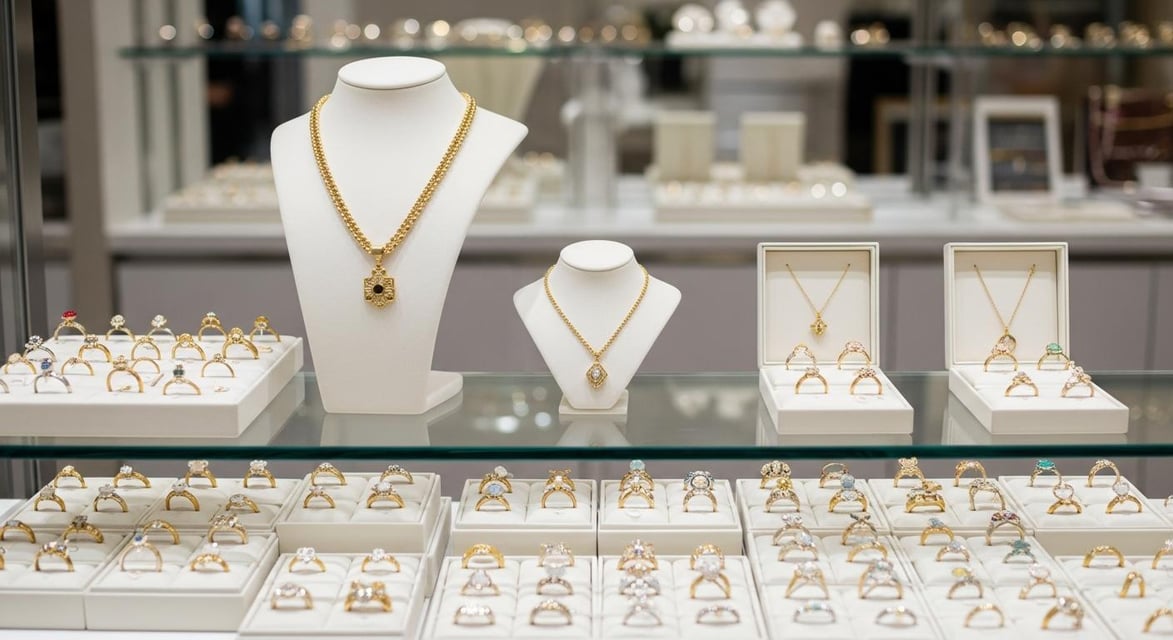
Jewelry retail is one of the most capital-intensive retail categories in America. Unlike a clothing store that might carry $10,000–$50,000 in inventory, a jewelry store routinely has $50,000 to $500,000 — or more — locked in display cases at any given moment. That inventory must be purchased, insured, displayed, and managed through peaks and valleys tied to Valentine's Day, Mother's Day, Christmas, and engagement season. According to the Jewelers of America (JA), the U.S. fine jewelry industry generates over $70 billion in annual retail sales, with thousands of independent retailers competing for their share. Access to reliable financing is what separates jewelers who grow and thrive from those who are perpetually constrained by the capital tied up in their showcases.
According to the U.S. Small Business Administration, retail businesses — including specialty retailers like jewelry stores — consistently rank among the top industries seeking working capital and inventory financing. Forbes and CNBC have both noted that fine jewelry retail requires disciplined inventory management and access to flexible capital to navigate seasonal demand cycles without overextending cash flow.
- Jewelry Retail Economics & Why Financing Matters
- Seasonal Peaks & Revenue Patterns
- Inventory Financing: Consignment vs. Owned Inventory
- Types of Jewelry Store Business Loans
- Equipment Financing for Jewelry Stores
- Working Capital Between Holiday Peaks
- Insurance Requirements for High-Value Inventory
- Qualification Requirements
- Rates & Terms
- Industry Statistics
- How to Apply — 5 Steps
- Real Financing Scenarios
- Lender Comparison
- Tips for Getting Approved
- Why Crestmont Capital
- Frequently Asked Questions
Jewelry Retail Economics & Why Financing Matters
Running a jewelry store is fundamentally different from most retail businesses — not just in the luxury nature of the product, but in the extraordinary amount of capital required to simply keep the doors open and the showcases full. A mid-range independent jeweler typically carries $100,000 to $300,000 in display inventory at all times. A high-end fine jewelry store may have $500,000 or more in diamonds, gemstones, gold, and silver on display every single day. This inventory represents not just the owner's working capital — it represents a constant, substantial financial risk that must be carefully managed.
The economics of jewelry retail revolve around several unique pressure points that make access to flexible financing critically important:
High-Value Inventory Lock-Up
Unlike restaurants that convert food inventory to cash within days, jewelry stores may hold individual pieces for months or even years before they sell. A $15,000 diamond engagement ring might sit in a showcase for six months. During that time, the owner has $15,000 in capital completely immobilized — capital that could otherwise be used to buy additional inventory, pay staff, or cover operating costs. Multiplied across hundreds of pieces, this inventory lock-up creates a perpetual tension between maintaining attractive product selection and preserving operational liquidity. Jewelry inventory financing and working capital loans resolve this tension by allowing jewelers to maintain full showcases without draining their operational cash reserves.
Seasonal Revenue Concentration
The jewelry industry is among the most seasonally concentrated retail categories in America. Industry data from the Jewelers of America consistently shows that a significant portion of annual jewelry sales occurs in four concentrated windows: the Christmas season (November–December), Valentine's Day (late January–February), Mother's Day (April–May), and engagement season (late summer into fall). These peaks drive intense inventory requirements — a jeweler who wants to capitalize on Christmas must invest in expanded inventory in October and November, often 2–3 months before the cash from those sales arrives.
Operating Costs Are Fixed But Revenue Is Cyclical
Jewelry stores carry high fixed costs: premium retail lease locations, specialized security systems, insurance, trained staff, and regular showcase maintenance — regardless of whether it's peak season or a slow month in January. The mismatch between fixed monthly costs and highly variable revenue creates cash flow gaps that require bridging capital. A jewelry store generating $800,000 annually might do $350,000 in November–December alone, but must still cover $40,000–$60,000 in monthly overhead during slow February and March periods when revenue may barely top $30,000.
The Capital Intensity Challenge
Crestmont serves established, revenue-generating businesses. Applications are reviewed using operating history, documented revenue, business bank activity, credit profile, and repayment capacity. Available products and terms depend on eligibility and underwriting.
Seasonal Peaks & Revenue Patterns for Jewelry Stores
Understanding the jewelry store's seasonal revenue cycle is essential to understanding why jewelry store financing tools like lines of credit and inventory loans are so valuable. The jewelry retail calendar has four major peak windows — each requiring advance capital deployment 4–8 weeks before the peak itself:
Christmas & Holiday Season (November–December)
The largest sales period in jewelry retail, representing an estimated 30–40% of annual revenue for many independent jewelers. Christmas jewelry purchases include gift-giving items (necklaces, earrings, bracelets, watches), engagement rings (December is a peak engagement month), and self-purchase fine jewelry. To be fully stocked for the holiday rush, jewelers must invest in expanded inventory in October and early November — often committing $50,000–$150,000 in additional inventory spend 6–8 weeks before the peak cash arrives. A jewelry inventory financing line of credit allows jewelers to pre-fund this inventory build without depleting their operating reserves.
Valentine's Day (Late January–February)
Valentine's Day is the second largest jewelry sales event of the year, driven primarily by romantic gift purchases: heart-shaped pendants, diamond earrings, gold bracelets, gemstone rings, and personalized pieces. While the sales window is narrow (roughly January 25 – February 14), preparation requires expanded inventory investment in early January. Many jewelers run targeted marketing campaigns and special promotions for Valentine's, requiring additional marketing capital on top of inventory investment.
Mother's Day (April–May)
Mother's Day consistently ranks as the third largest jewelry gifting occasion in the U.S. Birthstone jewelry, personalized name necklaces, pearl jewelry, and sentimental pieces dominate. Inventory preparation begins in late March, with store promotions running through the first two weeks of May. For family-oriented jewelry stores, Mother's Day can represent 10–15% of annual revenue in a two-week window.
Engagement & Wedding Season (Late Summer–Fall)
While engagements happen year-round, August through October sees a concentration of proposals, particularly at Labor Day weekend and through fall holidays. Jewelers who specialize in bridal and engagement jewelry — solitaire diamond rings, wedding bands, bridal sets — invest heavily in bridal inventory to be prepared for engagement season. A full bridal showcase can represent $80,000–$200,000 in inventory investment for a store with a strong bridal focus.
Get a Jewelry Store Loan Quote
Fast approvals. Inventory financing, equipment loans, and working capital for jewelers. $25K to $1M available.
Apply Now →Jewelry Inventory Financing: Consignment vs. Owned Inventory
One of the most important — and often misunderstood — financial dynamics in jewelry retail is the distinction between consignment inventory and owned inventory. This distinction has major implications for how jewelry inventory financing works and which financing tools are most appropriate.
Owned Inventory: The Capital Lock-Up Problem
When a jeweler purchases inventory outright from a manufacturer, wholesaler, or diamond supplier, that inventory becomes a balance sheet asset — but it's also a capital commitment that won't return cash until the piece sells. A store with $200,000 in owned inventory has $200,000 of the owner's capital (or borrowed capital) sitting in showcases. Every unsold piece is working capital that's temporarily unavailable for other uses.
For owned inventory, jewelry inventory financing works by providing a revolving credit facility or term loan secured by — or at least sized relative to — the store's inventory value. The jeweler uses the financing to purchase inventory, and as inventory sells, the proceeds repay the loan and replenish the credit line for the next inventory purchase cycle. This creates a sustainable inventory funding loop that doesn't require the owner to have hundreds of thousands of dollars permanently invested in standing inventory.
Consignment Inventory: The Hidden Opportunity
Many jewelry stores supplement owned inventory with consignment pieces — items provided by vendors, manufacturers, or individual estates that are displayed for sale, with the jeweler earning a commission on sale and owing the vendor the pre-agreed price only when (and if) the piece sells. Consignment inventory provides significant display floor coverage without capital commitment — but it also comes with limitations: consignment vendors may restrict which stores receive their best pieces, and high-end consignment (especially from branded jewelry houses or certified diamond dealers) is usually reserved for established accounts with proven sales records.
The most successful jewelry stores blend consignment and owned inventory strategically: consignment for high-ticket statement pieces that drive prestige, owned inventory for everyday sellers and custom work that generates steady margin. Even stores with substantial consignment inventory need working capital financing for the owned portion, as well as for operational costs, marketing, and equipment investments that don't have a consignment equivalent.
Financing the Inventory Transition
A common growth pattern in jewelry retail involves transitioning from heavy consignment reliance (lower margin, less control) to increased owned inventory (higher margin, more flexibility). This transition requires capital: a jeweler who wants to buy out $50,000 in consignment pieces to own them outright — capturing the full margin on future sales — can use an inventory financing loan to fund the purchase while spreading the cost over 12–24 months, using improved margins on those pieces to service the debt.
Types of Jewelry Store Business Loans
Crestmont Capital offers multiple financing programs designed to address the specific capital needs of jewelry retailers. Here are the primary jewelry shop loan options available:
1. Jewelry Inventory Financing
Inventory financing is purpose-built for businesses like jewelry stores that must maintain significant product inventory to generate sales. Jewelry inventory loans provide a lump sum or revolving credit line that the store uses to purchase inventory — diamonds, gemstones, gold, silver, watches, fashion jewelry, or finished pieces from manufacturers. As inventory sells, loan proceeds repay the balance, and the cycle repeats. Inventory financing amounts typically range from $25,000 to $500,000 depending on store revenue and existing inventory value. This is the most direct solution to the capital lock-up problem that all jewelry retailers face.
2. Working Capital Loans for Jewelry Stores
Working capital loans provide fast, flexible capital for operational needs that aren't tied to a specific inventory purchase. For jewelry stores, working capital financing is ideal for covering rent, utilities, staff payroll, marketing campaigns (especially around holiday peaks), insurance premiums, and other operating costs during slow revenue months. Unsecured working capital loans fund within 24–48 hours and require no jewelry inventory as collateral — they're approved based on business revenue and credit history. Amounts from $25,000 to $250,000 are available for established jewelry retailers.
3. Equipment Financing for Jewelry Stores
Equipment financing covers the specialized tools and display infrastructure that jewelry stores require. This includes jewelry display cases, engraving machines, gemological equipment, security systems, camera systems, point-of-sale systems, and ultrasonic cleaners. Equipment loans allow jewelers to acquire the tools they need while spreading costs over 24–60 months, preserving working capital for inventory. The equipment itself typically serves as collateral, simplifying the approval process.
4. Business Line of Credit
A business line of credit is the most flexible jewelry store financing tool available. Unlike a term loan (lump sum, fixed repayment), a line of credit gives you revolving access to a set credit limit — draw what you need when you need it, pay interest only on the drawn balance, and repay to restore the available credit. For jewelry stores, a line of credit is ideal for managing the seasonal cash flow cycle: draw during inventory build-up periods before Christmas and Valentine's Day, repay with peak-season revenue, and repeat the cycle. Lines of credit from $50,000 to $500,000 are available for established jewelry retailers.
5. SBA Loans for Jewelry Stores
SBA 7(a) loans provide long-term, government-backed financing for qualified jewelry store owners. With loan amounts up to $5 million and repayment terms up to 10 years for working capital or 25 years for real estate, SBA loans offer the lowest interest rates and most favorable terms available — but require more documentation and a longer approval timeline (30–90 days). SBA loans are ideal for major growth initiatives: purchasing a second store location, buying the retail property your store occupies, or funding a major renovation project. Learn more at SBA.gov.
6. Fast Business Loans for Jewelers
Fast business loans are designed for jewelers who need capital quickly — a diamond buying opportunity that appears on short notice, an unexpected equipment failure before the holiday season, or an urgent security upgrade after a break-in attempt. Fast loans fund within 24–48 hours with minimal documentation and simplified underwriting. While rates are typically higher than SBA or long-term loans, the speed and convenience make them invaluable for time-sensitive capital needs.
Jewelry Store Loan Comparison
| Loan Type | Amount Range | Best For | Rate Range | Term |
|---|---|---|---|---|
| Inventory Financing | $25K–$500K | Seasonal inventory build-up | 8–20% | 6–24 months |
| Working Capital Loan | $25K–$250K | Operations between peak seasons | 8–25% | 6–18 months |
| Equipment Financing | $10K–$250K | Display cases, security, tools | 6–14% | 24–60 months |
| Business Line of Credit | $50K–$500K | Revolving seasonal capital | 7–20% | Revolving |
| SBA 7(a) Loan | Up to $5M | Expansion, real estate, renovation | Prime + 2.25–4.75% | Up to 10–25 years |
| Fast Business Loan | $25K–$250K | Emergency capital, opportunities | 10–30% | 3–18 months |
Equipment Financing for Jewelry Stores
Jewelry stores require specialized equipment that can represent substantial capital investment. Unlike general retail, where display fixtures are relatively inexpensive, jewelry store equipment must meet high standards for security, presentation, and gemological precision. Here's a breakdown of the major equipment categories and typical costs:
Jewelry Display Cases: $5,000–$30,000 Each
Jewelry display cases are the most visible and presentation-critical equipment in any jewelry store. High-quality showcases for fine jewelry — with LED lighting, secure locking, tempered glass, and custom interior velvet or suede linings — range from $5,000 to $30,000 per case. A full store buildout with 10–20 display cases represents a $50,000–$600,000 investment in showcases alone. Even replacing or upgrading specific case sections can cost $25,000–$100,000. Equipment financing spreads these costs over 24–60 months, making major showcase investments manageable without depleting inventory capital.
Security Systems: $5,000–$25,000
Security is non-negotiable in jewelry retail. A comprehensive jewelry store security system typically includes: monitored alarm systems, motion detectors, glass-break sensors, panic buttons, reinforced safe storage, and perimeter security. Basic systems start around $5,000; advanced commercial security installations for larger stores with vault-grade safes can reach $25,000 or more. Insurance companies often require certified security systems as a condition of coverage for high-value inventory — making security investment both a business necessity and an insurance requirement. Equipment financing covers security system installation and ongoing upgrade costs.
High-Definition Camera Systems: $3,000–$15,000
Modern jewelry stores require high-resolution CCTV coverage of all showcase areas, entrances, exits, and the safe/vault area. HD camera systems with 24/7 recording, remote monitoring, and cloud backup are standard in any professional jewelry retail environment. Systems typically cost $3,000–$15,000 depending on store size and camera quality. As with alarm systems, camera coverage is often an insurance requirement for high-value inventory policies.
Engraving Machines: $5,000–$20,000
Laser engraving machines allow jewelry stores to offer personalization services — a high-margin, high-demand capability that drives customer loyalty and differentiates independent jewelers from chain retailers. Professional jewelry laser engravers from brands like Epilog, Universal Laser, or Trotec range from $5,000 for entry-level rotary engravers to $20,000+ for high-precision laser systems capable of engraving curved surfaces, rings, pendants, and watches. The service revenue generated by an engraving machine — typically $20–$150 per piece — can generate an ROI that fully services the financing cost within 12–24 months.
Gemological Equipment: $3,000–$15,000
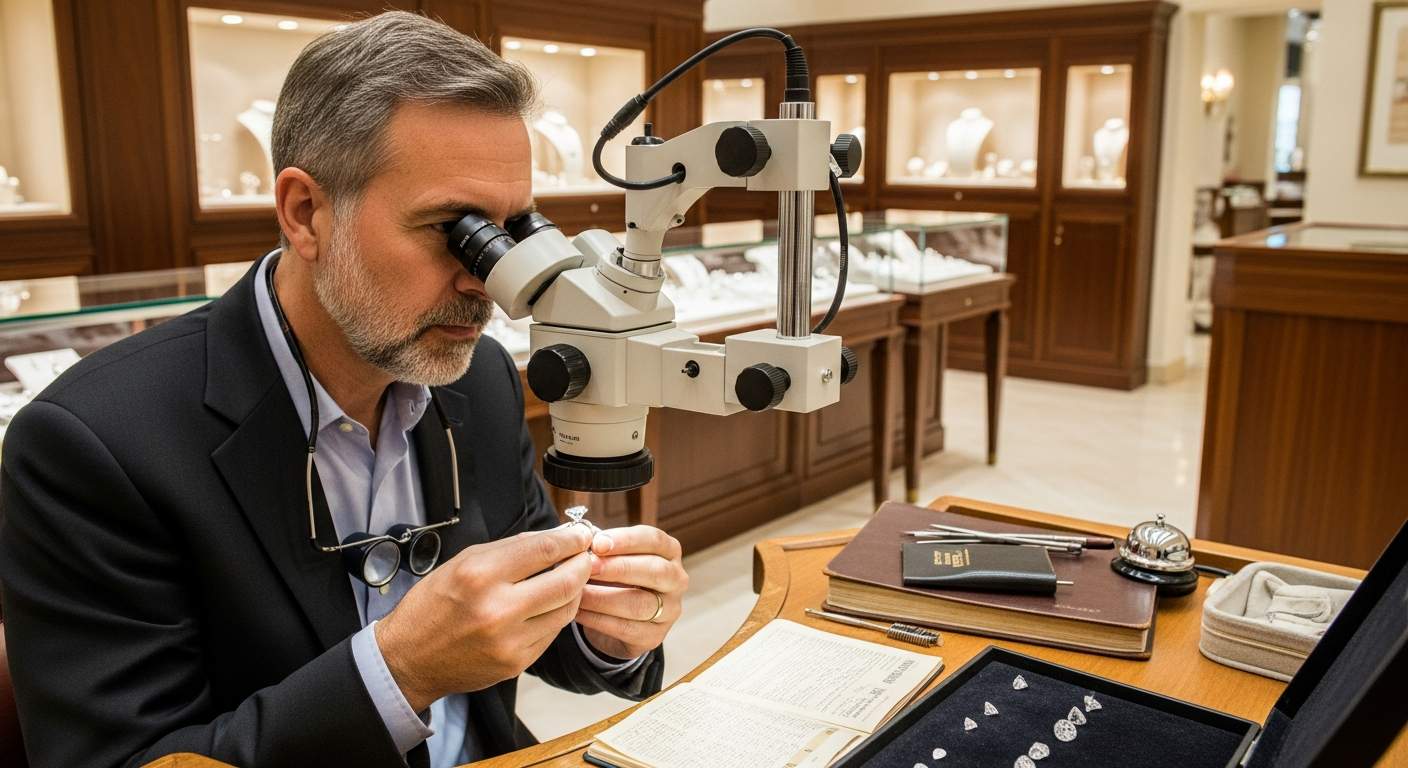
Gemological instruments — gem microscopes, diamond grading tools, refractometers, spectroscopes, and ultraviolet lamps — allow jewelers to evaluate, grade, and authenticate gemstones in-house. Professional gem microscopes start around $2,000–$5,000; complete gemological testing kits can cost $5,000–$15,000. For jewelers who buy estate jewelry, do custom work, or deal in loose diamonds and colored stones, these instruments are essential tools that protect the business from misrepresentation and enable accurate valuation of customer trade-ins.
Jewelry Cleaning & Finishing Equipment: $1,000–$8,000
Ultrasonic cleaners, steam cleaners, polishing equipment, and buffing wheels are daily-use tools in any jewelry repair and retail environment. A professional ultrasonic cleaner starts around $300–$500; a high-quality commercial steam cleaner runs $1,000–$3,000; a full bench polish and finishing setup can cost $2,000–$8,000. These tools support both retail sales (keeping display pieces pristine) and repair services (a critical revenue stream for independent jewelers).
Working Capital Loans Between Holiday Peaks
The gap between peak sales periods is where many jewelry stores face their greatest financial pressure. January and February (after Christmas, before Valentine's Day recovery), and June–August (after Mother's Day, before engagement and back-to-school season), are typically the slowest months for jewelry retail. Yet overhead costs don't pause for the off-season.
What Working Capital Covers Between Peaks
A jewelry store's monthly operating costs typically include: retail lease ($5,000–$25,000/month depending on market), insurance premiums ($1,000–$5,000/month), staff salaries and commissions ($10,000–$50,000/month), utilities, security monitoring fees, marketing and advertising, accounting and bookkeeping, and loan/financing payments. During slow months, when revenue might be $20,000–$50,000, covering $40,000–$80,000 in fixed overhead requires either deep cash reserves or access to working capital financing.
The Pre-Peak Inventory Investment Problem
Compounding the slow-month challenge is the need to invest in next-peak inventory before the revenue from the current peak has fully arrived. A jewelry store that just survived a slow August needs to start building Christmas inventory in September and October — committing $50,000–$150,000 in inventory purchases before the holiday rush begins. A business line of credit specifically designed for this cycle allows jewelers to draw inventory funds in the fall, cover the pre-peak build-up, and repay from December–January holiday revenue — then redraw for Valentine's Day preparation in January.
Marketing & Promotional Capital
Jewelry retail increasingly requires digital marketing investment: Google Ads campaigns targeting engagement ring shoppers, Instagram and Pinterest advertising for fashion and fine jewelry, email marketing for repeat customers, and local advertising around peak gifting occasions. A robust pre-Christmas marketing campaign might cost $5,000–$20,000 in digital advertising spend — capital that must be deployed 4–6 weeks before the revenue it generates arrives. Working capital loans bridge this marketing investment gap.
Insurance Requirements for High-Value Jewelry Inventory
One of the most significant financial obligations unique to jewelry retail is comprehensive commercial insurance coverage for high-value inventory. Unlike most retail businesses, jewelry stores face insurance requirements that directly affect their ability to secure financing and maintain operations.
Jewelers Block Insurance
The industry-standard insurance product for jewelry retailers is "Jewelers Block" coverage — a specialized commercial insurance policy that covers jewelry inventory against theft, mysterious disappearance, damage, and employee dishonesty while on the premises, in transit, and at trade shows. Jewelers Block coverage is not standard commercial property insurance; it requires specialized underwriters who understand jewelry retail risk.
The cost of Jewelers Block coverage is typically calculated as a percentage of covered inventory value — roughly 0.5%–2% annually depending on security systems in place, store location, prior loss history, and policy terms. For a store with $200,000 in owned inventory, Jewelers Block premiums might run $2,000–$8,000 per year. For a store with $500,000 in inventory, premiums may reach $10,000–$15,000 annually. This insurance premium is a genuine operating cost that financing must account for.
Insurance as a Financing Consideration
Lenders providing inventory financing or working capital loans to jewelry stores typically require proof of Jewelers Block coverage — for the same reason mortgage lenders require homeowners insurance. If the inventory (which may represent the loan's implicit collateral) is destroyed, stolen, or damaged, the insurance proceeds are what ensure the loan can be repaid. Jewelry store owners without adequate insurance coverage may find it more difficult to secure inventory-based financing.
When applying for jewelry store financing, having a current Jewelers Block policy with appropriate coverage limits ($1 of coverage per $1 of inventory value, at minimum) demonstrates to lenders that the business is professionally operated and that the inventory's value is protected.
Jewelry Store Business Loan Qualification Requirements
Crestmont Capital evaluates jewelry store loan applications based on a combination of business financial metrics, credit history, and operational profile. Here's what lenders typically look for:
| Requirement | Working Capital / Line of Credit | Equipment Financing | SBA Loans |
|---|---|---|---|
| Time in Business | 6+ months | 12+ months | 2+ years |
| Annual Revenue | $100K+ | $150K+ | $250K+ |
| Credit Score (Personal) | 600+ | 600+ | 650+ preferred |
| Monthly Bank Deposits | $8,000+ | $12,000+ | $20,000+ |
| Business Bank Account | Required | Required | Required |
| Insurance Coverage | Recommended | Required (equipment) | Required |
| Collateral | Not required (unsecured) | Equipment (self-collateralizing) | May be required |
| Industry Experience | Helpful | Not required | 2+ years preferred |
Jewelry Store Business Loan Rates & Terms
| Loan Program | Interest Rate Range | Typical Term | Funding Speed |
|---|---|---|---|
| Inventory Financing | 8–20% APR | 6–24 months | 3–7 days |
| Working Capital (Unsecured) | 8–25% APR | 6–18 months | 24–48 hours |
| Equipment Financing | 6–14% APR | 24–60 months | 3–7 days |
| Business Line of Credit | 7–20% APR | Revolving / 12 mo renewal | 3–7 days |
| SBA 7(a) Loan | Prime + 2.25–4.75% | Up to 10–25 years | 30–90 days |
| Fast Business Loan | 10–30% APR | 3–18 months | 24 hours |
Rates vary based on creditworthiness, loan amount, term, annual revenue, and collateral. Contact Crestmont Capital for a personalized jewelry store loan quote.
💎 U.S. Jewelry Industry at a Glance
Sources: Jewelers of America, SBA, Forbes, CNBC, Crestmont Capital Research
U.S. Jewelry Industry Statistics & Market Overview
The U.S. fine jewelry and watch market is a substantial and resilient segment of specialty retail, even amid economic uncertainty. Understanding the market landscape helps jewelry store owners recognize the opportunities that proper financing can unlock:
- The U.S. fine jewelry market generates over $70 billion in annual retail sales, according to Jewelers of America industry reports.
- Independent jewelry stores — those not affiliated with a national chain — represent a significant share of U.S. jewelry retail and are the primary employers in the industry.
- Engagement rings remain the single highest-value product category in jewelry retail, with the average U.S. engagement ring costing $5,000–$7,500 according to industry surveys.
- As reported by CNBC, jewelry is one of the top gift categories for major holidays, with Valentine's Day jewelry purchases reaching billions annually in the U.S.
- According to Forbes, fine jewelry has demonstrated resilience even in economic downturns, with consumers prioritizing meaningful purchases and investment-grade precious metals and stones during uncertainty.
- Gold and diamond prices directly affect inventory values — a store that purchased diamond inventory at lower prices benefits from value appreciation even before a piece sells, making inventory financing a dual-benefit tool (operational capital + potential asset appreciation).
- Jewelry repair services — resizing, stone replacement, refinishing, engraving — represent a stable, recession-resistant revenue stream that helps smooth out the peaks and valleys of jewelry sales.
How to Get a Jewelry Store Business Loan — 5 Steps
Apply Online in Minutes
Complete Crestmont Capital's quick online application at offers.crestmontcapital.com. Provide basic business information — your jewelry store name, annual revenue estimate, time in business, and the amount you need. No lengthy forms, no commitment required to apply.
Submit Supporting Documents
Your dedicated advisor will request supporting documents based on the loan type and amount. For working capital and equipment loans: typically 3–6 months of business bank statements and basic business information. For larger loans and SBA programs: 2 years of business tax returns, current P&L, balance sheet, and details on intended use of funds. We guide you through every document request.
Underwriting & Approval
Our underwriting team evaluates your jewelry store's revenue, cash flow, credit history, and business profile. Working capital and equipment loans are approved within 24–48 hours. SBA loans take 30–90 days. You'll receive a clear term sheet showing the loan amount, rate, term, payment schedule, and all fees — no surprises.
Review & Accept Your Offer
Review your loan offer with no obligation. Ask your advisor any questions about terms, rates, or repayment. Compare options if multiple programs are available. Accept when you're fully comfortable with the terms. Crestmont Capital maintains full transparency — you'll always know exactly what you're signing.
Receive Funds & Execute Your Plan
Working capital and fast business loans fund directly to your business bank account within 24–48 hours of approval. Equipment financing funds upon vendor confirmation. SBA loans fund at closing. Use your capital for the approved purpose — inventory, equipment, renovation, or operational costs — and start building your business with the financial flexibility you deserve.
Real Jewelry Store Financing Scenarios
Scenario 1: Holiday Season Inventory Build-Up — $120,000
Independent Fine Jeweler, Mid-Size Market
A family-owned jewelry store generating $900,000 in annual revenue needed to expand their holiday inventory in October for the Christmas season. To properly stock their showcases with diamond jewelry, gold pieces, and fashion accessories for Black Friday through New Year's Eve, the owner needed $120,000 in additional inventory — but had only $40,000 in available cash after covering operating costs. They applied for a jewelry inventory financing loan of $120,000 through Crestmont Capital, received approval in 3 business days, and placed inventory orders with three wholesale suppliers. December revenue came in at $310,000 — their best December on record — and they fully repaid the inventory loan by mid-January from holiday proceeds.
Scenario 2: Store Renovation — $180,000
Established Jeweler, Urban Retail Location
A 15-year-old independent jewelry store in a high-traffic urban shopping district had not renovated its retail space in 8 years. With a new competitor opening nearby, the owner decided to invest in a full showroom renovation: new display cases ($85,000), updated lighting and flooring ($45,000), a modern security camera system ($18,000), and new branding and signage ($32,000) — totaling $180,000. The owner secured a small business loan of $180,000 through Crestmont Capital with a 36-month term. The renovation was completed in 6 weeks, and the store's monthly revenue increased 28% in the following six months as the improved environment attracted new customers and increased average transaction values.
Scenario 3: New Display Cases — $65,000
Specialty Bridal Jewelry Store
A jewelry store specializing in engagement rings and bridal jewelry needed to expand its showcase area after a successful 3-year run in their location. The owner identified an opportunity to expand into an adjacent space, adding 400 square feet of showroom specifically for bridal collections. Furnishing the expanded space required 8 new custom display cases at approximately $8,000 each, totaling $64,000, plus installation and electrical work for LED lighting ($6,500) — a total equipment investment of approximately $65,000. Through Crestmont Capital's equipment financing program, the owner financed $65,000 over 48 months. The expanded bridal showroom increased engagement ring sales by 40% within the first year, generating ROI that far exceeded the financing cost.
Scenario 4: Opening a Second Location — $280,000
Successful Single-Location Jeweler Expanding to Second Store
After 10 years of profitable operation in one location, a jewelry store owner identified an opportunity to open a second store in a neighboring suburb. The expansion required: initial inventory for the new location ($140,000), display case installation ($60,000), security system ($20,000), leasehold improvements and signage ($35,000), and working capital reserve for the first 3 months of operations ($25,000) — a total capital need of $280,000. The owner applied for an SBA 7(a) loan through Crestmont Capital, leveraging 10 years of profitable store history and strong personal credit. The SBA loan was approved at favorable terms over 7 years. The second location reached profitability within 14 months of opening.
Jewelry Store Lender Comparison
| Lender Type | Loan Amount | Speed | Industry Knowledge | Credit Flexibility |
|---|---|---|---|---|
| Crestmont Capital | $25K–$1M | 24 hrs–30 days | High — retail specialty | Flexible (600+ FICO) |
| Traditional Banks | $100K–$5M | 30–90 days | Low (generic retail) | Rigid (700+ FICO) |
| SBA Lenders (via Crestmont) | Up to $5M | 30–90 days | Program-dependent | Moderate |
| Jewelry Industry Lenders | $50K–$500K | 7–21 days | Very High (inventory-focused) | Inventory-collateral based |
| Online Lenders / Fintech | $5K–$250K | Same day–3 days | Low (automated) | Revenue-based |
| Credit Cards / Merchant | $5K–$50K | Instant | None | Variable |
Tips for Getting Approved for a Jewelry Store Business Loan
Why Jewelry Store Owners Choose Crestmont Capital
Crestmont Capital is rated the #1 small business lender in the United States, and we bring that expertise directly to specialty retailers in the jewelry industry. Here's what sets us apart for fine jewelry store financing and jewelry shop loans:
- Retail Specialty Expertise: Our advisors understand inventory-intensive retail businesses — the seasonal cash flow cycles, inventory lock-up challenges, and equipment investment requirements that are specific to jewelry stores. We don't force jewelry financials into generic loan templates.
- Fast Approvals: Working capital loans and equipment financing are approved in 24–48 hours. No waiting weeks for a decision when your holiday inventory deadline is approaching.
- Flexible Credit Standards: We consider applications with personal credit scores as low as 600. We evaluate the full business picture — revenue, cash flow, business history, and inventory value — not just a credit score.
- Multiple Program Access: From jewelry inventory financing to equipment loans, lines of credit, and SBA loans, we match each jeweler with the right financing structure for their specific need.
- Transparent Terms: No hidden fees. No bait-and-switch rate changes. Clear, upfront term sheets that show you exactly what you're committing to before you sign anything.
- Dedicated Business Advisors: Every jewelry store client works with a dedicated business financing advisor who stays with you from first inquiry through funding — and is available for future financing needs as your store grows.
- Seasonal Flexibility: We structure repayment schedules that account for jewelry retail's seasonal revenue patterns where possible — so you're not making your largest loan payments during January's slowest revenue month.
Related Jewelry Store Financing Resources
- Jewelry Inventory Financing — Revolving and term loans for purchasing display inventory
- Small Business Loans — General purpose business financing for jewelers
- Equipment Financing — Finance display cases, security systems, engraving machines
- Business Line of Credit — Revolving capital for seasonal jewelry store cash flow
- Fast Business Loans — 24–48 hour approvals for urgent jewelry capital needs
- SBA Loans — Government-backed financing for jewelry store expansion and real estate
Frequently Asked Questions: Jewelry Store Business Loans
What are jewelry store business loans used for?
Jewelry store business loans are used for a wide range of capital needs, including: purchasing or expanding display inventory (diamonds, gemstones, gold, silver, fashion jewelry), buying or upgrading equipment (display cases, security systems, engraving machines, gemological tools), covering operating costs during slow revenue months, funding pre-season marketing campaigns, renovating or expanding the retail space, and opening additional store locations. The specific loan type — inventory financing, working capital, equipment loan, or SBA loan — depends on the use of funds and timeline needed.
How much can a jewelry store borrow?
Crestmont Capital provides jewelry store business loans from $25,000 to $1,000,000. The specific amount available depends on your store's annual revenue, time in business, credit history, and the loan program. Working capital loans and lines of credit typically scale to 50–100% of average monthly revenue. Equipment financing is sized to the specific equipment purchase. SBA loans can exceed $1M for qualified expansion projects. Contact Crestmont Capital for a personalized loan amount assessment based on your store's financials.
What is jewelry inventory financing and how does it work?
Jewelry inventory financing is a loan or credit facility specifically designed to fund the purchase of jewelry inventory for retail display. The financing works like this: you receive a loan amount (or credit line), use the funds to purchase inventory from suppliers, display and sell the inventory over time, and use the sale proceeds to repay the loan — freeing up the credit for the next inventory purchase cycle. This revolving structure is ideal for jewelry stores that need to constantly replenish inventory to maintain attractive showcases. Learn more at our inventory financing page.
Can a jewelry store get a loan with bad credit?
Crestmont Capital considers jewelry store loan applications with personal credit scores as low as 600. While better credit scores result in more favorable rates and terms, we evaluate the complete business picture — including annual revenue, monthly bank deposits, time in business, and overall cash flow — rather than relying solely on credit score. Jewelry store owners with lower credit scores but strong revenue and consistent cash flow have successfully obtained financing through Crestmont Capital. Apply and speak with an advisor to understand your specific options.
How do I finance seasonal inventory for Valentine's Day or Christmas?
A business line of credit or jewelry inventory financing loan is the most effective tool for pre-season inventory investment. Apply for a line of credit before the season — ideally 60–90 days before your peak selling period. Draw on the credit line 4–8 weeks before the peak to purchase inventory from suppliers. As peak-season sales generate revenue, use a portion to repay the drawn balance. For Christmas, apply in September–October; for Valentine's Day, apply in November–December. Crestmont Capital advisors can help you structure a seasonal inventory line of credit that matches your store's sales cycle.
What is Jewelers Block insurance and do I need it to get a loan?
Jewelers Block is a specialized commercial insurance policy that covers jewelry retail inventory against theft, mysterious disappearance, damage, and employee dishonesty — both on premises and in transit. Most lenders who provide jewelry inventory financing or significant working capital to jewelry stores require proof of insurance coverage. This protects the lender's interest in the funded inventory and demonstrates that you operate a professionally managed business. Annual Jewelers Block premiums typically run 0.5%–2% of covered inventory value. Even if not explicitly required by your lender, Jewelers Block coverage is considered essential risk management for any jewelry retailer with significant inventory exposure.
Can I get an SBA loan for my jewelry store?
Yes. SBA 7(a) loans are available to qualified jewelry store owners for a variety of purposes, including working capital, equipment purchases, renovation, and expansion. Jewelry stores are an eligible business type under SBA lending guidelines. SBA loans offer the most favorable terms available — low rates tied to the prime rate, long repayment terms (up to 10 years for working capital, up to 25 years for real estate), and government-backed guarantees that reduce lender risk. The tradeoff is documentation requirements and a 30–90 day approval timeline. If you're planning a major expansion or real estate purchase, an SBA loan through Crestmont Capital is worth pursuing. Visit SBA.gov for more information on eligibility.
How fast can I get a jewelry store business loan?
Working capital loans and fast business loans from Crestmont Capital fund within 24–48 hours of application approval. Equipment financing typically funds within 3–7 business days. Business lines of credit are established within 3–7 days. SBA loans require 30–90 days for processing, underwriting, and closing. If you need capital before your holiday inventory deadline or for an urgent business need, Crestmont Capital's fast business loans program provides the quickest path to funding.
What equipment can I finance for my jewelry store?
Crestmont Capital's equipment financing covers all major jewelry store equipment, including: jewelry display cases ($5,000–$30,000 each), comprehensive security alarm systems ($5,000–$25,000), high-definition camera systems ($3,000–$15,000), laser engraving machines ($5,000–$20,000), gemological instruments (refractometers, gem microscopes, spectrometers: $3,000–$15,000), ultrasonic and steam cleaners, polishing and finishing equipment, point-of-sale and inventory management systems, and vault/safe installations. Multiple equipment items can often be bundled into a single equipment financing loan. Contact your Crestmont Capital advisor to confirm specific equipment eligibility.
What's the difference between consignment and owned jewelry inventory financing?
Consignment inventory is provided by a vendor with payment due only when the piece sells — it doesn't require capital from the jeweler but doesn't appear on the store's balance sheet and typically carries lower margins. Owned inventory is purchased outright by the jeweler — it requires capital investment but generates full margin on sale and is fully controlled by the store. Jewelry inventory financing primarily applies to owned inventory: lenders provide capital to purchase inventory, and the jeweler uses sale proceeds to repay the loan. Stores transitioning from heavy consignment to more owned inventory often use inventory financing to fund the buyout of consignment pieces, capturing higher margins going forward.
Do I need collateral for a jewelry store business loan?
It depends on the loan type. Working capital loans from Crestmont Capital are unsecured — they don't require real estate, equipment, or inventory as collateral. Equipment financing is self-collateralizing: the equipment being purchased (display cases, engraving machine, security system) serves as the collateral. SBA loans may require a first or second lien on business or personal real estate for larger amounts. The good news: many of the most useful jewelry store financing tools — working capital loans and lines of credit — require no specific collateral, making them accessible even to store owners without significant real estate assets.
How does seasonal revenue affect my loan application?
Seasonal revenue is completely normal in jewelry retail, and Crestmont Capital's underwriters are experienced in evaluating seasonal businesses. The key is to provide 12+ months of bank statements so lenders can see the complete annual revenue pattern — not just a single month. January's $20,000 revenue month looks very different in context with a November–December that produced $200,000. When you apply, briefly explain your seasonal pattern (peak months, slow months, and the reasons). This context transforms potentially concerning monthly variances into clear evidence of a healthy, normally operating jewelry business.
Can I use a business loan to open a second jewelry store location?
Yes. Expanding to a second jewelry store location is one of the most common uses of large jewelry store business loans. The capital requirements for a second location typically include: initial inventory ($80,000–$200,000+), display case installation ($40,000–$150,000), security systems ($10,000–$25,000), leasehold improvements ($20,000–$75,000), and working capital for the first 3–6 months of operations ($25,000–$75,000). Total second-location capital needs often fall in the $180,000–$500,000 range. SBA 7(a) loans are an excellent option for established jewelers with a proven track record opening a second location, offering long terms and favorable rates. Crestmont Capital can help you evaluate the right financing structure for your expansion plan.
Apply for a Jewelry Store Business Loan Today
Inventory financing, equipment loans, working capital, and SBA loans for jewelry stores and independent jewelers. Apply online in minutes. No obligation.