As a business owner, you know that growth is a double-edged sword. Expanding operations, taking on larger projects, and hiring new talent are exciting milestones, but they also demand significant capital investment. One of the largest hurdles is acquiring the necessary equipment to support this expansion. This is where strategic funding becomes critical, and understanding your options for equipment financing for growing teams can be the difference between seizing an opportunity and watching it pass by. Outdated or insufficient machinery can create production bottlenecks, reduce efficiency, and ultimately limit your company's potential.
For many businesses, paying for essential equipment with cash is not a viable or strategic option. It depletes liquid capital that could be used for payroll, marketing, or unexpected expenses. This guide provides a comprehensive overview of equipment financing, explaining how it works, who qualifies, and why it is an indispensable tool for ambitious companies looking to scale effectively. By leveraging financing, you can acquire the mission-critical assets you need today while preserving your cash flow for tomorrow's challenges and opportunities.
In This Article
- What Is Equipment Financing?
- Why Growing Teams Need Equipment Financing
- How Equipment Financing Works
- Types of Equipment Financing Available
- What Equipment Can Be Financed?
- Equipment Financing vs. Other Funding Options
- Who Qualifies for Equipment Financing?
- How Crestmont Capital Helps Growing Teams
- Real-World Scenarios
- Common Mistakes to Avoid
- Frequently Asked Questions
- How to Get Started
- Conclusion
What Is Equipment Financing?
Equipment financing is a type of business funding specifically designed for the purchase of new or used machinery and physical assets. It functions much like a traditional auto loan. A lender provides you with the capital to buy the equipment, and you make regular payments, typically monthly, over a predetermined term until the loan is paid off. The key feature of this financing is that the equipment itself serves as collateral for the loan.
This self-collateralizing nature makes equipment financing more accessible than many other types of business loans, especially for companies with less-than-perfect credit or a short operating history. If the borrower defaults on the payments, the lender can repossess the equipment to recoup their losses. This secured structure reduces the lender's risk, often resulting in more favorable terms, higher approval rates, and faster funding times for the business owner.
The financing can cover up to 100% of the equipment's cost, and in some cases, it can also include "soft costs" like taxes, shipping, and installation fees. This comprehensive funding allows businesses to acquire necessary tools without any upfront cash outlay. At the end of the loan term, the business owns the equipment outright, free and clear, ready to continue generating revenue for years to come.
Why Growing Teams Need Equipment Financing
For a business in a growth phase, the demand for new and better equipment is constant. Whether it is adding a new vehicle to your delivery fleet, upgrading your company's computer systems, or purchasing specialized manufacturing machinery, these assets are the engines of expansion. Relying on financing to acquire them offers several strategic advantages that are particularly beneficial for scaling companies.
Here are the primary reasons why equipment financing is a smart move for growing businesses:
- Preservation of Working Capital: This is the most significant benefit. Instead of a large, one-time cash expenditure that can cripple your operating budget, financing spreads the cost over time. This leaves your cash reserves available for other critical growth activities like marketing campaigns, hiring skilled staff, or managing day-to-day operational expenses.
- Immediate Access to Essential Tools: Growth opportunities often arise quickly. Equipment financing allows you to acquire the necessary tools immediately to take on a new client, fulfill a large order, or enter a new market. You do not have to wait until you have saved enough cash, which could mean missing the window of opportunity.
- Competitive Advantage: Having the latest technology and most efficient machinery can give you a significant edge over competitors. Better equipment often leads to higher quality products, faster service delivery, and lower production costs. This enhances your market position and profitability.
- Predictable, Fixed Payments: Most equipment loans come with a fixed interest rate and a consistent monthly payment. This makes budgeting and financial forecasting much simpler and more predictable, which is crucial for a growing business managing its cash flow carefully.
- Potential Tax Benefits: In the United States, Section 179 of the IRS tax code allows businesses to deduct the full purchase price of qualifying new or used equipment in the year it is placed into service. This can provide a substantial tax break, effectively lowering the net cost of the asset. Always consult with a tax professional to understand how this applies to your specific situation.
- Builds Business Credit: Successfully managing and paying off an equipment loan demonstrates financial responsibility. This helps build a positive credit history for your business, making it easier to secure other types of financing in the future as your company continues to grow.
Ready to Equip Your Team for Growth?
Don't let capital constraints hold you back. Get the tools you need with fast, flexible financing.
Apply Now →How Equipment Financing Works
The process of securing equipment financing is typically more straightforward and faster than applying for a traditional bank loan. Lenders specializing in this area, like Crestmont Capital, have streamlined their procedures to get businesses the assets they need with minimal delay. While specifics can vary by lender, the general process follows a clear set of steps.
Here is a step-by-step breakdown of the equipment financing journey:
- Identify the Equipment: The first step is to determine the exact piece of equipment you need to purchase. You will need to get a formal quote or invoice from the vendor, as the lender will need this to understand the asset's cost, make, and model.
- Submit an Application: Next, you complete a financing application. With modern lenders, this is often a simple online form that takes only a few minutes. You will provide basic information about your business, such as its legal name, time in business, annual revenue, and details about the equipment you wish to finance.
- Underwriting and Approval: The lender's underwriting team reviews your application. They assess your business's financial health, credit history, and the value of the equipment being purchased. Because the equipment serves as collateral, the approval criteria can be more flexible than for unsecured loans. Many lenders offer decisions within hours.
- Review and Sign Documents: Once approved, you will receive a financing agreement outlining the terms of the loan. This includes the total amount financed, the interest rate, the monthly payment, and the loan term. It is crucial to review these documents carefully before signing.
- Funding and Equipment Purchase: After you sign the agreement, the lender typically pays the equipment vendor directly. The vendor then releases the equipment to you for delivery and installation. This direct payment process simplifies the transaction for you, as you do not have to handle the funds yourself.
- Begin Repayment: Your repayment schedule begins according to the terms of your agreement, usually 30 days after the equipment is delivered. You will make fixed monthly payments for the duration of the loan term, and at the end, you will own the equipment outright.
Types of Equipment Financing Available
When seeking funding for equipment, businesses generally have two primary options: an equipment loan or an equipment lease. While both achieve the goal of acquiring an asset, they function differently and offer distinct advantages depending on your company's long-term strategy, accounting practices, and financial goals. Understanding the differences is key to making the right choice for your growing team.
An equipment loan is a straightforward financing agreement where you borrow money to purchase an asset and gain equity with each payment, eventually owning it. A lease, on the other hand, is essentially a long-term rental agreement where you pay to use the equipment for a set period. Here is a breakdown of the most common types.
| Financing Type | How It Works | Best For |
|---|---|---|
| Equipment Loan | You borrow the full cost of the equipment and make payments over a set term. At the end of the term, you own the equipment. The asset appears on your balance sheet. | Businesses that want to own assets with a long useful life (10+ years), like heavy machinery, manufacturing tools, or commercial vehicles. Also ideal for those wanting to take full advantage of Section 179 tax deductions. |
| $1 Buyout Lease (Capital Lease) | This is a lease structured to function like a loan. You make monthly lease payments, and at the end of the term, you can purchase the equipment for a nominal amount, typically $1. It is treated as a purchase for tax purposes. | Companies that want the benefits of ownership and tax deductions but prefer the structure of a lease agreement. It provides the certainty of ownership from the outset. |
| Fair Market Value (FMV) Lease (Operating Lease) | This is a true lease. You pay to use the equipment for a specific period. At the end of the term, you have the option to return it, renew the lease, or purchase it at its fair market value. Monthly payments are often lower than with a loan. | Businesses that need equipment that quickly becomes obsolete, such as computers, software, or medical technology. It offers flexibility and protects against depreciation. |
By the Numbers
Equipment Financing - Key Statistics
$1 Trillion+
The annual size of the U.S. equipment finance market, demonstrating its vital role in the economy. (ELFA)
8 in 10
The number of U.S. companies that use some form of financing to acquire equipment. (Forbes)
$1.18 Million
The maximum Section 179 deduction limit for 2023, allowing businesses to write off the full cost of qualifying equipment. (SBA)
24 Hours
The typical approval time for equipment financing applications from alternative lenders, compared to weeks for traditional banks.
What Equipment Can Be Financed?
One of the greatest strengths of equipment financing is its versatility. Nearly any tangible asset with a predictable useful life and resale value can be financed. This flexibility makes it a suitable funding solution for businesses across virtually every industry, from construction and healthcare to technology and hospitality. If a piece of equipment is essential to your operations and revenue generation, there is a strong chance it qualifies.
Lenders are generally willing to finance both new and used equipment, providing further flexibility for businesses on a tight budget. The primary requirement is that the asset is identifiable (with a serial number, for example) and can be repossessed in a worst-case scenario. This broad scope allows growing teams to acquire precisely the tools they need to scale.
Below is a comprehensive, though not exhaustive, list of equipment categories that are commonly financed:
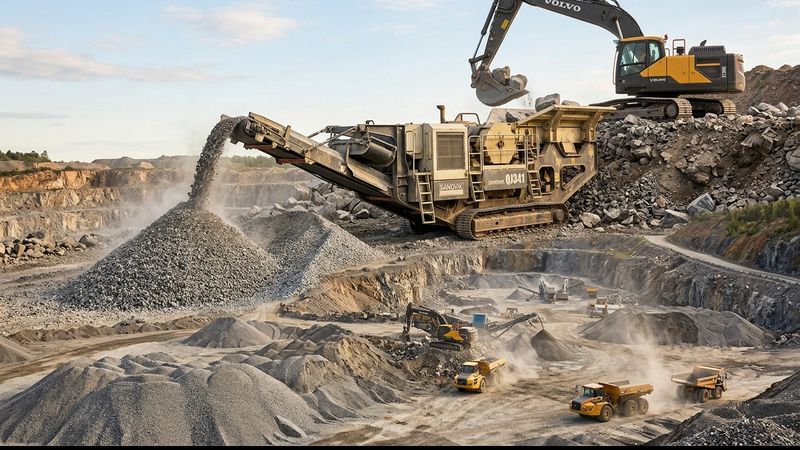
- Construction & Heavy Machinery: Excavators, bulldozers, cranes, backhoes, skid steers, dump trucks.
- Commercial Vehicles: Semi-trucks, trailers, box trucks, delivery vans, vocational trucks.
- Manufacturing & Industrial: CNC machines, 3D printers, assembly line robotics, lathes, presses.
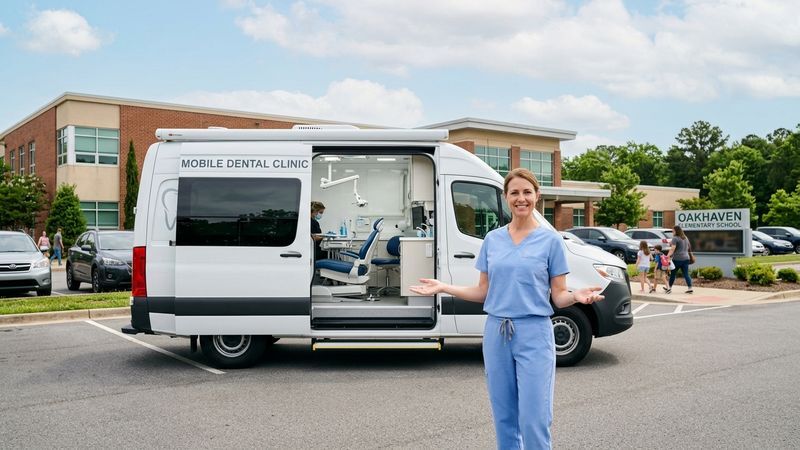
- Medical & Dental: X-ray machines, MRI scanners, dental chairs, diagnostic tools, lab equipment.
- Technology & IT: Servers, computers, networking hardware, telecommunications systems, point-of-sale (POS) systems.
- Restaurant & Hospitality: Commercial ovens, refrigerators, dishwashers, kitchen hoods, hotel furniture.
- Agriculture & Farming: Tractors, combines, harvesters, irrigation systems, balers.
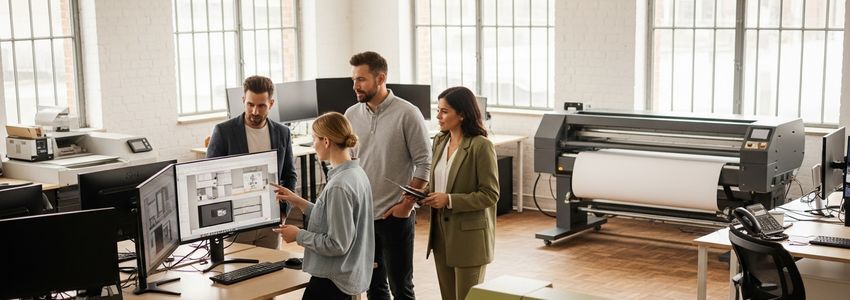
- Office Equipment: High-volume printers, copiers, phone systems, office furniture.
- Fitness & Salon: Gym machines, treadmills, salon chairs, spa equipment, tanning beds.
- Landscaping & Groundskeeping: Commercial mowers, wood chippers, stump grinders, utility vehicles.
Equipment Financing vs. Other Funding Options
While equipment financing is a powerful tool, it is important to understand how it compares to other common forms of small business financing. Each funding option has its own set of pros and cons, and the best choice depends on your specific needs, financial situation, and what you intend to purchase. A growing business should evaluate all available avenues to make the most strategic financial decision.
For example, a working capital loan might be better for covering payroll, while a line of credit is ideal for managing fluctuating cash flow. Equipment financing, however, is purpose-built for asset acquisition, offering unique advantages in that context. Here is how it stacks up against other popular funding solutions.
| Funding Option | Primary Use | Pros | Cons |
|---|---|---|---|
| Equipment Financing | Purchasing specific new or used equipment. | - High approval rates (self-collateralized) - Fast funding times - Preserves cash flow - Potential tax benefits (Section 179) |
- Can only be used for equipment - Equipment depreciates over time |
| SBA Loan (7a or 504) | Long-term financing for major purchases, including real estate and equipment. | - Very low interest rates - Long repayment terms - Government-backed |
- Very slow application process (months) - Strict qualification requirements - Requires extensive documentation |
| Business Line of Credit | Managing short-term cash flow gaps and unexpected expenses. | - Highly flexible (use funds as needed) - Only pay interest on what you draw - Revolving access to capital |
- Not ideal for large, one-time purchases - Variable interest rates are common - Lower borrowing limits than loans |
| Working Capital Loan | Covering operational expenses like payroll, inventory, or marketing. | - Fast funding for immediate needs - Can be used for any business purpose - Often unsecured |
- Shorter repayment terms - Can have higher interest rates than secured loans |
| Paying with Cash | Purchasing assets or covering expenses with available capital. | - No debt or interest payments - Simple and immediate transaction |
- Depletes liquid capital - Ties up funds that could be used for growth - Missed investment opportunities |
Find the Right Financing Solution
Our experts can help you compare options and choose the best path for your business goals.
Get a Free Consultation →
Who Qualifies for Equipment Financing?
Because the equipment itself secures the loan, qualification criteria for equipment financing are often more flexible than for other types of business credit. Lenders place significant weight on the value and longevity of the asset being financed. This makes it an accessible option for a wide range of businesses, including startups and those with imperfect credit histories.
However, lenders still need to be confident in your ability to make the required payments. They will evaluate several key factors related to your business's financial health and stability. Meeting or exceeding these typical benchmarks will significantly improve your chances of approval and help you secure the most favorable terms.
Here are the primary factors lenders consider:
Business Credit Score and Personal Credit Score
Lenders will review both your business and personal credit scores. While a high score is always beneficial, many equipment financing lenders can work with scores in the "fair" range (typically 600+). A stronger credit profile will generally result in lower interest rates and better terms.
Credit Insight: For new businesses without an established credit history, lenders will rely more heavily on the owner's personal credit score as an indicator of financial responsibility.
Time in Business
Most lenders prefer to see a business that has been operational for at least one to two years. An established track record demonstrates stability and reduces the lender's risk. However, specialized programs are available for startups, particularly if the owners have strong personal credit and industry experience.
Annual Revenue
Your business's annual revenue is a direct indicator of its ability to handle new debt. While there is no universal minimum, lenders will want to see consistent cash flow sufficient to cover the new loan payments on top of your existing expenses. You will typically be asked to provide recent bank statements or tax returns to verify your revenue.
Revenue Benchmark: Many alternative lenders look for a minimum annual revenue of $100,000 to $250,000, but this can vary widely depending on the industry and the cost of the equipment.
Equipment Type and Value
The equipment itself plays a major role in the approval process. Lenders prefer equipment that holds its value well over time and has a strong resale market, such as construction machinery or commercial trucks. Financing for highly specialized or custom-built equipment may be more difficult to secure as it has limited resale potential.
How Crestmont Capital Helps Growing Teams
Navigating the world of business financing can be complex, but you do not have to do it alone. At Crestmont Capital, we specialize in providing tailored equipment financing solutions designed to fuel business growth. We understand the unique pressures and opportunities that growing teams face, and our entire process is built to provide the speed, flexibility, and support you need to succeed.
Unlike traditional banks with their rigid requirements and lengthy approval times, we offer a streamlined, common-sense approach to lending. We look beyond just credit scores to understand the full story of your business and its potential. Our goal is to be a long-term financial partner, providing the capital you need at every stage of your company's journey.
Here is what sets Crestmont Capital apart:
- Speed and Efficiency: Our online application takes just minutes to complete, and we often provide approvals in as little as a few hours. This speed ensures you can act quickly on time-sensitive opportunities without being bogged down by paperwork.
- Flexible and Diverse Programs: We offer a wide range of financing and leasing options, including equipment loans, $1 buyout leases, and FMV leases. This allows us to structure a deal that perfectly aligns with your financial goals, whether you prioritize ownership, low monthly payments, or tax advantages.
- High Approval Rates: By focusing on the value of the equipment and your business's overall health, we are able to approve a high percentage of applicants, including startups and businesses with past credit challenges.
- Comprehensive Funding Solutions: Beyond equipment, we offer other crucial growth capital, such as working capital loans and a business line of credit, providing a one-stop shop for all your financing needs.
- Dedicated Experts: You will work with a dedicated financing expert who understands your industry. They will guide you through every step of the process, answer your questions, and ensure you get the best possible terms.
Real-World Scenarios
To better understand the practical impact of equipment financing, it helps to look at how different types of businesses leverage it for growth. These real-world examples illustrate the versatility and strategic value of acquiring assets through financing rather than paying with cash.
Scenario 1: The Expanding Construction Company
The Challenge: A mid-sized construction company wins a major contract to develop a new commercial site, but their existing excavator is old and too small for the job. The project requires a new, more powerful machine costing $150,000, an amount that would severely deplete their cash reserves needed for payroll and materials.
The Solution: The company applies for an equipment loan. With their strong revenue and the high resale value of the excavator, they are quickly approved for 100% financing with a five-year term. The lender pays the dealer directly, and the new excavator is delivered to the job site within a week. The predictable monthly payments are easily covered by the revenue from the new contract, and they own a valuable asset at the end of the term.
Scenario 2: The High-Tech Medical Clinic
The Challenge: A growing dental practice wants to offer advanced diagnostic services by adding a new 3D imaging machine. The technology costs $80,000 and is expected to become outdated in about four years. The practice owners are hesitant to make such a large investment in an asset that will depreciate quickly.
The Solution: They opt for a Fair Market Value (FMV) lease. This results in a lower monthly payment compared to a loan, preserving their cash flow for marketing the new service. At the end of the four-year lease term, they can simply return the machine and lease the newest model, ensuring their clinic always has state-of-the-art technology without the risk of ownership.
Scenario 3: The Startup Restaurant
The Challenge: A chef is opening her first restaurant and has secured a location, but needs to outfit the entire kitchen. The total cost for commercial ovens, refrigerators, prep tables, and a professional dishwasher is $60,000. As a startup with no business credit history, securing a traditional loan is nearly impossible.
The Solution: The chef applies for an equipment financing package tailored to startups. The lender considers her strong personal credit score and detailed business plan. They approve her for a loan covering the full equipment cost, using the assets themselves as collateral. This allows her to open her restaurant with a fully functional, professional kitchen without giving up equity or draining her initial startup capital.
Common Mistakes to Avoid
While equipment financing is a powerful tool, navigating the process requires diligence. Making a few common mistakes can lead to unfavorable terms, financial strain, or acquiring the wrong asset for your needs. Being aware of these potential pitfalls can help you make a smarter, more strategic financing decision for your growing business.
Mistake #1: Not Reading the Fine Print. Always read the financing agreement thoroughly before signing. Pay close attention to the interest rate, total cost of financing, prepayment penalties, and any hidden fees. Understanding all terms and conditions prevents costly surprises down the road.
Mistake #2: Over-financing or Under-financing. Do not finance more equipment than you truly need, as this adds unnecessary debt. Conversely, trying to save money by purchasing a cheaper, less capable machine can lead to inefficiency and the need for a premature upgrade. Carefully assess your needs to find the right balance.
Mistake #3: Choosing the Wrong Financing Type. As discussed, a loan is best for long-term assets you want to own, while a lease is better for technology that quickly becomes obsolete. Choosing the wrong structure (e.g., buying a computer on a 7-year loan) can be a costly error. Align the financing term with the equipment's useful life.
Frequently Asked Questions
What is the difference between equipment financing and equipment leasing?
Equipment financing is a loan used to purchase an asset, which you own at the end of the term. Equipment leasing is a long-term rental agreement where you pay to use the asset for a set period, with options to buy, return, or renew at the end.
What are typical interest rates for equipment financing?
Interest rates vary widely based on your credit score, time in business, and the type of equipment. They can range from 5% for highly qualified borrowers with traditional lenders to over 20% for higher-risk scenarios with alternative lenders. The average rates typically fall between 6% and 15%.
How long are the repayment terms for an equipment loan?
Repayment terms generally align with the expected useful life of the equipment. Common terms range from 2 to 7 years (24 to 84 months). Shorter terms mean higher monthly payments but less total interest paid, while longer terms offer lower payments but a higher overall cost.
Can I finance used equipment?
Yes, most lenders are willing to finance the purchase of used equipment. However, the terms may be shorter and the interest rates slightly higher compared to financing new equipment, as used assets have a shorter remaining useful life and may carry more risk.
Is a down payment required for equipment financing?
Often, no down payment is required. Many lenders offer 100% financing, covering the full cost of the equipment. However, providing a down payment (typically 10-20%) can lower your monthly payments, reduce the total interest paid, and may help you get approved if you have a weaker credit profile.
How quickly can I get funded?
With alternative lenders like Crestmont Capital, the process is very fast. After submitting a simple online application, you can often receive an approval within a few hours and have the funds sent to the vendor in as little as 24-48 hours.
What is the minimum credit score needed to qualify?
While requirements vary, many lenders can work with business owners who have a personal credit score of 600 or higher. Stronger revenue and a longer time in business can help offset a lower credit score. Some specialized programs exist for those with scores below 600, though rates will be higher.
Can a startup business get equipment financing?
Yes, it is possible for startups to get equipment financing. Lenders will place more emphasis on the owner's personal credit score, industry experience, and business plan. The equipment itself serving as collateral makes lenders more willing to work with new businesses.
Does equipment financing cover soft costs like taxes and installation?
Yes, many financing agreements can be structured to include soft costs. This can include taxes, shipping fees, installation charges, and initial training costs. Bundling these expenses into the loan simplifies the process and avoids another upfront cash outlay.
What is Section 179 and how does it relate to equipment financing?
Section 179 of the IRS tax code is a tax deduction that allows businesses to write off the full purchase price of qualifying equipment in the year it is put into service. This applies to both new and used equipment. Financing the purchase allows you to get this significant tax benefit without the large initial cash expense.
Will I own the equipment at the end of the term?
If you take out an equipment loan or a $1 buyout lease, you will own the equipment outright at the end of the term. If you choose a Fair Market Value (FMV) lease, you will have the option to purchase it for its current market value, return it, or renew the lease.
What documents are needed to apply?
For smaller financing amounts (typically under $250,000), the application process is simple and may only require a one-page application and an invoice for the equipment. For larger amounts, lenders may also ask for the last 3-6 months of business bank statements and your most recent business tax return.
Can I pay off my equipment loan early?
This depends on the lender and the specific terms of your agreement. Some loans have no prepayment penalties, allowing you to pay it off early and save on interest. Others may include a prepayment penalty, so it is crucial to clarify this before signing the contract.
How does equipment financing affect my business credit?
Making consistent, on-time payments on an equipment loan is an excellent way to build a strong credit profile for your business. Most lenders report your payment history to business credit bureaus, which helps you qualify for better financing options in the future.
What happens if my business needs change and I no longer need the equipment?
If you have a loan, you are obligated to complete the payments, but you can sell the equipment to a third party (using the proceeds to pay off the remaining loan balance). If you have a lease, your options may be more limited, though some agreements allow for upgrades or transfers. It is best to discuss these possibilities with your lender.
How to Get Started
Securing the financing your growing team needs is a straightforward process. By following a few simple steps, you can move from identifying an equipment need to having that asset working for your business in a matter of days. Preparation is key to ensuring a smooth and successful funding experience.
Define Your Need and Get a Quote
Clearly identify the make, model, and specifications of the equipment you need. Contact a vendor and obtain a formal, itemized quote or invoice. This document is essential for your financing application.
Gather Your Business Information
Prepare basic information about your business, including your legal name, address, tax ID number (EIN), time in business, and estimated annual revenue. Having this ready will speed up the application.
Complete a Simple Application
Fill out our secure online application form. It takes only a few minutes and requires no hard credit pull to see what you qualify for. This initial step is fast, easy, and risk-free.
Consult with a Financing Expert
Once your application is submitted, one of our dedicated financing experts will contact you. They will discuss your options, answer your questions, and help you select the best loan or lease structure for your business goals.
Receive and Use Your New Equipment
After you sign the final documents, we will handle the payment directly with your chosen vendor. Your new equipment will be delivered, and you can put it to work immediately to grow your business.
Your Growth Starts Now
Take the first step towards acquiring the tools your team needs to excel. The application is fast, free, and won't impact your credit score.
Apply in Minutes →Conclusion
For any business on a growth trajectory, the ability to acquire necessary assets without disrupting cash flow is paramount. Equipment financing is not merely a loan; it is a strategic financial tool that empowers companies to scale efficiently, enhance productivity, and maintain a competitive edge. It bridges the gap between ambition and capability, allowing you to invest in your company's future without sacrificing its present financial stability.
By understanding how these financial products work, you can make informed decisions that align with your long-term objectives. The flexibility, speed, and accessibility of modern lending make it an ideal solution for dynamic businesses that need to move quickly. Ultimately, leveraging equipment financing for growing teams is a proven strategy to unlock potential, drive revenue, and build a more resilient and successful enterprise.
Disclaimer: The information provided in this article is for general educational purposes only and is not financial, legal, or tax advice. Funding terms, qualifications, and product availability may vary and are subject to change without notice. Crestmont Capital does not guarantee approval, rates, or specific outcomes. For personalized information about your business funding options, contact our team directly.