In today's competitive market, the quality of your customer experience is often the deciding factor between winning a loyal client and losing them to a competitor. Modern customers expect speed, precision, cleanliness, and professionalism - and delivering on those expectations almost always requires up-to-date equipment. For most small and mid-sized businesses, the challenge is not knowing what upgrades to make. It is finding the capital to make them without disrupting cash flow. Equipment loans for customer experience improvements offer a practical solution that lets you invest in better tools now and pay for them gradually as your business benefits.
In This Article
- What Are Equipment Loans?
- The Connection Between Equipment and Customer Experience
- Industries That Benefit Most
- How Equipment Loans Work
- Types of Equipment You Can Finance
- Comparing Equipment Financing Options
- How Crestmont Capital Helps
- Real-World Scenarios
- Qualifying for Equipment Loans
- FAQ
- How to Get Started
What Are Equipment Loans?
Equipment loans are a form of business financing where the loan proceeds are used specifically to purchase or upgrade equipment. Unlike general-purpose business loans, equipment loans are typically secured by the equipment itself - meaning the asset you are buying acts as collateral. This arrangement makes approval more accessible for small businesses and often results in more competitive interest rates than unsecured financing.
These loans allow you to acquire physical assets - from commercial ovens and POS systems to diagnostic technology and salon chairs - without tying up working capital. You spread the cost over a defined repayment term (usually 12 to 84 months), and the equipment begins generating revenue and improving customer experience from day one.
Key Insight: According to the Federal Reserve's Small Business Credit Survey, equipment financing is one of the top three most-used funding tools for small businesses, behind only lines of credit and traditional term loans. It remains popular precisely because the collateral structure reduces lender risk and increases borrower access.
Equipment loans are different from equipment leasing, where you essentially rent the asset for a period and return it at the end. With a loan, you own the equipment outright once the final payment is made. Both options have merit, but for businesses looking to make long-term customer experience improvements through asset ownership, equipment loans are often the preferred route.
Ready to Upgrade Your Customer Experience?
Get fast, flexible equipment financing from the #1 business lender in the U.S. No obligation - apply in minutes.
Apply Now →The Connection Between Equipment and Customer Experience
Many business owners treat equipment upgrades as an internal operational decision - faster machines, more reliable tools, lower maintenance costs. But the customer experience angle is equally compelling. The equipment you use directly shapes every touchpoint a customer has with your business.
Consider a restaurant with outdated kitchen equipment. Prep times are slower, food quality is inconsistent, and during a rush, orders back up at the pass. The customer sitting in the dining room does not know the cause - they only know their food arrived cold and late. An equipment loan to upgrade kitchen appliances does not just improve efficiency; it transforms what customers feel and report to others.
The same logic applies across sectors. A medical clinic with older diagnostic equipment may take longer to produce results, creating anxiety and inconvenience for patients. A salon with worn-out chairs and inadequate ventilation creates a less comfortable experience. A retail store with a slow, outdated POS system makes checkout frustrating. Upgrading equipment through financing solves the customer-facing symptom while preserving cash flow for other needs.
By the Numbers: A study by PwC found that 73% of consumers say customer experience is an important factor in their purchasing decisions - ahead of product quality and price in many categories. Businesses that fail to invest in service delivery infrastructure risk losing customers to competitors who have.
Industries That Benefit Most from Equipment Loans for Customer Experience
While nearly every business can benefit from equipment financing, certain industries see the most dramatic customer experience improvements from targeted equipment upgrades.
Restaurants and Food Service
Speed, food quality, and consistency define the restaurant guest experience. Commercial ovens, fryers, refrigeration units, espresso machines, and POS systems all directly impact service quality. Financing these assets through restaurant equipment financing lets food businesses keep up with customer demand without draining reserves.
Healthcare and Medical Practices
Patients judge their healthcare providers in part on how quickly and accurately diagnoses are made. Advanced imaging equipment, modern examination tables, digital check-in systems, and telehealth infrastructure all contribute to a better patient experience. Medical equipment financing makes these investments accessible even for practices with constrained capital budgets.
Salons, Spas, and Wellness Centers
Clients at beauty and wellness businesses are paying for an experience as much as a service. Comfortable styling chairs, modern skincare devices, high-quality color lines, and tranquil environments all shape satisfaction scores. Financing equipment upgrades helps these businesses deliver five-star experiences that generate repeat visits and online reviews.
Retail Businesses
Checkout speed, product presentation, and store environment all factor into retail customer satisfaction. POS upgrades, digital signage, display equipment, and inventory management systems improve the shopping experience while also boosting operational efficiency. Equipment financing for retail technology helps stores compete with online retailers on experience, not just price.
Automotive Shops
Auto repair customers want fast turnarounds, transparent diagnostics, and professional service. Modern diagnostic systems, vehicle lifts, and customer communication technology reduce wait times and build trust. Equipment loans for auto repair technology directly improve customer satisfaction scores.
Gyms and Fitness Centers
Broken or outdated gym equipment is one of the fastest ways to lose members. Up-to-date cardio machines, strength training equipment, and class technology create the environment that justifies membership fees and drives referrals. Gym equipment financing keeps facilities competitive without large upfront outlays.
By the Numbers
Equipment Loans and Customer Experience - Key Statistics
73%
of customers say experience drives purchase decisions
$1.3T
in equipment financed annually in the U.S. (ELFA)
68%
of U.S. businesses use some form of equipment financing
5x
more expensive to acquire a new customer than retain an existing one
How Equipment Loans Work
Understanding the mechanics of equipment loans helps you make informed decisions about structure, terms, and what to expect throughout the process.
Step 1 - Identify the Equipment
Start by identifying exactly what equipment will have the most impact on your customer experience. Prioritize assets that are customer-facing, high-use, or directly tied to service delivery speed and quality.
Step 2 - Get a Quote or Invoice
Lenders will typically require an invoice or vendor quote for the equipment you want to finance. This also establishes the loan amount and helps the lender assess value for collateral purposes.
Step 3 - Apply for Financing
Complete a business loan application with your lender. Most lenders will look at your time in business, credit profile (both personal and business), and revenue. Equipment-specific lenders like Crestmont Capital often offer streamlined approvals with minimal documentation requirements for equipment under $250,000.
Step 4 - Get Approved and Funded
Once approved, funds are either sent directly to the vendor or deposited into your account, allowing you to purchase the equipment immediately. Many equipment loans close in as little as 24 to 72 hours.
Step 5 - Begin Repayment
Repayments are typically made monthly and structured over the agreed term. Because the equipment is being used to generate revenue (and improve customer retention), the monthly payment is often offset by the increased business activity the equipment enables.
Equipment Financing Made Easy
Crestmont Capital offers fast approvals, flexible terms, and equipment financing up to $5 million. Talk to a specialist today.
Start Your Application →Types of Equipment You Can Finance to Improve Customer Experience
Equipment loans cover a remarkably broad range of assets. Here is a breakdown of the equipment categories most directly tied to customer experience improvements.
Point-of-Sale (POS) Systems and Payment Technology
Modern POS systems reduce checkout wait times, enable contactless payments, manage loyalty programs, and provide real-time inventory visibility. Outdated payment terminals that are slow or incompatible with digital wallets create friction at the final moment of the customer journey - exactly where you do not want friction. Financing a POS upgrade is one of the highest-ROI equipment investments available for retail and food service businesses.
Commercial Kitchen Equipment
In food service, the kitchen is the heart of the customer experience. High-speed ovens, reliable refrigeration, efficient dishwashing systems, and commercial espresso machines all directly impact how quickly and consistently you can serve customers. Financing through commercial kitchen equipment financing keeps your kitchen performing at peak capacity.
Medical and Diagnostic Equipment
For healthcare providers, diagnostic accuracy and speed define patient satisfaction. MRI machines, ultrasound devices, digital X-ray systems, and examination technology allow practices to reduce wait times, improve diagnostic outcomes, and demonstrate cutting-edge care. Patients who feel they are receiving the best available diagnostics trust their providers more.
Service and Delivery Vehicles
For businesses that deliver goods or provide on-site services, your fleet is your customer's first impression. A clean, reliable, well-branded delivery van or service truck signals professionalism. Equipment loans for commercial vehicles help businesses maintain a fleet that represents the brand well and operates reliably.
Salon and Spa Equipment
Ergonomic styling chairs, advanced skincare devices, high-quality color processing tools, and updated spa furniture all create the ambiance and service quality that bring clients back. Salon equipment financing allows you to keep the client experience feeling premium without large cash outlays.
Digital Displays and Signage
Customer-facing digital displays - menu boards, wayfinding screens, promotional displays - shape how customers perceive your brand and navigate your space. Equipment loans can cover digital signage systems that elevate the in-store experience and allow dynamic content updates.
Audio-Visual and Conference Technology
For professional services firms, law offices, and consulting businesses, high-quality video conferencing equipment, presentation systems, and conference room technology directly impact how clients perceive your professionalism. The quality of a video call or a presentation environment shapes client confidence.
Comparing Equipment Financing Options
Not all equipment financing is structured the same way. Understanding your options helps you select the right product for your goals.
| Feature | Equipment Loan | Equipment Lease | Working Capital Loan |
|---|---|---|---|
| Ownership | You own the equipment | Lessor owns; you use it | General use; no asset |
| Collateral | Equipment itself | Equipment itself | Business revenues/assets |
| Term | 12 to 84 months | 12 to 60 months | 6 to 60 months |
| End of Term | You keep the asset | Return, renew, or buy | No asset impact |
| Best For | Long-term asset use | Frequently updated tech | Cash flow flexibility |
| Down Payment | Often 0 to 20% | Often first/last payment | Typically none |
How Crestmont Capital Helps Businesses Improve Customer Experience Through Equipment Financing
Crestmont Capital is a nationally recognized business lender rated #1 in the U.S. for small business financing solutions. We specialize in helping businesses access the capital they need to grow - and that includes equipment financing designed to help you deliver better customer experiences.
Our equipment financing programs cover virtually any type of business equipment, from restaurant and medical assets to automotive, retail, salon, and technology equipment. We work with established businesses and newer operators alike, offering terms and structures that fit your cash flow situation.
What sets Crestmont Capital apart is our speed and flexibility. Many equipment loan applications are approved in hours, with funding available within one to three business days. We offer competitive rates, flexible terms from 12 to 84 months, and financing amounts from $10,000 to $5 million. Our team understands that equipment upgrades are often time-sensitive - whether you are replacing a broken commercial refrigerator or adding a new diagnostic machine before a busy season.
In addition to traditional equipment loans, we offer business lines of credit for businesses that want ongoing access to capital for equipment and operational needs. We also offer unsecured working capital loans for businesses that need broader financing flexibility beyond specific equipment purchases.
Whether you need to upgrade a single piece of high-value equipment or outfit an entire facility, Crestmont Capital has a financing solution. Our advisors work with you to match the right loan structure to your business goals, repayment capacity, and growth timeline.
Ready to Elevate Your Customer Experience?
Apply today and get a decision often within hours. Crestmont Capital funds equipment loans fast so you can start delivering better service immediately.
Apply Now →Real-World Scenarios: Equipment Loans Transforming Customer Experience
Understanding how equipment financing plays out in practice helps illustrate the direct connection between capital, equipment, and customer satisfaction.
Scenario 1: A Family Restaurant Upgrades Its Kitchen
A family-owned Italian restaurant in the suburbs had been operating with commercial kitchen equipment purchased nearly a decade earlier. During dinner rushes, the aging ovens would inconsistently regulate temperature, leading to variable food quality and longer ticket times. Negative online reviews began mentioning slow service and inconsistent dishes.
The owner secured a $75,000 equipment loan from Crestmont Capital to replace two commercial ovens and a range system. Within 60 days of installation, ticket times dropped by 35%, food quality complaints on review platforms fell significantly, and the restaurant saw a measurable increase in repeat diners. The monthly loan payment was approximately $1,400 - a fraction of the revenue recovered through improved throughput and retention.
Scenario 2: A Dental Practice Adds Digital Imaging
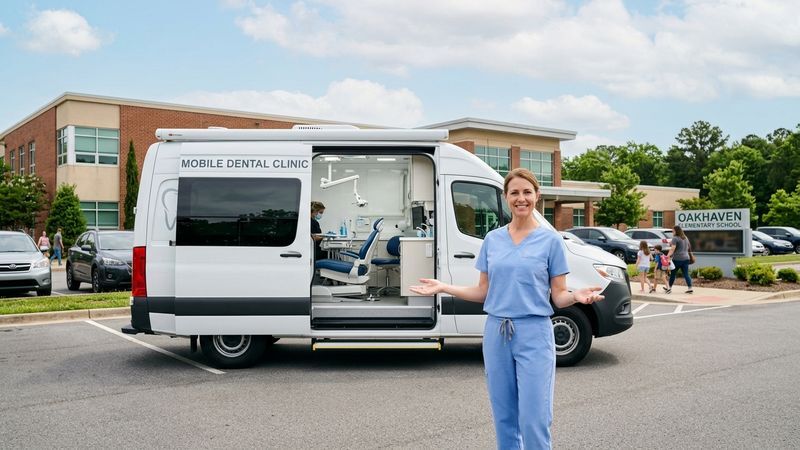
A busy suburban dental practice had been using older X-ray film systems for diagnostics. Patients frequently commented on the slow diagnostic process, and the practice was losing referrals to a neighboring office that had invested in digital imaging technology. The owner financed a digital X-ray system and intraoral cameras through a $55,000 equipment loan.
The results were immediate. Diagnostic images appeared in seconds rather than minutes, allowing dentists to spend more time explaining treatment options rather than waiting for films. Patient satisfaction scores improved across all metrics, and new patient referrals increased over the following quarter.
Scenario 3: A Boutique Fitness Studio Refreshes Its Equipment
A boutique cycling studio had been operating for four years, but its fleet of exercise bikes was aging. Several units were frequently out of service, which frustrated members who could not get their preferred bike position or a functioning unit altogether. Membership renewals were declining.
The studio owner secured a $45,000 equipment loan to replace 25 cycling bikes with newer connected models featuring performance tracking screens. Member satisfaction rebounded, renewal rates improved, and the studio began attracting members from a competing gym that had not invested in its equipment. The connected bike technology also enabled virtual class participation, opening a new revenue stream.
Scenario 4: A Regional Auto Repair Shop Adds Diagnostic Technology
An independent auto repair shop was competing against franchise service centers that offered computerized diagnostic reports printed for customers. The independent shop's older diagnostic equipment could not produce the same quality of transparent, customer-facing reports, undermining trust with clients unfamiliar with the business.
A $30,000 equipment loan covered a new digital diagnostic system and a customer-facing reporting tablet setup. Within six months, the shop reported a 20% increase in average ticket value - customers who could see detailed digital reports of their vehicle's condition were more likely to approve recommended repairs. Trust and transparency, enabled by equipment, drove revenue growth.
Scenario 5: A Spa Upgrades Treatment Equipment
A day spa was offering a full-service menu but was operating with skincare equipment that industry peers had already replaced with newer generation devices. Clients who visited competitors occasionally mentioned the difference, and the spa began seeing a drop in bookings for advanced treatments.
By financing $60,000 in new treatment technology including a multi-function facial device and upgraded massage tables, the spa repositioned itself as a premium provider. Service prices increased by 15% across advanced treatments, and occupancy rates for those services improved. The equipment loan paid for itself within the first year through increased per-visit revenue.
Qualifying for Equipment Loans to Improve Customer Experience
Qualifying for an equipment loan is generally more straightforward than for unsecured financing because the equipment itself serves as collateral. Here is what most lenders - including Crestmont Capital - consider.
Time in Business
Most lenders prefer businesses that have been operating for at least one to two years. Startups and newer businesses may qualify through specialized startup equipment financing programs, though terms may differ.
Revenue
Lenders review your annual revenue to assess repayment capacity. While minimums vary, most equipment loan programs work with businesses generating $100,000 or more per year in annual revenue. Lower-revenue businesses may still qualify depending on the loan size and other factors.
Credit Profile
Both personal and business credit scores influence approval and rates. Strong credit (680+) typically qualifies for the most competitive terms, but many equipment loan programs serve borrowers with scores in the 600-650 range. At Crestmont Capital, we evaluate the complete picture of your business, not just a credit score.
Equipment Value
Because the equipment serves as collateral, lenders consider its type, useful life, and market value. Standard commercial equipment with strong resale markets - kitchen equipment, medical devices, vehicles - is typically easier to finance than highly specialized niche equipment.
Documentation
Common documentation requirements include recent bank statements (typically 3-6 months), basic business financials, a vendor quote or invoice for the equipment, and your business license or formation documents. At Crestmont Capital, we minimize paperwork and focus on getting you approved quickly.
Pro Tip: If you are concerned about credit, consider applying with a stronger co-signer or looking at whether the equipment you want to finance has strong resale value - equipment with established secondary markets often qualifies regardless of credit challenges. Also explore our bad credit equipment financing options designed for businesses rebuilding credit.
Frequently Asked Questions
What is an equipment loan and how is it different from an equipment lease?
An equipment loan provides capital to purchase equipment that you then own outright after the final payment. An equipment lease is more like renting - you use the equipment for a set term and return it at the end, with options to renew or purchase. Equipment loans are better for assets you plan to use long-term and want to own; leases work better for technology that becomes outdated quickly.
How much can I borrow with an equipment loan?
Equipment loan amounts vary widely depending on the lender and the nature of the equipment. At Crestmont Capital, we offer equipment financing from $10,000 up to $5 million. The specific amount you qualify for depends on your revenue, credit profile, time in business, and the value of the equipment you are financing.
What credit score do I need to qualify for equipment financing?
Most equipment lenders prefer a credit score of 650 or higher. Scores of 680 and above typically qualify for the best rates and terms. However, because equipment loans are secured by the asset, some lenders - including Crestmont Capital - can work with lower scores depending on the strength of your business financials and the equipment's value. We evaluate the full picture of your business, not just a number.
How quickly can I get approved and funded?
At Crestmont Capital, many equipment loan applications are approved within hours and funded within one to three business days. The speed depends on how quickly you can provide required documentation and the complexity of the loan. Larger loans or more complex equipment types may require additional review time, but our team prioritizes moving efficiently so you can get your equipment in service quickly.
Can I finance used equipment, or does it need to be new?
Yes, you can finance used equipment. Many lenders, including Crestmont Capital, offer used equipment financing for certified pre-owned or refurbished assets. The key considerations are the age of the equipment, its remaining useful life, and its resale value. Generally, equipment that is no more than five to ten years old (depending on category) can be financed effectively.
What happens if the equipment breaks down during the loan term?
Since you own the equipment under a loan structure, maintenance and repair responsibility falls to you. Most business owners purchase equipment insurance and/or manufacturer warranties to manage this risk. Some vendors include service contracts in the purchase price. It is important to factor these costs into your total cost of ownership when budgeting for an equipment purchase.
Is a down payment required for equipment loans?
Many equipment loans require little or no down payment, particularly for borrowers with strong credit profiles. Some lenders may require 10 to 20% down for larger loans or for borrowers with lower credit scores. Crestmont Capital structures loans to minimize upfront costs where possible, since the goal is to preserve your working capital while enabling the equipment investment.
What types of equipment qualify for financing?
Virtually any type of tangible business equipment can be financed - commercial kitchen equipment, medical devices, vehicles, gym equipment, salon chairs, POS systems, manufacturing machinery, office technology, and much more. The key qualification is that the asset has a determinable value and useful life. Software-only purchases or purely consumable items are generally not eligible for equipment financing.
How does equipment financing affect my business credit?
Responsible repayment of an equipment loan is one of the best ways to build business credit. On-time payments are reported to business credit bureaus and help establish your business's creditworthiness for future financing. Over time, a strong repayment history on equipment loans can qualify your business for larger amounts and better rates on future borrowing.
Can startups get equipment loans?
Startups can qualify for equipment financing, though the terms and qualification criteria differ from established businesses. Our startup equipment financing programs consider the owner's personal credit profile and business plan alongside business financials. Down payment requirements may be higher for newer businesses.
How do I calculate whether an equipment loan makes financial sense?
The core calculation is ROI: what revenue increase or cost reduction will the equipment generate relative to the monthly loan payment? If a $1,200/month equipment loan enables $4,000 in additional monthly revenue (through higher throughput, better retention, or new service offerings), the economics are clear. Factor in improved customer satisfaction, reduced equipment downtime, and competitive positioning as additional value drivers beyond direct revenue.
What interest rates can I expect on equipment loans?
Equipment loan rates vary based on creditworthiness, loan term, equipment type, and lender. Generally, rates range from 6% to 30% APR, with the most qualified borrowers accessing rates toward the lower end. Equipment loans typically carry lower rates than unsecured business loans because the collateral reduces lender risk. Your Crestmont Capital advisor can provide specific rate information based on your business profile.
Can I pay off my equipment loan early?
Many equipment loans allow early payoff, though some may include a prepayment penalty. When evaluating loan offers, it is important to review the prepayment terms. If paying off early is likely in your plans - perhaps because business growth accelerates faster than expected - confirm with your lender what the prepayment conditions are before signing.
How does Crestmont Capital differ from a traditional bank for equipment loans?
Traditional banks typically have rigid underwriting criteria, long approval timelines (weeks or months), and extensive documentation requirements. Crestmont Capital offers a faster, more flexible alternative with approvals often in hours and funding in days. We evaluate the complete business picture, not just credit scores, and offer a broader range of equipment financing structures to fit different business situations.
What documents do I need to apply for an equipment loan at Crestmont Capital?
For most equipment loans under $250,000, you typically need 3-6 months of business bank statements, a vendor quote or invoice for the equipment, your business license or formation documents, and basic contact and ownership information. Larger loans may require additional financial statements. Our application process is streamlined to minimize paperwork and time while gathering the information needed to offer you the best available terms.
How to Get Started
Walk through your business and identify the equipment that most directly impacts your customer experience. Prioritize by customer impact, urgency, and potential revenue recovery.
Contact your equipment supplier and get a formal quote or invoice. This establishes your loan amount and supports the application process.
Complete our quick application at offers.crestmontcapital.com/apply-now - the process takes just a few minutes. Have your bank statements and vendor quote ready to accelerate approval.
A Crestmont Capital advisor will contact you with financing options tailored to your business. Review the terms, ask questions, and select the structure that works best.
Receive your funds - often within 24 to 72 hours - and place your equipment order. From there, the upgrade is underway and your customers will notice the difference quickly.
Conclusion
The connection between equipment quality and customer experience is direct and measurable. Businesses that invest in upgrading their equipment consistently see improvements in service speed, quality consistency, customer satisfaction, and retention - all of which translate into sustainable revenue growth. Equipment loans for customer experience improvements make these investments accessible without forcing a difficult cash flow trade-off.
Whether you operate a restaurant, medical practice, salon, gym, retail store, or any other customer-facing business, there is almost certainly equipment that is limiting your ability to deliver the experience your customers deserve and expect. Financing gives you a practical path to those upgrades now, with repayment structured around the revenue your upgraded business generates.
Crestmont Capital has helped thousands of businesses across the U.S. finance the equipment they need to grow, compete, and deliver exceptional customer experiences. With fast approvals, flexible terms, and a team that understands the real-world needs of small businesses, we are ready to help you take the next step.
Disclaimer: The information provided in this article is for general educational purposes only and is not financial, legal, or tax advice. Funding terms, qualifications, and product availability may vary and are subject to change without notice. Crestmont Capital does not guarantee approval, rates, or specific outcomes. For personalized information about your business funding options, contact our team directly.