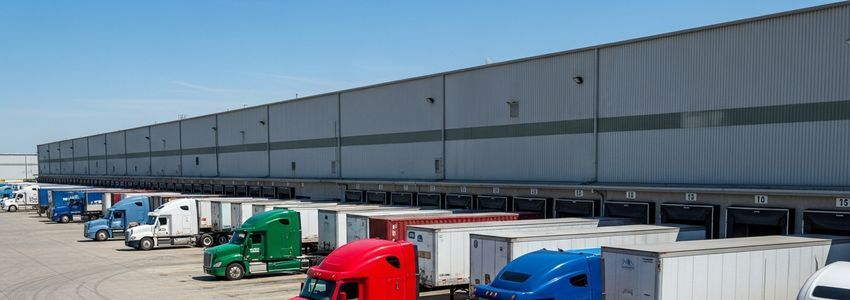
The trucking industry is the backbone of the American economy, moving over 70% of all freight across the country every year. But running a successful trucking operation requires constant capital investment - from purchasing new trucks and trailers to covering fuel costs, repairs, insurance premiums, and payroll during slow freight seasons. Trucking business loans provide the financial fuel that keeps fleets moving and companies growing, even when cash flow gets tight.
Whether you're an owner-operator looking to purchase your first commercial truck, a small fleet owner ready to expand, or an established carrier managing a large operation, understanding your financing options can make the difference between seizing an opportunity and missing it. This comprehensive guide covers everything you need to know about trucking business loans - from types of financing to qualification requirements, rates, and how to get funded fast.
In This Article
- What Are Trucking Business Loans?
- Types of Trucking Business Financing
- How Trucking Business Loans Work
- Trucking Industry: Key Stats
- Who Qualifies for Trucking Loans?
- Comparing Your Financing Options
- How Crestmont Capital Helps Trucking Companies
- Real-World Scenarios
- Frequently Asked Questions
- How to Get Started
What Are Trucking Business Loans?
Trucking business loans are commercial financing products designed specifically for the needs of carriers, fleet operators, owner-operators, and trucking companies. Unlike personal auto loans or general business lines of credit, trucking financing is structured around the unique financial profile of transportation businesses - including the high cost of equipment, the cyclical nature of freight demand, and the significant operating expenses involved in running a fleet.
These loans can be used for a wide range of purposes, including purchasing new or used commercial trucks, financing trailers and specialized equipment, covering operating costs during slow periods, expanding a fleet to take on larger contracts, funding driver recruitment and training, and managing fuel and maintenance expenses. The trucking industry represents over $800 billion in annual revenue and employs more than 3.5 million drivers, making it one of the most significant sectors of the U.S. economy - and one that lenders actively want to support.
Industry Insight: According to the American Trucking Associations (ATA), trucks move approximately 72.5% of all freight transported in the United States by value - making access to capital critical for carriers to maintain and grow their fleets.
Types of Trucking Business Financing
There are multiple financing options available to trucking businesses, each suited to different needs, credit profiles, and funding timelines. Understanding the distinctions helps you select the right product for your situation.
Commercial Truck Loans
The most straightforward form of trucking financing, commercial truck loans are secured term loans specifically for purchasing trucks and trailers. The vehicle itself serves as collateral, which typically results in more favorable interest rates compared to unsecured options. Loan terms generally range from 24 to 84 months, with loan amounts based on the vehicle's purchase price and your creditworthiness. These are ideal for owner-operators buying their first rig or small fleet owners adding vehicles.
Equipment Financing
Equipment financing covers not just trucks and trailers but all the specialized equipment that trucking operations rely on - refrigeration units, GPS and fleet tracking technology, loading equipment, and more. The equipment itself serves as collateral, often allowing businesses with less-than-perfect credit to access funding. Crestmont Capital offers equipment financing solutions tailored specifically to the needs of fleet operators.
Working Capital Loans
Trucking companies face significant cash flow challenges - fuel costs fluctuate, freight rates swing seasonally, and payments from shippers can take 30 to 90 days to arrive. Working capital loans provide the short-term cash needed to cover operating expenses, payroll, fuel, and maintenance while waiting for receivables to clear. These are typically unsecured and can be funded quickly. Crestmont's unsecured working capital loans are specifically designed for businesses that need fast access to cash.
SBA Loans for Trucking Companies
Small Business Administration (SBA) loans offer some of the most competitive interest rates and longest terms available to trucking businesses. The SBA 7(a) loan program can provide up to $5 million for equipment purchases, working capital, and business expansion. While the application process takes longer than alternative lenders, the long repayment terms and low rates make SBA financing an excellent option for established carriers. Crestmont Capital works with SBA-backed SBA loans for qualifying trucking businesses.
Business Lines of Credit
A business line of credit gives trucking companies revolving access to funds they can draw on as needed. Unlike a term loan where you receive a lump sum, a line of credit lets you borrow, repay, and borrow again up to your credit limit. This flexibility makes it ideal for managing variable costs like fuel, repairs, and seasonal payroll fluctuations.
Invoice Factoring
Invoice factoring is particularly popular in the trucking industry because it directly addresses the slow-payment problem. When you deliver a load and invoice the shipper, you're often waiting 30, 60, or even 90 days for payment. Factoring companies purchase your outstanding invoices at a discount (typically 2-5%), giving you immediate cash. This isn't technically a loan - there's no debt to repay - but it solves the same cash flow problem that drives many carriers to borrow.
Merchant Cash Advances
For trucking companies that process credit card transactions (typically those serving retail clients or running service stations), a merchant cash advance provides a lump sum in exchange for a percentage of future sales. MCAs are fast and flexible but typically carry higher factor rates, making them best suited for short-term needs when other financing isn't available.
Ready to Fund Your Fleet?
Get fast, flexible trucking business loans from the #1 business lender in the U.S. Multiple financing options, competitive rates, and decisions in as little as 24 hours.
Apply Now →How Trucking Business Loans Work
Understanding the mechanics of trucking financing helps you navigate the application process and set realistic expectations for approval, funding timelines, and repayment structures.
The Application Process
Most lenders require basic business information, financial documentation, and details about how you plan to use the funds. For equipment loans, you'll also need information about the vehicle or equipment being purchased. The documentation typically required includes three to six months of business bank statements, profit and loss statements or tax returns (for larger loans), a commercial driver's license and authority documentation for carriers, a list of existing equipment and associated loans, and information about your customer base and freight contracts.
Underwriting and Approval
Lenders evaluate trucking loan applications based on several factors: your credit history (both personal and business), annual revenue and profitability, time in business, the condition and value of collateral (for equipment loans), your debt-to-income ratio, and the health of the trucking market in your sector. Alternative lenders like Crestmont Capital use streamlined underwriting that looks at the overall health of your business rather than just your credit score, making approval accessible to more carriers.
Funding and Repayment
Once approved, funding timelines vary by loan type. Equipment loans may close in 3 to 7 business days, while working capital loans from alternative lenders can fund in as little as 24 to 48 hours. Repayment terms range from daily or weekly automatic withdrawals for short-term products to monthly payments for term loans and SBA financing. Understanding your daily or monthly payment obligation is critical before accepting any offer.
By the Numbers
Trucking Industry - Key Statistics
$875B+
Annual trucking industry revenue
3.5M+
Truck drivers employed in the U.S.
72.5%
U.S. freight moved by truck (by value)
500K+
Trucking companies across the U.S.
Who Qualifies for Trucking Business Loans?
Qualification requirements vary significantly by lender and loan type, but most trucking businesses - from owner-operators to large fleets - have financing options available to them. Here's what lenders typically look for:
Time in Business
Traditional banks and SBA lenders generally require two or more years in business. Alternative lenders like Crestmont Capital often work with businesses that have been operating for as little as six months to one year, making financing accessible to newer carriers establishing their presence in the market.
Revenue Requirements
Most alternative lenders look for a minimum of $10,000 to $15,000 in monthly gross revenue, while traditional banks may require higher thresholds. Your revenue consistency matters as much as the total - lenders want to see steady freight volume and predictable income streams.
Credit Profile
While excellent credit (700+) will get you the best rates, many trucking lenders work with credit scores in the 550 to 650 range, especially when the loan is secured by equipment. Crestmont Capital evaluates the full picture of your business rather than relying solely on credit scores, which means strong revenue and operational history can offset a less-than-perfect credit score.
Operating Authority and Compliance
Licensed motor carriers need to demonstrate they have proper DOT authority, appropriate insurance coverage, and are in good standing with federal and state regulations. Owner-operators need a valid CDL and clean driving record. Lenders use these compliance factors to assess the stability and longevity of your operation.
Good to Know: Even owner-operators with recent credit challenges or a short business history can often qualify for commercial truck financing, particularly when purchasing equipment that serves as collateral. The truck itself significantly reduces lender risk.
Comparing Your Trucking Financing Options
Choosing the right financing product depends on your specific need, timeline, credit profile, and how much you're willing to pay in interest and fees. The table below summarizes the key differences between major trucking loan types:
| Loan Type | Best For | Typical Rates | Funding Speed |
|---|---|---|---|
| Commercial Truck Loan | Buying trucks/trailers | 6% - 25% | 3-7 business days |
| Equipment Financing | All fleet equipment | 5% - 20% | 2-5 business days |
| Working Capital Loan | Operating expenses, fuel | 1.1x - 1.5x factor | 24-48 hours |
| SBA 7(a) Loan | Large purchases, expansion | 7.5% - 10.5% | 30-90 days |
| Business Line of Credit | Ongoing cash flow needs | 8% - 24% | 1-5 business days |
| Invoice Factoring | Slow-paying shippers | 2% - 5% discount | Same day - 2 days |

How Crestmont Capital Helps Trucking Companies
Crestmont Capital has earned its position as the #1 business lender in the United States by understanding the unique challenges that trucking and transportation businesses face. Unlike traditional banks that rely heavily on credit scores and require extensive documentation, Crestmont takes a holistic approach to evaluating trucking businesses - looking at revenue, operational history, freight contracts, and growth trajectory to make lending decisions that work for both the business and the lender.
Our trucking financing solutions are designed around how carrier businesses actually operate. We know that freight rates fluctuate, that equipment breaks down at the worst possible times, that winning a new contract might require purchasing an additional truck within days - not months. Our streamlined application process and fast funding timelines are built to match the pace of the trucking industry.
Trucking companies throughout the country have used Crestmont Capital financing to purchase their first commercial truck and establish an owner-operator business, expand from a single truck to a small fleet by securing additional equipment financing, cover fuel and operating costs during seasonal freight slowdowns, upgrade aging trucks before they fail a roadside inspection, and fund the working capital needed to bid on and win large freight contracts.
For owner-operators and small fleet owners who want to understand all available options, our commercial truck financing page provides detailed information on programs available through our network of lending partners. We also offer commercial financing solutions for larger carriers looking to fund major fleet expansions or infrastructure investments.
Get Your Trucking Business Funded Today
Whether you need $25,000 or $2.5 million, Crestmont Capital has trucking financing options to match. Apply in minutes and get a decision within hours.
Start Your Application →Real-World Scenarios: How Trucking Companies Use Business Loans
Understanding how other trucking businesses have used financing can help you evaluate whether a loan makes sense for your situation. Here are six scenarios illustrating how trucking companies across different segments use business financing effectively.
Scenario 1: The Owner-Operator Starting Out
Marcus had been driving for a large carrier for eight years when he decided to go independent. He needed $120,000 to purchase a used semi-truck in good condition and get his own authority. With a 640 credit score and strong driving history but no business credit, traditional banks turned him down. An equipment financing solution secured by the truck allowed Marcus to close in five days, and his first two freight contracts covered his monthly payment within weeks of launching.
Scenario 2: The Regional Carrier Adding Capacity
Rodriguez Freight Services ran four refrigerated trucks in the southeast corridor and had just landed a contract with a national grocery chain that required two additional reefer units within 30 days. A $280,000 equipment loan funded both trucks in under a week, and the guaranteed contract revenue covered the payments with room to spare. The ability to act quickly on the opportunity put Rodriguez ahead of competitors who couldn't scale fast enough.
Scenario 3: Bridging the Payment Gap
Clearwater Logistics had a strong business but routinely waited 45 to 60 days for shippers to pay invoices. During those waiting periods, fuel bills, driver payroll, and insurance premiums still came due. A $75,000 working capital line of credit gave them the flexibility to cover operating costs without taking on invoice factoring fees or disrupting cash flow planning.
Scenario 4: Surviving a Freight Market Downturn
When spot market rates dropped sharply in early 2024, many small carriers were squeezed between falling rates and fixed costs. Summit Transport used a short-term working capital loan to stay current on truck payments and retain their drivers during the slowdown rather than selling equipment at distressed prices. When rates recovered three months later, they were in position to capitalize rather than rebuild from scratch.
Scenario 5: Upgrading an Aging Fleet
Pacific Northwest Hauling had seven trucks with over 700,000 miles each - past the point where maintenance costs were eating significantly into margins. Rather than waiting for a truck to fail roadside, they used equipment financing to replace the three oldest units, reducing breakdown incidents and fuel costs while qualifying for lower insurance rates on the newer vehicles.
Scenario 6: Winning a Government Contract
Hallmark Carriers won a federal transportation contract but needed to demonstrate financial stability and fleet capacity to fulfill it. An SBA 7(a) loan provided $450,000 over seven years at competitive rates, allowing them to purchase three new trucks, upgrade their fleet management technology, and hire two additional drivers. The long repayment term kept monthly obligations manageable while they built contract revenue.
Key Takeaway: The most successful trucking companies use financing strategically - not just as a lifeline in tough times, but as a tool to grow faster, take on larger contracts, and build competitive advantages through equipment quality and fleet reliability.
Frequently Asked Questions
What credit score do I need for a trucking business loan?
Requirements vary by lender and loan type. Traditional banks typically require credit scores of 680 or higher, while alternative lenders like Crestmont Capital often work with scores as low as 550-580, especially for secured equipment loans where the truck serves as collateral. Strong business revenue and operational history can help offset a lower credit score with many lenders.
How much can I borrow for a trucking business loan?
Loan amounts for trucking businesses range from $10,000 for small working capital needs to $5 million or more for large fleet expansions through SBA financing. The amount you can borrow depends on your revenue, creditworthiness, time in business, and the purpose of the loan. Equipment loans are typically capped at the purchase price of the vehicle being financed.
Can an owner-operator with bad credit get a truck loan?
Yes, many alternative lenders specialize in bad credit truck financing. Because the truck itself serves as collateral, lenders can often approve financing even with credit scores in the 500-580 range. Down payment requirements may be higher (10-25%) for lower credit scores, and interest rates will reflect the additional risk. Demonstrating consistent revenue and a clean driving record helps your case significantly.
How quickly can I get funded for a trucking loan?
Funding timelines depend on the loan type. Working capital loans from alternative lenders can fund in as little as 24-48 hours. Equipment and truck loans typically close in 3-7 business days. SBA loans take longer - typically 30-90 days - due to the more thorough underwriting process. Crestmont Capital prioritizes fast decisions and funding to match the pace that trucking businesses operate at.
What documents do I need to apply for a trucking loan?
Basic requirements include three to six months of business bank statements, a government-issued ID, your DOT/MC authority number, proof of commercial insurance, and information about the truck or equipment you want to finance. Larger loans may require business tax returns, profit and loss statements, and a list of existing equipment and liabilities. Alternative lenders like Crestmont Capital often require less documentation than traditional banks.
Can a new trucking company with less than one year in business get a loan?
Yes, startup trucking companies and new owner-operators can qualify for equipment financing, particularly commercial truck loans where the vehicle serves as collateral. Alternative lenders often work with businesses that are six months to one year old. Having a strong personal credit score, experience in the industry as a driver, and documented freight contracts or relationships can significantly help approval odds for new businesses.
What interest rates should I expect on trucking business loans?
Interest rates vary widely based on loan type, credit profile, and market conditions. SBA loans offer the most competitive rates, typically ranging from 7.5% to 10.5% APR. Equipment loans range from 6% to 25% depending on credit and collateral quality. Working capital products often use a factor rate model ranging from 1.15x to 1.49x the borrowed amount. Getting quotes from multiple lenders is the best way to ensure competitive pricing.
Is invoice factoring a good option for trucking companies?
Invoice factoring is widely used in trucking and can be an excellent cash flow tool, particularly for carriers that work with large shippers that pay on 30-90 day terms. The main advantage is immediate payment without taking on debt. The downside is the cost - factoring fees of 2-5% add up over time. It works best as a complement to other financing rather than a standalone solution. Factoring does not build business credit, while term loans and lines of credit do.
Can I use a business loan to purchase a used commercial truck?
Yes, most commercial truck lenders finance both new and used vehicles. Used truck loans typically come with slightly higher interest rates and may have mileage and age restrictions - many lenders prefer trucks with fewer than 750,000 miles and less than 10 years old. Having the truck inspected by a qualified mechanic and obtaining a vehicle history report can help streamline the approval process and give lenders confidence in the collateral value.
How do trucking business loans affect my business credit?
Business loans that report to commercial credit bureaus (Dun & Bradstreet, Experian Business, Equifax Business) actively build your business credit profile when paid on time. This is one of the most valuable long-term benefits of borrowing - each on-time payment strengthens your commercial credit score, making future financing faster, cheaper, and more accessible. Not all lenders report to business credit bureaus, so confirm this when shopping for loans.
What is the difference between a truck loan and a commercial vehicle lease?
With a truck loan, you own the vehicle after making all payments, building equity from the start. With a commercial vehicle lease, you're essentially renting the truck for a set period and returning it at the end - monthly payments are often lower but you build no equity. Loans are generally better for long-term fleet assets, while leasing can make sense when you need the latest equipment or want to avoid the cost of an aging truck at the end of its useful life.
Can I refinance my existing commercial truck loan?
Yes, refinancing is an option if interest rates have dropped, your credit profile has improved, or you want to lower your monthly payment by extending the loan term. Refinancing can save significant money over the life of a loan - particularly for high-interest equipment loans taken out when your business was newer and your credit was lower. Lenders typically require the truck to have sufficient remaining value relative to the outstanding loan balance.
Do I need collateral to get a trucking business loan?
It depends on the loan type. Equipment and truck loans are secured by the vehicle being purchased, so they are inherently collateralized - this is actually what makes them accessible even for businesses with lower credit scores. Working capital loans and business lines of credit are often unsecured, meaning no specific asset is pledged, though personal guarantees are commonly required. SBA loans may require business assets or a blanket lien as collateral.
What happens if I can't make my truck loan payments?
Missing payments can trigger late fees, damage your credit, and ultimately lead to repossession of the truck if the loan is secured by the vehicle. If you're experiencing financial difficulties, contact your lender immediately rather than waiting to default. Many lenders offer hardship programs, payment deferrals, or loan modifications for borrowers experiencing temporary difficulties. Communication is critical - lenders generally prefer to work with you rather than repossess equipment.
How do I choose the right lender for my trucking business loan?
Look for a lender with experience in trucking and transportation financing, competitive interest rates, fast funding timelines, and transparent fee structures. Read reviews from other trucking business owners, compare multiple offers, and ask about prepayment penalties and reporting to business credit bureaus. Crestmont Capital specializes in trucking business financing and offers the combination of competitive rates, fast funding, and industry expertise that fleet owners and owner-operators need.
How to Get Started with Trucking Business Financing
Complete our quick application at offers.crestmontcapital.com/apply-now - it takes just a few minutes and requires only basic business information to get started.
A Crestmont Capital trucking finance specialist will review your application, discuss your specific needs, and identify the right product from our lineup of trucking loan options.
Receive your funds - often within 24 to 72 hours - and put them to work purchasing equipment, covering operating costs, or funding the growth opportunity that brought you here.
Conclusion
Trucking business loans are an essential tool for carriers at every stage - from the owner-operator launching an independent operation to the established fleet owner scaling to meet growing freight demand. The right financing solution helps you move faster, manage cash flow more effectively, and build the fleet capacity needed to compete in a demanding industry.
Whether you need a commercial truck loan to add a vehicle, a working capital line to bridge payment gaps, or an SBA loan for major fleet expansion, the key is finding a lender who understands the trucking industry and can move at your speed. Crestmont Capital has helped thousands of trucking businesses access the capital they need to keep their fleets moving and their businesses growing. We're rated #1 in the country for a reason - our combination of competitive rates, fast funding, and genuine expertise in transportation financing sets us apart from both traditional banks and less experienced alternative lenders.
Ready to explore your options? The application takes minutes, and you could have a decision and funding in as little as 24 hours. Keep your fleet on the road and your business moving forward with trucking business loans from Crestmont Capital.
Apply for Trucking Business Financing Today
Fast approvals. Competitive rates. Industry expertise. See what Crestmont Capital's trucking business loans can do for your fleet.
Apply Now →Disclaimer: The information provided in this article is for general educational purposes only and is not financial, legal, or tax advice. Funding terms, qualifications, and product availability may vary and are subject to change without notice. Crestmont Capital does not guarantee approval, rates, or specific outcomes. For personalized information about your business funding options, contact our team directly.