If your business manufactures tablets, whether pharmaceuticals, dietary supplements, nutraceuticals, or industrial products, a tablet press is the single most important machine on your production floor. It is also one of the most expensive. A production-grade rotary tablet press can cost anywhere from $30,000 to well over $500,000, and even a benchtop unit for research and small-batch work runs several thousand dollars. For most growing businesses, paying that kind of cash upfront is not realistic, and it is rarely the smartest use of working capital. That is exactly where tablet press financing comes in.
This guide walks you through everything you need to know about financing a tablet press: what it is, how it works, what the machines cost, who qualifies, and how to get funded quickly so your production line never has to wait on a bank's timeline.
In This Article
- What Is Tablet Press Financing?
- Key Benefits of Financing a Tablet Press
- How Tablet Press Financing Works
- Types of Tablet Press Machines You Can Finance
- How Much Does a Tablet Press Cost?
- Who Qualifies for Tablet Press Financing?
- How Crestmont Capital Helps
- Real-World Scenarios
- Frequently Asked Questions
- How to Get Started
What Is Tablet Press Financing?
Tablet press financing is a form of equipment financing designed specifically for businesses that need tablet compression machinery. Instead of paying the full purchase price upfront, a lender provides the capital to acquire the machine, and you repay the amount over a fixed term, typically 24 to 72 months, with predictable monthly payments. When the term ends, you own the equipment outright.
A tablet press, sometimes called a tablet compression machine or, more casually, a pill press machine, compresses powdered or granulated material into uniform tablets using precision punches and dies. These machines are the backbone of tablet manufacturing across several industries:
- Pharmaceutical manufacturing, where validated, high-speed presses produce millions of tablets per shift under strict regulatory standards
- Dietary supplement and nutraceutical production, one of the fastest growing segments of tablet manufacturing in the United States
- Contract manufacturing, where facilities produce tablets for multiple brands and need flexible, reliable capacity
- Veterinary medicine, including chewable and compressed animal health products
- Industrial applications, such as detergent tablets, water purification tablets, confectionery, and catalyst pellets
Because tablet presses are durable, revenue-producing assets with strong resale value, lenders view them as highly financeable equipment. That works in your favor: approval standards are generally more flexible than unsecured financing, rates tend to be lower, and funding moves faster.
Key Benefits of Financing a Tablet Press
Buying a tablet press outright ties up capital that could otherwise fund raw materials, payroll, marketing, or facility expansion. Financing turns a large capital expense into a manageable operating expense. Here is what that looks like in practice:
- Preserve working capital. Keep your cash available for inventory, labor, and growth instead of locking it into a single machine purchase.
- Fixed, predictable payments. Monthly payments stay the same for the entire term, which makes budgeting and production costing straightforward.
- Fast approvals. Equipment financing decisions often come back within 24 to 48 hours, compared to weeks or months for traditional bank loans.
- Up to 100% financing. Many programs cover the full purchase price, and soft costs like shipping, installation, tooling, and training can often be rolled into the same package.
- Keep credit lines open. Equipment financing is a separate facility, so your existing lines of credit and cards stay available for day-to-day needs.
- Own a revenue-producing asset. Every payment builds equity in a machine that generates revenue with every batch it runs.
- Scale on your timeline. Add capacity when demand justifies it, not when your cash reserves finally catch up.
Key Stat: According to the U.S. Small Business Administration, more than 33 million small businesses operate in the United States, and access to capital is consistently cited as their number one growth barrier. Equipment financing exists specifically to close that gap for asset-heavy businesses like manufacturers.
Ready to Add Tablet Production Capacity?
Get fast, flexible equipment financing from the #1 business lender in the U.S. Apply in minutes, with no obligation.
Apply Now →How Tablet Press Financing Works
The process is much simpler than most business owners expect, especially if you have only ever dealt with traditional bank lending. Here is the typical sequence from application to production:
Step 1: Identify the Machine and Get a Quote
Start with the equipment itself. Whether you are buying a new rotary tablet press from a manufacturer, a refurbished unit from a dealer, or a used machine from a private seller, get a formal quote or invoice. Lenders use this document to structure the financing, and having it ready speeds everything up.
Step 2: Submit a Short Application
With Crestmont Capital, the application takes about ten minutes online. You will provide basic business information, the equipment details, and the requested amount. There is no obligation and no impact to your operations.
Step 3: Review and Approval
Decisions typically arrive within 24 to 48 hours. Because the tablet press itself serves as collateral, approvals focus on your business's overall health and cash flow rather than demanding perfect credit or years of financial statements.
Step 4: The Lender Pays the Vendor
Once you accept the terms, the funding goes directly to the equipment seller. You take delivery of the machine without ever handling the full purchase amount.
Step 5: Installation and Production
The machine arrives, gets installed and validated, and starts producing tablets. If you bundled soft costs like shipping, installation, or spare tooling into the financing, those are covered too.
Step 6: Fixed Monthly Payments and Ownership
You make predictable monthly payments over the agreed term. With a standard equipment loan, you own the tablet press free and clear at the end. With a lease structure, you typically have a purchase option at a nominal or pre-agreed price.
Types of Tablet Press Machines You Can Finance
Tablet presses span a huge range of sizes, speeds, and price points, and virtually all of them are financeable. Understanding the categories helps you match the right machine to your production volume and your budget.
Single-Punch Tablet Presses
Also called eccentric or benchtop presses, single-punch machines use one set of punches and dies to compress tablets one at a time. They are the most affordable entry point into tablet production, typically ranging from about $3,000 to $15,000. These machines suit research and development labs, compounding pharmacies, small supplement brands producing limited runs, and any business validating a formulation before scaling up. Output is modest, usually a few thousand tablets per hour, but the low price and small footprint make them easy to finance even for early-stage businesses.
Rotary Tablet Presses
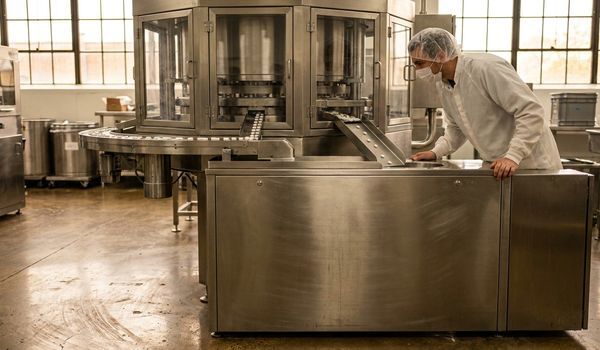
The rotary tablet press is the workhorse of commercial tablet manufacturing. Multiple tooling stations are mounted on a rotating turret, so tablets are compressed continuously as the turret turns. Mid-range rotary machines produce anywhere from 25,000 to 500,000 tablets per hour and generally cost between $30,000 and $150,000 depending on the number of stations, automation features, and build quality. For supplement brands and pharmaceutical manufacturers moving into serious production volume, this is the most commonly financed category of tablet press machine.
High-Speed and Containment Presses
At the top of the market sit high-speed rotary presses and containment systems designed for potent compounds. These machines can exceed one million tablets per hour, integrate weight control and rejection systems, and meet stringent regulatory requirements for pharmaceutical production. Prices frequently run from $150,000 to more than $500,000. Financing is essentially standard practice at this level, since few businesses choose to deploy that much cash into a single asset.
Specialty and Multi-Layer Presses
Specialty configurations include multi-layer tablet presses for combination products, effervescent tablet presses, large-diameter presses for industrial tablets, and machines built for abrasive or corrosive formulations. Because these are high-value, purpose-built assets, lenders familiar with manufacturing equipment finance them routinely.
By the Numbers
Tablet Press Financing: Key Statistics
$200B+
Annual U.S. pharmaceutical and medicine manufacturing shipments, per Census.gov data
1M+
Tablets per hour produced by high-speed rotary tablet presses
24-72 Mo
Typical tablet press financing terms with fixed monthly payments
$3K-$500K+
Price range from benchtop single-punch units to production-line presses
The market context supports the investment. Industry coverage from Reuters and CNBC tracks sustained demand across pharmaceutical and supplement manufacturing, and U.S. Census data shows the sector shipping more than $200 billion in product every year. For most manufacturers, capacity is the constraint, and capacity starts with the right press on the floor.
How Much Does a Tablet Press Cost?
The tablet press machine price depends on output capacity, automation, build standard, and whether the unit is new, refurbished, or used. Here are realistic ranges to plan around:
- Benchtop single-punch presses: roughly $3,000 to $15,000
- Entry-level rotary presses: roughly $30,000 to $80,000
- Mid-range production rotary presses: roughly $80,000 to $150,000
- High-speed or containment pharmaceutical tablet presses: $150,000 to $500,000 and above
- Used and refurbished machines: often 30% to 60% below new pricing, and yes, they can be financed too
Remember that the machine itself is only part of the budget. Tooling sets (punches and dies), spare parts, dust collection, metal detection, dedusters, installation, validation, and operator training all add to the project total. One advantage of equipment financing is that these soft costs can usually be bundled into a single monthly payment instead of stacked on top of a large cash purchase.
Financing vs. Leasing vs. Paying Cash
Business owners generally weigh three paths when acquiring a tablet press. Here is how they compare:
| Factor | Equipment Financing | Equipment Leasing | Paying Cash |
|---|---|---|---|
| Upfront cost | Low, often first payment only | Low, usually one or two payments | Full purchase price immediately |
| Monthly payment | Fixed for the full term | Fixed, often slightly lower | None |
| Ownership | You own it at term end | Purchase option at lease end | Immediate ownership |
| Cash flow impact | Minimal, preserves working capital | Minimal, preserves working capital | Severe, drains reserves |
| Approval speed | Often 24 to 48 hours | Often 24 to 48 hours | Not applicable |
| Best for | Businesses building long-term assets | Businesses that upgrade equipment regularly | Cash-rich buyers of lower-cost machines |
For most growing manufacturers, financing hits the sweet spot: ownership, predictable payments, and preserved capital. Leasing makes sense when you expect to upgrade to faster equipment within a few years. Paying cash only tends to make sense for low-cost benchtop units.
Who Qualifies for Tablet Press Financing?
Equipment financing is one of the most accessible forms of business funding because the machine itself secures the transaction. While every file is reviewed individually, here is what lenders typically look for:
- Time in business: One year or more is preferred for the best terms, though startups can qualify with stronger credit or a larger down payment.
- Credit profile: A personal credit score of 600 or above opens most programs; scores above 680 unlock the most competitive rates. Lower scores can still be approved with additional structure.
- Revenue and cash flow: Lenders want to see that monthly payments fit comfortably inside your existing cash flow, usually supported by recent bank statements.
- Equipment details: A quote or invoice for the tablet press, including the seller, model, and price.
The businesses that most commonly finance tablet presses include pharmaceutical manufacturers, dietary supplement and nutraceutical brands, contract manufacturing organizations, compounding pharmacies, veterinary product makers, confectionery producers, and industrial tablet manufacturers. If your operation compresses powder into tablets at any scale, this financing was built for you.
Pro Tip: Get your equipment quote before you apply. Applications that include a formal vendor quote move through underwriting noticeably faster, and you can bundle tooling, dies, spare parts, shipping, and installation into the same financing package so everything arrives under one monthly payment.
How Crestmont Capital Helps
Crestmont Capital is rated the #1 business lender in the United States, and equipment financing is one of our core specialties. We fund manufacturers every day, including pharmaceutical, supplement, and contract production businesses that need tablet compression equipment on the floor now, not after a quarter of bank committee meetings.
Here is what working with us looks like:
- Speed: Applications take about ten minutes, decisions typically arrive within 24 to 48 hours, and funding can move in days.
- Flexible terms: Financing structures from 24 to 72 months, tailored to your cash flow and the machine's useful life.
- Up to 100% financing: Including soft costs like shipping, installation, tooling, and training.
- New, used, and refurbished equipment: We finance tablet presses from manufacturers, dealers, and private sellers alike.
- Real guidance: A dedicated funding specialist who understands manufacturing and can structure the deal around your production timeline.
Explore our equipment financing programs for the full picture, or drill into our manufacturing equipment financing options if you are outfitting more than one station on the line. Businesses weighing ownership against flexibility can also review our equipment leasing structures. And if you operate in the broader pharma space, our guides on financing chemical and pharmaceutical manufacturing and growing production capabilities with manufacturing equipment financing go deeper on industry-specific funding strategy.
Get Your Tablet Press Funded This Week
Decisions in 24 to 48 hours. Terms from 24 to 72 months. New and used machines both qualify.
Apply Now →Real-World Scenarios: How Businesses Use Tablet Press Financing
Numbers on a page are useful, but it helps to see how financing plays out on actual production floors. These scenarios reflect the most common situations we fund.
Scenario 1: A Supplement Brand Scales Beyond Its Manual Setup
A two-year-old supplement company has been hand-filling capsules and outsourcing tablet production to a contract manufacturer. Margins are thin and lead times keep slipping. The owners identify a $65,000 entry-level rotary tablet press that would let them bring tablet production in-house. Financing the machine over 60 months puts the payment near $1,300 per month, less than half of what they were paying their contract manufacturer each month for the same volume. The press effectively pays for itself from month one, and the brand gains full control over quality and scheduling.
Scenario 2: A Pharmaceutical Manufacturer Adds a High-Speed Line
An established generic drug manufacturer wins a large new contract and needs a second high-speed tablet press with integrated weight control, priced at $380,000. Paying cash would consume most of the company's reserves heading into a raw material purchase cycle. Instead, they finance the full amount over 72 months, bundle installation and validation into the package, and keep their cash positioned for inventory. The new line's output covers the monthly payment within the first weeks of the contract ramp.
Scenario 3: A Contract Packager Replaces an Aging Press
A contract manufacturing organization runs a 15-year-old rotary press that is increasingly down for repairs. Downtime is starting to cost them client relationships. A refurbished replacement unit is available for $95,000, but tying up that much cash mid-year is uncomfortable. They finance the refurbished press over 48 months with no money down, keep the old machine as a backup, and stabilize their delivery commitments immediately.
Scenario 4: A Veterinary Products Startup Launches Its First Line
A startup producing chewable veterinary supplements needs a small rotary press to launch its first commercial batch. With strong founder credit and a solid supplier quote, the company secures financing for a $40,000 machine over 36 months, including tooling and spare parts. The business preserves its seed capital for marketing and distribution while the new press generates the revenue that services the debt.
Worth Knowing: A mid-range rotary tablet press producing 100,000 tablets per hour can generate tens of thousands of dollars in product value per shift. When a financed machine produces revenue from day one, the monthly payment is often a small fraction of the output it unlocks.
Frequently Asked Questions
What is tablet press financing? +
Tablet press financing is equipment funding that lets a business acquire a tablet compression machine without paying the full price upfront. A lender pays the seller, and you repay over a fixed term, usually 24 to 72 months, with predictable monthly payments. At the end of the term you own the machine, making it a practical path to production capacity without draining working capital.
How much does a tablet press machine cost? +
Prices range widely by type and capacity. Benchtop single-punch presses run about $3,000 to $15,000, entry and mid-range rotary tablet presses typically cost $30,000 to $150,000, and high-speed pharmaceutical containment presses can exceed $500,000. Tooling, installation, and validation add to the project total, and those soft costs can usually be included in the financing.
What credit score do I need to finance a tablet press? +
Most programs look for a personal credit score of 600 or higher, with the most competitive rates reserved for scores above 680. Because the machine itself serves as collateral, approvals are more flexible than unsecured loans. Lower scores can still qualify with stronger cash flow, a down payment, or additional structure from the lender.
Can I finance a used or refurbished tablet press? +
Yes. Used and refurbished tablet presses are financed routinely, whether purchased from a dealer, an auction, or a private seller. Lenders will review the age, condition, and remaining useful life of the machine when structuring terms. Financing used equipment is a popular way to cut acquisition cost by 30% to 60% while still preserving cash.
How long are typical tablet press financing terms? +
Terms generally run from 24 to 72 months. Shorter terms mean higher monthly payments but less total cost, while longer terms lower the payment and ease cash flow. Most buyers match the term to the expected useful life of the machine and their production revenue projections so the equipment comfortably services its own debt.
What is the difference between financing and leasing a tablet press? +
With financing, you own the machine at the end of the term and every payment builds equity. With leasing, payments are often slightly lower and you hold a purchase option at the end, which suits businesses that upgrade equipment frequently. Both preserve working capital; the right choice depends on how long you plan to keep the press.
Can a startup qualify for tablet press financing? +
Yes, startups can qualify, particularly when founders have strong personal credit, industry experience, and a solid equipment quote. A larger down payment or additional documentation may be required. Many supplement and specialty manufacturing startups use equipment financing to launch production without consuming their seed capital.
How fast can I get approved and funded? +
With Crestmont Capital, decisions typically arrive within 24 to 48 hours of a completed application, and funding can move within days once terms are accepted. Having your vendor quote, recent bank statements, and basic business information ready before applying is the best way to keep the process moving quickly.
What documents do I need to apply? +
The core list is short: a completed application, an equipment quote or invoice for the tablet press, and three to six months of business bank statements. Larger transactions may also call for basic financial statements. Your funding specialist will confirm exactly what your file needs based on the amount and structure.
Can I finance tooling, dies, and spare parts along with the machine? +
Yes. Punches, dies, tooling sets, spare parts, and accessories can typically be bundled into the same financing package as the tablet press itself. Bundling keeps everything under one monthly payment and avoids chipping away at your cash reserves during installation and ramp-up.
Does financing cover shipping and installation? +
In most cases, yes. Soft costs such as freight, rigging, installation, validation, and operator training can be rolled into the financed amount, subject to program limits. This is one of the practical advantages of equipment financing over paying cash, since the entire project lands on one predictable payment schedule.
What happens at the end of the financing term? +
With a standard equipment loan, you own the tablet press free and clear once the final payment is made. With a lease, you typically exercise a purchase option, return the machine, or upgrade to newer equipment. Either way, you have had full use of a revenue-producing asset throughout the term.
Can I pay off my tablet press financing early? +
Most programs allow early payoff, and many include prepayment options with reduced or no penalties after an initial period. Terms vary by agreement, so review the prepayment language before signing. If you expect a large contract or liquidity event, mention it to your funding specialist so the structure fits your plans.
Is a down payment required? +
Many qualified borrowers receive up to 100% financing with no down payment beyond the first monthly payment. Startups, lower credit profiles, or very large transactions may be asked for 10% to 20% down. A down payment can also be used strategically to lower the monthly payment or improve approval odds.
How do I apply for tablet press financing with Crestmont Capital? +
Complete the short online application, which takes about ten minutes. A funding specialist reviews your file, presents options, and, once you accept terms, funding goes directly to your equipment seller. Most applicants receive a decision within 24 to 48 hours and funding within days.
Your Production Line Is Waiting
Join the manufacturers who fund equipment the smart way. Apply in minutes and get a decision within 24 to 48 hours.
Apply Now →How to Get Started
Complete our quick application at offers.crestmontcapital.com/apply-now - takes just a few minutes.
A Crestmont Capital advisor will review your needs and match you with the right financing option for your tablet press.
Receive your funds and put your new equipment to work, often within days of approval.
Conclusion
A tablet press is not just another machine purchase. It is the asset that determines how much product you can make, how fast you can ship it, and how much margin you keep on every batch. Whether you need a benchtop unit for formulation work, a rotary tablet press for commercial supplement production, or a high-speed pharmaceutical line, tablet press financing lets you put that capacity on your floor now while keeping your cash available for everything else your business needs.
Crestmont Capital has funded equipment for manufacturers across every industry in the country, and our process is built for speed: a ten-minute application, decisions in 24 to 48 hours, and terms structured around your cash flow. If you are ready to add tablet production capacity, apply today and put your new machine to work this month.
Disclaimer: The information provided in this article is for general educational purposes only and is not financial, legal, or tax advice. Funding terms, qualifications, and product availability may vary and are subject to change without notice. Crestmont Capital does not guarantee approval, rates, or specific outcomes. For personalized information about your business funding options, contact our team directly.

Allan Garfinkle
Allan Garfinkle is the Chief Revenue Officer at Crestmont Capital, where he has spent more than a decade leading revenue strategy, business development, and operational growth. With 28 years of experience building and advising startups and small businesses, Allan has helped more than 10,000 business owners navigate financing decisions, growth opportunities, and changing economic conditions. He earned a Bachelor of Science in Economics and an MBA with a concentration in Finance from Northeastern University, as well as a Juris Doctor from New England Law, where his studies focused on contracts and business law. His writing draws on extensive practical experience in small-business lending, equipment financing, business credit, and commercial finance.