
Roller skating rink statistics reveal one of the most surprising comeback stories in the American entertainment industry. After decades of decline that saw thousands of rinks close across the country, the industry has staged a remarkable revival fueled by social media, retro culture, and renewed demand for in-person experiences. Whether you are researching the market before opening a rink, tracking participation trends, or evaluating an acquisition, the 2026 data paints a picture of an industry that is leaner, smarter, and growing again.
This report compiles the most current roller skating rink statistics available, covering market size, participation demographics, revenue benchmarks, and the trends shaping the year ahead. Every figure is drawn from industry research, government data, and trade reporting so owners, investors, and operators can plan with confidence.
In This Article
- The Roller Skating Rink Industry at a Glance
- Roller Skating Rink Market Size and Growth
- Key Roller Skating Rink Statistics for 2026
- Demographics and Participation Statistics
- Revenue and Profitability Statistics
- Trends Shaping the Industry in 2026
- Challenges Facing Roller Skating Rinks
- What the Data Means for Prospective Owners
- Financing a Roller Skating Rink
- Real-World Scenarios
- Frequently Asked Questions
- Next Steps
The Roller Skating Rink Industry at a Glance
Roller skating rinks sit within the broader family entertainment center segment of the U.S. economy, a category tracked by the U.S. Census Bureau under the arts, entertainment, and recreation sector. The industry includes dedicated roller skating rinks, hybrid family entertainment centers with skating as an anchor attraction, and seasonal or pop-up skating venues operating in converted retail and event spaces.
The modern industry looks very different from its peak. During the roller disco era of the late 1970s and early 1980s, the United States was home to an estimated 4,000 to 5,000 roller skating rinks. By the early 2000s, that count had fallen sharply as video games, home entertainment, and shifting youth habits pulled customers away. Industry estimates place the number of operating rinks in the United States today in the range of 700 to 1,000, a fraction of the historical peak but a figure that has stabilized and begun to tick upward in recent years.
Several structural changes define the 2026 landscape:
- Consolidation into stronger operators. The rinks that survived the long decline tend to be well-run regional businesses with diversified revenue streams, including birthday parties, skate lessons, and private events.
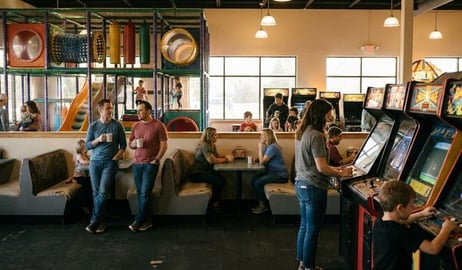
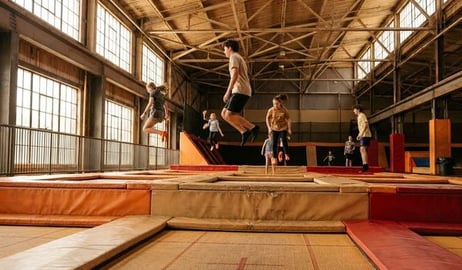
- Rise of the hybrid entertainment center. New facilities increasingly combine skating with arcades, laser tag, climbing walls, and food service rather than relying on skating alone.
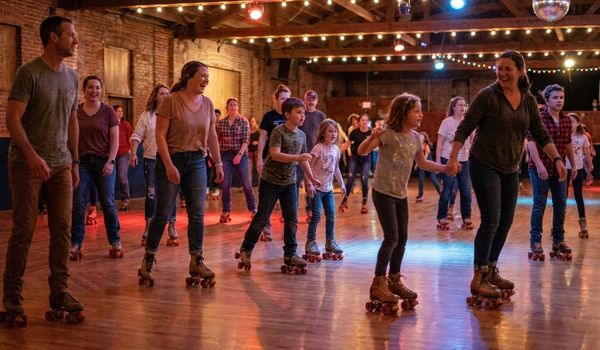
- Adult-oriented programming. Adult skate nights, themed DJ sessions, and 21-plus events have opened an entirely new revenue channel that barely existed a generation ago.
- Pop-up and seasonal venues. Lower-cost pop-up rinks in vacant retail spaces, parking structures, and event venues have lowered the barrier to entry for new operators testing a market.
The result is an industry that is smaller in raw unit count than its disco-era peak but healthier on a per-rink basis, with surviving and newly opened facilities reporting stronger average attendance and more diverse income than their predecessors.
Roller Skating Rink Market Size and Growth
Pinpointing the exact size of the U.S. roller skating rink market requires pulling from several data sources, because no single government series isolates rinks from the broader recreation category. Industry analysts who track the segment estimate the U.S. roller skating rink market generates annual revenue in the range of $500 million to $650 million as of 2026, with growth running in the low-to-mid single digits annually since the post-2020 revival began.
That growth rate stands in sharp contrast to the decades-long contraction that preceded it. Several forces are driving the expansion:
- The social media effect. Roller skating content has accumulated billions of views on short-form video platforms, converting a nostalgic activity into a aspirational lifestyle trend for teens and young adults.
- The pandemic-era reset. When lockdowns pushed people toward outdoor and distanced activities in 2020 and 2021, roller skate sales surged so sharply that major manufacturers reported sellouts and months-long backorders. Many of those new skaters eventually became rink customers.
- Experience economy spending. Consumer spending has continued shifting from goods toward experiences, benefiting venues that offer memorable, shareable outings.
- Low-impact fitness appeal. Roller skating burns a comparable number of calories per hour to jogging while being easier on joints, which has drawn fitness-minded adults into the sport.
Key Insight
The roller skating rink industry is one of the few entertainment segments where unit count fell for 30 years while revenue per venue steadily climbed. Operators entering the market today face far less direct competition than they would have in 1985, and the customers who do skate tend to spend more per visit across admissions, rentals, food, and events.
Government data supports the broader trend. The U.S. Census Bureau's County Business Patterns program shows steady growth in establishments and employment across the fitness and recreational sports category that contains skating rinks, and the experience-economy categories within it have outpaced overall recreation spending since 2021. For a localized view of how many entertainment venues operate in a given market, the Census Bureau's county-level data is the most reliable free resource available to prospective owners.
Globally, the picture reinforces the U.S. story. The worldwide roller skate equipment market, which serves as a useful proxy for participation, has been valued in the range of several hundred million dollars annually and is projected by multiple industry research firms to grow at a mid-single-digit compound annual rate through the end of the decade. Equipment demand and rink attendance historically move together, because new skaters who buy skates eventually seek out dedicated venues.
Key Roller Skating Rink Statistics for 2026
The numbers below represent the most important data points for understanding where the roller skating rink industry stands heading into 2026. Figures are compiled from industry research, trade association reporting, and government data, and reflect the best available estimates for the U.S. market.
Roller Skating Rink Industry: 2026 Snapshot
700-1,000
Operating rinks in the United States
$550M+
Estimated annual U.S. market revenue
10M+
Americans who roller skate at least occasionally
3-5%
Projected annual industry growth rate
Among the most telling statistics in the industry:
- Rink count versus peak. The U.S. had an estimated 4,000 to 5,000 rinks at the early-1980s peak. Today's count of roughly 700 to 1,000 reflects a massive long-term contraction, but the surviving base has been stable for years and new openings have outpaced closures in several recent years.
- Participation base. Participation surveys consistently show that more than 10 million Americans roller skate at least once per year, with a core of several million skating regularly. Inline and quad skating together place the activity comfortably within the top tier of recreational sports by participation.
- Skate sales surge. During 2020, roller skate sales at major retailers spiked by triple-digit percentages, with popular styles selling out nationwide. While sales normalized after the surge, the installed base of new skaters created during that period continues to feed rink attendance.
- Social media reach. Roller skating hashtags have generated billions of cumulative views on short-form video platforms, an attention footprint larger than many professional sports leagues enjoy.
- Roller derby growth. Flat-track roller derby has grown from a handful of leagues in the early 2000s to hundreds of leagues worldwide, many of which train and compete in roller skating rinks, creating a reliable recurring-revenue anchor tenant for rink operators.
Roller Skating Demographics and Participation Statistics
Understanding who skates is essential for anyone evaluating a rink investment or planning programming. The demographic profile of roller skating in 2026 is broader and more diverse than at any point in the sport's history.
Age Distribution
Roller skating participation spans every age group, but three cohorts dominate rink attendance:
- Children and tweens (ages 5 to 12). This group drives the birthday party and family session business, which remains the financial backbone of most rinks. Party bookings typically account for a substantial share of weekend revenue.
- Teens and young adults (ages 13 to 29). This is the fastest-growing segment, powered almost entirely by social media. Skating content creators have made the activity aspirational for Gen Z, and rinks that cultivate an Instagram-worthy atmosphere see outsized attendance from this group.
- Adults (ages 30 to 55). Adults who skated as children during the 1970s, 1980s, and 1990s are returning in large numbers. Adult skate nights, which often run 21-plus with DJs and themed music, have become some of the highest-grossing sessions per attendee at many rinks.
Gender and Household Profile
Participation data shows roller skating skews modestly female, particularly in the social-media-driven recreational segment, where women account for a clear majority of new participant growth since 2020. The sport also indexes strongly among urban and suburban households, and skating has deep cultural roots in Black and Latino communities, where rink culture, rhythm skating, and JB skating styles have been central to the sport for decades.
The Social Media Cohort
The single most important demographic story in roller skating is the arrival of the social media generation. Rinks report that first-time adult visitors routinely cite short-form video as their reason for coming. This cohort skates differently than prior generations: they visit in groups, stay longer, buy more concessions, share their visits online, and effectively serve as unpaid marketers for the venues they attend.
Turn Industry Growth Into Your Opportunity
Crestmont Capital has funded entertainment and recreation businesses across the country. See what you qualify for in minutes.
Apply Now - Fast ApprovalRoller Skating Rink Revenue and Profitability Statistics
Revenue performance varies widely across the industry, but industry reporting and operator disclosures allow for reasonable benchmarks. A typical single-location roller skating rink in the United States generates annual revenue in the range of $400,000 to $1.5 million, with well-run facilities in strong markets exceeding that range. Hybrid family entertainment centers anchored by skating can generate several million dollars annually.
How Rink Revenue Breaks Down
Modern rinks are multi-stream businesses. The table below shows the typical revenue mix for a healthy facility:
| Revenue Stream | Typical Share of Revenue | Notes |
|---|---|---|
| Admissions | 30-40% | Session entry fees, passes, memberships |
| Birthday parties and group events | 20-30% | Highest-margin segment for most rinks |
| Skate rentals | 10-15% | Strong margins; fleet refreshes every few years |
| Concessions and food service | 15-25% | Growing share as rinks upgrade menus |
| Lessons, leagues, and pro shop | 5-15% | Skate sales, classes, derby leagues, events |
Cost Structure and Margins
Roller skating rinks carry a distinctive cost profile. The largest expense categories are typically the facility itself (rent or mortgage on 15,000 to 30,000 square feet), staffing, insurance, and utilities. Insurance deserves special attention: because skating involves physical activity and minors, liability premiums are a meaningful line item, and operators report that insurance costs have risen notably in recent years.
On the positive side, once a rink's fixed costs are covered, incremental attendance is highly profitable. The marginal cost of one more skater on a session is close to zero, which is why programming that fills off-peak hours, such as school fundraisers, homeschool skate days, and adult nights, has such an outsized effect on profitability. Well-managed rinks can achieve operating margins in the 15% to 25% range, with top performers doing better.
Operator Insight
Birthday parties are the quiet profit engine of the roller skating industry. A single Saturday can host a dozen parties, each prepaid, each feeding concessions and skate rentals, and each introducing dozens of new children to the venue. Operators consistently report that party revenue carries the highest margins in the business.
Trends Shaping the Roller Skating Industry in 2026
Several powerful trends are defining where the industry is heading. Operators and investors watching these shifts are positioning themselves to capture the next phase of growth.
1. The Retro Revival Has Staying Power
What began as a pandemic-era outdoor activity has matured into a durable cultural trend. Roller skating now occupies a unique position: it is simultaneously nostalgic for older generations and fresh for younger ones discovering it through social media. Unlike many pandemic fads that faded as quickly as they arrived, skating participation has held its gains, suggesting the revival reflects a genuine shift rather than a temporary spike.
2. Rinks Are Becoming Full Entertainment Destinations
The most successful new facilities look nothing like the single-purpose rinks of the past. Modern builds combine skating with arcades, esports lounges, climbing features, mini bowling, and elevated food and beverage programs. This hybrid model smooths revenue across dayparts and seasons, increases per-visitor spending, and makes the business case for the large real estate footprint far stronger.
3. Adult Programming Is the Fastest-Growing Segment
Adult skate nights have transformed rink economics. These events draw crowds willing to pay premium admission, buy drinks and food, and attend regularly. Many rinks report that a single weekly adult night generates revenue comparable to several daytime family sessions, with lower staffing demands and minimal marketing cost thanks to organic social sharing.
4. Wellness Positioning Is Attracting New Audiences
Roller skating delivers a genuine cardiovascular workout, burning several hundred calories per hour while remaining low-impact. As consumers look for alternatives to gyms, rinks that market skating as fitness, complete with skate-fit classes and cardio sessions, are tapping into the enormous wellness spending category rather than competing only for entertainment dollars.
5. Pop-Up and Seasonal Models Are Lowering Barriers to Entry
Not every market can support a permanent 20,000-square-foot facility, and not every entrepreneur wants to commit to one on day one. Pop-up rinks in vacant retail spaces, seasonal outdoor installations, and touring skating events allow operators to validate demand before committing capital. Several of today's permanent rinks began as pop-ups that proved the market.
6. Technology Is Modernizing Operations
Online party booking, digital waivers, cashless concessions, and membership apps have streamlined the customer experience and cut labor costs. Rinks that adopted these systems report higher party booking conversion, better per-capita spending data, and improved repeat visitation through targeted promotions.
Challenges Facing Roller Skating Rinks in 2026
The industry's revival is real, but so are its challenges. Anyone evaluating the business should understand the headwinds honestly.
Real Estate Economics
A roller skating rink needs a large, open floor plate with smooth surfaces, high ceilings, and ample parking. Finding 15,000 to 30,000 square feet at a sustainable rent is the single biggest hurdle for new operators, and rising commercial rents in many markets have complicated the math. This is one reason hybrid entertainment centers, which generate more revenue per square foot, have become the dominant model for new construction.
Insurance Costs
Skating involves physical activity, children, and a hard floor, which makes liability insurance a significant and rising expense. Operators report that premiums have climbed meaningfully over the past several years, and securing coverage requires working with specialty insurers familiar with the recreation industry.
Staffing and Seasonality
Rinks depend heavily on part-time and teen labor, and attendance is inherently seasonal, peaking during school breaks and winter months while softening in summer. Managing cash flow across these cycles is a core operational skill, and many operators rely on a business line of credit to smooth the slower months.
Capital Intensity of Opening or Upgrading
Between floor installation, skate fleet inventory, sound and lighting systems, concessions equipment, and initial marketing, opening a new rink requires substantial upfront capital, and upgrading an aging facility to modern expectations is not cheap either. Understanding why business loan applications get denied and preparing a strong application can make the difference between securing funding and stalling out.
Funding Built for Entertainment Businesses
From skate fleets to floor resurfacing to full buildouts, Crestmont Capital funds the equipment and working capital rinks need.
Check Your OptionsWhat the Statistics Mean for Prospective Rink Owners
Read together, the 2026 data tells a clear story for anyone considering entering the industry.
First, the supply-demand balance has shifted in favor of operators. The decades-long decline removed thousands of rinks from the map, but the customer base has been rebuilt by social media and the experience economy. Many midsize markets that once supported multiple rinks now have none, even as demand for skating experiences has grown. For a well-capitalized operator, these underserved markets represent genuine opportunity.
Second, the economics reward sophistication. The rinks earning the strongest returns are not the ones with the flashiest floors; they are the ones that treat the business as a diversified entertainment operation, layering parties, adult nights, lessons, leagues, and food service on top of admissions. Market research is the foundation of that sophistication. The U.S. Small Business Administration's market research and competitive analysis guide is an excellent starting framework for sizing up a local market before committing capital.
Third, the industry rewards operators who understand their financing options before they need them. Whether the plan is a ground-up build, an acquisition of an existing rink, or a modernization of a family-owned facility, the capital structure matters. Resources like the SBA's loan programs overview and independent lenders that specialize in recreation businesses can both play a role. For a broader view of how small businesses are funding growth this year, our own small business loan statistics report covers approval rates, loan sizes, and funding trends across industries.
Financing a Roller Skating Rink: Options and Costs
Opening a roller skating rink is a capital-intensive undertaking. Total startup costs typically range from around $500,000 for a modest facility in a leased space to $2 million or more for a ground-up hybrid entertainment center. The major cost categories break down as follows:
- Facility buildout or renovation. Floor installation or resurfacing, restrooms, party rooms, and code compliance often represent the largest single expense.
- Skating floor. A professional-grade hardwood or synthetic skating surface for a 15,000-plus-square-foot rink is a significant investment, but it is the heart of the business and not a place to cut corners.
- Skate fleet. An initial rental fleet of 500 to 1,000 pairs of skates in both quad and inline styles, plus ongoing replacement.
- Sound, lighting, and theming. Modern rinks compete on atmosphere, and the audio-visual package is central to the experience.
- Concessions and kitchen equipment. Food service drives high-margin revenue and requires commercial-grade equipment.
- Working capital. Payroll, insurance, utilities, and marketing during the ramp-up period before the rink reaches steady-state attendance.
Several financing structures map naturally onto these cost categories:
Equipment Financing
Skate fleets, sound and lighting systems, kitchen equipment, and point-of-sale infrastructure are all ideal candidates for equipment financing. Because the equipment itself serves as collateral, this structure preserves cash for buildout and operating costs, and approvals are often faster than for general-purpose loans.
Working Capital Loans
The ramp-up period and the industry's seasonal cycles make flexible working capital essential. Working capital loans cover payroll, insurance premiums, marketing pushes, and the slow summer months without requiring owners to drain reserves.
SBA Loans
For acquisitions and larger buildouts, SBA-backed financing offers longer terms and lower rates for qualified borrowers. The tradeoff is a longer application process and stricter documentation requirements, which makes early preparation essential. Our report on small business loan statistics for 2026 shows how approval rates and timelines vary across loan types.
Business Lines of Credit
Once a rink is operating, a revolving line of credit acts as a financial shock absorber for seasonal dips, unexpected repairs, and time-sensitive opportunities like buying out a competitor's skate fleet at a discount.
Ready to Build or Grow Your Rink?
Crestmont Capital specializes in small business financing for entertainment and recreation venues. Get a decision fast.
Get Funded - Apply TodayReal-World Scenarios: How Operators Use This Data
Statistics become useful when they inform decisions. Here are four scenarios that show how different operators apply industry data in practice.
Scenario 1: The First-Time Entrepreneur Validating a Market
A former roller derby athlete in a midsize Southern city notices her metro area of 400,000 people has no operating rink. Using Census Bureau data, she confirms the market once supported three rinks and that family entertainment spending in the county has grown steadily. She opens a seasonal pop-up rink in a vacant big-box retail space for under $150,000, proves attendance over two seasons, and uses that operating history to secure financing for a permanent 18,000-square-foot facility.
Scenario 2: The Family Rink Modernization
A family that has run the same rink for 30 years watches attendance climb as skating trends online, but their facility looks dated next to modern entertainment venues. Rather than a full rebuild, they finance a targeted upgrade: a resurfaced floor, a modern sound and lighting package, refreshed party rooms, and a concessions overhaul. The project is funded with equipment financing for the systems and a working capital loan for the soft costs, and party bookings rise sharply in the following year.
Scenario 3: The Hybrid Entertainment Center Conversion
An investor group evaluating a failing bowling center notes that the building's 30,000 square feet, parking, and highway visibility fit the rink profile perfectly. They convert half the space to a skating floor and keep a mix of arcade and food service. The skating anchor differentiates the venue from every competitor in the county, and adult skate nights quickly become the venue's highest-margin weekly event.
Scenario 4: The Existing Operator Smoothing Seasonal Cash Flow
A profitable rink in the Midwest generates the bulk of its revenue between October and April. Each summer, the owner draws on a business line of credit to cover insurance, utilities, and key staff, then repays the line as fall attendance returns. The line costs little to maintain and eliminates the cash stress that once defined the off-season.
Frequently Asked Questions
How many roller skating rinks are there in the United States? +
Industry estimates place the number of operating roller skating rinks in the United States in the range of 700 to 1,000 as of 2026. That is down sharply from the peak of roughly 4,000 to 5,000 rinks during the roller disco era of the late 1970s and early 1980s, but the count has stabilized in recent years and new openings have outpaced closures in several markets.
How big is the roller skating rink industry? +
The U.S. roller skating rink market generates an estimated $500 million to $650 million in annual revenue as of 2026. Growth has been running in the low-to-mid single digits annually since the post-2020 revival, driven by social media attention, adult programming, and the broader shift toward experience-based spending.
Is roller skating growing in popularity? +
Yes. Roller skating has experienced a sustained resurgence since 2020. Roller skate sales spiked by triple-digit percentages during the pandemic, skating content has accumulated billions of views on short-form video platforms, and participation surveys show more than 10 million Americans skate at least once per year.
How much does it cost to open a roller skating rink? +
Startup costs typically range from around $500,000 for a modest facility in a leased space to $2 million or more for a ground-up hybrid entertainment center. Major cost categories include the facility buildout, the skating floor, the rental skate fleet, sound and lighting, concessions equipment, and working capital for the ramp-up period.
How much revenue does a roller skating rink make per year? +
A typical single-location rink generates annual revenue in the range of $400,000 to $1.5 million, depending on market size, programming, and how well the business has diversified its revenue streams. Hybrid entertainment centers anchored by skating can generate several million dollars annually.
Are roller skating rinks profitable? +
Well-managed rinks can achieve operating margins in the 15% to 25% range. Profitability depends on filling off-peak hours with parties, school events, adult nights, and leagues, because incremental attendance is nearly pure profit once fixed costs are covered. Birthday parties are typically the highest-margin segment.
What age group roller skates the most? +
Rink attendance is driven by three cohorts: children ages 5 to 12 for birthday parties and family sessions, teens and young adults ages 13 to 29 drawn in by social media, and adults ages 30 to 55 returning to a sport they loved as kids. Adult skate nights have become the fastest-growing programming segment.
Why did so many roller skating rinks close? +
The long decline from the 1980s through the 2000s was driven by competition from home video games and entertainment, rising real estate costs for large-footprint venues, and shifting youth habits. The rinks that survived tended to be well-capitalized operators with diversified revenue beyond admissions.
What is driving the roller skating comeback? +
Three forces: social media, which turned skating into a shareable lifestyle trend; the pandemic-era surge in outdoor and distanced recreation, which sold out skate inventories nationwide; and the broader consumer shift toward spending on experiences rather than goods. Wellness positioning as a low-impact cardio workout has added a fourth driver.
How do roller skating rinks make most of their money? +
Admissions typically account for 30% to 40% of revenue, with birthday parties and group events contributing another 20% to 30% at the highest margins. Skate rentals, concessions, lessons, leagues, and pro shop sales make up the balance. The healthiest rinks are diversified across all of these streams.
What are the biggest challenges of owning a roller skating rink? +
The top challenges are securing affordable large-footprint real estate, rising liability insurance costs, dependence on part-time labor, and seasonal attendance swings. Most operators manage seasonality with a business line of credit that covers fixed costs during slow summer months.
How much does roller skating rink insurance cost? +
Insurance is a significant and rising expense for rinks because skating involves physical activity and minors. Annual premiums vary widely by state, facility size, and claims history, and coverage typically must be sourced from specialty insurers familiar with the recreation industry. Prospective owners should get insurance quotes early in their planning.
Can you get an SBA loan to open a roller skating rink? +
Yes. SBA-backed loans are a common funding source for rink acquisitions and larger buildouts because they offer longer terms and lower rates for qualified borrowers. The application process is slower and more documentation-heavy than alternative financing, so many operators pair SBA funding with equipment financing for specific assets.
What equipment do you need to open a roller skating rink? +
Core equipment includes the skating floor surface, a rental fleet of 500 to 1,000 pairs of skates, sound and lighting systems, concessions and kitchen equipment, point-of-sale systems, and skate maintenance tools. Most of these assets qualify for equipment financing, which uses the equipment itself as collateral.
Is 2026 a good time to open a roller skating rink? +
The data suggests yes, for the right operator in the right market. Industry revenue is growing at 3% to 5% annually, many midsize markets that once supported multiple rinks now have none, and the customer base has been rebuilt by social media. Success depends on sophisticated programming, diversified revenue, and adequate capitalization from day one.
Next Steps for Aspiring Rink Owners and Operators
If the statistics in this report have you thinking seriously about the roller skating rink business, here is a practical path forward:
Validate your local market
Use Census Bureau data and the SBA's market research framework to confirm your market can support a rink. Look for metros that lost rinks during the long decline but have growing family entertainment spending.
Build a realistic financial model
Model the revenue mix from the statistics above: admissions, parties, rentals, concessions, and programming. Stress-test the model against the industry's seasonality and insurance costs.
Line up financing before you sign a lease
Talk to lenders who understand entertainment businesses. Combining equipment financing for hard assets with working capital for the ramp-up period preserves your cash when you need it most.
Consider a pop-up proof of concept
A seasonal or pop-up rink in a vacant retail space can validate demand at a fraction of the cost of a permanent facility, and the operating history makes permanent financing far easier to secure.
Conclusion
Roller skating rink statistics for 2026 describe an industry that has completed an unlikely turnaround. From a peak of several thousand rinks in the disco era to a fraction of that count today, the industry contracted for three decades before social media, the experience economy, and the wellness movement rebuilt demand. What remains, and what is now being built, is a leaner generation of venues with diversified revenue, modern programming, and economics that reward well-run operators.
For prospective owners, the opportunity is real but requires preparation. The markets are underserved, the customers are returning, and the financing tools exist to fund everything from a skate fleet to a full buildout. The operators who succeed will be the ones who study the data, model the business honestly, and secure the right capital before they need it.
Crestmont Capital works with entertainment and recreation businesses at every stage, from first-time entrepreneurs validating a market to established operators modernizing a family rink. If you are ready to turn these industry statistics into your own business story, our team can help you find the funding structure that fits.
Disclaimer: The information provided in this article is for general educational purposes only and is not financial, legal, or tax advice. Funding terms, qualifications, and product availability may vary and are subject to change without notice. Crestmont Capital does not guarantee approval, rates, or specific outcomes. For personalized information about your business funding options, contact our team directly.

About the author and reviewer
Allan GarfinkleMBA (Finance), JD
Chief Revenue Officer, Crestmont Capital
Allan Garfinkle is the Chief Revenue Officer at Crestmont Capital, where he has spent more than a decade leading revenue strategy, business development, and operational growth. With 28 years of experience building and advising startups and small businesses, Allan has helped more than 10,000 business owners navigate financing decisions, growth opportunities, and changing economic conditions. He earned a Bachelor of Science in Economics and an MBA with a concentration in Finance from Northeastern University, as well as a Juris Doctor from New England Law, where his studies focused on contracts and business law. His writing draws on extensive practical experience in small-business lending, equipment financing, business credit, and commercial finance.