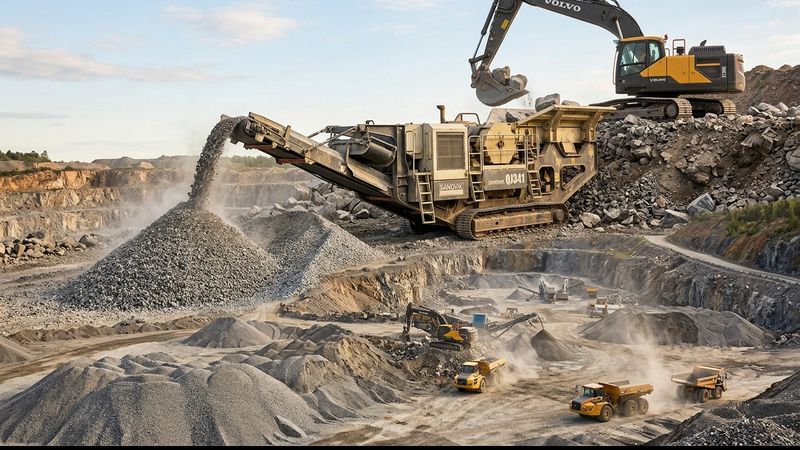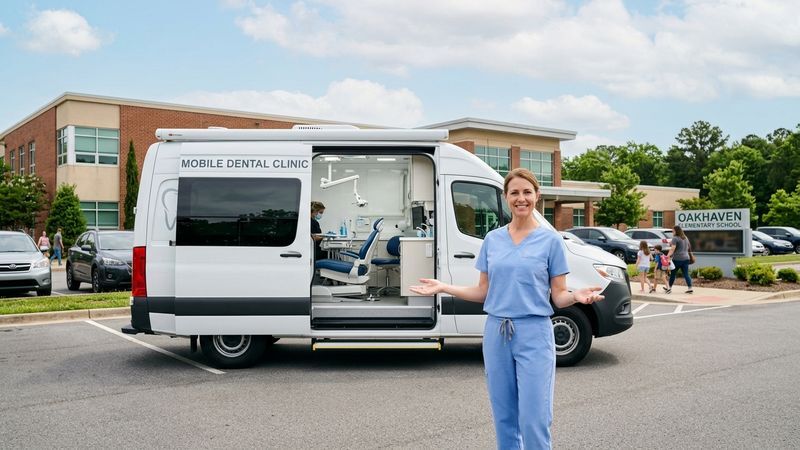
Outdated equipment doesn't just slow your operations - it actively costs your business money. Whether it's a lagging CNC machine on a production floor, an aging refrigeration unit in a restaurant, or worn diagnostic tools in an auto shop, operating with obsolete machinery means higher repair bills, lower productivity, and a shrinking competitive edge. The challenge most business owners face is simple: replacing equipment outright requires significant capital that most growing businesses simply cannot spare. That's where equipment replacement financing changes the equation entirely.
Equipment replacement financing allows businesses to acquire new, modern machinery and technology without depleting their cash reserves or disrupting operations. Rather than waiting years to save enough capital for a major purchase, financing spreads the cost into manageable monthly payments - preserving cash flow while immediately unlocking the operational benefits of upgraded equipment. This guide explains everything you need to know to replace outdated equipment strategically and affordably.
In This Article
- What Is Equipment Replacement Financing?
- Signs Your Equipment Needs Replacing
- Key Benefits of Financing Equipment Replacements
- How Equipment Replacement Financing Works
- Types of Equipment Replacement Financing
- Financing vs. Paying Cash: A Comparison
- Who Qualifies for Equipment Replacement Financing?
- How Crestmont Capital Helps
- Real-World Scenarios
- Frequently Asked Questions
- How to Get Started
What Is Equipment Replacement Financing?
Equipment replacement financing is a category of business lending specifically designed to fund the purchase, lease, or upgrade of machinery, technology, tools, or other physical assets used in business operations. Unlike general-purpose working capital loans, equipment financing is structured around the asset being acquired - meaning the equipment itself often serves as collateral, which typically results in favorable rates and terms compared to unsecured lending.
The core purpose is straightforward: businesses need modern equipment to operate efficiently and competitively, but few have the liquid capital available to purchase new machinery outright. Financing bridges this gap by providing immediate access to equipment while spreading repayment over months or years aligned with the useful life of the asset.
Equipment replacement financing differs from new equipment financing primarily in context. When replacing outdated equipment, lenders may also consider trade-in or residual value of existing assets, and the upgrade rationale often strengthens the loan application by demonstrating operational necessity rather than discretionary expansion.
Key Stat: According to the Equipment Leasing and Finance Association (ELFA), U.S. businesses invest over $1.5 trillion annually in equipment and software - with more than half financed through loans or leases rather than purchased outright.
Signs Your Equipment Needs Replacing
Many business owners delay equipment replacement too long because they underestimate the hidden cost of aging machinery. Recognizing the warning signs early allows you to plan a replacement before a critical failure forces an emergency decision with no time to secure favorable financing.
Frequent and Escalating Repair Costs: If maintenance and repair costs are climbing year over year, you may be approaching or exceeding the "economic life" of the equipment - the point at which repair costs exceed the cost of ownership of a newer alternative. A useful rule of thumb: when annual repair costs exceed 50% of the cost to replace the equipment, replacement financing is almost always the financially smarter option.
Declining Output and Efficiency: Older equipment typically operates at lower efficiency rates than modern alternatives. A 10-year-old industrial compressor might consume 30% more energy than a current model. An aging CNC machine may take twice as long to complete a job. This productivity gap compounds over time and directly reduces your profit margins on every job or unit produced.
Parts Obsolescence: When manufacturers discontinue parts for older equipment, repair timelines extend from days to weeks as you source used or custom-fabricated components. Each extended downtime event has a direct revenue impact that rarely appears on standard financial reports but is very real.
Safety and Compliance Concerns: Equipment that predates current safety standards or industry regulations creates liability exposure. OSHA standards evolve, and older equipment may not meet current requirements - leading to fines, workers' compensation claims, or legal liability that dwarfs any financing cost.
Competitive Disadvantage: Technology cycles in most industries mean that equipment from 8-10 years ago may simply lack the capabilities competitors now offer as standard. In restaurant kitchens, auto repair shops, medical offices, and manufacturing facilities, modern equipment enables faster service, better quality, and lower per-unit costs that older equipment cannot match.
Warning Sign to Watch: If your equipment is past its manufacturer's recommended service life or if you've had two or more major breakdowns in a single year, replacement financing deserves immediate consideration - not a delayed budgeting conversation.
Key Benefits of Financing Equipment Replacements
The financial case for equipment replacement financing goes well beyond simply "avoiding a big upfront cost." When structured correctly, financing can actually improve your overall financial position in several ways simultaneously.
Cash Flow Preservation: Cash is the lifeblood of small and mid-sized businesses. Spending $80,000 or $200,000 on new equipment outright leaves you with significantly reduced liquidity for payroll, inventory, marketing, and unexpected expenses. Financing spreads that cost over 36-84 months in predictable payments that fit within your operating budget - protecting the cash reserves you've worked hard to build.
Immediate Productivity Gains: The moment your new equipment arrives and is operational, you begin benefiting from its improved efficiency, speed, and reliability. With financing, you don't have to wait until you've saved enough capital - you access the productivity gains right now and let those gains help fund the payments.
Predictable Budget Planning: Fixed monthly payments make financial planning far more straightforward than the unpredictable costs of maintaining aging equipment. Repair costs are erratic; a financed payment is exactly the same every month for the life of the loan.
Access to Better Equipment: Financing often allows businesses to acquire higher-quality or higher-capacity equipment than would otherwise be affordable. A restaurant that could only budget $30,000 cash for a commercial oven might finance a $75,000 model that dramatically improves output and durability.
Flexible Structures: Equipment financing can be structured as a loan (where you own the equipment and build equity) or a lease (where you rent the equipment with options to buy, upgrade, or return at end of term). This flexibility lets you choose the structure that best matches your cash flow needs and long-term plans for the asset.
By the Numbers
Equipment Replacement Financing - Key Statistics
$1.5T+
Annual U.S. equipment investment financed annually
55%
Of U.S. businesses use financing for equipment acquisitions
2-5 Days
Typical approval timeline for equipment financing
$5K-$5M+
Typical equipment financing amount range
How Equipment Replacement Financing Works
Understanding the mechanics of equipment replacement financing helps you evaluate your options and prepare a strong application. The process typically follows these phases:
Phase 1 - Identify the Equipment: You start with a clear picture of what equipment needs replacing and why. This includes the current equipment's age, condition, and associated problems; the replacement equipment's make, model, and pricing; and documentation or quotes from vendors. Having vendor quotes ready when you apply streamlines the process considerably.
Phase 2 - Choose a Financing Type: As described below, you'll choose between an equipment loan (you own the asset) or an equipment lease (you use the asset under a contract). Your choice depends on how long you plan to keep the equipment, whether you prefer to build equity in the asset, and your tax and accounting considerations.
Phase 3 - Application and Underwriting: The lender evaluates your application based on your business credit profile, time in business, annual revenue, and the value of the equipment being financed. Since the equipment serves as collateral, lenders often extend financing to businesses that might not qualify for unsecured working capital loans.
Phase 4 - Approval and Funding: Once approved, funds are typically disbursed directly to the equipment vendor. You take delivery of the equipment and begin making your scheduled monthly payments. In many cases, the payment structure is designed so that the monthly cost is offset by the productivity and cost savings the new equipment delivers.
Phase 5 - End of Term: At loan payoff, you own the equipment outright. For leases, end-of-term options typically include purchasing the equipment at fair market or a predetermined price, returning the equipment and upgrading to new models, or extending the lease.
Types of Equipment Replacement Financing
There is no single "correct" financing product for equipment replacement - the right choice depends on your business situation, the type of equipment, and your financial goals. Here are the primary options available through Crestmont Capital and the broader lending market:
Equipment Loans: A traditional term loan where you borrow a specific amount to purchase equipment, repay over a fixed term (typically 24-84 months), and own the equipment outright when paid off. This option builds equity in the asset and is typically best for equipment with long useful lives (10+ years).
Equipment Leasing: You pay to use the equipment over a defined lease term without purchasing it. Capital leases (finance leases) function similarly to loans - you assume ownership at end of term. Operating leases keep the equipment off your balance sheet and are preferred for technology-heavy industries where equipment becomes obsolete quickly. Many lenders offer $1 purchase options at end of term.
SBA 7(a) Loans: For larger equipment purchases (particularly for established businesses), SBA 7(a) loans offer competitive interest rates and extended terms of up to 10 years for equipment. The tradeoff is a longer application and approval process compared to conventional equipment financing.
Equipment Lines of Credit: An equipment line of credit allows you to draw funds as needed up to a maximum limit, rather than borrowing a fixed lump sum. This is ideal for businesses that need to replace multiple pieces of equipment over time or need flexibility to respond to equipment failures as they occur.
Revenue-Based Financing for Equipment: For businesses with strong monthly revenue but limited credit history or collateral, revenue-based financing may provide the capital needed to replace equipment with payments scaled to revenue performance.
Working Capital + Equipment Combo: Some businesses need not just the equipment itself but also working capital to cover installation, training, downtime during transition, and other associated costs. Combined financing packages address all of these needs in a single application.
Ready to Replace Your Outdated Equipment?
Crestmont Capital offers fast, flexible equipment replacement financing. Get a decision in as little as 24 hours - no obligation to apply.
Apply Now →Financing vs. Paying Cash: A Comparison
One of the most common questions business owners ask is: "Should I finance the equipment or just pay cash?" The honest answer is that it depends on your specific financial situation - but for most growing businesses, financing delivers a stronger return on capital than paying cash outright.
Consider this: if you have $100,000 available and equipment costs $80,000, paying cash leaves you with $20,000 in reserves. But if you finance that $80,000 over 48 months at a market rate, you keep your full $100,000 in reserves and pay a financing cost that is often less than the operational return generated by the new equipment.
| Factor | Paying Cash | Equipment Financing |
|---|---|---|
| Upfront Capital Required | Full purchase price | Down payment (10-20%) or $0 down |
| Cash Flow Impact | Significant cash drain upfront | Predictable monthly payments |
| Total Cost | Purchase price only | Purchase price + interest/fees |
| Business Liquidity | Reduced significantly | Preserved for operations |
| Ownership | Immediate full ownership | Upon loan payoff (or lease buyout) |
| Speed to Equipment | Immediate if cash available | 2-5 business days after approval |
| Credit Impact | No impact | Builds business credit profile |
| Best For | Businesses with excess cash reserves | Most growing businesses |
Pro Tip: Many financial advisors recommend a simple test: if the projected productivity gain and cost savings from new equipment exceed the monthly financing cost, financing is almost always the better choice financially - even when you have the cash to pay outright.
Who Qualifies for Equipment Replacement Financing?
Equipment replacement financing is more accessible than many business owners expect. Because the equipment serves as collateral, lenders are often willing to extend financing to businesses that would not qualify for unsecured working capital loans. That said, lenders do evaluate several key factors.
Time in Business: Most conventional equipment lenders require at least 1-2 years in business. Startups and newer businesses may need to look at startup equipment financing programs or SBA Microloan options, though lenders often consider the operator's industry experience as a positive factor.
Annual Revenue: Lenders want to see that your business generates sufficient revenue to service the loan payments. A common guideline is that your monthly payment should represent no more than 10-15% of your average monthly revenue. For most equipment financing applications at Crestmont Capital, a minimum annual revenue of $100,000 is a typical baseline.
Credit Profile: Personal credit scores above 600-620 are typically acceptable for standard equipment financing. Higher scores unlock better rates. If your credit is below this threshold, bad credit equipment financing programs exist specifically for businesses in this situation, often at higher rates or with additional documentation requirements.
Equipment Type and Value: Most lenders finance new or late-model used equipment with an identifiable resale market. Highly specialized or industry-specific equipment may require lenders with sector expertise. Crestmont Capital has experience financing equipment across dozens of industries and equipment categories.
Down Payment: Many equipment financing programs offer 0% down, particularly for newer equipment and borrowers with strong profiles. In some cases, a 10-20% down payment is required to offset the equipment's depreciation risk for the lender.
Even if your business doesn't fit every standard criterion, there are often workarounds: additional documentation, a co-signer, a slightly higher rate, or a different financing structure. The best approach is to speak directly with a financing specialist who can assess your full situation.
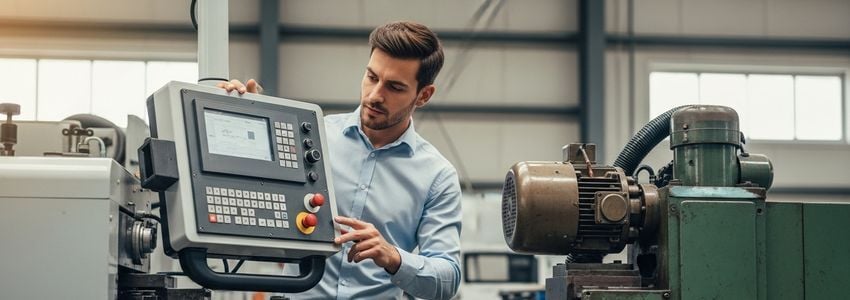
How Crestmont Capital Helps Businesses Replace Outdated Equipment
Crestmont Capital is rated the #1 business lender in the United States, and equipment replacement financing is one of the core services we provide to businesses across every major industry. Our approach is built around speed, flexibility, and a genuine understanding of what business owners need when they're facing the decision to upgrade critical equipment.
We offer equipment financing and equipment leasing solutions with funding available as quickly as 24-48 hours after approval. Our network of lending partners allows us to match each business with the right product and structure rather than forcing a one-size-fits-all solution.
For businesses with complex needs - such as replacing multiple pieces of equipment simultaneously, combining equipment financing with working capital, or financing specialized industrial machinery - our team of advisors works directly with you to design a financing package that makes operational and financial sense.
Whether you need to replace a single piece of machinery or upgrade your entire production line, Crestmont Capital has the resources, speed, and expertise to help you act now rather than waiting. Explore our full range of financing solutions including capital equipment financing and business lines of credit for flexible ongoing access to equipment upgrade capital.
Get Funded in 24-48 Hours
Crestmont Capital has helped thousands of businesses replace outdated equipment with fast, flexible financing. Tell us what you need - we'll find the right solution.
Apply Now →Real-World Scenarios: Equipment Replacement Financing in Action
Abstract benefits become real when you see how equipment replacement financing works for specific businesses. Here are six scenarios representing common situations across different industries.
Scenario 1 - Restaurant Upgrading Commercial Kitchen Equipment: A family-owned restaurant had been operating with a commercial range and hood system purchased in 2010. Repair calls were increasing, and the restaurant was failing to keep up with Friday/Saturday dinner rush demand. The owner financed a new $65,000 commercial kitchen package through Crestmont Capital at 60 months. Monthly payments fit comfortably within the restaurant's budget, and the new equipment reduced ticket times by 22% - directly improving table turnover and revenue during peak hours.
Scenario 2 - Auto Shop Replacing Diagnostic Equipment: An independent auto repair shop had aging diagnostic equipment that couldn't communicate with newer vehicle models manufactured after 2020. The shop was turning away an increasing number of jobs because their tools couldn't support newer ECU architectures. They financed $28,000 in updated scan tools and alignment equipment, which allowed them to service modern vehicles and recapture an estimated $8,000/month in previously turned-away business.
Scenario 3 - Manufacturing Replacing CNC Machinery: A precision manufacturing shop had a 12-year-old CNC machining center that was producing inconsistent tolerances and requiring biweekly recalibration. A replacement unit costing $185,000 was beyond their immediate cash capacity. Equipment financing at 72 months brought monthly payments to a level they could absorb, while the new machine's 35% faster cycle time increased throughput and reduced scrap rates - quickly generating ROI that exceeded the financing cost.
Scenario 4 - Medical Practice Upgrading Diagnostic Technology: A mid-sized orthopedic practice was operating with a 9-year-old X-ray system that required more downtime and produced lower-resolution images than current standards. A new digital imaging system priced at $120,000 was financed over 48 months. The improved image quality enabled faster diagnoses and reduced the need for additional imaging referrals, while the lower radiation output improved patient outcomes and satisfied newer regulatory requirements.
Scenario 5 - HVAC Contractor Replacing Service Fleet Equipment: An HVAC company's technicians were using aging diagnostic tools, manifold gauges, and refrigerant recovery equipment that slowed service calls by an average of 30 minutes per job. A fleet-wide equipment refresh costing $45,000 was financed over 36 months. The time savings translated directly to more completed jobs per technician per day - improving both revenue and customer satisfaction scores.
Scenario 6 - Retail Business Replacing POS and Inventory Systems: A multi-location retail chain was operating on a 7-year-old POS system that lacked mobile payment capabilities, inventory integration, and loyalty program features. Financing a modern POS and inventory management system upgrade across four locations at $52,000 enabled features that reduced checkout wait times by 40% and provided inventory insights that cut overstock costs by 15%.
Frequently Asked Questions
What is equipment replacement financing?
Equipment replacement financing is a type of business loan or lease used to fund the purchase of new equipment to replace outdated, broken, or inefficient machinery. The equipment typically serves as collateral for the loan, which often makes these programs more accessible than unsecured business financing. Terms generally range from 24-84 months depending on the equipment type and lender.
How is equipment financing different from a standard business loan?
The primary difference is collateral. Equipment financing uses the purchased equipment as collateral, which reduces risk for the lender and typically results in lower rates and higher approval rates than unsecured working capital loans. Standard business loans may require personal guarantees, real estate collateral, or a stronger credit profile. Equipment financing is purpose-specific and tied directly to the value of the asset being acquired.
What credit score do I need to qualify for equipment replacement financing?
Most conventional equipment financing programs require a personal credit score of at least 620. Higher scores (680+) typically unlock better rates. For businesses with scores below 600, specialized bad credit equipment financing programs are available, often at higher rates or with additional documentation requirements. Lenders also weigh business revenue, time in business, and the nature of the equipment when making credit decisions.
Can I finance used equipment for replacement purposes?
Yes. Most equipment financing programs cover both new and used equipment. For used equipment, lenders typically require that the equipment is in working condition, has documented value (such as an appraisal or market pricing), and is not so old that its useful remaining life would be shorter than the loan term. Crestmont Capital offers used equipment financing programs specifically designed for businesses replacing outdated assets with quality pre-owned alternatives.
How long does equipment replacement financing approval take?
Approval timelines vary by lender and financing amount. At Crestmont Capital, equipment financing approvals are typically available within 24-48 business hours for smaller amounts. Larger commercial equipment financing (above $500,000) may require 3-7 days for full underwriting. Once approved, funds are typically disbursed directly to the equipment vendor within 1-2 business days.
Is a down payment required for equipment replacement financing?
Not always. Many equipment financing programs are available with 0% down for qualifying businesses. Some lenders require a 10-20% down payment, particularly for businesses with shorter credit histories or for equipment with limited resale market. If you have an existing piece of equipment to trade in, its residual value can sometimes be applied as a down payment equivalent, reducing or eliminating the cash requirement.
Should I finance equipment or lease it?
The right choice depends on your goals. Financing (a loan) is better when you plan to use the equipment for its full useful life, want to build equity in the asset, or plan to eventually sell or trade it in. Leasing is better when the equipment may become technologically obsolete quickly (such as IT equipment or advanced diagnostic tools), when you prefer lower monthly payments, or when you want to preserve balance sheet flexibility. Many leases include upgrade provisions that let you replace equipment at end of term without purchasing.
What documents do I need to apply for equipment replacement financing?
For most equipment replacement financing applications, you'll need: 3-6 months of business bank statements, a copy of your business license or formation documents, a vendor quote or invoice for the equipment being financed, your two most recent business tax returns (for larger amounts), and a completed loan application. Personal tax returns and a personal financial statement may also be required for larger loans. Crestmont Capital's streamlined application process makes gathering these documents straightforward.
What interest rates can I expect for equipment replacement financing?
Equipment financing interest rates vary based on credit profile, time in business, equipment type, and market conditions. Rates generally range from 5-30% APR for conventional equipment loans. Businesses with strong credit and revenue profiles often qualify for rates in the 7-12% range. SBA-backed equipment loans can be even lower. Crestmont Capital works with a network of lenders to find the most competitive rate available for your specific situation.
Can a startup replace equipment using this type of financing?
Startups and newer businesses (under 2 years) face more limited options for standard equipment financing but are not shut out entirely. Startup equipment financing programs, SBA Microloans, and some alternative lenders offer equipment funding for newer businesses - often with higher rates, personal guarantees, or additional collateral requirements. If you have a strong personal credit score and relevant industry experience, your chances of approval increase significantly. Crestmont Capital's advisors can assess your specific situation and identify the best available options.
How does equipment replacement financing affect my business credit?
When managed responsibly, equipment financing actually strengthens your business credit profile. On-time payments are reported to business credit bureaus and demonstrate creditworthiness to future lenders. This can make future financing rounds - for additional equipment, working capital, or business expansion - easier and less expensive. Consistent payment history on an equipment loan is one of the most effective ways to build a strong business credit profile over time.
Can I finance multiple pieces of equipment at once?
Yes. Many equipment financing programs allow you to bundle multiple equipment purchases into a single loan or lease. This simplifies your payment structure and often results in a better rate than financing each piece of equipment separately. An equipment line of credit is another option for businesses that need to replace multiple items over time, providing ongoing access to capital as each replacement need arises.
What happens if my equipment breaks down during the loan term?
If you financed the equipment (as opposed to leasing it), you own it and are responsible for maintenance and repair - as you would be with any owned asset. For leased equipment, the lease agreement typically specifies maintenance responsibilities, and some leases include service contracts. It's advisable to ensure new equipment purchases include manufacturer warranties or extended service agreements. Comprehensive commercial property or equipment insurance is also strongly recommended to protect financed assets against casualty losses.
Is there a minimum loan amount for equipment replacement financing?
Minimum loan amounts vary by lender. Many equipment financing programs start at $5,000-$10,000. Crestmont Capital works with businesses across a wide range of financing needs - from small equipment replacements in the $10,000-$50,000 range to large commercial equipment packages exceeding $1 million. For very small equipment needs, an equipment-focused business credit card or small business line of credit may be a better-fit option.
How do I get the best rate on equipment replacement financing?
Several factors help you secure the best available rate: a strong personal and business credit score (above 680 is ideal), at least 2 years in business with consistent revenue, detailed documentation ready before applying (bank statements, tax returns, equipment quotes), and working with a lender that has access to multiple funding sources. Crestmont Capital compares options across our entire lending network to find the best terms available for your situation - rather than offering a single take-it-or-leave-it rate.
How to Get Started
Document the equipment you need to replace, get a vendor quote, and note the cost. This takes 15-30 minutes and makes your application much stronger.
Complete Crestmont Capital's quick application at offers.crestmontcapital.com/apply-now. The process takes just a few minutes and does not affect your credit score to prequalify.
A Crestmont Capital advisor will review your application, compare available financing products, and present you with the best options for your specific situation.
Once you accept your financing offer, funds are typically disbursed within 1-2 business days. Your new equipment can often be delivered within the same week.
Conclusion
Equipment replacement financing removes one of the biggest obstacles that stands between your business and the modern, efficient operations you need to compete and grow. Rather than watching productivity decline, repair costs mount, or opportunities pass because your equipment is holding you back, you now have a clear path to upgrade: apply for equipment replacement financing, preserve your cash flow, and put better tools to work for your business starting today.
The businesses that win in competitive markets are the ones that operate with the best tools available. When outdated equipment is no longer a barrier - because the cost is spread over manageable monthly payments - you're free to focus on what matters: serving customers, improving processes, and building a stronger business. That's exactly what equipment replacement financing makes possible.
Crestmont Capital is ready to help you take that next step. Our team of financing specialists understands equipment lending across every major industry and is committed to finding you the fastest, most affordable path to the equipment your business needs.
Don't Let Old Equipment Hold Your Business Back
Apply for equipment replacement financing today and get a decision in as little as 24 hours. No obligation - just answers.
Apply Now →Disclaimer: The information provided in this article is for general educational purposes only and is not financial, legal, or tax advice. Funding terms, qualifications, and product availability may vary and are subject to change without notice. Crestmont Capital does not guarantee approval, rates, or specific outcomes. For personalized information about your business funding options, contact our team directly.