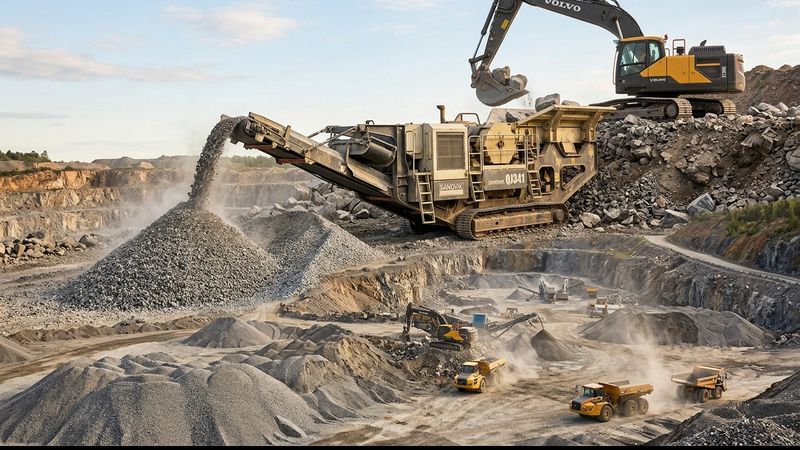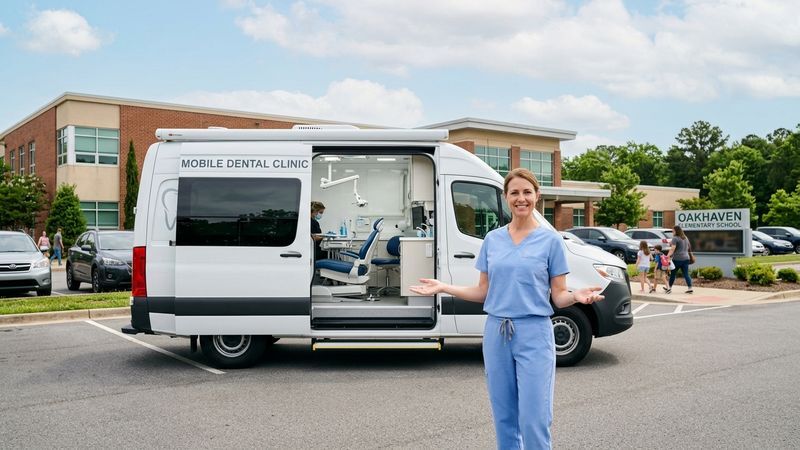
Aging machinery and outdated technology are among the most common growth barriers facing small and mid-sized businesses across every industry. When your equipment starts slowing down - breaking more often, costing more to maintain, or simply falling behind industry standards - your productivity, reputation, and bottom line all suffer. Yet for many business owners, the upfront cost of replacing equipment outright seems impossible to manage without draining reserves or taking on unsustainable debt.
Affordable equipment financing changes that equation entirely. Rather than choosing between struggling with outdated tools or depleting your cash, financing allows you to refresh your equipment now, spread the cost over time, and keep your working capital intact for daily operations and growth. This guide covers everything you need to know about using equipment financing to modernize your business, including loan types, qualification requirements, real-world scenarios, and how Crestmont Capital can help you move forward.
In This Article
- Why Refreshing Old Equipment Matters
- Equipment Financing Options Available
- How Equipment Financing Works
- Key Benefits of Financing vs. Paying Cash
- Comparing Your Financing Options
- Who Qualifies for Equipment Financing
- How Crestmont Capital Helps
- Real-World Scenarios
- Frequently Asked Questions
- How to Get Started
Why Refreshing Old Equipment Matters for Your Business
Every piece of equipment has a useful lifespan. When machinery, vehicles, technology systems, or other business tools pass that threshold, the costs mount quickly. Maintenance expenses climb, downtime increases, and you may find your team spending more time on workarounds than on productive work. Customers notice when service is slower or output quality suffers, and competitors who have invested in modern equipment gain a measurable edge.
The question is not whether to upgrade - it is when and how. Many business owners delay equipment refreshes because they assume the only path is an all-cash purchase that depletes reserves. That assumption is incorrect. Equipment financing is specifically designed to bridge this gap, allowing businesses to access modern tools today while paying for them over time from the increased revenue and efficiency those tools generate.
Key Insight: According to the Equipment Leasing and Finance Association, U.S. businesses invest over $1.9 trillion in equipment and software annually - and approximately 8 in 10 of those transactions involve some form of financing rather than outright cash purchase.
Outdated equipment also creates indirect costs that business owners often underestimate: increased insurance premiums for aging assets, higher energy consumption from inefficient systems, employee frustration and reduced morale, and the risk of catastrophic failure at a critical moment. A single major breakdown can cost far more than months of financing payments.
Beyond the cost argument, there is a competitive reality. Industries are evolving rapidly - manufacturing processes are being automated, medical practices are adopting advanced diagnostic tools, restaurants are integrating smarter kitchen equipment, and logistics companies are deploying telematics and route optimization technology. Staying current is not optional for businesses that want to grow.
Time to Upgrade Your Equipment?
Crestmont Capital offers fast, flexible equipment financing for businesses ready to modernize. No long waits, no stacks of paperwork - apply in minutes.
Apply Now →Equipment Financing Options Available to Business Owners
The equipment financing market offers several distinct products, each suited to different business needs, financial situations, and equipment types. Understanding your options is the first step to finding the right fit.
Traditional Equipment Loans
An equipment loan provides a lump sum to purchase the equipment outright, with the machinery itself serving as collateral. You own the equipment from day one and build equity over time. Monthly payments are fixed, making budgeting straightforward. At the end of the loan term, the equipment is fully yours - no balloon payment, no return requirement. Equipment loans are ideal for machinery with long useful lives and stable resale value.
Equipment Leasing
Leasing is essentially renting equipment for a defined period. At the end of the lease term, you typically have the option to purchase the equipment, renew the lease, or return the equipment and upgrade to newer models. Lease payments are often lower than loan payments for the same equipment, and leasing is particularly advantageous for technology-heavy industries where equipment becomes obsolete quickly. Equipment leasing preserves maximum flexibility.
Business Line of Credit
A revolving business line of credit gives you access to a pool of funds you can draw from as needed. This is useful if you need to refresh multiple pieces of equipment over time rather than all at once, or if you want flexibility to address unexpected equipment needs. You only pay interest on what you draw, and the credit revolves as you repay it.
SBA Loans for Equipment
The Small Business Administration offers loan programs that can be used for equipment purchases. SBA loans typically carry lower interest rates and longer repayment terms than conventional financing, making them attractive for larger equipment investments. However, they come with more documentation requirements and longer approval timelines.
Working Capital Loans
For smaller equipment purchases or repairs, working capital loans provide fast access to cash without requiring the equipment as collateral. These are flexible, quick to fund, and appropriate when equipment needs are part of a broader operational investment.
Sale-Leaseback Financing
If you already own equipment outright, a sale-leaseback arrangement allows you to sell that equipment to a financing company and then lease it back. This unlocks cash tied up in existing assets while retaining the use of the equipment. It is an often-overlooked option for businesses that need immediate liquidity.
By the Numbers
Equipment Financing in America - Key Statistics
80%
Of U.S. businesses use financing for equipment acquisitions
$1.9T
Annual equipment and software investment in the U.S.
2-5 Days
Typical funding timeline with Crestmont Capital
$5K+
Minimum equipment financing available for qualifying businesses
How Equipment Financing Works: Step by Step
Understanding the mechanics of equipment financing demystifies the process and helps you prepare for a smoother application. Here is how the process typically unfolds from start to funding.
Step 1: Identify the Equipment You Need
Before applying for financing, have a clear picture of what you need to purchase or upgrade. Know the approximate cost, vendor or manufacturer, and how the equipment will be used in your business. Lenders want to understand the asset they are financing, and having this information ready speeds up approval.
Step 2: Assess Your Financials
Lenders evaluate your creditworthiness, time in business, and revenue when determining approval and terms. Pull your recent bank statements, review your credit score, and have your basic financial information organized. For equipment loans specifically, the value of the equipment itself provides security - which often means more lenient credit requirements than unsecured loans.
Step 3: Submit Your Application
With a lender like Crestmont Capital, applications are completed online and typically require basic business information, recent bank statements, and details about the equipment you want to finance. The process is designed to be fast - most applications take minutes to complete.
Step 4: Receive Your Offer
Once your application is reviewed, you will receive a financing offer outlining the loan amount, interest rate, monthly payment, and term length. Review the terms carefully and ask questions before accepting. Reputable lenders are transparent about total cost of financing.
Step 5: Sign and Fund
After accepting an offer, you sign the agreement electronically and the funds are deployed - either directly to the equipment vendor or to your account. From there, your equipment is ordered, delivered, and put to work generating revenue for your business.
Ready to Upgrade Your Operations?
Crestmont Capital works with businesses in every industry. Whether you need $10,000 or $10 million in equipment financing, our team finds the right solution fast.
Get Your Quote →Key Benefits of Financing vs. Paying Cash for Equipment
The decision to finance rather than purchase equipment outright with cash involves tradeoffs, but for most growing businesses the advantages of financing are compelling. Here is how the two approaches compare in practical terms.
Cash Flow Preservation
Paying cash for equipment depletes your reserves - funds that could otherwise cover payroll, inventory, marketing, or unexpected expenses. Financing converts a large one-time expense into predictable monthly payments that align with the revenue the equipment generates. This is the foundational advantage of equipment financing.
Immediate Access to Better Equipment
Financing allows you to buy the equipment you actually need today rather than settling for older or lower-capacity equipment because of cash constraints. The difference between adequate equipment and optimal equipment can translate directly into competitive advantage and revenue growth.
Potential Credit Building
Properly structured equipment loans, when paid on time, can strengthen your business credit profile. A stronger credit history opens doors to better financing terms on future funding needs, creating a positive cycle of financial health.
Flexibility Through Leasing
For equipment that becomes obsolete quickly - like IT infrastructure, medical devices, or point-of-sale technology - leasing allows you to upgrade at the end of each term rather than being stuck with outdated assets. This keeps your business current without the write-off risk of owning depreciating technology.
Fixed Payment Predictability
Fixed monthly payments make budgeting straightforward. Unlike the unpredictable costs of maintaining aging equipment - surprise repairs, downtime losses, replacement parts - financing payments are the same every month for the life of the agreement.
Pro Tip: When evaluating equipment financing, calculate the full cost-benefit comparison. Consider not just financing costs but also the productivity gains, reduced maintenance expenses, and revenue increases the new equipment enables. In most cases, modern equipment pays for its financing cost through improved output alone.

Comparing Equipment Financing Options Side by Side
Every business situation is different, so the right financing structure depends on your goals, budget, credit profile, and the type of equipment involved. The table below summarizes the key differences between the main options.
| Financing Type | Ownership | Best For | Term Length | Flexibility |
|---|---|---|---|---|
| Equipment Loan | You own outright | Long-lived machinery | 2-7 years | Moderate |
| Equipment Lease | Lender owns; option to buy | Tech/fast-obsolete gear | 1-5 years | High |
| Line of Credit | You own | Multiple purchases over time | Revolving | Very High |
| SBA Loan | You own | Large investments, low rates | Up to 10 years | Low (strict terms) |
| Working Capital | You own | Smaller needs, fast cash | 3-18 months | High |
| Sale-Leaseback | Lender owns; you use it | Unlock equity in existing assets | 2-5 years | Moderate |
Who Qualifies for Equipment Financing
One of the most appealing aspects of equipment financing is that qualification standards tend to be more accessible than other forms of business lending. The equipment itself serves as collateral, which reduces the lender's risk and makes approvals more attainable even for businesses with imperfect credit profiles.
Credit Score Requirements
Most equipment lenders look for a minimum personal credit score in the range of 580-650 for standard programs, though higher scores qualify for better rates. Some programs are available for scores below 580, particularly when other financial strengths offset the credit risk. If your credit is not where you want it to be, it is still worth applying - the equipment securing the loan often makes lenders willing to work with borrowers who would be declined for unsecured products.
Time in Business
Standard equipment financing typically requires at least 12-24 months in business, though startup programs exist for newer companies. The longer your track record, the more financing options and favorable terms become available.
Annual Revenue
Lenders want to see that your business generates enough revenue to support the monthly payments comfortably. Most programs require at least $100,000-$150,000 in annual revenue, though thresholds vary by lender and loan size. Demonstrating consistent revenue trends matters as much as raw dollar amounts.
Industry Type
Equipment financing is available across virtually every industry - manufacturing, healthcare, food service, construction, transportation, retail, agriculture, beauty, fitness, and more. While some industries carry higher risk profiles, experienced lenders like Crestmont Capital work with businesses in all sectors and understand the equipment needs specific to each.
Important Note: Even businesses with credit challenges can often qualify for equipment financing because the equipment serves as collateral. If you have been declined elsewhere, Crestmont Capital works with a broad network of lenders specifically to help more businesses access the capital they need.
How Crestmont Capital Helps You Refresh Your Equipment
Crestmont Capital is one of the nation's leading business lenders, rated #1 in the country for small business and commercial financing. When it comes to equipment financing, Crestmont brings deep expertise, a broad lender network, and a genuine commitment to helping business owners access the capital they need to grow.
Our equipment financing programs are designed to be fast, flexible, and transparent. We work with businesses at every stage - startups, growth-stage companies, and established enterprises - across every industry. Whether you need to finance a single piece of machinery or a fleet of vehicles, our team finds the right structure for your situation.
What Sets Crestmont Apart
Speed matters when your aging equipment is costing you productivity daily. Our streamlined application process delivers decisions quickly - often within 24-48 hours - so you can move forward without long waits. Our team of financing specialists understands equipment financing inside and out, and we work on your behalf to find the best available terms from our network of vetted lenders.
We also offer financing for used equipment, which is often overlooked as an option. Purchasing certified pre-owned or refurbished equipment through financing can deliver excellent performance at a fraction of the cost of new, making it a particularly cost-effective way to refresh aging assets. Learn more about our used equipment financing options.
For businesses with credit challenges, Crestmont's bad credit equipment financing programs provide a path forward when traditional lenders say no. We evaluate the complete picture of your business health, not just a credit score.
Real-World Scenarios: Equipment Refreshes That Changed Businesses
Abstract concepts become clearer through real examples. Here are six scenarios illustrating how equipment financing enables businesses to overcome the challenges of aging equipment.
Scenario 1: The Manufacturing Plant That Cut Downtime by 60%
A regional manufacturer had been nursing a 15-year-old production line through frequent breakdowns and costly repairs. Total downtime was averaging 12 hours per month - lost production, frustrated clients, and emergency repair bills adding up to tens of thousands annually. Through a $380,000 equipment loan, they replaced the aging line with modern CNC machinery. Downtime dropped immediately, output quality improved, and they won two new contracts within six months of the upgrade. The financing paid for itself in under 18 months.
Scenario 2: The Restaurant Group That Finally Modernized Its Kitchen
A group of three restaurant locations was operating with commercial ovens, refrigeration, and prep equipment ranging from 8 to 14 years old. Energy bills were high, repair crews were becoming a regular presence, and health inspectors were flagging aging refrigeration units. A $175,000 equipment financing package covered a full kitchen equipment refresh across all three locations. Energy costs dropped 22%, inspection issues disappeared, and kitchen throughput increased enough to support an expanded menu.
Scenario 3: The Medical Practice That Upgraded Its Imaging Equipment
A multi-physician medical practice was referring patients to an imaging center because their on-site X-ray equipment was too outdated to produce acceptable quality. Lost referrals and patient inconvenience were affecting both revenue and reputation. Through specialized medical equipment financing, they acquired a digital imaging system for $220,000 over a 60-month term. Within three months, they had recaptured the referred imaging revenue and were generating additional income from new imaging services.
Scenario 4: The Landscaping Company That Scaled Its Fleet
A growing landscaping company had been turning down commercial contracts because its aging equipment was unreliable for large jobs. Their zero-turn mowers and excavation equipment needed constant repair. A $95,000 equipment loan financed three new commercial mowers and a compact excavator. With reliable equipment, they accepted four new commercial contracts in the following season - generating $180,000 in additional revenue on top of their existing book.
Scenario 5: The Dental Practice That Invested in Technology
A dental practice was operating with digital X-ray equipment and patient management technology that was seven years old. Patients were comparing them unfavorably to newer practices in their area. A $140,000 equipment financing package covered new digital X-ray equipment, updated chairs, and patient management software. Patient satisfaction scores improved, and new patient acquisition increased by 30% over the following year as they refreshed their online presence to highlight the modern facility.
Scenario 6: The Distribution Center That Automated Its Sorting
A mid-sized distribution company was processing orders manually with a combination of aging conveyor systems and hand-sorting stations. Order processing times were bottlenecking their growth. They financed $620,000 in conveyor and sorting automation equipment over seven years. Processing throughput tripled, labor costs decreased, and order accuracy improved - enabling them to onboard five new retail clients that had been beyond their capacity to service.
Your Equipment Upgrade Starts Here
Join thousands of business owners who have modernized their operations with Crestmont Capital equipment financing. Apply today and get a decision fast.
Apply Now →Frequently Asked Questions
What types of equipment can be financed?
Almost any business-use equipment can be financed, including manufacturing machinery, commercial vehicles, medical devices, restaurant kitchen equipment, construction equipment, IT hardware, agricultural equipment, beauty and salon equipment, gym and fitness equipment, and more. If a piece of equipment is used to generate revenue in your business, it can almost certainly be financed.
How much can I borrow for equipment financing?
Equipment financing amounts vary widely depending on the lender, your business's financial profile, and the equipment being purchased. Crestmont Capital works with financing amounts from as low as $5,000 up to several million dollars for larger commercial assets. The loan amount is typically tied to the appraised value of the equipment being financed.
What is the difference between an equipment loan and equipment leasing?
With an equipment loan, you own the equipment from the beginning and build equity over time. With leasing, the financing company owns the equipment and you pay for the right to use it. At the end of a lease, you typically can purchase the equipment, renew, or upgrade. Loans are better for long-lived assets you want to own; leases are better for technology or equipment you want to upgrade frequently.
Can I finance used or refurbished equipment?
Yes. Many lenders, including Crestmont Capital, finance used equipment. Lenders will typically require an appraisal or documentation of the equipment's value and condition. Financing used equipment is a cost-effective way to upgrade from outdated assets to higher-quality gear without paying new-equipment prices.
What credit score do I need to qualify for equipment financing?
Requirements vary by program. Standard equipment loans typically require a personal credit score of 620 or higher for competitive rates. However, because equipment serves as collateral, many programs are accessible to borrowers with scores as low as 580 - and sometimes lower in cases where other financial factors are strong. Crestmont Capital specializes in helping businesses with credit challenges find workable solutions.
How long does it take to get approved for equipment financing?
With Crestmont Capital, most equipment financing applications receive a decision within 24-48 hours. Funding can follow within 2-5 business days depending on documentation. Larger transactions or SBA-backed programs may take longer. The fastest path to funding is having your business documentation ready: recent bank statements, tax returns, and equipment details.
What are typical interest rates for equipment financing?
Equipment financing rates vary based on creditworthiness, equipment type, loan term, and market conditions. Rates generally range from approximately 5% to 30% APR. Businesses with strong credit, established history, and quality collateral will qualify for rates toward the lower end. Be sure to compare the total cost of financing - not just the monthly payment - when evaluating offers.
Is there a down payment required for equipment financing?
Down payment requirements vary. Many equipment financing programs require little to no down payment, particularly when the equipment provides strong collateral. Some lenders may require 10-20% down for borrowers with thinner credit profiles or for high-value transactions. Zero-down options are available through certain programs for qualified borrowers.
Can a startup business qualify for equipment financing?
Yes. Startup equipment financing programs exist for newer businesses, though terms may differ from established-business programs. Lenders typically evaluate the owner's personal credit score, industry experience, and a business plan. The value of the equipment being financed also plays a significant role in startup approvals. Crestmont Capital offers startup equipment financing solutions for eligible businesses.
What happens if I want to pay off my equipment loan early?
Many equipment loans allow early payoff, though some lenders include prepayment penalties. Before signing any financing agreement, review the early payoff terms carefully. Ask specifically whether there is a prepayment penalty and how it is calculated. If early payoff flexibility is important to your business planning, make it a condition of the agreement before signing.
Can I finance software along with hardware?
Yes. Many equipment financing programs include software, particularly when it is bundled with hardware purchases. Technology financing can cover IT infrastructure, business software systems, cloud platforms, and other digital tools your business depends on. Some programs may require the software to be part of a larger hardware purchase, while others finance software independently.
What documents do I need to apply for equipment financing?
Standard documentation includes recent business bank statements (typically 3-6 months), business tax returns (1-2 years), basic business information (legal entity, EIN, time in business), and equipment details such as the vendor, model, and price. Some lenders may also request personal tax returns or a business financial statement. Crestmont Capital's application process is designed to minimize paperwork while gathering what is needed to move fast.
Is equipment financing available for businesses with existing debt?
Yes. Having existing business debt does not automatically disqualify you from equipment financing. Lenders evaluate your overall debt-service coverage ratio - essentially, whether your revenue is sufficient to handle existing obligations plus the new payment. Equipment-secured financing is more accessible than unsecured lending for businesses carrying debt. Lenders want to see that cash flow can support all obligations.
What is a sale-leaseback and when does it make sense?
A sale-leaseback involves selling equipment you already own to a financing company, then leasing it back from them. This unlocks cash tied up in paid-off equipment assets while allowing you to keep using the equipment. It makes sense when you need immediate liquidity for business investment, payroll, or growth opportunities and you have valuable equipment that is owned free and clear.
How do I know if it makes more financial sense to finance vs. pay cash?
The answer depends on your opportunity cost for capital. If deploying $200,000 in cash for equipment means you cannot fund a $200,000 growth opportunity that would generate strong returns, financing makes financial sense even accounting for interest costs. Conversely, if your cash is otherwise idle and financing rates are high, paying cash may be smarter. A simple analysis: compare the financing interest cost to the return you would generate by keeping that cash working in your business.
How to Get Started
Complete our quick application at offers.crestmontcapital.com/apply-now - takes just a few minutes. Have your business information and recent bank statements handy.
A Crestmont Capital equipment financing advisor will review your application, discuss your equipment needs, and present financing options that fit your business and budget.
Once approved, receive your funds quickly - often within days. Order your equipment, complete the upgrade, and put your modern tools to work generating returns.
Conclusion: Stop Letting Aging Equipment Hold Your Business Back
Refreshing old equipment with affordable financing is not just a financial decision - it is a strategic one. Every day your team operates with outdated machinery, inefficient technology, or aging vehicles, you are leaving productivity, revenue, and competitive advantage on the table. Equipment financing gives you a clear, accessible path to modernization without depleting your cash reserves or taking on unsustainable debt.
The options available through Crestmont Capital are designed to work for businesses at every stage and in every industry. Whether you need an equipment loan to purchase new manufacturing machinery, a lease for fast-depreciating technology, or a line of credit to address ongoing upgrade needs, our team finds the right structure for your situation. Equipment financing for old equipment replacement is one of the smartest investments a growing business can make.
Take the first step today. Apply online at Crestmont Capital and discover what your business qualifies for. Your equipment refresh - and the productivity gains that come with it - can begin sooner than you think.
Disclaimer: The information provided in this article is for general educational purposes only and is not financial, legal, or tax advice. Funding terms, qualifications, and product availability may vary and are subject to change without notice. Crestmont Capital does not guarantee approval, rates, or specific outcomes. For personalized information about your business funding options, contact our team directly.