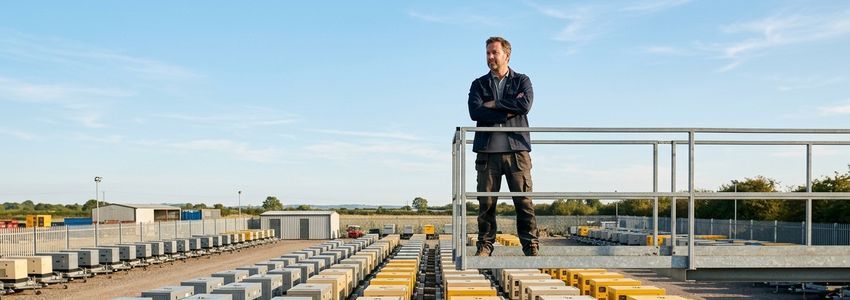
Portable generator rental companies live and die by fleet size. Every unit sitting in the yard instead of on a job site is lost revenue, and every storm season, construction boom, or event season that passes without enough generators in inventory is a missed opportunity to capture new customers. Portable generator rental fleet financing gives rental business owners a way to add units quickly, often within days, without draining the cash reserves needed to run daily operations.
In This Article
What Is Generator Rental Fleet Financing?
Generator rental fleet financing is a category of commercial equipment financing built specifically for businesses that purchase portable generators to rent out to construction sites, event producers, disaster response teams, municipalities, and homeowners during outages. Instead of paying cash for each new generator, a rental operator finances the purchase and repays it over time using rental income the equipment itself generates.
This differs from financing a generator for your own facility's backup power. A rental fleet is a revenue-producing asset base. Lenders who understand this space structure loans and leases around utilization rates, seasonal demand spikes (hurricane season, winter storms, summer festival season), and the resale value of generators as they age out of the primary fleet.
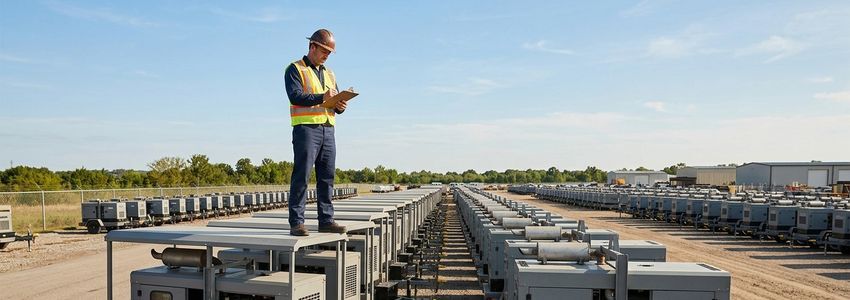
Portable generators used in rental fleets typically range from 20kW towable units for small job sites and events, up to 500kW-plus trailer-mounted diesel units used for hospital backup, large construction projects, or disaster recovery deployments. Financing can cover a single unit, a batch purchase to expand an existing fleet, or a complete fleet buildout for a new rental operation entering the market.
Industry Insight: According to the U.S. Census Bureau's data on the equipment rental and leasing sector, equipment rental revenue has grown steadily as contractors increasingly prefer renting over owning specialized equipment. Generator rental demand tracks closely with construction activity and extreme weather frequency.
Key Benefits of Financing Your Generator Rental Fleet
- Preserve working capital. Keep cash available for payroll, fuel, transportation, and maintenance instead of locking it into generator purchases.
- Scale ahead of demand. Add units before a predictable demand spike (storm season, a major local construction project, a festival calendar) instead of turning away business because the fleet is fully booked.
- Match payments to utilization. Structured correctly, a financed generator's monthly payment is covered by just a handful of rental days, with the rest of the month's rental income as profit.
- Build equity in appreciating-demand assets. Diesel generators hold resale value reasonably well when maintained, making loan financing (versus straight leasing) attractive for operators planning to run units for 7-10 years.
- Tax advantages. Financed equipment may qualify for accelerated depreciation, which a tax professional can help you apply to your specific situation.
- Flexible structures. Choose between ownership-focused loans, leases with upgrade options, or a line of credit that lets you draw down as new units come to market.
Ready to Expand Your Generator Fleet?
Get fast, flexible financing from the #1 business lender in the U.S. No obligation - apply in minutes.
Apply Now →How Generator Rental Fleet Financing Works
Step 1: Define Your Fleet Expansion Plan
Decide how many units you need, what sizes (kW ratings), fuel type (diesel, gas, or dual-fuel), and whether you want towable units, trailer-mounted units, or stationary rental packages. Get vendor quotes from generator manufacturers or dealers before applying so the lender can finance the exact equipment list.
Step 2: Lender Reviews Your Business Profile
Lenders look at time in business, annual revenue, existing fleet utilization rates if you have an operating history, personal and business credit, and current debt obligations. Newer rental operations can still qualify, often using the generators themselves as primary collateral.
Step 3: Choose Your Financing Structure
Decide between a term loan (you own the equipment outright at payoff), a lease (lower payments, option to upgrade at term end), or a revolving equipment line of credit (draw as needed for ongoing fleet growth). Your choice should reflect how long you plan to keep each generator in active rotation.
Step 4: Approval and Funding
Alternative lenders can approve and fund within 24 to 72 hours. The lender typically pays the generator vendor directly, and the units are delivered to your yard or directly to a job site if a rental is already lined up.
Step 5: Deploy and Repay
Units go into your rental rotation immediately. Monthly financing payments are made from the business's operating account, ideally covered by a fraction of the rental revenue each unit generates over the month.
By the Numbers
Generator Rental Fleet Financing - Key Statistics
$15K+
Typical minimum financing amount for a single commercial-grade portable generator
84 Mo
Maximum repayment term for long-life diesel fleet units
24 Hrs
Typical time to funding with alternative lenders after approval
100%
Financing available on new equipment for well-qualified borrowers
Types of Generator Rental Fleet Financing
Equipment Loans
A straightforward term loan where the lender finances the generator purchase and you own the unit outright once the loan is paid off. Ideal for operators who plan to keep units in active rental rotation for 7 years or more, since diesel generators are durable, long-lived assets.
Equipment Leasing
Leasing lowers your monthly payment and lets you upgrade to newer, more fuel-efficient, or quieter generator models at the end of the lease term. This structure suits operators serving markets (event production, film sets, residential customers) where noise levels and emissions standards change frequently.
Equipment Lines of Credit
A revolving credit facility specifically for equipment purchases. Draw funds as new units become available or as demand dictates, repay, and draw again. This is especially useful for rental operators who are continuously cycling fleet composition throughout the year based on seasonal demand.
SBA Loans
SBA 7(a) and SBA 504 loans can fund larger fleet buildouts, often at lower rates than alternative lenders, though with longer approval timelines. The SBA's loan program guidelines outline eligibility requirements for equipment-heavy small businesses like rental fleets.
Working Capital Loans
Some operators supplement equipment financing with an unsecured working capital loan to cover transportation, fuel reserves, and maintenance costs that come with a growing fleet.
Bundled Multi-Unit Purchase Agreements
When adding several generators at once, some lenders offer a single bundled financing agreement covering the entire purchase batch rather than separate loans for each unit. This simplifies paperwork, consolidates reporting for accounting purposes, and can result in better overall pricing than financing units one at a time as they are acquired throughout the year.
Build the Fleet Your Customers Are Waiting For
Talk to a Crestmont Capital advisor about structuring financing around your rental season and utilization rates.
Apply Now →Who Generator Rental Fleet Financing Is Best For
This type of financing fits a range of business models within the broader equipment rental industry:
- Established equipment rental companies adding generators as a new product line alongside aerial lifts, compressors, or construction equipment.
- Dedicated generator rental businesses expanding fleet capacity ahead of storm season or a known construction boom in their service area.
- Event production companies that rent generators as part of a broader power and lighting package for festivals, weddings, and corporate events.
- Disaster recovery and emergency response contractors who maintain generator fleets for rapid deployment after hurricanes, winter storms, or grid failures.
- New entrants launching a generator rental operation in an underserved market, often starting with a smaller fleet of 5 to 15 units and scaling from there.
Key Considerations Before Financing Your Fleet
Before signing a financing agreement, rental operators should think through a few operational realities that affect both approval odds and long-term profitability.
Utilization Rate Planning
Lenders and experienced operators alike look at utilization rate, the percentage of days a unit is actively rented versus sitting idle, as the key metric for whether a fleet expansion makes financial sense. A new generator financed at a $2,000 monthly payment needs roughly 10 to 15 rental days per month at typical daily rates to break even, depending on unit size and local pricing. Running the numbers before you commit to a purchase helps you avoid overextending the fleet beyond what demand can support.
Maintenance and Depreciation
Diesel generators require regular oil changes, filter replacement, and load-bank testing to stay rental-ready and to preserve resale value. Build maintenance costs into your financing plan from day one rather than treating them as an afterthought. Well-maintained units depreciate more slowly and command better resale or trade-in value when you eventually refresh the fleet.
Insurance and Liability
Generators deployed off-site on job sites, at events, or during emergency response carry different risk exposure than equipment that stays on your property. Confirm your commercial equipment insurance policy covers financed units while they are away from your primary location, and verify that your lender's financing agreement does not require coverage levels beyond what your current policy provides.
Geographic and Seasonal Demand Patterns
Operators in hurricane-prone coastal regions, areas with frequent winter storms, or markets with a dense festival and event calendar will see very different utilization patterns than operators in more stable climates. Tailor your fleet size and financing term to the demand pattern specific to your service area rather than assuming a one-size-fits-all approach will work.
Mixing Fuel Types Across the Fleet
Many rental operators maintain a mix of diesel, gasoline, and dual-fuel or propane units to serve different customer segments. Diesel units dominate large commercial and construction deployments due to fuel efficiency and runtime, while gasoline units are common for smaller residential and event jobs where diesel exhaust or fuel storage rules are a concern. When financing a mixed fleet, work with a lender who can bundle multiple fuel types and unit sizes into a single facility rather than requiring separate applications for each category.
Comparing Your Financing Options
Speed vs. Cost
Alternative lenders fund in days, not weeks, but charge higher rates than banks or SBA programs. If a storm is forecast and you need units on the ground before competitors, the speed premium often pays for itself in a single deployment.
Ownership vs. Flexibility
Loans build equity in equipment you can later sell as you refresh your fleet. Leases keep payments lower and let you rotate in newer, quieter, lower-emission units more frequently, which matters increasingly for event and residential customers sensitive to noise.
| Financing Type | Best For | Typical Rate | Term |
|---|---|---|---|
| Equipment Loan | Long-term fleet ownership | 6% - 18% | 24-84 months |
| Equipment Lease | Frequent fleet upgrades | 7% - 20% | 24-60 months |
| Equipment Line of Credit | Ongoing, seasonal fleet growth | Variable | Revolving |
| SBA 7(a) / 504 | Large fleet buildouts, lowest rates | Prime + 2.75% to 4.75% | Up to 10-20 years |
| Alt. Lender Loan | Speed and flexible credit needs | 10% - 25% | 12-60 months |
How Crestmont Capital Helps Generator Rental Operators
Crestmont Capital has worked with equipment rental businesses across the country, including operators who deal in generators, compressors, and construction power equipment. As the #1 business lender in the country, we structure financing around how rental businesses actually generate revenue: utilization, seasonality, and fleet turnover.
Our equipment financing programs fund new and used generator purchases from $15,000 to several million dollars, with terms up to 84 months for long-life diesel units. If you would rather preserve flexibility to rotate in newer, more efficient models, our equipment leasing solutions offer lower monthly payments and upgrade options at term end.
Operators building out a full-service rental fleet across multiple equipment categories can also explore our capital equipment financing programs, which support multi-asset purchases in a single facility. For operators who also want working capital on hand to cover fuel, transportation, and maintenance during a growth phase, our business line of credit product pairs well with equipment loans.
If your rental business also handles emergency or disaster-response work, our post on financing emergency equipment rentals covers related financing strategies for fast-turnaround rental scenarios. Operators diversifying into other rental categories may also find our truck rental business loan guide useful for comparing fleet financing structures across asset types.
Real-World Scenarios: Generator Rental Fleet Financing in Action
Scenario 1: The Storm-Season Fleet Expansion
A Gulf Coast equipment rental company generating $1.4 million in annual revenue wanted to add 12 towable 20kW generators ahead of hurricane season. Total equipment cost was $240,000. They secured a 60-month equipment loan at 9 percent, with monthly payments of roughly $5,000. The units were fully booked within the first three weeks of deployment, generating enough rental revenue in that window alone to cover four months of loan payments.
Scenario 2: The New Entrant Building a Starter Fleet
A first-time rental operator with 8 months of business history wanted to launch with 6 mid-size diesel generators totaling $95,000. With a 640 credit score and limited operating history, they used an equipment-secured loan at 16 percent over 48 months. Because the generators themselves served as collateral, approval came through despite the short track record.
Scenario 3: The Event Production Company Upgrading to Quiet Units
An event production company serving weddings and corporate functions needed to replace 10 older, louder generators with newer whisper-quiet models to meet venue noise requirements. They chose a 36-month lease at 11 percent, keeping monthly payments low while retaining the ability to upgrade again as quieter technology develops.
Scenario 4: The Construction-Focused Fleet Growth
A rental business serving commercial construction sites in a fast-growing metro area used an equipment line of credit to add generators incrementally over 18 months as new contracts came in, rather than taking one large loan upfront. This let them match fleet growth precisely to confirmed demand rather than guessing at future utilization.
Scenario 5: The Disaster Response Contractor Scaling for a Multi-State Footprint
A disaster recovery contractor with 5 years of operating history and $3.2 million in revenue used an SBA 504 loan to fund a $750,000 fleet expansion, including large trailer-mounted diesel units for hospital and municipal deployments. The 10-year term and fixed rate kept payments predictable even as the business expanded its service territory.
Scenario 6: The Equipment Rental Company Adding a Generator Division
A regional equipment rental company that had built its business on aerial lifts and compressors decided to add a dedicated generator division after repeatedly fielding customer requests for temporary power alongside their existing rentals. With $4.5 million in annual revenue and 12 years in business, they qualified for a conventional bank equipment loan at 7.5 percent to finance $400,000 in new generators across multiple size classes. Cross-selling generators to their existing customer base meant the new division reached profitable utilization within the first two months.
Frequently Asked Questions
How to Get Started
Contact generator dealers for written quotes on the units and quantities you need.
Complete our application at offers.crestmontcapital.com/apply-now in minutes.
A Crestmont Capital advisor will help you compare loan vs. lease options for your fleet plan.
Receive funds, often within 24 hours, and put new generators into your rental rotation immediately.
Conclusion
Generator rental fleet financing gives rental business owners a practical way to grow capacity exactly when demand calls for it, whether that means stocking up ahead of storm season, serving a growing construction market, or launching a new rental operation from scratch. The right financing structure depends on how long you plan to keep units in rotation, how quickly you need equipment on the ground, and your current credit and revenue profile.
Crestmont Capital works with equipment rental operators across the country to structure financing that fits the realities of the rental business: seasonal demand, fleet turnover, and the need to move fast when opportunity knocks. Whether you need $20,000 to add a single generator or $2 million to build out a regional fleet, our team can help you find the right fit.
Apply today to explore your generator rental fleet financing options and put more units to work generating revenue for your business.
Start Your Generator Fleet Financing Application
Join thousands of business owners who trust Crestmont Capital for fast, flexible equipment financing. No obligation - apply in minutes.
Apply Now →Disclaimer: The information provided in this article is for general educational purposes only and is not financial, legal, or tax advice. Funding terms, qualifications, and product availability may vary and are subject to change without notice. Crestmont Capital does not guarantee approval, rates, or specific outcomes. For personalized information about your business funding options, contact our team directly.