
 (800) 949-0401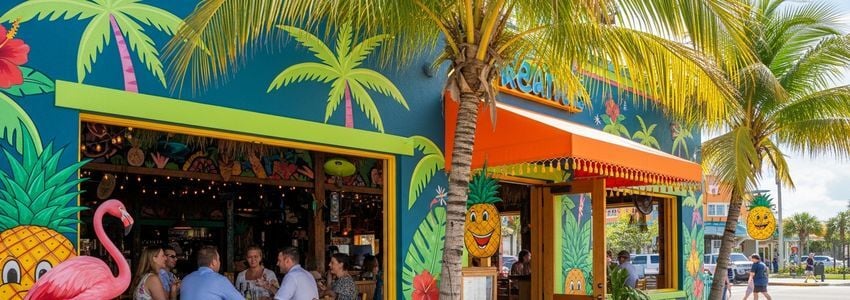
Islands Fine Burgers Franchise Loan: The Complete Financing Guide for Islands Fine Burgers Franchise Owners
Islands Fine Burgers and Drinks has built a devoted following across the American West since 1982, combining premium burgers, tropical-inspired decor, and a relaxed dining atmosphere that keeps guests coming back. If you are considering becoming an Islands Fine Burgers franchise owner, securing the right financing is one of the most critical steps in turning your restaurant dream into reality. This guide covers everything you need to know about Islands Fine Burgers franchise loans, from startup investment ranges to the best funding options available in 2026.
- Islands Fine Burgers: Brand Overview
- Total Investment and Franchise Costs
- Financing Options for Islands Franchise Owners
- SBA Loans for Franchise Restaurants
- Equipment and Buildout Financing
- Working Capital and Operating Funds
- Who Qualifies for Islands Franchise Loans
- Real-World Financing Scenarios
- How Crestmont Capital Helps Islands Franchisees
- Comparing Franchise Loan Types
- Frequently Asked Questions
- Next Steps to Get Funded
Islands Fine Burgers: Brand Overview and Franchise Opportunity
Islands Fine Burgers and Drinks was founded in 1982 in Newport Beach, California. The brand built its identity around hand-crafted burgers made with fresh, never-frozen beef, a fun and casual tropical atmosphere, and a menu that includes burgers, tacos, salads, and a robust bar program. Over four decades, the chain has grown to locations primarily in California, Arizona, Colorado, Hawaii, and Nevada.
Unlike fast-food concepts, Islands operates as a full-service casual dining restaurant, which means higher average checks, a more involved team structure, and a dining experience that commands real estate in high-traffic shopping centers, lifestyle centers, and premium strip malls. Islands has maintained a strong regional reputation and consistent guest loyalty, making it an appealing franchise opportunity for experienced restaurant operators looking to partner with a proven regional brand.
The franchise model offers prospective owners an established brand identity, a refined menu with high-quality ingredients, beverage and alcohol licensing support, a detailed training program, and ongoing operational guidance. For investors with restaurant management experience and the right capital base, an Islands Fine Burgers franchise can be a rewarding business venture in the growing casual dining segment.
According to the U.S. Small Business Administration, franchises often carry lower failure rates than independent startups because of their established brand recognition and support systems, making franchise lending a preferred category for many lenders.
Total Investment and Franchise Costs for Islands Fine Burgers
Understanding the full cost picture is essential before approaching any lender. An Islands Fine Burgers franchise is a significant investment that requires careful financial planning. While the franchisor's Franchise Disclosure Document (FDD) contains the most current and binding cost disclosures, industry estimates for a full-service casual dining franchise of this scale suggest the following ranges:
- Franchise Fee: Approximately $40,000 to $50,000 for the initial license to operate under the Islands brand
- Real Estate and Lease: First and last months' rent, security deposits, and lease signing costs can range from $100,000 to $300,000+ depending on market
- Construction and Buildout: Leasehold improvements, construction, and buildout typically range from $800,000 to $1,500,000 or more depending on the condition of the space
- Kitchen Equipment and FF&E: Commercial cooking equipment, refrigeration, POS systems, and furniture typically run $200,000 to $450,000
- Signage and Decor: Brand-consistent signage, interior decor, and branding elements can add $50,000 to $150,000
- Pre-Opening Training and Travel: Typically $15,000 to $40,000 for training, travel, and lodging
- Working Capital Reserve: Franchisors generally require 3 to 6 months of operating expenses in reserve, typically $100,000 to $200,000
- Additional Opening Costs: Inventory, uniforms, marketing launch, and miscellaneous startup costs of $30,000 to $80,000
Total Estimated Investment: $1,300,000 to $2,800,000+
Franchisors typically require candidates to demonstrate a minimum net worth of around $1.5 million and liquid capital availability of $400,000 to $600,000. These are estimates - always request and review the current FDD from Islands Fine Burgers directly for the most accurate and current figures.
Ready to Finance Your Islands Fine Burgers Franchise?
Crestmont Capital specializes in franchise restaurant loans with fast approvals and competitive terms. Apply in minutes.
Apply for Franchise FinancingFinancing Options for Islands Fine Burgers Franchise Owners
Very few franchise buyers have the full investment amount sitting in a bank account. The majority of successful franchisees combine multiple financing sources to cover their total startup costs. The right mix depends on your credit profile, collateral, existing business history, and how much of your own capital you are able to contribute. Here are the primary financing options available to Islands Fine Burgers franchise owners:
1. SBA 7(a) Loans
The SBA 7(a) loan program is the most popular and flexible loan program available through the U.S. Small Business Administration. These government-backed loans allow eligible borrowers to access up to $5 million for a wide range of business purposes, including franchise acquisition, construction, equipment, and working capital. SBA 7(a) loans typically offer longer repayment terms of up to 25 years for real estate and 10 years for other purposes, which reduces monthly payments and helps cash flow in the critical early years of operation.
2. SBA 504 Loans
The SBA 504 loan is specifically designed for major capital expenditures such as commercial real estate and large equipment. If you are purchasing the building that houses your Islands restaurant, an SBA 504 loan may provide up to 40% of the project cost through a Certified Development Company, with a bank covering 50% and you contributing at least 10% as a down payment. Interest rates on SBA 504 loans are tied to U.S. Treasury rates and are typically lower than conventional commercial loans.
3. Conventional Commercial Loans
Traditional bank loans and commercial lending arrangements remain a viable option for borrowers with strong credit histories, substantial collateral, and prior restaurant or business ownership experience. Conventional loans offer more flexibility in structure and may process faster than SBA-backed options, though they typically require larger down payments and carry stricter credit requirements.
4. Equipment Financing
Commercial kitchen equipment - from griddles and fryers to refrigeration systems and hood ventilation - represents a significant slice of the startup budget. Equipment financing allows you to borrow against the value of the equipment itself, which acts as collateral. This preserves your working capital while spreading the cost of large equipment purchases over time.
5. Working Capital Loans
Once your restaurant opens, you will need liquidity to cover payroll, food costs, utilities, and marketing before revenue stabilizes. Working capital loans provide fast access to cash without requiring collateral, making them ideal for covering the gap between when your restaurant opens and when it becomes cash-flow positive.
6. Business Lines of Credit
A business line of credit gives your franchise ongoing access to a revolving pool of funds, which you can draw on as needed and repay over time. This is particularly useful for seasonal fluctuations, unexpected expenses, or taking advantage of bulk purchasing opportunities for inventory.
7. Revenue-Based Financing
Once your Islands location is generating revenue, revenue-based financing allows you to borrow based on a percentage of your monthly sales. Repayment adjusts with your cash flow, which can be helpful during slower periods. This option is typically better suited for established locations than brand-new openings.
Islands Fine Burgers Franchise: Financing at a Glance
Investment figures are estimates only. Consult the current Islands FDD for exact requirements.
SBA Loans for Franchise Restaurants: A Deep Dive
The SBA loan programs are widely considered the gold standard for franchise financing, and for good reason. Government backing reduces the lender's risk, which translates into better rates, longer repayment terms, and higher loan amounts than most conventional alternatives. For a full-service casual dining franchise like Islands Fine Burgers, an SBA loan is often the anchor financing that enables the deal to come together.
The SBA does not lend money directly. Instead, it guarantees a portion of loans made by approved SBA lenders, which reduces the lender's risk and encourages them to offer better terms. The SBA 7(a) loan program can be used for:
- Franchise fees and initial licensing payments
- Leasehold improvements and buildout costs
- Kitchen equipment and furniture
- Preopening inventory and supplies
- Working capital for the first 12 to 24 months
- Refinancing existing business debt under certain conditions
Key SBA 7(a) Terms for Restaurant Franchises:
- Loan amounts up to $5 million
- Repayment terms up to 10 years for equipment and working capital
- Repayment terms up to 25 years for real estate
- Interest rates typically prime + 2.25% to 2.75% for loans over $50,000
- Requires at least 10-20% equity injection from the borrower
One important note: the SBA maintains a list of pre-approved franchise brands. If Islands Fine Burgers appears on the SBA Franchise Directory, the underwriting process is often streamlined. Work with an experienced SBA lender or a financing partner like Crestmont Capital who understands the franchise lending process to determine current SBA approval status and the fastest path to funding.
According to CNBC reporting on small business lending, franchise restaurant borrowers who come to lenders with strong personal credit scores (680+), meaningful equity contributions (20%+), and demonstrated industry experience tend to close SBA loans faster and at better terms than first-time borrowers without restaurant backgrounds.
Equipment and Buildout Financing for Islands Locations
The restaurant equipment required for an Islands Fine Burgers operation is substantial. A full-service casual dining kitchen needs commercial-grade equipment across every station - from the grill and fryer setup that produces Islands' signature burgers, to the refrigeration systems, dishwashing equipment, point-of-sale technology, and front-of-house furniture that shapes the guest experience.
Equipment financing works differently from general business loans. Instead of requiring unsecured creditworthiness, equipment loans use the equipment itself as collateral. This typically makes them easier to qualify for, particularly for new franchise owners who may not yet have business credit established. The lender funds the purchase of the equipment, you take possession and use it immediately, and you repay the loan over a set term - usually 3 to 7 years - through fixed monthly payments.
Types of equipment commonly financed for casual dining restaurants:
- Commercial flat-top grills, broilers, and fryers
- Walk-in coolers and freezers
- Commercial refrigerators and prep tables
- Ventilation and hood systems
- Point-of-sale (POS) systems and kitchen display screens
- Bar equipment including draft beer systems and cocktail stations
- Dishwashers and warewashing systems
- Tables, chairs, and booth seating
Leasehold improvements - the physical buildout of your restaurant space - can sometimes be financed separately through construction lending or included in an SBA 7(a) loan. For larger buildout projects where you are building from shell space, construction-to-permanent financing may be available through commercial lenders.
Need Equipment Financing for Your Restaurant Build?
Crestmont Capital offers fast equipment financing solutions designed for restaurant franchise owners. Get a decision in as little as 24 hours.
Explore Equipment FinancingWorking Capital and Operating Fund Strategies
Even the most well-funded franchise launch can face cash flow pressure in the first six to twelve months of operation. Building a following takes time. Staff training and retention have associated costs. Food costs can run higher than projected until kitchen processes are refined. Marketing spend is often heaviest at opening. All of these realities make working capital reserves essential for a new Islands Fine Burgers franchise.
Financial advisors and franchise consultants generally recommend that new restaurant operators have at least three to six months of operating expenses in accessible reserves beyond their construction and equipment budget. For an Islands location with monthly operating costs that could reach $150,000 to $300,000 depending on size and market, this means maintaining $450,000 to $1.8 million in total accessible liquidity through some combination of cash reserves and credit facilities.
Working capital sources for new Islands franchisees:
- SBA 7(a) Working Capital Component: Many SBA loans include a working capital allocation alongside the buildout and equipment portions
- Unsecured Working Capital Loans: Fast-approval loans based on business revenue projections and personal creditworthiness
- Business Lines of Credit: Revolving access to funds that can be drawn as needed and repaid to restore availability
- Merchant Cash Advances: Funding based on projected credit card sales, often available quickly but at higher cost - best used sparingly
- Personal Investment and Family Capital: Equity contributions from personal savings or family investors
The U.S. Census Bureau's research on small business resilience consistently shows that businesses with adequate working capital reserves survive economic downturns and unexpected disruptions at much higher rates than those operating close to the edge. Padding your working capital buffer is one of the highest-return decisions you can make in your franchise planning process.
Who Qualifies for Islands Fine Burgers Franchise Loans
Franchise lenders evaluate several key criteria when underwriting a restaurant franchise loan. Understanding what lenders look for helps you prepare a strong application and identify any gaps you need to address before approaching lenders.
Credit Score
Most lenders prefer a personal credit score of 680 or above for SBA-backed franchise loans. Higher scores (720+) will qualify you for better rates and terms. If your score is below this range, working with a financing consultant to understand credit improvement strategies before applying can save you significant money over the life of the loan.
Industry Experience
Islands Fine Burgers and most full-service casual dining franchisors require prospective franchisees to have meaningful restaurant management or multi-unit foodservice experience. Lenders align with this requirement - they want to see that you understand the business you are funding. Operators with 5+ years of restaurant management, ownership, or executive-level foodservice experience are viewed most favorably.
Net Worth and Liquidity
Franchisors and lenders both require minimum net worth and liquid capital thresholds. As noted above, Islands typically requires a net worth in the range of $1.5 million and liquid capital of $400,000 to $600,000. Lenders want to see that you have skin in the game - most SBA loans require at least a 10% to 20% equity injection from the borrower.
Business Plan Quality
A well-prepared business plan with realistic revenue projections, competitive market analysis, staffing plans, and a clear path to profitability significantly strengthens your loan application. For SBA loans, a detailed business plan is essentially required. Working with a franchise consultant or financial advisor to develop projections based on comparable Islands locations (using data from the FDD) demonstrates preparation and seriousness to underwriters.
Collateral
SBA loans require the borrower to pledge available collateral - typically personal assets including home equity, investment accounts, or business assets. The SBA does not require collateral to cover the full loan amount if insufficient assets are available, but lenders are required to take all available collateral up to the loan amount.
Real-World Financing Scenarios for Islands Fine Burgers Franchisees
Understanding how financing structures work in practice helps you plan your own approach. Here are several illustrative scenarios showing how different types of franchise buyers might structure their Islands Fine Burgers financing:
Scenario 1: The Experienced Restaurant Operator
Maria has managed a regional casual dining chain for 12 years and has saved $600,000 in personal capital. She is approved by Islands as a franchisee and is targeting a location in a lifestyle center in Scottsdale, Arizona with an estimated total investment of $2.1 million. Maria contributes $500,000 as her equity injection and secures an SBA 7(a) loan for $1.6 million covering the remaining buildout, equipment, and working capital. Her strong restaurant background and credit score of 740 help her close the loan in approximately 60 days.
Scenario 2: The Multi-Unit Franchise Investor
David already owns two other franchise locations in different concepts and has established business credit and proven operational systems. He wants to add an Islands location to his portfolio. Leveraging his existing business assets as additional collateral, David secures a $1.8 million commercial restaurant construction loan from a bank that has an existing relationship with his other franchise entities, with a 15-year repayment structure and a competitive rate.
Scenario 3: The Equipment Financing + SBA Combination
Jennifer has the real estate secured through a commercial landlord with a generous tenant improvement allowance that covers a significant portion of buildout costs. She needs $900,000 for equipment, preopening expenses, and working capital. She structures $400,000 in equipment financing through a specialty equipment lender, a $350,000 SBA working capital and preopening component, and contributes $150,000 of her own capital. The segmented approach allows her to optimize terms for each category of spending.
Scenario 4: The Second Location Expansion
Carlos opened his first Islands location two years ago and it is generating strong sales with consistent profitability. He wants to open a second location. Using his existing restaurant's assets and the proven performance record, Carlos qualifies for a $1.4 million SBA 7(a) loan using the first location's cash flow to support the second unit's debt service. Proven operators expanding within an existing franchise system are among the most attractive borrowers for franchise restaurant lenders.
Scenario 5: The Conversion Opportunity
Thomas identifies a closed casual dining restaurant with existing kitchen infrastructure that significantly reduces his buildout costs. The existing hood system, walk-in cooler, and plumbing save approximately $300,000 compared to a shell space buildout. His total investment is estimated at $1.3 million, making the project more accessible. He finances $250,000 in new equipment specifically, takes a $700,000 SBA loan for remaining buildout and working capital, and contributes $350,000 in personal equity.
For inspiration on how financing works across the burger franchise segment, you may also find our guide on Habit Burger Grill franchise financing useful as a comparison point. And our broader resource on restaurant business loans covers the full spectrum of options available to food service operators at every stage of growth.
Scenario 6: The First-Time Franchisee with SBA Support
Sandra is a first-time franchisee who has spent her career as a regional operations manager for a national restaurant group. She has $450,000 in personal savings and impeccable credit (score: 752). Working with an SBA-approved lender through Crestmont Capital's network, she secures a $1.75 million SBA 7(a) loan with a 10-year term on equipment and working capital components and a full buildout package. Her industry experience compensates for her lack of prior ownership, and the deal closes successfully after 75 days.

How Crestmont Capital Helps Islands Franchise Owners Get Funded
Navigating the franchise lending landscape can be complex. Different lenders specialize in different types of financing, and the application requirements for SBA loans alone can feel overwhelming for first-time applicants. Crestmont Capital simplifies this process by serving as your financing partner from application through closing.
Crestmont Capital is a leading U.S. business lender specializing in franchise restaurant financing. Our team works with Islands Fine Burgers franchise applicants and existing operators to identify the right combination of loan products for their specific situation. Here is what sets Crestmont apart:
- Franchise-Specific Expertise: Our lending specialists understand the unique dynamics of casual dining franchise financing and can guide you through the SBA process, equipment financing structures, and working capital solutions with confidence
- Multiple Lending Programs: Rather than being limited to one product, Crestmont works across SBA loans, conventional commercial lending, equipment financing, and working capital to build a comprehensive solution
- Fast Pre-Qualification: Get a sense of your financing options quickly without the time investment of a full application
- Network of Franchise-Friendly Lenders: We work with lenders who have approved Islands and similar restaurant franchise brands and understand the requirements
- Support Through Closing: Our team stays with you from initial consultation through funding, helping with documentation requirements, appraisals, and lender communications
According to Forbes Advisor's analysis of franchise lending, borrowers who work with experienced franchise financing specialists close faster and at better terms than those who approach lenders independently without industry-specific guidance.
Comparing Franchise Loan Types: SBA vs. Conventional vs. Alternative
Not all franchise loans are created equal. Here is a straightforward comparison of the main loan types available to Islands Fine Burgers franchise owners:
| Loan Type | Best For | Typical Amount | Term | Speed |
|---|---|---|---|---|
| SBA 7(a) | Full buildout, equipment, working capital | Up to $5M | Up to 25 yrs | 60-90 days |
| SBA 504 | Real estate, major equipment | $125K - $5.5M | 10-25 yrs | 60-90 days |
| Conventional Bank | Established operators with collateral | $500K - $5M+ | 5-20 yrs | 30-60 days |
| Equipment Financing | Kitchen equipment, POS, FF&E | $50K - $2M | 3-7 yrs | 1-5 days |
| Working Capital Loan | Operating expenses, payroll buffer | $25K - $500K | 6-24 mos | 24-72 hrs |
| Line of Credit | Ongoing operational needs, flexibility | $25K - $1M | Revolving | 3-10 days |
Many successful Islands franchisees use a combination: an SBA 7(a) loan as the primary vehicle for construction and equipment, supplemented by a smaller equipment financing line and a working capital reserve through a line of credit. This approach optimizes terms for each use of funds while providing operational flexibility.
Get a Free Franchise Financing Consultation
Our franchise lending specialists will review your situation and identify the best financing structure for your Islands Fine Burgers franchise. No commitment required.
Talk to a Franchise Lending SpecialistFrequently Asked Questions About Islands Fine Burgers Franchise Loans
How much does it cost to open an Islands Fine Burgers franchise?
The total estimated investment for an Islands Fine Burgers franchise is generally in the range of $1.3 million to $2.8 million, covering the franchise fee, real estate costs, construction and buildout, kitchen equipment, preopening expenses, and working capital reserves. Always consult the current Franchise Disclosure Document directly from Islands Fine Burgers for the most accurate and up-to-date figures.
Can I get an SBA loan for an Islands Fine Burgers franchise?
Yes. SBA 7(a) and SBA 504 loans are among the most popular financing vehicles for casual dining franchise operations like Islands Fine Burgers. If Islands appears on the SBA Franchise Directory, lenders can streamline the underwriting process. Work with a franchise-focused lender like Crestmont Capital to navigate SBA requirements and determine your eligibility.
What credit score do I need to qualify for an Islands franchise loan?
Most SBA-backed franchise lenders prefer a personal credit score of 680 or higher. Scores of 720 or above typically qualify for better rates and terms. Some conventional lenders may require 700+ as a minimum. If your score is below these thresholds, working on credit improvement strategies before applying can make a meaningful difference in the loan terms you receive.
How much of my own money do I need to invest in an Islands franchise?
Islands Fine Burgers typically requires candidates to have liquid capital of $400,000 to $600,000. SBA loans generally require an equity injection of 10% to 20% of the total project cost. Conventional lenders may require 20% to 30% down. As a general rule, expect to contribute at least 20% of the total investment from personal funds, with financing covering the remainder.
How long does it take to get a franchise loan approved?
Approval timelines vary by loan type. Equipment financing can close in as little as 1 to 5 business days. Working capital loans often close within 24 to 72 hours. SBA 7(a) and 504 loans typically take 60 to 90 days from application to funding, though well-prepared applications with strong documentation can sometimes close faster.
Do I need restaurant experience to get a franchise loan for Islands?
Islands Fine Burgers as a franchisor requires restaurant management or ownership experience as part of their qualification criteria. Lenders also strongly prefer borrowers with industry experience. While it is not absolutely impossible to secure financing as a first-time restaurateur, having 5+ years of foodservice management, operations, or ownership background significantly strengthens both your franchisor application and your loan approval prospects.
Can I finance kitchen equipment separately from the main franchise loan?
Yes, and many franchisees choose to do exactly this. Equipment financing is a distinct product that uses the equipment as collateral and often closes much faster than SBA loans. You might use a primary SBA 7(a) loan for the buildout, franchise fee, and working capital, while simultaneously obtaining equipment financing specifically for the kitchen package. This segmented approach can optimize terms and timing for each component.
What is the royalty structure for Islands Fine Burgers franchises?
Royalty and marketing fund fee structures for Islands Fine Burgers are detailed in the Franchise Disclosure Document. Casual dining franchises typically charge ongoing royalties of 4% to 6% of gross sales, plus a marketing or advertising fund contribution. Consult the current Islands FDD for exact figures, as these can change and the FDD represents the binding contractual terms.
Can I use a business line of credit for my Islands franchise startup?
A business line of credit is generally better suited as a supplement to primary franchise financing rather than a standalone source for a startup. Lines of credit work well as a working capital buffer once you are operational, giving you the flexibility to draw funds as needed for payroll, inventory, or unexpected expenses. Most new franchise startups combine a term loan (SBA or conventional) with a line of credit for this purpose.
What documentation do I need to apply for an Islands franchise loan?
Typical documentation requirements for a franchise restaurant loan include: 2-3 years of personal tax returns, 2-3 years of business tax returns (if you have an existing business), a current personal financial statement, a franchise disclosure document and franchise agreement, a detailed business plan with financial projections, a real estate lease or letter of intent, equipment vendor quotes, and a resume demonstrating restaurant industry experience. SBA loans require additional government forms and disclosures.
How does Islands Fine Burgers compare to other casual dining franchise opportunities?
Islands Fine Burgers occupies a distinctive niche as a regional casual dining brand with a strong following in the Western U.S. Compared to national casual dining chains, Islands offers the potential for stronger local brand loyalty in established markets, while also representing a more concentrated geographic opportunity. Investment levels are comparable to other full-service casual dining concepts. Franchisees should review the FDD carefully and speak with existing Islands franchisees before making a decision.
Is it possible to get financing with collateral other than real estate?
Yes. While real estate equity is often the preferred collateral for large SBA loans, lenders also accept business equipment, inventory, accounts receivable, investment accounts, life insurance cash value, and other personal or business assets. The SBA does not require collateral to cover the full loan amount if you do not have sufficient pledgeable assets, though lenders must take all available collateral up to the loan amount as a condition of SBA guaranty.
Can I use retirement funds to invest in an Islands franchise?
A structure known as ROBS (Rollover for Business Startups) allows some individuals to use qualified retirement funds like a 401(k) or IRA to invest in a franchise without triggering early withdrawal penalties. This is a complex financial and legal structure that requires working with a qualified ROBS provider and tax advisor. It is legal when done correctly, but carry significant compliance requirements. Consult with a qualified financial advisor before pursuing this option.
What are typical interest rates for Islands franchise loans?
Interest rates vary by loan type, credit profile, market conditions, and lender. SBA 7(a) loans are typically priced at the Wall Street Journal Prime Rate plus 2.25% to 2.75% for loans over $350,000, which as of mid-2026 places rates in the range of approximately 7.5% to 10.5%. Equipment financing rates range from 6% to 18% depending on creditworthiness and equipment type. Working capital loans can carry higher rates, from 10% to 25%+ depending on risk profile. Your specific rate will depend on your credit score, collateral, and loan structure.
How does Crestmont Capital help me get a franchise loan?
Crestmont Capital works as your franchise financing partner, connecting you with the right lenders and loan products for your specific situation. Our process includes a free initial consultation, assessment of your financial profile, identification of the optimal loan structure, assistance with application preparation and documentation, and ongoing support through closing. We work with SBA-approved lenders, equipment financing companies, and working capital providers to build a comprehensive financing solution for your Islands franchise.
Next Steps to Finance Your Islands Fine Burgers Franchise
Your Franchise Financing Roadmap
Before approaching any lender, obtain and review the current Franchise Disclosure Document from Islands Fine Burgers. This document contains the official investment requirements, royalty structures, and financial performance representations from existing franchisees.
Pull your personal credit report from all three bureaus and address any errors, late payments, or outstanding issues. Aim for a 680+ score before applying for franchise financing.
Gather 2-3 years of personal and business tax returns, a current personal financial statement, bank statements, and any existing business financial reports. Having this ready speeds up the application process significantly.
Work with a franchise consultant or financial advisor to build a detailed business plan with revenue projections, operating expense models, and break-even analysis. Use Item 19 data from the Islands FDD to ground your projections in real performance data from existing locations.
Most lenders require either a signed lease or a letter of intent from a landlord before they will complete underwriting. Work with a commercial real estate broker experienced in restaurant properties to identify and negotiate your Islands location.
Once you have your documentation and real estate situation in hand, explore small business financing options and apply with Crestmont Capital. Our franchise lending specialists will assess your situation and present a comprehensive financing strategy.
Work through the underwriting and closing process with your lender, complete your buildout, hire and train your team, and launch your Islands Fine Burgers location with confidence.
Conclusion
Opening an Islands Fine Burgers franchise is a significant financial commitment that requires careful planning, the right lending partner, and a clear understanding of the financing landscape. The good news is that established casual dining franchises with strong brand histories attract favorable attention from lenders, particularly when the borrower brings industry experience, solid credit, and a well-structured application.
Whether you need an SBA 7(a) loan as your primary financing vehicle, equipment financing to spread the cost of your kitchen investment, or a working capital line of credit to keep operations smooth in the early months, Crestmont Capital has the products and expertise to help you build a comprehensive financing solution. Our specialists understand the unique requirements of casual dining franchise lending and will work with you to structure funding that matches your specific situation.
If you are serious about pursuing an Islands Fine Burgers franchise opportunity, start by reviewing the FDD, preparing your documentation, and reaching out to our team for a free consultation. The path from prospect to franchise owner is achievable with the right financing partner by your side.
Ready to get started? Apply for franchise financing with Crestmont Capital today and take the first step toward opening your Islands Fine Burgers location.
Disclaimer: The information provided in this article is for general educational purposes only and is not financial, legal, or tax advice. Funding terms, qualifications, and product availability may vary and are subject to change without notice. Crestmont Capital does not guarantee approval, rates, or specific outcomes. For personalized information about your business funding options, contact our team directly.








