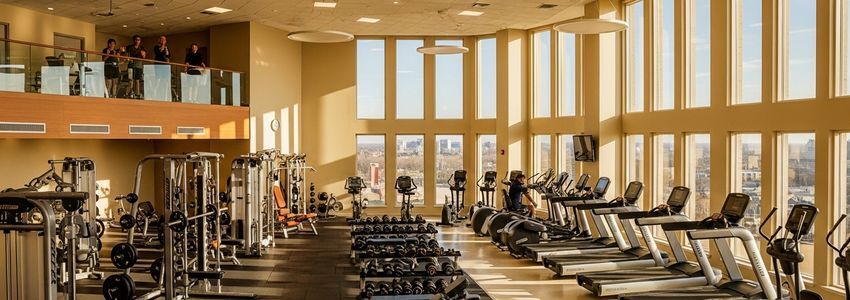
Running a health club is one of the most capital-intensive businesses in the fitness industry. Whether you are opening a new location, purchasing commercial fitness equipment, expanding a boutique studio, or renovating an aging facility, health club financing can be the difference between growing your business and standing still. Yet many gym owners struggle to find the right funding strategy because the options are complex and the fitness industry has unique financial needs.
This guide covers everything gym owners and fitness entrepreneurs need to know about health club financing in 2026 - from types of loans and qualifications to how Crestmont Capital helps fitness businesses access capital faster than traditional banks.
In This Article
What Is Health Club Financing?
Health club financing refers to any form of business funding designed to help gym owners, fitness studios, and wellness facilities meet their capital needs. This includes funding for equipment purchases, facility renovations, working capital, staff payroll, marketing campaigns, new location build-outs, and debt refinancing.
Unlike personal loans or consumer financing, health club financing is structured specifically for business purposes. Lenders evaluate the revenue, cash flow, and operational history of the fitness business rather than simply looking at personal credit scores alone.
The fitness industry in the United States generates over $35 billion in annual revenue, according to the International Health, Racquet and Sportsclub Association (IHRSA). With more than 41,000 health clubs operating nationwide, competition is fierce and investment in facility quality, equipment, and member experience is non-negotiable for long-term success.
Industry Insight: According to IHRSA, the average health club generates approximately $847,000 in annual revenue. Equipment upgrades and facility improvements are consistently ranked among the top investments that drive membership growth and retention.
Types of Health Club Financing
There is no single loan product for gym owners. Instead, health club operators have access to a variety of financing options, each suited to different business situations and goals.
Equipment Financing
One of the most popular options for gym owners is dedicated equipment financing. With equipment financing, the gym equipment itself serves as collateral for the loan, which makes approval easier and rates more competitive than unsecured loans. You can finance cardio machines, strength training equipment, free weights, yoga equipment, commercial flooring, and even locker room fixtures. Terms typically range from 24 to 84 months.
Equipment Leasing
For gym owners who prefer to upgrade equipment regularly without owning aging assets, equipment leasing is an excellent alternative. Rather than purchasing equipment outright, you pay a monthly lease payment and have the option to upgrade, return, or purchase the equipment at the end of the lease term. This preserves capital and keeps your facility current.
Small Business Loans (Term Loans)
A traditional small business term loan provides a lump sum that you repay over a fixed period with regular payments. Term loans are versatile and can be used for anything from facility renovations to marketing campaigns. Amounts typically range from $25,000 to $500,000+ depending on the lender and your business profile.
SBA Loans
The Small Business Administration backs several loan programs that are available to health club owners. SBA loans offer competitive interest rates and longer repayment terms - up to 25 years for real estate and 10 years for working capital - but the application process is more involved and approval times can be longer than alternative lenders.
Business Line of Credit
A business line of credit works like a revolving credit account. You are approved for a maximum credit limit and can draw funds as needed, paying interest only on the amount you use. This is ideal for managing seasonal cash flow fluctuations common in the fitness industry, covering payroll during slow months, or handling unexpected repair costs.
Working Capital Loans
Working capital loans are short-term financing solutions designed to cover day-to-day operational expenses. For health clubs managing member billing cycles, payroll, utility costs, and supply procurement, working capital loans provide the liquidity needed to keep operations running smoothly even during off-peak seasons.
Merchant Cash Advances
A merchant cash advance provides upfront capital in exchange for a percentage of future revenue. While typically more expensive than term loans, they offer very fast approval and minimal documentation requirements. Some health clubs use MCAs to bridge cash flow gaps before a seasonal membership surge or while waiting for equipment financing approval.
By the Numbers
Health Club Financing - Key Industry Statistics
$35B+
Annual U.S. fitness industry revenue
41,000+
Health clubs operating in the U.S.
72%
Of gym owners finance equipment purchases
24-72 Hrs
Typical approval time with Crestmont Capital
How Health Club Financing Works
The process of securing health club financing depends on the type of loan you pursue, but most alternative lenders follow a streamlined process designed to get gym owners funded quickly.
Quick Guide
How Health Club Financing Works - At a Glance
Submit a short application with basic business information and 3-6 months of bank statements.
Your lender evaluates business revenue, cash flow patterns, credit history, and time in business.
You receive a formal funding offer including loan amount, rate, term, and repayment structure.
After signing your agreement, funds are typically deposited within 24 to 72 hours.
Traditional banks often require extensive financial documentation, personal guarantees, real estate collateral, and multi-week review periods. Alternative lenders like Crestmont Capital use a streamlined process that evaluates your business's real-time cash flow and revenue performance, allowing for faster decisions without sacrificing accuracy.
How Gym Owners Use Health Club Financing
The most successful health club operators treat financing as a growth tool rather than a last resort. Here are the most common and impactful uses of health club financing.
Equipment Purchases and Upgrades
Commercial fitness equipment is one of the biggest capital expenses for any gym. A single commercial treadmill can cost $3,000 to $10,000, and outfitting a full cardio floor for a mid-size facility can exceed $200,000. Equipment financing allows gym owners to acquire the equipment they need now and spread the cost over time, preserving cash for operations. You can use gym equipment financing to purchase new or used machines, free weights, racks, benches, cable systems, and even AV equipment for group fitness studios.
Facility Renovations and Buildouts
The physical environment of a health club directly impacts membership acquisition and retention. Outdated facilities see higher churn rates and lower member satisfaction scores. Health club financing can fund locker room renovations, flooring replacement, lighting upgrades, HVAC improvements, expanded square footage, and aesthetic upgrades that make your gym more competitive.
New Location Expansion
Opening a second or third location is a significant investment that requires funding for leasehold improvements, equipment purchases, initial staff payroll, and marketing. Business term loans and SBA financing are well-suited for this level of investment because they provide large lump sums with structured repayment timelines that match projected revenue ramp-up periods.
Seasonal Cash Flow Management
Most health clubs experience predictable seasonal patterns - membership surges in January and September, slowdowns in summer. A business line of credit gives gym owners the flexibility to draw funds during slow periods and repay when memberships peak. This prevents the need to cut staff or defer maintenance during off-peak periods.
Technology and Software Investments
Modern gym management platforms, member apps, CRM systems, automated billing, and digital marketing tools are increasingly necessary to compete. These technology investments can range from a few thousand dollars to tens of thousands for enterprise-grade solutions, and business financing makes them accessible without depleting operating reserves.
Marketing and Member Acquisition
New gym openings and rebranding campaigns often require significant upfront marketing spend before membership revenue kicks in. Health club financing allows operators to invest in paid digital advertising, social media campaigns, grand opening events, and referral programs without cash flow stress.
Ready to Upgrade Your Fitness Facility?
Get fast, flexible financing from the #1 business lender in the U.S. No obligation - apply in minutes.
Apply Now →Health Club Financing Options Compared
Choosing the right financing product depends on your purpose, timeline, and business profile. Use this table to compare the most common options available to health club owners.
| Financing Type | Best For | Typical Amount | Speed |
|---|---|---|---|
| Equipment Financing | Cardio/strength equipment purchases | $5K - $500K+ | 24-72 hours |
| Equipment Leasing | Regular equipment upgrades | $5K - $250K+ | 1-3 days |
| Term Loan | Renovations, expansion, marketing | $25K - $2M | 1-5 days |
| SBA Loan | Large investments, real estate | $50K - $5M | 30-90 days |
| Line of Credit | Seasonal cash flow, ongoing needs | $10K - $500K | 1-3 days |
| Working Capital Loan | Payroll, utilities, operations | $10K - $250K | 24-48 hours |
| Merchant Cash Advance | Fast capital, minimal documentation | $5K - $500K | Same day - 48 hrs |

Qualification Requirements for Health Club Financing
Qualification requirements vary by lender and loan type, but most alternative financing programs for health clubs evaluate the following factors.
Time in Business
Most lenders require a minimum of 6 months to 2 years in operation. Established clubs with 2+ years of operating history have access to the broadest range of financing products at the most competitive rates. Newer studios may qualify for startup-focused programs with higher rates to account for risk.
Monthly Revenue
Revenue is one of the most important factors in alternative lending decisions. Most working capital and term loan programs require minimum monthly revenues of $10,000 to $25,000. Equipment financing can be easier to qualify for because the equipment itself provides collateral security.
Credit Score
While traditional banks typically require personal credit scores of 680+, many alternative lenders work with gym owners who have scores in the 550-620 range, particularly when revenue and cash flow are strong. Personal credit is evaluated alongside business credit history.
Cash Flow and Bank Statements
Alternative lenders rely heavily on bank statement analysis to assess a gym's true cash flow patterns. They look at average daily balances, consistency of deposits, and absence of NSF (non-sufficient funds) occurrences. Most lenders request 3 to 6 months of recent business bank statements.
Debt Service Coverage
Lenders want to see that your gym generates enough income to cover its existing obligations plus the new loan payment with room to spare. A debt service coverage ratio (DSCR) of 1.25 or higher is generally preferred by most lenders.
Pro Tip: If your credit score is below ideal, strong monthly revenue and consistent bank statement deposits can often compensate. Many Crestmont Capital clients are approved with scores below 600 because their business cash flow tells a compelling story.
Who Benefits Most From Health Club Financing
Health club financing is not limited to large commercial gym chains. A wide range of fitness businesses can benefit from targeted business financing.
Independent Gym Operators
Independent gym owners competing against franchise chains need to maintain competitive facilities, equipment, and member experiences. Financing allows them to invest at scale without draining operational cash reserves.
Boutique Fitness Studios
Pilates studios, yoga centers, CrossFit boxes, cycling studios, and HIIT facilities require specialized equipment and premium interior environments. Health club financing helps boutique studios scale without sacrificing cash flow during high-growth phases.
Personal Training Studios
Private personal training facilities have different equipment needs than large gyms but still require meaningful investment in equipment quality and space design. Financing makes it possible to build a premium offering from day one.
Multi-Location Fitness Chains
Expanding a regional fitness brand to multiple locations requires significant capital. Term loans, equipment financing, and SBA programs all play a role in funding multi-unit expansion strategies.
Hotel and Corporate Wellness Centers
Hotels and corporate campuses with on-site fitness facilities often need periodic equipment refreshes and facility upgrades. Health club equipment financing provides a structured way to fund these investments without capital budget constraints.
How Crestmont Capital Helps Health Club Owners
Crestmont Capital is the #1 rated business lender in the United States, specializing in fast, flexible financing for small and mid-size businesses including health clubs, gyms, and fitness studios. Unlike traditional banks that operate on multi-week timelines with rigid underwriting criteria, Crestmont Capital takes a business-first approach that evaluates your real performance metrics.
We offer health club owners access to equipment financing, working capital loans, business lines of credit, and SBA loan programs - all through a single point of contact and a streamlined application process. Most gym owners receive a decision within 24 to 48 hours and can access funds within 72 hours of approval.
What sets Crestmont Capital apart for fitness business owners:
- No collateral required for many working capital products
- Equipment financing with rates starting competitive to banks
- Bad credit options available for gym owners rebuilding credit history
- Seasonal repayment flexibility for businesses with peak and off-peak cycles
- Dedicated advisors who specialize in fitness industry financing
- Financing for both new and existing equipment, including used commercial fitness machines
For gym owners who have been turned down by a traditional bank, Crestmont Capital often provides a path forward. Our network of lending partners spans hundreds of capital sources, giving us the ability to match your business with the product and terms best suited to your situation. Learn more at our small business financing hub.
Get a Free Financing Consultation
Talk to a Crestmont Capital advisor who specializes in fitness industry financing. No obligation, no pressure.
Apply Now →Real-World Health Club Financing Scenarios
Understanding how health club financing works in practice helps gym owners identify the right solution for their specific situation. Here are six realistic scenarios.
Scenario 1: Equipment Refresh for a 10-Year-Old Gym
A gym owner in Ohio has operated a successful 8,000 square foot facility for 10 years. His cardio equipment is aging and members are complaining. He needs $180,000 to replace 25 treadmills, 20 ellipticals, and 15 stationary bikes. Equipment financing at competitive rates over 60 months provides a monthly payment that easily fits within his existing revenue stream, and the new equipment immediately drives a 12% increase in membership renewals.
Scenario 2: Boutique Studio Opening Its Second Location
A Pilates studio owner in Texas has a profitable first location and wants to open a second. She needs $85,000 for leasehold improvements and specialized reformer equipment. A combination of an equipment financing agreement and a small business term loan covers the full investment, with repayment structured to align with projected revenue ramp-up over the first six months of operations.
Scenario 3: Managing a Summer Slow Season
A gym in Florida experiences a significant summer membership dip as snowbird members leave. The owner uses a $50,000 business line of credit to cover payroll and fixed costs during June through August, then repays the drawn balance when fall enrollment surges. This prevents staff reductions and maintains service quality year-round.
Scenario 4: CrossFit Box Expanding Its Space
A CrossFit affiliate owner in California leases 3,000 square feet but needs 5,000 to accommodate growing class sizes. He secures the adjacent unit and uses a $75,000 working capital loan to fund the buildout, wall removal, flooring installation, and additional rig equipment. The expansion allows him to double his class schedule, adding $15,000 per month in new revenue.
Scenario 5: Hotel Fitness Center Overhaul
A 200-room hotel in Chicago is planning a full fitness center renovation to improve its travel review scores. The $120,000 project includes new commercial equipment, flooring, lighting, and TV installations. Equipment financing spreads the cost over 48 months, and the improved ratings justify the investment through higher room rates and occupancy.
Scenario 6: Corporate Gym Expansion
A large employer in New York wants to expand its corporate wellness center as part of an employee benefits package. The company secures $200,000 in equipment financing and working capital to triple the gym space and add group fitness capabilities, resulting in measurable improvements in employee retention metrics.
Did You Know? According to Forbes, companies that invest in employee fitness and wellness programs see an average return of $3.27 for every dollar spent through reduced absenteeism and healthcare costs. Gym owners who serve corporate clients have strong financial justification to present to lenders.
Frequently Asked Questions
What is the minimum credit score to qualify for health club financing?
Most alternative lenders require a minimum personal credit score of 550 to 600 for working capital products. Equipment financing can often be approved with scores as low as 530 because the equipment serves as collateral. Traditional banks and SBA lenders typically require scores of 680 or higher. Strong monthly revenue can compensate for lower credit scores with many lenders.
How much can a health club owner borrow?
Loan amounts vary widely based on the type of financing and the gym's financial profile. Working capital loans typically range from $10,000 to $500,000. Equipment financing can go from $5,000 to well over $1 million for large commercial facility buildouts. SBA loans can reach $5 million. As a general rule, lenders will offer funding up to a multiple of your monthly gross revenue, typically 1 to 2 times your monthly deposits.
Can I get financing for used gym equipment?
Yes. Many equipment financing programs cover both new and used commercial fitness equipment. Lenders may require documentation of the equipment's condition, appraised value, and purchase agreement. Used equipment financing typically requires equipment that is no more than 5 to 10 years old. Crestmont Capital works with lenders who specialize in used fitness equipment financing.
How long does it take to get approved for gym financing?
With alternative lenders like Crestmont Capital, the approval process typically takes 24 to 48 hours after you submit your application and bank statements. Funds are usually deposited within 72 hours of approval. SBA loans have longer timelines - typically 30 to 90 days - but offer better rates for large amounts. The speed of alternative financing makes it well-suited for time-sensitive opportunities like equipment sales or lease negotiations.
Do I need collateral to get a gym business loan?
Not necessarily. Unsecured working capital loans and lines of credit do not require collateral - they are approved based on business revenue and cash flow. Equipment financing uses the equipment itself as collateral. Traditional bank loans and SBA loans typically do require collateral such as real estate, business assets, or a personal guarantee. Many Crestmont Capital products are available with minimal or no collateral requirements.
What interest rates should I expect for health club financing?
Interest rates vary significantly based on the type of loan, your credit profile, time in business, and lender. Equipment financing rates typically range from 5% to 20% APR for well-qualified borrowers. Working capital loans and lines of credit can range from 10% to 40%+ APR. SBA loans typically offer the lowest rates at prime plus 2.75% to 4.75%. Always request the APR (annual percentage rate) rather than a factor rate to accurately compare loan costs.
Can a startup gym get financing?
Yes, though options are more limited for very new businesses. Equipment financing is often available to startups because the equipment itself secures the loan. SBA loans have startup-specific programs. Alternative lenders typically require at least 3 to 6 months of operating history. For pre-revenue startups, personal loans, business credit cards, or SBA Microloan programs may be more appropriate than traditional business loans.
Is leasing equipment better than buying for gyms?
It depends on your goals and cash flow situation. Leasing preserves capital and allows you to upgrade equipment regularly, which is valuable in a rapidly evolving fitness market. Buying via equipment financing builds equity and avoids ongoing lease obligations once paid off. Many gym owners use a hybrid approach - leasing high-technology items that depreciate quickly (like cardio machines) while financing long-lasting items (like weight racks and flooring). Crestmont Capital offers both options.
Can I use health club financing for marketing and advertising?
Yes. Working capital loans, business term loans, and lines of credit can be used for any legitimate business expense including marketing, paid advertising, social media campaigns, and member acquisition programs. Equipment financing is the only product specifically restricted to equipment purchases. For gym owners investing in digital marketing or grand opening campaigns, a working capital loan provides the most flexibility.
What documents do I need to apply for health club financing?
For alternative lending programs, you typically need 3 to 6 months of business bank statements, a completed application, and proof of business ownership. For larger loans, lenders may also request profit and loss statements, tax returns, a business plan or financial projections, and equipment quotes if applicable. SBA loans require more extensive documentation including 2 years of business and personal tax returns, balance sheets, and a detailed business plan.
What happens if my gym experiences a slow season and I cannot make payments?
If you anticipate cash flow challenges, the best strategy is to communicate proactively with your lender before missing a payment. Many lenders offer deferment programs, modified payment schedules, or refinancing options for borrowers in good standing who experience temporary hardship. Missing payments without communication can trigger default procedures and damage your business credit. A line of credit is designed specifically to handle seasonal gaps without default risk.
How does health club financing affect my business credit?
Responsibly managed financing can improve your business credit score over time. On-time payments on equipment financing and business loans are reported to business credit bureaus (Dun and Bradstreet, Experian Business, Equifax Business) and demonstrate creditworthiness. This builds your profile for larger future loans at better rates. Conversely, missed payments or defaults can significantly damage your business credit and make future financing more difficult to obtain.
Can I refinance an existing gym business loan?
Yes. Refinancing an existing business loan can lower your interest rate, extend your repayment term, reduce your monthly payment, or consolidate multiple debts into a single payment. Gym owners who took on high-rate financing during a cash crunch often benefit from refinancing once their business is more established and their credit profile has improved. Crestmont Capital can evaluate your existing obligations and identify refinancing opportunities.
What is revenue-based financing and is it good for gyms?
Revenue-based financing links your repayment amount to your actual monthly revenue. In higher revenue months, you pay more; in slower months, you pay less. This flexibility is well-suited for seasonal businesses like health clubs. It can be more expensive than traditional term loans but eliminates the risk of fixed payment shortfalls during slow periods. Crestmont Capital offers revenue-based financing through its network of specialized lenders.
How do I know how much financing I can afford?
A general guideline is that total monthly debt service (all loan payments combined) should not exceed 15% to 25% of your monthly gross revenue. If your gym generates $50,000 per month, you can typically afford $7,500 to $12,500 in total monthly loan payments without straining cash flow. Before applying, calculate your current fixed obligations and determine how much additional payment you can absorb while maintaining healthy reserves for operations and unexpected expenses.
How to Get Started
Complete our quick application at offers.crestmontcapital.com/apply-now - takes just a few minutes.
A Crestmont Capital advisor with fitness industry experience will review your needs and match you with the right financing option.
Receive your funds and put them to work - often within 72 hours of approval. Upgrade your equipment, renovate your space, or manage cash flow with confidence.
Conclusion
Health club financing is not a one-size-fits-all solution. The right approach depends on your specific goals, timeline, credit profile, and how you intend to deploy the capital. Whether you need equipment financing to refresh aging cardio machines, a working capital loan to manage seasonal cash flow, a line of credit for flexibility, or an SBA loan for a major expansion, there is a product designed to meet your needs.
The fitness industry continues to grow and evolve rapidly. Gym owners who invest strategically in their facilities, equipment, and member experience consistently outperform competitors who defer capital spending. Health club financing makes those investments accessible without depleting the operational reserves your business depends on to run smoothly every day.
Crestmont Capital specializes in helping health club owners across the country access the capital they need quickly, with transparent terms and dedicated support throughout the process. Start your application today and take the next step toward building a stronger, more competitive fitness business.
Take Your Health Club to the Next Level
Apply in minutes and get a decision within 24 hours. Crestmont Capital - the #1 business lender in the U.S.
Apply Now →Disclaimer: The information provided in this article is for general educational purposes only and is not financial, legal, or tax advice. Funding terms, qualifications, and product availability may vary and are subject to change without notice. Crestmont Capital does not guarantee approval, rates, or specific outcomes. For personalized information about your business funding options, contact our team directly.