Rapid growth is the goal of every startup - but it brings a familiar problem: the equipment and technology your business needs to scale often costs far more than your current cash flow can support. Equipment financing for startups solves this challenge by letting growing businesses access the tools, machinery, and technology they need today, paid for over time, while preserving the working capital that keeps operations running.
In This Article
- What Is Equipment Financing for Startups?
- Why Startups Need Equipment Financing
- Types of Equipment Financing Available
- How Equipment Financing Works
- Equipment Financing vs. Other Funding Options
- How to Qualify as a Startup
- How Crestmont Capital Helps Startups
- Real-World Scenarios
- How to Get Started
- Frequently Asked Questions
What Is Equipment Financing for Startups?
Equipment financing is a form of business lending specifically designed to help companies purchase or lease the physical assets needed to operate and grow. For startups, this typically means machinery, technology, vehicles, medical devices, manufacturing tools, or any tangible item that powers the business.
Unlike general-purpose business loans, equipment financing uses the purchased asset as collateral. This means lenders face less risk, which often translates to more favorable terms for borrowers - even those without a long operating history. The equipment itself secures the loan, making it one of the most accessible financing options available to early-stage companies.
According to the Equipment Leasing and Finance Association (ELFA), over $1.16 trillion was invested in business equipment and software in a single recent year, with financing playing a central role in enabling that investment. For startups specifically, the ability to finance rather than buy outright is often the difference between launching on schedule and stalling while waiting for capital to accumulate.
Key Fact: The Federal Reserve's Survey of Small Business Credit found that equipment financing and leasing ranks among the most commonly used forms of business credit, particularly for businesses under two years old seeking to scale operations rapidly.
Why Startups Need Equipment Financing
Every startup founder understands the tension between growth ambitions and cash constraints. You need equipment to generate revenue, but the equipment costs money you haven't yet earned. Equipment financing breaks this cycle by decoupling asset acquisition from the full upfront cost.
There are several compelling reasons why equipment financing is particularly well-suited for rapidly growing startups:
- Cash flow preservation: Spreading payments over 12 to 72 months keeps working capital available for payroll, marketing, inventory, and other operational needs.
- Speed to market: Getting equipment funded quickly means getting to market faster than competitors who wait to save up the full purchase price.
- Credit building: Making consistent equipment loan payments builds your business credit profile, making future financing easier and cheaper to obtain.
- Technology upgrades: Leasing equipment allows startups to upgrade to newer technology at the end of a lease term rather than owning aging assets.
- Flexible terms: Equipment financing can be structured to match your cash flow cycles, with options like deferred payments during ramp-up periods.
Consider a tech startup that needs $200,000 in servers, networking equipment, and workstations to launch its platform. Spending $200,000 in cash at launch would leave almost nothing for hiring developers, marketing the product, or handling unexpected costs. Financing that same equipment at $4,500 per month over 48 months creates a predictable expense while preserving over $175,000 in working capital during the critical early months.
By the Numbers
Equipment Financing for Startups - Key Statistics
80%
of U.S. businesses use some form of equipment financing
$1.16T
invested annually in business equipment and software
24 Hrs
typical approval timeline for startup equipment financing
$5K+
minimum equipment value for most financing programs
Ready to Finance Your Startup Equipment?
Get fast, flexible equipment financing from the #1 business lender in the U.S. No obligation - apply in minutes.
Apply Now →Types of Equipment Financing Available to Startups
Not all equipment financing is the same. Understanding the different structures available helps startup founders choose the option best suited to their growth stage, cash flow, and long-term goals.
Equipment Loans
A traditional equipment loan works similarly to a car loan. The lender provides funds to purchase the equipment outright, and the startup repays the loan plus interest over a set term - typically 24 to 72 months. At the end of the term, the business owns the equipment free and clear.
Equipment loans are ideal when you want long-term ownership, when the equipment holds its value well, and when depreciation advantages are important to your accounting strategy. Interest rates typically range from 5% to 30% depending on credit profile, time in business, and the type of equipment being financed.
Equipment Leasing
With an equipment lease, the startup uses the equipment and makes monthly payments, but does not own it at the end of the term unless a buyout option is exercised. There are two primary lease structures:
- Operating Lease (Fair Market Value Lease): Lower monthly payments; at lease end, you can purchase the equipment at fair market value, renew the lease, or return it. Ideal for technology that becomes outdated quickly.
- Capital Lease (Finance Lease or $1 Buyout Lease): Higher monthly payments; at lease end, you purchase the equipment for $1. Functions economically like a loan and best for equipment you want to own long-term.
Equipment Lines of Credit
An equipment line of credit provides a revolving credit facility specifically for equipment purchases. Rather than applying for a separate loan each time you need a piece of equipment, you draw from the line as needed. This is particularly useful for rapidly growing startups that have ongoing and evolving equipment needs.
Crestmont Capital offers equipment lines of credit that allow businesses to acquire multiple pieces of equipment across a defined period without repeatedly going through the full application process.
Sale-Leaseback
If your startup already owns equipment, a sale-leaseback allows you to sell that equipment to a lender and immediately lease it back. This converts a fixed asset into working capital while allowing continued use of the equipment. It is a strategic option for startups that purchased equipment outright early on and now need liquidity to fuel growth.
Pro Tip: For rapidly growing startups with evolving technology needs, operating leases often make more sense than loans or capital leases. The ability to upgrade equipment at the end of each term keeps your operation running on current technology without the burden of owning depreciating assets.
How Equipment Financing Works - Step by Step
Understanding the mechanics of equipment financing demystifies the process and helps startup founders set realistic expectations for timelines and requirements.
Quick Guide
How Equipment Financing Works - At a Glance
Choose the equipment you need and get a quote from the vendor. Know the total cost before applying.
Submit a financing application with basic business information, financial documents, and equipment details.
Most equipment financing decisions come within 24 to 48 hours. Review terms, rates, and monthly payment structure.
The lender pays the vendor directly. Equipment is delivered and you begin using it immediately while making scheduled payments.
Equipment Financing vs. Other Funding Options
Startup founders often weigh equipment financing against several alternatives. Here is how the options compare across the dimensions that matter most:
| Feature | Equipment Financing | Business Term Loan | Business Credit Card | Venture Capital |
|---|---|---|---|---|
| Cash Flow Impact | Low (spread over term) | Medium | High (high interest) | None upfront |
| Approval Speed | 24-48 hours | 1-4 weeks | 1-2 weeks | 3-12 months |
| Equity Required | No | No | No | Yes (ownership stake) |
| Startup-Friendly | High | Medium | Medium | Low (selective) |
| Credit Requirements | Flexible | Moderate | Personal credit | Business potential |
| Typical Rates | 5%-30% | 7%-25% | 18%-29% APR | Equity dilution |
For most startups seeking to acquire tangible equipment, equipment financing offers a better combination of speed, accessibility, and cost than any of the alternatives listed above. It does not require giving up ownership equity, does not carry the sky-high rates of credit cards, and is significantly faster than venture capital or most traditional term loans.
Important: Equipment financing is specifically for tangible assets - the equipment serves as its own collateral. If you need working capital, payroll funding, or general operating expenses covered, consider combining equipment financing with a business line of credit to cover all your bases.
How to Qualify for Equipment Financing as a Startup
One of the most common misconceptions about equipment financing is that it requires an established business history. While traditional bank loans often demand 2+ years in business, specialized equipment lenders like Crestmont Capital work with startups and early-stage companies on a case-by-case basis.
Here is what lenders evaluate when reviewing a startup equipment financing application:
Personal Credit Score
For businesses with limited operating history, lenders place greater emphasis on the owner's personal credit score. A score above 640 typically opens the door to competitive rates, while scores above 700 unlock the best terms. Even borrowers with lower scores can often qualify, particularly with a larger down payment or strong cash flow documentation.
Time in Business
While many lenders want 1-2 years of operating history, some equipment financing programs are available to businesses with as little as 6 months of operating history. Startups in the early stages may qualify for smaller amounts under startup equipment financing programs, which use personal credit more heavily as the underwriting foundation.
Business Revenue
Lenders want to see that your business generates enough cash flow to support the monthly payment obligation. Most lenders look for monthly revenue of at least 1.5 to 2 times the proposed monthly payment, though this varies significantly by lender.
Equipment Type and Value
The equipment itself matters. Assets that hold their value well - industrial machinery, medical equipment, commercial vehicles - are easier to finance than quickly depreciating items. The lender's risk is reduced because the equipment can be repossessed and resold if payments stop.
Down Payment
While many equipment financing programs require 0% down, startups may be asked to put 10% to 20% down depending on their credit profile and operating history. A larger down payment reduces the lender's risk and can result in lower monthly payments and better interest rates.
Not Sure If Your Startup Qualifies?
Crestmont Capital works with startups at every stage. Apply in minutes and speak with a specialist who understands startup financing.
Check Your Options →How Crestmont Capital Helps Startups Access Equipment Financing
Crestmont Capital is rated the #1 business lender in the United States, with a deep specialization in equipment financing and leasing for businesses at every growth stage - including early-stage startups that haven't yet built the credit history required by traditional banks.
Our approach to startup equipment financing is fundamentally different from bank lending. We look at the full picture of your business - its potential, its market, its management team, and the equipment being financed - rather than making approval decisions based purely on years in business or a narrow credit score threshold.
Crestmont Capital's equipment financing and equipment leasing programs include:
- Startup equipment loans: Financing for businesses with 6+ months of operating history and a solid personal credit profile.
- Equipment leasing: Operating and capital lease structures for businesses that want lower monthly payments or plan to upgrade equipment regularly.
- Equipment lines of credit: Revolving credit for startups with ongoing equipment acquisition needs across multiple transactions.
- Commercial equipment financing: For larger commercial-grade assets across industries including manufacturing, healthcare, construction, and transportation.
Our typical startup equipment financing process takes 24 to 48 hours from application to approval, with funding often completed within a week. We work directly with vendors so you don't have to manage complex payment arrangements between parties.
If your startup is considering startup equipment financing, our team can walk you through every option available based on your specific situation, revenue profile, and equipment needs.
Real-World Startup Equipment Financing Scenarios
Understanding how equipment financing applies to real business situations helps founders see exactly how these programs work in practice.
Scenario 1: Tech Startup Launching Its Infrastructure
A software company with eight months of operating history and $85,000 in monthly recurring revenue needs $180,000 in servers, networking infrastructure, and development workstations to support its platform launch. The founder has a 710 personal credit score but minimal business credit history.
Outcome: Crestmont Capital approves a 48-month equipment loan based on the founder's solid personal credit and growing MRR. Monthly payment: $4,200. The startup preserves $180,000 in working capital and launches on schedule, using its cash reserves for sales, marketing, and hiring.
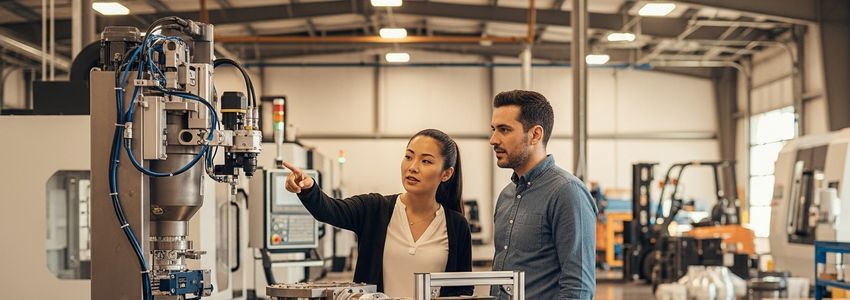
Scenario 2: Manufacturing Startup Scaling Production
A precision manufacturing startup needs two CNC milling machines at $120,000 each to fulfill a major contract. They have 14 months of operating history and $200,000 in monthly revenue but cannot afford to tie up $240,000 in equipment purchases without derailing other growth investments.
Outcome: A capital lease structure with a $1 buyout option spreads the $240,000 across 60 months. The startup owns the machines at the end of the lease while keeping $240,000 available for raw materials, additional labor, and marketing to secure the next major contract.
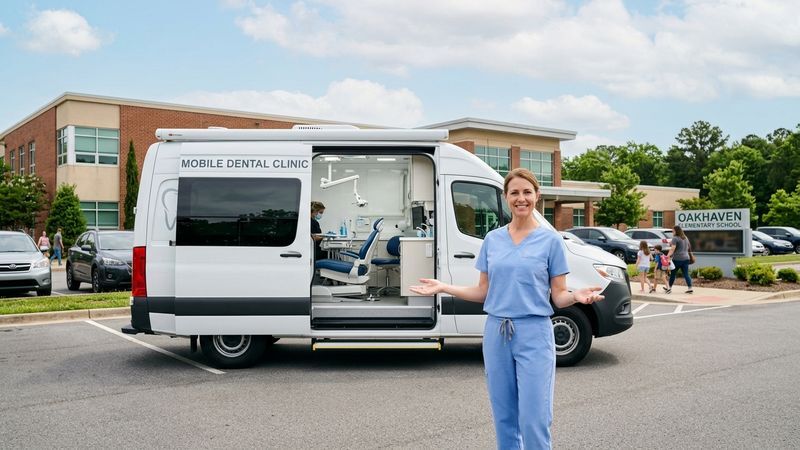
Scenario 3: Medical Startup Equipping Its First Clinic
A telehealth company opening its first physical clinic needs $350,000 in medical imaging equipment, examination tables, and digital health monitoring tools. They have minimal operating history but a licensed medical team and signed patient contracts already in place.
Outcome: Crestmont Capital structures a healthcare equipment lease leveraging the specialized nature of the assets and the existing patient pipeline as evidence of future revenue. Monthly payments fit within the projected clinic revenue, and the startup is operational within weeks of signing the lease agreement.
Scenario 4: Food and Beverage Startup Scaling Production
A craft beverage brand needs $95,000 in canning equipment, fermentation tanks, and refrigeration units to scale production from small-batch to regional distribution. They have 10 months of business history and strong retail purchase orders already confirmed.
Outcome: The confirmed purchase orders serve as revenue evidence, and the equipment provides strong collateral. A 36-month equipment loan allows the startup to begin fulfilling regional orders, with monthly payments comfortably covered by new revenue generated from the expanded production capacity.
Scenario 5: Construction Startup Building Its Fleet
A residential construction startup needs three excavators and a fleet of work trucks to take on larger contracts. Total equipment value: $475,000. The founder has excellent personal credit (740+) and has been operating the business for 18 months with consistent revenue growth.
Outcome: Crestmont Capital's construction equipment financing program approves the full amount across two loan structures matched to the expected useful life of the assets.
Scenario 6: Retail Startup Furnishing Its First Location
A specialty retail startup is opening its first brick-and-mortar location and needs $65,000 in shelving, point-of-sale systems, security cameras, and display fixtures. They have been operating online for two years and have a proven revenue model but limited physical retail history.
Outcome: The two-year online operating history and consistent revenue satisfy lender requirements. Equipment financing for the retail buildout keeps the startup's cash available for inventory stocking, payroll, and initial marketing. The location opens fully equipped on opening day.
Common Thread: In every scenario above, equipment financing allows the startup to acquire mission-critical assets immediately while preserving working capital for other business activities that drive growth. The equipment pays for itself through the revenue it generates.
Your Startup's Story Could Be Next
Crestmont Capital has helped thousands of startups and growing businesses access the equipment they need. Start your application today.
Apply Now →How to Get Started
Complete our quick application at offers.crestmontcapital.com/apply-now - takes just a few minutes.
A Crestmont Capital advisor will review your startup's equipment needs and match you with the right financing structure.
Receive approval typically within 24-48 hours and get your equipment delivered within days so your startup can move at full speed.
Conclusion
Equipment financing for startups is one of the most powerful and underutilized tools available to rapidly growing businesses. Rather than waiting to accumulate cash or giving up equity to investors, startup founders can access the equipment they need today and pay for it over time with the revenue that equipment helps generate.
The key is choosing the right structure - loan, lease, or line of credit - based on your startup's cash flow profile, growth trajectory, and long-term ownership goals. Whether you're equipping a tech startup, scaling a manufacturing operation, or launching a healthcare clinic, equipment financing for startups provides a direct path from idea to operational capacity.
Crestmont Capital specializes in working with startups and growing businesses to structure equipment financing that accelerates growth rather than constraining it. Our team understands that startups have unique needs, faster timelines, and more dynamic financial profiles - and we build our financing solutions around that reality.
If your startup needs equipment to grow, do not let capital constraints slow you down. Explore your equipment financing options with Crestmont Capital and take the next step toward the business you are building. Visit our equipment financing page or apply now to get started.
Frequently Asked Questions
What is equipment financing for startups?
Equipment financing for startups is a lending structure that allows early-stage businesses to acquire equipment through a loan or lease rather than a full upfront purchase. The equipment itself serves as collateral, making it more accessible than many other forms of business credit.
Can I get equipment financing with no business history?
Some lenders offer startup equipment financing to businesses with as little as 6 months of operating history. For businesses with no operating history, lenders rely more heavily on personal credit scores, the owner's industry experience, and the value of the equipment being financed.
What credit score do I need for startup equipment financing?
Most equipment financing programs for startups require a minimum personal credit score of around 620 to 640 for basic approval. Scores above 680 access better rates, and scores above 720 typically qualify for the most competitive terms.
What is the difference between an equipment loan and an equipment lease?
With an equipment loan, you own the equipment at the end of the repayment term. With an equipment lease, you make payments to use the equipment but do not own it unless you exercise a buyout option. Leases typically offer lower monthly payments, while loans build equity in the asset.
How long does equipment financing approval take?
Equipment financing approvals typically take 24 to 48 hours for most startups and small businesses. After approval, funding and equipment delivery can often be completed within 3 to 7 business days.
Do I need a down payment for equipment financing?
Many equipment financing programs offer 100% financing with no down payment required. Startups with limited history or lower credit scores may be asked to provide a down payment of 10% to 20% to reduce lender risk.
What types of equipment can be financed?
Nearly any tangible business asset can be financed, including manufacturing machinery, commercial vehicles, medical equipment, restaurant equipment, technology infrastructure, construction equipment, and retail fixtures.
How does equipment financing affect my business credit?
Making consistent on-time payments on an equipment loan or lease builds your business credit profile with major business credit bureaus including Dun and Bradstreet, Equifax Business, and Experian Business.
Can I finance used equipment?
Yes, used equipment can be financed, though lenders typically apply stricter criteria regarding the equipment's age, condition, and remaining useful life. Most lenders will finance used equipment that is less than 10 years old and in good working condition.
What documents do I need to apply for startup equipment financing?
Standard documentation typically includes: government-issued ID, business bank statements (3-6 months), business tax returns if available, a business license or formation documents, an equipment quote from the vendor, and your Social Security number for a personal credit check.
How much can I borrow for equipment financing?
Equipment financing amounts typically range from $5,000 to $5 million or more depending on the lender, the type of equipment, and the borrower's financial profile. Most equipment financiers cover 80% to 100% of the equipment's purchase price.
What interest rates can startups expect on equipment financing?
Equipment financing interest rates for startups typically range from 5% to 30% annually, depending on factors including personal and business credit scores, operating history, equipment type, and market conditions. Startups with strong personal credit generally access rates in the 8% to 18% range.
Is equipment financing better than a startup business loan?
For acquiring tangible assets, equipment financing is generally preferable because the equipment serves as its own collateral, reducing lender risk and usually translating to lower rates, longer terms, and higher approval rates for startups.
Can I refinance existing equipment loans?
Yes, equipment loan refinancing is possible and can reduce your interest rate, lower monthly payments, or extend the repayment term once your startup has established stronger credit and revenue history.
How do I choose between an equipment loan and an equipment lease for my startup?
Choose an equipment loan if you want to own the asset long-term and value building equity. Choose an equipment lease if you need lower monthly payments, prioritize flexibility to upgrade technology regularly, or if the equipment will become obsolete relatively quickly.
Disclaimer: The information provided in this article is for general educational purposes only and is not financial, legal, or tax advice. Funding terms, qualifications, and product availability may vary and are subject to change without notice. Crestmont Capital does not guarantee approval, rates, or specific outcomes. For personalized information about your business funding options, contact our team directly.