Equipment Financing For Building A More Efficient Workflow: The Complete Guide for Business Owners
Utilizing equipment financing for building a more efficient workflow is one of the most strategic decisions a modern business owner can make to accelerate growth and boost productivity. In today's competitive landscape, outdated or insufficient equipment can create significant bottlenecks, slow down production, and ultimately hurt your bottom line. Relying on working capital to purchase expensive machinery outright can strain your cash flow, limiting your ability to invest in other critical areas like marketing, hiring, or inventory. This is where a targeted financing solution becomes an invaluable tool for sustainable expansion.
This comprehensive guide is designed to walk you through every aspect of financing essential business assets. We will explore what equipment financing is, how it differs from leasing, the types of equipment you can acquire, and the immense benefits it offers over a cash purchase. By leveraging the capital of a trusted lending partner like Crestmont Capital, you can acquire the state-of-the-art tools you need now, paying for them over time as they generate revenue for your business. This approach not only preserves your liquid capital but also empowers you to scale operations, take on larger projects, and stay ahead of the competition.
Whether you're in construction, manufacturing, healthcare, or the restaurant industry, the right equipment is the engine of your success. From heavy machinery and specialized medical devices to advanced IT infrastructure and commercial vehicles, financing provides a direct path to upgrading your capabilities without a debilitating upfront cost. Read on to discover how the process works, what lenders look for in an applicant, and how you can get started on the path to a more efficient, profitable, and technologically advanced workflow for your company.
In This Article
- What Is Equipment Financing?
- Key Benefits of Financing vs. Buying Outright
- Types of Equipment You Can Finance
- How the Financing Process Works
- Financing vs. Leasing: Key Differences
- Who Qualifies for Equipment Financing?
- How Crestmont Capital Helps
- Real-World Scenarios
- How to Get Started
- Frequently Asked Questions
What Is Equipment Financing for Building a More Efficient Workflow?
Equipment financing is a specialized type of business loan designed specifically for the purchase of machinery, vehicles, technology, and other physical assets necessary for your company's operations. Unlike a traditional loan that provides a lump sum of cash for general use, an equipment loan provides funds explicitly to acquire a particular piece of equipment. The most significant feature of this financing structure is that the equipment itself serves as the collateral for the loan. This is known as a self-collateralized loan.
This built-in collateral makes equipment financing one of the most accessible forms of small business financing available. Because the lender has a tangible asset to secure the loan, the risk is lower compared to unsecured loans. As a result, lenders can often offer more favorable terms, higher approval rates, and faster funding times. It's an ideal solution for businesses of all sizes, from startups needing their first set of tools to established enterprises looking to upgrade an entire production line.
The core purpose of using equipment financing for building a more efficient workflow is to enable businesses to acquire necessary assets without depleting their cash reserves. You can obtain the tools needed to increase output, improve service quality, or reduce labor costs immediately. The loan is then paid back in predictable, fixed monthly installments over a set term, typically ranging from two to ten years. This allows the new equipment to start generating revenue and paying for itself from day one, turning a major capital expenditure into a manageable operating expense.
Key Benefits of Financing vs. Buying Outright
When faced with the need for new equipment, business owners often debate whether to pay cash or finance the purchase. While buying outright might seem simpler, financing offers a host of strategic advantages that can significantly benefit your company's financial health and growth trajectory.
- Preservation of Working Capital: This is arguably the most critical benefit. Cash is the lifeblood of any business. Tying up a large sum of cash in a single equipment purchase can leave you vulnerable to unexpected expenses or unable to capitalize on other opportunities. Financing allows you to keep your cash on hand for payroll, marketing, inventory, or emergencies, ensuring business continuity and flexibility.
- 100% Financing Available: Many equipment financing agreements can cover the total cost of the asset, including "soft costs" like taxes, shipping, and installation fees. This means you can potentially acquire the equipment you need with zero money down, making it accessible even when you don't have a large down payment saved.
- Significant Tax Advantages: In the United States, Section 179 of the IRS tax code allows businesses to deduct the full purchase price of qualifying new or used equipment in the year it is placed into service. For 2024, the deduction limit is $1,220,000. This can provide a substantial tax break, effectively lowering the net cost of the equipment. Always consult with a tax professional to understand how this applies to your specific situation.
- Predictable, Fixed Payments: Equipment loans typically come with fixed interest rates and consistent monthly payments. This makes budgeting and financial forecasting much simpler. You'll know exactly how much to allocate each month for the entire term of the loan, eliminating guesswork and helping you manage your cash flow more effectively.
- Build Business Credit: Successfully managing and paying off an equipment loan is a great way to build a strong credit history for your business. A positive payment history reported to business credit bureaus can make it easier and cheaper to secure other forms of financing in the future.
- Competitive Edge: Your competitors are constantly looking for ways to become more efficient. Financing allows you to keep pace by acquiring the latest technology and machinery without delay. An efficient workflow powered by modern equipment can lead to faster production, higher quality products, and lower operating costs, giving you a distinct advantage in the marketplace.
- Scalability and Growth: As your business grows, your equipment needs will evolve. Financing provides a scalable model for expansion. You can acquire new assets as needed to take on bigger clients or enter new markets, without having to wait until you've saved enough cash for an outright purchase.
Ready to Finance Your Equipment?
Get fast, flexible equipment financing from the #1 business lender in the U.S. Apply in minutes.
Apply Now →Types of Equipment You Can Finance
One of the great advantages of equipment financing is its versatility. Lenders like Crestmont Capital can finance a vast array of new and used assets across nearly every industry. As long as the equipment is essential to your business operations and has a reasonable useful life, it's likely eligible for financing. This flexibility allows businesses to build a more efficient workflow, regardless of their specific sector.
Here’s a breakdown of common equipment types that can be financed, categorized by industry:
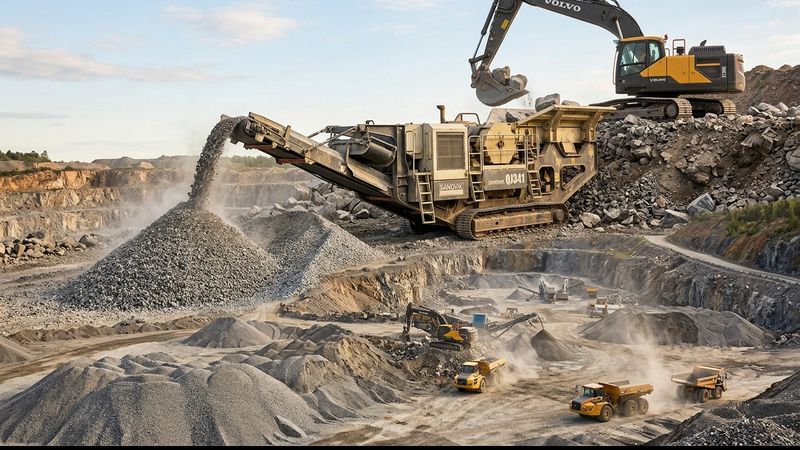
- Construction and Contracting: This is one of the most common industries for equipment financing due to the high cost of machinery.
- Excavators, bulldozers, and backhoes
- Cranes, forklifts, and scissor lifts
- Dump trucks, cement mixers, and commercial trailers
- Skid steers and trenchers
- Asphalt pavers and compactors
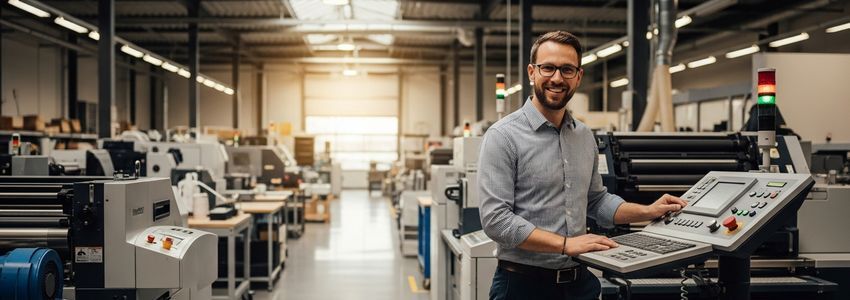
- Manufacturing and Industrial:
- CNC machines, lathes, and milling equipment
- 3D printers and additive manufacturing systems
- Packaging and bottling machinery
- Welding equipment and plasma cutters
- Robotic arms and assembly line automation systems
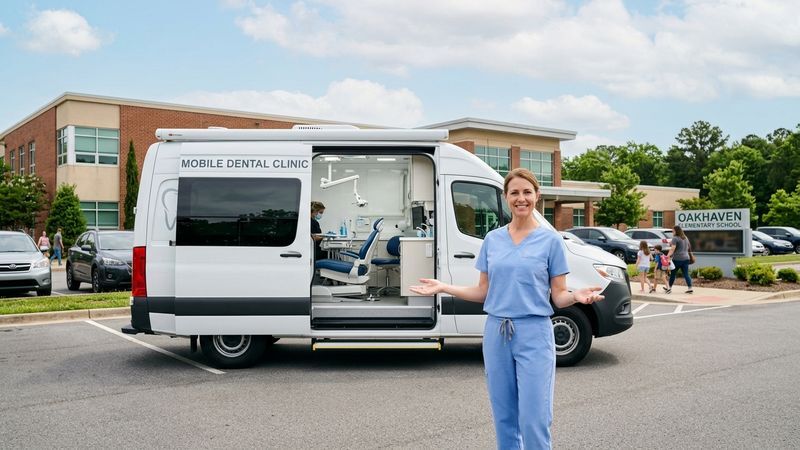
- Medical and Healthcare:
- MRI machines, X-ray systems, and CT scanners
- Dental chairs and diagnostic tools
- Ultrasound equipment and surgical lasers
- Laboratory and testing devices
- Physical therapy and chiropractic tables
- Information Technology (IT) and Office:
- Servers, networking hardware, and data storage systems
- High-end computers, laptops, and workstations
- Commercial printers and copiers
- Telecommunications and video conferencing systems
- Point-of-Sale (POS) systems
- Restaurant and Food Service:
- Commercial ovens, ranges, and fryers
- Walk-in coolers and freezers
- Espresso machines and beverage dispensers
- POS systems and kitchen display systems (KDS)
- Food trucks and mobile kitchen equipment
- Transportation and Logistics:
- Semi-trucks and tractor-trailers
- Box trucks, delivery vans, and fleet vehicles
- Refrigerated trailers (reefers)
- Tow trucks and flatbed trucks
- Warehouse equipment like forklifts and pallet jacks
This list is by no means exhaustive. If your business needs a specific piece of equipment to operate or grow, there's a very high probability that it can be financed. Crestmont Capital works with businesses to fund everything from agricultural combines to specialized gym equipment, ensuring you have the tools to succeed.
How the Financing Process Works
The process of securing equipment financing is designed to be straightforward and efficient, allowing you to get the assets you need with minimal disruption to your business. At Crestmont Capital, we've streamlined our process to ensure a fast and transparent experience for our clients. Here’s a step-by-step look at how it typically works.
Quick Guide
How Equipment Financing for Building a More Efficient Workflow Works
Apply Online
Fill out our simple online application in just a few minutes. You'll provide basic information about your business and the equipment you want to finance. We only require minimal documentation to get started.
Review & Approval
A dedicated financing specialist will review your application and contact you to discuss your options. We offer same-day approvals, so you'll know your financing terms quickly.
Sign Documents
Once you accept the terms, we'll send over the financing agreement for your electronic signature. Our team is available to walk you through the documents and answer any questions.
Get Funded
After the documents are signed, we wire the funds directly to the equipment vendor. You can then take delivery of your new equipment and start putting it to work for your business.
This entire process, from application to funding, can often be completed in as little as 24-48 hours. The speed and efficiency are designed to match the pace of your business, ensuring you don't miss out on opportunities or suffer from prolonged downtime while waiting for financing.
Financing vs. Leasing: Key Differences
When acquiring new equipment, businesses typically have two main options beyond a cash purchase: financing and leasing. While both allow you to obtain assets without a large upfront cost, they are fundamentally different financial products with distinct implications for ownership, cost, and flexibility. Understanding these differences is crucial for choosing the right path for your business needs.
An equipment lease is essentially a long-term rental agreement. You pay a monthly fee to use the equipment for a specified period. At the end of the lease term, you typically have the option to return the equipment, renew the lease, or purchase the asset at its fair market value or a pre-determined price. In contrast, an equipment financing agreement is a loan used to purchase the equipment. You are the owner from day one, and you build equity with each payment.
Here is a detailed comparison to help you decide which is best for your situation:
| Feature | Equipment Financing | Equipment Leasing |
|---|---|---|
| Ownership | You own the equipment from the start. The lender holds a lien until the loan is paid off. | The leasing company (lessor) owns the equipment. You are simply paying to use it. |
| Monthly Payments | Typically higher, as you are paying off the full value of the equipment plus interest. | Generally lower, as you are only paying for the depreciation of the asset during the lease term. |
| Down Payment | May require a down payment, though 100% financing is often available. | Often requires only the first and last month's payment upfront. |
| Equipment Updates | You are responsible for selling or trading in the old equipment to upgrade. | Easy to upgrade to the latest technology at the end of each lease term. |
| Tax Benefit | You can potentially deduct the full purchase price under Section 179 and depreciate the asset. | Lease payments are typically treated as an operating expense and can be fully deducted. |
| Best For | Businesses that want long-term ownership, to build equity, and use equipment with a long useful life. | Businesses that need equipment that becomes obsolete quickly (like technology) or prefer lower monthly payments. |
Did You Know?
According to the Equipment Leasing and Finance Association, nearly 8 out of 10 U.S. companies use some form of financing to acquire equipment, underscoring its importance in business investment and growth.
Who Qualifies for Equipment Financing?
Equipment financing is one of the most accessible funding options for businesses because the equipment itself secures the loan, reducing the lender's risk. This means that qualification criteria can be more flexible than for other types of business loans. However, lenders will still evaluate several key factors to determine your eligibility and the terms they can offer.
At Crestmont Capital, we work with a wide spectrum of businesses, from promising startups to established corporations. While every application is assessed on its individual merits, here are the general criteria we consider:
- Time in Business: Most lenders prefer to see at least one to two years of operational history. This demonstrates stability and a track record of revenue generation. However, Crestmont Capital has specialized programs for startups and businesses with less than two years of history, recognizing that new companies also need access to essential equipment to grow.
- Personal and Business Credit Score: Your credit history is a key indicator of your financial responsibility. Lenders will typically look at both your personal FICO score and your business credit profile. A higher score generally leads to better rates and terms. We can often work with business owners with less-than-perfect credit, as the collateralized nature of the loan provides extra security. A minimum credit score in the low 600s is often sufficient to qualify.
- Annual Revenue: Your business's revenue demonstrates its ability to generate cash flow to cover the loan payments. Lenders will want to see consistent revenue that can comfortably support the new debt. There isn't always a strict minimum, but higher revenues can unlock larger loan amounts and more favorable terms.
- Industry: Some industries are considered higher risk than others. However, equipment financing is available for nearly every sector, including construction, manufacturing, healthcare, and transportation. Crestmont Capital has deep expertise across a wide range of industries and understands their unique equipment needs. For example, we offer specialized construction equipment financing programs.
- Equipment Type and Value: The type, age, and condition of the equipment being financed also play a role. Equipment that holds its value well (like heavy machinery) is often easier to finance than rapidly depreciating assets (like some technology). Lenders will assess the equipment's value to ensure it adequately covers the loan amount.
It's important to remember that these are general guidelines. Even if you feel you might not meet one of these criteria, we encourage you to apply. Our financing specialists are experts at finding solutions and can often structure a deal that works for your unique situation.
How Crestmont Capital Helps
Choosing the right lending partner is just as important as choosing the right equipment. As the #1 business lender in the U.S., Crestmont Capital is dedicated to providing more than just capital; we provide a partnership focused on your business's success. We understand that building a more efficient workflow is critical, and we've tailored our equipment financing programs to be fast, flexible, and supportive.
Here’s what sets Crestmont Capital apart:
- Unmatched Speed: We know that business opportunities don't wait. Our streamlined application process and advanced underwriting technology allow for same-day approvals and funding in as little as 24 hours. This means you can secure a deal on a piece of equipment or replace a broken machine without costly delays.
- Flexible and Customized Terms: We don't believe in one-size-fits-all solutions. Our financing specialists work with you to understand your cash flow and business cycle, structuring a loan with payment terms that fit your budget. We offer terms from 24 to 84 months, with various payment options, including seasonal or deferred payments.
- High Approval Rates: Because equipment financing is self-collateralized, we are able to approve a higher percentage of applicants compared to traditional banks. We work with businesses of all sizes, credit profiles, and industries, including startups that are often overlooked by other lenders.
- Financing for New and Used Equipment: Whether you're buying a brand-new piece of technology or a reliable used vehicle, we can finance it. Our flexibility on equipment age and type gives you more options to find the perfect asset for your needs and budget.
- Dedicated Experts: When you work with Crestmont Capital, you are assigned a dedicated financing specialist who will be your single point of contact throughout the entire process. They are industry experts who can answer your questions, provide guidance, and advocate for your business to secure the best possible terms.
- Transparent Process: We believe in clear and honest communication. From the moment you apply, we provide full transparency on rates, fees, and terms. There are no hidden costs or surprises, so you can make an informed financial decision with confidence.
Our mission is to empower businesses to achieve their full potential. By providing accessible and efficient equipment financing for building a more efficient workflow, we help you acquire the tools you need to innovate, grow, and thrive.
Get the Equipment Your Business Needs Today
Speak with a Crestmont Capital specialist and get approved fast.
Apply Now →Real-World Scenarios
To better understand the practical impact of equipment financing, let's look at a few real-world examples of how businesses across different sectors have used it to improve their workflows and drive growth.
1. Apex Construction Group LLC
Challenge: Apex Construction, a mid-sized general contractor, was turning down larger, more profitable projects because their aging fleet of two excavators couldn't handle the workload. They were frequently renting expensive equipment, which was eating into their profit margins.
Solution: Apex worked with Crestmont Capital to finance a new, state-of-the-art Caterpillar excavator and a skid steer loader for a total of $250,000. They secured a 60-month term with a fixed monthly payment that was less than what they were spending on monthly rentals.
Result: With the new equipment, Apex was able to take on two major commercial contracts simultaneously. Their workflow efficiency increased by an estimated 30%, and they eliminated rental costs entirely. The new equipment paid for itself in revenue generation within the first 18 months, and they now owned valuable assets that added to their company's balance sheet.
2. FreshBytes Digital Printing
Challenge: FreshBytes, a boutique printing shop, was struggling to compete with larger competitors who offered faster turnaround times and higher-resolution printing. Their main wide-format printer was over seven years old and prone to breakdowns, causing project delays and customer frustration.
Solution: The owner of FreshBytes used equipment financing to purchase a $75,000 next-generation digital press. Because the technology changes so rapidly in the printing industry, they opted for a financing agreement with a 36-month term, allowing them to own the machine but plan for an upgrade in a relatively short timeframe.
Result: The new press doubled their printing speed and significantly improved quality. This allowed FreshBytes to attract higher-end clients and offer same-day services, a new and lucrative revenue stream. The improved efficiency reduced labor costs per project, and customer satisfaction soared. They were able to increase their annual revenue by 40% in the first year with the new machine.
3. The Corner Perk Cafe
Challenge: A popular local coffee shop, The Corner Perk, was experiencing long lines during peak morning hours. Their single espresso machine and outdated Point-of-Sale (POS) system were creating a major bottleneck, leading to lost sales and poor customer experience.
Solution: The owners secured a $30,000 equipment loan from Crestmont Capital. They used the funds to purchase a new two-group La Marzocco espresso machine, an additional grinder, and a modern, cloud-based POS system with customer-facing displays.
Result: The new equipment immediately streamlined their entire workflow. Baristas could pull shots and steam milk simultaneously, while the new POS system sped up the ordering and payment process. They were able to serve customers nearly twice as fast, which dramatically increased their morning sales volume. The improved efficiency also reduced staff stress and improved employee retention.
Key Statistic
According to a U.S. Census Bureau report, capital expenditures for new and used machinery and equipment by manufacturing companies total over $100 billion annually, highlighting the constant need for investment in operational assets.
How to Get Started
Ready to take the next step toward building a more efficient workflow for your business? At Crestmont Capital, we've made the application process as simple and fast as possible. You can get from application to funding in as little as one business day.
Apply Online in Minutes
Complete our secure online application. It's quick, easy, and requires no hard credit pull to see your options. Tell us about your business and the equipment you need.
Speak with a Specialist
A dedicated financing expert will reach out to discuss your application, understand your specific needs, and present you with the best financing options available for your business.
Get Funded and Grow
Once you select your terms and sign the digital documents, we'll transfer the funds directly to your equipment vendor. You get the equipment you need to start growing immediately.
Frequently Asked Questions
1. What is equipment financing?
Equipment financing is a type of loan used to purchase business-related equipment. The equipment itself serves as collateral for the loan, making it a secure and accessible form of funding. Instead of paying cash, you make regular payments over a set term, and you own the equipment outright once the loan is fully paid.
2. How much can I borrow for equipment?
Loan amounts can range from as little as $5,000 to over $5 million. The amount you can borrow depends on the cost of the equipment, your business's financial health, credit history, and time in business. Crestmont Capital offers a wide range of financing amounts to suit the needs of both small businesses and large enterprises.
3. What are the typical interest rates for equipment loans?
Interest rates for equipment financing are competitive and vary based on several factors, including your credit score, time in business, annual revenue, and the type/age of the equipment. Rates can be as low as 5-6% for highly qualified borrowers and can go higher for those with weaker credit profiles. We work to secure the most competitive rate for your specific situation.
4. What are the basic qualifications to get approved?
General qualifications include a minimum personal credit score (often around 620+), at least 6-12 months in business, and consistent annual revenue. However, as the #1 lender, Crestmont Capital has programs for a wider range of scenarios, including startups and businesses with challenged credit. The strength of the collateral (the equipment) can often offset weaknesses in other areas.
5. Is a down payment required?
Not always. Many of our equipment financing programs offer up to 100% financing, meaning you may not need any down payment. This allows you to acquire essential equipment with little to no upfront cash outlay. In some cases, particularly for businesses with higher risk profiles or for very expensive equipment, a down payment of 10-20% may be requested.
6. What credit score do I need for equipment financing?
While a higher credit score (700+) will secure you the best rates and terms, it is not always necessary. We have financing options for business owners with FICO scores starting in the low 600s. Because the loan is secured by the equipment, lenders have more flexibility with credit requirements compared to unsecured loans.
7. Can I finance used or older equipment?
Yes. Crestmont Capital provides financing for both new and used equipment. Financing used equipment can be a cost-effective strategy for many businesses. While there may be some age or condition restrictions depending on the lender and equipment type, we have a broad appetite and can finance a wide variety of pre-owned assets.
8. What's the main difference between equipment financing and leasing?
The primary difference is ownership. With financing, you are borrowing money to buy the equipment, so you own it from the start and build equity. With leasing, you are essentially renting the equipment for a set term. At the end of a lease, you typically return it, while at the end of a financing term, you own it free and clear.
9. How long does it take to get funded?
The process is very fast. After submitting a simple online application, you can receive an approval within hours. From approval to funding, the entire process can be completed in as little as 24 to 48 hours. We wire the funds directly to the equipment seller so you can get your asset quickly.
10. Can I finance equipment if I'm a startup business?
Yes, we have specialized financing programs designed for startups and new businesses (less than 2 years old). While the requirements may be slightly different (often looking at the owner's personal credit and business plan), we are committed to helping new businesses get the foundational equipment they need to launch and grow successfully.
11. How do I apply for equipment financing with Crestmont Capital?
The easiest way to start is by filling out our secure online application form on our website. It takes just a few minutes. Alternatively, you can call us directly to speak with a financing specialist who can guide you through the process. You can apply now to get started.
12. Can I finance multiple pieces of equipment at once?
Absolutely. You can bundle multiple pieces of equipment from one or more vendors into a single financing agreement. This simplifies the process and gives you one convenient monthly payment for all your new assets. This is a common practice for businesses undergoing a major upgrade or expansion.
13. Are there SBA loan options for equipment?
Yes, the Small Business Administration (SBA) offers loan programs, like the SBA 7(a) and 504 loans, that can be used for equipment purchases. These loans often have very favorable rates and long terms. However, the application process is typically longer and more document-intensive than a direct lender like Crestmont Capital. We can help you explore all options, including SBA-backed loans. For more information, you can visit the SBA's official website.
14. How does an equipment loan affect my business credit?
An equipment loan can have a very positive impact on your business credit. Making timely payments demonstrates your company's creditworthiness and helps build a strong payment history. Most lenders, including Crestmont Capital, report your payment activity to the major business credit bureaus, which strengthens your credit profile for future financing needs.
15. What happens at the end of the loan term?
Once you have made your final payment, the loan is considered paid in full. The lender will release the lien they have on the equipment, and you own the asset outright, free and clear of any debt. You can continue to use it, sell it, or trade it in for a newer model.
Ultimately, the decision to invest in new assets is a critical step toward growth. By using equipment financing for building a more efficient workflow, you empower your business to scale intelligently. This strategic financial tool bridges the gap between your current capabilities and your future potential, allowing you to acquire revenue-generating assets without compromising your financial stability. From preserving precious working capital to leveraging significant tax benefits, the advantages of financing provide a clear path to a more productive, competitive, and profitable operation. Crestmont Capital is here to partner with you on that journey, providing the fast, flexible capital you need to succeed.
Start Your Application Today
Join thousands of businesses who trust Crestmont Capital for fast, flexible financing.
Get Started →Disclaimer: The information provided in this article is for general educational purposes only and is not financial, legal, or tax advice. Funding terms, qualifications, and product availability may vary and are subject to change without notice. Crestmont Capital does not guarantee approval, rates, or specific outcomes. For personalized information about your business funding options, contact our team directly.