
 (800) 949-0401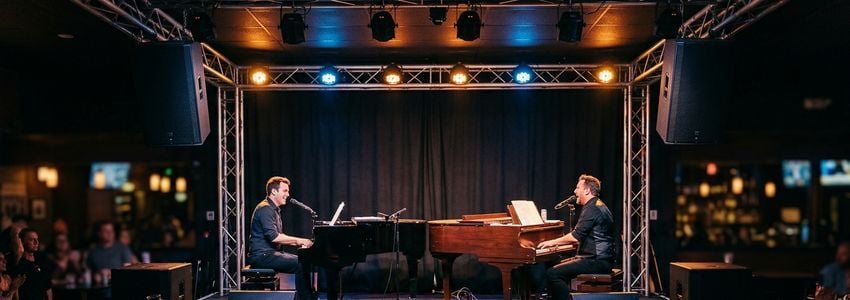
Dueling Piano Bar Equipment Financing: The Complete Guide for Business Owners
In This Article
- What Is Dueling Piano Bar Equipment Financing?
- The Dueling Piano Bar Industry
- Key Benefits of Equipment Financing
- How Equipment Financing Works
- Types of Financing Available
- Startup and Equipment Cost Breakdown
- How to Qualify
- Who This Financing Is Best For
- Comparing Your Financing Options
- How Crestmont Capital Helps
- Real-World Scenarios
- Frequently Asked Questions
- Next Steps
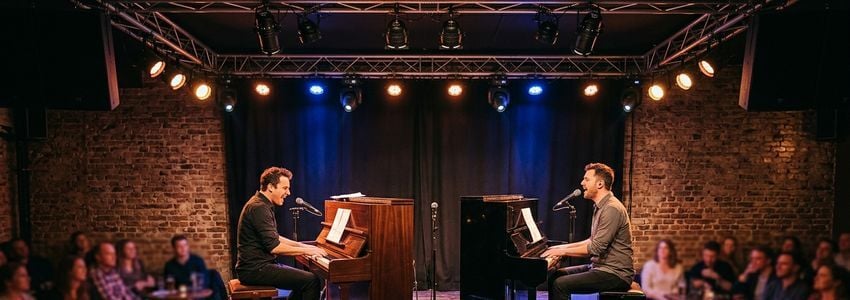
Dueling piano bars occupy a unique corner of the nightlife and entertainment industry. Two performers trade songs, take requests, and banter with the crowd, all while working two full-size or baby grand pianos, a professional sound system, stage lighting, and a bar setup built to serve a packed room every night of the week. Getting that experience right requires serious equipment, and serious equipment requires capital.
Dueling piano bar equipment financing gives venue owners a way to fund pianos, staging, sound and lighting systems, and bar buildout costs without draining cash reserves needed for payroll, marketing, and day-to-day operations. Whether you are opening your first location or upgrading gear at an established venue, understanding your financing options is the first step toward building a venue that keeps the crowd singing along and coming back.
This guide walks through everything a dueling piano bar owner needs to know about equipment financing, including how it works, what it costs, how to qualify, and how it compares to other funding options available to entertainment venue operators.
What Is Dueling Piano Bar Equipment Financing?
Dueling piano bar equipment financing is a funding product that lets venue owners purchase or lease the specialized gear a piano bar needs to operate, then pay for it over time instead of upfront. Rather than writing a single large check for pianos, a sound board, stage risers, and lighting rigs, an owner makes fixed monthly payments while the equipment goes to work generating revenue from night one.
Because the financed equipment itself typically serves as collateral, equipment financing tends to carry more favorable terms than unsecured working capital loans. Lenders view a well-maintained grand piano or a commercial-grade PA system as an asset with resale value, which reduces their risk and often translates into lower rates and faster approvals for borrowers.
Equipment financing for dueling piano bars can cover nearly every physical asset in the venue: acoustic or digital stage pianos, monitor and house sound systems, stage lighting and truss systems, bar equipment, POS and ticketing systems, and even soundproofing or acoustic treatment for the performance space.
The Dueling Piano Bar Industry: A Growing Niche in Live Entertainment
Dueling piano venues sit at the intersection of live music, bar and beverage service, and interactive entertainment. According to the U.S. Census Bureau, drinking places and live entertainment venues represent a multi-billion dollar segment of the broader food services and accommodation sector, and interactive formats like dueling pianos have proven resilient because they combine music, comedy, and audience participation into a single ticket-worthy night out.
Unlike a standard bar or nightclub, a dueling piano venue depends on the quality of its performance setup as much as its drink menu. A muddy sound mix, an out-of-tune piano, or dim stage lighting can undercut an entire show, which is why venue owners tend to prioritize equipment quality and reliability over almost any other operating expense besides payroll for performers.
Key Stat: The National Restaurant Association reports that venues combining food, beverage, and live entertainment consistently outperform standard bars on per-visit spend, with entertainment-forward concepts driving longer average visit times and higher ticket totals.
That combination of strong unit economics and audience loyalty is exactly why dueling piano bars remain an attractive small business model, and why lenders are increasingly comfortable financing the specialized equipment these venues depend on.
Key Benefits of Dueling Piano Bar Equipment Financing
- Preserve working capital. Keep cash on hand for payroll, marketing, insurance, and the unpredictable expenses that come with running a live entertainment venue.
- Match payments to revenue. Spread the cost of pianos, sound, and lighting over 24 to 72 months so payments align with the cash flow the equipment itself helps generate.
- Access newer technology faster. Upgrade to digital hybrid pianos, wireless in-ear monitor systems, or modern LED lighting rigs without waiting years to save up the full purchase price.
- Potential tax advantages. Financed equipment may qualify for accelerated depreciation treatment; always confirm specifics with your tax professional.
- Faster approval than many traditional loans. Because the equipment secures the financing, approvals can move faster than unsecured term loans of a similar size.
- Flexible structures. Choose between equipment loans that build ownership equity or leases that keep upfront costs to a minimum.
How Dueling Piano Bar Equipment Financing Works
The process is straightforward and typically follows the same basic steps regardless of whether you are financing a single piano or an entire venue buildout.
Step 1: Identify the Equipment You Need
Make a complete list of what the venue requires, from pianos and benches to mixing consoles, speakers, monitors, stage lighting, truss and rigging, and any bar or POS hardware tied to the performance space.
Step 2: Get Quotes From Vendors
Obtain formal quotes from piano dealers, pro audio suppliers, and stage/lighting vendors. Lenders generally want an itemized equipment list with vendor pricing to structure the financing accurately.
Step 3: Apply With a Lender
Submit an application along with basic business financials, including bank statements, tax returns if available, and details about your venue's lease or ownership status.
Step 4: Receive Approval and Terms
Lenders evaluate your credit profile, time in business, and the equipment being financed to determine your rate, term length, and any down payment requirement.
Step 5: Equipment Is Purchased and Delivered
Once approved, funds are typically sent directly to the vendor, or you are reimbursed for equipment already purchased, depending on the lender's process.
Step 6: Make Fixed Monthly Payments
You repay the loan or lease in predictable monthly installments over the agreed term, while the equipment goes to work every night on stage.
Ready to Get Your Piano Bar on Stage?
Get fast, flexible equipment financing from the #1 business lender in the U.S. No obligation, apply in minutes.
Apply Now →Types of Financing Available to Dueling Piano Bar Owners
1. Equipment Financing (Loans)
Equipment financing provides a lump sum to purchase pianos, sound systems, and lighting outright, with the equipment serving as collateral. Terms typically run 24 to 72 months, and many programs offer no or low money down for qualified borrowers. At the end of the term, you own the equipment free and clear.
2. Equipment Leasing
Leasing spreads payments over time similarly to a loan, but ownership structures vary. Some leases include a buyout option at the end of the term, while others are structured as a true rental. Leasing can be attractive for gear that may need frequent upgrades, such as lighting technology or digital piano systems.
3. SBA Loans
SBA loans, particularly the 7(a) program, can be used for equipment purchases alongside working capital or buildout costs. SBA loans generally offer the lowest rates available to small businesses but come with a longer approval timeline and more documentation.
4. Business Line of Credit
A business line of credit gives you revolving access to capital that you can draw against for smaller or unplanned equipment needs, such as replacing a blown speaker or repairing a piano action, without applying for a new loan each time.
5. Working Capital Loans
Unsecured working capital loans can supplement equipment financing when you need funds for installation, soundproofing, electrical upgrades, or other buildout costs that fall outside a strict equipment purchase.
6. Vendor Financing
Some piano dealers and pro audio suppliers offer in-house financing or leasing programs. These can be convenient but are worth comparing against independent lenders, since rates and terms vary significantly by vendor.
Quick Guide
Financing a Dueling Piano Bar: How It Works at a Glance
Pianos, sound, lighting, staging, and bar hardware.
Itemized pricing speeds up lender review.
Approvals can move in as little as 24 to 48 hours.
Get pianos, sound, and lighting on stage fast.
Fixed payments while the gear earns its keep.
How to Qualify for Dueling Piano Bar Equipment Financing
Lenders evaluate a handful of core factors when reviewing an equipment financing application for an entertainment venue. Understanding these ahead of time helps you put together a stronger application.
Credit Score
Most equipment lenders prefer a personal credit score of 600 or higher, though approval ranges vary. Borrowers with scores of 680 and above typically see the most competitive rates and the lowest or no money down requirements.
Time in Business
Established venues with 1 to 2 years of operating history generally have access to the widest range of financing products and rates. Newer venues and startups can still qualify, particularly for equipment-secured financing, though terms may be more conservative.
Revenue and Cash Flow
Lenders want to see that the venue generates enough revenue to comfortably support the new payment. Bank statements from the last 3 to 6 months are the most common documentation requested.
Equipment Value and Type
Pianos and professional sound and lighting equipment tend to hold resale value, which works in your favor. Highly customized or venue-specific installations may require additional documentation or a larger down payment.
Pro Tip: Keep vendor quotes itemized by equipment category (pianos, audio, lighting, staging) rather than a single lump sum. Lenders move faster when they can see exactly what they are financing and its individual value.
Required Documents
- 3 to 6 months of business bank statements
- Government-issued ID
- Business formation documents (LLC, corporation, etc.)
- Itemized equipment quote or invoice from your vendor
- Lease agreement or proof of venue location, if applicable
- Personal and business tax returns, if available
Startup and Equipment Cost Breakdown
Understanding typical costs helps you determine how much financing to request. Here is a general breakdown for a mid-size dueling piano venue.
| Equipment Category | Typical Cost Range |
|---|---|
| Two stage pianos (acoustic upright or digital hybrid) | $8,000 to $60,000 |
| House sound system and mixing console | $15,000 to $50,000 |
| Stage lighting and truss/rigging | $10,000 to $40,000 |
| Stage risers and platforms | $3,000 to $15,000 |
| Wireless microphones and in-ear monitors | $5,000 to $20,000 |
| Bar equipment (draft systems, POS, refrigeration) | $20,000 to $80,000 |
| Acoustic treatment and soundproofing | $5,000 to $25,000 |
Altogether, a full venue equipment package commonly runs from $65,000 on the lean end to well over $250,000 for a large-format venue with premium instruments and full production-grade audio and lighting.
Who This Financing Is Best For
Dueling piano bar equipment financing is well suited for several types of venue operators:
- New venue owners opening their first dueling piano bar who need to outfit a stage from scratch, including pianos, monitors, house sound, and lighting.
- Existing bar and nightclub owners looking to add a dueling piano show as a new revenue stream and differentiator against competing venues.
- Established piano bars replacing aging pianos, upgrading to modern digital hybrid instruments, or overhauling sound and lighting after years of nightly use.
- Multi-location operators standardizing equipment across venues to maintain a consistent show quality and brand experience.
- Franchise-independent concepts building a unique, non-franchised piano bar brand that needs flexible financing not tied to a franchisor's approved vendor list.
It is generally a poor fit for owners who need financing purely for payroll, rent, or marketing rather than physical equipment; in those cases, a working capital loan or line of credit is a better match.
Comparing Your Financing Options
| Option | Best For | Typical Term | Speed |
|---|---|---|---|
| Equipment Financing | Pianos, sound, lighting, staging | 24 to 72 months | 1 to 7 days |
| Equipment Leasing | Gear needing frequent upgrades | 24 to 60 months | 1 to 5 days |
| SBA 7(a) Loan | Equipment plus buildout/working capital | Up to 10 years | 30 to 90 days |
| Business Line of Credit | Small repairs, unplanned needs | Revolving | 1 to 5 days |
| Working Capital Loan | Buildout, installation, non-equipment costs | 3 to 24 months | 1 to 3 days |
How Crestmont Capital Helps Dueling Piano Bar Owners
Crestmont Capital works with entertainment venue owners nationwide to structure financing around the specific equipment and cash flow patterns of live-performance businesses. Rather than a one-size-fits-all loan product, our team helps you match the right financing type, whether that is straightforward equipment financing for your pianos and sound system or a broader package that includes a business line of credit for ongoing operating flexibility.
If your venue also needs help with general operating costs, bar business loans designed specifically for nightlife and hospitality operators can complement your equipment financing package. And if you are exploring lower-cost, longer-term capital for a larger buildout or full venue purchase, our team can walk you through SBA loan eligibility as well.
For venues weighing the sound and lighting side of the equation specifically, it is worth reviewing our related guide on leasing lighting and sound systems for entertainment venues, which breaks down how those specific asset categories are typically financed. Owners also considering broader AV needs for their space may find our AV equipment financing guide useful for comparing options across a full venue buildout.
Not Sure Which Financing Fits Your Venue?
Our team works with entertainment and nightlife businesses every day. We will help you compare options and find the right fit.
Get a Free Consultation →Real-World Scenarios
Scenario 1: Opening a First Location
A first-time venue owner secures a lease in a downtown entertainment district and needs $120,000 to outfit the stage with two digital hybrid pianos, a full sound system, and lighting. Equipment financing spreads the cost over 60 months, keeping enough cash on hand to cover the first three months of payroll and marketing before the venue builds a regular crowd.
Scenario 2: Adding Dueling Pianos to an Existing Bar
An established sports bar owner wants to add a dueling piano night twice a week to diversify revenue. Rather than a full venue buildout, they finance $45,000 in portable staging, a smaller PA system, and two upright pianos, using a shorter 36-month term to match the incremental nature of the expansion.
Scenario 3: Replacing Aging Equipment
A ten-year-old piano bar's original pianos and sound system have deteriorated from nightly use. The owner finances $70,000 in replacement equipment, choosing a lease structure that allows an upgrade path in five years when technology has likely moved forward again.
Scenario 4: Multi-Location Expansion
A regional operator with one successful piano bar location wants to open a second in a nearby city. They use equipment financing to standardize gear across both venues, ensuring the same show quality and sound consistency that built their reputation at the original location.
Scenario 5: Seasonal Cash Flow Gap
A piano bar in a tourist-heavy market sees revenue dip during the off-season. Rather than delaying a planned lighting upgrade, the owner uses a business line of credit to bridge the gap while equipment financing covers the larger piano purchase separately, keeping both funding needs cleanly separated.
Frequently Asked Questions
Next Steps
Fund Your Dueling Piano Bar Equipment Today
Financing from $10,000 to $5 million for entertainment venue owners nationwide. Fast approvals, flexible terms.
Start Your Application →Conclusion
Dueling piano bar equipment financing gives venue owners a practical path to funding the pianos, sound, lighting, and staging that make a show-worthy performance possible, without tying up the cash needed to run the rest of the business. Whether you are opening a first location, adding a new show format to an existing bar, or replacing gear that has earned its retirement after years of nightly use, matching the right financing structure to your specific equipment needs makes the difference between a stalled project and a stage that is ready opening night.
Crestmont Capital works with entertainment and nightlife business owners across the country to structure equipment financing, working capital, and SBA options around the realities of running a live-performance venue. If you are ready to move forward on your dueling piano bar equipment financing, our team is ready to help you compare options and get funded.
Disclaimer: The information provided in this article is for general educational purposes only and is not financial, legal, or tax advice. Funding terms, qualifications, and product availability may vary and are subject to change without notice. Crestmont Capital does not guarantee approval, rates, or specific outcomes. For personalized information about your business funding options, contact our team directly.








