
 (800) 949-0401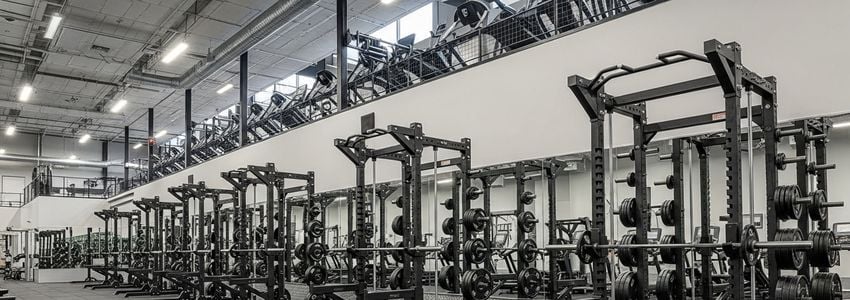
Commercial Squat Rack Financing: The Complete Guide for Gym and Fitness Business Owners
Commercial squat racks are the backbone of any serious fitness facility. Whether you're outfitting a powerlifting gym, expanding a CrossFit box, or upgrading a commercial fitness center, high-quality squat racks represent a significant capital investment. The challenge for most gym owners and fitness entrepreneurs isn't finding the right equipment — it's figuring out how to finance it without draining operating capital or disrupting cash flow. Commercial squat rack financing provides a practical solution: you acquire the equipment your members demand without the upfront cost burden, preserving liquidity for payroll, marketing, and day-to-day operations.
In This Article
What Is Commercial Squat Rack Financing?
Commercial squat rack financing is a form of equipment financing that allows gym owners, fitness studios, and commercial training facilities to acquire squat racks, power racks, and related strength training equipment through loans or lease agreements rather than paying the full cost upfront. Instead of writing a check for $5,000 to $50,000 or more for a complete squat rack setup, you spread those payments over time — typically 24 to 84 months — while using the equipment to generate revenue from day one.
This type of financing falls under the broader category of equipment financing, where the squat rack itself typically serves as collateral for the loan. That means lenders are often more flexible with credit requirements than they would be for unsecured business loans, and approval rates for equipment-backed financing tend to be higher than for general working capital products.
Commercial squat racks range from basic J-hook power cages to full monolift rack systems used in professional powerlifting competitions. High-end commercial racks from brands like Rogue, Sorinex, and Eleiko can cost $3,000 to $15,000 per unit, while a complete strength room with multiple stations, plate storage, and accessories can easily exceed $100,000. For most fitness businesses, financing isn't just convenient — it's a strategic necessity.
Industry Insight: According to the Small Business Administration, the fitness industry generates over $35 billion annually in the U.S. Commercial gym operators cite equipment quality as a top factor in member retention — making squat rack investment directly tied to revenue.
Key Benefits of Financing Commercial Squat Racks
Smart gym owners know that financing equipment isn't a sign of financial weakness — it's a sign of financial intelligence. Here's why financing squat racks and strength equipment makes sense for most commercial fitness operations:
- Preserve working capital. Instead of depleting your operating reserve for equipment, keep cash available for payroll, marketing, lease payments, and unexpected expenses.
- Acquire better equipment immediately. Financing allows you to purchase commercial-grade racks rather than settling for lower-quality alternatives while saving up.
- Fixed monthly payments. Predictable payment schedules make budgeting straightforward, unlike variable costs that can disrupt cash flow planning.
- Scale your facility faster. Multiple rack stations built through financing allow you to serve more members, generate more revenue, and reach profitability faster.
- Potential equipment upgrades. Equipment loan structures sometimes allow you to upgrade or add additional equipment as your facility grows.
- Revenue starts immediately. Unlike saving for months or years, financing lets you generate membership revenue from new equipment on day one.
Need Squat Rack Financing for Your Gym?
Crestmont Capital offers fast, flexible equipment financing for fitness businesses of all sizes. Apply in minutes with no obligation.
Apply Now →How Commercial Squat Rack Equipment Financing Works
The equipment financing process for squat racks follows a straightforward path. Understanding each step helps you move quickly and confidently when you're ready to expand your facility's strength training area.
Step 1: Identify Your Equipment Needs
Before applying for financing, catalog exactly what you need. Are you purchasing a single freestanding power rack, a multi-station cable-and-rack combination, or a complete competition powerlifting setup? Document brand names, model numbers, quantities, and total purchase price. Lenders want to know precisely what they're financing.
Step 2: Choose Your Financing Structure
You'll typically choose between an equipment loan (where you own the equipment and build equity) or an equipment lease (where you pay for use of the equipment with options to purchase at term end). Each has advantages depending on your long-term plans and accounting preferences.
Step 3: Apply for Financing
Submit your application through a lender that specializes in fitness and commercial equipment financing. The application typically requires basic business information, revenue documentation, time in business, and credit information. At Crestmont Capital, the application process takes just minutes and decisions come quickly.
Step 4: Receive Approval and Funding
Once approved, funding moves directly to you or to the equipment vendor. You take possession of your squat racks, install them, and begin using them to serve members immediately while repaying the financing over your agreed term.
Quick Guide
Commercial Squat Rack Financing - How It Works
Document the squat racks, power cages, and accessories you need with pricing.
Submit a simple application with basic business and financial information.
Receive approval decisions quickly - often the same or next business day.
Take delivery of your racks, start training members, and make predictable monthly payments.
Types of Commercial Squat Rack Financing Options
Gym owners have several distinct financing paths available when acquiring commercial squat racks. Each serves different business needs, tax situations, and growth plans.
Equipment Loans
An equipment loan provides a lump sum to purchase your squat racks outright. You repay the loan with interest over a set term (typically 24 to 84 months). At the end of the term, you own the equipment free and clear. Equipment loans work well for gym owners who plan to use their racks for many years and want to build equity in the asset. Interest rates typically range from 5% to 20% depending on creditworthiness and lender.
Equipment Leasing
An equipment lease allows you to use commercial squat racks for a fixed monthly payment without owning them. At lease end, you typically have options to purchase the equipment at fair market value, renew the lease, or return the equipment. Leasing often requires lower monthly payments than loans and can be advantageous for businesses that prefer to upgrade equipment regularly. Operating leases may also offer accounting benefits.
Business Line of Credit
A business line of credit offers revolving access to funds you can draw on for equipment purchases and other business needs. Lines of credit provide flexibility — useful if you're purchasing equipment in phases or need to supplement equipment purchases with other costs like installation or flooring.
SBA Loans
For larger equipment purchases, SBA loans — particularly the SBA 7(a) program — can provide competitive long-term rates for gym equipment purchases. SBA loans require more documentation and take longer to fund but offer favorable terms for established businesses with strong financials. According to the SBA's lending programs page, the 7(a) program can fund equipment purchases up to $5 million with terms up to 10 years.
Working Capital Loans
If you need flexibility to use funds for both equipment and business operations, a working capital loan might suit your situation. These unsecured loans can be used for any business purpose, including equipment purchases, though rates may be higher than dedicated equipment financing.
| Financing Type | Ownership | Typical Term | Best For |
|---|---|---|---|
| Equipment Loan | Yes, at signing | 24-84 months | Long-term equipment use |
| Equipment Lease | Option to buy | 24-60 months | Lower payments, upgrades |
| Line of Credit | Yes | Revolving | Multiple purchases, flexibility |
| SBA Loan | Yes | Up to 10 years | Large purchases, low rates |
| Working Capital | Yes | 6-60 months | Equipment + operations combined |
Who Qualifies for Commercial Squat Rack Financing?
Commercial squat rack financing is accessible to a wide range of fitness businesses. Unlike traditional bank loans that often require years of financial history and pristine credit, equipment financing through alternative lenders like Crestmont Capital accommodates a broader range of applicants.
Typical qualifying criteria include:
- Time in business: Most lenders prefer 6-24 months of operating history, though startup financing is available through specialized programs.
- Annual revenue: Lenders typically look for $50,000 or more in annual revenue, though newer businesses may qualify with solid projections.
- Credit score: Minimum scores typically range from 550 to 650 for equipment loans. Better credit unlocks lower rates and higher financing amounts.
- Business type: Commercial gyms, CrossFit affiliates, powerlifting facilities, private training studios, recreational centers, hotels with fitness facilities, university recreation centers, and corporate wellness facilities all qualify.
Good to Know: If you have bad credit, equipment financing is often still accessible because the squat rack serves as collateral, reducing lender risk. Options exist for credit scores as low as 500 with some specialized lenders.
Rates, Terms, and Typical Costs
Understanding the cost structure of commercial squat rack financing helps you make informed decisions and compare offers effectively.
Interest Rates
Equipment financing rates for gym equipment typically fall between 5% and 25% annually, depending on your credit profile, time in business, revenue, and the lender you choose. Businesses with strong credit and established revenue can often secure rates in the 5% to 12% range. Newer businesses or those with lower credit scores may see rates in the 15% to 25% range.
According to Forbes Advisor's equipment financing guide, average equipment loan rates have ranged from 7.5% to 20% depending on lender type and borrower profile in recent years.
Loan Terms
Commercial squat rack financing terms typically range from 24 to 84 months (2 to 7 years). Longer terms mean lower monthly payments but higher total interest paid over the life of the loan. A common sweet spot for gym equipment is 36 to 60 months — long enough to keep payments manageable while not extending too far beyond the equipment's useful life.
Down Payments
Many equipment financing programs require no down payment or a minimal first-and-last payment structure. Some lenders may require 10% to 20% down depending on credit profile or equipment type. Programs offering 100% financing are available for creditworthy borrowers.
Sample Payment Scenarios
- $10,000 squat rack setup, 36 months at 10%: approximately $323/month
- $25,000 strength room build, 48 months at 9%: approximately $622/month
- $50,000 full powerlifting facility, 60 months at 8%: approximately $1,014/month
- $100,000 commercial strength center, 72 months at 7%: approximately $1,724/month
Pro Tip: When comparing financing offers, look at the total cost of borrowing — not just the monthly payment. Calculate the sum of all payments minus the principal to understand what you're actually paying for access to capital. A lower monthly payment over a longer term often costs more in total interest than a higher payment over a shorter term.
Get Your Gym Equipped with the Right Financing
Compare rates, terms, and lenders all in one place. Crestmont Capital makes gym equipment financing fast and straightforward.
Check Your Options →
How Crestmont Capital Helps Gym Owners Finance Squat Racks
Crestmont Capital has worked with hundreds of fitness businesses to finance commercial gym equipment. Our team understands the fitness industry's unique dynamics: seasonal revenue fluctuations, membership ramp-up periods, equipment refresh cycles, and the capital-intensive nature of opening or expanding a commercial gym.
We offer several financing products tailored for fitness business equipment purchases:
- Equipment financing with fast approvals - decisions often within 24 hours for straightforward applications
- Flexible loan structures - terms from 24 to 84 months to match your cash flow needs
- Financing for new and used equipment - finance brand-new commercial racks or purchase quality used equipment from other facilities
- Multiple equipment in one loan - finance squat racks alongside other strength equipment (benches, cable machines, platforms) in a single financing agreement
- Startup-friendly options - programs for newer fitness businesses with limited operating history
- Bad credit programs - specialized products for fitness entrepreneurs rebuilding credit
We've helped gym owners finance everything from a single commercial power rack to complete powerlifting competition facilities. Our financing specialists understand the difference between equipment types and can structure loans appropriately for both budget-tier commercial racks and premium competition-grade systems.
Beyond equipment financing, Crestmont Capital offers the full spectrum of small business financing products that gym owners need as they grow — from working capital to cover initial operating expenses, to business lines of credit for ongoing facility improvements. According to CNBC's reporting on small business equipment financing, businesses that use equipment financing strategically report better cash flow management and faster growth than those that fund equipment purchases entirely from operating reserves.
For gym owners who previously financed squat racks through high-cost merchant cash advances, Crestmont Capital can help you explore more sustainable financing structures. Read our guide on financing equipment upgrades without cash flow strain for a comprehensive look at strategies for keeping your facility competitive without compromising liquidity. You can also learn from our Jiu-Jitsu business loans guide how similar martial arts and fitness facility owners approach equipment financing decisions.
Real-World Scenarios: Commercial Squat Rack Financing in Action
Scenario 1: Expanding a Boutique Powerlifting Gym
Marcus owns a 3,000-square-foot powerlifting facility with six members waiting for rack time during peak hours. He needs to add four Rogue commercial power racks with safeties, competition bars, and bumper plates — a $32,000 equipment investment. Through Crestmont Capital's equipment financing, Marcus secures a 48-month loan at 9.5%. His monthly payment of approximately $812 is easily covered by the membership revenue from 12 additional members who can now train during previously overcrowded peak hours. Within eight months, the new members' dues more than offset the loan payment, and Marcus has created a waiting list for membership.
Scenario 2: Hotel Fitness Center Upgrade
A 150-room hotel in Phoenix is losing corporate travelers to competitors with superior fitness facilities. The GM identifies that adding two commercial squat racks with proper safety systems will attract higher-paying business travelers. The hotel finances $18,000 in squat rack equipment over 36 months at 8.5% — approximately $568/month. If the upgraded fitness center helps retain just two additional corporate guests per week at an average nightly rate of $180, the revenue impact far exceeds the equipment financing cost.
Scenario 3: CrossFit Affiliate Equipment Refresh
Sarah's CrossFit affiliate has been operating for four years with aging rig equipment showing wear. She needs to replace two aging squat rigs and add a third station to accommodate class size growth. The total equipment cost is $22,000. Rather than depleting her operating reserve — which she needs for an upcoming lease renewal — Sarah uses equipment financing with a 60-month term at 10%. The $467/month payment is budgeted against membership revenue, and her operating reserve remains intact for the lease negotiation.
Scenario 4: Corporate Wellness Center
A mid-sized manufacturing company with 400 employees wants to add a proper strength training area to their on-site wellness facility. HR projects that reduced health insurance costs from employee fitness will generate significant ROI. The company finances $45,000 in commercial squat rack equipment through equipment financing at 7% over 60 months — approximately $891/month. When compared to potential healthcare cost reductions and improved employee retention, the financing makes clear financial sense.
Scenario 5: Startup Gym Financing Challenge
Jordan is opening a 5,000-square-foot commercial gym and has an SBA loan covering buildout but needs additional equipment financing for the strength room. A traditional bank won't add more credit given the existing SBA obligation. Crestmont Capital structures an equipment-only financing arrangement for $35,000 in squat rack and strength equipment, collateralized by the equipment itself. Jordan opens with professional-grade equipment, generates immediate membership revenue, and builds the credit history needed for future financing on favorable terms.
Scenario 6: University Recreation Upgrade
A mid-size university recreation department needs to update its 20-year-old squat racks with modern commercial equipment meeting current safety standards. With budget allocation of $60,000 available but a two-year administrative timeline for capital expenditures, the department uses equipment financing to acquire the equipment now and repay through their operating budget over 36 months at institutional lending rates. Students benefit from updated equipment immediately rather than waiting two years for the capital expenditure cycle.
Frequently Asked Questions
How to Get Started
Document the squat racks and strength equipment you need: brand, model, quantity, and total cost. Having a vendor quote speeds up the approval process.
Complete our quick application at offers.crestmontcapital.com/apply-now — no obligation, no hard credit pull to get started.
A Crestmont Capital advisor will review your needs, explain your options, and help you choose the financing structure that best fits your gym's goals and budget.
Once approved, funds are released and you can order your commercial squat racks directly from the manufacturer or dealer. Equipment arrives, your facility gets stronger, and your revenue grows.
Conclusion
Commercial squat rack financing is one of the smartest capital allocation decisions a gym owner can make. Rather than tying up operating capital in equipment purchases, financing allows you to spread costs over time, preserve liquidity, and generate revenue from new equipment immediately. Whether you're opening your first facility, expanding an established gym, or replacing aging equipment, commercial squat rack financing provides the flexibility to keep your business moving forward.
The key is choosing the right financing product for your situation — whether that's an equipment loan, a lease, an SBA loan, or a line of credit — and working with a lender who understands the fitness industry. Crestmont Capital has helped hundreds of fitness entrepreneurs access the capital they need to build world-class training facilities. Our equipment financing specialists are ready to help you find the right structure for your next squat rack purchase.
Ready to finance your commercial squat rack upgrade? Apply now or contact our team to discuss your options. According to Bloomberg's coverage of the fitness industry, the commercial fitness sector continues to expand with gym owners who invest in premium equipment capturing a disproportionate share of membership growth.
Disclaimer: The information provided in this article is for general educational purposes only and is not financial, legal, or tax advice. Funding terms, qualifications, and product availability may vary and are subject to change without notice. Crestmont Capital does not guarantee approval, rates, or specific outcomes. For personalized information about your business funding options, contact our team directly.








