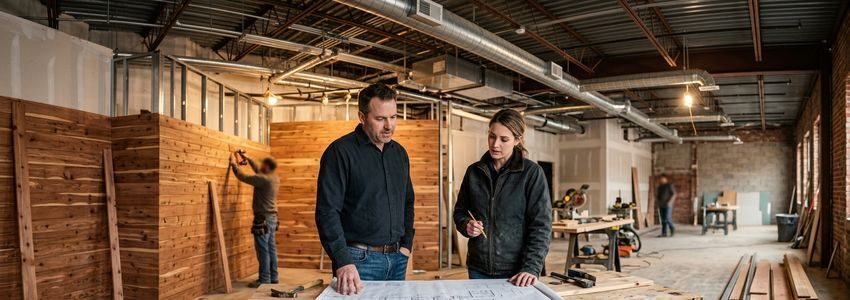
Cigar lounge financing is one of the fastest-growing niches in specialty hospitality lending, and for good reason. Opening or upgrading a cigar lounge is not like opening a typical retail shop. The humidor room alone can require custom climate control, cedar-lined walls, and precision humidification systems, while the ventilation and air filtration system needed to keep a smoking lounge compliant and comfortable can cost more than the rest of the build-out combined. If you are a cigar lounge owner facing a humidor or ventilation project, understanding your financing options before you sign a single contractor invoice can save you tens of thousands of dollars and months of delay.
In This Article
- What Is Cigar Lounge Humidor and Ventilation Financing?
- Why Humidor and Ventilation Projects Cost So Much
- Key Benefits of Financing the Buildout
- How Cigar Lounge Financing Works
- Types of Financing Available
- Who This Financing Is Best For
- Financing vs Other Funding Options
- How Crestmont Capital Helps
- Real-World Scenarios
- FAQ
- Next Steps
What Is Cigar Lounge Humidor and Ventilation Financing?
Cigar lounge humidor and ventilation financing is business funding specifically used to cover the construction, equipment, and installation costs tied to a lounge's two most technical spaces: the walk-in humidor and the commercial air filtration or ventilation system. Unlike a general small business loan, this type of financing is scoped around a defined project, which typically makes it easier to qualify for and easier to justify to a lender because the use of funds is clear and asset-backed.
The humidor room is where premium cigars are stored at controlled temperature and humidity, usually built with Spanish cedar paneling, a dedicated humidification and dehumidification system, insulated walls, and a sealed door. The ventilation system is what makes indoor cigar smoking legal and tolerable in most jurisdictions, using commercial-grade smoke eaters, exhaust fans, makeup air units, and ductwork engineered to handle constant particulate and odor load far beyond what a standard HVAC system was designed for.
Financing for these projects generally falls into two overlapping categories: equipment financing for the physical units (humidification systems, smoke eaters, exhaust fans, ductwork components) and commercial buildout or working capital financing for the labor, permitting, and construction costs that go around them.
Why Humidor and Ventilation Projects Cost So Much
A basic walk-in humidor build-out for a small lounge can run $15,000 to $40,000, while a large-format humidor room with custom cedar millwork, glass display walls, and a commercial-grade humidification system can exceed $100,000. Ventilation is often the bigger number. A properly engineered smoke-eating and makeup air system for a lounge of 1,500 to 3,000 square feet frequently runs $60,000 to $200,000 once ductwork, electrical work, and rooftop equipment are included.
Several factors drive these costs higher than most new lounge owners expect:
- Commercial ventilation code requirements are stricter for smoking establishments than for any other food or beverage business, often requiring 100% outside makeup air.
- Humidity control systems need redundancy, since a single mechanical failure can destroy tens of thousands of dollars in cigar inventory within days.
- Skilled HVAC contractors experienced in smoke-eater installation are scarce, which raises labor rates in most metro markets.
- Permitting and inspection cycles for smoking lounges are typically longer and more involved than for a standard retail buildout.
Because these two systems are non-negotiable for a legally operating, comfortable cigar lounge, owners rarely have the option to defer or scale back the project. That makes financing the practical path for most lounges, whether opening new or upgrading an existing space.
There is also a hidden cost dimension many first-time lounge owners underestimate: ongoing maintenance and monitoring. A humidor's humidification system typically needs a backup power source or alarm system tied to a monitoring service, since even a few hours of power loss during a heat wave can spike humidity and trigger tobacco beetle infestations that ruin an entire inventory. Ventilation systems, meanwhile, need scheduled filter replacement and duct cleaning on a cycle far more frequent than a typical restaurant kitchen hood, because smoke particulate clogs filtration media faster than grease-laden vapor does. Building these recurring costs into your financing plan from day one, rather than treating them as a future surprise, is one of the most overlooked steps in opening a cigar lounge successfully.
Ready to Build Out Your Cigar Lounge?
Get fast, flexible financing from the #1 business lender in the U.S. No obligation, apply in minutes.
Apply Now →Key Benefits of Financing the Buildout
Paying cash for a humidor and ventilation project ties up capital that most lounge owners need for opening inventory, staffing, and marketing. Financing spreads the cost over time and keeps working capital free for the parts of the business that generate revenue immediately.
- Preserve cash reserves for cigar inventory, furniture, and the first several months of operating expenses.
- Match payments to revenue by spreading a large one-time cost into predictable monthly payments.
- Move faster on permitting deadlines without waiting to save up the full project cost.
- Bundle equipment and construction costs into a single funding package instead of juggling multiple vendor terms.
- Protect personal savings and avoid draining a 401(k) or home equity line to fund a commercial project.
Key Point: According to the U.S. Small Business Administration, access to capital remains one of the most cited barriers for small business owners investing in specialized buildouts, and financing that matches a project's timeline is consistently linked to faster time-to-open for hospitality concepts.
How Cigar Lounge Financing Works
Cigar lounge humidor and ventilation financing follows a fairly straightforward process once you understand what a lender needs to see. Most lenders want a clear scope of work, a realistic budget, and basic business financials before they can put together an offer.
Quick Guide
How Cigar Lounge Financing Works, At a Glance
Collect written estimates for the humidor build-out and the ventilation or smoke-eater system.
Submit basic business financials, bank statements, and the project scope for review.
Many equipment and working capital packages fund within a few business days of approval.
Pay contractors and vendors directly, then open your humidor and ventilation-ready lounge.
The exact underwriting process depends on the type of financing you choose. Equipment financing tends to move quickest because the humidification and ventilation equipment itself can serve as collateral. Working capital or line-of-credit options generally look more closely at overall business revenue and cash flow, which matters more for an existing lounge already generating sales than for a brand-new location.
For SBA-backed financing on a full construction project, expect a more document-heavy process, including a detailed use-of-funds breakdown, a business plan if the lounge is not yet open, and personal financial statements from any owner with a significant stake in the business. This extra documentation is the trade-off for longer repayment terms and lower monthly payments, which many owners find worthwhile given the size of a full humidor and ventilation buildout. Working with a lender experienced in specialty hospitality financing, rather than a generalist bank loan officer unfamiliar with cigar lounge operations, tends to smooth this process considerably.
Types of Financing Available
Cigar lounge owners typically choose from four main financing structures depending on whether the project is new construction, a retrofit, or an expansion.
| Financing Type | Best For | Typical Term |
|---|---|---|
| Equipment Financing | Humidification systems, smoke eaters, exhaust fans | 2 to 7 years |
| SBA Loans | Full new build-out including construction and equipment | Up to 10 to 25 years |
| Business Line of Credit | Phased projects or unexpected cost overruns | Revolving, draw as needed |
| Unsecured Working Capital | Established lounges retrofitting or expanding an existing humidor | 3 months to 24 months |
Equipment financing is usually the fastest route for the ventilation and humidification units themselves, since lenders can underwrite against the equipment's value. An SBA loan makes more sense when a lounge is combining the humidor and ventilation project with broader construction, such as a new bar, seating area, or retail floor. A business line of credit is often used by existing lounges that want flexibility to draw funds as contractor invoices come in rather than taking one lump sum upfront.
Who This Financing Is Best For
This type of financing fits a specific set of cigar lounge owners best:
- Owners opening a new cigar lounge who need the humidor and ventilation system built before they can legally open.
- Existing lounges retrofitting ventilation to meet a new local ordinance or fire marshal requirement.
- Lounges expanding humidor storage capacity because current inventory has outgrown the space.
- Multi-location operators replicating a proven humidor and ventilation design at a second or third site.
- Owners whose existing smoke-eater or exhaust system has failed and needs urgent replacement to stay open.
It is generally a poor fit for owners who have not yet secured a lease or completed local zoning and fire code review, since most lenders want to see that the project is permit-ready before funding a large construction-related request.
It is worth noting that this financing niche also serves adjacent business models with similar mechanical needs, including hookah lounges, private cigar clubs operated as membership businesses, and combination cigar and whiskey bars that layer a humidor onto an existing beverage license. Any concept that requires both climate-controlled tobacco storage and commercial-grade smoke ventilation faces largely the same cost structure and financing considerations covered in this guide.
Financing vs Other Funding Options
Cigar lounge owners often consider three alternatives before turning to structured financing, and each comes with real trade-offs.
- Cash reserves: Fastest to deploy but leaves little cushion for opening inventory, payroll, and marketing during the first critical months.
- Personal loans or credit cards: Easy to access but typically carry higher rates and put personal credit and personal assets directly at risk for a business expense.
- Landlord tenant improvement allowance: Can offset some construction cost, but it rarely covers specialized items like commercial smoke eaters or cedar-lined humidor rooms, and it is negotiated into the lease rather than paid out as cash.
Structured business financing, by contrast, is built around the project itself, keeps personal and business finances separated, and in the case of equipment financing, can often be approved faster than a traditional bank construction loan.
Traditional bank construction loans are worth a brief mention as a fourth alternative, since some owners assume this is the default path. In practice, most community and regional banks are hesitant to underwrite loans tied specifically to smoking-related hospitality concepts, and even when they will, the approval timeline often runs eight to twelve weeks with substantial documentation requirements. For an owner working against a lease commencement date or a fire marshal deadline, that timeline is frequently a dealbreaker, which is why equipment financing and SBA-backed products have become the more common route for this niche.
How Crestmont Capital Helps
Crestmont Capital works with hospitality and specialty retail owners to structure financing around the realities of a cigar lounge buildout, not a generic small business template. Our SBA loan programs are well suited to full ground-up builds that combine humidor construction with a larger renovation, while our business line of credit gives owners flexibility to draw funds in stages as contractor milestones are hit.
For lounges that primarily need to finance the humidification and ventilation equipment itself, our commercial financing options are designed to move quickly, since the equipment can secure the loan and reduce underwriting friction. We also work with owners who need unsecured working capital to cover permitting, inspection delays, or contractor change orders that come up mid-project.
If you have already researched a similar hospitality concept, our guide on cocktail lounge business loans covers many of the same construction and licensing considerations, and our hookah lounge business loans guide addresses ventilation requirements for a comparable smoke-related business model.
Turn Your Humidor and Ventilation Plans Into Reality
Crestmont Capital structures financing around your project timeline, not the other way around.
Apply Now →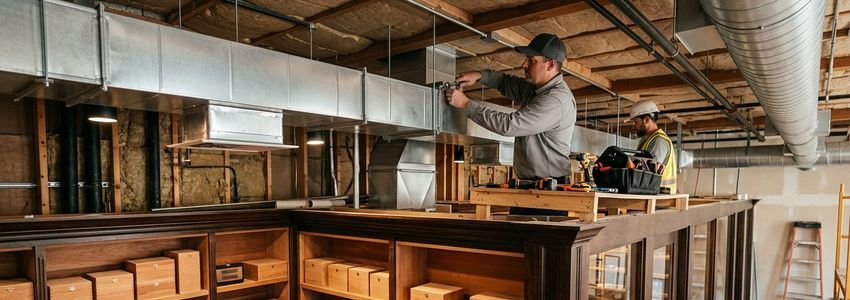
Pro Tip: Get your ventilation contractor's proposal in writing with a line-item breakdown before applying for financing. Lenders move faster on equipment financing requests when the equipment cost is clearly separated from labor and construction costs.
Real-World Scenarios
Scenario 1: New Lounge, Full Buildout
A first-time owner signs a lease on a 2,200-square-foot retail space and needs $95,000 to build a walk-in humidor and install a commercial smoke-eater system before the local fire marshal will approve occupancy. An SBA-backed loan covers the full construction and equipment cost, structured over a seven-year term to keep monthly payments manageable during the ramp-up period.
Scenario 2: Ventilation Retrofit After a Code Change
An established lounge operating for six years is notified that its city has updated air quality ordinances for smoking establishments, requiring a new makeup air system within 90 days. Equipment financing covers the $72,000 system, with fast approval based on the equipment as collateral and the lounge's existing revenue history.
Scenario 3: Humidor Expansion
A lounge that opened three years ago has outgrown its original 300-square-foot humidor and needs to double capacity to meet demand from a growing membership program. A $38,000 equipment and construction package covers the expanded cedar millwork and an upgraded humidification system.
Scenario 4: Emergency Equipment Failure
A lounge's original smoke-eater system fails during peak season, forcing a temporary shutdown of the smoking floor. A short-term working capital loan allows the owner to replace the unit within two weeks rather than waiting months to save the full replacement cost.
Scenario 5: Second Location Expansion
An owner with one profitable lounge location wants to replicate the same humidor and ventilation design at a second site. A business line of credit gives the owner flexibility to draw funds as construction milestones are completed across both the humidor build and the HVAC installation.
Scenario 6: Combination Cigar and Whiskey Bar
A beverage-licensed bar owner decides to add a cigar lounge concept to an existing space, which requires retrofitting a section of the building with a sealed humidor room and adding a dedicated exhaust zone so smoke does not migrate into the main bar area. A working capital loan combined with equipment financing covers both the construction partition work and the new ventilation zoning, allowing the owner to launch the added revenue stream without pausing existing bar operations during the buildout.
Frequently Asked Questions
What is cigar lounge humidor and ventilation financing?
It is business financing specifically used to fund the construction, equipment, and installation costs of a cigar lounge's humidor room and its commercial ventilation or smoke-eater system, typically through equipment financing, an SBA loan, or a business line of credit.
How much does a cigar lounge humidor room cost to build?
A basic walk-in humidor typically costs $15,000 to $40,000, while a large-format humidor with custom cedar millwork and glass display walls can exceed $100,000 depending on size and finish level.
How much does a cigar lounge ventilation system cost?
A properly engineered smoke-eating and makeup air system for a lounge of 1,500 to 3,000 square feet often runs $60,000 to $200,000 once ductwork, electrical work, and rooftop equipment are included.
What financing options are available for a cigar lounge buildout?
Owners commonly use equipment financing for the humidification and ventilation units, SBA loans for full new construction, business lines of credit for phased projects, and unsecured working capital for retrofits or smaller expansions.
What credit score do I need to qualify?
Requirements vary by lender and product, but many equipment financing and working capital options are accessible to owners with fair to good personal credit, especially when the business has existing revenue or the equipment itself secures the loan.
How fast can I get funded?
Equipment financing and working capital products can often fund within a few business days of approval, while SBA loans covering a full construction project generally take several weeks due to additional documentation and underwriting steps.
Can a brand-new cigar lounge qualify for financing before opening?
Yes, in many cases. Lenders will typically want to see a signed lease, completed permitting or a clear path to it, contractor quotes, and a reasonable business plan, even if the lounge has not yet opened its doors.
Do I need collateral to finance a humidor and ventilation project?
Equipment financing is usually secured by the equipment itself, such as the humidification units and smoke eaters, which means you typically do not need to pledge separate collateral. Unsecured working capital, by definition, does not require specific collateral either.
Is equipment financing or an SBA loan better for a cigar lounge project?
Equipment financing is generally faster and better suited when you are primarily financing the humidification and ventilation units. An SBA loan tends to make more sense when the humidor and ventilation project is part of a larger renovation that includes construction, furniture, and other build-out costs.
What ventilation code requirements apply to cigar lounges?
Requirements vary by city and state, but many jurisdictions require 100% outside makeup air, minimum air exchange rates, and dedicated exhaust systems for licensed smoking establishments. Always confirm current local requirements with your building department and fire marshal before finalizing your system design.
What is included in a typical humidor room construction package?
A typical package includes cedar-lined walls and shelving, an insulated and sealed door, a dedicated humidification and dehumidification system, and often a glass display wall so patrons can see the inventory from the lounge floor.
Should I use a business line of credit instead of a lump-sum loan?
A line of credit can be a better fit when your project is phased or when costs are not fully finalized, since you only draw and pay interest on what you actually use as contractor invoices come in.
What documents do I need to apply?
Most lenders will ask for recent business bank statements, a contractor or vendor quote for the humidor and ventilation project, basic business formation documents, and in some cases a simple business plan if the lounge has not yet opened.
Can I refinance an existing humidor or ventilation loan later?
In many cases, yes. Depending on the lender and the terms of your original financing, refinancing or restructuring existing equipment or working capital debt is often possible once your lounge has established a stronger revenue history.
Does financing cover ongoing maintenance for humidor and ventilation systems?
Standard financing products are usually structured around the initial construction and equipment purchase rather than ongoing maintenance. Some lenders offer a working capital add-on or a separate line of credit specifically to cover recurring costs like filter replacement, duct cleaning, and humidification system servicing.
Don't Let Financing Delay Your Opening Date
See what you qualify for and keep your humidor and ventilation project on schedule.
Apply Now →Next Steps
Get written estimates for both the humidor build-out and the ventilation system separately.
Confirm requirements with your building department before finalizing system specs.
Submit your project scope and business financials to get matched with the right financing type.
Move forward with your contractors and get your lounge ready for patrons.
Conclusion
Cigar lounge financing exists because humidor and ventilation projects are too specialized, too expensive, and too time-sensitive to leave to guesswork. Whether you are opening a new lounge, retrofitting an aging smoke-eater system, or expanding humidor capacity to meet growing demand, matching the right financing structure to your project keeps your cash reserves intact and your opening timeline on track. Equipment financing, SBA loans, business lines of credit, and working capital each solve a different piece of the puzzle, and the right choice depends on the scope and stage of your specific project.
Crestmont Capital works with hospitality and specialty retail owners across the country to structure financing that fits the realities of a cigar lounge buildout. If a humidor or ventilation project is standing between you and your opening date, the right financing can close that gap without draining the capital you need to run the business once the doors are open.
Before signing a contractor agreement, take the time to get at least two independent quotes for both the humidor construction and the ventilation system, confirm your local code requirements in writing with your building department, and talk to a lender who understands specialty hospitality financing rather than a generalist small business loan officer. Those three steps alone prevent the majority of delays and budget overruns that new lounge owners run into during their first buildout.
Disclaimer: The information provided in this article is for general educational purposes only and is not financial, legal, or tax advice. Funding terms, qualifications, and product availability may vary and are subject to change without notice. Crestmont Capital does not guarantee approval, rates, or specific outcomes. For personalized information about your business funding options, contact our team directly.