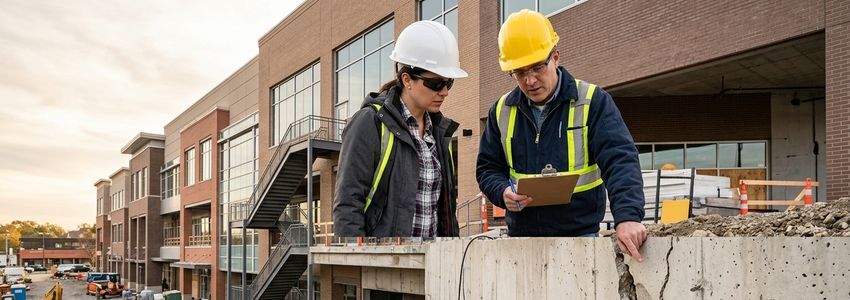
A cracked slab, a shifting wall, or a structural engineer's report calling for immediate underpinning can turn a normal week into a financial emergency. Structural foundation problems rarely wait for a convenient time in the budget cycle, and repair bids often run into the tens or even hundreds of thousands of dollars. When a building's foundation is compromised, business owners need a way to fund the repair quickly, before the damage worsens or the property becomes unsafe to occupy.
This guide covers what drives the cost of a structural foundation repair, why the expense so often arrives without warning, and how foundation repair financing can help a business fund the project without draining cash reserves or halting operations. We also walk through financing options, a step-by-step application process, real-world scenarios, and answers to the questions business owners ask most often when a foundation problem lands on their desk.
In This Article
- What Is Foundation Repair Financing?
- Why Foundation Repairs Hit Businesses Suddenly
- How Foundation Repair Financing Works
- Financing Options to Cover the Repair
- Types of Structural Foundation Damage
- Who This Financing Is Best For
- Step-by-Step Application Process
- Comparing Your Funding Sources
- How Crestmont Capital Helps
- Real-World Scenarios
- FAQ
- Next Steps
What Is Foundation Repair Financing?
Foundation repair financing is short-term or working capital business funding used specifically to cover the cost of stabilizing, underpinning, or otherwise repairing a commercial building's structural foundation. Rather than paying a contractor in cash from operating funds or delaying critical structural work, a business borrows against its future revenue and repays the loan over a term that fits its cash flow.
Structural foundation issues are different from routine building maintenance. A leaking roof or a broken HVAC unit is disruptive, but a compromised foundation can affect the safety and usability of the entire structure. Insurers, in most cases, will not cover foundation settlement or soil-related movement unless it results directly from a covered peril such as a burst pipe or a named storm, which means the repair bill typically lands squarely on the business owner.
Financing bridges that gap. It converts a large, unplanned capital expense into a manageable monthly payment, allowing the business to move forward with repairs immediately rather than waiting months to self-fund the project out of retained earnings.
Key Stat: Mid-range commercial foundation underpinning projects commonly run between $30,000 and $150,000, and large-scale structural work on bigger commercial buildings can exceed $1 million depending on the extent of the damage and the repair method required.
Why Foundation Repairs Hit Businesses Suddenly
Most business owners do not budget a line item for structural repairs, because foundation problems are rarely predictable until a visible sign, like a cracked wall or a sticking door, forces an inspection. By the time a structural engineer confirms the damage, the business is often already facing pressure to act quickly.
- Damage worsens over time. Foundation settlement and soil movement rarely stay static. What starts as a hairline crack can widen into a safety hazard within months if left unaddressed, and contractors will often flag repairs as urgent.
- Insurance rarely covers the cost. Most commercial property policies specifically exclude foundation settling, soil expansion and contraction, and gradual structural movement, leaving the business to self-fund the repair.
- Occupancy and safety codes may force the issue. A local building inspector or fire marshal can red-tag a structure with visible foundation failure, cutting off revenue from that location until repairs are complete.
- Tenants and lenders may require proof of repair. Commercial leases and mortgage covenants frequently include structural integrity clauses, meaning a landlord, lender, or anchor tenant can demand repairs be completed on a tight timeline.
- Repair bids come in higher than expected. Foundation repair pricing depends heavily on soil conditions, foundation type, and site accessibility, so many business owners are surprised by how much higher the actual bid is compared to their initial estimate.
The result is the same timing mismatch seen with most emergency capital expenses: the obligation is immediate, but the cash needed to cover it usually is not sitting idle in a business bank account.
Don't Let a Foundation Problem Shut You Down
Get fast, flexible working capital to fund your structural repair before the damage gets worse or costs more. No obligation to apply.
Apply Now →How Foundation Repair Financing Works
Financing a structural repair follows the same basic pattern as financing any other large, unplanned business expense. The priority is getting cash in hand fast enough to keep the repair timeline on track, while repaying it on terms that do not strain day-to-day operations.
- Step 1: Get a written repair bid and engineering report. Have a licensed structural engineer or foundation contractor document the scope of damage, recommended repair method, and total cost, since lenders and your own planning will rely on this figure.
- Step 2: Match the financing product to the repair timeline. A single lump-sum bid with a firm start date usually calls for a term loan or working capital loan. A phased repair, or one where the final scope is uncertain until work begins, is often better suited to a business line of credit.
- Step 3: Gather basic financial documentation. Most alternative lenders ask for a handful of months of business bank statements and basic revenue information rather than a lengthy loan package, which keeps the process moving quickly.
- Step 4: Receive funding and pay the contractor directly. Once approved, funds are deposited into your business account, giving you control over deposit payments, milestone draws, and final completion payments to your foundation contractor.
- Step 5: Repay on a schedule that fits your cash flow. Depending on the product, repayment can be structured as fixed monthly installments, a revolving line you draw down as needed, or payments tied to daily or weekly revenue.
Because speed matters most when a structural issue is actively worsening, non-bank and alternative lenders that specialize in fast small business funding are typically a better fit than a traditional bank, which can take weeks to underwrite a comparable loan.
By the Numbers
Structural Repair Costs and Small Business Financing
$30K-$150K
Typical range for mid-size commercial foundation underpinning
17 Days
Average SBA disaster loan approval time in FY2025
~33%
Share of small businesses reporting an unmet financing gap in 2025
1-3 Days
Typical funding speed through alternative business lenders
Financing Options to Cover the Repair
Different financing products fit different repair scenarios. The right choice depends largely on whether the repair bid is fixed and known upfront, or whether the scope could expand once the contractor opens up the foundation.
Working Capital Loans
A working capital loan delivers a lump sum upfront, repaid over a fixed term. This structure fits well when you have a firm, written bid from your foundation contractor and know the total repair cost in advance.
Business Lines of Credit
A revolving line of credit lets you draw only what you need, when you need it, paying interest solely on the outstanding balance. This works well for phased repairs, or when the engineer's report leaves room for the scope to grow once work begins.
Unsecured Working Capital Financing
For businesses that do not want to pledge additional collateral on top of the real estate already tied to the building, unsecured working capital financing offers fast access to funds based primarily on business revenue and cash flow.
Equipment and Commercial Financing
If the foundation repair is bundled with other capital improvements, such as new structural equipment, drainage systems, or site work, a broader commercial financing package may cover the full scope of the project in a single facility.
Whichever structure you choose, prioritize funding speed and repayment flexibility over chasing the absolute lowest rate. A foundation problem with an active safety concern is not the moment to wait weeks on a traditional bank's underwriting timeline.
Pro Tip: Ask your foundation contractor whether the repair can be billed in phases tied to milestones (excavation, pier installation, finishing work). If it can, a business line of credit will typically cost less overall than a lump-sum loan, since you only pay interest on funds actually drawn.
Types of Structural Foundation Damage
The type of damage a business is facing often determines both the repair method and the total cost, which in turn shapes the right financing structure.
- Foundation settlement: Uneven soil compaction causes one section of the building to sink lower than the rest, often requiring helical or steel push piers to stabilize and lift the structure.
- Wall bowing or leaning: Lateral soil pressure pushes basement or foundation walls inward, typically addressed with carbon fiber straps, wall anchors, or steel bracing.
- Slab cracking: Cracks in a concrete slab foundation can range from cosmetic to structural, with larger cracks often signaling settlement issues beneath the slab.
- Water intrusion and erosion damage: Poor drainage or a plumbing leak can erode soil beneath a foundation over time, undermining structural support even without an obvious visible crack.
- Sinkhole or subsidence activity: In regions with karst geology or old fill soil, ground subsidence can create sudden, severe structural emergencies requiring immediate stabilization.
Each of these issues can range from a modest repair to a six-figure structural overhaul, which is why getting a professional engineering assessment before selecting a financing product is a critical first step.
Who This Financing Is Best For
Foundation repair financing is relevant across nearly every industry that owns or leases commercial real estate, but it is especially common among businesses in the following situations:
- Retail, restaurant, and hospitality businesses where the building must remain occupied and operational during the repair
- Property owners and landlords with a commercial tenant whose lease requires prompt structural repairs
- Manufacturers and warehouse operators with heavy equipment loads that stress an aging or damaged foundation
- Businesses that recently purchased a property and discovered foundation issues during or after closing
- Companies in regions with expansive clay soils, high water tables, or a history of ground movement
- Businesses that carry limited cash reserves relative to the size of the repair bid
Financing also makes sense for businesses that are otherwise financially healthy and generating consistent revenue, but simply do not have five or six figures in idle cash sitting on the balance sheet to absorb an unplanned structural repair.
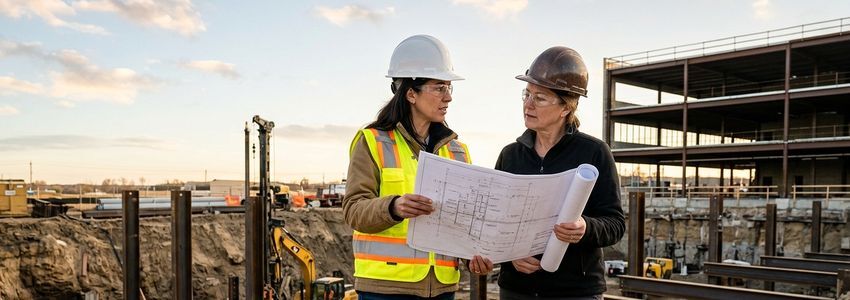
Step-by-Step: Applying for Foundation Repair Financing
Once you have decided to move forward with financing, the process itself is usually straightforward when you work with a lender that specializes in fast small business funding. Here is what to expect from inquiry to funding.
Initial Inquiry and Pre-Qualification
Most alternative lenders start with a short application covering time in business, monthly revenue, and the reason for funding. This step typically takes only a few minutes and does not require a hard credit pull, so you can review your options without affecting your credit profile.
Document Submission
Once pre-qualified, expect to provide three to six months of business bank statements, a voided check, and basic identification. Having your structural engineer's report and contractor bid ready alongside these documents can help speed up the underwriting review.
Underwriting Review
Unlike a traditional bank, which weighs personal credit history heavily, many alternative lenders focus primarily on business cash flow and revenue consistency. This benefits businesses that are otherwise strong performers but happen to be dealing with an unplanned structural expense.
Approval and Offer Review
If approved, you will receive an offer detailing the funding amount, repayment structure, term length, and total cost of capital. Compare this against your contractor's payment schedule so the repayment terms line up with when funds are actually needed at each phase of the repair.
Funding and Disbursement
Once you accept an offer, funds are typically deposited directly into your business bank account, often within one to two business days. From there, you control how the money is used, whether that means a deposit to secure your contractor's schedule, a milestone payment, or the final balance due at project completion.
Comparing Your Funding Sources
Business owners facing a structural repair typically weigh a handful of funding sources. The table below compares the most common options on speed, cost structure, and best use case.
| Funding Source | Typical Speed | Cost Structure | Best For |
|---|---|---|---|
| Working Capital Loan | 1-3 business days | Fixed term, fixed payment | Known lump-sum repair bid |
| Business Line of Credit | 1-3 business days | Interest only on funds drawn | Phased or uncertain repair scope |
| SBA Loan | Several weeks to months | Lower rate, strict underwriting | Non-urgent, well-planned major renovations |
| Cash Reserves | Immediate | No financing cost, but depletes liquidity | Businesses with substantial idle cash |
| Traditional Bank Loan | 2-8 weeks | Lower rate, extensive documentation | Businesses without an urgent repair deadline |
For most businesses facing an active structural issue, a working capital loan or business line of credit offers the best balance of speed and preserved liquidity for day-to-day operations.
How Crestmont Capital Helps
Crestmont Capital works with business owners who need funding fast and cannot afford to wait weeks on a traditional bank's timeline while a structural issue worsens. When a foundation problem requires immediate attention, our team can help you evaluate whether an unsecured working capital loan or a business line of credit fits your repair timeline and budget best.
Our underwriting process is built around real business performance rather than rigid, one-size-fits-all criteria, which means approvals and funding can often happen in days rather than weeks. You can review the full range of options on our small business financing hub to see which product lines up best with your situation.
If your business has faced a related structural or building issue before, you may also find it useful to read our guides on commercial roof financing and on financing a repair triggered by a building code violation, both of which cover similar underwriting considerations for property-related capital expenses.
Get Ahead of a Worsening Structural Problem
See how much working capital your business qualifies for, with no obligation and no impact on your ability to shop other options.
Check Your Options →Real-World Scenarios
Scenario 1: The Retail Strip Center
A strip center owner noticed a widening crack running across the exterior wall of one retail unit. A structural engineer confirmed foundation settlement requiring twelve steel piers, at a bid of $58,000. The owner used a working capital loan to cover the full amount upfront, allowing the contractor to begin work within a week and avoid losing the tenant's rent during a prolonged vacancy.
Scenario 2: The Manufacturing Facility
A metal fabrication shop discovered a section of its warehouse slab had cracked under the weight of heavy machinery. Because the repair required removing and repouring a large slab section in phases, the company opened a business line of credit and drew against it as each phase of work was billed, keeping financing costs proportional to actual spend.
Scenario 3: The Restaurant Group
A restaurant group discovered foundation cracking during a routine kitchen renovation. With the location needing to stay open through the repair, the company used a short-term business loan to fund off-hours structural work, minimizing the impact on daily revenue while the foundation was stabilized.
Scenario 4: The New Building Owner
A business that had recently purchased its own commercial building discovered a bowing basement wall shortly after closing. Because the issue was excluded from the property's insurance policy, the new owner used unsecured working capital financing to fund wall anchors and drainage improvements without touching the reserves set aside for other startup capital needs.
Reminder: This article provides general educational information. Every foundation issue and financing situation is different, so always confirm your specific repair scope and financing terms with a licensed structural engineer, contractor, and lender before making a decision.
Frequently Asked Questions
What is foundation repair financing?
Foundation repair financing is business funding used specifically to cover the cost of stabilizing or repairing a commercial building's structural foundation, allowing owners to pay a contractor without depleting cash reserves.
Does commercial property insurance cover foundation repair?
Usually not. Most commercial property policies exclude gradual foundation settling and soil movement, covering foundation damage only when it results directly from a covered peril such as a burst pipe or a named storm.
How much does a commercial foundation repair typically cost?
Costs vary widely based on the extent of damage and repair method, but mid-range commercial underpinning projects commonly fall between $30,000 and $150,000, with larger structural work sometimes exceeding that range.
Can I get a business loan to pay for foundation repair?
Yes. Many businesses use a working capital loan, business line of credit, or short-term loan to fund a structural repair, especially when the repair is urgent and cash reserves are limited.
How fast can I get funding for an urgent structural repair?
Alternative and non-bank lenders can often approve and fund a working capital loan or line of credit within one to three business days, compared to several weeks for a traditional bank loan.
Is a line of credit or a lump-sum loan better for a foundation repair?
It depends on the repair. A firm, known bid usually fits a lump-sum working capital loan, while a phased repair with an uncertain final scope is often better matched to a line of credit, where you only pay interest on funds drawn.
Do I need collateral to finance a structural repair?
Not necessarily. Unsecured working capital financing is available for many businesses based primarily on revenue and cash flow, without requiring the business to pledge additional collateral beyond the existing property.
What documents do lenders need for foundation repair financing?
Most lenders request recent business bank statements, basic revenue information, and details about the business. Having the structural engineer's report and contractor bid ready can help speed up the review.
Can a landlord or property owner use this type of financing?
Yes. Commercial property owners and landlords facing lease requirements or tenant pressure to repair a foundation often use working capital financing to complete the work without disrupting rental income or reserves.
What are common signs of a structural foundation problem?
Common warning signs include cracked walls or slabs, doors and windows that stick or no longer close properly, uneven or sloping floors, and visible gaps between walls and ceilings or floors.
Can I stay open for business during a foundation repair?
In many cases, yes. Contractors can often schedule work in phases or during off-hours to minimize disruption, though the safest approach depends on the severity of the damage and should be confirmed with your engineer and contractor.
How much does it cost to finance a structural repair?
Costs vary by lender, loan structure, business financials, and term length. Because pricing depends on individual circumstances, it is best to request a quote and compare structures directly with a lender.
What repair methods are used for a settling foundation?
Common methods include helical or steel push piers to stabilize and lift the structure, carbon fiber straps or wall anchors for bowing walls, and slab jacking or polyurethane foam injection for uneven concrete slabs.
Should I use cash reserves instead of financing for a foundation repair?
If your business has ample idle cash reserves, paying outright avoids financing costs. Many owners still prefer financing so they can preserve cash for payroll, inventory, and operations while the repair is underway.
How do I get started financing a structural foundation repair?
Start by getting a written repair bid and engineering report, then compare working capital loan and line of credit options based on how quickly funds are needed and how the repair will be billed.
Protect Your Building and Your Cash Flow
Talk to Crestmont Capital about fast, flexible funding for your structural foundation repair today.
Apply Now →Next Steps
Confirm the scope, repair method, and total cost with a licensed structural engineer and contractor.
Decide between a lump-sum loan and a revolving line of credit based on how the repair will be billed.
Have recent bank statements and basic business details ready to speed up underwriting.
Submit your application, get an approval decision, and pay your contractor directly.
Conclusion
A structural foundation problem does not wait for a convenient budget cycle, and the longer it goes unaddressed, the more expensive and disruptive it tends to become. Because commercial insurance rarely covers foundation settlement or soil-related damage, most business owners need a fast, flexible way to fund the repair without draining cash reserves needed for payroll and operations. Foundation repair financing, whether structured as a working capital loan or a business line of credit, gives owners a practical path to fund the project on their own timeline instead of the timeline forced on them by a worsening structural issue.
Disclaimer: The information provided in this article is for general educational purposes only and is not financial, legal, or tax advice. Funding terms, qualifications, and product availability may vary and are subject to change without notice. Crestmont Capital does not guarantee approval, rates, or specific outcomes. For personalized information about your business funding options, contact our team directly.