
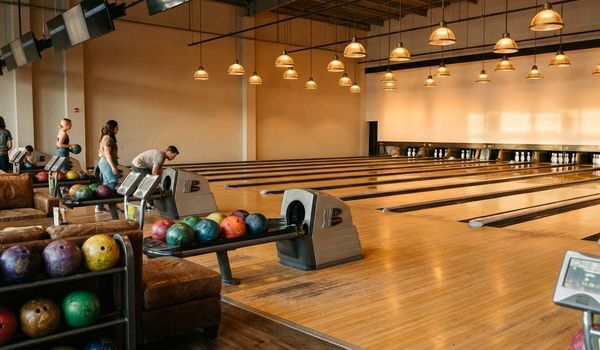
For entrepreneurs with a passion for entertainment and community, the classic American bowling alley remains a compelling business venture. The question on every prospective owner's mind is, naturally, how much does it cost to open a bowling alley? As we look toward 2026, the answer is more complex than ever, shaped by evolving consumer tastes, technological advancements, and a wide spectrum of business models from traditional league-focused centers to upscale boutique entertainment venues.
The financial barrier to entry can seem high, but with a solid understanding of the costs, potential revenue, and available financing, the path to ownership becomes much clearer. This comprehensive guide provides the definitive 2026 outlook on bowling alley startup costs, breaking down every expense from lane installation to liquor licenses. We will explore key bowling industry statistics, analyze revenue and profit potential, and detail the specific financing solutions that make these projects possible.
Whether you're planning to build a state-of-the-art facility from the ground up or revitalize a classic center, this article will equip you with the essential financial data you need. We will cover everything from the cost of pinsetters to the average bowling alley profit margin, giving you the tools to create a robust bowling alley business plan and secure the necessary capital for your venture.
In This Article
- The Bowling Industry in 2026: Market Overview
- Bowling Alley Startup Costs: The Full Breakdown
- What Drives the Cost to Open a Bowling Alley?
- Bowling Alley Revenue and Profit Statistics
- 2026 Bowling Industry Trends That Affect Your Costs
- Financing Options for Opening a Bowling Alley
- How Bowling Alley Financing Works: Step by Step
- How Crestmont Capital Helps Bowling Alley Owners
- Real-World Scenarios: What Bowling Alley Financing Looks Like
- Frequently Asked Questions
- How to Get Started
- Conclusion
The Bowling Industry in 2026: Market Overview
Before diving into the specific costs, it is crucial to understand the landscape of the bowling alley business. Despite its long history, the industry is not a relic; it is a dynamic market that has shown remarkable resilience and adaptability. The core appeal of bowling-as a social, accessible, and all-weather activity-remains strong, providing a stable foundation for operators.
According to recent U.S. Census Bureau economic data, the United States is home to approximately 2,800 to 3,000 commercial bowling centers. These establishments collectively generate around $4 billion in annual revenue. This figure demonstrates the significant economic footprint of the industry and its enduring place in American entertainment culture. While the number of centers has consolidated from its peak in the mid-20th century, the remaining facilities are often larger, more modern, and more profitable.
Participation rates further underscore the industry's health. Industry estimates show that around 67 million Americans bowl at least once per year, a testament to the sport's broad appeal across different age groups and demographics. This wide customer base includes casual bowlers, families, corporate event attendees, and dedicated league players, each representing a distinct revenue opportunity for a well-managed bowling alley business.
The modern bowling industry is characterized by a shift towards a more diversified entertainment model. While traditional bowling leagues still provide a steady stream of income, the most successful centers have expanded their offerings to include high-quality food and beverage, arcades, laser tag, and event hosting. This evolution into "bowling entertainment centers" (BECs) has broadened the customer base and significantly increased the potential revenue per visitor, making the business proposition more attractive than ever for savvy entrepreneurs.
Market Insight: The trend towards diversified entertainment means that a significant portion of a modern bowling center's revenue-often 30% to 50%-comes from sources other than lane rentals, primarily food and beverage. This is a critical factor to consider when developing your business plan and financial projections.
Bowling Alley Startup Costs: The Full Breakdown
The total capital required to open a bowling alley varies dramatically based on the project's scope. A small, boutique venue in a leased space will have a vastly different budget than a large, new-construction family entertainment center. Below, we provide a detailed breakdown of the major bowling alley startup costs, with ranges that reflect these different scenarios.
Real Estate and Build-Out: $50,000 - $3,000,000+
This is often the largest and most variable expense. If you are leasing an existing building and retrofitting it, your costs will be on the lower end, covering renovations, plumbing, electrical work, HVAC upgrades, and cosmetic finishes. This could range from $50,000 for a simple conversion to over $500,000 for a major overhaul of a large space. Buying land and constructing a new building from the ground up is the most expensive route, with costs easily exceeding $2 million to $5 million or more depending on location and size.
Bowling Lanes and Equipment: $18,000 - $45,000 per lane
This is the heart of your operation. The cost per lane includes the lane itself (synthetic is now standard), the pinsetter machine (traditional free-fall or modern string pinsetters), the ball return system, and the overhead scoring monitors. A traditional 24-lane center could therefore expect to spend between $432,000 and $1,080,000 on this core equipment alone. Opting for high-end features like custom masking units, advanced lighting, and plush seating will push costs toward the higher end of this range.
Scoring System and Point-of-Sale (POS): $30,000 - $100,000+
A modern, integrated system is essential for efficient operations. This includes the software and hardware that manages lane assignments, scoring, timers, and billing. A comprehensive POS system will also handle food and beverage orders, arcade card management, and party bookings, providing valuable data and streamlining the customer experience. The cost depends on the number of lanes and terminals needed and the complexity of the software.
Furniture, Fixtures, and Equipment (FF&E): $50,000 - $400,000+
This category covers everything that makes your center functional and comfortable. It includes bowler seating, tables, chairs for the lounge and restaurant areas, bar stools, service counters, and decorative elements. It also includes the operational necessities like bowling balls (a wide range of weights), bowling shoes (hundreds of pairs in all sizes), and the shoe spray/sanitizing system. For a full-service entertainment center, this budget must also cover arcade games, which can be a significant investment but offer high returns.
Kitchen and Bar Equipment: $75,000 - $350,000+
If you plan to make food and beverage a central part of your business model, you must invest in a commercial-grade kitchen. Costs include ovens, fryers, grills, walk-in coolers and freezers, ventilation hoods, prep stations, and dishwashing equipment. The bar requires its own set of equipment, including draft beer systems, ice machines, glass washers, and under-bar refrigeration. The scale of your culinary ambitions will directly dictate this cost.
Licensing, Permits, and Professional Fees: $15,000 - $75,000
Navigating the legal and regulatory requirements is a critical startup step. This budget line item includes business formation fees, building permits, health department permits, and, most significantly, a liquor license, which can vary in cost from a few thousand to tens of thousands of dollars depending on the state and municipality. You should also budget for professional fees for architects, engineers, lawyers, and accountants to ensure your project is planned and executed correctly.
Initial Inventory and Working Capital: $50,000 - $250,000+
Before you open your doors, you will need to stock your kitchen with food, your bar with alcohol, and your pro shop with merchandise. More importantly, you need a substantial cash reserve, known as working capital. This fund covers your initial operating expenses-such as payroll, rent, utilities, and marketing-for the first several months before your business generates consistent positive cash flow. Underestimating working capital is a common and often fatal mistake for new businesses.
| Cost Category | Retrofit / Boutique (8-12 Lanes) | New Build / Traditional (24-32 Lanes) |
|---|---|---|
| Real Estate & Build-Out | $50,000 - $500,000+ | $2,000,000 - $5,000,000+ |
| Bowling Lanes & Equipment | $180,000 - $450,000 | $432,000 - $1,440,000 |
| Scoring & POS Systems | $30,000 - $60,000 | $60,000 - $120,000 |
| Furniture, Fixtures & Equipment | $50,000 - $150,000 | $200,000 - $400,000+ |
| Kitchen & Bar Equipment | $75,000 - $200,000 | $150,000 - $350,000+ |
| Licensing, Permits & Fees | $15,000 - $50,000 | $25,000 - $75,000 |
| Working Capital & Inventory | $50,000 - $150,000 | $100,000 - $250,000+ |
| Estimated Total Startup Cost | $450,000 - $1,560,000+ | $2,967,000 - $7,640,000+ |
Pro Tip: Always include a contingency fund of 10-15% of your total project budget. Unforeseen construction delays, equipment price increases, or permitting issues are common, and a contingency fund prevents these surprises from derailing your entire project before you even open.
What Drives the Cost to Open a Bowling Alley?
The wide ranges in the cost breakdown highlight that no two bowling alley projects are the same. Several key strategic decisions will have a profound impact on your final budget. Understanding these factors is the first step in learning how to start a bowling alley on a sound financial footing.
New Build vs. Buying an Existing Center vs. Retrofitting
Building from the ground up offers complete control over layout, design, and branding, but it is by far the most expensive and time-consuming option. Buying an existing, operational bowling alley can be a shortcut to profitability, as you acquire an established customer base and cash flow, but the purchase price can be substantial. Retrofitting an existing commercial space (like a former big-box store or warehouse) offers a middle ground, often saving significantly on construction costs while still allowing for a modern build-out.
Boutique Entertainment Center vs. Traditional Center
Your business model is a major cost driver. A traditional, league-focused center may have more lanes (24-40+) but might invest less in high-end finishes and food service. A boutique or "bowling lounge" concept might only have 8-16 lanes but will spend heavily on creating a premium atmosphere with upscale decor, a gourmet menu, a craft cocktail bar, and advanced audiovisual systems. The cost per square foot for a boutique center can often be higher, even if the total project cost is lower due to its smaller size.
Location, Location, Location
Real estate costs are a primary determinant of your budget. A location in a dense, high-income urban area will command much higher lease rates or purchase prices than a suburban or rural location. However, that prime location may also support higher pricing and generate more traffic, particularly from lucrative corporate events. A thorough market analysis is essential to balance the cost of real estate with the revenue potential of the chosen demographic.
Size and Number of Lanes
This is a straightforward but critical factor. Every lane you add increases your costs for equipment, construction, and the overall square footage required for your building. A larger center also means higher staffing and utility costs. The key is to find the sweet spot for your market-enough lanes to accommodate peak demand and host events, but not so many that they sit empty on a regular basis, dragging down your profitability.
Planning Your Bowling Center?
A detailed business plan is your roadmap. Let us help you finance the vision.
Apply Now →Bowling Alley Revenue and Profit Statistics
Understanding the cost to open a bowling alley is only half the equation. To secure financing and build a sustainable business, you must have a firm grasp of the potential bowling alley revenue and profit margins. These figures are what will ultimately determine your return on investment.
Revenue Per Lane
A key performance indicator in the industry is annual revenue per lane. According to industry estimates, this figure typically falls within the range of $25,000 to $60,000. A well-run, modern entertainment center in a strong market can achieve or even exceed the high end of this range, while an older, more traditional center in a less populated area might be closer to the lower end. For a 16-lane center, this translates to a total annual revenue potential of $400,000 to $960,000 or more.
The Modern Revenue Mix
The days of relying solely on lane fees are over. A successful 2026 bowling alley diversifies its income streams. A typical revenue breakdown might look like this:
- Bowling (Lane Fees & Shoe Rental): 40% - 60%
- Food & Beverage: 30% - 50%
- Arcade & Other Amusements: 5% - 15%
- Leagues, Parties & Corporate Events: Varies, but a significant contributor
Food and beverage (F&B) is the most critical secondary revenue stream. By offering an appealing menu that goes beyond basic snack bar fare, you can dramatically increase the average spend per customer. Corporate events and birthday parties are also highly profitable, as they often involve package deals that include bowling, food, and drinks at a premium price point.
Bowling Alley Profit Margin
After accounting for all operating costs-including rent or mortgage, payroll, utilities, marketing, and maintenance-what is left over? The net bowling alley profit margin for a well-managed center commonly falls between 10% and 20%. For a center generating $1 million in annual revenue, this would equate to a net profit of $100,000 to $200,000. Achieving these margins requires diligent management of labor costs, food costs, and other variable expenses.
Break-Even and Seasonality
A new bowling alley will not be profitable from day one. It typically takes 6 to 18 months for a center to build its customer base and reach its break-even point, where revenue covers all expenses. It is also important to account for seasonality. Business is generally strongest during the fall and winter months and for summer holidays, while it can be slower during warmer spring and summer weekdays. A savvy operator will plan marketing promotions and special events to drive traffic during these slower periods.
2026 Bowling Industry Trends That Affect Your Costs
The bowling industry is constantly evolving, and staying ahead of the trends is essential for long-term success. These trends not only shape the customer experience but also have a direct impact on your startup and operating costs. A forward-thinking bowling alley business plan must account for these shifts.
The Boutique and Entertainment-Center Shift
The most significant trend is the move away from large, league-centric houses toward smaller, more experiential venues. These boutique centers prioritize atmosphere, high-quality food and drink, and a social vibe over the sheer number of lanes. While this may mean a smaller physical footprint, it requires a higher investment per square foot in interior design, comfortable lounge seating, and advanced audiovisual technology to create a premium environment that commands higher prices.
Food-and-Beverage-Led Models
Leading operators now see themselves as restaurants and bars that happen to have bowling, rather than the other way around. This F&B-first approach requires a substantial investment in a full commercial kitchen, a well-designed bar, and skilled culinary staff. While this increases initial bowling alley startup costs, it also unlocks the high-margin revenue stream that is essential for maximizing profitability in the modern market.
Technology Integration and Automation
Technology is transforming the operational side of the business. One of the most significant developments is the growing adoption of string pinsetters. These machines use strings to pull the pins back into place, which makes them simpler, safer, and significantly less expensive to maintain than traditional free-fall pinsetters. They also use less energy. While the upfront cost can be comparable, the long-term operational savings on parts and technician labor can be substantial. Additionally, integrated software for online reservations, waitlist management, and targeted marketing is now a must-have, not a nice-to-have.
The Rise of "Eatertainment" and Experiential Spending
Post-pandemic, consumers have shown a strong preference for spending on experiences rather than just goods. Bowling alleys are perfectly positioned to capitalize on this trend. By combining an activity (bowling) with dining and other amusements (arcades, live music), you create a multi-faceted entertainment destination. This justifies a higher price point and encourages longer stays and higher per-person spending. As the U.S. Small Business Administration (SBA) advises, a clear understanding of your target market's spending habits is crucial when you calculate your startup costs and project your revenue.
Financing Options for Opening a Bowling Alley
With startup costs often running into the hundreds of thousands or even millions of dollars, very few entrepreneurs can fund a new bowling alley with cash. Securing the right financing package is one of the most critical steps in turning your vision into a reality. Lenders like Crestmont Capital offer a variety of solutions tailored to the unique needs of the entertainment industry.
Equipment Financing
This is one of the most common tools used in the industry. An equipment financing agreement allows you to acquire your lanes, pinsetters, scoring systems, and kitchen equipment with little to no money down. The equipment itself serves as collateral for the loan. This is an excellent way to preserve your working capital for other startup expenses. Terms typically range from 3 to 7 years, and at the end of the term, you own the equipment outright.
SBA Loans
Backed by the Small Business Administration, SBA loans are a popular choice for large-scale projects like opening a bowling alley. The two most common types are the SBA 7(a) and the SBA 504. An SBA 7(a) loan can be used for a wide range of purposes, including real estate purchase, construction, equipment, and working capital, with funding up to $5 million. An SBA 504 loan is specifically designed for the purchase of commercial real estate and major equipment. These loans offer long repayment terms (up to 25 years for real estate) and competitive interest rates, which helps to keep monthly payments manageable.
Conventional Term Loans
For established business owners with strong credit, a traditional term loan from a bank or direct lender can be an option. These loans provide a lump sum of capital that is paid back over a fixed period with regular installments. They can be used for nearly any business purpose, but they often have stricter qualification requirements and may require a more substantial down payment compared to SBA loans.
Business Line of Credit
A business line of credit provides flexible access to capital up to a certain limit. You can draw funds as needed and only pay interest on the amount you use. This is not typically used for major initial purchases like lanes or real estate, but it is an invaluable tool for managing cash flow, covering unexpected expenses, or funding smaller projects like a new marketing campaign or minor renovations once you are operational.
Financing Strategy: Most bowling alley projects are funded with a combination of financing products. For example, an entrepreneur might use an SBA 504 loan for the building, an equipment financing agreement for the lanes and kitchen, and a business line of credit for ongoing working capital needs.
| Financing Type | Best For | Typical Loan Amount | Repayment Term |
|---|---|---|---|
| SBA 7(a) Loan | New construction, business acquisition, major renovations, working capital | $30,000 - $5,000,000 | 7-25 Years |
| Equipment Financing | Lanes, pinsetters, kitchen equipment, POS systems, arcade games | $10,000 - $2,000,000+ | 3-7 Years |
| Business Line of Credit | Managing cash flow, inventory purchases, unexpected repairs | $10,000 - $500,000 | Revolving |
| Conventional Term Loan | Expansion projects, business acquisition for borrowers with strong credit | $100,000 - $5,000,000+ | 5-10 Years |
How Bowling Alley Financing Works: Step by Step
Securing millions of dollars in financing can seem like a daunting process, but it can be broken down into a series of manageable steps. Lenders are looking for a well-prepared borrower with a viable project and a clear plan. Here is what the journey from application to funding typically looks like.
Step 1: Comprehensive Business Planning and Preparation
This is the most critical phase. Before you even approach a lender, you need a detailed bowling alley business plan. This document should include your concept, market analysis, competitive landscape, marketing strategy, management team bios, and-most importantly-detailed financial projections. Your projections should include a startup cost budget, a 3-5 year profit and loss forecast, and a cash flow analysis. You will also need to gather personal financial statements for all owners with 20% or more equity.
Step 2: Initial Application and Document Submission
Once your plan is complete, you will submit an initial application to a lender like Crestmont Capital. This is often a simple online form that gathers basic information about you and your project. Following this, a financing specialist will contact you to discuss your needs and request your full document package, which will include your business plan, financial projections, personal and business tax returns (if applicable), and quotes for major equipment purchases and construction.
Step 3: Underwriting and Due Diligence
This is where the lender's credit team analyzes your application. They will review your credit history, verify your financial information, and scrutinize your business plan for feasibility. For a large project, this is an in-depth process. Underwriters will assess the "Five C's of Credit": Character (your experience and credit history), Capacity (your projected ability to repay the loan), Capital (your own cash injection into the project), Collateral (the assets securing the loan), and Conditions (the market and economic environment). Be prepared to answer detailed questions about your assumptions and plans during this stage.
Step 4: Term Sheet and Approval
If the underwriting team is satisfied, the lender will issue a term sheet or a conditional approval letter. This document outlines the proposed terms of the financing, including the loan amount, interest rate, repayment term, and any required covenants or conditions. This is not the final loan agreement, but it is a formal offer that you can review and accept. This is a major milestone in the process.
Step 5: Final Documentation and Closing
After you accept the term sheet, the lender's legal team will draft the final loan agreements. This is a comprehensive set of documents that formalizes all terms and conditions. You will work with your attorney to review these documents before signing. The closing process involves signing all the paperwork and satisfying any final conditions, such as providing proof of insurance or finalizing real estate contracts.
Step 6: Funding
Once the loan is closed, the funds are disbursed. The method of disbursement depends on the loan type. For an equipment loan, the lender may pay the vendor directly. For a construction loan, funds are typically disbursed in draws as different phases of the project are completed. For working capital, the funds are deposited directly into your business bank account. The entire process, from initial application to funding, can take anywhere from a few weeks for a simple equipment loan to several months for a complex SBA construction loan.
By the Numbers
Bowling Alley Industry - Key 2026 Statistics
~3,000
U.S. Bowling Centers
$4 Billion
Annual Industry Revenue
67 Million
Annual U.S. Participants
$2M-$5M+
New Center Startup Cost
How Crestmont Capital Helps Bowling Alley Owners
At Crestmont Capital, we understand that a bowling alley is more than just a business-it's a community hub and a significant capital investment. Our team of financing specialists has extensive experience working with entrepreneurs in the entertainment and hospitality sectors. We pride ourselves on being more than just a lender; we are a strategic partner dedicated to helping you structure the right financing to achieve your goals.
We offer a full suite of small business financing products designed to meet the diverse needs of a bowling alley project. For those crucial, high-value assets, our specialized equipment financing programs can cover 100% of the cost of your lanes, pinsetters, and kitchen, preserving your cash for other needs. We are also a leading provider of government-backed loan programs, and our expertise in navigating the application process for SBA loans helps our clients secure the long-term, low-rate capital necessary for large-scale construction or acquisition projects.
Beyond startup funding, we support your business as it grows. A flexible business line of credit from Crestmont Capital can provide the ongoing working capital you need to manage seasonal fluctuations or seize unexpected opportunities. Whether you're looking for general bowling alley business loans or have specific questions about bowling lane equipment financing, our team is ready to provide expert guidance. We work with you to understand your complete financial picture and build a customized funding solution.
Ready to Finance Your Bowling Center?
Our specialists can help you navigate your options and secure the best terms.
Apply Now →Real-World Scenarios: What Bowling Alley Financing Looks Like in Practice
To make these bowling alley financing statistics more tangible, let's explore five distinct, realistic scenarios that illustrate how different projects are structured and funded.
Scenario 1: Retrofitting a 12-Lane Center in a Suburban Strip Mall
An entrepreneur finds a 15,000 sq. ft. vacant former retail space. The plan is to create a family-friendly center with a modern arcade and a quality fast-casual restaurant. The total project cost is estimated at $1.2 million.
- Build-Out & Renovations: $300,000
- 12 Lanes & String Pinsetters: $420,000
- Kitchen & Bar Equipment: $150,000
- FF&E and Arcade Games: $200,000
- Working Capital & Other Costs: $130,000
Financing Structure: The owner provides a 15% cash injection ($180,000). They secure an SBA 7(a) loan for $1,020,000 with a 10-year term for the equipment/build-out portion and a 25-year term for the portion allocated to leasehold improvements. This blended term keeps the monthly payment manageable during the crucial first years of operation.
Scenario 2: Buying an Existing, Profitable 24-Lane Center
A husband-and-wife team with management experience decides to purchase a well-established, 30-year-old bowling alley. The purchase price is $2.5 million, which includes the real estate. The business is profitable but needs a cosmetic update, estimated at $300,000.
- Business & Real Estate Acquisition: $2,500,000
- Renovation & Upgrades: $300,000
- Working Capital: $100,000
- Total Project Cost: $2,900,000
Financing Structure: The buyers contribute a 10% down payment ($290,000). They obtain an SBA 504 loan. The bank provides a first mortgage for 50% of the cost ($1,450,000), and the SBA provides a second mortgage for 40% ($1,160,000). The long 25-year amortization on the real estate portion results in a stable, predictable debt service that is easily covered by the business's existing cash flow.
Scenario 3: Adding a Full Kitchen and Bar to an Aging Center
The owner of a traditional 32-lane bowling alley recognizes the need to modernize and capture more F&B revenue. The plan is to convert an underutilized storage area into a full-service restaurant and sports bar. The total project cost is $400,000.
- Construction & Build-Out: $150,000
- Commercial Kitchen Equipment: $175,000
- Bar Equipment & FF&E: $75,000
Financing Structure: The owner, who has significant equity in the existing business, secures a $400,000 equipment financing agreement. Because the loan is primarily for revenue-generating equipment, the lender offers favorable terms with a 5-year repayment schedule. The projected increase in F&B sales is more than enough to cover the new monthly loan payment.
Scenario 4: Equipment-Only Upgrade with Pinsetter Replacement
An operator of a 16-lane center is struggling with high maintenance costs and frequent breakdowns of their 25-year-old free-fall pinsetters. They decide to upgrade to new, energy-efficient string pinsetters and a new scoring system to improve reliability and the customer experience.
- 16 New String Pinsetters (Installed): $320,000
- New Scoring System Software & Hardware: $80,000
- Total Project Cost: $400,000
Financing Structure: The owner uses a straightforward equipment lease-to-own financing option for the full $400,000. The new equipment serves as the sole collateral, so no additional assets are required. The 7-year term results in a fixed monthly payment that is partially offset by the immediate savings in maintenance, parts, and labor costs from the old machines.
Scenario 5: New Boutique 8-Lane Entertainment Venue in an Urban Core
A team of investors plans to build a high-end, 10,000 sq. ft. "eatertainment" concept in a trendy downtown neighborhood. The focus is on craft cocktails, a chef-driven menu, and a luxurious atmosphere. The total project cost is $2.8 million.
- Leasehold Improvements & High-End Finishes: $1,500,000
- 8 Lanes with Custom Seating/Lighting: $360,000
- Gourmet Kitchen & High-End Bar: $350,000
- FF&E, A/V System, POS: $340,000
- Working Capital & Pre-Opening Expenses: $250,000
Financing Structure: The investor group contributes a 25% equity injection ($700,000). They secure a combination of financing: a $1.5 million conventional term loan from a commercial bank, collateralized by the business assets and personal guarantees, and a separate $600,000 equipment financing package for the lanes and kitchen. This hybrid approach allows them to leverage different lender strengths for different asset types.
Frequently Asked Questions
How much does it cost to open a bowling alley in 2026?+
The cost varies widely. Retrofitting an existing space for a smaller, boutique center can cost between $450,000 and $1.5 million. Building a large, traditional bowling entertainment center from the ground up typically costs between $3 million and $8 million or more. The final cost depends on location, size, and the level of finishes and amenities.
What is the biggest startup expense when opening a bowling alley?+
For a new build, the biggest expense is overwhelmingly the real estate and construction, which can account for over 50% of the total project cost. For a retrofit project in a leased space, the most significant expense is typically the bowling equipment package itself-the lanes, pinsetters, ball returns, and scoring systems.
How much revenue does a bowling alley make per year?+
Annual revenue is often measured per lane. Industry estimates place average annual revenue per lane between $25,000 and $60,000. Therefore, a 16-lane center could generate anywhere from $400,000 to over $1 million annually, depending on its location, business model, and the strength of its food and beverage program.
What is the average profit margin for a bowling alley?+
A well-managed bowling alley can achieve a net profit margin of 10% to 20%. Centers with strong food and beverage sales, efficient operations, and a focus on high-margin activities like corporate events tend to perform at the higher end of this range. Diligent cost control is essential to maintaining healthy profitability.
How much does bowling lane equipment cost per lane?+
The cost for a complete new lane package, including the lane surface, pinsetter, ball return, and scoring system, typically ranges from $18,000 to $45,000 per lane, installed. The price depends on the brand, the type of pinsetter (free-fall vs. string), and any additional features like custom graphics or advanced lighting.
Is it cheaper to buy an existing bowling alley or build a new one?+
It is almost always cheaper to buy an existing center than to build a new one from the ground up, even if it requires significant renovations. A new build involves land acquisition and ground-up construction, which are massive expenses. Buying an existing business, while still costly, allows you to acquire physical assets and an established customer base for a lower total investment.
What financing options are available for opening a bowling alley?+
The most common financing tools are SBA loans (like the 7(a) and 504 programs), equipment financing and leasing, and conventional bank loans. Most projects use a combination of these. For example, an SBA loan might cover the real estate and build-out, while an equipment financing agreement covers the lanes and kitchen.
Can I get an SBA loan to open a bowling alley?+
Yes, bowling alleys are eligible for SBA financing. According to the SBA's official site on funding programs, SBA 7(a) loans up to $5 million can be used for real estate, construction, equipment, and working capital, making them an ideal solution for large-scale bowling alley projects. SBA 504 loans are also excellent for purchasing commercial real estate and major equipment.
How long does it take for a new bowling alley to become profitable?+
Most new bowling alleys take between 6 and 18 months to reach their break-even point and become consistently profitable. The timeline depends on factors like the effectiveness of your pre-opening marketing, your location, local competition, and how quickly you can build a base of regular customers and league bowlers.
What credit score do I need to finance a bowling alley?+
For large-scale financing like an SBA or conventional loan, lenders generally look for a personal credit score of 680 or higher from all primary owners. A stronger credit score (720+) will improve your chances of approval and help you secure more favorable interest rates. Some equipment financing options may be available for scores in the mid-600s.
How much working capital should I have after opening?+
It is wise to have at least 3 to 6 months of operating expenses in reserve as working capital. This includes funds for payroll, rent or mortgage, utilities, insurance, and marketing. For a new center, this could range from $50,000 to $250,000 or more, depending on its size. Underfunding working capital is a major risk for any new business.
Are bowling alleys a good investment in 2026?+
Yes, a modern bowling alley can be an excellent investment. The industry is stable, and the shift toward diversified "eatertainment" models has significantly increased revenue potential. With a strong business plan, a good location, and a focus on the customer experience, a bowling alley can generate strong cash flow and provide a solid return on investment.
What ongoing operating costs should bowling alley owners expect?+
Major ongoing costs include payroll (the largest operating expense), rent or mortgage payments, utilities (electricity is a significant cost), cost of goods sold (for food and beverage), marketing and advertising, insurance, and regular maintenance for lanes and pinsetters. These should all be carefully projected in your business plan.
How does a bowling alley business plan affect financing approval?+
The business plan is arguably the most important factor in securing financing. Lenders need to see that you have a viable concept, a deep understanding of your market, and realistic financial projections. A well-researched, detailed, and professional business plan demonstrates your competence and significantly increases a lender's confidence in your project's success.
What should I do first if I want to open a bowling alley?+
The very first step is research and planning. Before you look for locations or talk to lenders, you must develop your concept and begin writing your business plan. Conduct thorough market research in your target area to validate demand. This foundational work is essential before you begin seeking the significant capital required for this type of venture.
Get the Capital Your Bowling Center Needs
Our simple application takes just a few minutes. See what you qualify for today.
Apply Now →How to Get Started
Fill out our simple, secure online form in under five minutes. This gives us the basic information we need to start exploring your options. Apply Now to begin the process.
A dedicated Crestmont Capital financing expert will contact you to discuss your bowling alley project in detail. We'll learn about your specific needs, review your business plan, and answer all your questions.
We will present you with clear, competitive financing offers tailored to your project. Our team will walk you through the terms of each option, helping you choose the best solution to fund your new bowling center.
Conclusion
Opening a bowling alley in 2026 is a significant undertaking, requiring substantial capital and meticulous planning. The total investment can range from under a million dollars for a modest retrofit to well over five million for a new, large-scale entertainment center. By understanding the detailed breakdown of these costs and the key factors that influence them, you can build a realistic budget and a compelling business case for lenders.
The industry's positive trends-including the shift to profitable entertainment-center models and strong consumer demand for experiences-make it an attractive field for entrepreneurs. With solid revenue potential and healthy profit margins, a well-executed bowling alley business can provide a fantastic return on investment. The key is to pair a great concept with a sound financial strategy.
Ultimately, the answer to how much does it cost to open a bowling alley is that it costs what you design it to. By leveraging the diverse range of financing options available, from SBA loans to equipment financing, you can structure a funding package that aligns with your specific project and vision. With careful preparation and the right financial partner, you can successfully launch and grow a thriving bowling alley business.
Disclaimer: The information provided in this article is for general educational purposes only and is not financial, legal, or tax advice. Funding terms, qualifications, and product availability may vary and are subject to change without notice. Crestmont Capital does not guarantee approval, rates, or specific outcomes. For personalized information about your business funding options, contact our team directly.

Allan Garfinkle
Allan Garfinkle is the Chief Revenue Officer at Crestmont Capital, where he has spent more than a decade leading revenue strategy, business development, and operational growth. With 28 years of experience building and advising startups and small businesses, Allan has helped more than 10,000 business owners navigate financing decisions, growth opportunities, and changing economic conditions. He earned a Bachelor of Science in Economics and an MBA with a concentration in Finance from Northeastern University, as well as a Juris Doctor from New England Law, where his studies focused on contracts and business law. His writing draws on extensive practical experience in small-business lending, equipment financing, business credit, and commercial finance.